
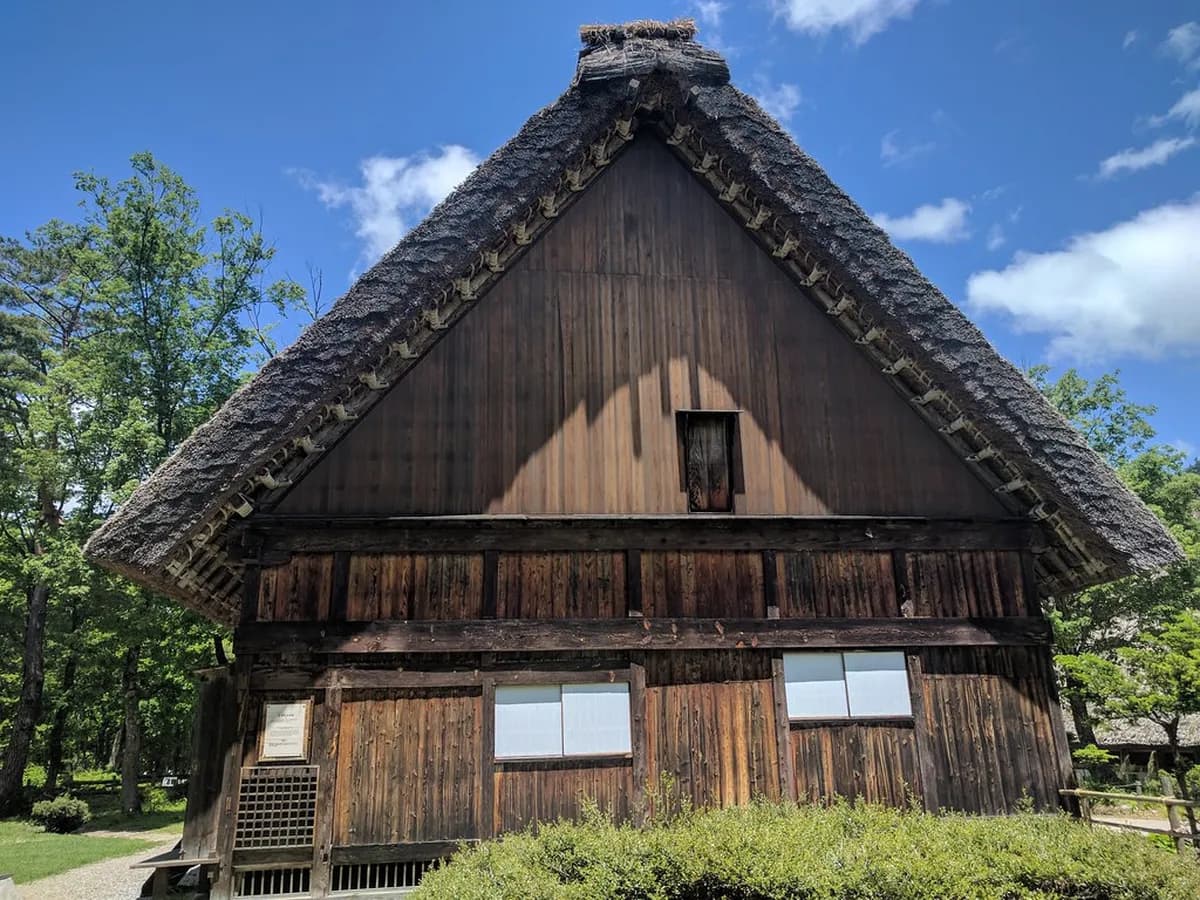
Stepping into the Gassho-zukuri Minkaen feels like entering a living postcard of ancient Japan. This open-air museum preserves 26 historic buildings that showcase the unique architectural heritage of the Gifu region.
Travelers often confuse this dedicated museum with the main residential area across the river. While both offer stunning views, the Minkaen provides a curated, educational look into traditional lifestyles without the bustle of active residents.
Our gassho-zukuri minkaen visitor guide helps you navigate the historic structures and understand the deep cultural roots of this UNESCO World Heritage Centre site. You will find essential details on costs, timing, and the best photo spots for your journey.
Planning a trip to Shirakawa-go requires a bit of logistical foresight to avoid the largest crowds. Let us explore how this museum serves as the perfect gateway to understanding the 'praying hands' farmhouses.
What is the Gassho-zukuri Minkaen Open-Air Museum?
The Gassho-zukuri Minkaen is a specialized outdoor museum located just across the Deai Bridge from the main village. It features a collection of 26 relocated buildings, including farmhouses, a watermill, and a Shinto shrine. These structures were moved here starting in the 1960s to save them from being submerged by dam construction or lost to modernization.
Visiting this site allows you to explore authentic interiors that are often more accessible than those in the private village. Unlike the Ogimachi village area, the museum is a paid enclosure designed specifically for historical preservation. This separation helps maintain the quiet dignity of the original farmhouses while providing a space for tourists to learn.
The museum offers a quieter atmosphere compared to the often-crowded streets of the main settlement. You can wander through ancient stables and storage sheds at your own pace without worrying about blocking residential traffic. This 'moving-preserve' initiative remains one of Japan's most successful conservation efforts for rural architecture.
The History and Architecture of the "Praying Hands" Houses
The name 'Gassho-zukuri' translates to 'constructed like hands in prayer,' referring to the steep pitch of the thatched roofs. These roofs are designed to withstand the massive snowfall typical of the Shokawa River valley. Each structure is built without a single nail, using only wooden beams and intricate rope bindings.
Inside these massive homes, the attic spaces served a vital industrial purpose for local families. Residents used the upper floors for sericulture, or silkworm farming, which flourished due to the rising heat from the ground-floor hearths. This clever use of space allowed families to generate income during the harsh, isolated winter months.
The lower levels often hid a secret industry related to the production of saltpeter, a key ingredient in gunpowder. Farmers processed organic waste beneath the floorboards to create this valuable commodity for trade. Understanding these dual functions provides a deeper appreciation for the ingenuity of the Edo period residents.
Top Highlights: Must-See Farmhouses and Exhibits
The Yamashita-ke House stands as one of the most impressive structures within the museum grounds. This farmhouse was originally located in the nearby village of Kazura before being carefully dismantled and rebuilt here. Visitors can walk through the expansive living quarters and see how multiple generations once lived under a single roof.
Don't miss the traditional watermill and the village shrine, which provide a complete picture of a functioning historic community. The shrine's intricate carvings and the rhythmic sound of the mill offer a sensory journey back in time. These smaller structures are just as important as the large houses for understanding daily life in Shirakawa-go.
For a unique culinary break, visit the soba restaurant located within one of the historic buildings. It typically serves handmade buckwheat noodles in a setting that feels far more authentic than the modern cafes nearby. Dining here is often faster and more peaceful than waiting for a table in the main tourist district.
Practical Visitor Information: Hours, Fees, and Access
Accessing the museum is straightforward if you arrive via the main bus terminal. Most visitors travel using the Nohi Bus Official Site schedules from Takayama or Kanazawa. The walk from the bus stop to the museum entrance takes about five to ten minutes across the iconic suspension bridge.
Admission costs approximately 600 yen for adults, which is a small price to support the ongoing preservation of these fragile roofs. The museum typically opens at 8:40 AM and closes by 5:00 PM during the peak season. Winter hours are slightly shorter, often ending at 4:00 PM, so plan your arrival accordingly.
If you are driving, large parking lots are available near the museum entrance for a flat daily fee. These lots fill up quickly during the autumn leaf season and the winter illumination periods. Arriving before 10:00 AM ensures you find a spot and enjoy the exhibits before the large tour groups arrive.
- Museum Admission and Operational Details
- Adult Fee: 600 Japanese Yen
- Child Fee: 400 Japanese Yen
- Opening Time: 8:40 AM daily
- Closing Time: 4:00 PM or 5:00 PM
- Transportation Hubs and Travel Times
- From Takayama: 50 minutes by bus
- From Kanazawa: 75 minutes by bus
- From Nagoya: 3 hours by bus
- Walk from Terminal: 5-10 minutes
Best Time to Visit: Seasonal Beauty in Shirakawa-Go
Winter transforms the Minkaen into a snowy wonderland that looks like a miniature village under a thick white blanket. January and February are the best months for those seeking the famous 'icicle' aesthetic and heavy snow accumulation. Keep in mind that paths can be slippery, so sturdy waterproof boots are essential for safety.
Spring brings a delicate beauty as cherry blossoms frame the dark wood of the thatched roofs. This season usually peaks in late April due to the higher elevation of the mountain valley. You can see the vibrant green of the surrounding forests beginning to wake up after the long winter freeze.
Autumn is perhaps the most popular time for photographers due to the fiery red and orange maple leaves. The contrast between the colorful foliage and the weathered thatch creates stunning compositions for your travel gallery. Check the Official Shirakawa-go Minkaen Website for specific dates regarding the autumn festival events.
Essential Tips for a Smooth and Respectful Visit
Respecting the local customs is vital when entering the historic farmhouses. You must remove your shoes at the entrance of almost every building to protect the delicate tatami mats and wooden floors. Wearing thick socks will keep your feet warm, as the unheated interiors can be quite chilly even in the summer.
Photography is generally allowed, but you should always look for signs indicating restricted areas inside certain exhibits. Avoid using tripods in narrow hallways where they might trip other visitors or damage the ancient wood. Being mindful of your surroundings ensures everyone has a pleasant experience while exploring the museum.
While the Minkaen is a museum, the nearby village is home to real families. Always stay on marked paths and avoid wandering into private gardens or looking through the windows of inhabited homes. For a deeper look at a residential house that is open to the public, consider visiting the Wada House in the main village.
Frequently Asked Questions
How long does it take to walk through the Minkaen museum?
Most visitors spend between 60 and 90 minutes exploring the 26 buildings and the museum grounds. If you plan to eat at the onsite soba restaurant or participate in a craft workshop, allow for two hours. This provides enough time to read the English signage and take photos without rushing.
Is the Minkaen better than the main Ogimachi village?
Both areas offer different experiences, but the Minkaen is better for education and avoiding crowds. The main village is an active community where people live, while the museum is a dedicated historical site. We recommend visiting both to see the Myozenji Temple and the museum's preserved farmhouses.
Can I see the winter illuminations from the Minkaen?
The Minkaen often hosts its own separate lighting events during the winter season. These are typically less crowded than the main village light-up but require a separate ticket. Always check the official museum website for 2026 dates and booking requirements before you travel to the region.
Are there lockers available at the museum entrance?
Coin-operated lockers are available at the main Shirakawa-go bus terminal rather than at the museum gate. If you have large suitcases, it is best to store them at the terminal before walking across the bridge. Small backpacks are allowed inside the museum, but you must carry them carefully inside the houses.
The Gassho-zukuri Minkaen offers a profound look into the resilience and creativity of Japan's mountain communities. By visiting this open-air museum, you support the preservation of architectural treasures that were nearly lost to time.
Whether you are marvelling at the steep thatched roofs or learning about ancient silk production, the experience is deeply rewarding. Make sure to cross the bridge and explore this quiet corner of the valley during your next trip.
Combine your museum visit with a trip to the Shiroyama Viewpoint for the best panoramic views of the region. This dual perspective will give you a complete understanding of why this village remains a world-renowned destination.