
Shirakawa-go From Nagoya: 7 Essential Travel Tips & Routes
Plan your trip from Nagoya to Shirakawa-go with our guide to bus routes, train transfers, day trip itineraries, and essential booking tips for the UNESCO village.
On this page
Reaching the UNESCO-listed village of Shirakawa-go from Nagoya is a highlight for many travelers exploring Central Japan. The direct Gifu Bus highway express is usually the most efficient choice, taking under three hours at ¥3,900 / ~$27 one-way. This guide reflects 2026 pricing, timetables, and the specific navigation details that most route planners leave out.
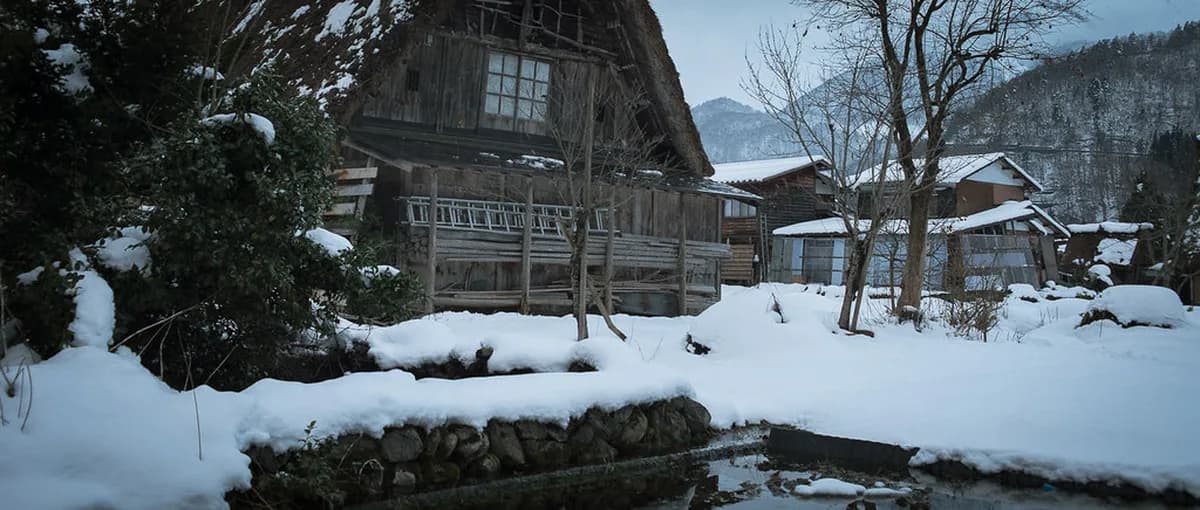
The village of Ogimachi is famous for its gassho-zukuri farmhouses — century-old structures with steep thatched roofs designed to shed the region's heavy winter snowfall. Whether you want a quick day trip or a quiet overnight stay, planning your logistics early is absolutely essential, particularly for peak autumn and winter illumination weekends when buses sell out within hours of opening.
Transport Options: Direct Bus vs. Train & Bus
The most popular way to reach Ogimachi Village from Nagoya is the Express Shirakawago Line operated by Gifu Bus. This direct highway service costs ¥3,900 / ~$27 one-way and takes approximately 2 hours 50 minutes. A round-trip ticket is available at a discounted ¥7,000 / ~$48 — worth buying at the counter if you know you are returning the same day, since buying two singles would cost ¥7,800. You must book in advance via the Nohi Bus Official Booking site; these are reserved-seat coaches and popular departure times sell out fast.
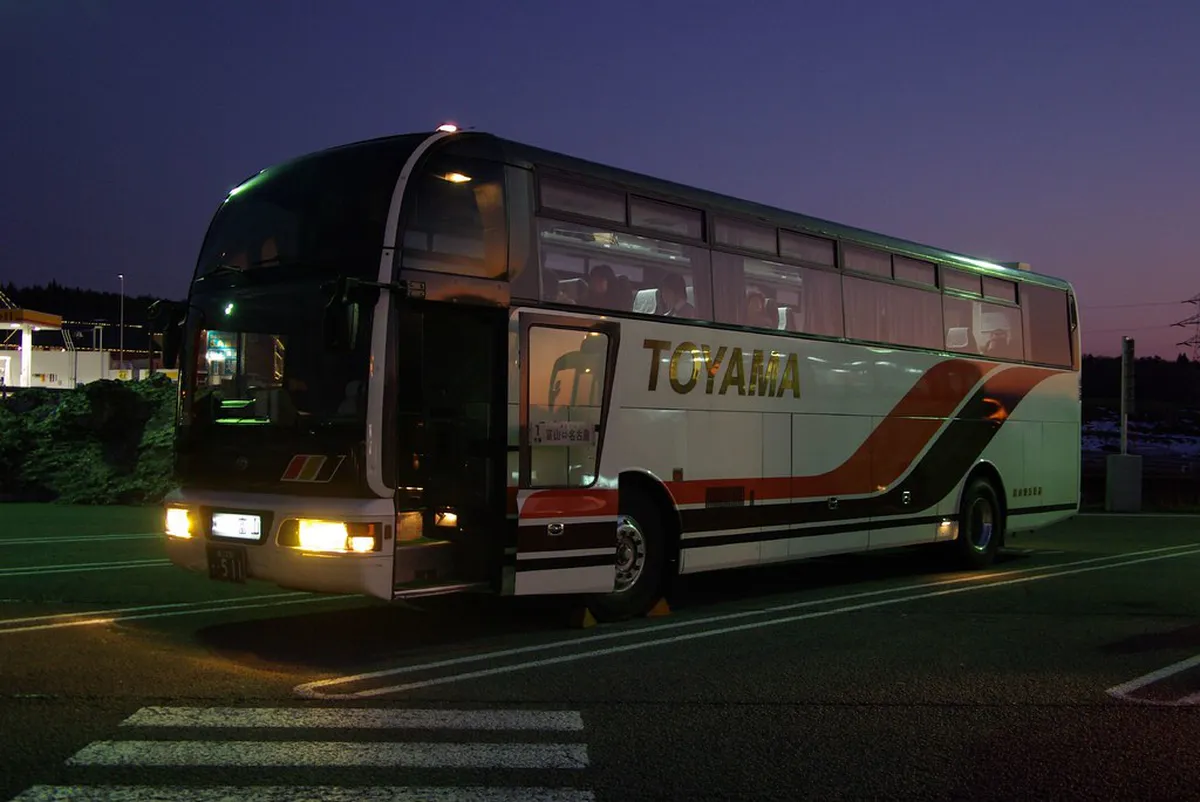
The alternative is to take the JR Limited Express Wide View Hida train from Nagoya Station to Takayama Station first, then transfer to a Nohi Bus for the final 50-minute leg into the village. The train alone costs approximately ¥6,000 / ~$41 and takes around 2 hours 20 minutes, making the combined journey roughly 3 hours 30 minutes and ¥8,470 / ~$58 total. However, the Wide View Hida is covered by the JR Pass for the Nagoya-to-Takayama portion, which changes the calculus significantly for pass-holders.
Rental car is worth considering if you are traveling in a group of three or more. The drive takes around 2 hours 15 minutes via the Tokai Hokuriku Expressway, and self-driving lets you stop at the mountain viewpoints along the Shogawa River Valley en route. Note that the main street through Ogimachi Village is closed to private cars between 09:00 and 16:00 on busy days.
- Direct Highway Bus: ¥3,900 one-way / ¥7,000 roundtrip, 2 hours 50 mins, departs roughly every 2 hours from Meitetsu Bus Center.
- JR Wide View Hida + Nohi Bus: ~¥8,470 total, ~3 hours 30 mins, JR Pass covers the train portion.
- Private Transfer: ¥60,000+ (~$410+), 2 hours 30 mins, available by reservation.
- Rental Car: ¥10,000+ per day, ~2 hours 15 mins, best for groups or photographers.
| Transport Method | Cost (One-Way) | Travel Time | Notes |
|---|---|---|---|
| Direct Highway Bus | ¥3,900 | 2 hrs 50 mins | Most efficient; departs Meitetsu Bus Center Gate 3 roughly every 2 hours |
| JR Wide View Hida + Nohi Bus | ~¥8,470 total | ~3 hrs 30 mins | JR Pass covers train portion; scenic but longer |
| Rental Car | ¥10,000+ per day | ~2 hrs 15 mins | Best for groups of 3+; note village center closed to cars 09:00–16:00 busy days |
| Private Transfer | ¥60,000+ | ~2 hrs 30 mins | By reservation; most expensive option |
Finding the Meitetsu Bus Center in Nagoya
The Meitetsu Bus Center sits inside the Meitetsu Department Store building, directly attached to the Taiko-dori (west) side of Nagoya Station. It is not signposted as prominently as the JR gates, and many first-time visitors waste 20 minutes searching for it. Walk out of the Shinkansen concourse, follow signs for the Meitetsu line (not JR), and look for the giant Nana-chan mannequin landmark near the department store entrance. Elevators just past Nana-chan take you straight to the 3rd floor bus terminal.
The ticket counters on the 3rd floor are open from 06:40 to 23:10 daily. The Shirakawa-go express departs from the 3rd floor, Gate 3 in most timetable schedules — confirm your gate on the digital departure boards after collecting your ticket. Avoid the 4th floor entirely; that level handles local city bus routes, not the highway express services. Boarding begins 10 minutes before departure, and drivers strictly check seat assignments.
Tip: Book your ticket at least one month in advance, especially during autumn and winter. Peak weekend slots sell out within hours of opening.
Luggage space inside the coach is limited to bags that fit in the overhead rack or under the seat. Large suitcases should be stored at Nagoya Station's coin lockers before departure — the station has hundreds of lockers in several sizes ranging from ¥300 to ¥700 per day. Alternatively, you can use the Meitetsu Bus Center Map to locate the staffed baggage handling desk on the same floor.
Warning: Luggage lockers at Shirakawa-go Bus Terminal fill up by 10:00 on busy days. Store large bags at Nagoya Station (¥300–¥700) before boarding the express bus.
- Head to the Taiko-dori (west) side of Nagoya Station. Look for the Meitetsu Department Store building.
- Find the Nana-chan mannequin near the ground-floor entrance and take the elevator to the 3rd floor.
- Collect your ticket at the counter (or scan your QR code at the gate) and confirm your departure gate on the digital boards.
- Board at your assigned gate 10 minutes before departure. Seat numbers are strictly enforced.
- Alight at Shirakawa-go Bus Terminal — it is the last stop, so there is no risk of missing it.
Day Trip vs. Overnight: Which is Right for You?
A day trip is perfectly feasible if you take the first bus from Nagoya around 08:00. This gives you approximately five hours at the village before you need to catch the last direct return bus, which departs Shirakawa-go Bus Terminal at around 17:20 and arrives back in Nagoya by 20:10. Missing that final bus is a genuine risk — if you do, you will need a taxi to Takayama station (about ¥8,000) and a late train south. Check the current return schedule on the Gifu Bus site before you go, as it changes slightly by season. You can see the full list of top attractions to plan your hours efficiently.
Staying overnight in a traditional gassho-zukuri farmhouse is a transformative experience that requires booking months in advance. Once the last tour bus leaves at around 17:00, the village becomes remarkably quiet — lanterns flicker on the farmhouse eaves, and you can hear the Shogawa River rather than coach engines. Dinner is typically served by the host family around an irori sunken hearth, often featuring Hida beef, mountain vegetables, and locally brewed sake. For step-by-step booking advice, see our guide to a gassho farmhouse stay.
If you prefer a faster pace, you can combine this trip with a visit to the Gokayama villages nearby. Gokayama is smaller and considerably less crowded than Ogimachi, offering a similar architectural style without tour buses pulling in every hour. The Kaetsuno Bus runs between Shirakawa-go Bus Terminal and Gokayama's Suganuma village (¥870, ~30 minutes); combine both villages in a single long day if you start the 08:00 departure from Nagoya.
Must-See Attractions in Ogimachi Village
The Wada House is the largest gassho-zukuri farmhouse in the village and a designated National Important Cultural Property. Entry costs ¥300 / ~$2 and opens from 09:00 to 17:00. The Wada family were the village headmen for centuries, and the attic floor still shows the silk-farming lofts where silkworms were raised in the rafters — an unusually good explanation of why these roofs needed to be so tall and well-ventilated.
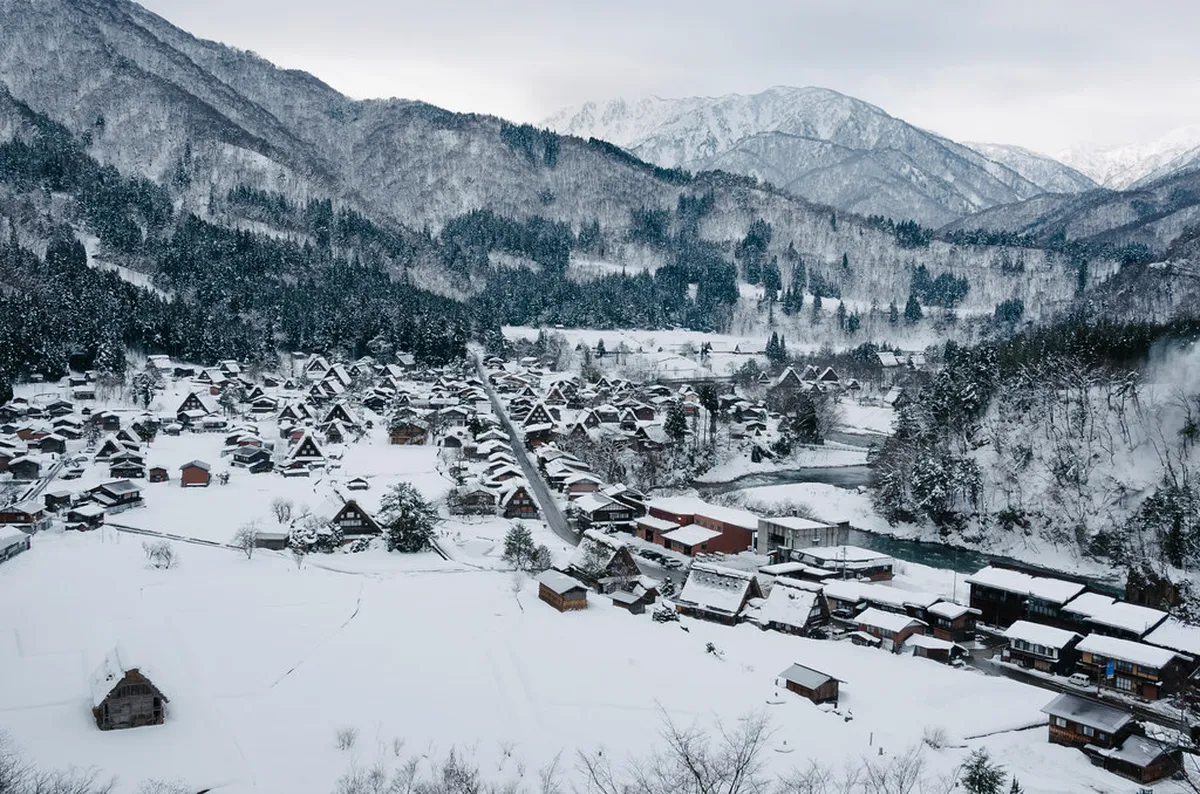
For the postcard shot of Ogimachi, walk up to the Shiroyama Viewpoint (also called Ogimachi-jo Castle Ruins Observatory). The 20-minute uphill walk is manageable for most visitors; a shuttle bus also runs every 20 minutes from near Wada House for ¥200 / ~$1.50 per ride. The viewpoint is free and open 24 hours, making it the right place to begin your visit before the main street fills with tour groups.
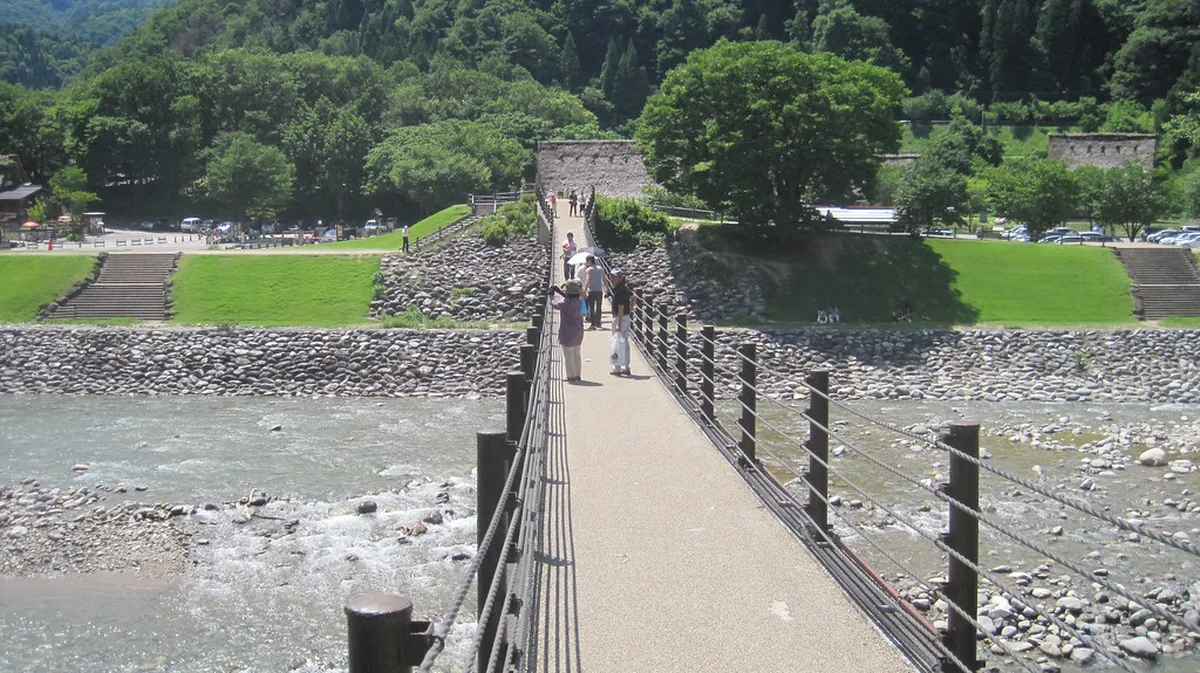
Kanda House and Nagase House are two smaller farmhouses open to the public at ¥300 each. Walking between them reveals the subtle differences in beam joinery and hearth placement that mark different building eras. The Gassho-zukuri Open Air Museum on the other bank of the Shogawa River groups several relocated farmhouses into one outdoor site (¥600 adults, open 08:40–17:00 April to November, closed Thursdays December to March). Cross the Deai-bashi suspension bridge to reach it — the bridge itself offers one of the better close-up river views in the village. Check the Shirakawa-go Official Village Website for any seasonal closures before you visit.
Local Food and Dining in Shirakawa-go
The most distinctive dish in the village is hoba miso — miso paste mixed with mountain vegetables and grilled on a magnolia leaf over a charcoal flame. The leaf imparts a subtle woody fragrance that you will not find in standard miso preparations. Several restaurants along the main street serve it as part of a set meal for around ¥1,500 to ¥2,000. Kita no Sho (also written Kita no Syo), a 250-year-old gassho-style restaurant with an irori hearth and tatami floor seating, is consistently recommended and offers customisable set menus; prior reservation is advised for the custom options.
Gohei mochi are skewered rice cakes grilled and coated in a sweet soy or miso glaze — the perfect ¥300 to ¥400 snack to eat while walking. You will find vendors selling them from small stalls along Shirakawa Kaido, the main pedestrian street through the village. Hida beef skewers and croquettes are available at several shops and are worth the splurge: the marbling on Hida wagyu is exceptional, and village prices are often lower than in Takayama restaurants. Carry ¥5,000 in cash as many smaller stalls and museums do not accept cards.
Seasonal Guide: When to Visit Shirakawa-go
Winter (December to February) is the most photographed season, when deep snow blankets the thatched roofs and the village looks like an illustration from a folk tale. The winter light-up events in January and February are the single most sought-after experience in the region, but they operate on a strict advance-reservation lottery system — you cannot simply show up. The Shirakawa-go Tourism Association opens a date-specific reservation portal months in advance; once slots for bus access and the village viewing area fill, the event is closed. There are typically only seven illumination evenings across the entire winter season, held from 17:30 to 20:00. If you plan to attend, also book accommodation inside the village the same night, as there is no public transport out after the lights go off.
Autumn (September to November) brings spectacular foliage. The surrounding Shogawa River Valley turns vivid red and orange by mid-October, creating a strong contrast with the dark thatched roofs. The Doburoku Festival takes place in mid-October at Shirakawa Hachiman Shrine, where visitors can try doburoku — unrefined home-brewed sake that Shirakawa-go's residents have a rare government permit to produce. This is one of the few places in Japan where you can legally drink artisan home-brew.
Spring (March to May) brings cherry blossoms in late April framing the farmhouses with pink backdrops, and the rice paddy planting begins in the surrounding fields. Summer (June to August) sees the village surrounded by vivid green vegetation; rainfall is possible in early summer, but the light is long and the crowds smaller than in autumn or winter. Any season is rewarding — your choice depends primarily on whether you are prioritising the light-up event, the foliage, or the blossoms.
Sample 1-Day Itinerary from Nagoya
This schedule is based on the first morning bus and assumes you have pre-booked a roundtrip ticket. Adjust times slightly depending on the current Gifu Bus timetable for 2026.
- 07:30 — Arrive at Meitetsu Bus Center (3rd floor, Gate 3). Board the 08:00 Express Shirakawago Line.
- 10:50 — Arrive at Shirakawa-go Bus Terminal. Pick up a free village map at the information desk.
- 11:00 — Walk directly to the Shiroyama Viewpoint (20-minute walk or 5-minute shuttle). Best light before midday.
- 12:00 — Return to the main street. Lunch at Kita no Sho or pick up gohei mochi and Hida beef skewers from vendors.
- 13:00 — Visit Wada House (09:00–17:00, ¥300). Spend 30–40 minutes exploring the attic lofts and hearth area.
- 13:45 — Cross Deai-bashi bridge to the Gassho-zukuri Open Air Museum (¥600, allow 45–60 minutes).
- 15:00 — Free time: browse souvenir shops along Shirakawa Kaido, visit Kanda House (¥300), or return to the viewpoint for late afternoon light.
- 17:20 — Board the final direct return bus to Nagoya.
- 20:10 — Arrive back at Meitetsu Bus Center, Nagoya.
Five hours in the village is enough to cover the main sites without rushing. If you want to add Gokayama, take a Kaetsuno Bus at around 14:30 (¥870 to Suganuma), spend 45 minutes there, and return to Shirakawa-go Bus Terminal by 16:30 to catch the last bus south.
Practical Booking Tips and Reservations
Book the direct bus at least one month in advance during autumn (October to November) and spring (late April to early May) golden week periods. For winter illumination dates in January and February, the reservation process is entirely separate and lottery-based — monitor the Shirakawa-go Tourism Association website in autumn for when the portal opens. Tickets sell out on the day they become available. If the direct bus is fully sold out on your chosen date, look for seats on the Meitetsu Gifu service or consider the train-and-bus route via Takayama, where local Nohi Bus seats are easier to secure closer to the travel date.
Luggage storage at the village terminal has a small number of coin lockers that fill up by 10:00 on busy days. If you are on a day trip, the cleanest solution is to leave large bags at Nagoya Station before boarding — the station has hundreds of lockers in multiple sizes (¥300–¥700 for the day). If the village lockers are full, the terminal has a staffed storage desk as a fallback. Takayama Hida Bus Center also has lockers (¥700 for large sizes) if you are doing the train-and-bus route via Takayama and need to drop bags before heading on.
- Carry at least ¥5,000 in cash — many village stalls and small museums do not take cards.
- Wear sturdy walking shoes for gravel paths and the uphill viewpoint track.
- Pack for colder temperatures: Ogimachi is significantly colder than Nagoya, especially after 15:00.
- Download an offline map of the village and save the Nohi Bus booking confirmation as a screenshot in case of poor signal.
- The last direct bus back departs Shirakawa-go around 17:20 — confirm this time when booking, as it shifts slightly by season.
Adding Hida-Furukawa: The Anime Pilgrimage Extension
Hida-Furukawa — a small canal-lined town of wooden storehouses about 15 minutes north of Takayama by JR Takayama Main Line (¥240) — is the real-world setting that inspired much of the film Your Name (Kimi no Na wa). The Miyamiya river channel, the old sake brewery district, and the Ketawakamiya Shrine are all recognisable from the film and draw a dedicated fanbase. The town is considerably less visited than Shirakawa-go, which means quieter streets, no timed entry requirements, and a more relaxed pace.
The cleanest way to combine both sites from Nagoya is the train-and-bus route: take the JR Wide View Hida to Takayama, spend a morning in Hida-Furukawa (a short backtrack on the same JR line), return to Takayama, then take the Nohi Bus to Shirakawa-go in the afternoon. Alternatively, stay overnight in Takayama and split Hida-Furukawa and Shirakawa-go across two mornings. This pairing suits travelers doing a multi-day loop from Nagoya more than pure day-trippers, but it is the kind of routing that turns a single-destination day trip into a memorable regional itinerary — and none of the major bus guides think to suggest it.
Frequently Asked Questions
Is a day trip from Nagoya to Shirakawa-go worth it?
Yes, a day trip is worth it if you start early. You can see the main houses and the viewpoint in five hours. It is the most efficient way to see the UNESCO site.
How do I book the bus from Nagoya to Shirakawa-go?
You should book online via the Gifu Bus or Nohi Bus websites. Reservations open one month before departure. Popular weekend slots often sell out within days.
Can I use the JR Pass to get to Shirakawa-go?
The JR Pass only covers the train portion to Takayama. You must pay separately for the bus from Takayama to the village. The direct bus from Nagoya is not covered.
Visiting Shirakawa-go from Nagoya is a straightforward journey if you book your transport well in advance. The contrast between Nagoya's modern skyline and the ancient thatched roofs of Ogimachi is truly remarkable. By following this guide, you can avoid the common navigation traps and enjoy a seamless mountain escape.
Whether you choose the direct bus or the scenic train route via Takayama, the village offers a unique look at Japan's history. Don't forget to try the local hoba miso and Hida beef while you explore the historic streets of the village.
Free: The Nagoya Essentials guide
Top things to do, where to stay, a perfect day plan, getting around, and the best time to go — a Nagoya mini-guide you can take offline.
You might also like


Continue reading
More guides you'll find useful


