How to Get to Shirakawa-go from Tokyo: 10 Essential Planning Tips
Discover the best ways to reach Shirakawa-go from Tokyo. Compare Shinkansen routes, bus schedules, JR Pass coverage, and seasonal travel tips for a perfect trip.
On this page
Reaching the fairytale village of Shirakawa-go from Tokyo is a highlight for many travelers visiting Japan. There is no direct train to the village — the final leg always requires a bus — but the Hokuriku Shinkansen and the Nohi Bus network make the connection efficient. Whether you want the fastest route, the most scenic transfer city, or the cheapest option, this 2026 guide covers every realistic path from Tokyo Station to Ogimachi Village.
The journey takes you through the heart of the Japanese Alps, offering views of the Shogawa River valley. Travelers most often struggle with the bus reservation system and the tight connection windows between the Shinkansen and the highway bus. This guide breaks down every step, including the first and last bus times that determine whether a day trip is actually feasible from Tokyo.
Route Comparison: Tokyo to Shirakawa-go at a Glance
Four realistic options connect Tokyo to Ogimachi in 2026. The table below summarises total journey time, approximate one-way cost, and JR Pass coverage so you can choose before reading the full step-by-step sections.
- Hokuriku Shinkansen to Toyama + Nohi Bus: approx. 3 h 45 min, ~¥15,300 / ~$97, JR Pass covers train leg.
- Hokuriku Shinkansen to Kanazawa + Nohi Bus: approx. 4 h 15 min, ~¥16,430 / ~$104, JR Pass covers train leg.
- Highway bus Shinjuku to Takayama + local bus: approx. 6.5–7 h, ~¥9,160 / ~$58, not covered by JR Pass.
- Private car or guided tour from Nagoya or Tokyo: approx. 3–4 h door-to-door, pricing varies, no pass required.
| Route | Time | Cost (one-way) | JR Pass Coverage |
|---|---|---|---|
| Toyama (via Hokuriku Shinkansen + Nohi Bus) | ~3 h 45 min | ~¥15,300 | Train leg covered |
| Kanazawa (via Hokuriku Shinkansen + Nohi Bus) | ~4 h 15 min | ~¥16,430 | Train leg covered |
| Shinjuku Highway Bus + Takayama local bus | 6.5–7 h | ~¥9,160 | Not covered |
| Private car/guided tour from Nagoya | 3–4 h | Varies | Not required |
The Toyama route is the fastest and easiest transfer for solo travelers. The Kanazawa route adds 30 minutes but gives you more bus departure options and the option to spend a morning in the city before heading to the village. The highway bus is the cheapest option but commits you to a very long day if you are starting from Tokyo.
Route 1: Shinkansen via Toyama (The Fastest Option)
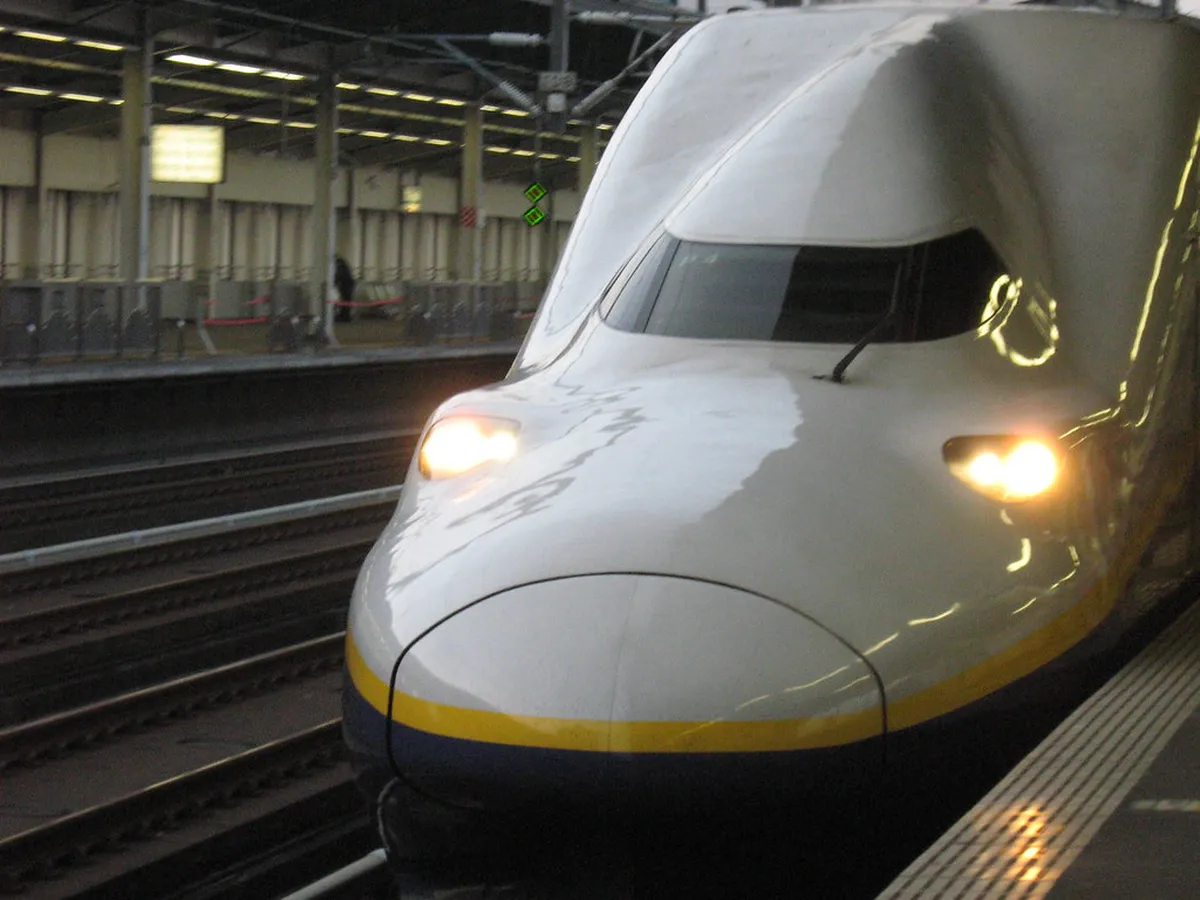
The Toyama route is the most efficient connection from Tokyo to Shirakawa-go. The Hokuriku Shinkansen drops you at Toyama Station and the Nohi Bus terminal sits less than three minutes on foot from the ticket gates. Total journey time is approximately 3 hours 45 minutes and the one-way cost is around ¥15,300 / ~$97 when combining train and bus tickets.
Before you head to the station, reserve your bus seats through the Japan Bus Online portal or the Nohi Bus website. The peak morning departure — typically the 09:05 from Toyama — sells out days in advance during autumn foliage season and the winter light-up weekends. Non-reserved seats exist on some mid-day services, but you risk standing. If you hold a Japan Rail Pass, the Shinkansen portion is fully covered; buy the ¥2,400 / ~$15 bus ticket separately at the Toyama counter or online.
- Board the Hokuriku Shinkansen Kagayaki or Hakutaka at Tokyo Station toward Toyama. Avoid the slower regional Tsurugi service. The Kagayaki takes 2 hours 8 minutes; Hakutaka takes approximately 2 hours 40 minutes. Tickets cost around ¥12,900 / ~$82.
- Exit Toyama Station at the South Exit and follow signs to the highway bus stands, a 3-minute walk from the Shinkansen gates. Pick up a snack at the station kiosk before boarding — food options on the bus are limited.
- Present your printed reservation or QR code at the Nohi Bus ticket window to receive your boarding pass. Staff speak basic English.
- Board at bus stand number 1. The scenic mountain drive to Ogimachi takes exactly 1 hour 20 minutes. The bus passes through tunnels and river gorges as it enters Gifu Prefecture.
- Arrive at Shirakawa-go Bus Terminal at the edge of Ogimachi Village. Pick up the free English village map from the information desk before setting off.
Small coin lockers (¥500 / ~$3) are available at the bus terminal but fill up by 10:00 on busy days. If you are on a day trip, consider using the staffed luggage storage at the tourist information center (¥1,000 / ~$6.50 per bag, open until 17:00). Using a Shirakawa-go itinerary that starts from Toyama gives you a realistic arrival time of around 11:00 if you catch the first morning Shinkansen from Tokyo.
Route 2: Shinkansen via Kanazawa (The Scenic Option)
Kanazawa is the closest major Shinkansen station to Shirakawa-go and the most popular transfer point for visitors combining the village with a night in Kanazawa. The Hokuriku Shinkansen runs from Tokyo Station to Kanazawa in approximately 2 hours 30 minutes (Kagayaki) or up to 3 hours (Hakutaka), costing around ¥14,580 / ~$92.
From Kanazawa Station's East Exit Bus Terminal on platform 2, Nohi Bus operates direct services to Ogimachi every one to two hours. The bus costs ¥1,850 / ~$12 one-way or ¥3,290 / ~$21 for a round-trip discount ticket. Journey time is 75–85 minutes. A round-trip ticket from Kanazawa is worth buying if you plan to return the same way rather than continuing toward Takayama or Toyama.
The Kanazawa route gives you more daily bus departures than Toyama, which matters if your Shinkansen arrives after midday. It also pairs naturally with a half-day at Kenrokuen Garden before catching the afternoon bus to the village. Travelers combining Kanazawa sightseeing with Shirakawa-go should leave the city by 13:00 at the latest to allow three to four hours in Ogimachi before the last bus back.
- Take the Hokuriku Shinkansen Kagayaki from Tokyo Station to Kanazawa Station. JR Pass covers this leg.
- Exit toward the East Exit and follow signs to the Bus Terminal. Platform 2 is the departure point for Shirakawa-go.
- Purchase your bus ticket (¥1,850 one-way or ¥3,290 round-trip) at the Hokuetsu Bus counter or online in advance. Reservations are strongly recommended on weekends and in October–November.
- The bus departs and arrives directly at Shirakawa-go (Ogimachi) Bus Terminal — no further transfers needed.
Route 3: Highway Bus from Shinjuku (The Budget Option)
The cheapest way from Tokyo to Shirakawa-go is a long-distance highway bus from Basta Shinjuku (Shinjuku Expressway Bus Terminal) to Takayama Nohi Bus Center, followed by a local bus to Ogimachi. The total journey runs 6.5–7 hours and costs from ¥9,160 / ~$58 one-way. It is not comfortable for day trips from Tokyo but suits travelers who plan to spend a night in Takayama.
Nohi Bus and Alpico Kotsu operate this route. Buses depart from Basta Shinjuku on the south side of Shinjuku Station several times daily. The overnight buses (departing around 23:00) are especially useful — they arrive in Takayama early morning, giving you a full day in the village. Book well in advance through the Japan Bus Online portal (japanbusonline.com) or Nohi Bus website. Seat classes range from standard 4-row reclining seats to wider 3-row seats at a premium.
From Takayama Hida Bus Center (adjacent to Takayama Station), buses to Shirakawa-go depart roughly every hour during operating season. The ride takes 50–65 minutes and costs ¥2,470 / ~$16 one-way. This segment is not covered by the JR Pass. Check the best time to visit Shirakawa-go if you plan the Takayama combination — autumn and winter demand early bookings on all bus segments.
Route 4: Private Car or Guided Tour (The Flexible Option)
Renting a car or joining a guided tour is the most flexible way to reach Shirakawa-go, particularly for groups of three or more where the per-person cost becomes competitive. Driving from Nagoya takes approximately 2 hours via the Tokai-Hokuriku Expressway (Route 156 exit). From Kanazawa or Toyama the drive is 70–80 minutes. Parking is available at Shirakawa-go but fills up by mid-morning on weekends; arrive before 09:30 or use the overflow parking and shuttle.
Guided tours are the easiest option for first-time visitors who want English commentary and no logistical stress. A Nagoya Shirakawa-go and Takayama Full-Day UNESCO Tour combines the two heritage destinations in one day, departing from Nagoya Station and including transport, a guide, and entry fees. For travelers based in Nagoya, this is often the most time-efficient choice. Book at least two weeks ahead for peak season dates. For accommodation near the route, Nagoya hotels work well as a base for an early-morning departure.
First and Last Bus Times: Is a Day Trip from Tokyo Realistic?
The question every Tokyo visitor asks is whether a day trip to Shirakawa-go is feasible. The honest answer depends on which gateway city you use. The earliest Kagayaki Shinkansen from Tokyo Station departs around 06:16, arriving Toyama by approximately 08:24. The first morning Nohi Bus from Toyama to Shirakawa-go leaves around 08:30–09:00 depending on the season, delivering you to Ogimachi by roughly 10:20. That leaves approximately five to six hours in the village before the last bus back.
The last bus from Shirakawa-go back to Toyama departs around 16:00–16:30 in winter (the schedule shortens in low season). From Kanazawa the last departure is typically around 17:00. Miss either of these and your only options are an expensive taxi (around ¥12,000–¥15,000 / ~$75–$95 to Takayama or Kanazawa) or a very last-minute overnight stay. Always verify exact first/last times on the Nohi Bus official timetable before booking your Shinkansen, as schedules change seasonally and the winter light-up weekends run extended services.
Most experienced travelers recommend spending the night in Takayama or Kanazawa rather than attempting a round-trip from Tokyo. The round-trip train-and-bus cost alone exceeds ¥30,000 / ~$190 and the total transit time on a day-trip day is nearly eight hours. Staying overnight cuts the daily transit in half and lets you experience the village in the golden-hour light that day-trippers always miss.
Must-See Shirakawa-Go Attractions and Landmarks
Once you arrive, the main draw is Ogimachi Village itself — the largest and most accessible of the three villages in the Shirakawa-go and Gokayama World Heritage grouping. Over 100 gassho-zukuri farmhouses are clustered along the Shogawa River, their steeply pitched thatched roofs designed to shed the several meters of snow that falls here each winter. The roofs are built without nails and the upper attic floors were historically used for silkworm cultivation.
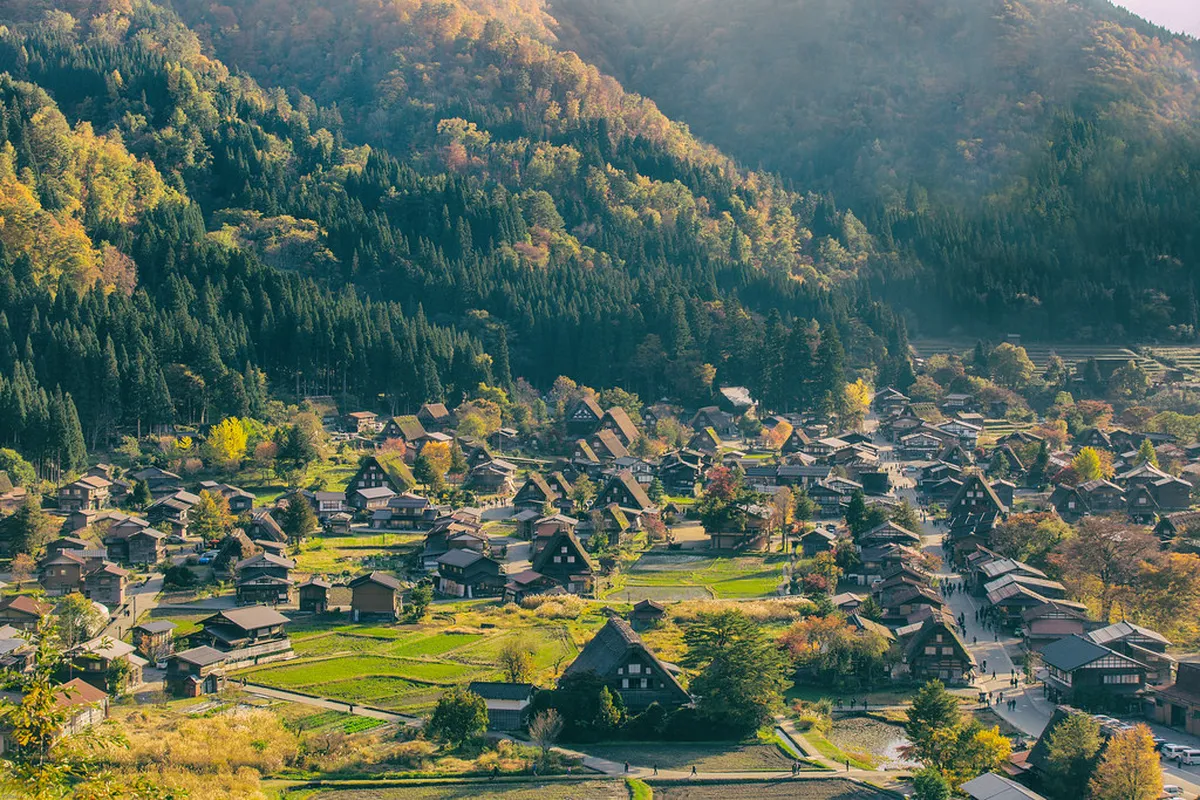
The Shiroyama Viewpoint (marked on maps as Ogimachi-jo Castle Ruins Observatory) offers the panoramic shot of the entire village that appears in most travel photographs. You can walk up in about 20 minutes via the signposted forest path or take the shuttle bus (¥200 / ~$1.30, departs near Wada House every 20 minutes, last run at 16:00). Walking up and taking the shuttle down saves time while keeping your legs fresh for the village walk. The view is particularly dramatic in early morning when ground mist sits over the paddies.
The Myozenji Temple is a less-visited but distinctive landmark — it is one of the few temples in Japan where the main hall, priest's residence, and bell tower gate are all covered with thatched roofs. Entry is ¥300 / ~$2 and the visit takes 30 minutes. The temple garden is at its best in late October during autumn colour. A gassho farmhouse stay in Ogimachi remains the most immersive way to experience the village after the day-trippers leave.
Museums, Art, and Culture in the Historic Village
The Wada House (Wada-ke) is the largest gassho-zukuri farmhouse in Ogimachi and a designated National Important Cultural Property. Visitors can walk through the interior to see the original structural timbers, tools, and artefacts used by the Wada family, who were prominent silk traders during the Edo period. Entry costs ¥400 / ~$2.50 and the house is open 09:00–17:00 daily except Thursdays in winter.
Nagase House (Nagase-ke) is smaller but arguably more intimate — the building functioned as a doctor's residence and retains personal family possessions alongside medical instruments. Entry is ¥300 / ~$2. Kanda House is another open farmhouse worth 20 minutes of your time; it charges ¥400 / ~$2.50 and displays traditional weaving equipment on the upper floors where the silkworms were once kept warm by the hearth smoke rising from below.
Visiting two or three houses across a day gives a clear sense of how the interior space evolved around the central open-hearth irori, which heated the house, preserved the thatch from insects, and dried food simultaneously. None of the competitors cover this functional logic in detail — it is the detail that makes the architecture feel purposeful rather than merely picturesque.
Parks, Gardens, and Outdoor Spots to Explore
The paddy fields running along the Shirakawa Kaido main street are themselves an attraction in late spring when rice planting begins and in autumn when the stalks turn gold. The riverside walking path along the Shogawa gives an unobstructed low-angle view of the farmhouses that differs completely from the elevated Shiroyama shot. Allow 20–30 minutes for a relaxed loop.
For visitors with extra time, Gokayama — the two smaller villages of Suganuma and Ainokura about 20–30 minutes north by bus (Kaetsu Bus, ¥1,000 / ~$6.40 one-way from Ogimachi) — rewards those who make the short detour. Ainokura sits higher on the hillside and attracts far fewer visitors than Ogimachi; the absence of crowds in the afternoon makes the setting feel genuinely remote. Note that bus frequency to Gokayama is low (typically 3–4 services per day), so plan carefully if you intend to add it.
Local Food and Budget Tips for Shirakawa-go
Hida Beef croquettes (¥400–¥600 / ~$2.50–$4) are the most popular street snack in Ogimachi — several stalls sell them near the Wada House and along the main street. Eat them immediately while the pastry is still crisp. Gohei-mochi (skewered rice cake with sweet miso glaze, ¥200–¥300 / ~$1.30–$2) is the ideal walking snack and can be bought grilled to order. Hoba miso — a regional specialty where miso is mixed with vegetables and grilled on a magnolia leaf — is available at most sit-down restaurants for around ¥1,500 / ~$9.50 as a set meal.
Most stalls and small restaurants close by 16:00, so plan your meal before the afternoon departure rush. The village has very limited ATM access; bring sufficient cash in small denominations as many stalls are cash-only. For budget travelers, round-trip bus tickets from Kanazawa (¥3,290) or from Nagoya offer modest discounts over two single tickets. Bus reservation fees (typically ¥500–¥1,000 when booking online via Japan Bus Online) are worth every yen during peak season to avoid being stranded at the terminal.
Best Times to Visit for Seasonal Scenery
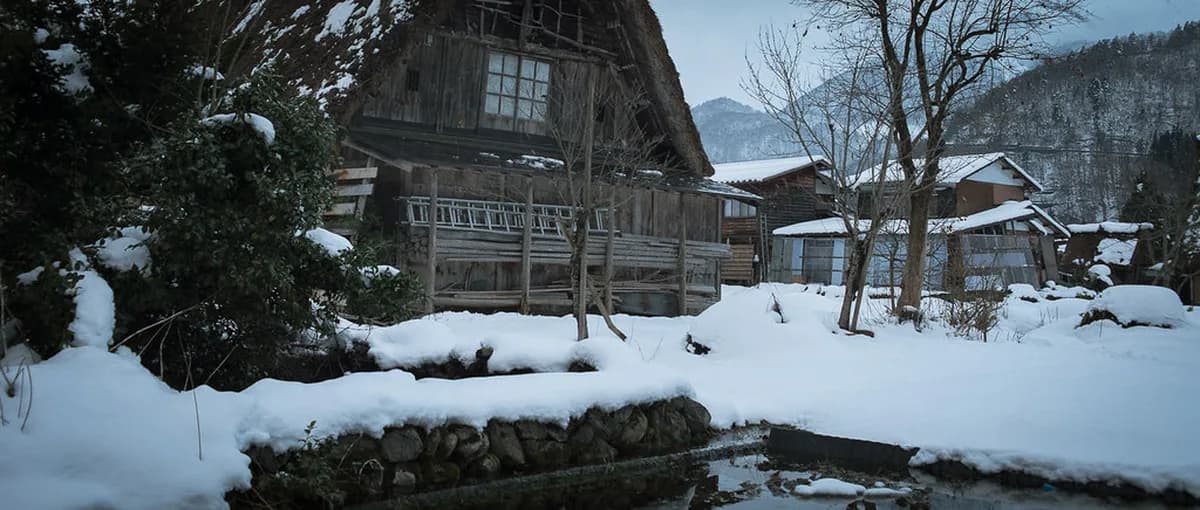
Each season transforms Ogimachi into a different scene. Winter (December to February) is the most photographed, when deep snow blankets the farmhouse roofs and the village looks genuinely medieval. Special winter light-up illumination events run on select Saturday evenings — typically five to six dates per year — and require advance reservations for both the bus and the viewing area. These evenings sell out months ahead; book in October for a January event.
Autumn (late September to mid-November) is the most popular season overall, with the surrounding mountains turning red and gold against the grey thatch. Kanazawa buses on October weekends fill up a week in advance. Spring (March to May) brings cherry blossoms to the paddies, while summer (June to August) offers the quietest crowds and the greenest landscape. Summer is the easiest season for a spontaneous visit without pre-booked buses, though the mountain humidity is noticeable.
The single biggest planning mistake first-time visitors make is not checking whether their target date coincides with a light-up event. Bus frequency doubles during light-up weekends but so does competition for seats. Check the official Shirakawa-go tourism website (shirakawa-go.gr.jp) every autumn for the confirmed light-up schedule, which is usually released in October for the upcoming winter season.
Frequently Asked Questions
Is a day trip from Tokyo to Shirakawa-go feasible?
Yes, it is possible but requires a very early start around 06:00. The total travel time is nearly 8 hours round-trip. Most travelers prefer staying overnight in Takayama or Kanazawa.
How do I use the JR Pass for this route?
The JR Pass covers the Shinkansen leg to Toyama or Kanazawa. It does not cover the highway bus to the village. You must purchase bus tickets separately online or at the station.
Traveling from Tokyo to Shirakawa-go in 2026 is well within reach of any independent traveler willing to plan the bus connections in advance. The Toyama route is fastest; Kanazawa adds flexibility and sightseeing value. Budget travelers who can handle a full travel day will find the Shinjuku highway bus a rewarding option. Reserve bus seats early, arrive at Ogimachi by 10:00 if possible, and leave the last bus slot as your hard deadline. The UNESCO village is worth the logistics.
Once you have your route sorted, see our complete Shirakawa-go travel guide for what to do, where to stay, and the best season to visit the village.
Free: The Tokyo Essentials guide
Top things to do, where to stay, a perfect day plan, getting around, and the best time to go — a Tokyo mini-guide you can take offline.
You might also like


Continue reading
More guides you'll find useful