

Gassho-zukuri Farmhouse Stay: Complete Booking & Experience Guide
Plan your gassho-zukuri farmhouse stay with our expert guide. Learn how to book, what to expect at a traditional minshuku, and the best villages to visit.
On this page
Sleeping under a massive thatched roof in the Japanese Alps offers a rare glimpse into a vanishing way of life. A gassho-zukuri farmhouse stay allows you to experience the Sho-gawa River valley just as locals did centuries ago. These UNESCO-protected homes, shaped like hands pressed together in prayer, provide more than just a bed for the night. Travelers who stay overnight enjoy the quiet magic of the village after the day-trip crowds depart.
Securing a room in these historic buildings requires careful planning and a bit of patience. Many of these homes operate as minshuku, which are traditional family-run guesthouses with shared facilities. You will find the most famous examples in Ogimachi, the largest village in Shirakawa-go. This guide breaks down the booking hurdles and cultural nuances of this bucket-list experience.
The History and Architecture of Gassho-Zukuri
The term gassho-zukuri translates to 'constructed like hands in prayer,' referring to the steep pitch of the roofs. These massive structures were designed to withstand the heavy snowfall of the Gifu Prefecture highlands, where one to two metres of snow can accumulate each winter. Farmers traditionally used the spacious attic levels for silk and silkworm cultivation during the long winter months. The lack of nails in the timber frames allows the buildings to flex during seismic activity.
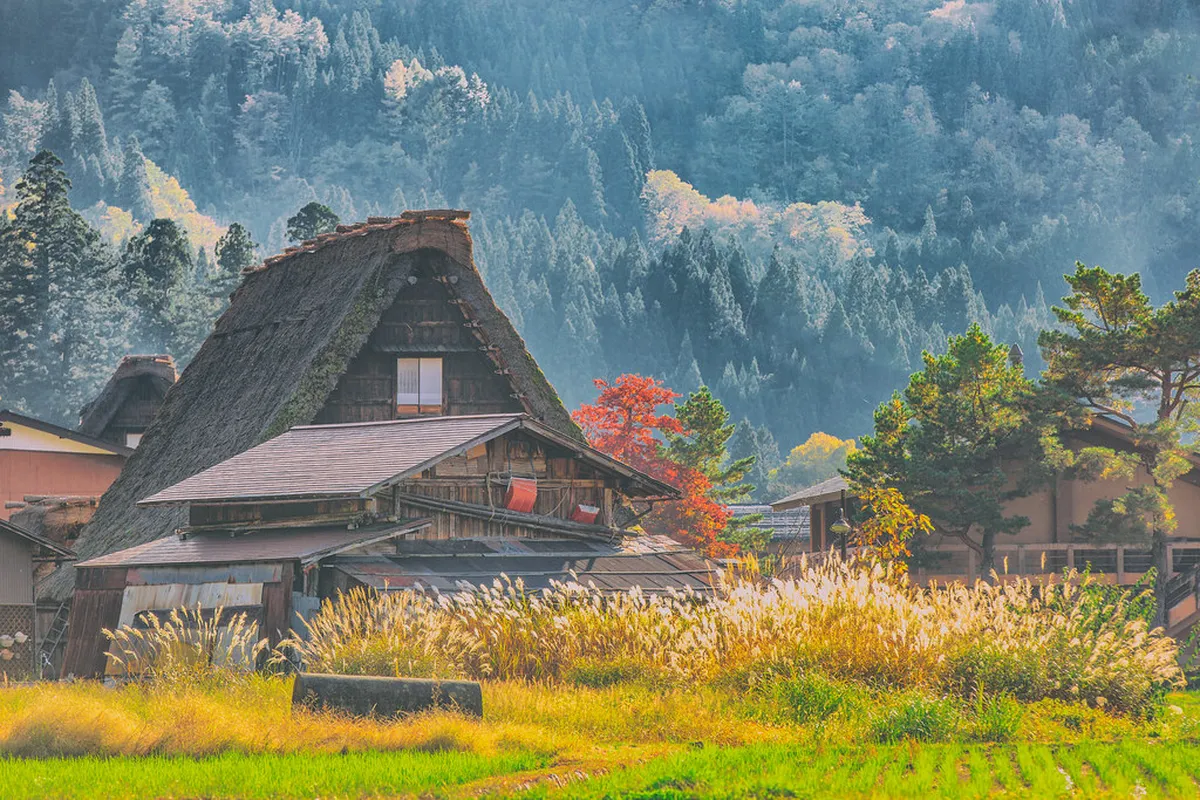
Thatching these roofs is a massive community effort known as 'yui,' where hundreds of villagers assist one another. Most roofs require replacement every 20 to 30 years to maintain their integrity against the elements. You can see the inner workings of these structures at the famous Wada House in Ogimachi, which served as a guard house for Edo-era tax collectors, a gunpowder storage site, and a silkworm factory at various points in its history. The smoke from the irori (sunken hearth) below helps preserve the wood and thatch by acting as a natural pesticide and keeping insects at bay.
Gifu's famous cedar trees supply the primary construction material, and the oldest surviving homes date to the late 1700s. The UNESCO inscription in 1995 covered both the Shirakawa-go villages and the Gokayama cluster across the border in Toyama Prefecture. That joint designation reflects how tightly connected the two regions are by shared architecture, climate, and culture.
Choosing the Right Village: Shirakawa-go vs. Gokayama
Travelers often struggle to choose between the bustling Shirakawa-go and the remote villages of Gokayama. Ogimachi, the primary hub has the most farmhouse stay options and easy bus access. If you prefer a quieter atmosphere, the villages of Ainokura and Suganuma in the Gokayama district offer a more secluded feel. Fewer tourists reach these areas, with Gokayama typically drawing less than half the visitors of Shirakawa-go, preserving a sense of rural stillness that is harder to find in the main village.
Accessibility varies significantly between these locations depending on your starting point. Most visitors arrive via a bus from Takayama, which stops directly at the Ogimachi terminal. Reaching Gokayama is straightforward if you take the Hokuriku Shinkansen to Shin-Takaoka and then the Kaetsuno Bus toward Shirakawa-go — that bus route passes Ainokura and Suganuma along the way, making a two-village itinerary easy to plan. A rental car gives you even more flexibility between villages.
The table below summarises the key differences between the three main gassho-zukuri villages to help you decide.
| Village | Prefecture | Farmhouses | Tourist Density | Best For | Bus Access |
|---|---|---|---|---|---|
| Ogimachi (Shirakawa-go) | Gifu | 100+ | High | First-timers, winter illumination | Direct highway buses from Takayama and Kanazawa |
| Ainokura (Gokayama) | Toyama | 20 | Low | Hikers, photographers, washi crafts | Kaetsuno Bus from Shin-Takaoka |
| Suganuma (Gokayama) | Toyama | 9 | Very low | Short peaceful walks, solitude | 15 minutes from Ainokura via same bus |
Gokayama also offers a cultural activity unavailable in Shirakawa-go: traditional washi paper-making. Several workshops in the Ainokura area let visitors try making their own sheets by hand, which pairs naturally with a night in a farmhouse. If you have two days to spare, combining a minshuku night in Ogimachi with a next-day side trip to Ainokura covers both angles of the UNESCO landscape.
The Complex Process of Reserving a Farmhouse
Booking a gassho-zukuri farmhouse stay is notoriously difficult because many hosts do not speak English. The Shirakawa-go Tourist Association acts as the primary intermediary for most reservations in Ogimachi. You typically submit a request online, and the association contacts the farmhouse on your behalf. Confirmation can take several days, so avoid making last-minute plans for these specific accommodations.
The Shirakawa-go Tourist Association online request system is the most reliable booking method. Expect a 3- to 7-day response time for confirmation, so submit your request well in advance of your travel dates.
Booking windows vary considerably by property and are not all aligned to the same calendar. Some houses open their reservations three months ahead while others accept requests up to nine months in advance. The most sought-after rooms during winter illumination weekends typically sell out within hours of a window opening. Check the tourist association calendar regularly in early autumn to catch these openings the moment they appear.
A modern shortcut exists for those who want to avoid the lengthy association process. Minshuku Kanjiya is currently the only gassho-zukuri property integrated with global booking platforms, including Booking.com, for direct reservations. This property fills up months in advance, often as soon as the booking window opens. Check availability at least four to six months before your intended stay to secure a spot. Note that Kanjiya operates a firm 09:00 checkout, but the hosts will hold your luggage while you explore the village — a practical detail worth confirming at booking time.
Dinner service at farmhouses is fixed—most operate between 18:30 and 20:00—so plan your evening village walks accordingly. Breakfast arrives at 07:30–08:00. If you arrive late or need to skip a meal, confirm your plans with the hosts at check-in.
Some smaller farmhouses in Gokayama still rely on phone reservations or fax machines. Enlisting the help of a Japanese-speaking travel agent or a hotel concierge can bridge this gap. Persistence is key when trying to find an opening during the peak best time to visit.
What to Expect: Irori Dining and Shared Facilities
The heart of any gassho-zukuri stay is the irori, a traditional sunken hearth used for cooking and heating. Dinner usually features local mountain vegetables, river fish, and the famous Hida beef. The river fish menu is worth paying attention to: ayu (sweetfish), grilled on a stick over open flame, and iwana (white-spotted char) steeped in hot sake to make iwana-kotsu-sake, are both regional specialties you will not easily find outside this valley. Guests sit on cushions around the fire, sharing a communal meal that fosters a cozy atmosphere. Breakfast is equally traditional, often including miso paste grilled on a magnolia leaf alongside rice and pickled vegetables.
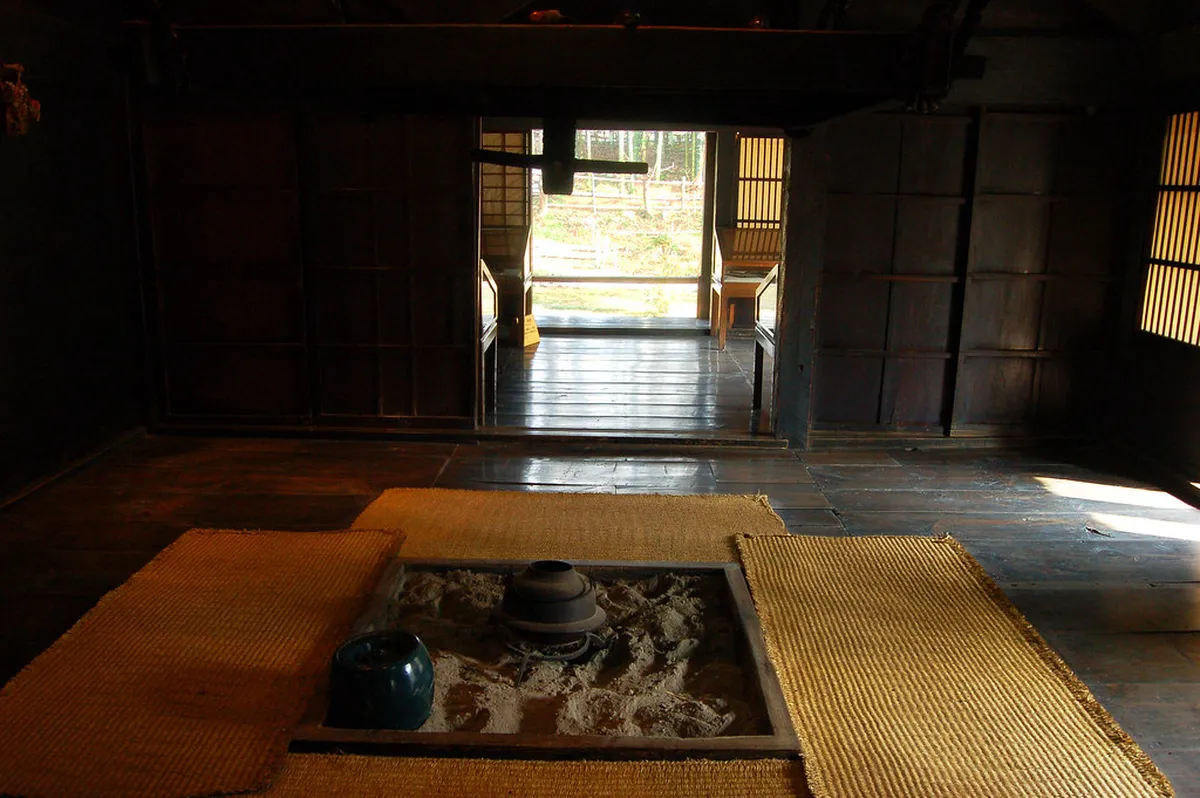
Living in a 200-year-old house means sacrificing some modern comforts for historical charm. Most minshuku offer shared bathrooms and toilets rather than private en-suite facilities. You will sleep on a thick futon mattress laid out over tatami mat flooring. Walls are often thin, so guests are encouraged to keep noise levels low after 21:00.
Winter stays are incredibly atmospheric but can be quite chilly inside the large wooden halls. While guest rooms usually have space heaters, the hallways and bathrooms remain cold. Pack warm layers and thick socks to stay comfortable during the evening hours. The experience is rustic, but the hospitality of the local families makes it deeply rewarding. Rates typically range from around 10,000 to 30,000 JPY per person per night, including dinner and breakfast.
Timing Your Trip for Winter Illuminations
The winter illumination events turn the village into a fairytale scene of glowing houses and deep snow. Due to extreme popularity, the village now uses a strict lottery system for all overnight guests. Applications for the 2026 light-up events typically open in early autumn of the previous year. You must win the lottery to even enter the village during these specific Sunday evening events, which run from around 17:30 to 19:30 in January and February.
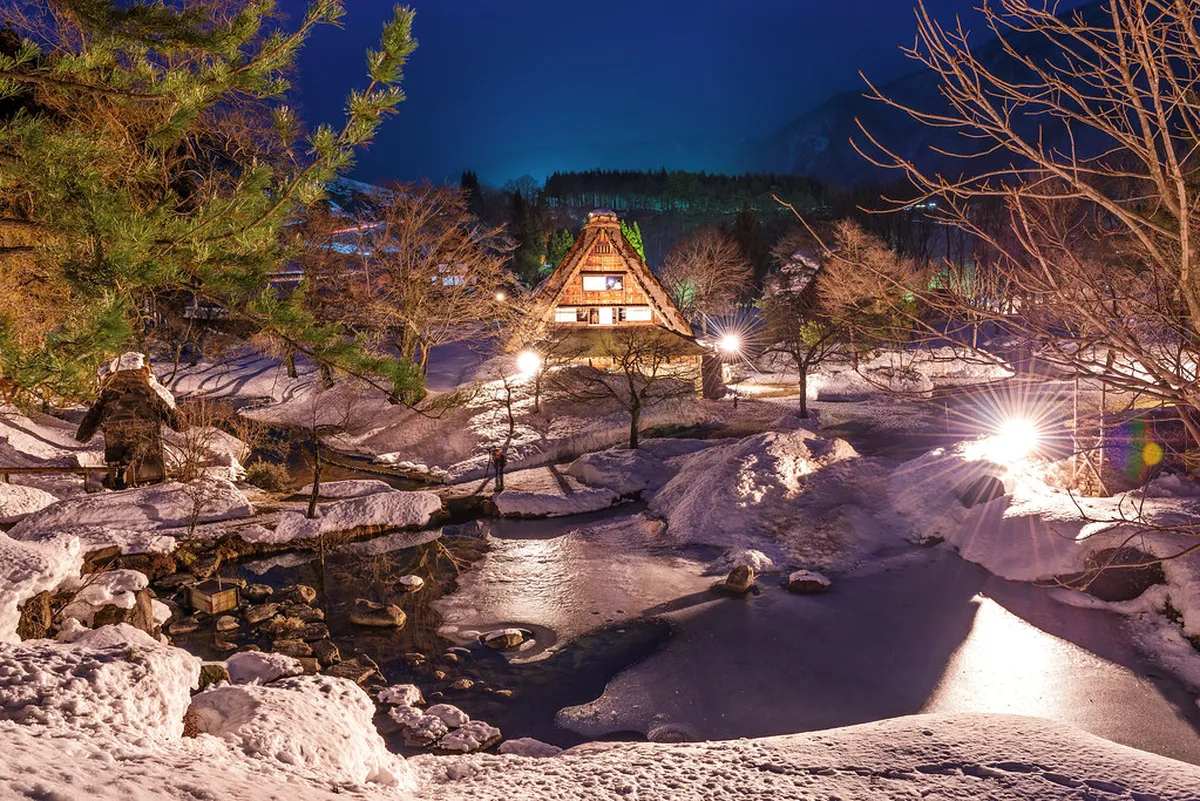
If you miss the lottery, you can still visit during the day to see the snow-covered roofs. However, the winter light-up is a transformative experience that is worth the effort. Special shuttle buses are arranged for those with confirmed reservations at the observation deck. Check the official village website for the most accurate lottery deadlines and rules each season.
Photography enthusiasts should prepare for crowded conditions even with the ticket system in place. Tripods are often restricted in certain viewing areas to keep the flow of people moving. Arrive at your designated viewing spot early to ensure a good vantage point. Outside of the illumination events, autumn (late October to mid-November) brings brilliant foliage that rivals the winter scene and requires no lottery at all.
Alternative Accommodations: Ryokans and Hotels
If every gassho-zukuri minshuku is fully booked, you have several strong alternatives nearby. The best are clustered in the small settlement just across the Sho-gawa River from Ogimachi, roughly a five-minute drive or a short taxi ride from the village entrance. Staying here still lets you enter the village early in the morning before the day-trip buses arrive.
For a luxury option, the Shiroyama-kan ryokan is a 140-year-old property run by the same family for four generations with only four rooms available. Guests receive private tours of the gassho-zukuri village and enjoy meals prepared exclusively for those staying in-house. The Onyado Yuinosho offers a more modern ryokan experience with indoor and outdoor onsen baths, including private baths that can be reserved at no extra charge. Rates across these properties range from roughly 20,000 to 60,000 JPY per night.
Budget travelers should look at the Kei Guesthouse, a well-regarded hostel about 20 minutes on foot from Ogimachi. The owner speaks good English, the social atmosphere helps solo travelers connect, and dorm beds start around 3,500 JPY. Another practical option is to base yourself in Takayama entirely, using it as a day-trip hub, though you will sacrifice the evening quietude that makes an overnight in the village worthwhile.
Essential Etiquette for Staying in a Family Home
Staying in a minshuku is different from a hotel because you are entering a private family residence. Always remove your shoes at the entrance and use the provided slippers for indoor walking. Separate slippers are usually provided specifically for use inside the restroom areas. Respect the strict check-in and meal times, as the families run on a tight daily schedule.
Space is limited in these historic homes, so large suitcases can be difficult to manage on the steep, narrow stairs that connect floors. Consider using Japan's takkyubin (luggage forwarding) service to send your main bags ahead to your next hotel the evening before your farmhouse stay. Most convenience stores and hotels near Takayama or Kanazawa handle the service with same-day or next-morning delivery. Bring only a small overnight bag containing your essentials to make the stay easier.
Many travelers find the lack of privacy a bit surprising at first. Sliding doors called fusuma often separate guest rooms and do not have locks. This is a standard feature of traditional Japanese architecture and relies on mutual respect. Some hosts provide a yukata (light cotton robe) for evening use — wearing one for a quiet walk through the lantern-lit village after dinner is a ritual that guests consistently describe as one of the most memorable moments of the entire trip. Embrace the communal nature of the house to get the most out of your cultural immersion.
Frequently Asked Questions
How do I book a gassho-zukuri farmhouse stay?
Most bookings are handled through the Shirakawa-go Tourist Association website. You submit a request and wait for a confirmation email. For a faster option, look for Minshuku Kanjiya on modern booking sites. Check out our Shirakawa-go itinerary for more planning tips.
Is it worth staying overnight in Shirakawa-go?
Yes, staying overnight is highly recommended to experience the village without the daytime crowds. You get to enjoy a traditional irori meal and see the stars over the thatched roofs. It offers a much deeper connection to the local culture than a quick day trip.
What is the difference between Shirakawa-go and Gokayama?
Shirakawa-go is larger and more accessible but can feel very crowded during the day. Gokayama is smaller, quieter, and feels more authentic to some travelers. Both feature the iconic gassho-zukuri architecture and are UNESCO World Heritage sites.
How far in advance should I book a farmhouse stay?
You should aim to book at least 4 to 6 months in advance, especially for peak seasons like winter or autumn. Some houses only open their calendars 3 months out. Popular spots during the winter illumination lottery sell out almost instantly.
A gassho-zukuri farmhouse stay is a highlight for many visitors exploring the Japanese Alps. The combination of ancient architecture and warm hospitality creates memories that last a lifetime. While the booking process requires effort, the reward is a peaceful night in a living museum. Plan your trip early to ensure you don't miss out on this unique cultural treasure.
Free guide: Japan's Hidden Gems
12 under-the-radar places beyond Tokyo & Kyoto — with the best season to visit each and a local tip you won't find in the guidebooks.
You might also like


Continue reading
More guides you'll find useful


