
Norikura Japan Alps Travel Guide 2026
Plan your norikura trip with top attractions, outdoor activities, transport tips, and ski resort advice for a smoother visit to Japan's highest bus road.
On this page
Mount Norikura is a 3,026-metre stratovolcano on the Nagano-Gifu border, deep in the Japan Alps. Its most famous feature is the Norikura Skyline, Japan's highest bus road, where private cars are completely banned above 1,800 metres. That single rule creates one of the most peaceful alpine environments in the country.
There is also a separate ski resort called Hakuba Norikura Onsen Snow Resort in the Hakuba Valley, drawing a different crowd entirely. Many visitors confuse the two, so knowing which Norikura you want saves booking headaches. This guide covers both the alpine Mt. Norikura in Nagano and the Hakuba Valley ski resort.
Must-See Norikura Attractions
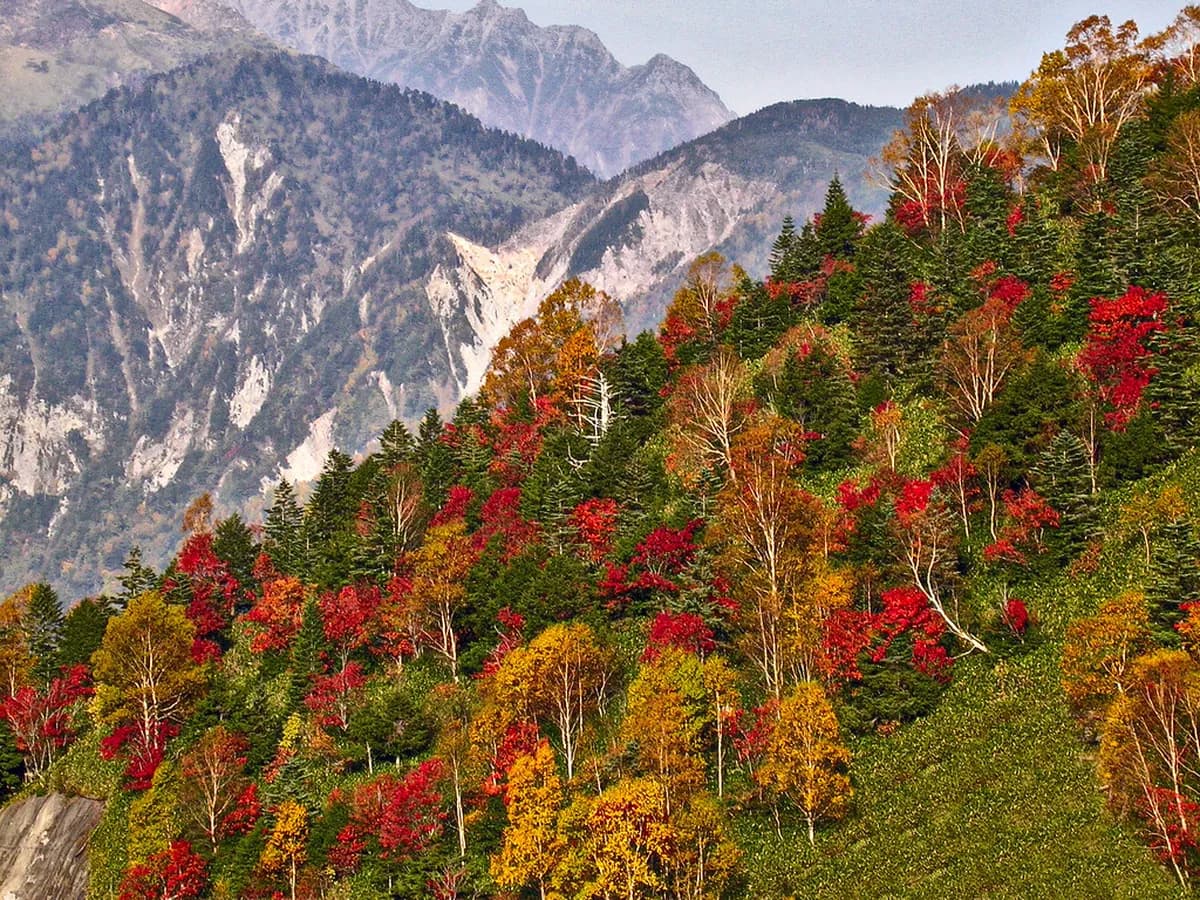
The bus terminus at Tatamidaira sits at around 2,702 metres and anchors every summer visit. From the car park, short hiking trails fan out across a caldera plateau with wide mountain views. On a clear day you can see the Northern Alps ridgeline, and wildflowers cover the slopes in July.
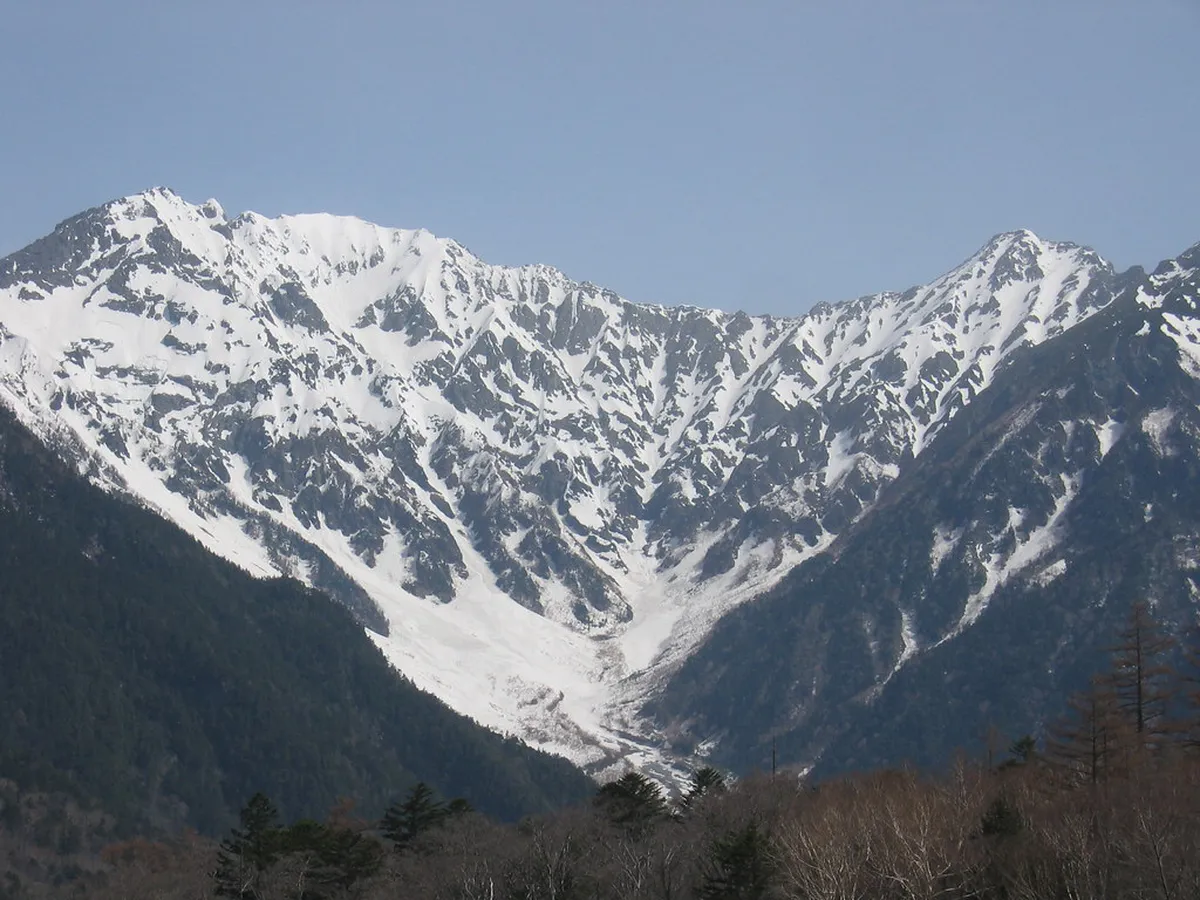
The summit crater of Norikura-dake at 3,026 metres requires a roughly 90-minute hike from Tatamidaira. Hardy alpine plants and the occasional ptarmigan make the upper trail memorable for most hikers. Pack a windproof layer, as temperatures here run 10–15°C cooler than in Matsumoto below.
Sanbondaki Falls sits at the base of the Echo Line near Norikura Kogen village. The three cascades are a pleasant stop before or after the bus ride to the plateau. Small galleries and craft shops in the village add a quieter, resort character to the area.
Parks, Gardens, and Outdoor Spots in Norikura
Cycling Norikura is celebrated across Japan because the upper 13km above the gate are fully car-free. From the gate, riders climb around 900 metres of elevation on smooth, quiet tarmac. The road is open from the first of July through to the last day of October most years.
September and October offer the best conditions for both cycling and hiking on the mountain. Autumn brings far more blue-sky days than the cloudier July–August window. Mid-to-late September is also prime time for fall foliage near the highland plateau.
Cyclists starting from Matsumoto can ride Route 1 at 138km with 3,200m of total gain. Those wanting just the best section can start from the Sanbondaki Falls parking lot instead, covering 26km and 900m of gain. Check the Nagano Prefecture Official Road Closure Information for Mt Norikura before you travel, as conditions can shut the upper road fast.
Getting to Norikura
From Tokyo, take the train from Shinjuku to Shinshimashima Station — roughly three hours total. From Shinshimashima, a bus reaches Norikura Kogen in about one hour. Visitors from Nagoya can expect around three hours and twenty minutes to Shinshimashima by train.
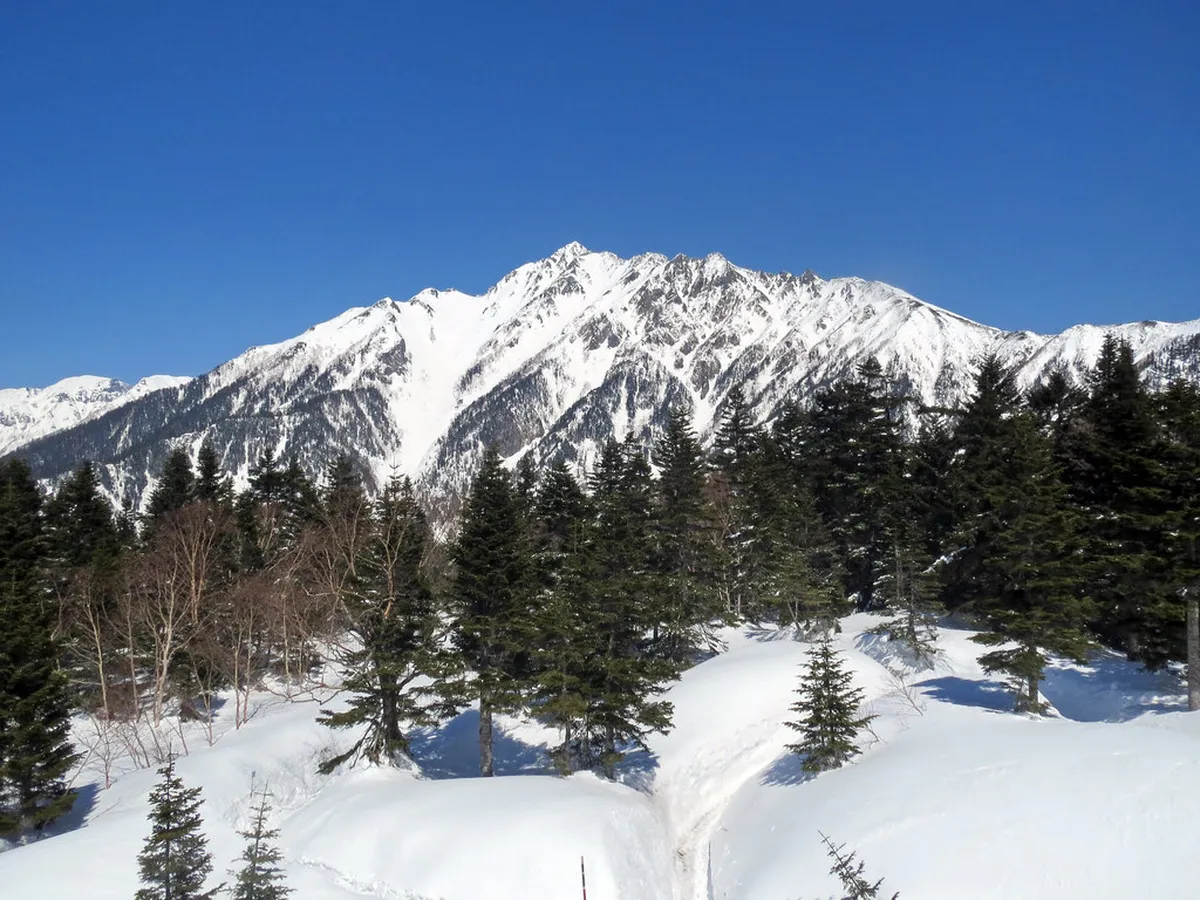
Drivers from Matsumoto reach the lower resort area in around 60 minutes via Route 158. Private cars can park at the Sanbondaki Falls parking lot, which holds around 1,000 vehicles. Beyond that lot, the gate is closed to private cars — only shuttle buses and bicycles go higher.
Access from the Gifu side passes through Hirayu Onsen in the Okuhida hot spring valley. Seasonal buses from Hirayu serve Tatamidaira during summer and autumn. Whichever side you arrive from, confirm bus departure times with your accommodation the evening before.
Hakuba Norikura Onsen Snow Resort
Hakuba Norikura Onsen Snow Resort is in the Hakuba Valley of northern Nagano — separate from Mt. Norikura near Matsumoto. The resort runs from a summit at 2,000m down to the ski centre at 1,500m, with 20 courses in total. A Kids' Park and a milky-white onsen bath at the base suit families and those who want an après soak.
The 2025–26 season ran from December 13 through to March 29, typical for this resort. Snowboarders can book with the JSBA Hakuba Norikura Snowboard School for certified instruction. Skiers can contact the SAJ Hakuba Norikura Ski School, which offers English-language group and private lessons.
Lift ticket and lesson prices change each season, so verify current rates before booking. The longest run is approximately 5,000 metres with a maximum gradient of 35 degrees. Groomed runs cover 75% of the mountain, with 25% left as natural terrain for off-piste riders.
- Course breakdown at a glance
- Total courses: 20 runs across all ability levels.
- Summit elevation: 2,000 metres above sea level.
- Beginner terrain: 30% of the total ski area.
- Advanced and off-piste: roughly 30% of runs.
- Longest run: approximately 5,000 metres from top to base.
- Groomed runs: 75% of the mountain; 25% is natural terrain.
- Ski and snowboard schools
- SAJ Hakuba Norikura Ski School runs group and private ski lessons.
- JSBA Norikura Snowboard School provides certified snowboard instruction.
- English-language tuition is available at both schools.
- Lesson fees vary by duration and group size each season.
Where to Stay Near Norikura
Norikura Kogen is the most convenient base for summer hikers and cyclists near the Echo Line gate. The village hosts small ryokan and pension-style guesthouses with an unhurried pace. The NORIKURA hotel Yamayuri/Yurari offers twin rooms from around ¥8,800 per person with breakfast and dinner.
Hirayu Onsen on the Gifu side provides a wider range of lodging and the famous Okuhida hot spring strip. Staying in Hirayu suits travellers who want open-air baths each evening and a bus up to Tatamidaira by day. For Hakuba Norikura skiing, the Hakuba Valley village has ski-in lodges and international restaurants.
Book at least a month ahead for ski-season weekends and for the Golden Week holiday in early May. Visit the Norikura Kogen area map to understand the layout before arrival.
How to Plan Your Norikura Visit
Road status is the most critical pre-trip check — the upper road closes fast with unexpected snow. The Nagano prefectural authority posts updates online, and local accommodation hosts usually know the current situation. Arriving at Tatamidaira mid-morning gives the most time to hike before afternoon clouds move in.
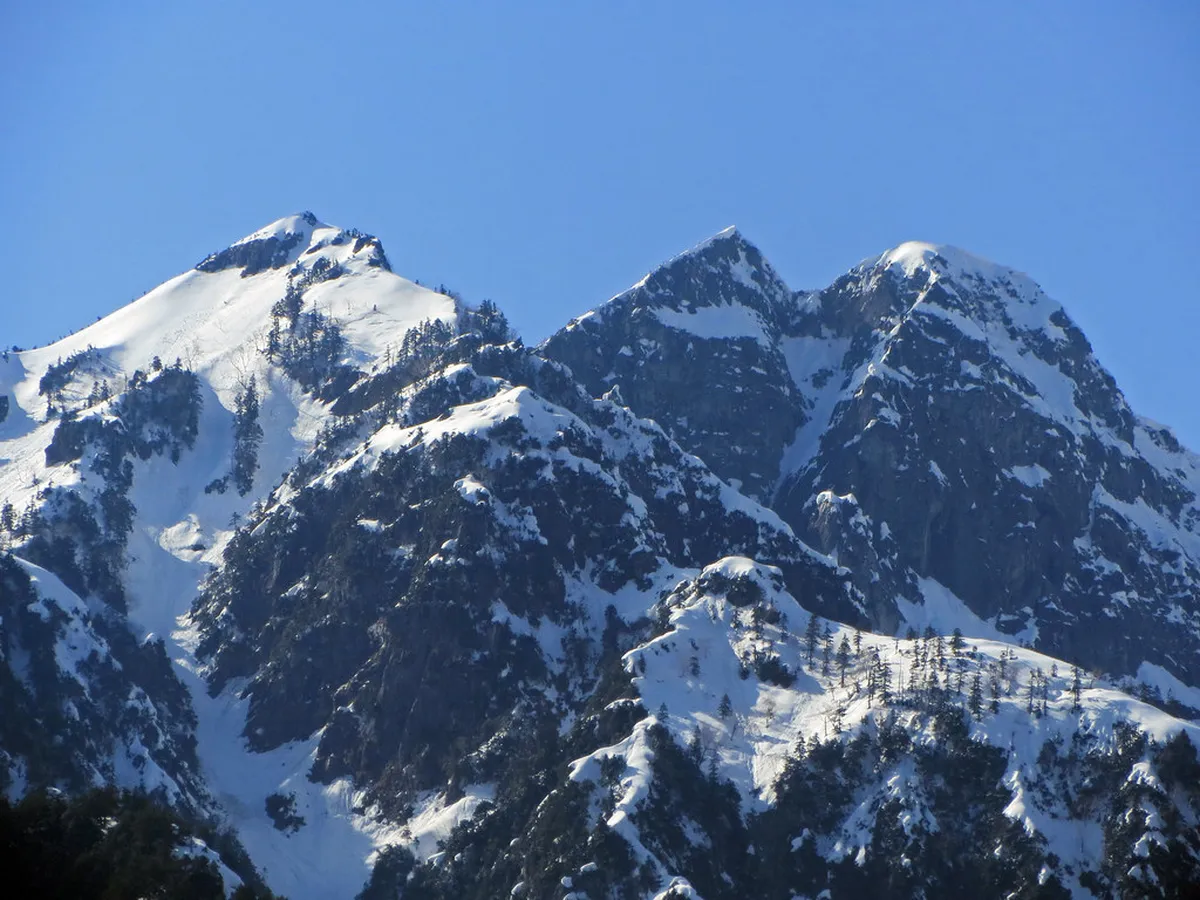
Layer up even in summer — a T-shirt at the kogen can mean a jacket by the plateau. UV intensity above 2,000m is noticeably stronger, so sunscreen is essential. Carry water for the hike, as no reliable freshwater sources exist on the upper plateau trails.
Cyclists should target the Route 84 junction by 9am to stay ahead of lower-road traffic. A two-day version, overnighting at Norikura Kogen, splits the ride into comfortable stages. The Japan Alps attractions guide covers nearby destinations that pair naturally with a Norikura visit.
Frequently Asked Questions
How do you get to Norikura from Tokyo?
Take the train from Shinjuku to Shinshimashima Station, about 3 hours total, then connect by bus to Norikura Kogen (1 hour). From there, seasonal shuttle buses run up to the Tatamidaira plateau. Private cars are banned above the Sanbondaki Falls parking lot, so the bus is the only motorised way to the top.
When is the Norikura Skyline road open for hiking and cycling?
The upper 13km of car-free road past the gate is typically open from July 1 to October 31, though exact dates shift with each year's snowfall. September and October offer the clearest skies and best autumn foliage. Always check the Nagano Prefecture road closure page before travelling, as short-notice closures do happen.
Are Hakuba Norikura and Mt. Norikura the same place?
No — they are two separate destinations roughly 80km apart. Mt. Norikura (3,026m) sits near Matsumoto on the Nagano-Gifu border and is known for its car-free alpine road and summer hiking. Hakuba Norikura Onsen Snow Resort is a ski area in the Hakuba Valley in northern Nagano, best known for winter skiing.
What is the highest paved road in Japan?
The Norikura Skyline (Norikura Echo Line on the Nagano side) reaches roughly 2,702 metres at Tatamidaira, making it Japan's highest paved road. Private cars cannot drive it above 1,800 metres — only buses and bicycles are permitted, which is why cyclists prize this climb so highly.
Is English support available at Hakuba Norikura Ski Resort?
Yes. Resort staff, lesson books, brochures, slope maps, and signage are all available in English. Both the SAJ Hakuba Norikura Ski School and the JSBA Norikura Snowboard School offer English-language instruction. The food menu is Japanese-only, so a translation app is handy at the resort restaurant.
Norikura rewards visitors who plan ahead, whether the goal is a clear-sky summit hike or a powder run at Hakuba. The car-free upper road stands as one of Japan's most distinctive alpine experiences, and it is genuinely hard to match for quietness. From Tokyo the trip takes around four hours, fitting well into a Japan Alps Itinerary Travel Guide as a day trip or short overnight.
Check road status, pack layers, and arrive at the plateau by mid-morning for the best views. At Hakuba Norikura the ski resort offers a compact, English-friendly mountain that suits international visitors at any level. Either version of Norikura delivers an alpine encounter that is unhurried — a quality worth seeking out in Japan.
Free guide: Japan's Hidden Gems
12 under-the-radar places beyond Tokyo & Kyoto — with the best season to visit each and a local tip you won't find in the guidebooks.
You might also like


Continue reading
More guides you'll find useful


