

Japan Alps Travel Guide
Plan your Japan Alps trip with top highlights, hiking tiers, transport options, and where to stay — practical advice for every traveler in 2026.
On this page
The Japan Alps rise from the heart of Honshu as a chain of rugged, snow-capped ranges. Three distinct mountain groups — the North, Central, and South Alps — pack over 20 peaks above 3,000 metres into central Japan. Whether you want a riverside stroll, a week-long alpine trek, or a cable car to snowfields, the Japan Alps deliver. This guide covers the highlights, transport, accommodation, and practical details for a smooth 2026 trip.
Key Takeaways
- The Japan Alps contain three ranges (North, Central, South) with over 20 peaks above 3,000 m in central Honshu.
- Matsumoto, Takayama, and Toyama are the main gateways, each under 2.5 hours from Tokyo by rail.
- The Tateyama-Kurobe Alpine Route and Kamikochi are fully accessible to non-hikers; serious trekkers have week-long traverse options.
- Mountain huts cost around 10,000 yen for bed and dinner; book South Alps huts well in advance, North Alps huts are usually walk-in.
- Late June to late October is the core hiking season; mid-April to May for snow walls; December to March for skiing Hakuba.
What Are the Japan Alps?
The Japan Alps sit in the centre of Honshu, Japan's main island. English archaeologist William Gowland first coined the name in the late 19th century. The term was later popularised by missionary and writer Walter Weston, whose memorial festival still runs in Kamikochi each June.
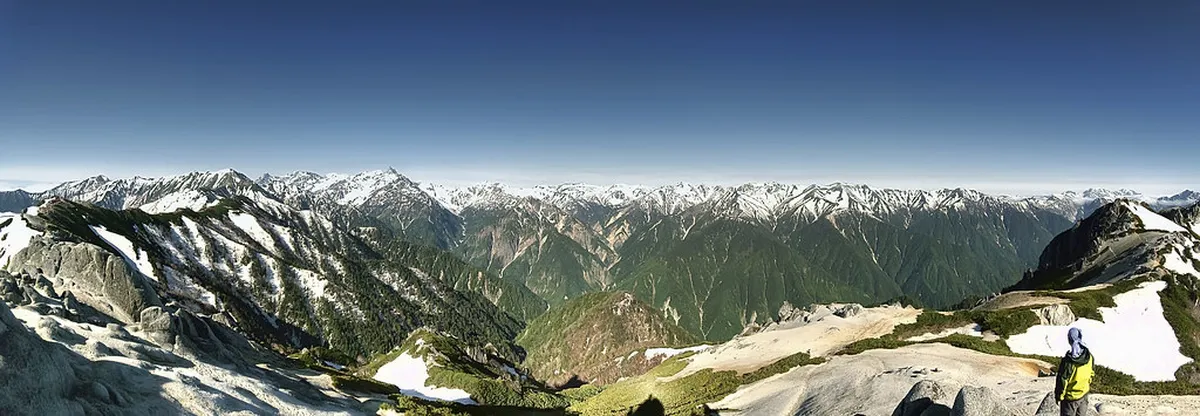
Three ranges make up the Japan Alps: the North, Central, and South Alps. All three hold mountains in the 2,500 to 3,000 metre range, with 20 peaks clearing 3,000 metres. Mt Fuji at 3,776 m stands alone to the east and is not part of the Alps.
The North Alps (Kita Alps), also called the Hida Mountains, form a Y-shaped band of peaks. Mostly volcanic in origin, the range has active hot springs and receives heavy snowfall from Siberian weather fronts each winter. It is the most-visited range, with the best infrastructure for hikers, skiers, and sightseers.
The Central Alps (Chuo Alps) occupy a narrow wedge in Nagano Prefecture between the Kiso and Iida valleys. No summit here tops 3,000 m, but the Komagane Ropeway rises to 2,600 m year-round. The South Alps (Minami Alps) are the wildest range, home to Kita-dake (3,193 m) — Japan's second-highest peak — with far fewer visitors.
Must-See Highlights in the Japan Alps
The Japan Alps pack a remarkable variety of experiences into a compact area of central Japan. Choosing one gateway city — Matsumoto, Takayama, or Toyama — and working outward is far more efficient than crossing between ranges repeatedly. Our Japan Alps itinerary guide maps a practical 7-day route linking the major highlights without backtracking.
Kamikochi is the most iconic entry point to the North Alps — a forested valley at 1,500 m along the Azusa River. The two-hour walk to Myojin-ike pond follows flat forest paths with dramatic peak views and suits all fitness levels. Private vehicles are banned from the valley, so take a bus from Matsumoto via Shin-Shimashima Station or from Takayama via Hirayu Onsen.
The Tateyama-Kurobe Alpine Route is a 90 km corridor through the heart of the North Alps, open from mid-April to early November. It links Toyama in the west with Omachi in the east via trains, buses, cable cars, and ropeways. Spring is famous for 20-metre snow walls at Murodo (2,450 m), where the road is carved from tens of metres of snow.
In the foothills, Takayama offers preserved Edo-period merchant streets and morning markets that make for a rewarding cultural half-day. A bus ride from Takayama reaches the UNESCO-listed village of Shirakawa-go in about 50 minutes, with its distinctive gassho-zukuri thatched farmhouses. The gateway city of Matsumoto holds one of Japan's twelve original surviving castles, open daily from around 8:30 am.
- Kamikochi Valley, North Alps
- Flat riverside walks take about two hours to Myojin-ike pond and back.
- Bus access only from Matsumoto or Takayama keeps the valley uncrowded and peaceful.
- Hotels and onsen lodges operate from late April through mid-November each year.
- Tateyama-Kurobe Alpine Route
- The full crossing takes a full day and costs roughly 13,000 yen one-way.
- Spring snow walls at Murodo plateau reach up to 20 metres high in late April.
- Open mid-April to early November; book Murodo accommodation several months ahead.
- Senjojiki Cirque, Central Alps
- The Komagane Ropeway reaches 2,600 m elevation in about eight minutes.
- A three-hour return hike from the cirque summit reaches Mt Kiso-Komagatake at 2,956 m.
- The cirque holds snow into early summer and turns gold in October foliage season.
- Jigokudani Snow Monkey Park
- Wild Japanese macaques bathe in natural hot-spring pools here year-round.
- The park is a 30-minute walk from Kanbayashi Onsen bus stop near Nagano city.
- Entry costs 800 yen; the monkeys are most active and visible in colder winter months.
- Takayama Old Town and Shirakawa-go
- Takayama's Sanmachi Suji district preserves Edo-era breweries and merchant townhouses.
- Shirakawa-go is a UNESCO World Heritage site about 50 minutes by bus from Takayama.
- Winter from December to February gives the best views of snow-covered thatched farmhouses.
Hiking and Outdoor Adventures
The Japan Alps offer a genuine spectrum of hiking difficulty, from two-hour pond strolls to week-long ridgeline traverses. The North Alps have the best infrastructure for casual visitors, while the South Alps demand self-sufficiency and route-reading skills. Those planning serious routes should also read the Norikura Skyline and Tatamidaira guide for the most accessible high-altitude hike in the North Alps.
For beginners and families, the flat paths around Kamikochi suit all fitness levels and deliver outstanding views without any elevation gain. Buses reach Tatamidaira on the Norikura Skyline at 2,702 m, and the Norikura-dake summit (3,026 m) is a two-to-three-hour return walk. The Central Alps' Senjojiki Cirque, reached by ropeway at 2,600 m, is an excellent high-altitude day out with no demanding approach.
Experienced hikers can choose from two classic multi-day routes in the North Alps. The week-long Tateyama-to-Kamikochi traverse passes Mt Yari-ga-take (3,190 m) and the Daikiretto ridgeline before reaching the Karasawa Cirque. A three-day Tateyama-to-Tsurugi-dake loop from Murodo adds Japan's most technically demanding Hyakumeizan peak — Mt Tsurugi-dake — to the itinerary.
Mountain huts line the major routes, with bed-and-dinner packages costing around 10,000 yen per person. Camping at designated sites beside huts runs 500 to 1,000 yen per night — much cheaper, but you must carry all your own gear. Hut schedules run tight: dinner from 6 pm, lights out at 9 pm, and breakfast by 4 or 5 am.
History, Culture, and Alpine Villages
The Japan Alps carry deep layers of religious significance that most travel guides overlook entirely. Mt Tateyama, alongside Mt Fuji and Mt Hakusan, is one of Japan's three sacred mountains. Its pilgrimage route has drawn worshippers for over 1,400 years, and the Oyama Shrine at Ashikuraji still marks the traditional gateway.
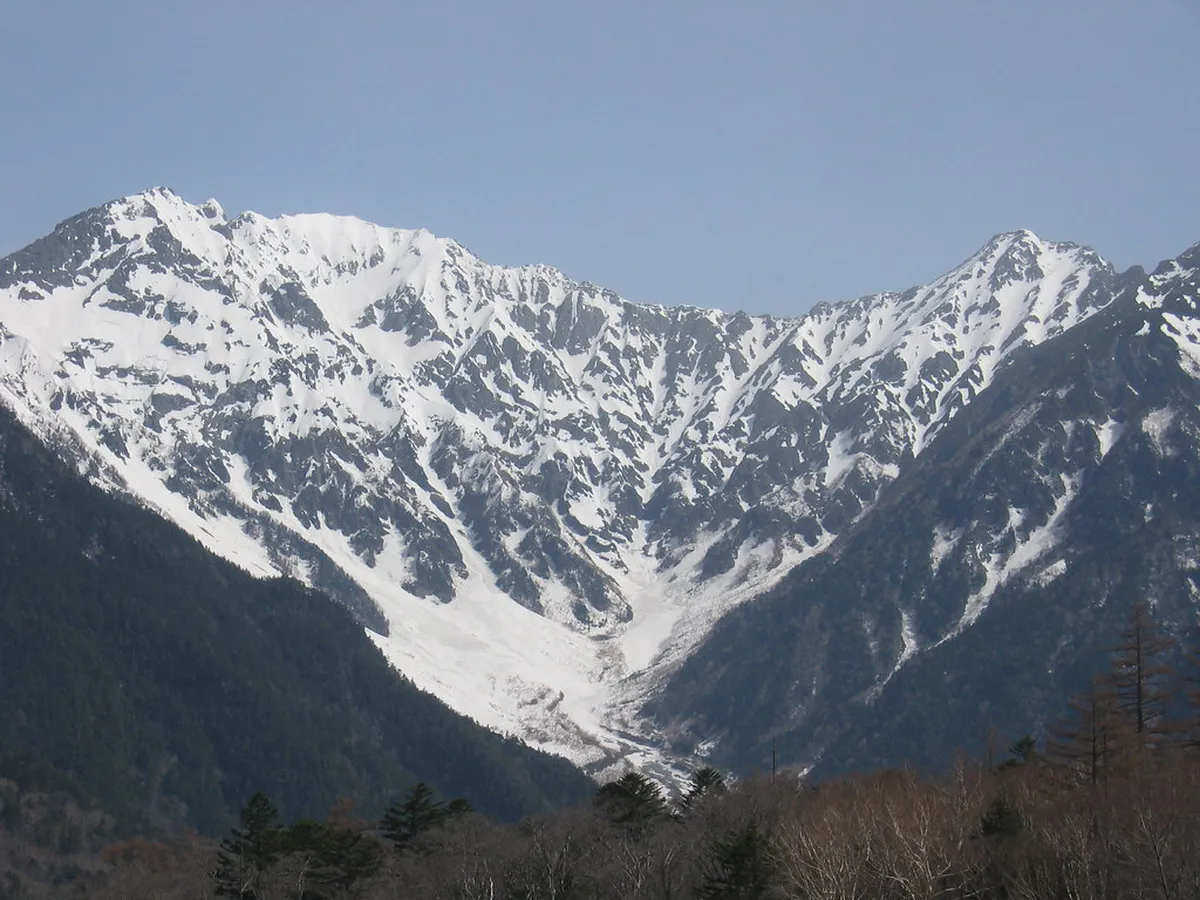
Below the peaks, the Kiso Valley holds the finest surviving stretch of the Nakasendo — the inland road linking Edo with Kyoto. Post-towns like Narai and Magome retain their original merchant townscapes, with wooden lattice facades and water channels alongside the main street. Both towns are reachable from Nagoya by the JR Chuo Line, making them a viable half-day addition to a Central Alps visit.
Matsumoto is the primary cultural gateway to the North Alps' eastern side. Its castle — nicknamed Karasu-jo (Crow Castle) for its black exterior — is one of twelve original surviving wooden castles in Japan. The city hosts a respected classical music festival each summer, giving it a cultural identity beyond its alpine staging role.
Getting to and Around the Japan Alps
The main gateways are Matsumoto (eastern North Alps), Takayama (western North Alps), and Toyama (northern end of the range). Choosing the right gateway saves several hours of backtracking across the region. Check the Japan Alps 7 Cities official site for regional transport maps and seasonal bus schedules.
From Tokyo, the JR Azusa limited express from Shinjuku reaches Matsumoto in about two and a half hours. Toyama is served by the Hokuriku Shinkansen from Tokyo Station in roughly two hours and ten minutes. From Osaka or Kyoto, take the Shinkansen to Nagoya (35 min), then the Hida express to Takayama in about two and a half hours.
Inside the Alps, highway buses are the main option for reaching trailheads, as train lines end at the foothills. The Kamikochi bus from Matsumoto Alpico Bus Terminal runs from late April through mid-November; advance tickets are recommended in July and August. The full Route crossing takes a full day and costs around 13,000 yen one-way for all segments.
Where to Stay in the Japan Alps
Both towns offer wide accommodation choice, from hotels under 8,000 yen to ryokan at 20,000 to 40,000 yen per person. Booking two to three months ahead is strongly advised for summer weekends and the late-September to October foliage peak. Both towns have a genuine mix of Western-style and traditional Japanese accommodation, so every budget and style is catered for.
Inside the mountains, yamago-ya (mountain huts) provide bed-and-breakfast accommodation for multi-day hikers. A night with dinner and breakfast costs around 10,000 yen per person; a bed-only stay runs approximately 6,000 yen. Most huts are open from around June to early October — always confirm dates before finalising your route.
Kamikochi has a small cluster of lodge-style hotels that fill very quickly around the late-April opening and October peak. The village closes completely from mid-November to late April, so check dates carefully before building your itinerary around a stay there. The Okuhida Onsen villages near Shinhotaka form one of Japan's largest onsen clusters, with ryokan across every price band.
Best Time to Visit the Japan Alps
The hiking season runs from late June to late October, when trails are clear of snow and mountain huts are open. Late September and early October offer the best combination of conditions: cooler temperatures, brilliant autumn colours, and slightly fewer crowds. Check our Japan Alps seasonal guide for a month-by-month breakdown covering snow conditions and seasonal events.

Spring brings a striking spectacle: the Tateyama-Kurobe Route opens in mid-April to reveal snow walls up to 20 metres high. Rainy season runs from June to mid-July; hiking is possible during dry spells but trails become muddy and visibility drops. The late October window combines autumn colours at altitude with the final weeks of open mountain access for the year.
Winter (December to March) turns the North Alps into a major ski destination. Hakuba, host of the 1998 Nagano Olympics, links 11 resorts and receives average annual snowfall exceeding 11 metres at some areas. Avoid the Obon holiday week in mid-August for hiking: mountain huts fill to capacity and trailhead bus queues can stretch to two hours.
Going deeper on this theme? Our What to Eat in the Japan Alps guide covers it in detail, with the practical planning this page leaves out.
Frequently Asked Questions
Where exactly are the Japan Alps located?
The Japan Alps occupy the centre of Honshu, Japan's main island, spanning parts of Nagano, Toyama, Gifu, Yamanashi, and Shizuoka prefectures. The three ranges — North, Central, and South — run roughly north to south and are accessed from gateway cities including Matsumoto, Takayama, and Toyama.
Is Mount Fuji part of the Japanese Alps?
No. Mount Fuji stands about 100 km to the east and belongs to a separate volcanic chain. The Japan Alps contain over 20 peaks above 3,000 m, but Fuji at 3,776 m is Japan's tallest mountain and is geologically distinct from all three Alps ranges.
How do I get to the Japan Alps from Tokyo?
The fastest options are the Azusa express to Matsumoto (about 2 hr 30 min from Shinjuku) for the eastern North Alps, or the Hokuriku Shinkansen to Toyama (about 2 hr 10 min from Tokyo Station) for the northern end. Highway buses from each city then connect to Kamikochi and the Tateyama-Kurobe Route. Read our Japan Alps Itinerary Travel Guide for a full routing overview.
Are the Japanese Alps worth visiting for non-hikers?
Absolutely. The Tateyama-Kurobe Alpine Route crosses the North Alps entirely by bus, cable car, and ropeway with no hiking required. The Komagane Ropeway in the Central Alps reaches 2,600 m in eight minutes. Kamikochi offers flat valley walks, and both Matsumoto and Takayama deliver rich cultural experiences at lower elevations.
What is the best base for exploring the Japan Alps?
Matsumoto suits travellers focusing on Kamikochi and the eastern North Alps, with direct trains from Tokyo. Takayama works best for the western approach and day trips to Shirakawa-go. Toyama is ideal for the Tateyama-Kurobe Alpine Route. Each base is reachable from Tokyo in roughly two to three hours by rail.
The Japan Alps reward nearly every type of traveller. The outdoor enthusiast has a spectrum of routes stretching from two-hour valley strolls to demanding week-long ridgeline traverses. Few regions pack alpine scenery, volcanic hot springs, sacred pilgrim routes, and Edo-era architecture into such an accessible corridor.
Starting with one gateway city and one range is far more rewarding than trying to cross all three on a single trip. The North Alps alone can fill a week comfortably, and most visitors find themselves planning a return well before they leave. Use this guide as your planning framework, then build out the detail to match your pace, budget, and travel season.
Explore More Japan Alps Guides
In-depth guides for planning your Japan Alps trip.
Free: The Takayama Essentials guide
Top things to do, where to stay, a perfect day plan, getting around, and the best time to go — a Takayama mini-guide you can take offline.
You might also like


Continue reading
More guides you'll find useful

