Kamikochi is a high-altitude alpine valley in the Northern Japan Alps, tucked into western Nagano Prefecture roughly 90 minutes from Matsumoto. Private cars are banned beyond the Kama Tunnel, which is why the air stays clean and the riverbanks stay quiet. The valley is open from mid-April to mid-November and entrance is free — you only pay for the bus or taxi to get in. This guide covers every practical decision you need to make before you go: transport, timing, where to sleep, what to pack, and how to spend your hours once you arrive.
Access – How to Get to Kamikochi
Private cars are strictly banned beyond the Kama Tunnel entrance. Everyone enters by bus or taxi from one of two parking areas: Sawando (the Matsumoto side, roughly 800 yen per day) or Hirayu/Akandana (the Takayama side, roughly 600 yen per day). Buses from Sawando run approximately every 30 minutes and take about 30 minutes to the Kamikochi Bus Terminal; the one-way fare is around 2,800 yen. A taxi from Sawando costs roughly 5,200 yen — useful if you have a tight schedule and are splitting the fare with others.
| Route | Method | One-Way Cost | Duration |
|---|---|---|---|
| Matsumoto Station → Kamikochi | Train (Matsumoto Electric Railway) + Alpico bus | ~¥710 + ~¥3,100 | ~1h 50min total |
| Sawando parking → Kamikochi | Bus (every ~30 min) | ~¥2,800 | ~30 min |
| Sawando parking → Kamikochi | Taxi | ~¥5,200 | ~30 min |
| Hirayu Onsen → Kamikochi | Nohi/Alpico bus | Bus fare | ~25 min |
| Busta Shinjuku (Tokyo) → Kamikochi | Alpico direct bus (reserve ahead) | Varies | ~4h 47min (day) |
From Matsumoto without a car, take the Matsumoto Electric Railway from Matsumoto Station to Shin-Shimashima Station (about 30 minutes, roughly 710 yen), then board an Alpico bus to Kamikochi (about 60 minutes, roughly 3,100 yen one way). Total journey time is around 1 hour 50 minutes. Buses from Matsumoto Station directly to Kamikochi also run during peak season — check the Alpico timetable before your visit as schedules shift year to year.
If you are travelling from Tokyo, Alpico runs direct buses from Busta Shinjuku. The daytime bus takes approximately 4 hours 47 minutes; there is also an overnight option that arrives early morning, taking around 6 hours 55 minutes with a rest stop. These long-distance buses require advance reservation during summer and autumn. From Nagoya, Osaka, or Kyoto, a common route goes via Takayama first, then a connecting bus to Kamikochi — see the Kyoto route in the next section.
Cyclists can enter Kamikochi freely without the vehicle restriction. If you prefer to arrive by bicycle, the mountain roads on both the Matsumoto and Takayama sides are scenic but demanding, with significant elevation gain.
Getting to Kamikochi from Kyoto
The Kyoto approach is longer but pairs naturally with the Hida region. Take the JR Limited Express Hida from Nagoya (or the Shinkansen to Nagoya then transfer) to Takayama, which takes roughly 2.5 hours from Nagoya. From Takayama Bus Terminal, Nohi Bus and Alpico both run services to Kamikochi via Hirayu Onsen. Total travel time from Kyoto to Kamikochi is typically 5 to 6 hours depending on connections.
This route is best if you are already moving through central Japan — combining Kyoto, Nagoya, Takayama, and Kamikochi into a circuit. If speed is the priority, the Tokyo-to-Matsumoto Azusa Limited Express followed by the train-and-bus combination to Kamikochi is generally faster. The Kyoto route makes more sense as part of a multi-day Hida itinerary than as a standalone day trip.
Regardless of direction, book bus tickets in advance for the July–October peak. Bus seats sell out on weekends and public holidays, and standing passengers are not permitted on mountain routes.
Arriving in Kamikochi
All buses drop off at the Kamikochi Bus Terminal. The main trails, Kappa Bridge, and the river paths all begin within walking distance of here. Before you head out, check the notice boards at the terminal: they list the day's bear sighting locations and any trail closures. Signage is available in English, Japanese, and Chinese.
One logistical detail most first-timers miss: there are no coin lockers at the bus terminal. If you arrive with a large bag, leave it at the baggage storage room on the first floor of the terminal building (staffed, charged by the piece). Guests staying at participating accommodations inside the park can also use a baggage delivery service to send luggage directly to their hotel — worth arranging in advance if you are hiking between properties.
From the terminal it is a five-minute walk to Kappa Bridge. For a better orientation, walk the opposite direction first toward Taisho Pond, which is a 30–40 minute stroll, then work back through the valley at your own pace toward Myojin Pond. This west-to-east direction lets you start with wider views and finish in the quieter forest section.
Best Time to Visit Kamikochi
Kamikochi is open from roughly mid-April to mid-November (typically around 17 April to 15 November). Outside that window the area is inaccessible due to heavy snow. The opening and closing ceremonies attract their own crowds — the opening ceremony in mid-April is a notable event if you want to see the valley when snow still dusts the peaks above.
Late May through early June offers fresh green larch and willow growth, comfortable temperatures (10–18°C), and noticeably fewer visitors than summer. This is considered one of the best windows for photography. October brings vivid autumn foliage — the larch trees turn yellow and the maples flame red — and is widely regarded as the most beautiful month, though weekends can be very crowded. Mid-week visits in early October strike the best balance of colour and crowd levels.
Summer (late July through August) is the busiest period because of school holidays. Kappa Bridge and the area around the bus terminal can feel congested on weekend afternoons. If you visit in summer, arrive before 09:00 to beat the tour bus rush. Weekdays are significantly quieter than weekends throughout the season.
Bear Safety in Kamikochi
Japanese black bears are present in Kamikochi throughout the season. Check the daily sighting notice board at the bus terminal before heading out. Carry a bear bell, travel in groups of two or more, and never feed or approach wildlife. Monkeys are common near the river — do not feed them or make direct eye contact.
Japanese black bears live in the forests of Kamikochi and sightings are recorded throughout the season, including on the main valley trails. The notice board at the bus terminal is updated daily with the locations and dates of recent sightings. Take a few seconds to read it before heading out.
Carry a bear bell — small ones are sold at park shops — and ring the large fixed bells mounted at trail junctions as you pass. Travel in groups of two or more when possible, and make noise on sections of trail where vegetation is dense on both sides. Never approach, feed, or photograph bears from close range. If you encounter one, back away slowly without turning your back.
Monkeys (Japanese macaques) are also common in the valley and are generally harmless, but do not feed them or make direct eye contact. They occasionally congregate near the river areas and at the edges of the camping ground. Simply give them space and they will move on.
Exploring Kamikochi – Nature Walk
The most popular route covers roughly 12 km and takes 4 to 6 hours at a moderate pace. Start at Taisho Pond, where submerged silver trees rise from clear water against a backdrop of Mount Yakedake — the volcano whose 1915 eruption formed the pond. Follow the riverside path north past Tashiro Bridge to Kappa Bridge, then continue east to Myojin Pond and return via Myojin Bridge. This loop is almost entirely flat and well-signed, making it suitable for most fitness levels in standard walking shoes.
The section between Kappa Bridge and Myojin Pond runs through dense larch and white birch forest along the Azusa River. This is where trail crowds thin out noticeably. The path has some muddy patches and exposed roots after rain — waterproof shoes are worth the minor inconvenience. Plan to reach the Kappa Bridge area by around 11:00 before the lunch crowds peak at the cluster of restaurants nearby.
For a longer day, continue past Myojin to Tokusawa (approximately 1.5 hours from Myojin) or attempt the Dakesawa trailhead toward the Hotaka peaks. These routes require proper hiking boots and a full pack. Do not start these advanced sections after 13:00 if you have a bus to catch.
Keep an eye out for Japanese dippers along the river — small birds that bob up and down on midstream rocks. The valley also hosts golden eagle, various warblers, and in autumn the distinctive call of the spotted nutcracker. Wildlife observation is best in the first two hours after opening.
Must-See Kamikochi Attractions
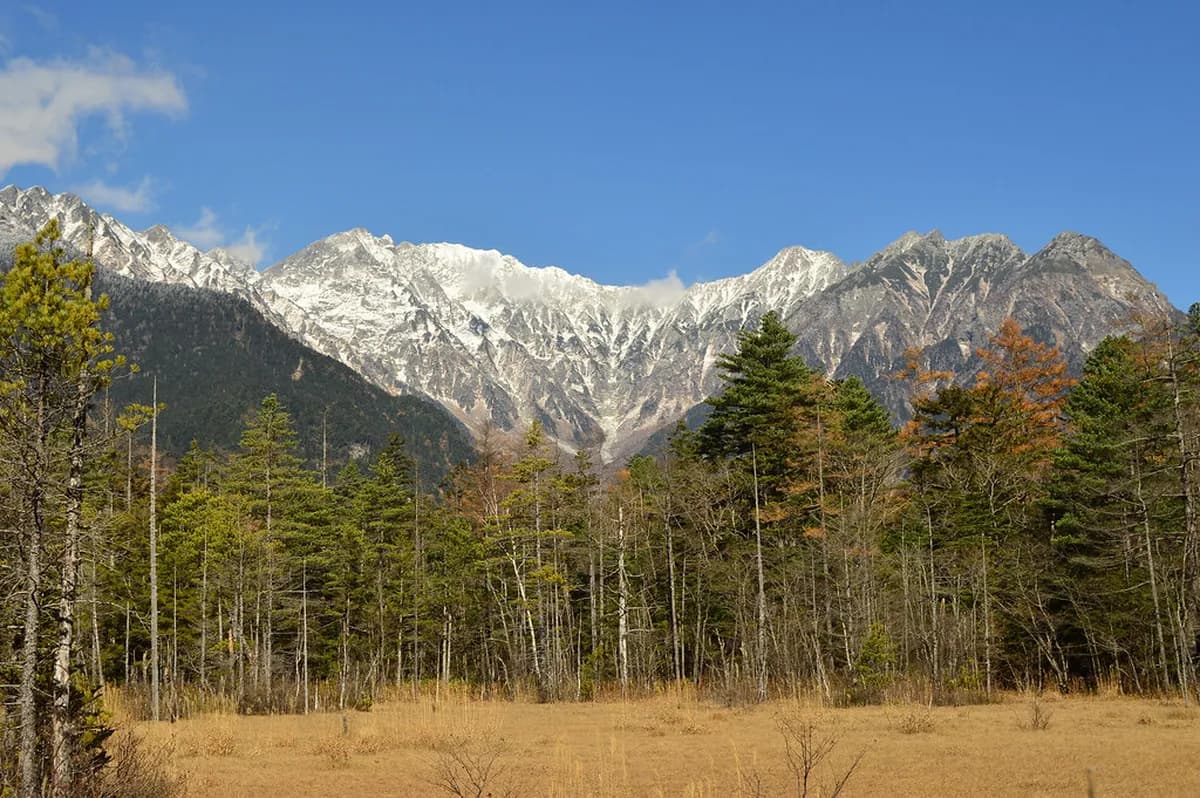
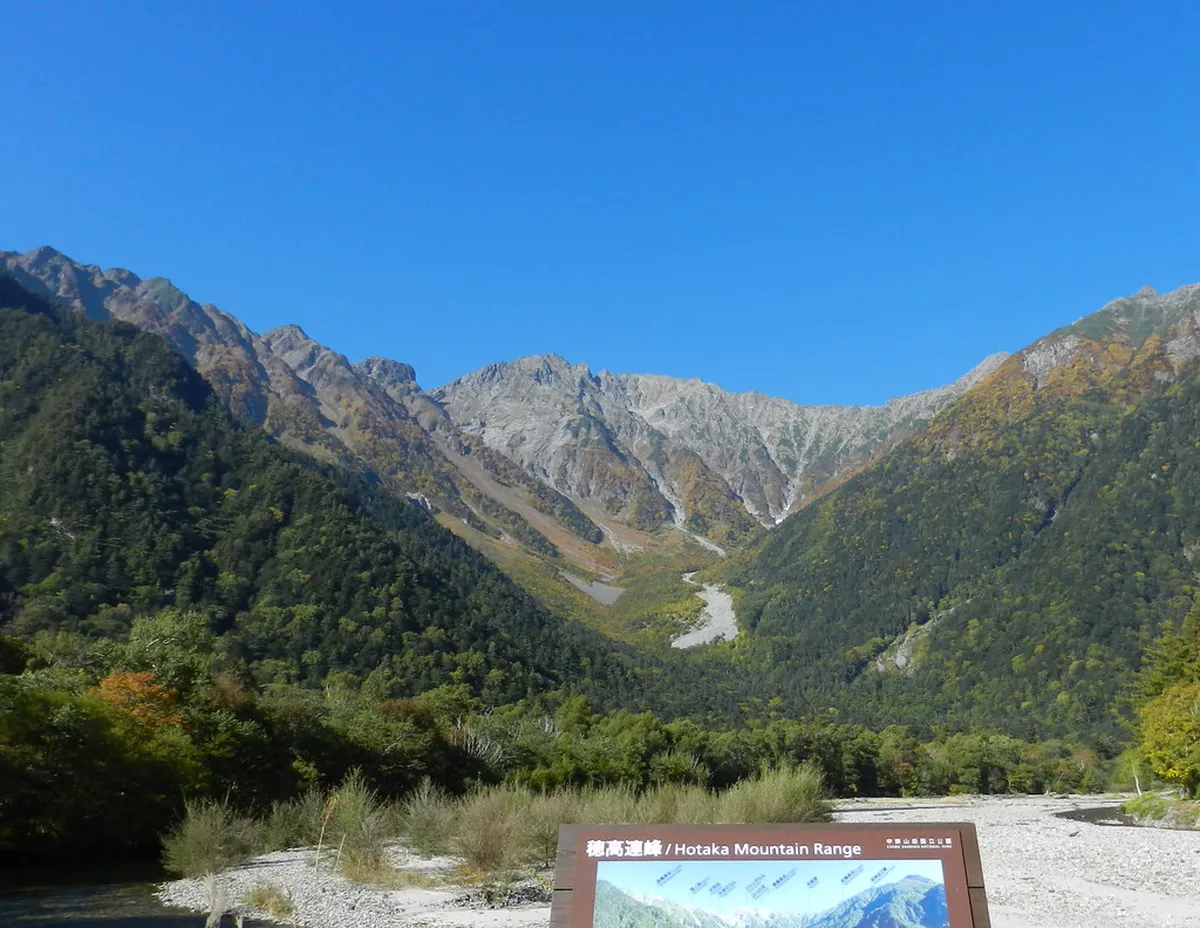
Kappa Bridge is the most photographed landmark in the valley. This wooden suspension bridge offers a direct view of Mount Hotaka — the jagged ridge that dominates the northern skyline — framed by the Azusa River below. The bridge is five minutes from the bus terminal and is the natural starting point for first-time visitors. It gets crowded by late morning, so cross it early and again in the late afternoon when light is lower.
Taisho Pond sits at the southern end of the main trail and offers some of the most dramatic reflections in the valley. The skeletal silver trees standing in the water are a result of the 1915 volcanic eruption and give the pond an otherworldly quality. Mist settles here on cool mornings, especially in autumn. Arriving at Taisho Pond at first light is one of the defining Kamikochi experiences.
The Hotaka Shrine Inner Shrine at Myojin Pond is a sacred site maintained by local Shinto practitioners. A 500-yen entry fee grants access to the inner pond area, where a small dock extends into remarkably clear water. The atmosphere here is noticeably quieter and more contemplative than the bridge areas. Many visitors find this the most memorable spot of the entire day.
For a cultural contrast, Matsumoto Castle pairs naturally with a Kamikochi day — the castle is best visited either before heading into the mountains in the morning or after returning in the late afternoon. Both sites are easily connected within the same regional itinerary.
Photography and Scenic Stops
Kamikochi rewards photographers who arrive early. The first two hours of the morning — before tour buses begin arriving around 09:30 — offer mist over the river, soft directional light on the peaks, and largely empty trails. Taisho Pond at sunrise can produce mirror-flat reflections of the Hotaka range if the wind is calm.
Tashiro Bridge gives a long downstream view of the Azusa River with the larch forest framing both banks — a composition that changes dramatically with season. In October the yellowing larch canopy turns this section golden. The bridge itself sways gently underfoot, which is worth knowing before you set up a slow shutter.
The late afternoon light (around 16:00 in summer, earlier in autumn) casts warm tones on the western face of the Hotaka peaks as seen from Kappa Bridge. If you can time your return to the bridge for this window rather than midday, the difference in photograph quality is significant. A compact tripod is useful for pond reflections and long exposures on the river.
Where to Stay When Visiting Kamikochi
Staying inside the valley means you experience it before and after day trippers arrive — early morning mist on the river and quiet evening trails are the main advantages. There are fewer than ten hotels inside the park. The Kamikochi Imperial Hotel is the historic prestige option, opened in 1933 and still operating as one of the oldest mountain hotels in Japan. The Gosenjaku Hotel Kamikochi is a popular mid-range option next to Kappa Bridge, and the Kamikochi Hotel Shirakabaso sits close to the bridge area with both Japanese and Western-style rooms. The Kamikochi Lemeiesta occupies a quieter riverside location near Tashiro Bridge, away from the main crowds. All inside-park accommodation books up months in advance for July–October — if you want to stay inside, secure your reservation as soon as dates are confirmed.
Camping is a genuine option for budget-conscious overnight visitors. The campsite is located just a short walk from Kappa Bridge, with both tent pitches and small lodges available. Availability fills quickly in peak season, so book early through the official Kamikochi website. Since few restaurants serve dinner, campers should plan to bring food or eat before the evening service cutoffs.
Staying in Hirayu Onsen
Hirayu Onsen is the most practical and popular base outside the park itself. The town sits at the Hirayu parking area on the Takayama side, and shuttle buses to Kamikochi depart regularly, taking about 25 minutes. Staying here costs significantly less than inside the park while giving you a genuine hot spring experience in a traditional ryokan setting.
Most ryokans include dinner and breakfast in the rate, which solves the meal problem that inside-park guests face. After a long day of walking, an outdoor bath overlooking the forest is a substantial reward. Hirayu also has a free public foot bath near the main parking area, which is usable without accommodation. The town is notably quieter than Takayama and has a slower pace that complements the Kamikochi experience well.
If you prefer a larger town with more restaurant options and evening activity, Takayama works as a day-trip base with a bus connection to Kamikochi via Hirayu. The trade-off is a longer commute each morning — roughly 50–60 minutes from Takayama to the valley — which eats into the quietest part of the day.
What to Pack for Kamikochi
Kamikochi itself is free to enter. Main costs are the round-trip bus fare from Matsumoto (~¥3,100 one way), lunch (~¥1,000–1,500 at trail restaurants), and the Myojin Pond inner shrine entry (¥500, optional). Clean spring water is available along the trail — bring a reusable bottle. Bear bells are sold at park shops near the terminal.
The main valley walk does not require technical hiking gear, but a few items are non-negotiable. Waterproof walking shoes are the single most important item — the riverside paths are wet after rain and some sections are muddy throughout the season. Bring a lightweight rain jacket regardless of the forecast. Mountain weather changes quickly, and being wet and cold at altitude is uncomfortable even in August.
Pack layers: temperatures at 1,500 m can be 8–12°C cooler than Matsumoto city, and mornings and evenings drop sharply even in summer. Sunscreen and sunglasses are also worth having; the alpine UV index is higher than most visitors expect. Carry enough cash for the bus fare, lunch, and the Myojin Pond entry (500 yen) — card payment is not universally available at trail-side restaurants.
A reusable water bottle is both practical and environmentally appropriate in a national park. Clean mountain spring water is available at several points along the trail. A bear bell is available for purchase at park shops near the bus terminal if you do not already own one. Pack snacks for the afternoon section between Kappa Bridge and Myojin, where food options are limited.
Parks, Gardens, and Outdoor Spots in Kamikochi
The entire valley falls within Chubu Sangaku National Park, a Special Natural Monument designation that prohibits collecting plants, feeding wildlife, or leaving marked trails in sensitive zones. This legal protection is what keeps the ecosystem intact after over a century of mass tourism. Stick to the boardwalks through the marshland areas — these wooden paths exist specifically to protect the delicate subalpine vegetation underneath.
Takezawa Marsh, tucked between the main trail and the forest edge, hosts rare alpine plants that bloom through June and July. It is quieter than the main landmarks and most day visitors pass by without stopping. The calm water reflects the canopy above and makes for an underrated photography spot. Autumn sedges turn amber in October, giving the marsh a different but equally striking character.
For a contrast in landscape scale, Utsukushigahara Highland offers open alpine plateau views of the same mountain range from a different angle. It sits east of Matsumoto and can be combined with a Kamikochi trip over two days if you have time to explore the broader region.
Family and Budget Tips for Kamikochi
The flat riverside path from the bus terminal to Kappa Bridge and onward to Myojin is genuinely accessible for families with children old enough to walk a few kilometers. There are no steep sections on the valley floor trail. Prams and pushchairs are possible in good conditions but struggle on the rockier sections past Kappa Bridge; a baby carrier is the more practical choice.
Kamikochi itself is free to enter. Your main costs are transport (roughly 3,100 yen one way from Matsumoto by public transit), lunch (budget 1,000–1,500 yen at trail-side restaurants), and the Myojin Pond entry (500 yen, optional). Bringing a packed lunch from Matsumoto or from a convenience store at Shin-Shimashima Station can reduce costs significantly. Mountain spring water along the trail is free and safe to drink directly.
For additional budget-friendly activities nearby, the Daio Wasabi Farm in Azumino has free admission and clear-water walking paths along irrigation channels. It works well as an afternoon add-on after returning from Kamikochi, as Azumino sits between Matsumoto and the mountains on the same transit corridor.
How to Plan a Smooth Kamikochi Day
The single most important planning decision is whether to do Kamikochi as a day trip or an overnight stay. A day trip from Matsumoto is entirely satisfying for the main valley walk, but an overnight inside the park or in Hirayu allows you to experience the area before day trippers arrive and after they leave — the hour before 09:00 and after 17:00 are dramatically quieter. If your schedule allows one night, the experience improves substantially.
For a day trip, aim to be on the first bus from Sawando or Shin-Shimashima — ideally arriving at the Kamikochi Bus Terminal by 08:00 or earlier. Walk west to Taisho Pond first, then return east through the valley, reaching Kappa Bridge by mid-morning and Myojin Pond around midday. Eat lunch at the small restaurants near Hotaka Shrine or Myojin before the queues build. Return to the bus terminal by 15:00–16:00 to avoid peak return congestion at Sawando. This timing also works well with a Matsumoto itinerary that starts early and finishes at your accommodation by early evening.
Always check the weather before departing. Mountain forecasts differ from valley forecasts — check the Kamikochi official site (kamikochi.org) or the Japan Meteorological Agency for the Matsumoto/Nagano Alps forecast area. A light rain jacket is mandatory regardless of forecast. Afternoon thunderstorms are common in summer and can develop rapidly.
After returning from the mountains, Nakamachi Street in Matsumoto city is an ideal evening stop. The preserved kura storehouses along the street host restaurants and craft shops that stay open through early evening. It is a comfortable way to decompress after a full mountain day.
Frequently Asked Questions
Is Kamikochi worth visiting for a day trip?
Yes, Kamikochi is definitely worth a day trip from Matsumoto or Takayama. You can see the main highlights like Kappa Bridge and Taisho Pond in about four to six hours. Starting early allows you to enjoy the trails before the peak afternoon crowds arrive at the park.
Are there bears in Kamikochi?
Black bears do live in the forests of Kamikochi, but sightings near the main trails are rare. Most hikers carry a small bear bell to make noise and alert animals of their presence. Always follow the safety instructions provided at the visitor center and stay on the paths.
What is the best time to visit Kamikochi?
The best time to visit is from mid-May to early June for fresh greenery or October for autumn colors. The park is closed during the winter months from mid-November until mid-April due to heavy snow. Summer offers cool temperatures but also brings the largest number of tourists to the valley.
How much does it cost to enter Kamikochi?
There is no entrance fee to enter the Chubu Sangaku National Park itself. However, you must pay for the shuttle bus or taxi from the parking areas or Matsumoto station. Budget around 2,500 to 5,000 yen per person for the round-trip transportation costs.
Can I drive my own car into Kamikochi?
Private cars are strictly prohibited from entering the Kamikochi valley to protect the environment. You must park at the Sawando or Hirayu parking lots and take a public bus or taxi. This rule helps maintain the air quality and peaceful atmosphere of the national park.
Kamikochi offers a unique opportunity to experience the raw beauty of the Japan Alps. Whether you choose a short walk or a long hike, the scenery will leave a lasting impression. Plan your visit today to discover why this valley is considered a national treasure of Japan.
For more Matsumoto planning, see our Matsumoto attractions guide to round out your regional itinerary.
For official details, visit the Kamikochi official site and Kamikochi on Wikipedia.