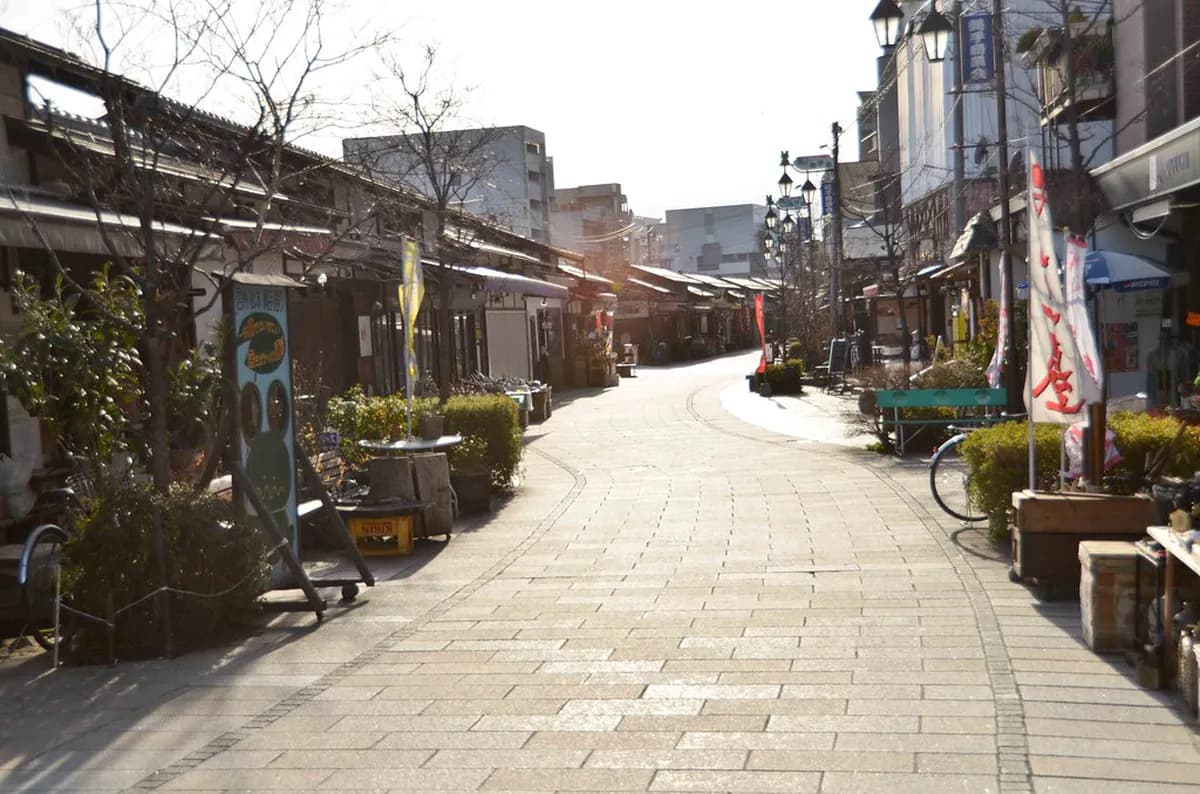
Welcome to Matsumoto, where history meets whimsical charm on the scenic banks of the Metoba River. This nawate street visitor guide helps you explore a pedestrian lane famous for its frog statues, small craft shops, and easy position between Matsumoto Station and Matsumoto Castle. Planning a short stop becomes much easier when you know what is worth browsing, what to eat, and which nearby streets fit naturally into the same walk. See our Matsumoto itinerary to fit this street into your wider city exploration.
The street offers a nostalgic atmosphere that recalls the market lanes that grew around the castle town in the Meiji era. You will find unique shops and Yohashira Shrine tucked into this atmospheric corner of Nagano Prefecture. Whether you love traditional crafts, local snacks, or compact city walks, Nawate-dori works best as a relaxed one-to-two-hour stop rather than a rushed photo detour.
The History and Frog Symbolism of Nawate-dori
The history of this area dates back to the time when it served as a narrow path along the outer moat of Matsumoto Castle. After Yohashira Shrine was built in the late 19th century, the lane developed as a shrine approach and riverside shopping street. You can still feel that compact castle-town layout while walking past the traditional storefronts that line the water.
The street earned its nickname, Frog Street, due to the Kajika frogs that once thrived in the clean Metoba River. These small creatures were known for their beautiful singing voices that echoed through the town every evening. According to the Kamikochi Advisory - Nawatedori History, the frog theme appears today in statues, decorations, charms, and shop displays throughout the lane.
The modern frog mascot campaign reflects a wish for the Metoba River to remain clean enough for Kajika frogs to return. Refurbishment work in the early 2000s helped confirm Nawate-dori as one of central Matsumoto's most recognizable pedestrian zones. The result is a place that feels playful without losing its role as a neighborhood shopping street.
The Japanese word for frog, kaeru, holds a triple meaning that adds a deep layer of cultural significance to the area. It translates to frog, but it also means to return home safely and to buy items. This clever wordplay suggests that visitors who buy souvenirs here will return home safely from their journeys.
Top Landmarks: Yohashira Shrine and the Frog Statues
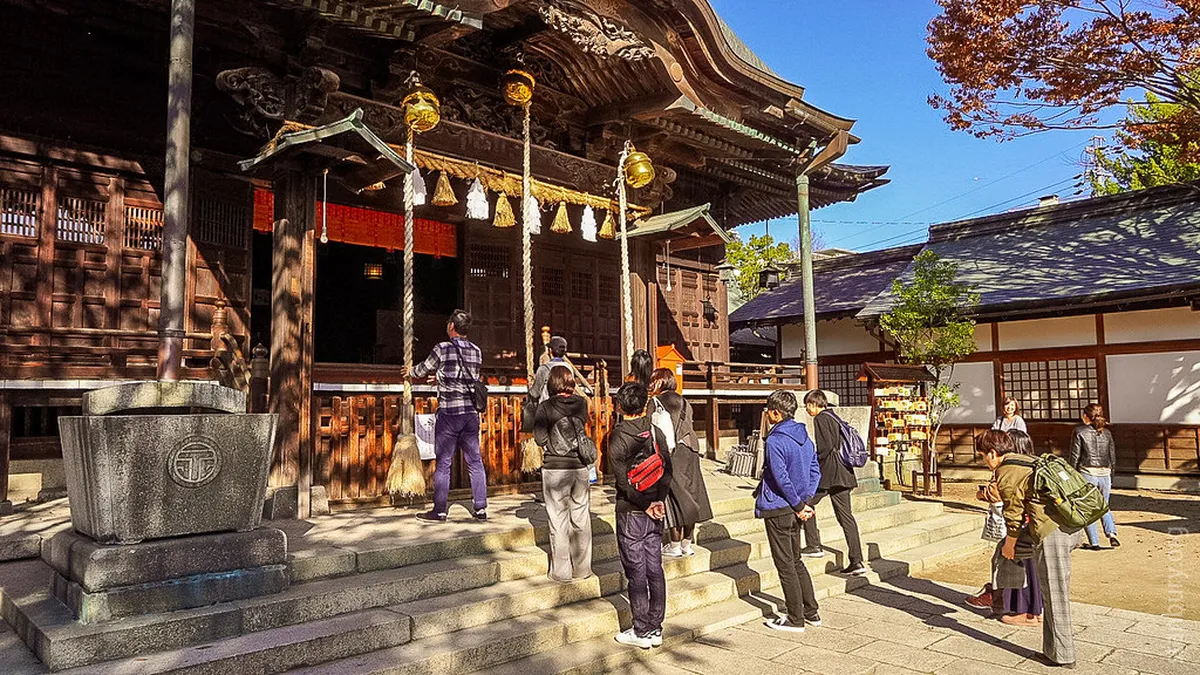
Yohashira Shrine serves as the spiritual heart of the street and attracts many visitors looking for good fortune. The name translates to Four Pillars Shrine because it honors four major Shinto deities in one sacred location. Many locals visit this site to pray for success in business, health, and happy relationships throughout the year.
The shrine grounds provide a peaceful atmosphere with towering trees and traditional architecture that changes beautifully with the seasons. You might witness a local wedding or a traditional festival if you visit during a weekend in the spring. The shrine also gives the street a clear orientation point, so it is a useful place to meet travel companions before browsing.
You will encounter numerous frog statues of all shapes and sizes as you explore the length of the pedestrian path. The most famous sculpture stands near the entrance and features a group of samurai frogs prepared for battle. These whimsical artworks offer easy photo opportunities for families and travelers who appreciate distinctive Japanese street art.
The Kajika frog remains a central figure in the local culture even though the real animals are now rare. Small ceramic versions of these frogs are often placed near shop entrances to welcome customers and bring prosperity. Take a moment to look for hidden frog details on signs, benches, shop curtains, and stonework along the river.
Shopping Guide: Traditional Crafts and Frog-Themed Souvenirs
Shopping on this street feels like a treasure hunt through a collection of independent small businesses. The storefronts maintain a retro castle-town aesthetic with dark wood, tiled roofs, and compact displays that still look atmospheric in 2026. You can find everything from handmade pottery to vintage toys that evoke a sense of nostalgia.
Collectors of unique items will enjoy browsing the antique shops and general goods stores that specialize in Japanese household items. Some shops are tiny, so step aside before taking photos and avoid blocking doorways while deciding what to buy. Cash is still useful for small purchases, even though more central Matsumoto shops now accept cards or mobile payments.
Frog-themed merchandise is naturally the most popular category of souvenirs for visitors exploring the riverside stalls. You can buy lucky frog bells, colorful stationery, and even soft plush toys dressed in traditional Japanese clothing. These items serve as a fun reminder of the Kaeru legend and your time spent in Matsumoto.
Traditional crafts like lacquerware, tenugui hand cloths, zori-style sandals, and local pottery are also worth checking before you buy generic souvenirs near the station. These products showcase the skill of local artisans and pair well with a walk across the river to Nakamachi Street, where storehouse-style buildings add another layer of Matsumoto craft culture.
- Traditional Frog Figurines
- Type: Ceramic souvenirs
- Meaning: Safe return home
- Price: 500 to 2000 yen
- Handmade Japanese Pottery
- Type: Functional art
- Style: Local Matsumoto design
- Best for: Home decor
- Lucky Omamori Charms
- Where: Yohashira Shrine
- Purpose: Protection and luck
- Cost: 500 to 800 yen
Where to Eat: Street Food, Taiyaki, and Soba
Savoring local flavors is a highlight of any visit to this historic pedestrian zone along the water. You should try Taiyaki, a fish-shaped cake typically filled with sweet red bean paste. The Visit Matsumoto Official site lists food options around the city, and Nawate-dori is one of the easiest places to snack while walking between the castle and Nakamachi. Our Matsumoto food guide covers additional dining options and specialty dishes beyond what is available on the street.
The smell of grilled dough and sweet fillings often fills the air near the center of the shopping district. Some vendors offer modern variations of Taiyaki including custard, chocolate, and savory fillings like sausage or cheese. These affordable treats provide the perfect fuel for a long afternoon of sightseeing around the castle town.
Fried chicken fans should look for Sanzoku-yaki, a crispy local specialty that satisfies any appetite with its bold garlic flavor. This dish is marinated in a special sauce before being deep-fried to a golden brown finish. It is easier to enjoy as a sit-down meal nearby than as a quick bite if you are carrying luggage or traveling with children.
Traditional soba restaurants are also tucked away in the surrounding side streets, offering handmade buckwheat noodles that Nagano is famous for. Many of these shops use fresh mountain water to create a clean and refreshing taste that locals love. Enjoying a bowl of cold soba on a warm afternoon is a practical way to slow down before continuing to the castle.
- Traditional Taiyaki Cake
- Flavor: Sweet red bean
- Vibe: Iconic street food
- Cost: 200 yen
- Sanzoku-yaki Chicken
- Flavor: Garlic and ginger
- Type: Crispy fried chicken
- Best for: Savory snack
- Nagano Soba Noodles
- Type: Buckwheat noodles
- Style: Served hot or cold
- Where: Sit-down restaurants
Practical Travel Tips: Getting There and Best Time to Visit
Nawate Street is a free pedestrian lane accessible year-round, about 10–15 minutes on foot from Matsumoto Station. Most shops open around 10:00 and close by 17:00. The Japanese word kaeru means both "frog" and "to return home safely" — buying a frog charm here is considered good luck for the journey ahead.
Reaching the street is simple for travelers arriving at the main transportation hub in the city. You can walk from Matsumoto Station in about ten to fifteen minutes by following the signs toward the river and castle area. If you prefer not to walk, the Town Sneaker bus from the Oshiro Exit can get you close to Daimyo-machi or Matsumoto City Museum, followed by a short walk.
The best time to visit is during the morning or late afternoon when the lighting is soft and the crowds are smaller. Most shops open around 10:00 AM and begin closing their doors by 5:00 PM each day. Visiting during the shoulder seasons of spring or fall offers pleasant weather for walking along the Matsumoto riverbanks.
Accessibility is better than on many older Japanese shopping lanes because Nawate-dori is a year-round pedestrian street. Families with strollers, wheelchair users, and travelers with small pets can usually move through with less stress than on busier mixed-traffic roads. The main caution is crowding on weekends, when narrow storefronts and photo stops can slow the flow of people.
It is important to distinguish this street from Shiomi Nawate in Matsue to avoid any confusion during your trip planning. While the Matsue street focuses on samurai history, Matsumoto's version is famous for its whimsical frog theme and riverside charm. Consulting a Matsue Travel Guide - Shiomi Nawate can help clarify these two distinct locations.
| Street | City | Main draw | Best fit |
|---|---|---|---|
| Nawate Street | Matsumoto, Nagano | Frog statues, craft shops, Yohashira Shrine, Metoba River | Castle-town shopping and snacks |
| Shiomi Nawate | Matsue, Shimane | Samurai residences, tea culture, historic moat scenery | Samurai-district history |
Nawate Street is not a full-day destination on its own — plan 1–2 hours here and pair it with Nakamachi Street and Matsumoto Castle on the same walk. Most small shops do not accept cards; bring cash for souvenir purchases and street food. Do not save souvenir shopping for late evening as shops close by 17:00.
Common mistakes are easy to avoid. Do not save souvenir shopping for late evening, do not assume every small shop takes cards, and do not plan this as a full-day attraction by itself. Nawate Street is most rewarding when paired with Nakamachi Street, Matsumoto Castle, or a relaxed meal nearby.
Exploring the Neighborhood: Nakamachi Street and Matsumoto Castle
You can easily combine your visit with a walk through the nearby Nakamachi Street for a fuller view of Matsumoto's merchant history. This area is famous for its black-and-white Namako walls that once protected merchant warehouses from fires. The contrast between the frog-themed riverside and the storehouse-lined merchant district provides useful variety in a short walk.
The iconic Matsumoto Castle is located just a five-minute walk from the end of the pedestrian path. This stunning wooden fortress is one of the oldest in Japan and remains an essential stop for every visitor. Seeing the black castle reflected in the moat is a highlight of any trip to the region.
A practical route starts at Matsumoto Station, crosses to Nakamachi Street for the Namako-wall shops, loops over to Nawate Street for snacks and Yohashira Shrine, and finishes at the castle gates. This sequence keeps backtracking low and gives you a clear progression from modern station streets to merchant quarter, riverside lane, and samurai-era landmark. It also leaves cafes and rest stops at regular intervals instead of clustering all breaks at the end.
Planning your route efficiently helps you see the major landmarks without feeling rushed or tired from walking. Most travelers find that three to four hours is enough time to explore both streets and the castle grounds. This leaves plenty of time for a delicious dinner at one of the city's traditional restaurants.
Frequently Asked Questions
Why is Nawate Street called Frog Street?
Nawate Street is called Frog Street because the Kajika frog once lived in the clean waters of the nearby Metoba River. Locals chose the frog as a mascot to revitalize the area and celebrate the Japanese word kaeru, which means to return home safely.
Is Nawate Street in Matsumoto or Matsue?
Nawate Street (Nawate-dori) is located in Matsumoto City. There is a different historical street called Shiomi Nawate in Matsue, but that location focuses on samurai history rather than the famous frog theme found in Matsumoto.
How long does it take to walk through Nawate-dori?
It takes about 15 to 20 minutes to walk the length of the street without stopping. However, most visitors spend one to two hours exploring the shops, visiting Yohashira Shrine, and trying the various street foods available at the stalls.
What are the best things to buy on Nawate Street?
The best things to buy include frog-themed souvenirs like bells and figurines that represent good luck. You can also find traditional Japanese pottery, antiques, and local crafts. Consider visiting the Matsumoto City Museum of Art for more cultural inspiration.
Are shops on Nawate Street open on weekdays?
Yes, most shops on the street are open on weekdays from approximately 10:00 AM to 5:00 PM. Some smaller businesses may close on specific days like Tuesday or Wednesday, so checking local listings before your visit is always a good idea.
Nawate Street offers a unique blend of historical atmosphere and playful modern culture in the heart of Matsumoto. From the spiritual peace of Yohashira Shrine to the taste of fresh Taiyaki, every corner provides a compact discovery. Following this nawate street visitor guide helps you treat the lane as locals and repeat visitors do: a relaxed riverside stop that connects naturally with Nakamachi Street, Matsumoto Castle, and the wider castle-town walk.
For comprehensive planning, explore our full guide to things to do in Matsumoto to discover additional landmarks and activities beyond Nawate Street.
For official details, visit the Nawate Street official site.