
Shimanami Kaido Sightseeing Guide for 2026
See the Shimanami Kaido in 2026: Kosanji Temple's marble hill, the Tatara and Kurushima bridges, Setoda lemons, and where to stay along the way.
On this page
The Shimanami Kaido strings together six islands between Onomichi and Imabari across the Seto Inland Sea. Most articles about it focus on cycling the full 70-kilometer route. The islands themselves hold enough temples, bridges, and viewpoints to fill a trip on their own.
This guide covers what to see and do along the way in 2026. That includes the marble hillside behind Kosanji Temple and the bridge overlooks near Imabari. You do not need a bike, a full weekend, or advance training to enjoy most of these stops.
Last updated July 2026.
Quick Facts
- Distance: 70 kilometers from Onomichi to Imabari
- Islands: Six islands connected by bridges
- Main attraction: Kosanji Temple and Miraishin no Oka marble hill
- Time needed: Full day for main sights, two days recommended
- Best months: March–May and October–November
- Getting there: Buses, ferries, rental cars, or bicycles from Onomichi
What Is the Shimanami Kaido?
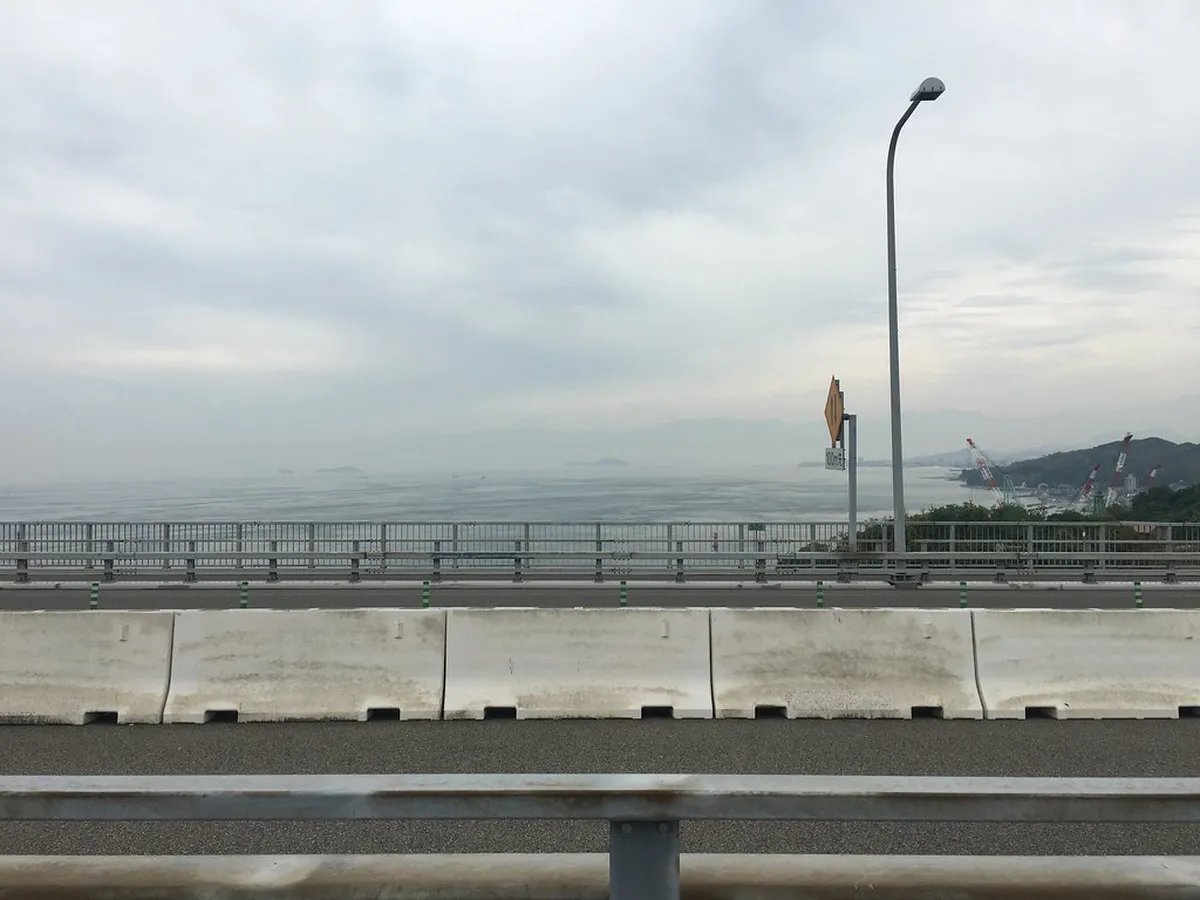
The Shimanami Kaido is a roughly 70-kilometer expressway linking Onomichi in Hiroshima Prefecture to Imabari in Ehime Prefecture. It crosses the Seto Inland Sea over six bridges and six islands, tying Honshu to Shikoku. Most visitors know it as a cycling route, but the islands themselves hold temples, gardens, and coastal viewpoints worth a stop on their own.
This guide focuses on what to see and do on those islands, rather than repeating bike-logistics advice already covered elsewhere on the site. If you want route maps, rental shops, or e-bike comparisons, our Shimanami Kaido cycling guide covers that ground in detail. For raw distances and rest-stop spacing along the route, the Shimanami Kaido Cycling Map breaks the ride down section by section.
Not every visitor wants to pedal the full route, and that is fine. Our guide to exploring the Shimanami Kaido without a bike shows how trains, buses, and ferries reach the same island highlights.
Must-See Sights Along the Shimanami Kaido
Six islands sit between Onomichi and Imabari, each adding a different flavor to the route below. Most sights cost nothing to view from outside, but the Oyamazumi Shrine museum on Omishima keeps set hours and its own admission fee. Check the View Official Website for current museum hours and prices before you go.
| Island | Highlight | Getting There |
|---|---|---|
| Innoshima | Innoshima Suigun Castle museum, Mount Kannon viewpoint | Ferry from Onomichi, direct from Honshu via Innoshima Bridge |
| Ikuchijima | Kosanji Temple, Miraishin no Oka marble hill, Setoda lemons and gelato | Ferry from Onomichi, bus connection to Setoda town |
| Omishima | Oyamazumi Shrine, samurai armor museum, Toyo Ito Museum of Architecture | Tatara Bridge from Ikuchijima, ferry connections |
| Hakatajima | Quiet island views, countryside roads for cyclists | Hakata Bridge from Omishima |
| Yoshii | Small island with limited amenities, scenic cycling | Yoshii Bridge from Hakatajima |
| Imabari (Shikoku) | Kurushima-Kaikyo Bridge overlook, gateway to Shikoku | Kurushima Bridge from Yoshii, trains to Imabari Station |
- Kosanji Temple and Miraishin no Oka, Ikuchijima
- A hillside temple complex on Setoda pairs ornate replica halls with a striking white marble garden.
- The adjoining Miraishin no Oka hill offers sweeping views over the Seto Inland Sea.
- Entry to both sites runs a modest combined fee, payable at the temple gate.
- Tatara Bridge, between Ikuchijima and Omishima
- This cable-stayed bridge held the record for the longest of its type when it opened in 1999.
- A roadside park at its base gives cyclists and drivers a clear photo angle of the towers.
- Crossing on foot or bike takes only a few minutes in calm weather.
- Kurushima-Kaikyo Bridge, near Imabari
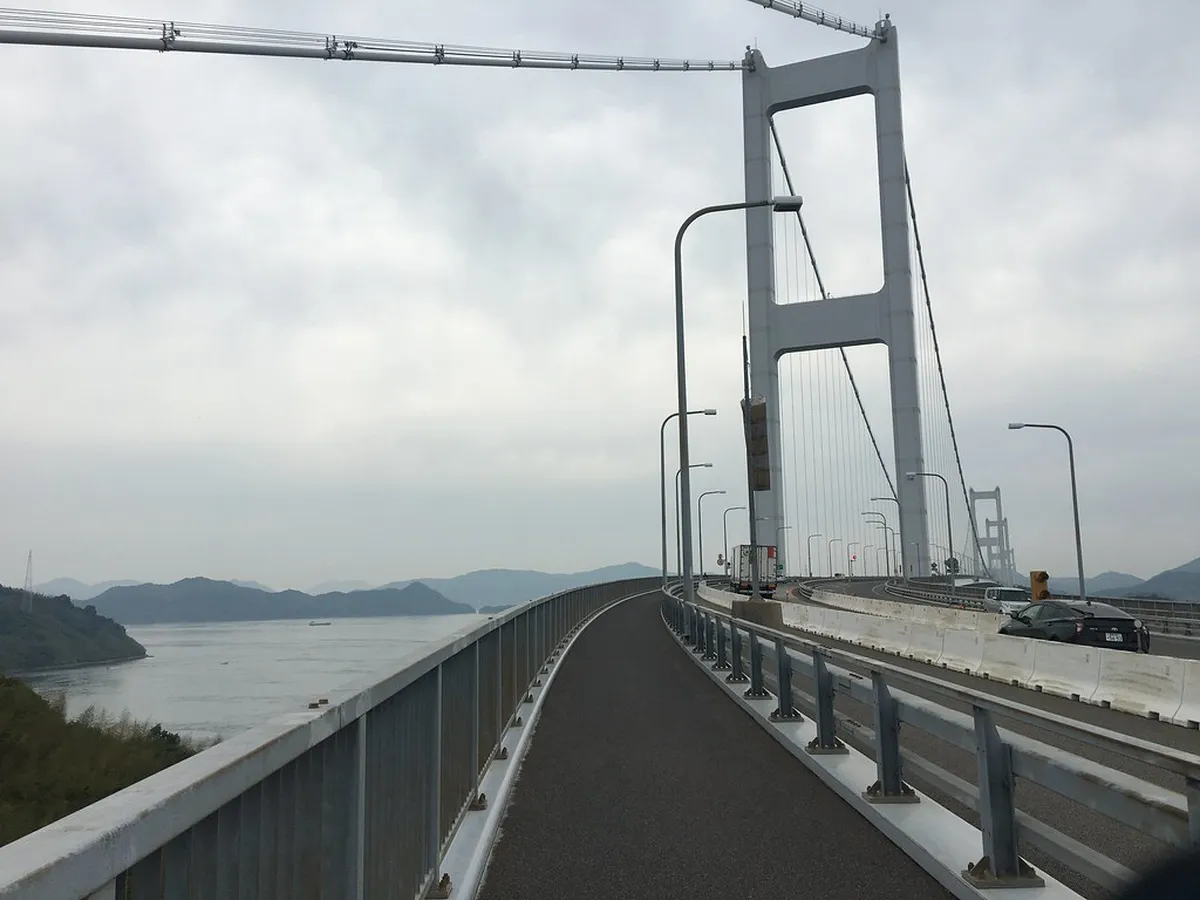
- Three linked suspension spans carry traffic over the fast-moving Kurushima Strait near the Shikoku side.
- A dedicated cycling and walking lane runs beneath the main roadway for close-up views.
- Sunset visits reward patient travelers with strong color over the strait and passing ships.
- Oyamazumi Shrine, Omishima Island
- This Shinto shrine holds one of Japan's most extensive collections of historic samurai armor and swords.
- Local tradition treats it as a guardian shrine for sailors and warriors crossing the inland sea.
- The attached museum displays pieces recognized as national treasures and important cultural properties.
- Setoda lemons and Dolce gelato, Ikuchijima
- Setoda's citrus farms grow much of the lemon supply that flavors shops across the island.
- Dolce, a lemon farm and gelato shop, sells flavors made from fruit grown on site.
- Lemon-based sweets, sodas, and snacks show up in nearly every shop along Setoda's main street.
- Roadside Station Tatara Shimanami Park
- This rest stop sits right beside the Tatara Bridge with parking, food stalls, and clean restrooms.
- Vendors sell citrus juice, local snacks, and small souvenirs from Setouchi's coastal towns.
- It works well as a short break point even for travelers driving rather than cycling.
Kosanji Temple and the Marble Hill of Miraishin no Oka
Kosanji Temple in Setoda began construction in 1936 as a private memorial project, and building continued for decades. The grounds recreate famous halls and gates from temples across Japan, including replicas inspired by Nikko and Kyoto. Its main hall and pagoda sit close together, so a full walk-through rarely takes more than an hour.
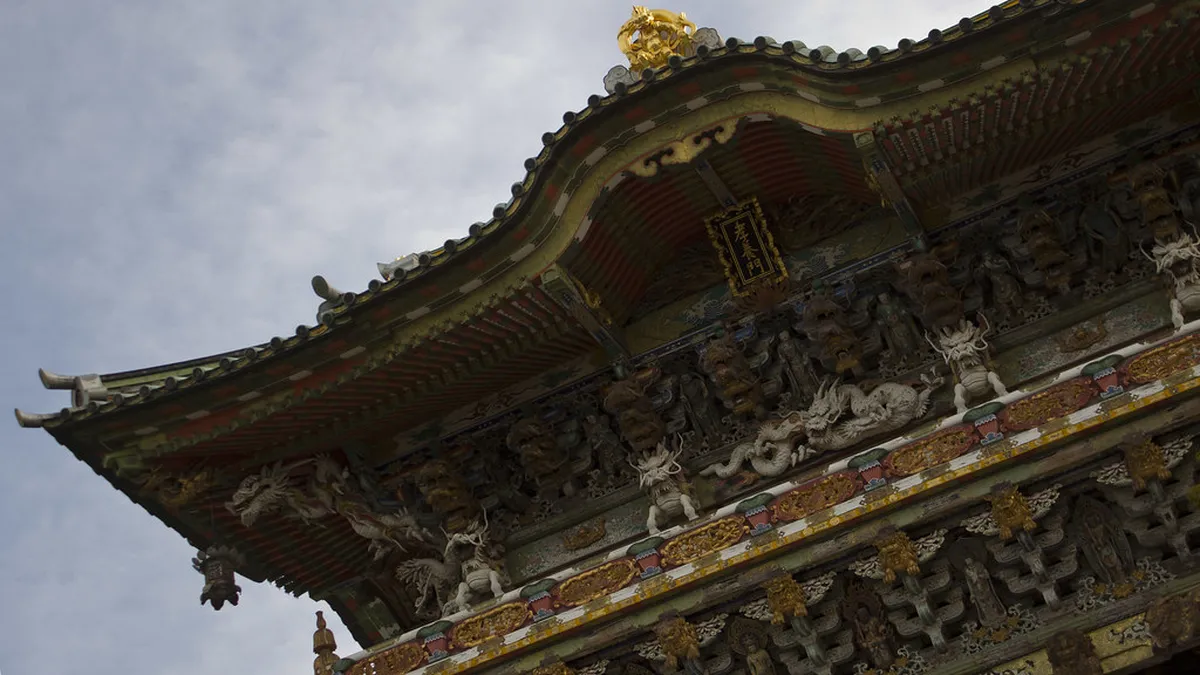
Kosanji Temple and Miraishin no Oka charge a combined admission fee payable at the gate. Hours typically run from 8:30 AM to 5:00 PM, but verify current times before your visit, as seasonal closures do occur. The marble hill is steeper than it appears in photos—wear comfortable walking shoes with good grip.
Behind the temple, a marble hill called Miraishin no Oka opens onto a completely different scene. A local sculptor carved the entire hillside from imported Italian marble, creating a stark white landscape of stairs and platforms. From the top, the view stretches across Setoda's citrus terraces to the Seto Inland Sea.
Most visitors pair a Kosanji stop with lunch or a gelato break in central Setoda, since the town sits a short walk away. See our Onomichi food guide for more café and restaurant picks worth building into the same afternoon. Plan for about ninety minutes at the temple and hill together if you want time to enjoy both.
Bridges and Island Viewpoints Worth the Stop
Six bridges connect the Shimanami Kaido, but two stand out for viewing rather than just crossing. Tatara Bridge and Kurushima-Kaikyo Bridge both have dedicated overlooks built for people on foot, not just drivers passing through. Both are free to view and open at any hour, though early morning or late afternoon light works best.
Innoshima and Ikuchijima also have smaller hilltop lookouts that most itineraries skip. Mount Kannon on Innoshima offers a quiet hilltop view that most itineraries skip entirely. The hillside around the Hirayama Ikuo Museum on Ikuchijima adds another calm island view away from the main bridges.
A short detour off the main road for these viewpoints usually works better by car or rental scooter than on foot. Give yourself an extra thirty minutes per stop if you plan to visit more than one viewpoint in a single day.
Getting There and Where to Stay Near the Shimanami Kaido
Onomichi is the easiest gateway to the Shimanami Kaido, reachable by direct trains from Hiroshima, Fukuyama, and Okayama. From Onomichi Station, local buses connect to island ferry terminals and the port area near the start of the route. Our guide to reaching Onomichi breaks down train times, bus routes, and connections from major cities.
Onomichi itself makes a comfortable base, with guesthouses and hotels clustered near the station and the old town's hillside lanes. Staying a night before crossing to the islands lets you catch an early ferry or bus without rushing. Our guide to Onomichi's attractions covers the temple walk and Cat Alley neighborhood worth exploring before you set off.
On the islands, Setoda on Ikuchijima has the widest range of small hotels, guesthouses, and an onsen-style inn near Sunset Beach. Booking a night on Ikuchijima works well if you want to split sightseeing across two calmer, less rushed days.
Best Time to Visit and Planning Your Shimanami Kaido Day
Spring and autumn bring the mildest weather for walking between sights, with clear skies common from March through May and October through November. Summer heat and humidity can make longer walks between viewpoints tiring, so plan visits to Kosanji Temple or the bridges for morning hours. Our guide to the best time to visit Onomichi breaks down month-by-month weather for the wider region.
If visiting in summer (June–August), start sightseeing early in the morning and plan indoor stops like the Oyamazumi Shrine museum during the hottest afternoon hours (1:00–3:00 PM). Winter months are dry but can be windy near the bridges and coastal viewpoints; layer your clothing and allow extra time for photos if you need to reset your shots in changing light.
Sightseeing alone, without cycling the full route, can fit into a single long day if you focus on Ikuchijima and the Imabari-side bridges. A two-day visit gives room to add Omishima's Oyamazumi Shrine and a slower stop at Setoda's lemon shops without rushing between ferries and buses. Drivers gain the most flexibility, since island roads connect directly to bridge viewpoints that buses reach less often. Many continue from Imabari onward to Matsuyama to explore inland Shikoku.
Travelers based in Hiroshima or Onomichi sometimes add a separate day for Iwakuni's wooden Kintaikyo Bridge, about an hour away by train. Pairing the two makes a fuller regional trip without repeating transit routes or backtracking.
Museums and Gardens Beyond the Main Sights
Beyond the temple, bridges, and shrine covered above, three more stops reward travelers exploring the islands slowly rather than passing through. On Omishima, the Toyo Ito Museum of Architecture sits a short drive from Oyamazumi Shrine and pairs two small structures designed by the Pritzker Prize-winning architect with rotating exhibits on his work. On Innoshima, Innoshima Suigun Castle occupies a hilltop museum overlooking the Innoshima Bridge, with halls tracing the Murakami Suigun, the naval clan that once controlled shipping lanes through this part of the Seto Inland Sea. On Oshima, the Yoshiumi Rose Garden spreads across a hillside near the Kurushima Strait and blooms from spring into autumn. None of these three sit directly on the pedestrian path between Onomichi and Imabari, so plan for a car, taxi, or extra walking time from the nearest ferry or bus stop to reach them.
Browse every Shimanami Kaido attraction in depth — prices, hours and maps — on our Shimanami Kaido attractions hub.
Going deeper on this theme? Our What to Eat on the Shimanami Kaido guide covers it in detail, with the practical planning this page leaves out.
Frequently Asked Questions
How long does it take to see the highlights of the Shimanami Kaido?
Most visitors need a full day to reach two or three main stops, like Kosanji Temple and one bridge viewpoint, without cycling the whole route. A two-day visit adds Omishima's Oyamazumi Shrine and unhurried time in Setoda. Drivers cover ground fastest, while bus-based sightseeing takes longer between islands.
Do I need to bike the Shimanami Kaido to enjoy it?
No, the islands are reachable by local bus, ferry, and rental car, and many highlights sit close to bus stops or parking areas. Cycling suits travelers who want the full route between Onomichi and Imabari. Sightseeing by car or public transport still reaches every major stop on this list.
What is the marble hill at Kosanji Temple?
Miraishin no Oka is a hillside sculpture garden behind Kosanji Temple on Ikuchijima, carved from imported Italian marble. It opened in 2000 and covers a steep slope with stairs, platforms, and abstract shapes. The hill offers wide views over Setoda's citrus terraces and the Seto Inland Sea.
Can I combine a Shimanami Kaido trip with other day trips nearby?
Yes, travelers based in Hiroshima or Onomichi often add a side trip to Iwakuni, home to the arched wooden Kintaikyo Bridge, about an hour away by train. Combining both trips works well across a longer Setouchi visit. Plan an early start to fit both destinations into one day.
Is the Shimanami Kaido worth visiting without cycling?
Yes, the temples, bridges, and island viewpoints stand on their own regardless of transportation method. Kosanji Temple, the Tatara Bridge overlook, and Oyamazumi Shrine all reward a stop by car, bus, or bike. Cycling adds a scenic layer, but it is not required to enjoy the route's main sights.
The Shimanami Kaido rewards travelers who slow down enough to step off the bike path, or skip it entirely. Kosanji Temple's marble hill, the Tatara and Kurushima-Kaikyo bridges, and Setoda's lemon shops all stand on their own as reasons to visit.
Whether you arrive by car, bus, or bicycle, plan at least one full day to see the main stops without rushing between ferries. Check current hours and seasonal schedules before you go, since small shops and ferry timetables can shift from year to year.
Free guide: Japan's Hidden Gems
12 under-the-radar places beyond Tokyo & Kyoto — with the best season to visit each and a local tip you won't find in the guidebooks.
You might also like


Continue reading
More guides you'll find useful


