
Shikoku Mura Open Air Museum Takamatsu Travel Guide
Plan your visit to Shikoku Mura open air museum in Takamatsu with hours, admission prices, access tips, and nearby highlights for a smoother day trip.
On this page
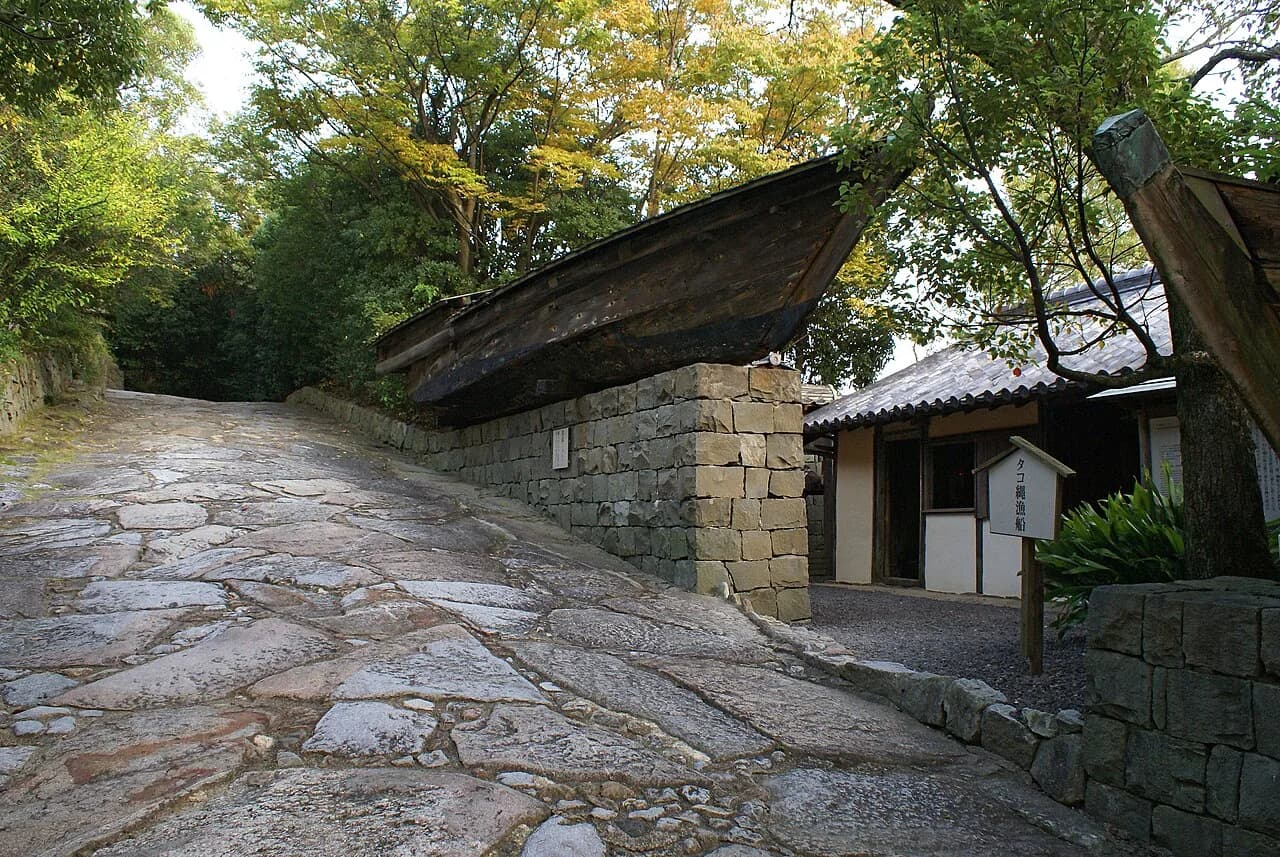
Shikoku Mura open air museum sits at the foot of Mount Yashima in Takamatsu, Kagawa Prefecture. This is not a single building but a walking village of relocated houses, work sheds, and a modern art gallery. Visitors move through more than twenty structures gathered from across Shikoku's four prefectures. Each one still holds tools, hearths, and details from daily life long before Takamatsu grew into a modern city.
Planning a visit here takes more than checking a map pin. Hours, admission tiers, and the walk from Yashima Station all shape how smooth your day feels. This guide breaks down what to see, what it costs, and how to pair it with wider 10 Best Things to Do in Takamatsu (2026) nearby.
Shikoku Mura Open Air Museum Takamatsu Basics
Shikoku Mura Museum groups together traditional houses, storehouses, and workshops moved from villages across Shikoku. A soy sauce brewery, a sugar-pressing hut, and a rural kabuki stage sit among the grounds. A restored lighthouse keeper's residence adds a coastal note to the mostly rural collection.
Walking the full site usually takes about ninety minutes to two hours at an easy pace. Paths include slopes and cobblestones, so comfortable shoes matter more than they might at a paved city museum. Rain can make some sections slippery, which is worth factoring into your schedule.
Visitors who slow down tend to enjoy it more than those rushing through on a tight loop. Looking closely at pillars, beams, and hearths tells you more about regional life than the building exteriors alone.
Historic Houses and Craft Highlights to See
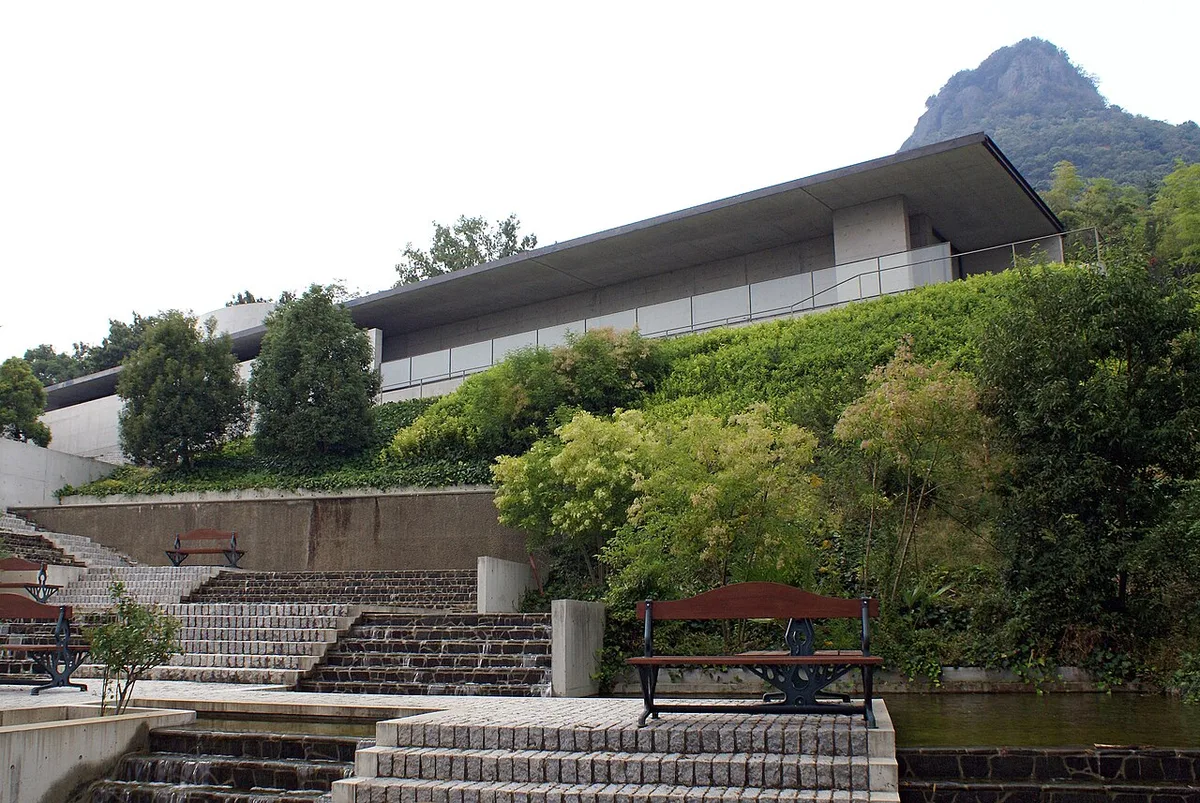
Each relocated house represents a different corner of Shikoku, from mountain villages to fishing communities. Roof shapes, entrance height, and earthen floor size all shift depending on climate and work. Comparing a farmhouse to a coastal home shows how families adapted to very different daily routines.
The rice storehouses and soy sauce brewery reveal how food production once shaped rural economies. Tools left in place, rather than displayed behind glass, make the work feel recent instead of distant. A rural kabuki stage nearby hints at how small communities once gathered for shared entertainment.
A simple way to stay engaged is to pick one detail per house, such as the pillars or the windows. That small habit turns a long walk into a series of short, specific discoveries.
The Tadao Ando Gallery and Water Garden
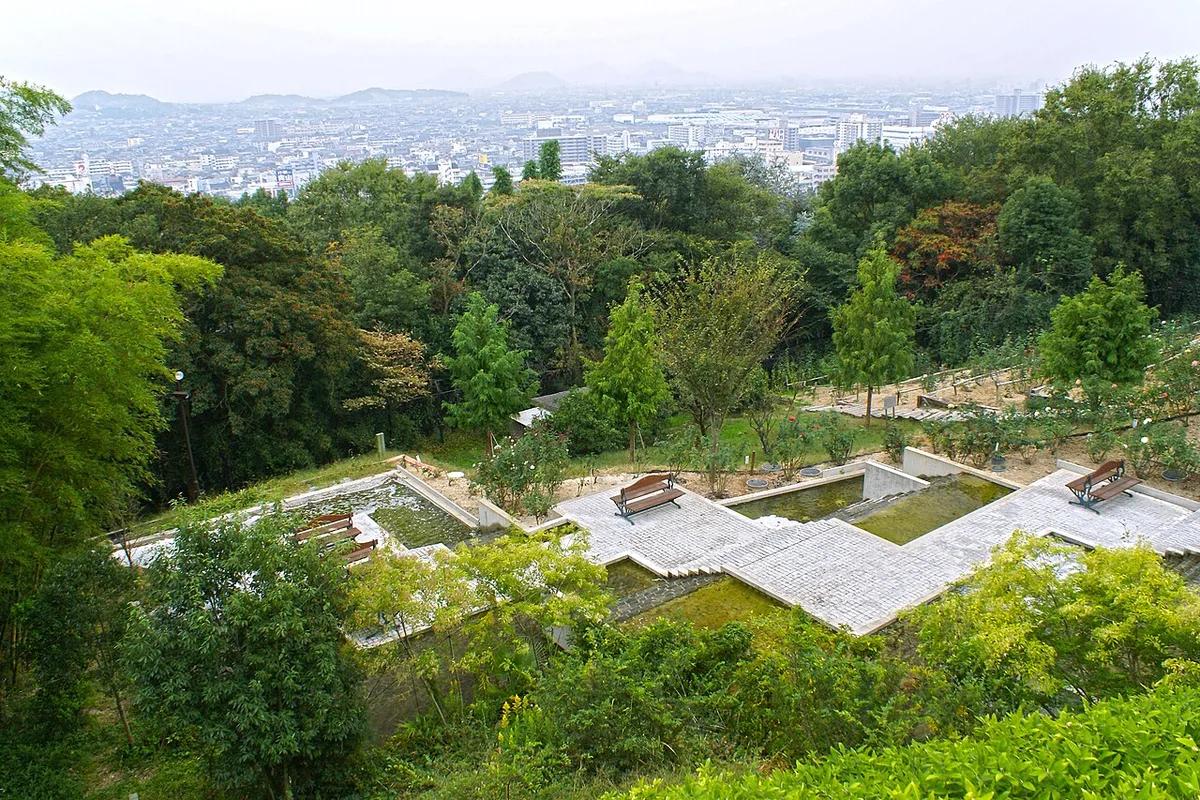
Architect Tadao Ando designed the Shikoku Mura Gallery and its surrounding water garden on the same grounds. The building uses concrete, glass, and still water to contrast sharply with the thatched houses around it. That contrast is intentional, placing modern design in direct conversation with centuries-old craftsmanship.
Gallery reception closes before the grounds do. Arrive at least 30 minutes before the 4:30 pm last entry for an unhurried look inside the modern Tadao Ando gallery without shortchanging this architectural highlight.
Inside, the gallery holds art pieces and rotating exhibits tied to the museum's cultural focus. Reception for the gallery closes earlier than the outdoor grounds, so timing your visit matters. Arriving with at least thirty minutes before last entry gives you a relaxed look inside.
The water garden works well as a quiet midpoint break during a longer walking loop. Photographers often find the reflections here more rewarding in softer late-afternoon light.
Planning Your Visit: Hours, Admission, and Getting There
A few practical details decide whether your visit to Shikoku Mura feels rushed or relaxed. Hours, admission tiers, and transport options all affect how you build the rest of your day around Takamatsu.
The walking paths include cobblestones and slopes that become slippery after rain. Slip-resistant shoes are essential to safely navigate the full grounds within the planned 90 to 120 minutes.
| Visitor Type | Admission Price |
|---|---|
| Adults | ¥1,600 |
| University Students | ¥1,000 |
| School Students | ¥600 |
| Young Children | Free |
Reported hours and prices can shift with seasonal notices or maintenance closures. Checking the 📍 Open in Google Maps listing before you go confirms the latest posted schedule.
- Opening hours and closing days
- Hours: 9:30 am to 5 pm
- Last entry: 4:30 pm for gallery
- Closed: Tuesdays year-round
- Verify: check current schedule online
- Admission prices by age group
- Adults: around ¥1,600 per ticket
- University students: around ¥1,000
- School students: around ¥600 each
- Young kids: free entry typically
- Getting to the museum grounds
- Kotoden Yashima Station: 5-minute walk
- JR Yashima Station: 10-minute walk
- Summit shuttle bus: Shikoku Mura stop
- Time needed for a full visit
- Walking tour: 90 to 120 minutes
- Best footwear: slip-resistant walking shoes
- Terrain: slopes and cobblestone paths
Combining Shikoku Mura With Yashima Sightseeing
Shikoku Mura sits directly at the base of Mount Yashima, so pairing both stops saves real time. Many visitors walk the museum grounds first, then head up for wider Seto Inland Sea views from Yashima's summit. Doing both in one outing turns a single attraction into a fuller half-day plan.
The summit shuttle bus stops close to the Shikoku Mura entrance, which keeps transfers simple. Budget roughly three to four hours total if you plan to see both the museum and the summit. Starting in the morning avoids afternoon heat on the more exposed summit paths.
Travelers who like a guided structure can add a local tour for extra historical context. Browsing Yashima area activities ahead of time helps you decide what else to add.
Where to Stay and Other Nearby Takamatsu Spots
Shikoku Mura works well as one stop in a wider day exploring Takamatsu and Kagawa Prefecture. Ritsurin Garden, a landscaped strolling garden, sits a short ride away and pairs naturally with a museum morning. Its ponds and pine-covered hills give a different, more manicured contrast to the rustic Shikoku Mura grounds.
After a morning of walking, a bowl of chewy noodles makes an easy, filling stop. Kagawa Prefecture is known for this style of noodle, and shops near central Takamatsu serve it fresh daily. A short detour to Sanuki udon spots in Takamatsu rounds out the local food side of your trip.
For overnight stays, central Takamatsu offers easier access to trains, ferries, and the museum shuttle stop. Comparing Where To Stay In Takamatsu Travel Guide before booking helps you match a base to your itinerary.
Options range from budget guesthouses to full-service hotels near the harbor and station area. You can also find stays near Shikoku Mura if you want options closer to Yashima itself.
Frequently Asked Questions
How much time should you plan for Shikoku Mura open air museum?
Plan for about ninety minutes to two hours to walk the full grounds at an easy pace. Add extra time if you also want to see the Tadao Ando gallery or nearby Yashima sightseeing. Rushing through in under an hour means missing most of the smaller architectural details.
What are the opening hours and admission prices at Shikoku Mura?
The museum is typically open from 9:30 am to 5 pm and closed on Tuesdays. Reported admission runs about ¥1,600 for adults, with lower tiers for students and free entry for young children. Since schedules can shift seasonally, confirm current hours before you travel.
Is Shikoku Mura worth including on a short Takamatsu itinerary?
Yes, it works well even on a tight schedule if you focus on the highlights. A ninety-minute walk covers the main houses, the kabuki stage, and the Tadao Ando gallery. Pairing it with Yashima's summit view turns one stop into a fuller half-day plan.
Can you combine Shikoku Mura with Yashima sightseeing in one day?
Yes, the museum sits directly at the base of Mount Yashima, making a combined visit easy. Budget three to four hours total for both the museum grounds and the summit views. The summit shuttle bus stops close to the museum entrance, which keeps transfers simple.
What should travelers avoid when planning a Shikoku Mura visit?
Avoid visiting right before closing, since gallery reception ends earlier than the outdoor grounds. Skip flat, slippery shoes, since paths include slopes and cobblestones that get slick after rain. Checking the best time to visit Takamatsu also helps you avoid peak heat or heavy rain.
Shikoku Mura open air museum turns a walk near Mount Yashima into a hands-on lesson in Shikoku's regional life. Houses, workshops, and a modern art gallery sit close enough together to explore in a single relaxed visit. Knowing the hours, admission tiers, and walking terrain ahead of time keeps the day simple.
Pair it with Yashima's summit or a wider loop through Takamatsu for a fuller day out. A little planning now means more time enjoying the details once you actually arrive.
Free guide: Japan's Hidden Gems
12 under-the-radar places beyond Tokyo & Kyoto — with the best season to visit each and a local tip you won't find in the guidebooks.
You might also like

Continue reading
More guides you'll find useful

