10 Best Things to Do in Takamatsu (2026)
Discover the 10 best things to do in Takamatsu, Japan, from Ritsurin Garden to Yashima views. Plan your visit today with costs, hours, and tips.
On this page
Takamatsu earns return visits — even a rainy afternoon lost in Ritsurin Garden counts as time well spent. This compact port city on the Seto Inland Sea rarely makes a first-time Japan itinerary, yet it rewards travelers who slow down. If you're researching things to do in Takamatsu, this guide covers the ten spots worth your time. It also flags a couple of overhyped stops so you can skip them without guilt.
Updated July 2026 after a spring return trip through Kagawa Prefecture, when the pine trees at Ritsurin were still dusted with plum blossoms. Takamatsu sits on Shikoku's northern coast, an easy rail hop from Okayama and a natural stop between Osaka and Hiroshima. Locals call Kagawa the udon prefecture, and one bowl here explains why instantly.
The picks below mix an Edo-period garden, a hilltop war memorial, contemporary art, and a festival that fills the streets each summer. Expect real costs, opening hours, and how long to budget for each stop. We'll also cover getting around, where to base yourself, and how many days actually make sense.
Key Takeaways
- Best overall pick: Ritsurin Garden, especially in the first two hours after opening.
- Best for families: Takamatsu Castle ruins and the Symbol Tower, both flat and stroller-friendly.
- Best rainy-day option: Takamatsu City Museum of Art or The Kagawa Museum.
- Best free activity: the Symbol Tower's indoor observation area over Sunport waterfront.
- Book central rooms early if your trip overlaps the Sanuki Takamatsu Festival in August.
10 Best Things to Do in Takamatsu Right Now
Most of Takamatsu's highlights sit within a twenty-minute train or bus ride of the central station, which keeps logistics simple. I'd plan two full days if you want to see everything below without rushing between stops. One day works too, if you focus on Ritsurin Garden, the castle ruins, and downtown Marugame-machi arcade.
To avoid crowds at Ritsurin Garden, arrive right at opening to have the south pond nearly to yourself before tour groups roll in. Budget ninety minutes to two hours.
A quick honest note before the list: skip the Kagawa Prefectural Government Building observation deck unless you have hours to spare. It's a working office building, and public access is limited compared with what older guidebooks suggest. The paid photo booths near Yashima's summit are similarly skippable, since the free ridgeline lookout gives the same view.
Ritsurin Garden anchors most visits, so it helps to plan ahead; our full Ritsurin Garden guide covers teahouse and boat-ride details. The rest of the list mixes museums, viewpoints, and one very good reason to eat udon twice in one day. Order is flexible, so use the area notes to build a route that matches your energy level.
Below you'll find iconic sights, a nature viewpoint, indoor museum options for rainy days, a market-style neighborhood, and one summer festival. Each entry includes typical costs, hours, and the tip most first-timers wish they'd known in advance.
The summer festival's costumed parades are dramatic in photos, including this shot by Vanvelthem Cédric / Wikimedia. It captures the kind of energy you can expect once night falls on festival dates.
- Ritsurin Garden's Pine-Lined Ponds and Teahouses
- This Edo-period garden mixes clipped pine trees, koi ponds, and hillside views into one unhurried morning walk.
- It sits a short walk from JR Ritsurin-Koen Kitaguchi Station, just north of central Takamatsu.
- Entry runs about 410 to 500 yen for adults, and hours shift with the seasons, so check ahead.
- Budget ninety minutes to two hours, longer if you rent a rowboat or stop for matcha.
- Arrive right at opening to have the south pond nearly to yourself before tour groups roll in.
- Takamatsu Castle Ruins in Tamamo Park
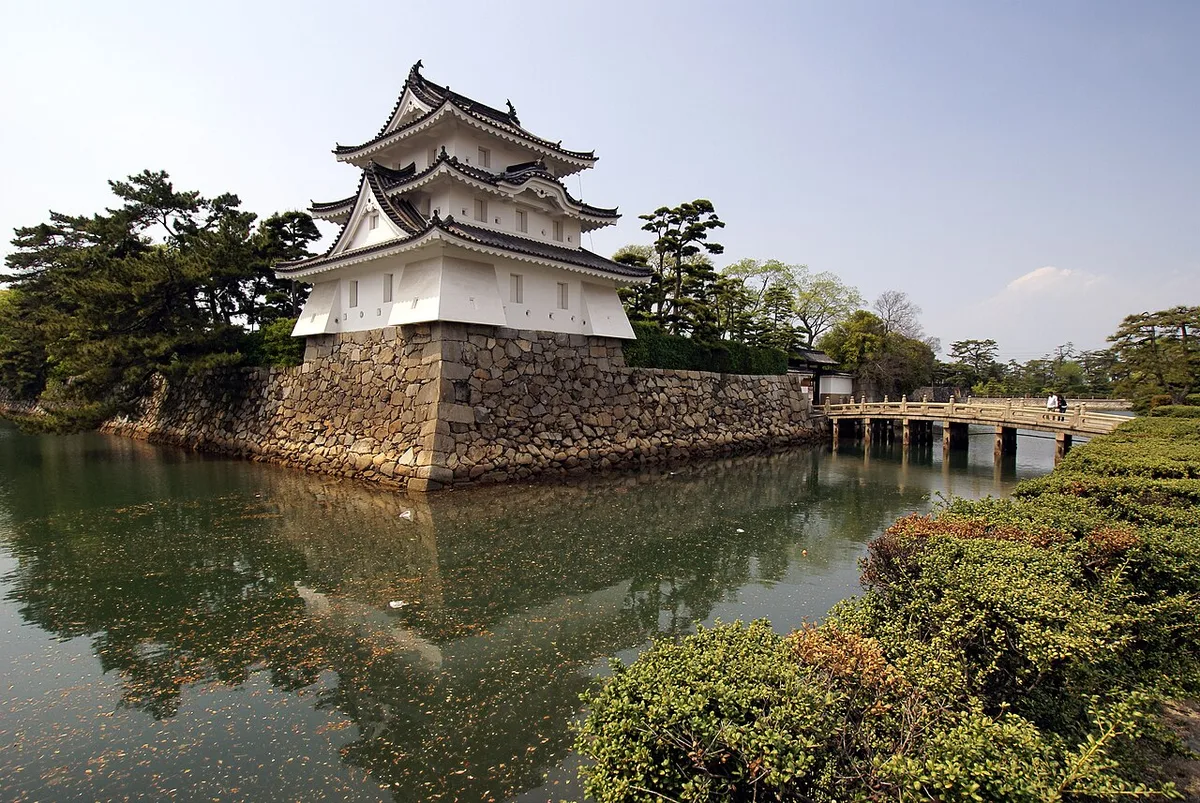
- Tamamo Park protects the remains of one of Japan's few castles built directly on the sea.
- Seawater from the Seto Inland Sea still fills the moat, which is unusual among Japanese castle sites.
- It's a five-minute walk from JR Takamatsu Station, easy as a first or last stop.
- Entry costs a small fee, typically under 300 yen, and the grounds open early morning through early evening.
- Set aside about forty-five minutes, and look for the surviving corner turret near the waterfront gate.
- Mount Yashima's Sunset Views Over the Inland Sea
- This flat-topped mountain delivers one of Shikoku's best panoramas over the Seto Inland Sea.
- A historic temple, Yashima-ji, sits near the summit as the 84th stop on the Shikoku pilgrimage.
- A shuttle bus climbs from Yashima Station, with fares typically a few hundred yen each way.
- Plan a half day once you count travel time, and aim to arrive an hour before sunset.
- The main lookout gets crowded fast once the sky starts turning orange, so stake a spot early.
- Takamatsu City Museum of Art's Rotating Exhibits
- This museum focuses on modern and contemporary work, with a collection leaning toward postwar Japanese art.
- It sits downtown near the Marugame-machi arcade, an easy add-on to a shopping stop.
- General admission is usually a few hundred yen, though special exhibits often cost extra.
- The museum typically opens at 9am and closes at 5pm, and it's closed on Mondays.
- It's a solid rainy-day pick, since the exhibits rotate and locals often revisit within the same year.
- The Kagawa Museum's History and Culture Exhibits
- This prefectural museum traces Kagawa's history, from Edo-era Takamatsu to the region's craft traditions.
- It stands near Tamamo Park, so it pairs naturally with a castle-ruins visit.
- Admission is modest, generally a few hundred yen, with typical hours of 9am to 5pm.
- Like many city museums here, it typically closes one weekday, so check the current schedule before visiting.
- English signage covers the main exhibits, which makes it manageable without a guide.
- Takamatsu Symbol Tower's Free Waterfront Views
- This modern tower rises over Sunport Takamatsu, the redeveloped waterfront next to the train station.
- An indoor observation area looks out over the harbor and the Seto Inland Sea for free.
- It's barely a ten-minute walk from Takamatsu Station, right past the red glass lighthouse.
- Give it thirty to forty-five minutes, longer if you catch a clear sunset.
- Photographers often frame its angular silhouette against the port lights at dusk.
- Sanuki Folkcraft Museum's Traditional Craft Collection
- This small museum displays traditional Sanuki lacquerware, tools, and everyday folk craft from across Kagawa.
- It sits close to Ritsurin Garden, so most visitors combine the two in one outing.
- Entry is inexpensive, typically a few hundred yen, with hours similar to the city's other museums.
- Plan for about forty-five minutes unless you're especially drawn to lacquerware craftsmanship.
- It stays quiet even in peak season, which suits travelers who want a slower museum stop.
- Marugame-machi and Hyogo-machi Covered Shopping Arcades
- These covered arcades run through downtown Takamatsu, lined with local shops, cafes, and udon counters.
- They're fully walkable from Takamatsu Station, so no transit is needed to explore them.
- Most shops open around 10am and close by 7 or 8pm, though hours vary by store.
- Browsing costs nothing, and a udon lunch here typically runs a few hundred yen a bowl.
- Come at lunchtime on a weekday to dodge the weekend crowds near the main crossing.
- A Sanuki Udon Tasting Crawl Around Town
- Kagawa is nicknamed the udon prefecture, so a short noodle crawl feels essential here.
- Shops range from bare-bones self-serve counters to sit-down restaurants near the main arcades.
- A single bowl usually costs 300 to 600 yen, making a three-shop crawl genuinely cheap.
- Many shops open only for lunch, so plan your route before noon to avoid closures.
- At self-serve spots you boil your own noodles, and cash is still king at the counter.
- The Sanuki Takamatsu Festival's Summer Street Dancing
- This is Takamatsu's biggest annual festival, filling central streets with dance parades, drums, and fireworks.
- It runs over a few nights each August, though exact dates shift year to year.
- Watching from the street costs nothing, and the main routes sit within walking distance of the station.
- Costumed dance troupes parade for hours, and the energy peaks after dark.
- Book accommodation weeks ahead if your trip lands during festival dates, since central rooms fill fast.
How to Plan a Smooth Takamatsu Day (or Two)
One day covers Takamatsu's highlights comfortably, but a second day opens up nearby Kotohira. Kotohira sits about an hour away by train and centers on Kompira-san, a mountainside shrine reached by hundreds of stone steps. It suits travelers who don't mind a climb and want a quieter alternative to the busier art islands.
Skip the full Kompira-san climb if you're short on time or traveling with young kids, since it takes real stamina. The lower shrine buildings are reachable in about twenty minutes and still reward the shorter walk. Guided day tours bundle transport and a local guide; compare current options through GetYourGuide.
For Mount Yashima, an evening sightseeing bus removes the guesswork of matching shuttle schedules to sunset timing. A few operators run a set-departure night-view tour, bookable through Viator. It's a good option if you'd rather not drive or wait on public bus timetables after dark.
Within the city, JR trains and local buses cover most sights, and rental bikes work well for short hops. Regional rail passes such as the Setouchi Area Pass can cut costs if you're also visiting Okayama or Naoshima. Central Takamatsu is flat and walkable, so many visitors skip transit entirely for a half-day loop downtown.
For a sense of the Symbol Tower's shape against the harbor lights, this photo from 663highland / Wikimedia captures it well. It's one more reason to end a Takamatsu day at Sunport instead of heading straight back to the hotel.
Where to Base Yourself in Takamatsu
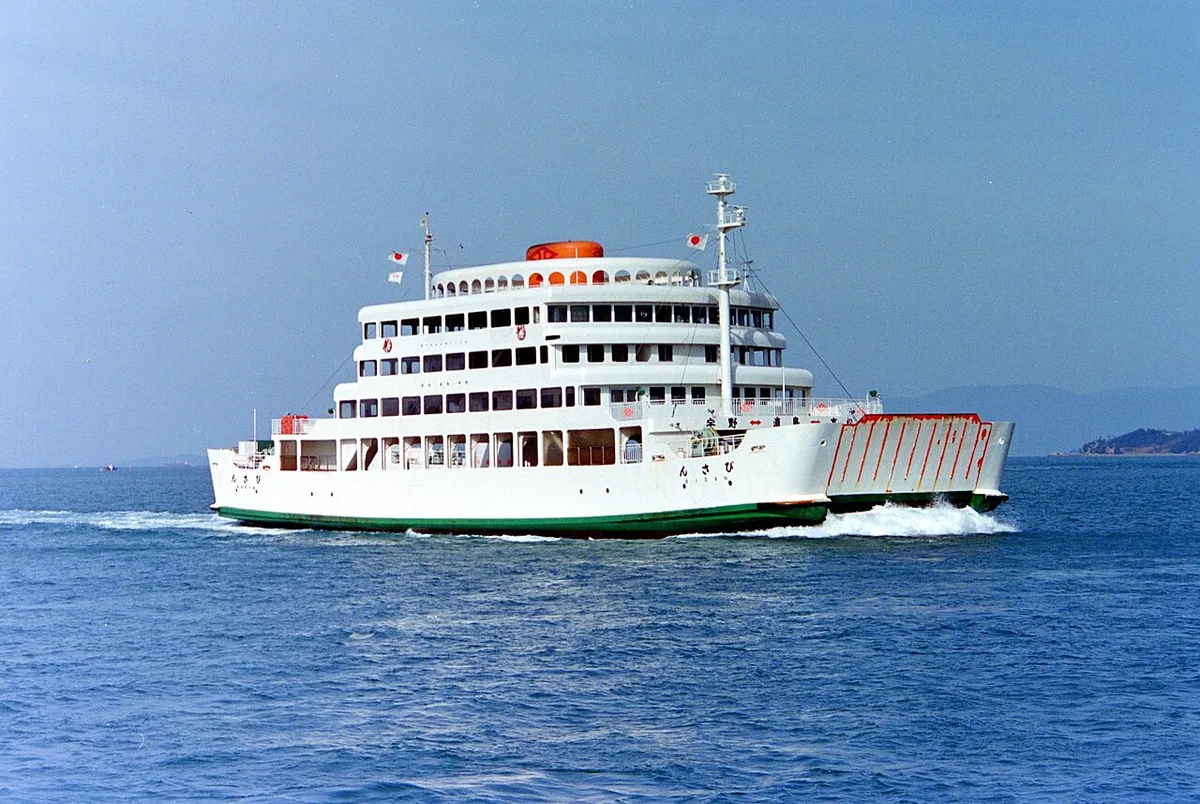
Most visitors base themselves near Takamatsu Station, since it connects directly to trains, the ferry terminal, and Sunport's waterfront path. This area keeps early departures easy, whether you're catching the JR Marine Liner or a morning ferry to the art islands. It also puts Takamatsu Castle ruins and the Symbol Tower within a short walk of wherever you sleep.
Book accommodation weeks ahead if your trip overlaps the Sanuki Takamatsu Festival in August, since central rooms sell out fast during the festival.
Travelers who prioritize food and nightlife often prefer the Chuo-dori and Marugame-machi arcade area instead. It's a five to ten minute walk further from the station, but it puts udon shops and izakayas right outside the door. Either base works for a one or two-day visit, since the city itself is compact.
Book well ahead if your trip overlaps with the Sanuki Takamatsu Festival in August, since central rooms sell out fast. Outside festival season, availability stays fairly relaxed, even for last-minute weekend trips.
Business hotel chains cluster around the station and tend to offer the best value for a short stay. If you're pairing Takamatsu with Naoshima or Kotohira, a station-area base minimizes backtracking with luggage.
Is Takamatsu Worth Visiting?
Takamatsu won't overwhelm you with must-see checklists the way Kyoto or Tokyo might, and that's part of its appeal. It suits travelers who want one relaxed garden city between bigger stops on a Shikoku or Seto Inland Sea route. If your trip already includes Naoshima or Kotohira, Takamatsu earns its place as the natural home base.
Families do well here, since the castle ruins, waterfront tower, and covered arcades are all flat, short, and stroller-friendly. Museum entry fees rarely top a few hundred yen, which keeps a full day of sightseeing genuinely affordable. Even the sit-down udon meals stay cheap, so food costs rarely strain a modest daily budget.
Spring brings plum and cherry blossoms to Ritsurin Garden, while autumn adds maple color along the same paths. Summer is hot and humid but coincides with the Sanuki Takamatsu Festival, so plan around crowds either way.
One full day works if Takamatsu is a stopover; two days let you add Kotohira without feeling rushed. Either way, the mix of garden, coastline, and food makes it an easy yes for most itineraries.
Frequently Asked Questions
How do you get to Takamatsu from Tokyo or Osaka?
From Tokyo, take the Shinkansen to Okayama, then transfer to the JR Marine Liner for the final hour to Takamatsu. From Osaka or Kyoto, the same Shinkansen-to-Marine-Liner route takes roughly two to three hours. Highway buses also run directly from Osaka for a slower, cheaper option.
How many days do you need in Takamatsu?
One full day covers Ritsurin Garden, the castle ruins, and downtown arcades comfortably. Add a second day if you want to fit in Mount Yashima's sunset view or a Kotohira day trip. Two days feels relaxed rather than rushed for most travelers.
Is Takamatsu worth visiting on a Japan trip?
Yes, especially if you're already routing through Shikoku or the Seto Inland Sea. It offers an easy-paced garden city with real udon culture and low crowds compared to Kyoto or Osaka. Most visitors find one to two days enough to feel satisfied.
What is Takamatsu best known for?
Takamatsu is best known for Ritsurin Garden, one of Japan's finest historic gardens, and for Sanuki udon, the region's signature noodle dish. It also serves as the main gateway to Naoshima and other Seto Inland Sea art islands.
What should first-time visitors avoid in Takamatsu?
Skip rushing through Ritsurin Garden in under an hour, since its ponds and teahouses genuinely reward a slower, unhurried pace. Also avoid planning a Mount Yashima trip without checking shuttle bus timings first, since service can be limited. Most first-timers do best pairing an early garden visit with a late-afternoon castle stop.
Takamatsu rewards travelers who want one unhurried stop between Japan's bigger cities and its quieter islands. Ritsurin Garden alone justifies the detour, and the castle ruins, udon shops, and summer festival round out an easy one or two-day visit. Build in time for Mount Yashima's sunset if your schedule allows it.
For more Shikoku route ideas, including Naoshima and Kotohira day trips, browse our Japan travel blog. Pack comfortable shoes, bring cash for the smaller udon counters, and let Takamatsu set an easier pace for the rest of your trip.
Explore More Takamatsu Guides
Keep planning your Takamatsu and Seto Inland Sea trip with these guides.
Top Attractions
- Ritsurin Garden Takamatsu Travel Guide
- Yashima Takamatsu Travel Guide
- Shikoku Mura Open Air Museum Takamatsu Travel Guide
Islands & Day Trips
Food & Planning
- Sanuki Udon Takamatsu Travel Guide
- How to Get to Takamatsu: 2026 Travel Guide
- Best Time to Visit Takamatsu: 2026 Season Guide
- Where To Stay In Takamatsu Travel Guide
Nearby Guides
Just across eastern Shikoku, our Tokushima attractions guide covers the Naruto whirlpools, Awa Odori and the remote Iya Valley.
Free guide: Japan's Hidden Gems
12 under-the-radar places beyond Tokyo & Kyoto — with the best season to visit each and a local tip you won't find in the guidebooks.
You might also like


Continue reading
More guides you'll find useful