9 Best Things to Do in Kotohira, Japan (2026)
Discover the best things to do in Kotohira: Konpira-san's 1,368 steps, kabuki theatre, sake, and onsen. Practical tips, costs, and where to stay included.
On this page
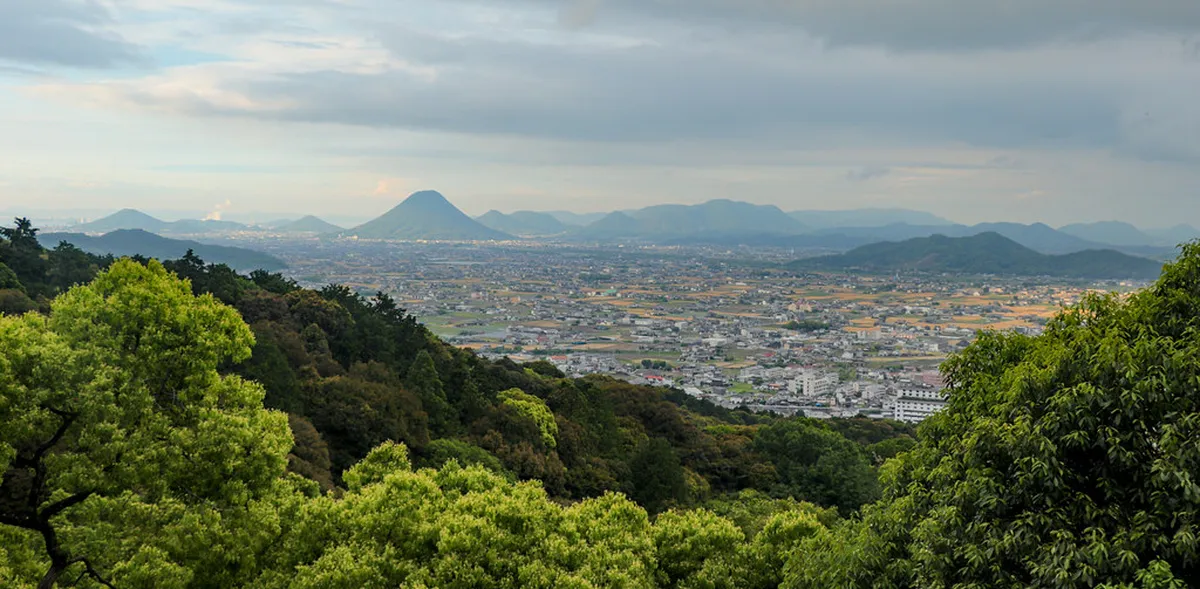
Planning things to do in Kotohira is easier than it looks — the town's best attractions cluster within walking distance of one another. Our editors last updated this guide in July 2026 with current pricing and train schedules. Kotohira sits in Kagawa Prefecture on Shikoku island, about one hour from Takamatsu by limited express train. The ancient Konpira-san shrine complex is the main draw, but the surrounding town rewards a longer look.
Kotohira sits on the edge of Shikoku's Kagawa–Tokushima border and is a classic add-on to a trip through the wider Tokushima region and the Iya Valley.
Beyond the shrine, Kotohira holds a 19th-century kabuki theatre, a working sake museum, and a hands-on udon school. Day-trippers from Takamatsu often underestimate the town and leave before exploring half of what it offers. Pairing Kotohira with nearby Zentsū-ji temple or Marugame Castle turns a rushed shrine visit into a rewarding full-day circuit.
Key Takeaways
Good to know
Plan your visit to Kotohira with these useful official and local resources:
- Plan at least 4–5 hours; a full day if you want to reach the inner Izutama Shrine at step 1,368.
- Aim to start the shrine climb by 2 pm to reach the goshuin stamp counter before it closes at 5 pm.
- The Kanamaruza Theatre, Kinryo Sake Museum, and Nakano Udon School are all within walking distance of the sando approach.
- Staying overnight in an onsen ryokan is worth the cost — the town atmosphere after day visitors leave is genuinely peaceful.
- Kotohira pairs naturally with Takamatsu (35–40 min by limited express), Zentsū-ji (10 min), and Marugame Castle (20–25 min).
9 Top Things to Do in Kotohira, Japan
Kotohira's main attractions cluster around the shrine approach and the town at the base of Mt. Zozu. Most visitors can cover the shrine, two or three cultural stops, and a meal in a single day. The list below mixes iconic pilgrim experiences with quieter cultural detours that many day-trippers skip.
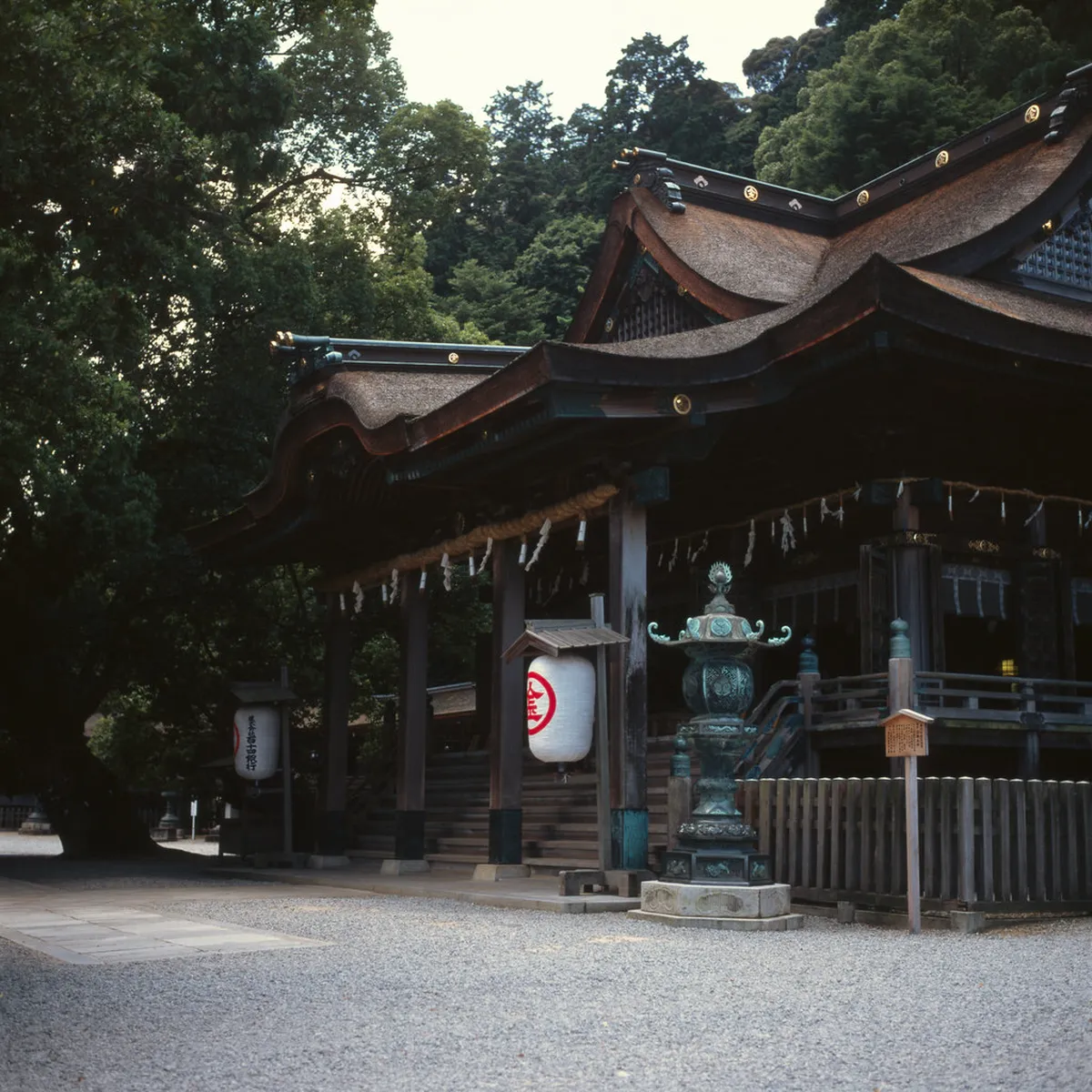
Budget at least two hours for the main shrine climb to step 785. Our Konpira-san complete climb guide breaks down every landmark, rest point, and sub-shrine along the full 1,368-step route. Wear shoes with good grip — the worn stone descent is harder on the knees than the ascent.
Kanamaruza Theatre and the Kinryo Sake Museum are both within five minutes' walk of the sando entrance. Our Kanamaruza Theatre guide covers self-guided touring hours and the April performance season in full. Visit cultural stops before the shrine climb if possible, while legs are fresh and time pressure is low.
- Kotohira-gu Shrine and the 1,368 Stone Steps
- Kotohira-gu (Konpira-san) is Shikoku's most celebrated shrine, set on the forested slopes of Mt. Zozu.
- The 785 steps to the main Gohon-gu hall take about 1.5–2 hours round trip at a steady pace.
- Pushing on to the inner Izutama Shrine at step 1,368 adds roughly another hour and a steeper gradient.
- The inner sanctuary charges around ¥800; the grounds below that point are free to enter any time.
- Konpira Omotesando Sando Shopping Approach
- The stone-paved Omotesando sando leads from the town centre to the shrine entrance through a charming stretch of shops.
- Souvenir stalls, sweet shops, and small restaurants line both sides for the first 10 minutes of the climb.
- Most shops open by 9–10 am and close between 5 and 6 pm; some shut as early as 2 pm.
- Rent walking sticks at a stall near the base — they cost around ¥200 and save your knees on the descent.
- Kanamaruza Kabuki Theatre
- Built in 1835, Kanamaruza is Japan's oldest surviving kabuki theatre and a designated National Important Cultural Property.
- The interior preserves original Edo-period mechanics: trap doors, a revolving stage, and tiered pine-wood galleries.
- Self-guided tours run daily outside the April Grand Kabuki season; admission is around ¥500.
- The theatre sits a short flat walk from the sando base, easy to squeeze in before the shrine climb.
- Kinryo Sake Museum (Kinryo-no-Sato)
- Kinryo-no-Sato is a sake brewery heritage complex about five minutes' walk from Kotohira Station.
- Visitors can tour the production hall, view vintage brewing equipment, and sample different Kinryo varieties.
- Admission is free; the attached shop sells bottles and Kagawa craft products at reasonable prices.
- Opening hours are roughly 9 am–5 pm daily, making it a natural first stop before tackling the shrine steps.
- Nakano Udon School Hands-On Class
- Nakano Udon School runs daily walk-in classes where participants make Sanuki udon noodles from scratch.
- Classes take around 40–60 minutes and cost approximately ¥1,500–¥2,000 per person, including eating what you make.
- The school is located near the shrine approach, within easy walking distance of the sando.
- This experience suits families and food enthusiasts and is one of the most distinctive activities in Kagawa.
- Kotohira Onsen Hot Spring Soak
- Several ryokan around Kotohira offer natural onsen baths to both overnight guests and day-use visitors.
- Day-use baths typically cost ¥1,000–¥2,000 per person and open in the early afternoon.
- Kotosankaku and Kotohira Kadan are two well-regarded properties with both indoor and outdoor bathing areas.
- Booking an overnight stay unlocks kaiseki dinners and a quiet evening in town after the day crowds have left.
- Zentsū-ji Temple — Birthplace of Kukai
- Zentsū-ji is stop 75 of the Shikoku 88-Temple Pilgrimage and traditionally regarded as Kukai's birthplace.
- The large forested precinct is about 10 minutes by train or taxi from Kotohira Station.
- Main grounds admission is free; the inner kaidan meguri corridor costs around ¥500.
- Early morning is the best time to visit, when white-robed pilgrims walk the grounds in near silence.
- Marugame Castle
- Marugame Castle is one of Japan's twelve surviving original castle keeps, known for its dramatically layered stone walls.
- The short climb to the keep rewards visitors with views over Marugame City and the Seto Inland Sea.
- Admission is ¥200 for adults; the stone walls alone are worth 30–45 minutes at ground level.
- Marugame is about 20–25 minutes from Kotohira by JR train, making it an easy half-day addition.
- Sayabashi Bridge and Riverside Walk
- Sayabashi is a distinctive covered wooden bridge spanning the Kanakura River near the shrine approach.
- The Meiji-era structure offers a photogenic pause and a quieter contrast to the busy sando crowds.
- Access is free; the walk from the sando base takes about 10 minutes on foot.
- Combine the bridge with a stroll past the nearby Kotohira Maritime Museum for a 30-minute riverside circuit.
Is Kotohira Worth Visiting?
For anyone traveling through Kagawa or crossing Shikoku, Kotohira is absolutely worth a stop. The shrine climb is physically impressive, and the sando atmosphere at its base has a charm that busier Japanese sites have lost. Unlike major Kyoto shrines, the stone steps here spread visitors out naturally — even a busy day feels manageable.
Spring (March–April) brings cherry blossoms along the shrine steps and the annual kabuki festival at Kanamaruza. Autumn foliage covers the upper shrine grounds from late October, making the harder upper climb more rewarding. For a full comparison of seasons and crowd patterns, see our Best Time To Visit Kotohira Travel Guide guide. Summer visits are possible, but start the climb before 9 am or after 4 pm to avoid the worst heat.
One attraction worth skipping: the paid kago sedan chair service from the sando base to around step 365. At ¥6,800–¥8,800 per person, the kago covers only a fraction of the climb and most fit travelers find it poor value. Our kinryo sake museum covers another commonly overlooked spot that genuinely earns its time.
How to Get to Kotohira
Kotohira sits on the JR Dosan Line in central Kagawa and is reachable from several Shikoku hubs. From Takamatsu, JR limited express trains reach JR Kotohira Station in around 35–40 minutes; local trains take 45–75 minutes. The Kotoden private railway runs from Takamatsu-Chikko to Kotoden Kotohira Station in about one hour.
From Okayama on Honshu, the JR Dosan Line limited express connects directly to Kotohira in about one hour. Travelers from Kochi reach Kotohira in roughly 1.5 hours by train, at around ¥2,100 one way. From Oboke in the Iya Valley, Kotohira is approximately 40 minutes by train — a logical pairing for a western Shikoku itinerary.
From either Kotohira station, the stone stairway entrance is a 10-minute walk on flat ground. Drivers from central Takamatsu take about 40 minutes via the Zentsūji IC on the expressway. Our kotohira day trip includes a step-by-step journey plan from Takamatsu with timetables and ticket options.
Where to Stay in Kotohira
Staying overnight in Kotohira transforms the experience — the town is noticeably quieter and more atmospheric after day visitors leave. Several ryokan offer natural onsen baths, tatami rooms, and kaiseki dinners made from seasonal Kagawa ingredients. Find stays near Kotohira-gu Shrine to compare current rates across all property types.
For a luxury stay, Kotohira Kadan is a historic ryokan with private hot spring options and formal Japanese gardens. It suits a special-occasion visit and books up quickly during spring cherry blossom and autumn foliage seasons. Reserving two to three months ahead is advisable for April and November stays.
Budget travelers should look at Kotori Coworking and Hostel Kotohira, a well-reviewed hostel with dorm and private rooms near the town centre. The hostel also offers a co-working space, making it popular among remote workers exploring Shikoku.
Kotohira Park Hotel is a modern business hotel right beside Kotohira Station, suited to travelers who want simplicity over atmosphere. Rates run lower than ryokan options, and the location allows an early shrine start without a long walk.
Going deeper on this theme? Our What to Eat in Kotohira guide covers it in detail, with the practical planning this page leaves out.
Frequently Asked Questions
How many steps are there in Kotohira Shrine?
Kotohira-gu (Konpira-san) has 785 stone steps to the main shrine (Gohon-gu) and 1,368 steps total to the inner Izutama Shrine. The round trip to the main shrine takes about 1.5–2 hours; reaching the inner shrine adds another hour or more of steeper climbing.
Is Kotohira worth visiting on a day trip from Takamatsu?
Yes — Kotohira makes an excellent half-day or full-day trip from Takamatsu, just 35–40 minutes by limited express train. A full day gives you time for the shrine climb, Kanamaruza Theatre, the sake museum, and a relaxed walk along the sando approach.
What is the best time to visit Kotohira?
Spring and autumn offer the best conditions — cherry blossoms line the shrine steps in March and April, while vivid foliage covers the upper grounds in October and November. Summer visits are possible but taxing; an early-morning start before 9 am is strongly advised in July and August.
Can visitors with limited mobility see Kotohira-gu?
The lower sando approach is relatively flat and accessible, but the shrine steps themselves are steep and uneven throughout. A paid sedan chair (kago) service runs from the sando base to approximately step 365, at around ¥6,800–¥8,800 per person round trip.
How much time should I plan for things to do in Kotohira?
Plan at least four to five hours, or a full day if you want to reach the inner shrine and add cultural stops like the kabuki theatre and sake museum. Overnight stays are worth it for the onsen experience and the quieter evening atmosphere the town offers.
Kotohira rewards every type of traveler: pilgrims, history enthusiasts, foodies, and anyone seeking a quieter corner of Japan. The shrine is the centerpiece, but the sake museum, kabuki theatre, and udon school all justify spending a full day here. A night in an onsen ryokan completes the picture and is something most visitors wish they had planned from the start.
From Kotohira, the wider Shikoku circuit opens up naturally — westward toward Matsuyama and Dogo Onsen, or south through Kochi and the Iya Valley. Treat Kotohira as a mid-point on a western Shikoku route, and it becomes one of the island's more memorable stops. Find more Japan itinerary ideas and travel guides at Japan Activity.
For ticket prices, opening hours, and full visitor details on each sight, browse our Kotohira attractions hub.
Free guide: Japan's Hidden Gems
12 under-the-radar places beyond Tokyo & Kyoto — with the best season to visit each and a local tip you won't find in the guidebooks.
You might also like



Continue reading
More guides you'll find useful