

Best Time To Visit Kotohira Travel Guide
Plan the best time to visit Kotohira with seasonal picks, crowd tips, the April Konpira Kabuki, and practical booking advice for a smoother 2026 trip.
On this page
Late March to mid-April and mid-October to late November are the best times to visit Kotohira for most travelers. Mild temperatures make the 785-step shrine climb to Kotohira-gu far more comfortable during both windows. Last updated July 2026, this guide covers every season to help you match the timing to your priorities.
Kotohira sits in Kagawa Prefecture on Shikoku island, sheltered from Pacific typhoons by surrounding mountains. The climate follows an inland Shikoku pattern: humid summers, mild springs, and cool winters with very rare snow. Shoulder seasons — late spring and early autumn — offer the best balance of comfort, crowd levels, and active festivals.
Kotohira Season Comparison
Good to know
Plan your visit to Kotohira with these useful official and local resources:
Spring and autumn are the standout seasons for climbing Kotohira-gu Shrine. Comfortable temperatures, photogenic scenery, and active cultural events overlap in both windows. Summer demands an early start to beat the heat; winter rewards visitors with solitude and clear panoramic views.
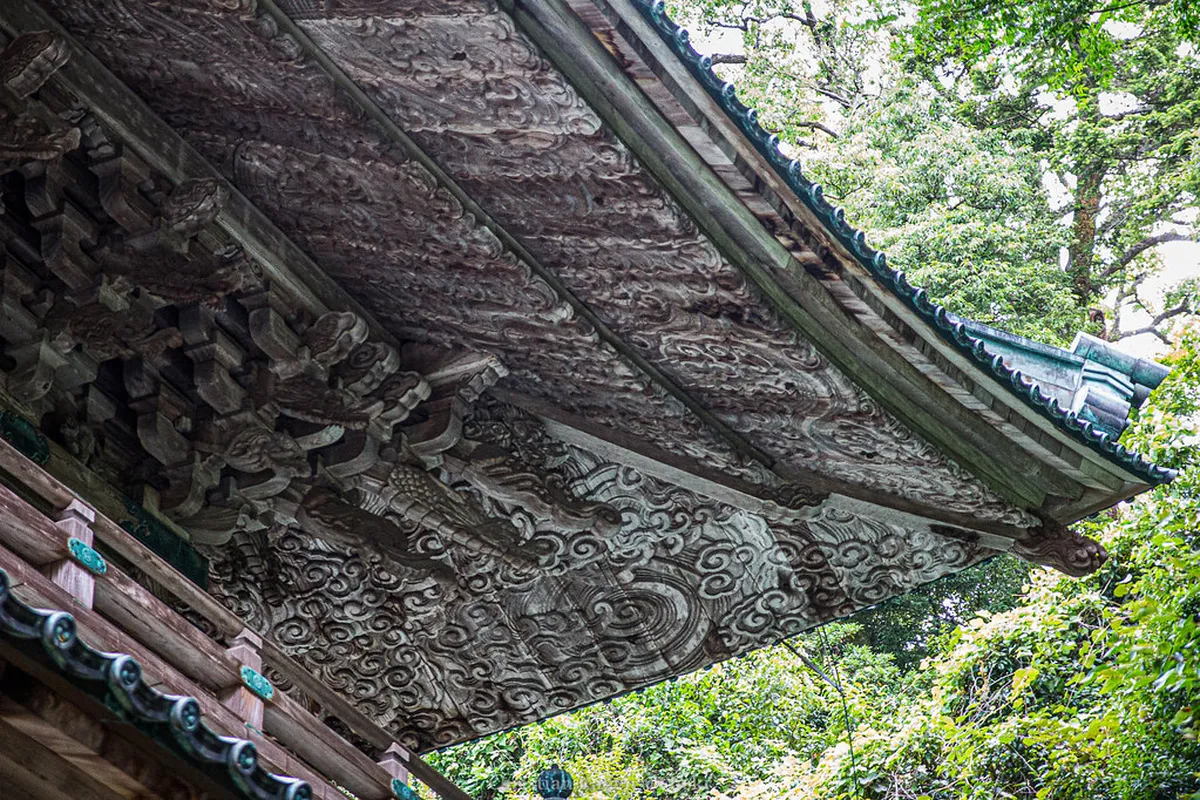
Souvenir shops along Omotesando typically open around 9 AM and close between 5 and 6 PM. The goshuin stamp counter at the main shrine closes at 5 PM, so begin the climb by 3 PM. Arriving when the gate drum sounds at 6 AM is the simplest way to beat the crowd peak.
In winter, some Omotesando restaurants near the lower steps reduce hours or close on weekdays. Kanamaruza theater hosts performances only in April, so visiting outside that window means seeing a preserved but silent stage. Always check ahead if your itinerary depends on a specific attraction beyond the shrine climb itself.
| Season | Months | Temp (C / F) | Crowds | Highlights |
|---|---|---|---|---|
| Spring | Late Mar-early May | 12-22C / 54-72F | High in Apr | Cherry blossoms; April Konpira Kabuki |
| Summer | Jun-Aug | 26-35C / 79-95F | Moderate | Lush greenery; start climb before 8 AM |
| Autumn | Mid-Oct-late Nov | 12-22C / 54-72F | High in Nov | Maple foliage; October Grand Festival |
| Winter | Dec-Feb | 3-12C / 37-54F | Low | Clear long views; onsen culture at its best |
Spring in Kotohira: Blossoms and Kabuki
Cherry blossoms along the Kotohira-gu approach usually peak in late March to early April, based on typical Kagawa climate patterns. The torii alley becomes one of the most photographed spots in all of Shikoku during this window. Arriving before 9 AM on a weekday gives the best chance of a quiet, uncrowded path for photos.
April also brings the Konpira Grand Kabuki, staged at Kanamaruza theater, Japan's oldest surviving kabuki stage built in 1835. Tickets sell out weeks in advance, so booking early is essential if this is a 2026 priority. The theater sits a five-minute walk from the Omotesando entrance, making it easy to combine with the shrine climb.
Crowds peak on weekends in early April, especially during the cherry blossom and Kabuki overlap. Choosing mid-week or the second half of April, after blossoms fade, cuts wait times on the steps significantly. Accommodation books up fast: budget ryokan and hostels near the station fill weeks ahead of Golden Week.
Summer, Autumn, and Winter at Kotohira-gu
Summer temperatures in Kotohira reach 30-35C / 86-95F in July and August, making the climb genuinely tiring by midday. Japan's rainy season, called tsuyu, runs from early June to mid-July and makes stone steps slippery after rain. For the full 1,368-step route to Izutama Shrine, an early-morning start is essential, not optional.
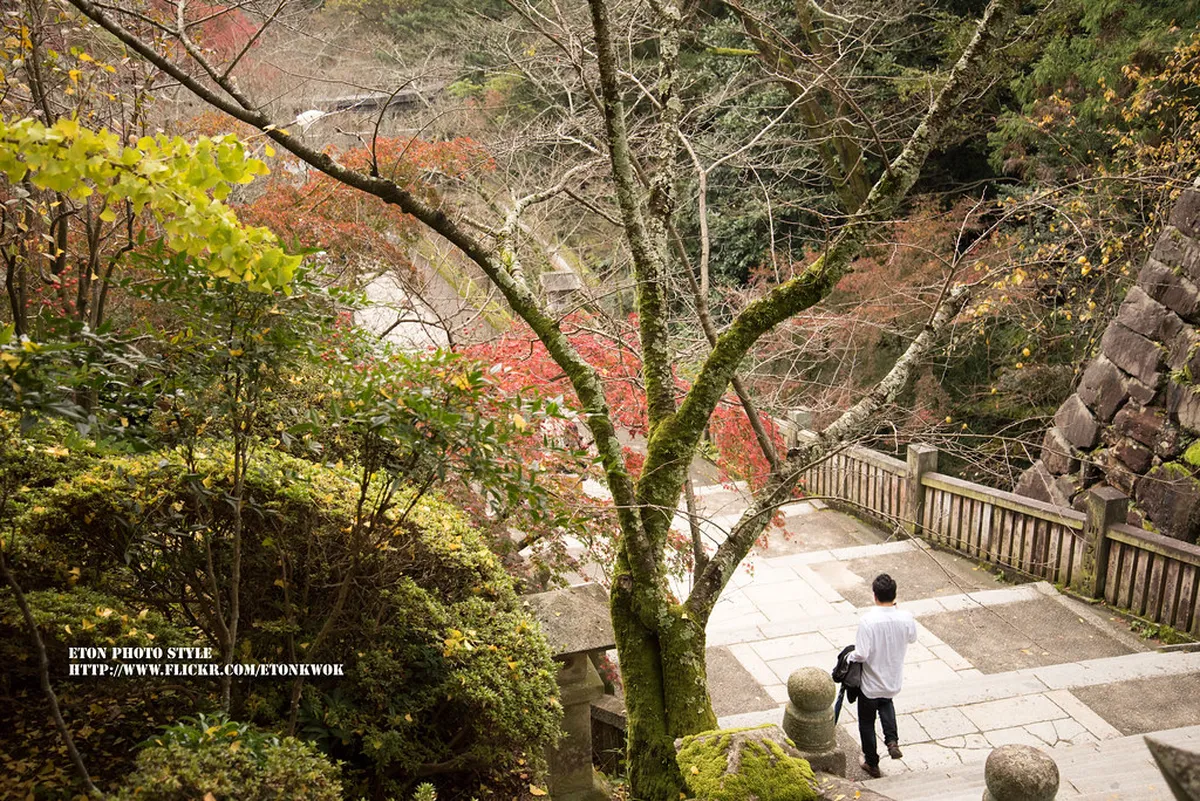
The second peak falls in autumn, with maple foliage typically at its best from mid-October to late November. The October Grand Festival adds sacred horse ceremonies and mikoshi processions to the shrine grounds. Cool air between 12-18C / 54-64F makes this the most comfortable time for the full inner-shrine climb.
Winter brings the lowest visitor numbers and some of the clearest long-distance views over the Sanuki plain. Temperatures drop to 3-8C / 37-46F on cold mornings, so warm layers are essential for the exposed upper steps. Kotohira's onsen ryokan are most rewarding in winter; Kotohira Kadan offers private hot spring options for a cold-day reward.
Which Season Is Right for You?
Your ideal window depends on what you want from the climb and the broader town. Those focused on cultural highlights like the Kinryo Sake Museum will find Kotohira rewarding across most seasons. The list below maps common traveler priorities to the season that delivers them best.
A day trip from Takamatsu gives you six to eight hours, enough for the main shrine climb in any season. Plan to reach the goshuin counter before 5 PM and allow 60-90 minutes for the Omotesando-to-main-hall climb. The JR limited express covers the 45-minute run from Takamatsu; the JR All Shikoku Rail Pass covers this route.
Overnight visitors consistently rate autumn and spring as the most memorable seasons for the full Kotohira experience. Staying one night unlocks the shrine at dawn, which is far quieter than any daytime visit. The calm after day-trippers leave reveals a different Kotohira: lantern light at dusk, empty stone steps, and onsen steam.
- Pick late March to early April if you want
- Cherry blossoms arching over the torii alley and stone steps at peak bloom.
- Pick April if you want
- The Konpira Grand Kabuki at Kanamaruza, one of Japan's rarest theater experiences.
- Pick mid-October to late November if you want
- Maple foliage plus the October Grand Festival's sacred horse ceremonies on the grounds.
- Pick December to February if you want
- Quiet paths, long clear views over the Sanuki plain, and the best onsen season.
- Pick June or September if you want
- Fewer crowds and lower accommodation prices during shoulder periods between peak seasons.
What to Pack for Kotohira
Footwear is the single most important packing decision for any Kotohira visit. The 785 stone steps vary in height and can be slippery after rain, so shoes with solid grip are essential. Sandals and dress shoes turn the steeper upper section into an uncomfortable and slow scramble.
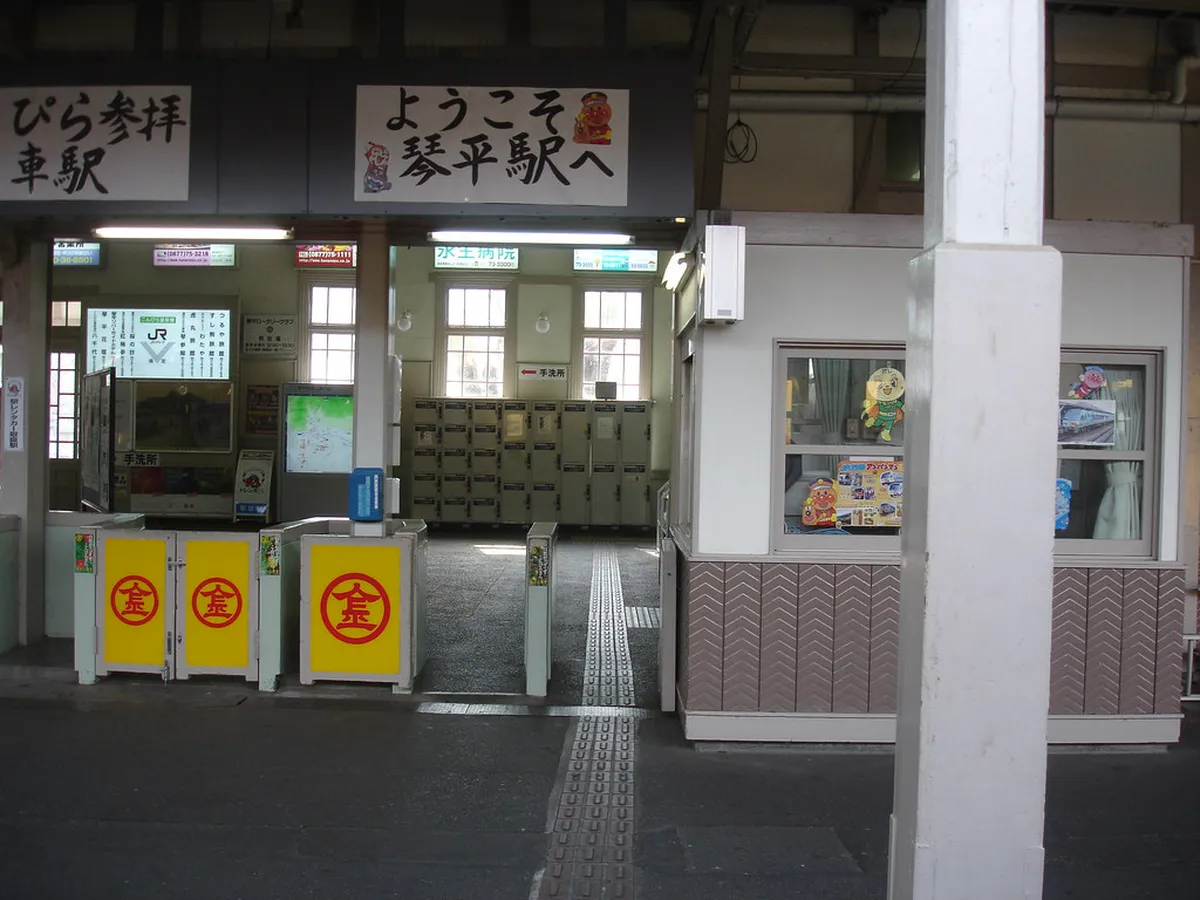
Accommodation in Kotohira ranges from budget hostels to luxury ryokan with onsen and kaiseki dining. Kotori Coworking & Hostel Kotohira suits solo travelers and those combining the shrine visit with remote work. Book at least two weeks ahead in April and November, when every ryokan category fills quickly.
Beyond the shrine, Kotohira's top attractions include the Kinryo Sake Museum, Kanamaruza theater, and the Konpira Maritime Museum. Most sights sit a short walk from the station and pair naturally with the morning shrine climb. Allow a full day to cover the main precincts, a cultural museum, and a relaxed dinner in town.
- Spring (late March to May)
- Grip shoes, a light jacket for cool mornings, and a small umbrella for April showers.
- Summer (June to August)
- Breathable clothing, sunscreen, a water bottle, and an early alarm for the 6 AM gate opening.
- Autumn (October to November)
- Layers for temperature swings between morning and midday, and comfortable walking shoes with grip.
- Winter (December to February)
- A warm coat, thermal base layer, and gloves for the exposed upper steps in cold weather.
Frequently Asked Questions
When is the best time to visit Kotohira to avoid crowds?
Weekday mornings in June, September, or early December see the fewest visitors on the shrine steps. Arriving at the 6 AM gate opening is the single best tactic in any season. Golden Week (late April to early May) and November foliage weekends are the busiest periods to avoid.
How many steps are there in Kotohira Shrine?
There are 785 steps to the main precincts of Kotohira-gu, and 1,368 steps in total if you continue to Izutama Shrine. Plan 60 to 90 minutes for a relaxed pace from Omotesando to the main hall with short photo stops. An extra 40 to 50 minutes covers the full extension to the inner shrine.
Is Kotohira worth visiting in winter?
Yes — winter brings the quietest paths, clearest panoramic views over the Sanuki plain, and the best conditions for Kotohira's onsen culture. Temperatures reach 3 to 12C / 37 to 54F, so warm layers are essential for the exposed upper steps. Most shrine areas and the main gate remain fully open throughout the season.
What is the April Konpira Kabuki at Kanamaruza?
The Konpira Grand Kabuki is an annual April event at Kanamaruza, Japan's oldest surviving kabuki theater, built in 1835 and designated a National Important Cultural Property. Performances run for several days and tickets sell out quickly. Book well in advance and pair the show with the shrine climb for a full cultural day in Kotohira.
Late March to early April and mid-October to late November remain the clearest sweet spots for visiting Kotohira-gu. Spring delivers cherry blossoms and the Konpira Kabuki; autumn brings maple foliage and crisp air for the full climb. Winter and shoulder months offer a quieter shrine experience that peak-season crowds simply cannot match.
The main gate opens at 6 AM; early arrivals in any season find the steps at their most peaceful. Pack grip shoes, start the climb before midday, and leave time to reach the goshuin counter well before 5 PM. Visit the Japan Activity travel blog for more Shikoku inspiration to round out your trip.
Free guide: Japan's Hidden Gems
12 under-the-radar places beyond Tokyo & Kyoto — with the best season to visit each and a local tip you won't find in the guidebooks.
You might also like

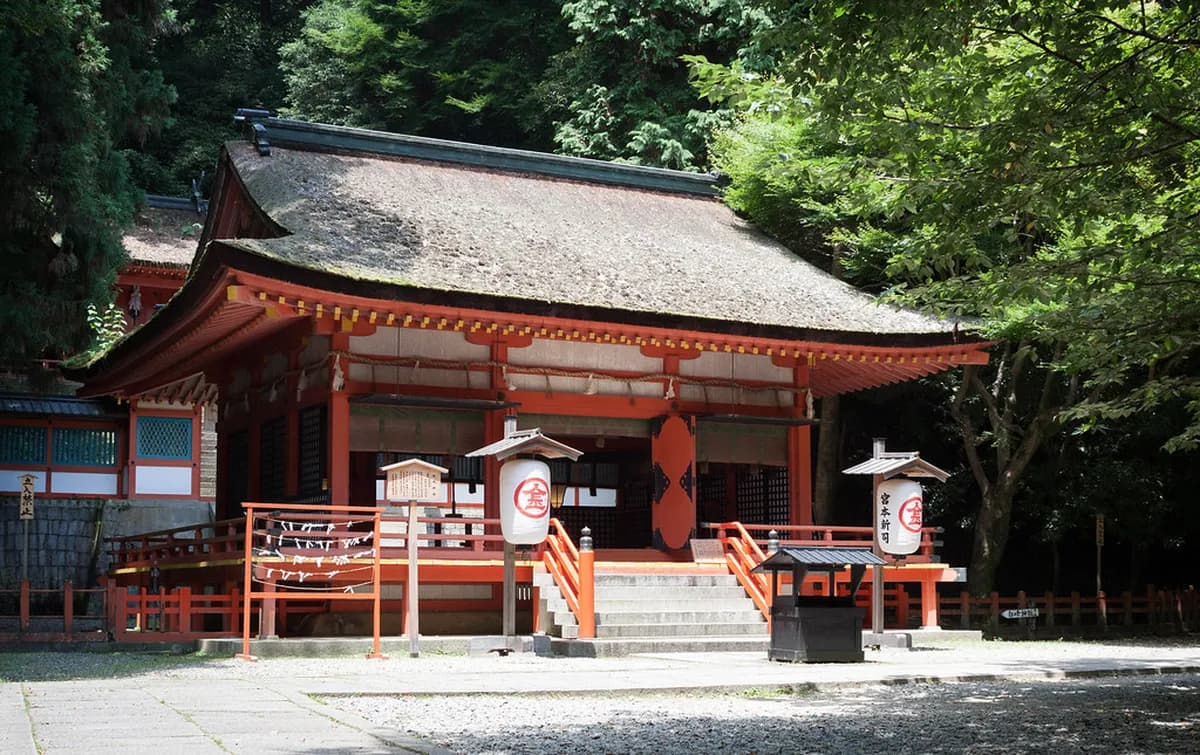
Continue reading
More guides you'll find useful


