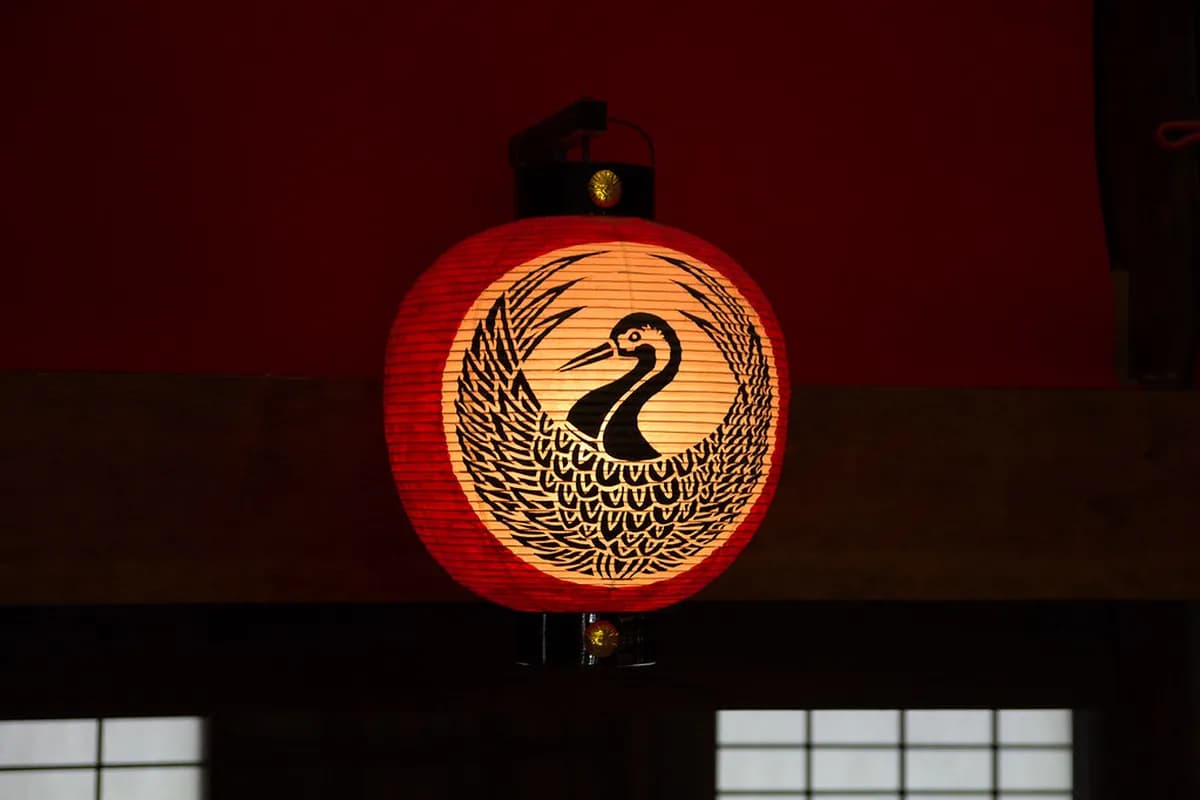
Konpira San Travel Guide
Plan your konpira san visit with must-see attractions, timing tips, getting-there details, and practical advice for climbing Kotohira-gu Shrine's famous steps.
On this page
Konpira-san is one of Japan's most celebrated mountain shrines, drawing pilgrims and visitors to Kotohira in Kagawa Prefecture on Shikoku. The approach climbs 1,368 stone steps to the inner shrine (Okusha), while the main hall sits at the 785th step. Few pilgrimages in Japan pack this much history, scenery, and physical challenge into a single half-day visit.
Formally known as Kotohira-gu, the shrine stands on Mount Zozu above a town that has welcomed pilgrims since the Edo period. Sailors once prayed here for safe passage across the Seto Inland Sea, and that spirit of devotion still fills the stone path today. Whether you tackle all 1,368 steps or stop at the main hall, the views over the Sanuki Plain reward every step of the climb.
Must-See Konpira Attractions
Good to know
Plan your visit to Kotohira with these useful official and local resources:
Kotohira-gu spreads its sights across the entire mountainside, not just at the summit. The approach features souvenir shops, historic shrine buildings, a mid-climb café, and sweeping forest views in one continuous climb. Most visitors plan two to three hours for the full round trip to the inner shrine. Shrine worship is free, though a handful of buildings along the route charge a small fee.
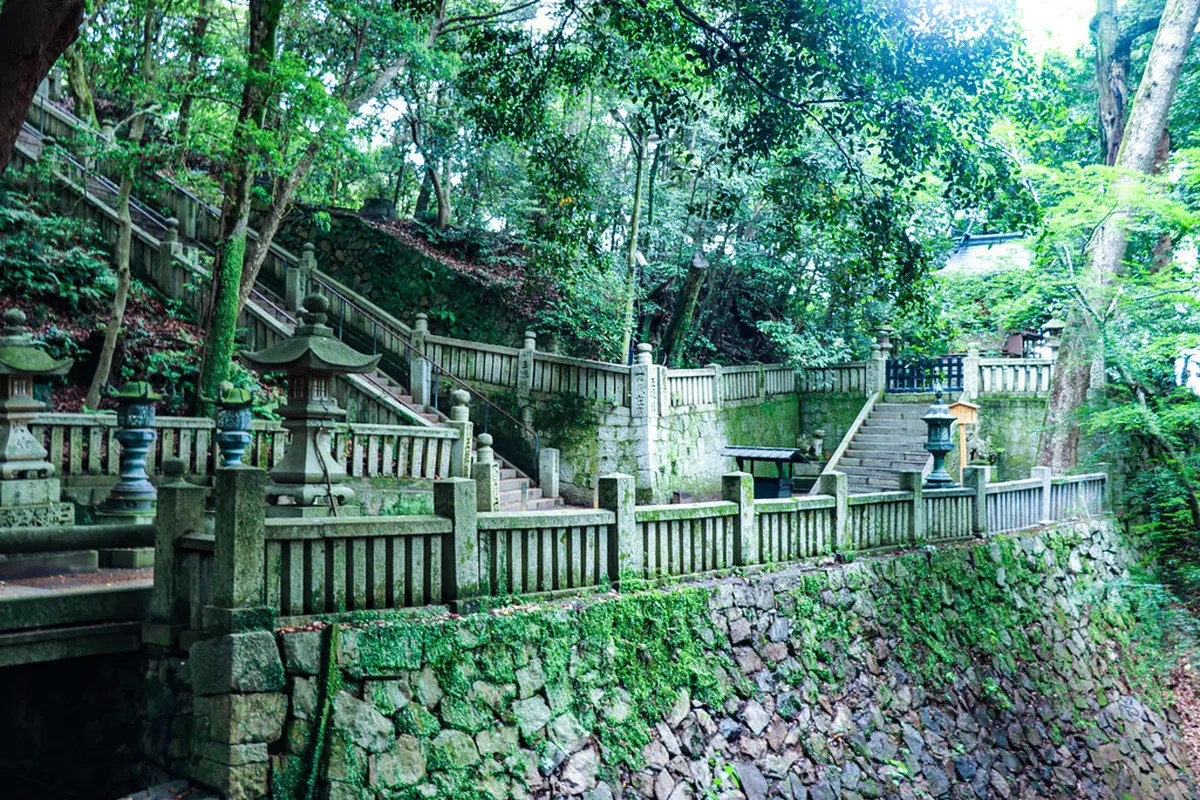
At step 365, the Daimon (Great Gate) marks the formal entrance to the shrine precincts. Beyond the gate, stone lanterns line a narrower path and the market atmosphere gives way to mountain quiet. Each landmark along the way tells a different chapter in the shrine's long and layered history.
For a wider look at what the town holds beyond the steps, exploring Kotohira's top attractions reveals the kabuki theater, sake museum, and quieter side streets worth discovering. Each of these sits within easy walking distance of the shrine entrance, making them natural additions to any visit.
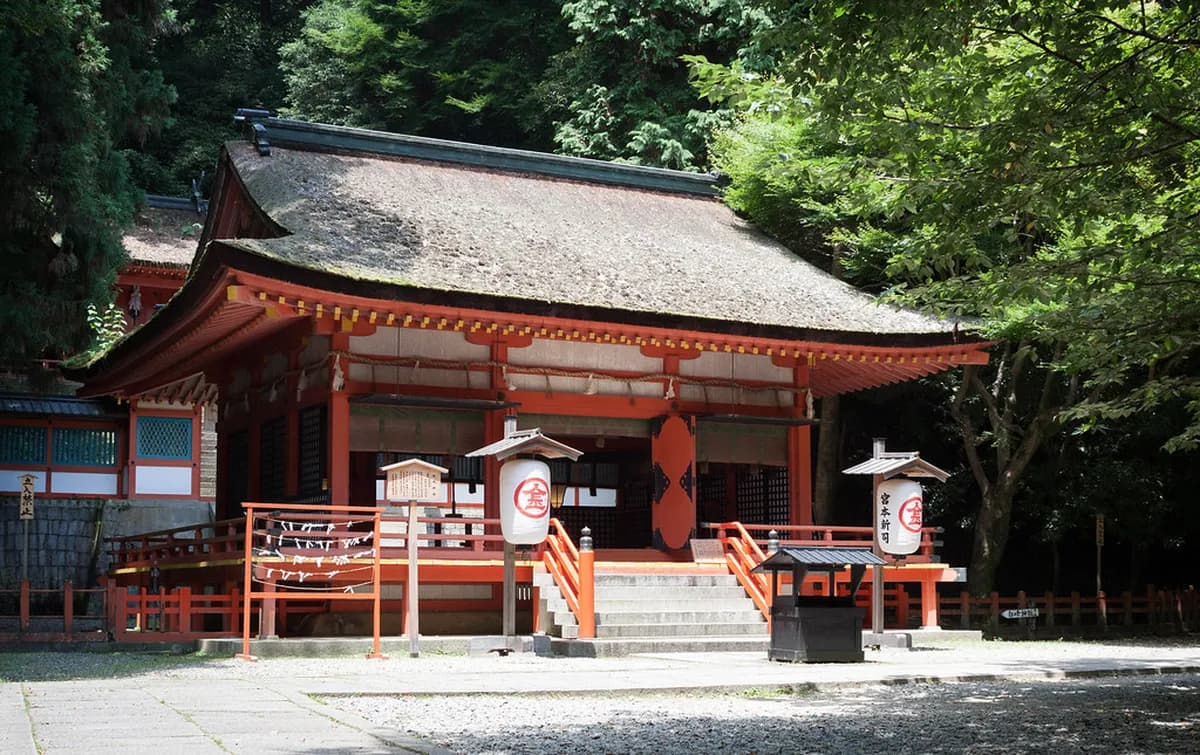
- Asahi-sha (Important Cultural Property)
- This elaborate double irimoya style building dates from the Tenpō era.
- Exquisite carved details cover every surface of this nationally protected structure.
- It stands near the upper section of the main approach to the shrine grounds.
- Omote Shoin — Edo-period painted screens
- The Omote Shoin houses sliding-door paintings by Edo master Maruyama Okyo.
- Adult admission costs 800 yen for a close look at these finely preserved artworks.
- Plan at least 20 minutes here to appreciate every panel at a comfortable pace.
- Kami Tsubaki Café at step 500
- This Shiseido-operated café sits around the 500th step for a well-earned break.
- It serves drinks and light meals in a forested setting during the climb.
- Stopping here gives your legs a short recovery before tackling the upper steps.
- Okusha — Inner Shrine at step 1,368
- The inner shrine is dedicated to Izutamahiko-no-Mikoto at the mountain summit.
- Free binoculars behind the shrine let you scan the full panorama over Kotohira Town.
- The Tengu Omamori sold here is one of the most distinctive keepsakes from the pilgrimage.
Climbing the 785 Steps at Konpira-san
The stone stairway starts at the base of the mountain, just past the first torii gate. From there, 785 steps lead to the main hall, a climb of roughly 30 to 40 minutes one way. Continuing past the main hall adds another 20 to 30 minutes to reach the Okusha at step 1,368.
A round trip to the main hall takes about 1.5 to 2 hours at a steady pace. The full Okusha circuit needs around 2.5 to 3 hours from base to summit and back. Choose your target before you start so you can manage energy and water accordingly.
Visitors who find the steps difficult can book the reservation-only Konpira Pilgrimage Mountain Shuttle Taxi. This shared vehicle covers the lower section to the 365th-step Daimon for 700 yen one way. Beyond the Daimon, the remaining steps must be walked, so sturdy shoes still matter for everyone. Traditional kago palanquin carriers have also operated near the base historically, though availability varies by season.
The view from the main hall at step 785 stretches across the Sanuki Plain toward Sanuki Fuji. On clear days you can even spot the Great Seto Bridge linking Shikoku to Honshu. Higher still, the Okusha offers free binoculars trained over Kotohira Town and the mountains beyond. For current visiting hours and access conditions, check the Konpira Shrine information page before you set out.
Art, Culture, and Sacred History
Few mountain shrines in Japan pair a major pilgrimage climb with the quality of art found at Kotohira-gu. The Omote Shoin, an Important Cultural Property, displays sliding-door and wall paintings by Edo-period master Maruyama Okyo. Adult admission is 800 yen, and the artistry of these painted screens rewards a slow, unhurried look. A separate treasure museum also charges 800 yen and holds historical objects linked to the shrine's long past.
Just below the shrine's base, the Kanamaruza adds a rich cultural layer to any Kotohira visit. Built in 1835, it is the oldest surviving kabuki stage in Japan and still hosts live spring performances. Our kanamaruza covers tickets, show schedules, and what to expect inside the historic wooden auditorium.
The deity enshrined at Konpira-san carries one of the most layered identities in Japanese religious history. Originally connected to the Buddhist deity Kubera through Indian-influenced tradition, Konpira later merged with the Shinto kami Omononushi-no-Kami. This centuries-long blending of Buddhist and Shinto belief is precisely what makes the mountain feel charged with overlapping spiritual history.
During the Meiji era, the government ordered a formal separation of Buddhism and Shinto, renaming the site Kotohira-gu. Buddhist iconography was removed and the deity was officially recognized as solely the native Shinto kami. Walking the upper path today, visitors still encounter stone carvings and architectural echoes from both traditions standing side by side.
Family-Friendly and Budget-Friendly Options
Entering and worshipping at Kotohira-gu is free, making it one of the best-value excursions in Shikoku. Families can cover the full round trip to the main hall without spending a yen on admission. Only the Omote Shoin and the treasure museum each charge 800 yen, and neither is required for a rewarding visit.
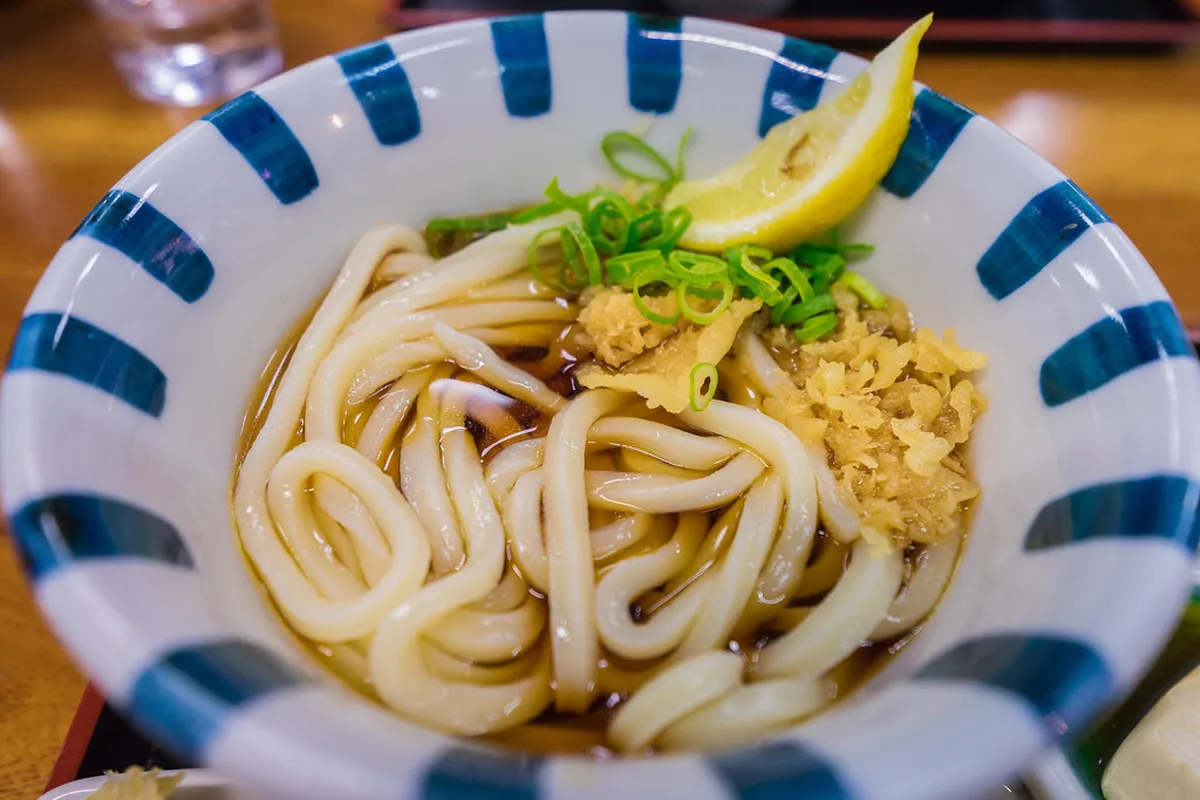
The approach is lined with stalls selling Kagawa specialties including Sanuki udon, oiri soft serve, and sesame-studded kyumon sweets. Children tend to enjoy the mid-climb stop at Kami Tsubaki café around step 500, where cool drinks are served. Budget around 1,000 to 1,500 yen per person for approach snacks, depending on appetite and stop count.
Travelers looking to extend the day can add a visit to the Kinryo Sake Museum at the foot of the approach. A short tasting and a look at the historic brewing process rounds out the cultural picture without adding significant cost. Our kinryo sake museum covers current hours, tasting details, and how to slot it into a Kotohira day.
How to Plan Your Konpira-san Visit
Kotohira sits roughly 40 minutes by car from central Takamatsu via the Zentsuji expressway interchange. By train, JR Kotohira Station is about 15 minutes on foot to the steps, while Kotoden Kotohira Station is closer at about 10 minutes. Most visitors arriving by rail find Kotoden the more convenient option for reaching the stairway entrance.
The ideal start time is between 8:00 and 9:00 AM to beat tour groups on the narrower upper steps. Approach shops open early, so even an 8 AM arrival leaves room for a pre-climb snack. Avoid national holidays and October's grand festival weekend, when the steps can become genuinely crowded.
Wear comfortable trainers or hiking shoes, since the steps are uneven stone and turn slippery after rain. A light daypack with water is essential, especially in summer when the exposed upper steps can feel brutal. Keep a small amount of cash on hand, as most shrine stalls and the shuttle taxi do not accept cards.
Several ryokan and business hotels sit within walking distance of the shrine entrance for overnight stays. Booking a night in Kotohira lets you reach the steps at opening time before the day-trip crowds arrive.
For a full-day approach from Takamatsu, our kotohira day trip outlines the best stop sequence and transit timings. Find stays near Kotohira-gu Shrine to compare accommodation options across Kagawa Prefecture before you book.
Frequently Asked Questions
How many steps are there in Konpira shrine?
Konpira-san (Kotohira-gu Shrine) has 785 stone steps to the main hall and 1,368 steps to the inner shrine (Okusha). Most visitors reach the main hall in 30 to 40 minutes one way. The full round trip to the Okusha typically takes two and a half to three hours at a comfortable pace.
Is Kotohira worth visiting?
Kotohira is well worth a visit for the combination of a challenging pilgrimage climb, sweeping views over the Sanuki Plain, and free shrine admission. The historic Kanamaruza Kabuki Theater and Kinryo Sake Museum add cultural depth nearby. Families and solo travelers alike find the half-day trip genuinely rewarding and easy to reach from Takamatsu.
Who is the deity of Kotohira shrine?
The principal deity of Kotohira-gu is Omononushi-no-Kami, a Shinto kami long venerated as a god of the sea and safe voyages. Emperor Sutoku is also enshrined here. Before the Meiji era, the deity's identity merged with Buddhist figures including Kubera, giving the shrine one of Japan's most richly layered religious histories.
Can I take a palanquin or taxi up Konpira-san?
A reservation-only Konpira Pilgrimage Mountain Shuttle Taxi runs to the 365th-step Daimon for 700 yen one way, making the lower section accessible for visitors who find the full climb difficult. Traditional kago palanquin carriers have also operated near the base historically, though availability varies. Check locally before relying on either option.
What is the best time of year to visit Konpira-san?
Early morning visits between 8:00 and 9:00 AM offer the quietest climb on the steps. Spring cherry blossoms in late March and autumn leaves from mid-November are the most scenic seasons, while summer heat on the exposed upper steps demands extra water. See our Best Time To Visit Kotohira Travel Guide guide for full seasonal detail.
Konpira-san rewards every kind of traveler, whether you stop at the main hall at step 785 or push all the way to the Okusha. The views, the layered history, and the living pilgrimage atmosphere make this one of Shikoku's most distinctive half-day experiences. Few places in Japan blend mountain scenery, centuries of religious heritage, and accessible cultural stops so completely in one visit.
Plan an early start, wear good shoes, and bring cash for the stalls and optional cultural buildings along the approach. If time allows, the kabuki theater and sake museum at the base add meaningful depth to the climb. Find things to do in Kotohira-gu Shrine to round out your day with guided activities and local experiences.
Free guide: Japan's Hidden Gems
12 under-the-radar places beyond Tokyo & Kyoto — with the best season to visit each and a local tip you won't find in the guidebooks.
You might also like


Continue reading
More guides you'll find useful