Kinryo Sake Museum Travel Guide
Visit the Kinryo Sake Museum in Kotohira for free exhibits on Edo-era brewing, sake tasting, and a gift shop on the Konpira-san approach. Plan your trip.
On this page
The Kinryo Sake Museum occupies a historic brewery building on the approach to Kotohiragu shrine in Kotohira, Kagawa Prefecture. Nishino Kinryo, the family behind the brand, has been making sake here since 1789, and their museum preserves that full Edo-period story. Entry is free, which makes it one of the easiest cultural stops to work into a Konpira-san day trip.
Inside, Edo-era fermentation vats and hand-operated sake presses share space with drinking vessels, old account books, and brewer's personal items. A tasting counter and gift shop near the exit give visitors a chance to sample the brewery's current sake lineup before heading on. For anyone visiting Kotohira, this museum is worth at least 20 minutes of your itinerary.
What Is the Kinryo Sake Museum?
Good to know
Plan your visit to Kotohira with these useful official and local resources:
Nishino Kinryo traces its brewing roots to 1789, when the family established their brewery on the busy approach to Kotohiragu shrine. The current museum is a faithful reconstruction of that original Edo-period facility, filled with authentic tools and domestic items from the era. Visitors get a clear window into how sake was made and sold in a small Japanese town two centuries ago.
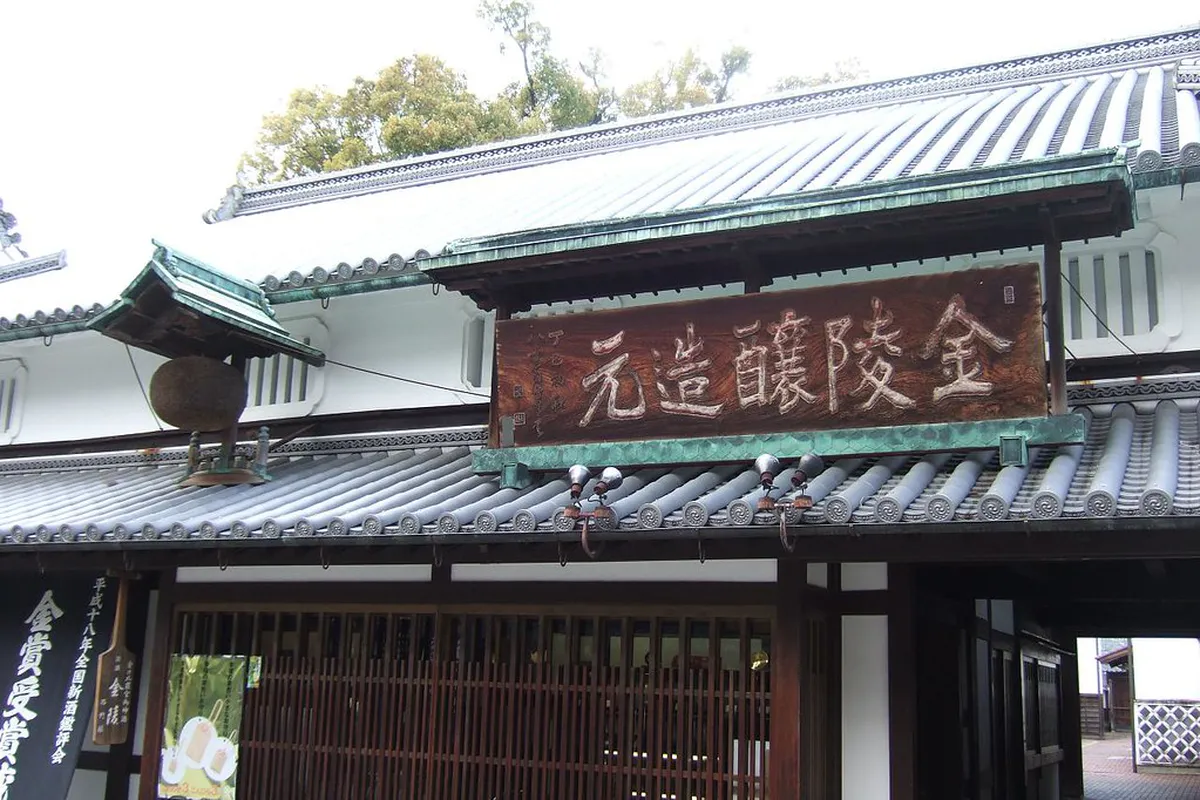
The museum sits at roughly the 22nd step of the Konpira-san approach, right in the heart of the main sightseeing corridor. Because entry is free and the visit can take as little as 20 minutes, it fits naturally into any shrine day itinerary. Travelers who pop in on impulse tend to stay longer than planned, drawn in by the scale of the brewing equipment.
The facility is self-guided throughout, with exhibit labels in Japanese and basic English signage to help international visitors. No reservation is required, and the casual atmosphere makes it an easy stop for families, solo travelers, and small groups alike.
Exhibits and Highlights Inside
The main exhibition traces the complete sake-making process, from rice polishing and fermentation to bottling and distribution. Large wooden fermentation vats, hand-operated pressing tools, and clay storage jars fill the main floor at an impressive scale. Photography is encouraged throughout, and the oversized equipment makes for striking images that need no special setup.
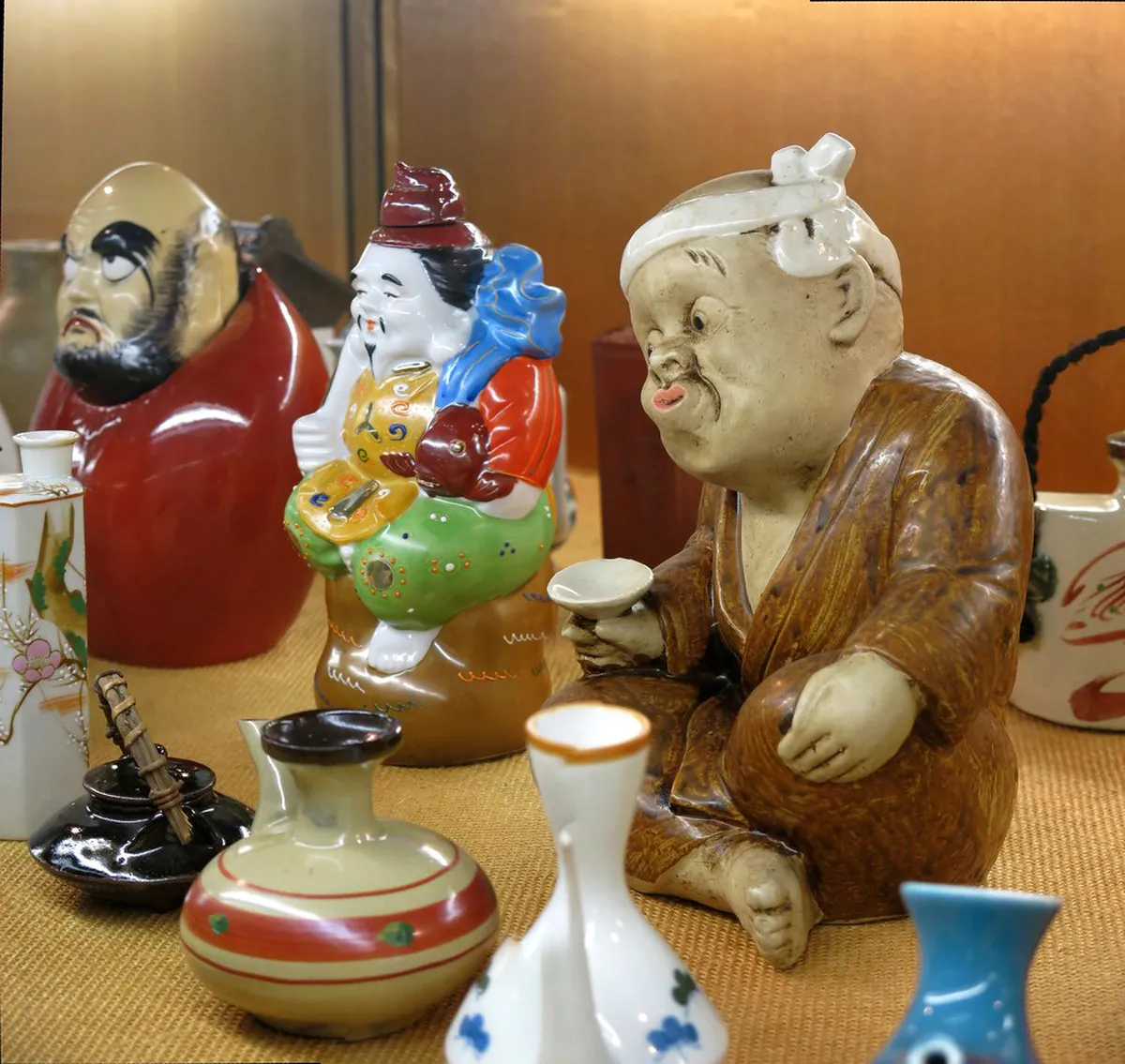
Beyond the brewing machinery, the museum displays traditional drinking vessels used by brewery workers and local merchants across several centuries. Old account ledgers, personal clothing, and hand-drawn maps of Kotohira give the exhibits a human quality that larger museums often lack. These details paint a picture of daily life inside a working Edo-era brewery, not just the industrial side of sake production.
Taken together, the exhibits build a complete picture of sake culture in Kotohira from production floor to social ritual. Visitors leave with a stronger sense of why Nishino Kinryo has endured for over two centuries in this corner of Shikoku.
- Traditional Fermentation Equipment
- Large wooden vats and clay jars display the full sake brewing workflow at scale.
- Original tools date back to the Edo period, when the Nishino family first established the brewery.
- Historic Sake Vessels
- Ceramic cups and serving vessels span several centuries of local craft tradition.
- Displays trace how serving styles shifted from formal banquets to everyday household meals.
- Brewer's Daily Life Displays
- Personal items, ledgers, and clothing reveal the daily routine of Edo-era sake workers.
- Hand-drawn maps of Kotohira show the brewery's original position within the town layout.
- Photography Welcome Throughout
- Visitors are free to photograph the exhibits and the traditional brewing atmosphere inside.
- The exhibit lighting and layout suit photography without any special gear needed.
Sake Tasting and the Museum Shop
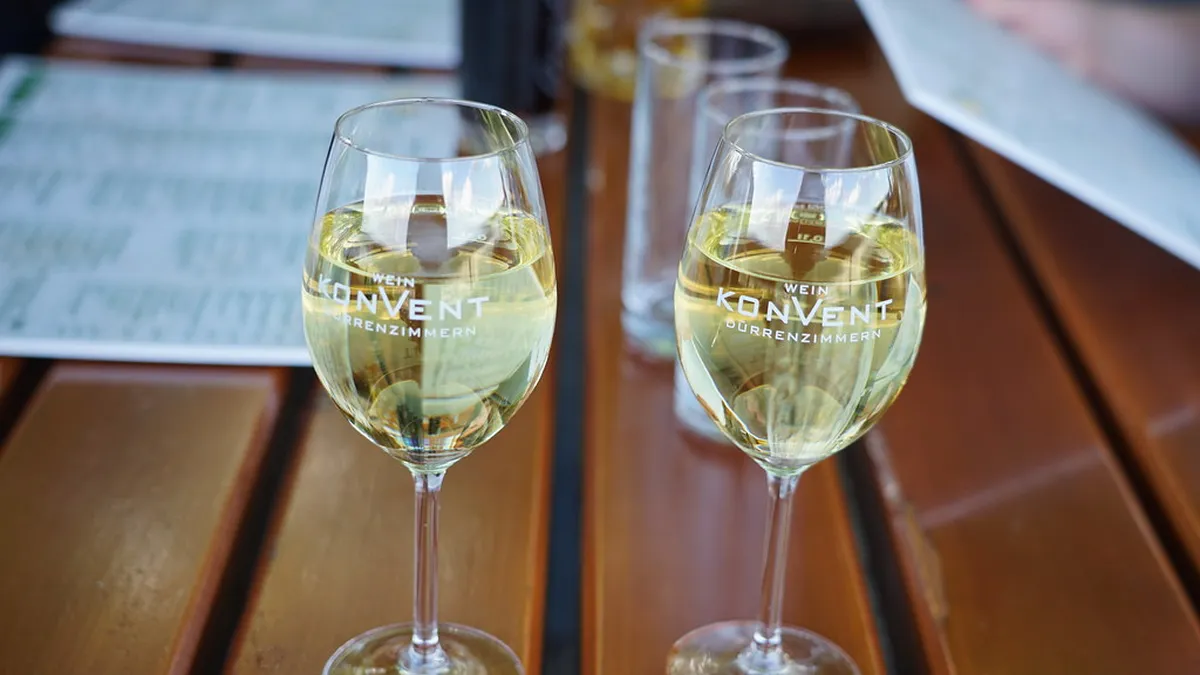
A tasting counter near the exit lets visitors sample Kinryo's current sake lineup before leaving. Standard tasting costs around 500 yen for three small cups, a fair price for a curated introduction to the brewery's range. Self-service tasting machines are also available, giving visitors full control over which varieties they try.
The gift shop stocks Kinryo sake in various grades and bottle sizes, from everyday table sake to premium junmai options. Ceramic sake cups, lacquerware, and local craft items line the shelves alongside the bottles, making it a strong spot for souvenir shopping. Tax-free purchasing applies to transactions over JPY 10,000, which is worth planning for if you intend to buy several bottles.
Staff at the shop are noted for being helpful and often speak enough English to guide visitors toward specific sake styles. Asking staff to wrap bottles securely is a smart move if you plan to carry sake on the train home.
Hours, Entry, and Tips for Visiting
The museum opens at 10:00 a.m. and closes at 6:00 p.m., with doors shut at 5:45 p.m. for last entry. It closes during summer and New Year holidays and may shut temporarily without advance warning. Confirming current hours on the official Kinryo museum page before traveling is a sensible precaution.
Admission is free, and no reservation is required for this entirely self-guided experience. Most visitors spend between 20 and 45 minutes inside, depending on how closely they engage with the exhibit labels. Arriving before 11 a.m. on weekdays tends to mean quieter galleries and shorter waits at the tasting counter.
There is no dedicated parking lot at the museum, so Kotohira Station is the cleanest arrival point. The station is roughly a 15-minute walk along the main shrine approach, with the museum appearing on your right around the 22nd step. For broader seasonal advice, our Kotohira timing guide covers crowd patterns and local event calendars across the whole town.
Pairing the Museum with Konpira-san
The Kinryo Sake Museum sits at the 22nd step of the Konpira-san approach, placing it right at the start of the climb. Most visitors heading up to Kotohiragu pass the museum entrance without noticing it at all. Building in a 20-minute stop before starting the ascent gives the whole day more cultural context and variety.
After the long climb, stopping at the tasting counter on the way back down feels genuinely rewarding. A practical approach is to view the exhibits on your way up and save the tasting session for your return leg. This two-direction logic splits the visit naturally and avoids rushing either the museum or the shrine.
Our complete Konpira-san steps guide covers timing, resting points, and key sights along the full approach. Cross-referencing that with the museum's closing time at 5:45 p.m. helps avoid a last-minute rush at the end of the day.
More to See Near Kotohira
Kotohira packs a surprising amount into a small area, and the Kinryo museum works well as a cultural opener for the other sights nearby. The Kanamaruza Kabuki Theater is Japan's oldest surviving kabuki stage, a short walk from the shrine approach. Built in 1835, it still hosts live performances each April and offers backstage tours throughout the year.
For a full overview of what the town offers, our Kotohira attractions guide lists the main sights with timing and access notes. Travelers arriving from Takamatsu or Matsuyama can plan an efficient day around the museum, shrine, and theater in a single visit.
If you're deciding how long to spend in Kotohira, our day trip guide breaks down the logistics by starting city. The town rewards those who slow down, but its compact layout also suits travelers on tight Shikoku itineraries.
Frequently Asked Questions
Is the Kinryo Sake Museum free to enter?
Yes, admission to the Kinryo Sake Museum is completely free and no reservation is required. Sake tasting costs around 500 yen for three small cups at the counter or via a self-service machine. The gift shop offers Kinryo sake and ceramics at standard retail prices.
What are the Kinryo Sake Museum opening hours?
The museum opens at 10:00 a.m. and closes at 6:00 p.m., with the last entry at 5:45 p.m. It is closed during summer holidays and New Year holidays, and temporary closures do occur. Always check the official museum website before visiting to confirm current hours.
Can I buy sake at the Kinryo Sake Museum gift shop?
The gift shop stocks Kinryo sake in multiple grades and bottle sizes, alongside ceramic cups and traditional crafts. Tax-free purchasing is available for transactions over JPY 10,000. Staff are typically helpful and can guide visitors toward specific sake styles using English.
Is the Kinryo Sake Museum worth visiting if I don't drink sake?
Definitely. The exhibits on Edo-era fermentation tools, historic drinking vessels, and brewer daily life are engaging even without tasting. Photography is encouraged throughout, and the museum's location on the Konpira-san approach means you pass it anyway. A 15 to 20-minute stop costs nothing to make.
The Kinryo Sake Museum is one of those Kotohira stops that rewards visitors more than its modest footprint suggests. Free admission, a brewing legacy stretching back to 1789, and a working tasting counter combine into an experience that feels genuinely complete. Even skeptical visitors tend to leave with a bottle or two from the gift shop.
Kotohira is a compact town that packs a surprising amount of cultural weight into its streets and steps. Whether you are a sake enthusiast or a first-time shrine visitor, the museum earns its place on the itinerary. Find more trip-planning resources for the whole area at Japan Activity's travel blog.
Free guide: Japan's Hidden Gems
12 under-the-radar places beyond Tokyo & Kyoto — with the best season to visit each and a local tip you won't find in the guidebooks.
You might also like

Continue reading
More guides you'll find useful