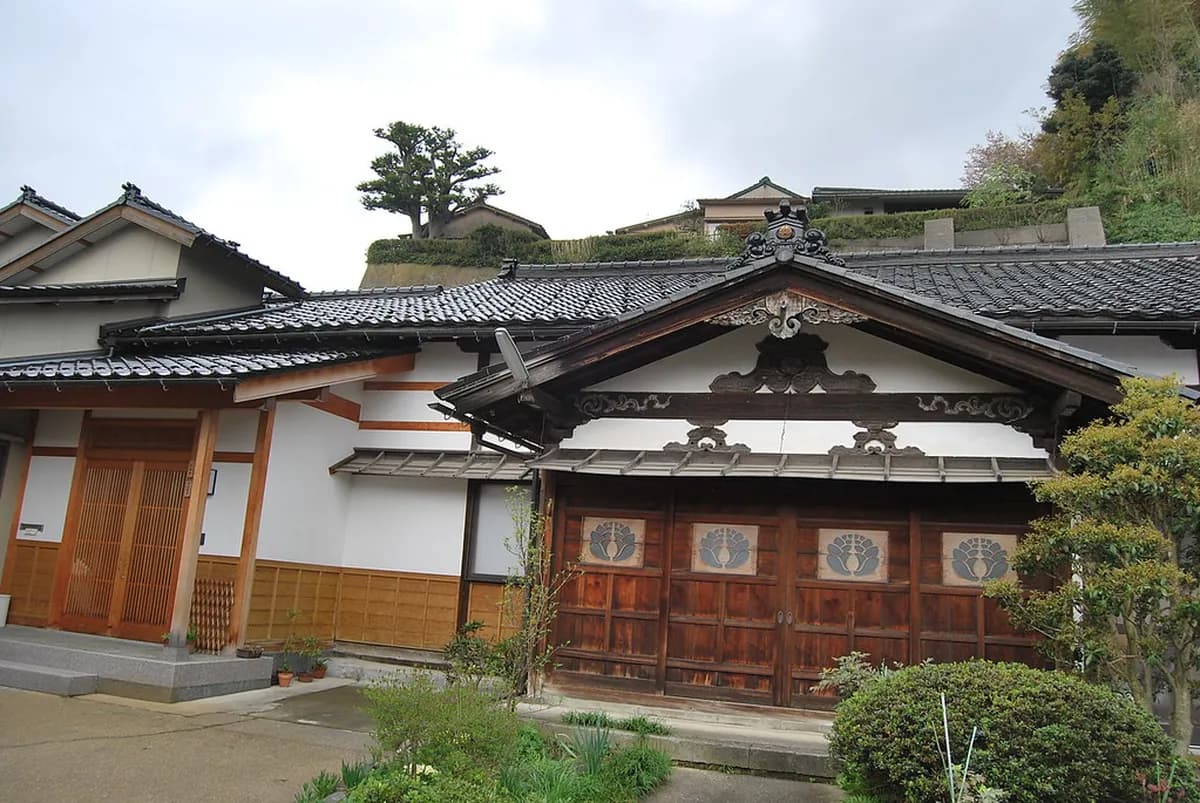
Myoryu-ji stands as one of the most intriguing historical sites and things to do in Kanazawa today. While many travelers call it the Ninja Temple, no actual ninjas ever lived within these walls. The name comes entirely from the building's deceptive architecture — hidden corridors, trapdoors, and concealed staircases that fooled enemies the same way a ninja would.
This structure served as a secret military outpost for the powerful Maeda Clan during the Edo Period. Its clever design allowed samurai to defend the city against potential invaders from the Tokugawa Shogunate, all while appearing to be an ordinary two-story temple from the street.
A reservation by phone is mandatory before you arrive — walk-ins are almost never accepted. This guide covers every logistical detail you need for 2026, from calling the booking line to navigating the Teramachi district afterward.
| Detail | Info |
|---|---|
| Address | 1-2-12 Nomachi, Kanazawa, Ishikawa 921-8031 |
| Hours | 09:00–16:30 (until 16:00 in winter); closed 1 January & memorial days |
| Admission | Adults ¥1,200 / Schoolchildren ¥800 (cash only) |
| Reservation | Phone mandatory: 076-241-0888 |
| Tour duration | Approx. 40 minutes |
| Language | Japanese guide + English binder provided |
| Children | Preschool-age not permitted |
| Photography | Strictly prohibited inside |
The Secret History of Myoryu-ji: Kanazawa's Hidden Fortress
The story of Myoryu-ji begins in 1643 when the third lord of the Kaga Domain, Maeda Toshitsune, relocated the temple to its current position in the Teramachi district. Japan had just been unified under the Tokugawa Shogunate, which viewed powerful regional lords with deep suspicion. The Shogunate banned defensive structures and restricted buildings to two stories — making any visible fortification an act of rebellion.
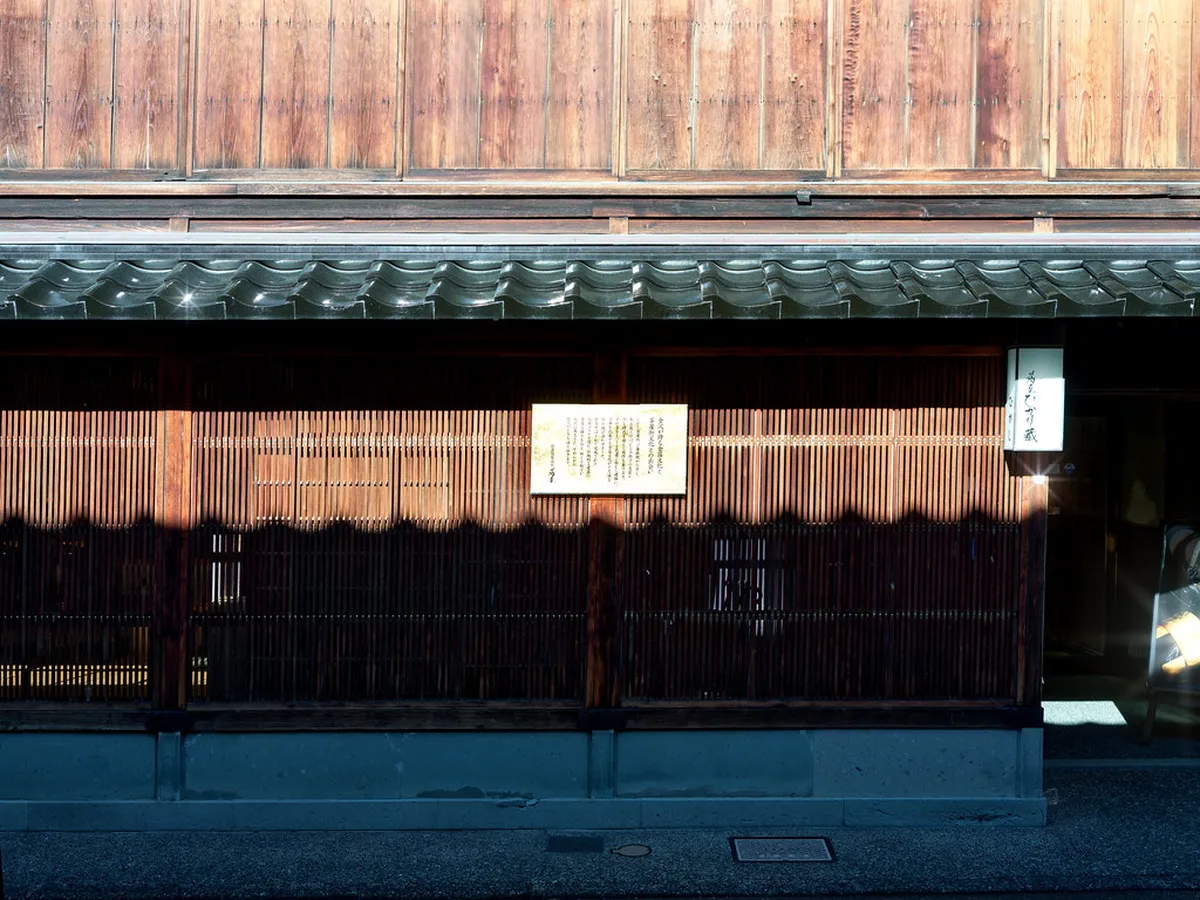
Maeda Toshitsune's response was architectural genius. He commissioned a building that appears as a simple two-story temple from the outside while actually containing four stories and seven distinct internal layers. A total of 23 rooms and 29 staircases are packed into the structure, making it a labyrinth that only trained defenders could navigate.
The "Ninja" nickname stems from these deceptive features, not from any historical presence of shadow warriors. The temple sits at the southern approach to Kanazawa Castle, functioning as a monitoring post that could alert the castle of enemy movement. It remains a rare intact example of how the Maeda Clan concealed military capability behind religious architecture.
Ultimately, the Tokugawa peace lasted 250 years and the Kaga Domain was never attacked. Myoryu-ji stands undamaged to this day, still operating as a functioning Nichiren school Buddhist temple — a living monument to a conflict that never came.
Top Architectural Highlights and "Ninja" Traps
The interior of Myoryu-ji is a catalogue of ingenious defensive mechanisms. The most dramatic is the trapdoor concealed beneath the main staircase. Intruders chasing defenders down the corridor would fall through the floor into a sealed pit roughly 2.5 meters deep, while the defender slid a nearby shoji screen shut — locking the trapdoor from above.
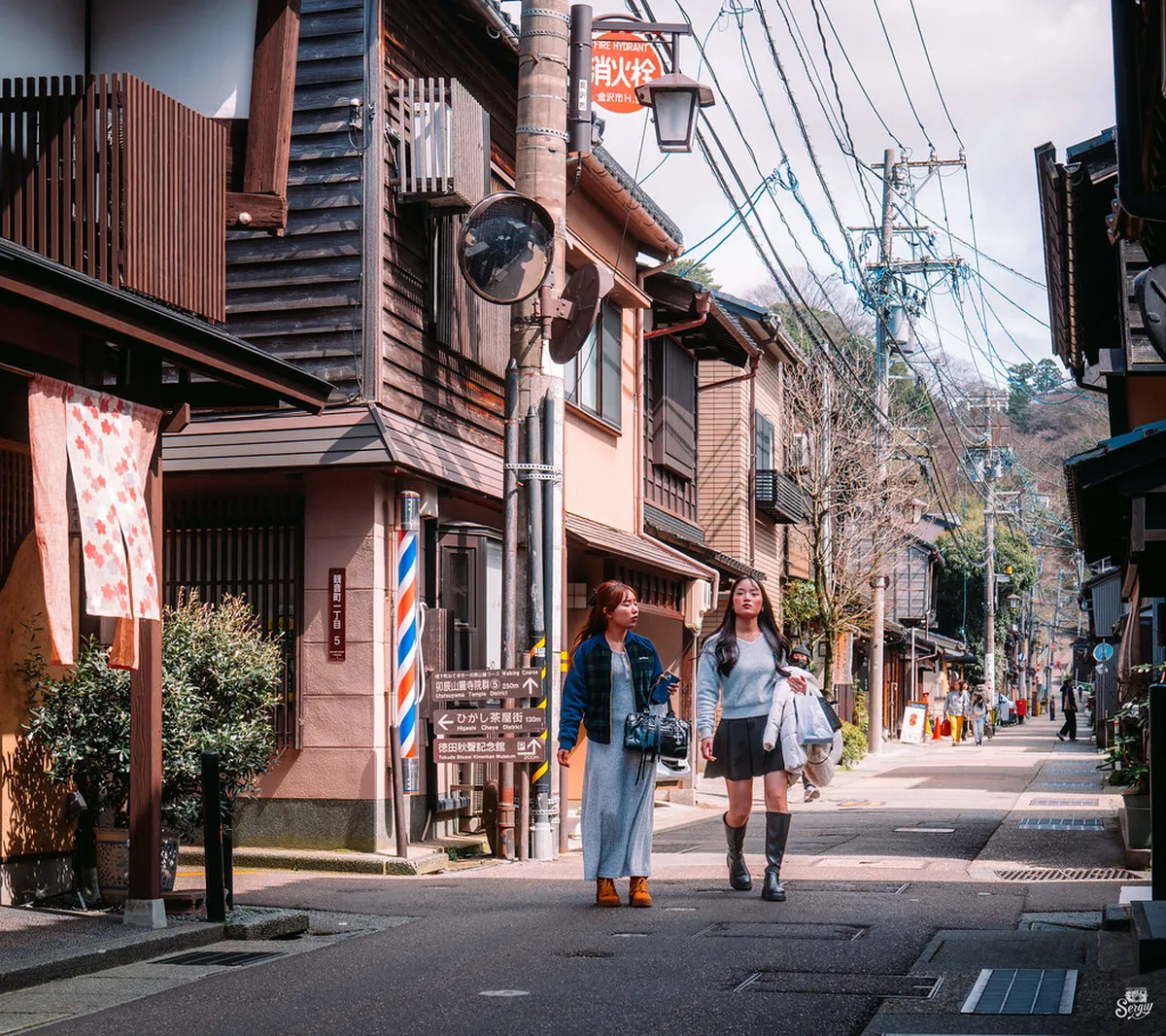
The offertory box at the main shrine entrance works on the same principle. Remove the inner box and a floor trap opens at the entrance, dropping unwanted visitors into a concealed room below. The "light stairs" use translucent shoji paper panels so guards below the staircase could see the shadows of enemy feet passing overhead — and attack upward with spears through the screens.
The 25-meter-deep well at the heart of the temple is one of its most discussed features. Near the bottom, a horizontal tunnel allegedly connects to a passage leading toward Kanazawa Castle across the Sai River — an escape route for the Maeda lords. Historians have never fully verified this claim, but the well itself is genuine and forms a centerpiece of the guided tour.
At the top of the building sits a watchtower that commands views across Kanazawa toward Kaga Plain. Guards here could send light signals to the castle to warn of approaching enemies. The tower is not open to independent exploration — it can only be seen as part of the guided tour.
The Seppuku Chamber: The Room That Was Never Used
One room that most visitors remember long after leaving is the seppuku chamber — a dedicated space for ritual suicide in the event the castle fell. It features a revolving door that can be opened from the outside but not from the inside. Once a samurai entered to perform the ritual, the door sealed, preventing either escape or outside interference.
Because the Kaga Domain was never attacked, the room has never been used. The four tatami mats inside remain in their original, unblemished condition after nearly 400 years. Standing in the doorway and looking at those four clean mats is one of the quietest, most affecting moments on the tour.
No competitor guide covers this room in any detail, yet guides consistently highlight it as one of the few spaces in Japan where the full psychological weight of the samurai code of honor is still physically present. It takes about 30 seconds of standing there to understand why Myoryu-ji is remembered so vividly by visitors.
Essential Myoryu-ji Visitor Guide: How to Make a Reservation
Reservations are mandatory and must be made by calling the temple directly at 076-241-0888. The line is open roughly 08:30–16:00 Japan Standard Time. There is no online booking system as of 2026. Same-day reservations are possible if a slot is open, but the temple fills quickly in cherry-blossom (late March–April) and autumn-foliage (October–November) seasons — call as soon as you know your travel dates.
Non-Japanese speakers should not be intimidated. English-speaking staff are available on the phone. Open the call with "Yoyaku onegaishimasu" (I would like to make a reservation) and have your name, group size, and preferred date and time slot ready. The staff will confirm availability and give you a specific time to arrive.
If you prefer not to call yourself, ask your hotel concierge to book on your behalf — this is the most reliable workaround for solo travelers unfamiliar with Japanese phone etiquette. Be aware that lateness is treated as a cancellation: arrive at least 10 minutes before your slot to pay your admission (cash only — no cards or IC payments accepted).
For the most current schedule and any closure dates, check the Myoryuji Official Site before you call. The temple closes on January 1st and on specific Buddhist memorial service days that vary by year.
Book your slot before your trip — not on arrival day. Cherry blossom season (late March–April) and autumn foliage (October–November) fill quickly. Your hotel concierge can call on your behalf if you prefer not to dial the Japanese phone line yourself.
Visitor Rules and Tour Logistics
Admission costs ¥1,200 for adults and ¥800 for schoolchildren. Payment is cash only — bring exact change if possible. Preschool-age children are not permitted on the tour due to the steep, narrow staircases and low doorways that pose genuine safety risks for small children. Elementary school age and older is the minimum.
Photography and video recording are strictly prohibited anywhere inside the building. Store large bags and backpacks in the designated area before entering. Remove your shoes at the entrance and carry them with you — the floors are historic wooden boards, so socks are strongly recommended for comfort and grip on the steep stairs.
Tours run in Japanese, but the temple provides a detailed English-language binder that matches the guide's numbered presentation. The system works well: each mechanism has a number, and the binder explains it in English with diagrams. Most international visitors find they follow the tour without difficulty. The full tour takes approximately 40 minutes and covers all major floors and mechanisms.
Key rules to remember before you go: no late arrival (treated as no-show), no photography inside, no preschoolers, cash only. These are enforced consistently regardless of the season or group size.
Late arrival is treated as a no-show — arrive at least 10 minutes early. Payment is cash only (¥1,200 adults, ¥800 schoolchildren) — no credit cards or IC cards are accepted. Photography is strictly prohibited anywhere inside the building.
Getting to Myoryu-ji: Access and Location
Myoryu-ji sits in the Teramachi district at 1-2-12 Nomachi, Kanazawa — a quiet neighborhood that once housed over 70 temples as a deliberate southern buffer zone for the castle. The easiest approach from Kanazawa Station is the Kanazawa Loop Bus (Left Loop LL or Right Loop RL), alighting at the Hirokoji stop. From there it is a five-minute walk through narrow temple streets to the gate.
The Kenrokuen Shuttle bus follows a similar route and accepts the same day pass. A day pass for the city loop bus system costs ¥600 and is the most cost-effective option if you are combining Myoryu-ji with Kenrokuen Garden or the Higashi Chaya district in the same day.
If you are walking from the Nagamachi Samurai District, the temple is roughly 20 minutes on foot — cross the Sai River and follow the temple-lined street south. This is one of the more scenic approaches and puts the castle-escape tunnel legend into geographical context as you cross the water. Driving is possible but parking near the temple is extremely limited; public transport or taxi is strongly recommended.
Exploring the Teramachi District and Nearby Spots
After your tour, the Teramachi district rewards a slow walk. The "Temple Town" contains more than 70 temples in close proximity, and the stone-paved back streets between them are among the quietest in Kanazawa. Save at least 30 minutes to wander without a destination.
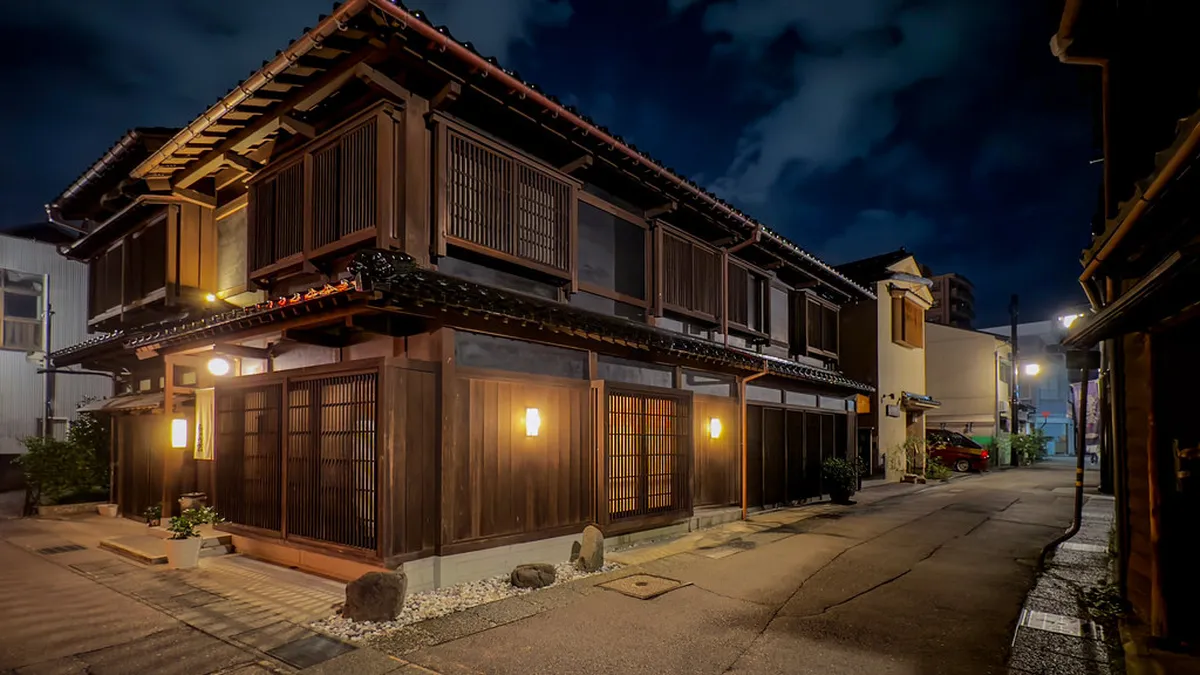
A few blocks from Myoryu-ji is the Nishi Chaya District, one of Kanazawa's three historic temples and neighborhoods. The wooden geisha houses here date back 200 years and line stone-paved streets that have barely changed since the early 19th century. It is smaller and quieter than the Higashi Chaya District to the north — which makes it better for an unhurried visit in the afternoon.
Shijimaya Honpo, located about 10 minutes' walk from Myoryu-ji at 1-17-28 Yayoi, is a recommended stop for traditional Kanazawa food. The shop sells kabura-zushi (fermented turnip sushi) and other local preserved foods, and with a reservation you can view Japanese swords hundreds of years old that have been in the owner's family for generations. It is an unusual cultural experience that extends the samurai theme naturally from the temple visit.
For a full half-day, combine Myoryu-ji in the morning with a walk through Nagamachi Samurai District in the early afternoon. The two sites are thematically linked — the Ninja Temple was the outer defense line, and Nagamachi was where the samurai who would have used it actually lived. Seeing both on the same day makes the Edo Period defensive logic tangible in a way that neither site achieves alone. This pairing is one of the best one day in Kanazawa options available.
Is the Ninja Temple Worth It? Review and Tips for 2026
Most travelers rank Myoryu-ji among the top three experiences in Kanazawa, ahead of sites that are easier to visit. The reason is simple: unlike most historic temples where you observe from a distance, here a guide physically demonstrates each mechanism while you are standing next to it. The trapdoor opens, the offertory box lifts out, the hidden staircase appears. It is consistently more engaging than the description suggests.
The mandatory reservation is the biggest practical hurdle and the most common reason visitors miss the temple entirely. Book before your trip, not on arrival day. If you have mobility concerns, note that the tour involves steep stairs, low doorways, and no elevators — contact the temple when booking to ask which parts of the route are accessible.
Morning slots (09:00–10:30) tend to be smaller groups, which allows the guide more time at each mechanism and gives you more space in the cramped rooms. Pick up an omamori (protective amulet) or a goshuin (temple stamp) on the way out — the Ninja Temple sells unique designs including a dog-faced omamori and a traditional gourd-shaped charm that are specific to this site and not available elsewhere in Kanazawa.
Check the Ishikawa Prefecture Official Travel Guide for seasonal events in Teramachi that might coincide with your visit. The weeping cherry blossoms on the temple grounds in late March are genuinely photogenic from the exterior — the one opportunity for photography the rules allow.
Frequently Asked Questions
How do I make a reservation for the Ninja Temple in Kanazawa?
You must call the temple directly at 076-241-0888 to book your tour. Reservations are mandatory and should be made at least a few days in advance. If you cannot speak Japanese, ask your hotel concierge to assist with the booking process for your group.
Is Myoryu-ji actually related to ninjas?
No, ninjas never lived or trained at Myoryu-ji. The name comes from the temple's deceptive architecture, which includes trapdoors and hidden stairs similar to those found in ninja houses. It was actually a secret defensive outpost for the samurai of the Maeda Clan.
Can children visit the Myoryu-ji Ninja Temple?
Children of elementary school age and older are welcome to join the tour. However, the temple does not allow preschoolers or younger children due to safety concerns. The steep staircases and low ceilings are not suitable for small children or strollers.
How long is the guided tour at Myoryu-ji?
The guided tour typically lasts between 40 and 50 minutes. During this time, a guide will lead you through the various levels and explain the defensive traps. You should arrive at least 10 minutes before your scheduled slot to check in.
Is there an English tour available at the Ninja Temple?
The tours are conducted in Japanese, but the temple provides excellent English guidebooks. These books contain diagrams and explanations that correspond to the guide's presentation. Most international visitors find this system very easy to follow while exploring Kanazawa history.
Myoryu-ji offers a unique perspective on Japanese history that goes beyond the typical temple experience. Its combination of religious beauty and military ingenuity makes it a standout attraction in Kanazawa.
By following this guide, you can successfully navigate the booking process and enjoy the architectural wonders of the site. Remember to respect the strict rules and take your time exploring the surrounding Teramachi district.
A visit to the Ninja Temple is more than just a tour; it is a journey into the secretive world of the samurai. Plan your visit today to see one of Japan's most clever historical fortresses for yourself.
To verify current details, consult the Myoryu-ji (Ninja Temple) official site and Myoryu-ji (Ninja Temple) on Wikipedia.