
Discover the spiritual heart of Takachiho with this comprehensive amano iwato shrine visitor guide. This guide helps you navigate the ancient wonders and mythical landscapes. You can explore sacred sites steeped in Japanese legend.
Amano Iwato Shrine and the nearby Amano Yasukawara offer a unique cultural experience. They tell the tale of Amaterasu, the sun goddess, and her retreat into a cave. Understanding this mythology truly enriches your visit to these profound locations.
Prepare for your journey with practical tips on planning, what to see, and how to make the most of your time. This guide ensures a smooth and memorable exploration of Takachiho's divine heritage. You will find essential details for every step of your adventure.
Let us help you uncover the magic of these revered places. We provide insights to enhance your understanding and appreciation. Experience the tranquility and spiritual depth of this extraordinary region.
Amano Iwato Shrine Takachiho Miyazaki
Amano Iwato Shrine in Takachiho, Miyazaki, is a site of immense spiritual significance. It enshrines Amaterasu Omikami, the sun goddess, who is central to Japanese mythology. The shrine is divided into two main parts: Nishi Hongu (West Shrine) and Higashi Hongu (East Shrine), on opposite banks of the Iwato River.
Nishi Hongu is the main worship hall and where nearly everyone starts. Near the entrance stands a statue of Ame-no-Tajikarao, the deity of strength, shown hoisting the boulder he is said to have wrenched from the cave mouth. From the shrine office, staff can arrange a short priest-led purification, after which you're allowed through a normally locked door to a viewing spot at the rear of the shrine grounds — the only sanctioned way to look across the gorge toward the actual cave, Ama-no-Iwato, where Amaterasu hid.
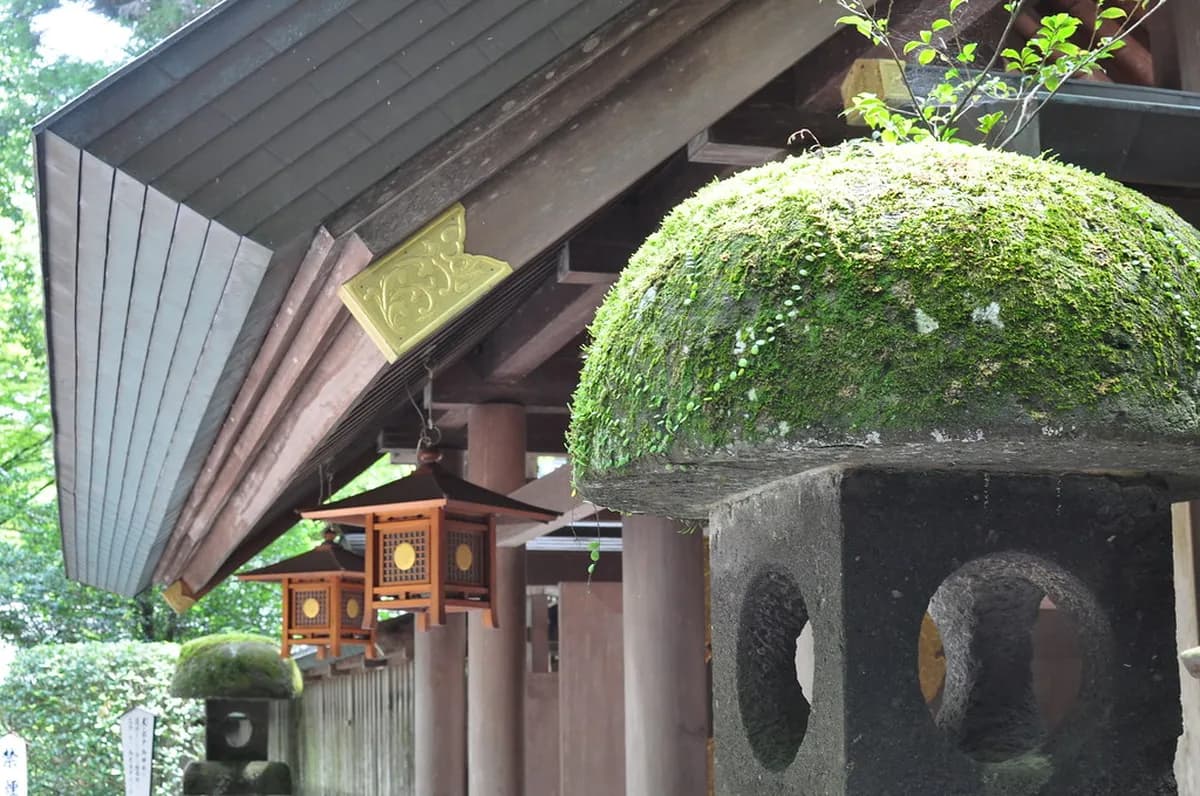
Higashi Hongu, across the river, marks Amaterasu's former residence and sees far fewer visitors. It's a quieter half-hour add-on for anyone who wants a calmer stretch of the grounds. In the Nishi Hongu courtyard, look for the old Ogatama tree (Michelia compressa), its trunk furred with moss — it's used as a stand-in sacred tree in regions where the more common Sakaki won't grow, and its berries are said to resemble the handbells priests use in Shinto rituals.
The shrine grounds are beautifully maintained, offering a serene environment for reflection. There are no restrooms directly at Amano Yasukawara, but facilities are available near the main Amano Iwato Shrine. The address is 1073-1 Iwato, Takachiho, Nishiusuki District, Miyazaki 882-1621, Japan.
The Two Caves: What You Actually See at Amano Iwato
First-time visitors routinely mix up two different caves, and it changes what you should expect from a visit. The cave everyone photographs — the one filled with stacked stones — is at Amano Yasukawara, a 10-minute walk downstream from the main shrine. That's not where Amaterasu hid. It's the cave where the myriad gods are said to have gathered to plan her return.
The actual hiding place, Ama-no-Iwato, sits directly behind Nishi Hongu across the gorge, sealed off by dense foliage and, in the myth, by the boulder Ame-no-Tajikarao tore away. No one may enter it, and photography of it is not permitted, even from the designated viewing spot. What you'll see, after purification, is a dark gap in the trees on the far bank — evocative, but not a photo opportunity.
Practically, that means if a photograph of "the cave" is the goal, plan your time around Amano Yasukawara, not the main shrine's viewing platform. If the mythology and the ritual matter more to you than the photo, budget the extra 10–15 minutes for the priest-led viewing at Nishi Hongu — it's the only way to stand where the legend is actually set.
What Is Amano Yasukawara? A Sacred Site Steeped in Takachiho Mythology
Amano Yasukawara is a mythical cave shrine deeply connected to the Amaterasu legend. It is said to be where the eight million deities gathered to discuss how to entice Amaterasu from her hiding place. This makes it a profoundly sacred location. The cave measures approximately 40 meters wide and 30 meters deep.
Within the cave, Amano Yasukawara-gū Shrine enshrines Omoikane-no-kami and the eight million deities. This shrine adds to the spiritual weight of the site. The natural setting creates a powerful, ethereal atmosphere. Many visitors feel a strong sense of reverence here.
The path to Amano Yasukawara from the main Amano Iwato Shrine is a peaceful 10-minute walk along the Iwato River. This short, calming walk takes you through a beautiful forest. Enjoy the serene surroundings as you approach the cave. You may pass small cafes with forest views.
Understanding the mythology enhances your visit to Amano Yasukawara significantly. Knowing the story of the gods' meeting transforms it from just a cave into a vibrant piece of history. This site truly brings ancient Japanese tales to life. It offers a unique connection to spiritual traditions.
Best Time of Day and Seasonal Highlights at Amano Yasukawara
Visiting Amano Yasukawara in the early morning or late afternoon often provides the most tranquil experience. Fewer crowds allow for a more peaceful reflection within the sacred cave. The soft light during these times also creates beautiful photographic opportunities.
The way light streams into the cave entrance is a unique sight, especially during specific times of day. This natural illumination highlights the stacked stones, adding to the mystical ambiance. Aim for clear weather to best appreciate this effect. Overcast days can make the cave darker.
Spring (March to May) and autumn (September to November) offer pleasant weather for exploring Amano Yasukawara. The moderate temperatures make the walk comfortable and enjoyable. Spring brings fresh greenery, while autumn showcases vibrant fall foliage.
Summer can be hot and humid, leading to larger crowds, especially during school holidays. Winter offers a quieter visit, though it can be chilly. Dress in layers if visiting in cooler months. Checking visitor notices before you go helps you prepare for any seasonal changes.
The Cave and Stacked Stones: What to See at Amano Yasukawara
The most striking feature of Amano Yasukawara is the main cave itself, Gyōboga-iwaya. Its impressive dimensions, about 40 meters wide and 30 meters deep, create a natural sanctuary. The sheer scale of the cavern is awe-inspiring. It provides a natural shelter for the shrine.
Thousands of stacked stones line the riverbed and fill the cave entrance. These stone stacks are offerings from visitors, symbolizing prayers and wishes. Each stack represents a personal connection to the sacred site. They create a visually unique and moving landscape.
Observe the small Amano Yasukawara-gū Shrine nestled within the cave. This humble shrine is the heart of the site, dedicated to the deities. Take a moment to appreciate its simplicity and spiritual power. It serves as a focal point for reverence.
The stacks aren't permanent. Come spring snowmelt, the river regularly rises high enough to wash entire towers away, and locals say the shrine's own priests have watched decades of them come and go. New stacks reappear within days, added by whoever visits next — it's less a fixed monument than a living, constantly rebuilt record of prayers.
The overall atmosphere inside the cave is one of profound peace and mystery. The natural light filtering in, combined with the countless stone offerings, creates a truly unique environment. Photography is generally permitted here (unlike at the sealed Ama-no-Iwato cave across the gorge), but always be respectful of others. Maintain a quiet demeanor during your visit.
Yokagura: The Nightly Dance vs. the Annual Ritual
The myth doesn't just live in the stones — it's re-enacted, and knowing which performance you're watching matters. Every night at 20:00, Takachiho Shrine in town stages a 50-minute Yokagura: four dances, performed by trained local amateurs, retelling how Ame-no-Uzume's dance lured Amaterasu out of hiding. It's the version almost every visitor sees, and booking a seat ahead of arrival is worth doing in peak season.
What most travelers never catch is the full ritual. Once a year, in November, Amano Iwato Shrine itself hosts the complete 33-dance Yokagura, an all-night performance running six to eight hours, right on the ground where the legend is set. Locals who've trained for years perform in rotation through the night — it's a wholly different scale of experience from the nightly abridged version in town, and it only happens on that one date.
For most itineraries, the nightly 50-minute show is the realistic choice — it fits into a single evening and still delivers the core story. Travelers building a trip specifically around Takachiho's mythology, or returning for a second visit, are the ones who plan around the November date instead.
How to Plan a Smooth Visit: Access, Parking, and Budget Tips
Amano Iwato Shrine sits about a 15-minute drive or infrequent local bus ride east of central Takachiho; a rental car or taxi is the easiest way in, since bus schedules are sparse. Arriving before 9:00 AM avoids the tour-bus crowds and gives softer light for photos. From the parking area it's a short, level walk of roughly 100 meters to the shrine itself, passing a couple of small cafes with forest views — an easy stretch for kids or anyone with limited mobility. The onward walk to Amano Yasukawara adds about 10 minutes each way along a gently uneven riverside path; allow 45 minutes to an hour total for both stops, plus time for the purification and cave viewing if you add that on.
The shrine's own lot charges a flat parking fee, but free parking is available a few minutes further down the road — worth the short extra walk if you're keeping costs down. Entry to the shrine grounds, the walk to Yasukawara, and the priest-led viewing itself are all free; the only real expense here is transport. Bring cash regardless: smaller shops and rural stops rarely take cards.
There are no restrooms at Amano Yasukawara, so use the facilities near the main shrine before setting out. Pair the visit with Takachiho Gorge a short drive away — its rowboat rentals and waterfall views make a natural second stop on the same day, and combining the two keeps a half-day itinerary from feeling rushed.
Layer for the season: spring and autumn are mild and the most comfortable for the walk, summer is hot, humid, and busier with school-holiday crowds, and winter is quiet but cold enough to want a jacket even if the daytime forecast looks mild.
Frequently Asked Questions
What is the best time of year to visit Amanoyasukawara?
The best time to visit Amano Yasukawara is during spring (March-May) or autumn (September-November). These seasons offer pleasant weather for walking and exploring. You will also experience fewer crowds compared to the peak summer months.
What is the story of Amanoiwato shrine?
Amano Iwato Shrine is central to the myth of Amaterasu Omikami, the sun goddess. She hid in the Ama-no-Iwato cave after an argument with her brother Susanoo. This plunged the world into darkness, prompting other gods to devise a plan to entice her out. The story is a foundational tale in Japanese mythology.
What is the significance of the cave at Amanoyasukawara?
The cave at Amano Yasukawara is significant because it is believed to be where the eight million deities gathered. They convened to discuss how to bring Amaterasu out of her hiding place. This makes it a highly sacred site for worship and reflection. The piled stones are offerings from visitors.
How do you get to Amanoyasukawara?
You can reach Amano Yasukawara by taking a 10-minute walk from the main Amano Iwato Shrine. The walk is peaceful and follows the Iwato River through a scenic forest path. Parking is available near the main shrine complex. Public buses also serve the Takachiho area, offering routes to the shrine. For more on Takachiho, see our Takachiho guide.
Exploring Amano Iwato Shrine and Amano Yasukawara offers a profound journey into Japanese mythology and spirituality. Knowing which cave is which — the photographable stone-stacked grotto at Yasukawara versus the sealed, no-photography cave behind the main shrine — changes how you plan the visit and what you'll actually come away with.
Time it around the nightly 50-minute Yokagura at Takachiho Shrine for a realistic evening plan, or the full all-night November ritual at Amano Iwato itself if the mythology is the whole point of your trip. Either way, budget 45 minutes to an hour for the shrine and the walk to Yasukawara, and pair it with Takachiho Gorge for a complete half-day.
Takachiho is a region where history, myth, and nature converge beautifully in 2026 as it has for generations. Your visit to these sacred sites, done with a little advance planning around the caves and the parking, will be one of the highlights of a Japan trip.
For authoritative information, refer to the Amano Iwato Shrine on Wikipedia and Amano Iwato Shrine official site.
Related Takachiho guides: Takachiho yokagura guide and Takachiho itinerary.