
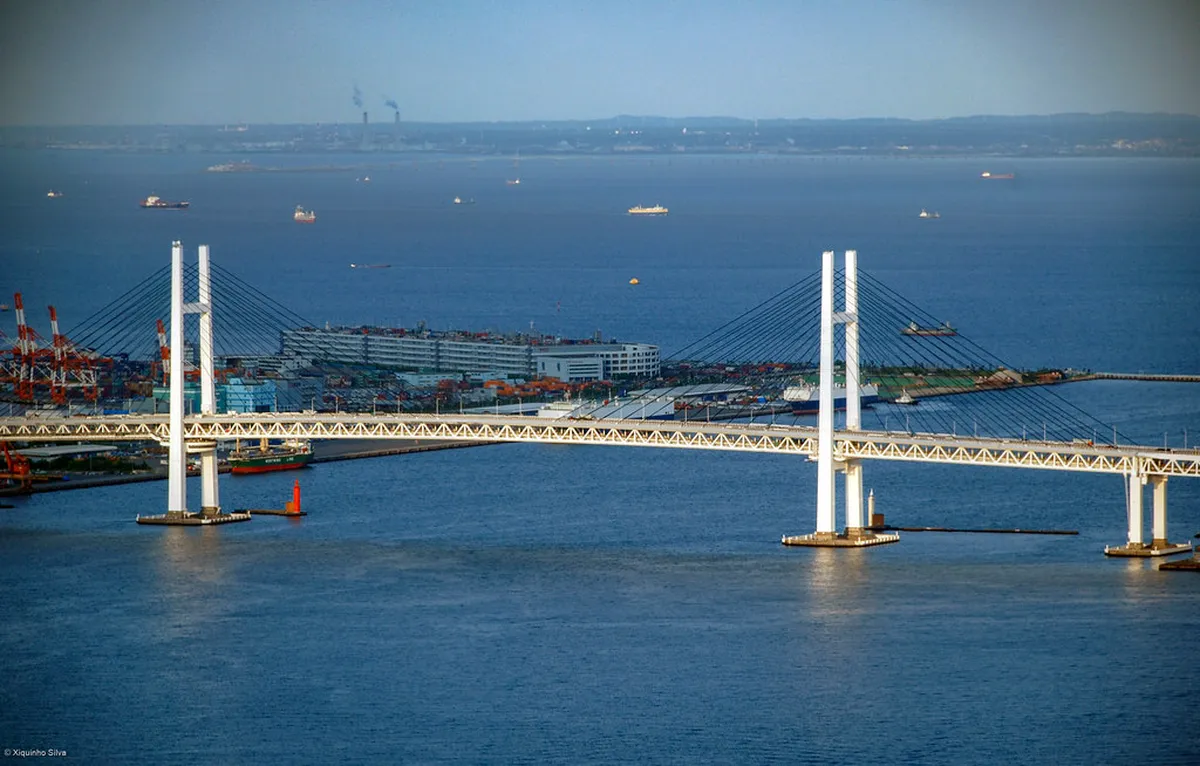
Yokohama Chinatown
Yokohama Chinatown is Japan's largest Chinatown, a free-to-explore public district in Yokohama's Naka Ward packed with over 400 Chinese restaurants, shops, and food stalls framed by 10 ornate paifang gates.
Visitor guide →
Discover the 10 best things to do in Yokohama in 2026 — top tourist attractions by neighborhood and category, free vs paid sights, suggested itineraries, transport, and FAQs.
Yokohama is Japan's second-largest city and one of the most rewarding day trips from Tokyo, sitting just 25–30 minutes south by train. When the port was forced open to foreign trade in 1859, Yokohama became Japan's window on the world — and that legacy still defines its attractions today. You feel it in the largest Chinatown in Japan, in the seaside park laid out for international liners, in the red-brick customs houses on the harbor, and in the gleaming Minato Mirai skyline that grew up around the old docks. It is a city built for walking the waterfront.
What makes Yokohama's attraction landscape unusual is the balance of free and paid sights. You can spend an entire day wandering Chinatown's gate-framed streets, strolling the Minato Mirai promenade, browsing the Red Brick Warehouse and watching ships from Yamashita Park without paying a single yen — then choose a paid headline experience or two to anchor the trip. That mix makes Yokohama flexible for every budget, from a free half-day escape to a family weekend at Hakkeijima Sea Paradise. In this 2026 guide we've narrowed the field to the 10 attractions that consistently reward the time and the ticket price. Each card below links to a full visitor guide with verified opening hours, current 2026 pricing, and practical tips; the sections that follow group these sights by neighborhood and category, lay out itineraries, and answer the questions first-time visitors ask most.
Planning a wider trip? See our Japan travel guide, the things to do in Yokohama guide, and getting around Japan.
Yokohama Chinatown is Japan's largest Chinatown, a free-to-explore public district in Yokohama's Naka Ward packed with over 400 Chinese restaurants, shops, and food stalls framed by 10 ornate paifang gates.
Visitor guide →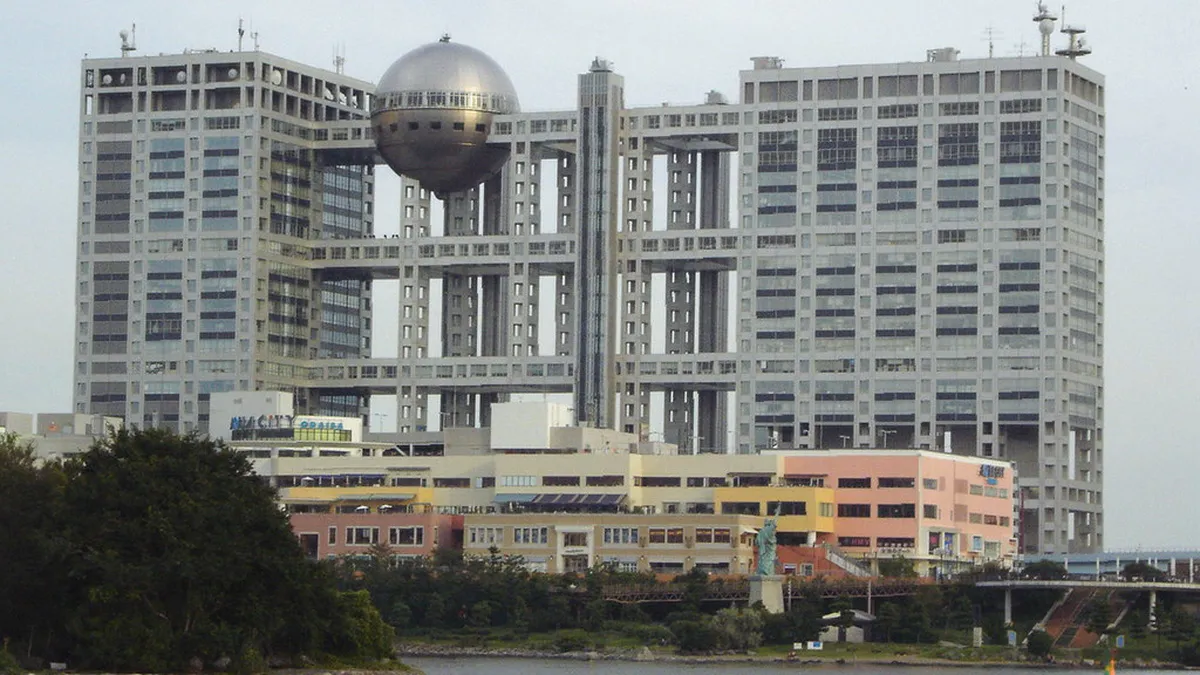
Minato Mirai 21 is Yokohama's futuristic central waterfront district, a free-to-explore harbor area blending skyscrapers, shopping malls, museums, and attractions like the Cosmo Clock 21 Ferris wheel and Cup Noodles Museum, with sweeping bay views best enjoyed at night.
Visitor guide →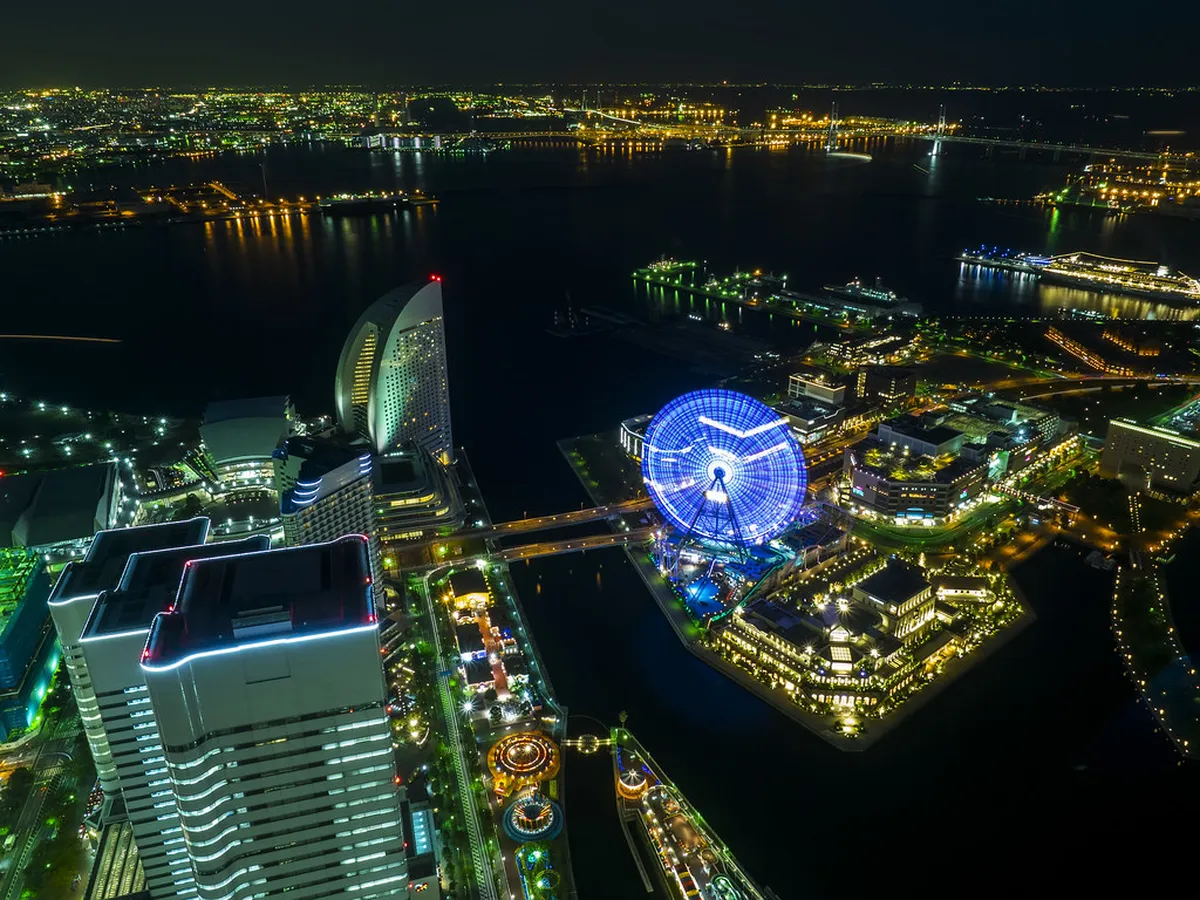
The Sky Garden on the 69th floor of Yokohama Landmark Tower is a 273-meter observation deck offering 360-degree views over Yokohama, Tokyo Bay, and Mount Fuji on clear days, reached by one of Japan's fastest elevators in about 40 seconds.
Visitor guide →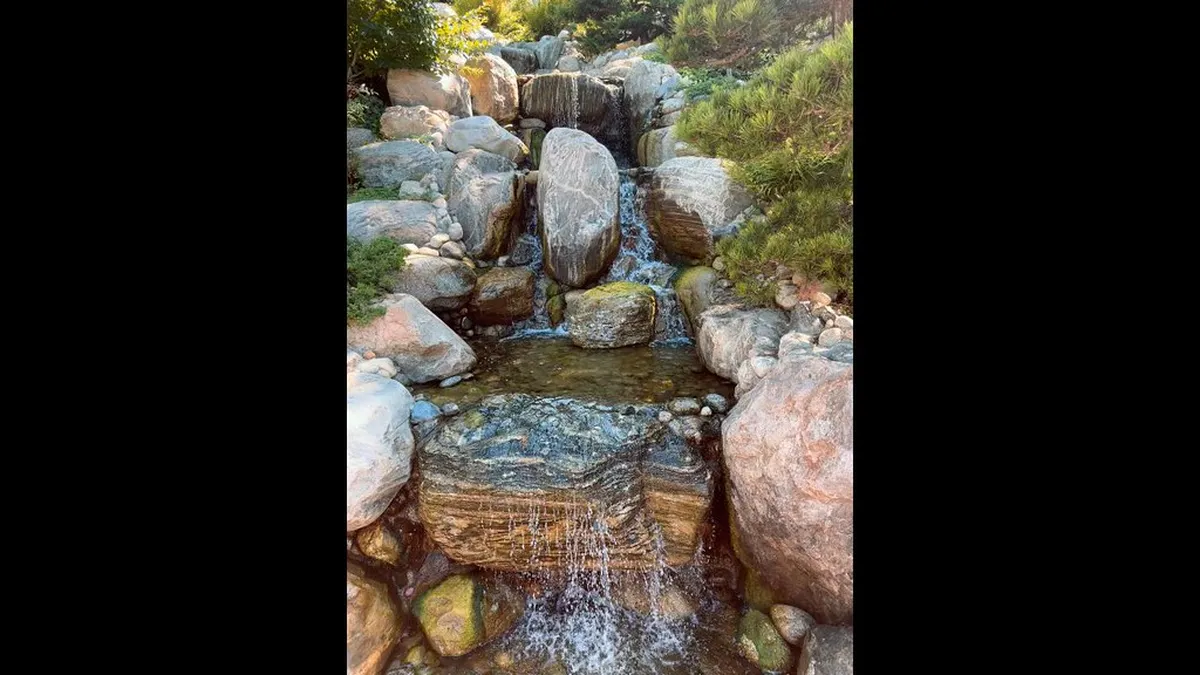
Sankeien Garden is a 175,000-square-meter traditional Japanese garden in Yokohama's Honmoku district, opened to the public in 1906 by silk trader Tomitaro Hara. Designated a National Place of Scenic Beauty, it weaves ponds, streams, and seasonal plantings with historic buildings relocated from Kyoto, Kamakura, Gifu, and Wakayama.
Visitor guide →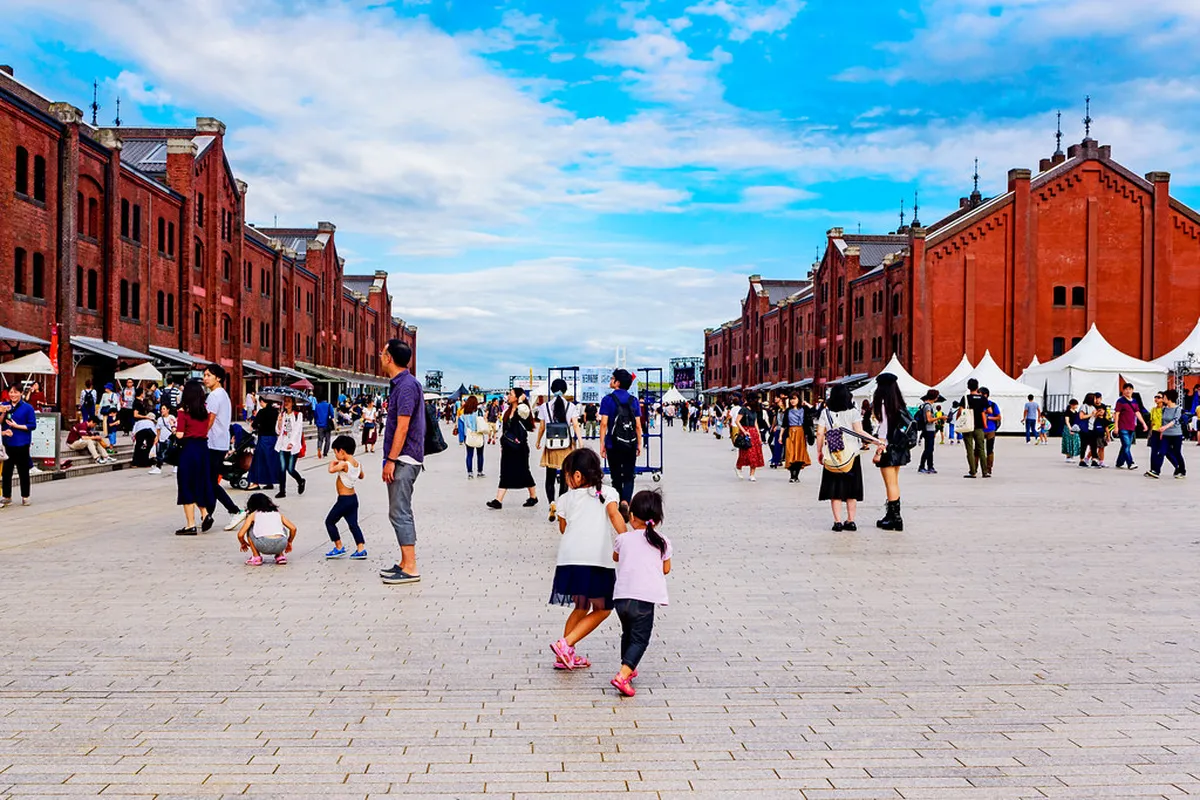
The Yokohama Red Brick Warehouse (Aka-Renga Soko) is a landmark waterfront complex in Yokohama's Shinko district, set inside two restored early-1900s customs buildings. Free to enter, it blends historic red-brick architecture with shops, restaurants, cultural halls, and a popular outdoor Event Plaza.
Visitor guide →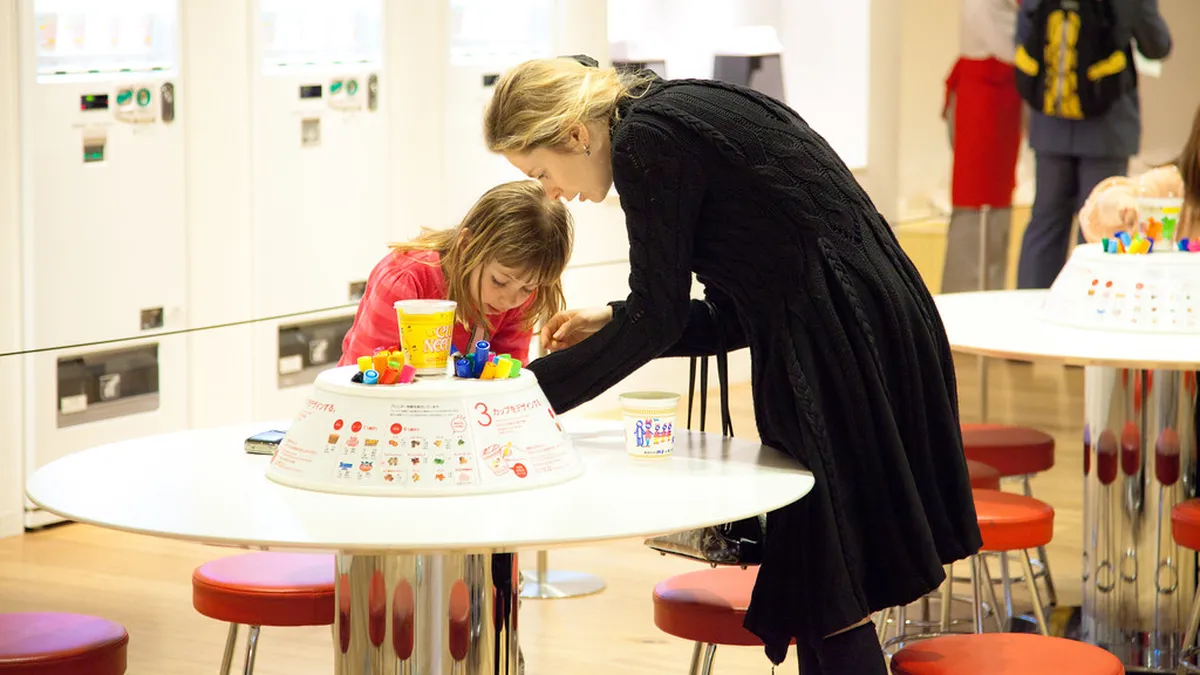
The CUPNOODLES Museum Yokohama is a four-story museum in the Minato Mirai waterfront district dedicated to instant noodles, Cup Noodles, and inventor Momofuku Ando, combining exhibitions on instant ramen history with hands-on workshops where visitors design their own custom Cup Noodles.
Visitor guide →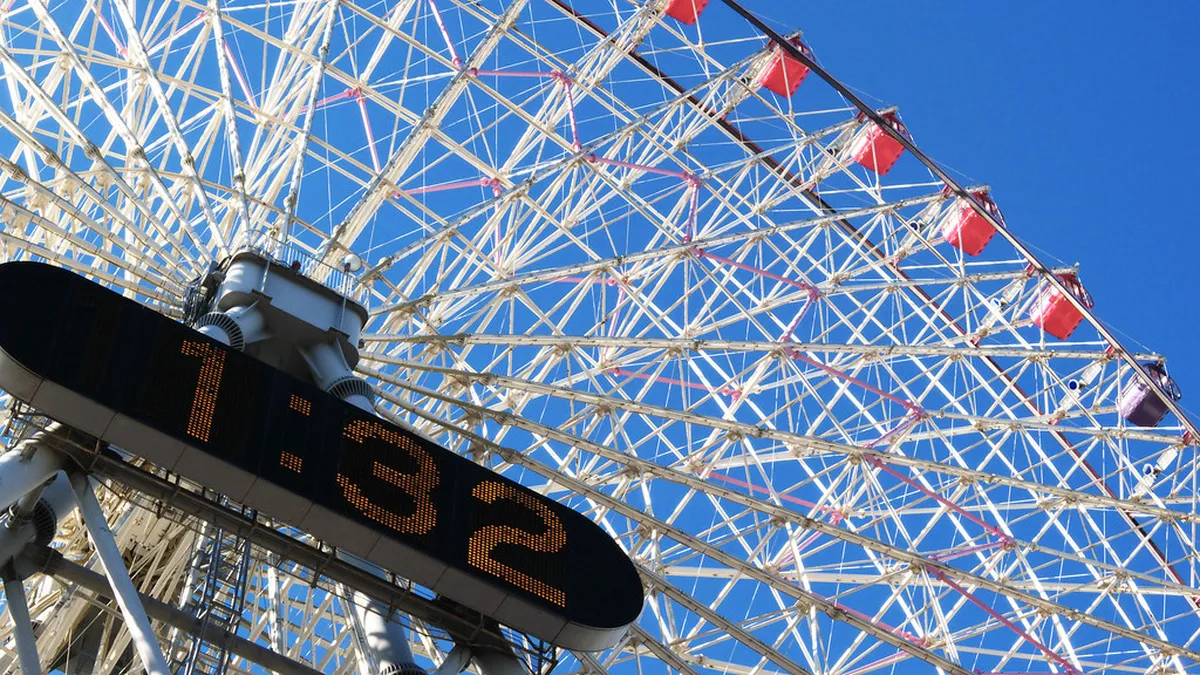
Yokohama Cosmo World is a free-entry urban amusement park in Yokohama's Minato Mirai 21 district, best known for the iconic 112.5-metre Cosmo Clock 21 Ferris wheel. Visitors pay per ride rather than a gate fee, choosing from attractions including the giant clock-faced wheel that delivers sweeping day and night views over Yokohama Bay.
Visitor guide →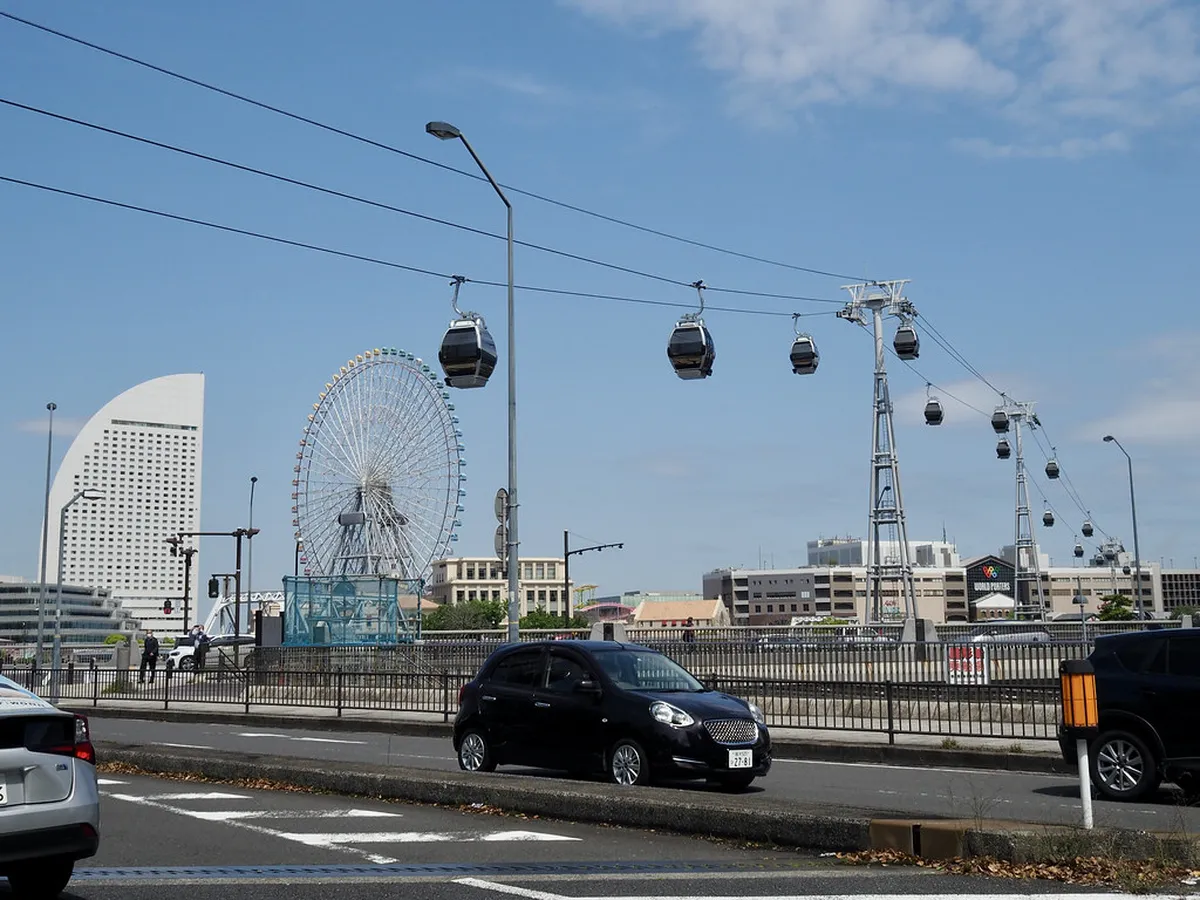
The Yokohama Air Cabin is a 629-meter urban gondola lift connecting Sakuragicho Station to the Minato Mirai waterfront, offering a roughly 5-minute aerial ride up to 40 meters above Yokohama's harbor.
Visitor guide →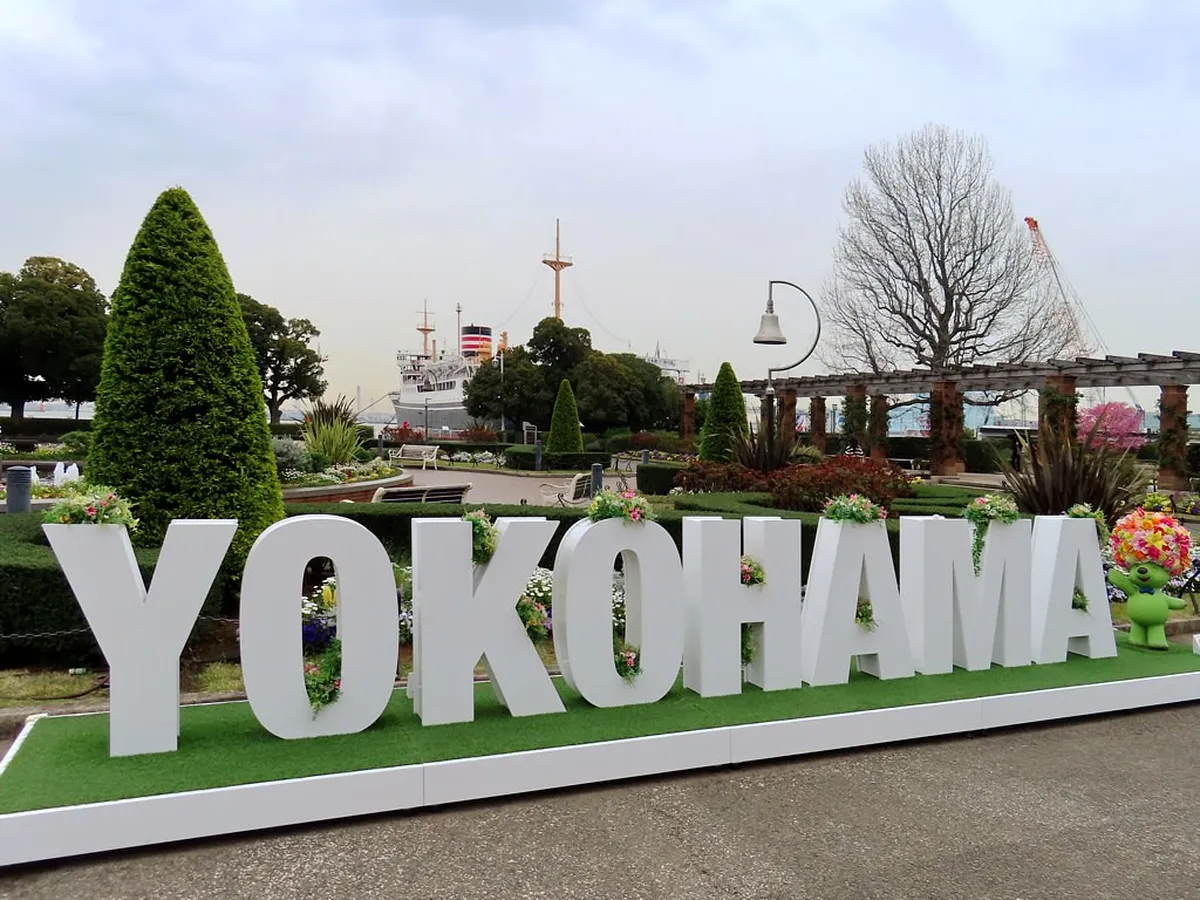
Yamashita Park is a free seaside park along Yokohama's waterfront in Naka Ward, opened in 1930 on land reclaimed with earthquake rubble. Its 750-meter promenade offers views of the Port of Yokohama, a rose garden, iconic monuments, and the moored Hikawa Maru ocean-liner museum ship.
Visitor guide →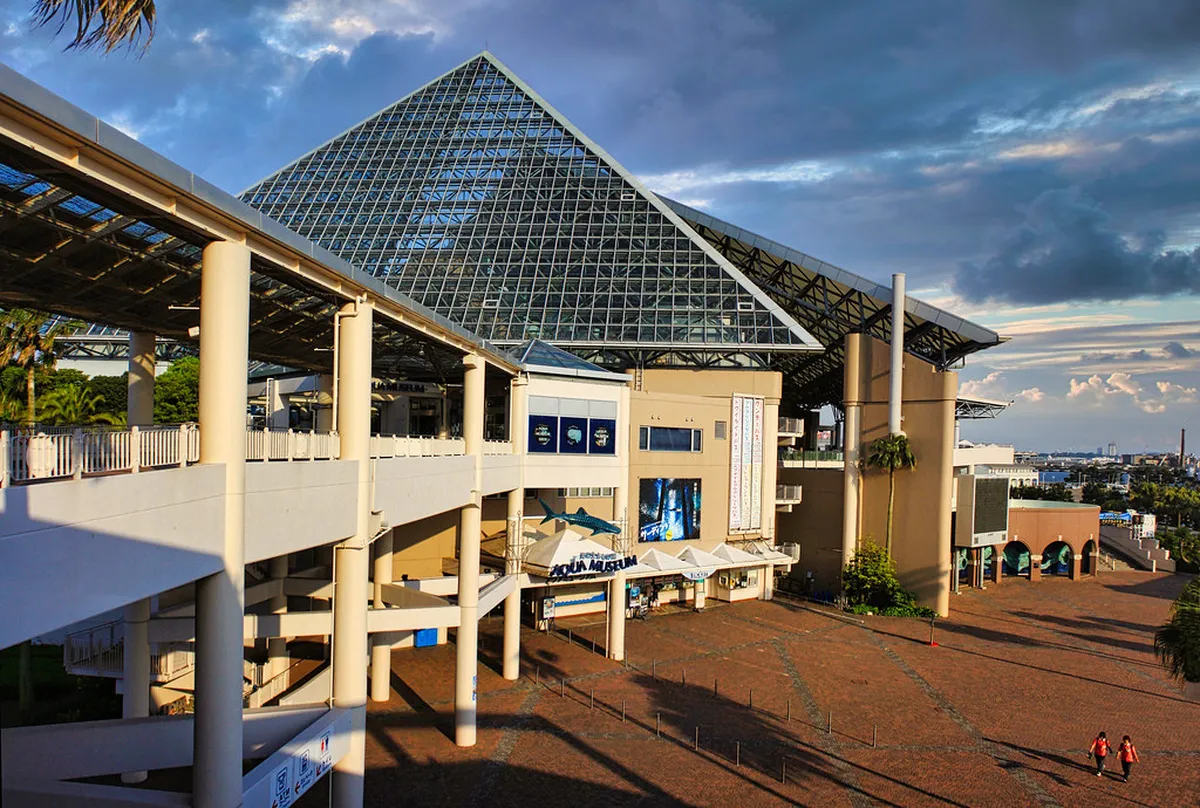
Yokohama Hakkeijima Sea Paradise is a marine-themed leisure island in Kanazawa Ward, Yokohama, combining four aquariums—including the massive Aqua Museum—with an amusement park, dining, shopping, and a marina. Island entry is free, while passes cover the aquariums and rides. It sits about 30 minutes south of downtown Yokohama.
Visitor guide →Yokohama's sights cluster into a handful of walkable districts, and knowing which attractions sit together is the single biggest time-saver when planning your route.
Minato Mirai 21 (the waterfront core). This futuristic harbor district is where most visitors spend the bulk of their day. Within a 10–15 minute walk you'll find the Yokohama Landmark Tower, the CUPNOODLES Museum, the free-entry Cosmo World amusement park with its giant Cosmo Clock 21 Ferris wheel, and the Yokohama Air Cabin gondola gliding overhead. The Red Brick Warehouse sits at the harbor edge of the same district.
Naka-ku (Chinatown and the old seafront). A short walk or one stop east brings you to Yokohama Chinatown — Japan's largest — and the waterfront Yamashita Park, with the Hikawa Maru ocean liner moored alongside. These two pair naturally for a lunch-and-stroll afternoon.
Honmoku (gardens). Slightly inland and reached by bus, Sankeien Garden is Yokohama's great traditional landscape garden — a deliberate change of pace from the harbor bustle.
Kanazawa-ku (family and marine life). About 30 minutes south of downtown, Yokohama Hakkeijima Sea Paradise combines four aquariums with amusement rides on its own island — the one attraction worth a dedicated trip away from the center.
Prefer to plan around what you enjoy rather than where it sits? Here is the same line-up sorted by type.
One of Yokohama's great advantages is how much of the city is genuinely free to enjoy. You can build a full, satisfying day without an admission ticket and add paid headliners only where they earn it.
Free to explore: Yokohama Chinatown (you only pay for what you eat), the Minato Mirai 21 waterfront and promenade, the Red Brick Warehouse buildings and Event Plaza, Yamashita Park, and entry to Cosmo World itself (you only pay for the rides you choose).
The Minato Burari Ticket bundles subway and bus travel around the Yokohama sightseeing zone at a flat price — strong value if you plan several short hops in a day. Ask at Yokohama Station.
Paid attractions (2026 prices):
| Attraction | Adult admission | Notes |
|---|---|---|
| Sankeien Garden | ~¥900 | Inner garden ¥500 extra |
| CUPNOODLES Museum | ¥500 | Children free; workshops cost extra |
| Yokohama Air Cabin | ~¥1,000 one way | ~5-min gondola ride |
| Hakkeijima Sea Paradise (One Day Pass) | ~¥5,600 | Aquariums + unlimited rides |
| Cosmo Clock 21 (per ride) | ¥900 | Park entry free |
| Hikawa Maru museum ship | ¥300 | Yamashita Park |
The Yokohama Landmark Tower Sky Garden is closed for renovation in 2026 and will not reopen until 2028. Use the Cosmo Clock 21 Ferris wheel or the free Osanbashi Pier rooftop as elevated-view alternatives.
Always confirm current pricing on each linked visitor guide, as Yokohama operators adjust seasonal and combo rates.
Because the central attractions sit so close together, Yokohama scales neatly from a half-day visit to a full weekend.
Half-day (3–4 hours): Arrive at Minatomirai Station, walk the Minato Mirai promenade, ride the Air Cabin over to the Red Brick Warehouse, then finish with a Ferris-wheel ride at Cosmo World as the lights come on.
One day: Start mid-morning at Sankeien Garden, return for lunch in Chinatown, stroll along Yamashita Park and the Hikawa Maru, then work your way through Minato Mirai — the CUPNOODLES Museum, the Red Brick Warehouse and Cosmo World — ending with the illuminated waterfront after dark.
Two days: Spend day one on the central waterfront-and-Chinatown loop above, then devote day two to Hakkeijima Sea Paradise in the south, which easily fills a half or full day, with time left for whichever central sights you skipped.
A useful rule of thumb: group attractions by district rather than by your wish-list order, and you'll spend far less time on trains. The Minato Mirai sights flow into one another on foot, Chinatown and Yamashita Park share a single waterfront walk, and the two outliers — Sankeien Garden inland and Hakkeijima to the south — are best treated as standalone half-days rather than squeezed between central stops. Each linked visitor guide flags the best time of day to arrive and which neighboring sights pair well, so you can fine-tune the route to opening hours and your own pace.
Yokohama is straightforward to reach and easy to navigate. From central Tokyo it's roughly 25–30 minutes: the Tokaido or Yokosuka line from Tokyo Station, or the Minatomirai-bound trains via the Tokyu Toyoko line from Shibuya, both drop you near the action.
Once you arrive, the Minatomirai Line runs directly beneath the waterfront, linking Yokohama Station, Minatomirai, Bashamichi, Nihon-odori (for Chinatown and Yamashita Park) and Motomachi-Chukagai. The JR Negishi Line serves Sakuragicho and Kannai for the same core sights. For attractions that aren't beside a station — such as Sankeien Garden — local buses fill the gap, and the retro Akai Kutsu ("Red Shoes") loop bus conveniently connects Sakuragicho, the Red Brick Warehouse, Chinatown and Yamashita Park for sightseers. Within Minato Mirai itself, most attractions are a comfortable 10–15 minute walk apart, so wear good shoes and plan to cover much of the district on foot.
Yokohama is a year-round destination, but the season shapes the experience. Spring brings cherry blossoms to Sankeien Garden and the Kishamichi Promenade, typically late March to early April. Autumn (mid-November to early December) sets Sankeien's maples ablaze and offers crisp, clear days that improve harbor views. Early summer sees a brief firefly-viewing season at Sankeien Garden, while the warm evenings are ideal for the illuminated Minato Mirai skyline.
Whatever the season, evening is Yokohama's signature time — the Cosmo Clock 21 wheel, the harbor towers and the Red Brick Warehouse all light up, and the waterfront is at its most photogenic after sunset. If your dates are flexible, avoid the domestic-travel peaks of Golden Week (late April to early May) and the Obon period (mid-August), when Chinatown, the museums and Hakkeijima draw heavy crowds.
Yokohama rewards budget-conscious travelers more than almost any major Japanese city. Build your day around the free districts — Chinatown, Minato Mirai, the Red Brick Warehouse and Yamashita Park — and you'll already have a full itinerary at zero admission cost.
With the Landmark Tower Sky Garden closed for renovation, free and low-cost view alternatives are worth knowing: the harbor-front terraces of Minato Mirai, the upper floors of waterfront malls, and the Cosmo Clock 21 Ferris wheel all deliver sweeping skyline panoramas for little or nothing. For transport, the Minato Burari Ticket bundles subway and bus travel around the sightseeing zone at a flat price and is a strong value if you plan several short hops in a day. Finally, check each attraction's visitor guide for combination passes — Hakkeijima in particular sells tiered passes that cost far less than paying for the aquariums and rides separately.
Timing helps the budget too. Many of Yokohama's best free experiences — the illuminated harbor, the Cosmo Clock 21 wheel glowing over the bay, the Red Brick Warehouse plaza after dark — cost nothing and are arguably better in the evening, so schedule paid daytime sights first and let the free waterfront carry the night. Eating in Chinatown's street stalls rather than sit-down restaurants, and bringing a refillable water bottle for the long promenade walks, are small habits that keep a Yokohama day genuinely affordable.
One full day is enough to cover the highlights — Chinatown, Yamashita Park, Minato Mirai and the Red Brick Warehouse all sit close together. Add a second day if you want to include Hakkeijima Sea Paradise in the south or take a slower pace at Sankeien Garden.
For most first-time visitors it's Yokohama Chinatown, the largest in Japan and free to explore, closely followed by the Minato Mirai 21 waterfront with its Cosmo Clock 21 Ferris wheel and harbor skyline — especially after dark.
Many of the best ones are. Chinatown, the Minato Mirai promenade, the Red Brick Warehouse buildings, Yamashita Park and entry to Cosmo World are all free; you only pay for food, individual rides, or ticketed sights such as Sankeien Garden, the CUPNOODLES Museum, the Air Cabin and Hakkeijima Sea Paradise.
Yes. Yokohama is only 25–30 minutes from central Tokyo by train, and its compact, walkable waterfront makes it one of the easiest and most rewarding day trips in the Kanto region — combining a free Chinatown, a futuristic harbor district and a historic port in a single visit.
Spring (late March–early April) for cherry blossoms and autumn (mid-November–early December) for colorful foliage and clear harbor views are the standouts. Yokohama is appealing year-round, and its illuminated waterfront makes any evening visit special.
Absolutely. A practical one-day plan is Sankeien Garden or Chinatown in the morning, Yamashita Park and the waterfront midday, and the Minato Mirai attractions plus the illuminated Cosmo Clock 21 in the evening — all without a tight schedule.
The Minatomirai Line and JR Negishi Line cover the central sights, the Akai Kutsu loop bus links the major sightseeing stops, and most Minato Mirai attractions are within a 10–15 minute walk of each other, so plan to combine short train hops with plenty of walking.
Use the visitor guides above to lock in opening hours and 2026 prices for each attraction, then build your route with our wider Yokohama planning resources. Start with our Yokohama itinerary for ready-made 1–3 day routes, see how to do Yokohama as a day trip from Tokyo, and check the best time to visit Yokohama before you set your dates.