
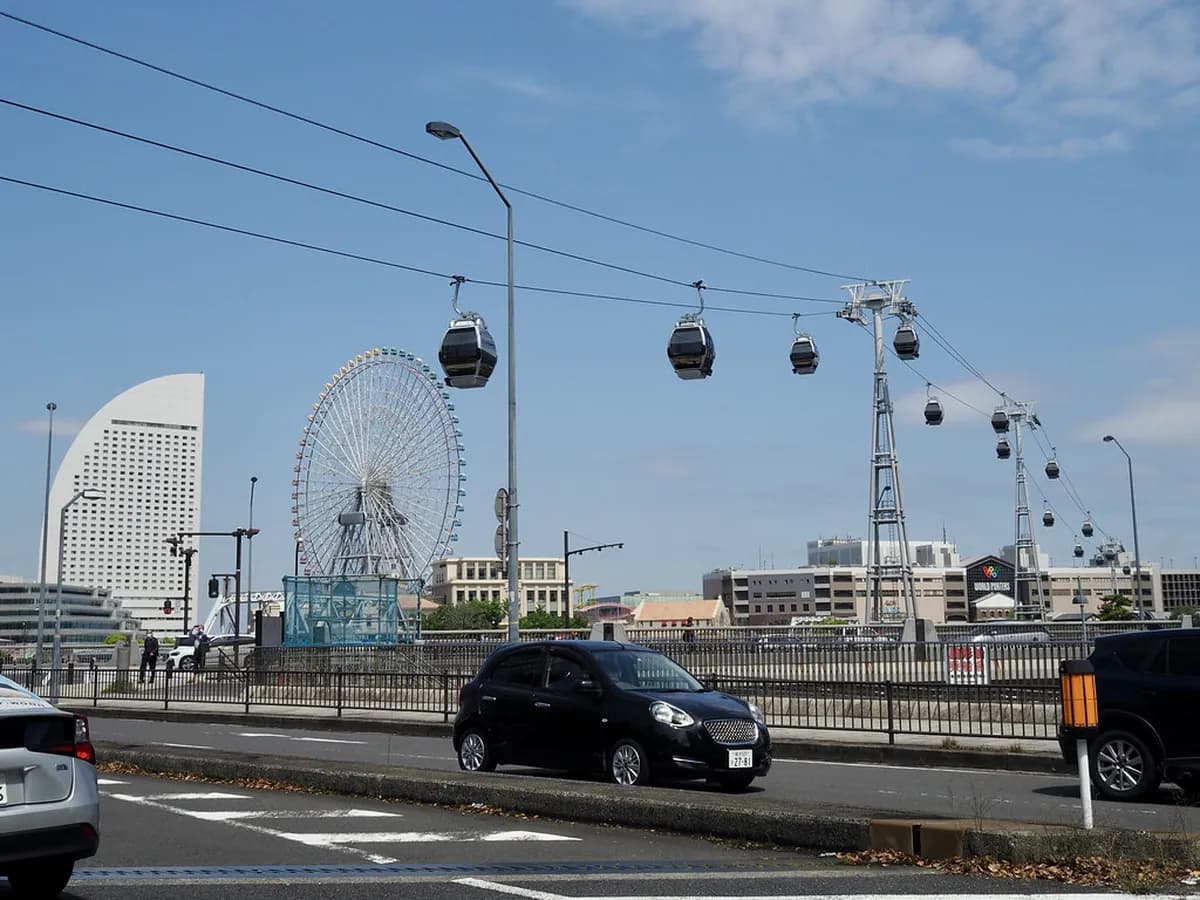
The Yokohama Air Cabin is Japan's first permanent urban gondola lift, carrying passengers 40 meters above the inner harbor between Sakuragicho Station and the Unga Park area in Minato Mirai. Opened in April 2021, it covers 629 meters in roughly five minutes and has quickly become one of the most distinctive short rides in the greater Tokyo area.
This guide covers everything you need to plan your 2026 visit: ticket prices, boarding logistics, the best time of day to ride, photography tips, what you can see from the cabin, and how to combine it with nearby attractions like Cosmo World and the Cup Noodles Museum. For broader context, see our Yokohama itinerary guide.
Yokohama Air Cabin Tickets and Pricing
Tickets can be purchased on-site at either boarding station — no advance booking is required. However, e-tickets through platforms like KKday or Rakuten Travel Experiences let you skip the queue during busy weekends, which is worth considering in 2026 as visitor numbers remain high.
The full ticket menu for 2026 is:
- One-way adult: ¥1,000 / child (ages 3–11): ¥500
- Round-trip adult: ¥1,800 / child: ¥900 (saves ¥200 vs two one-ways)
- One-way + Cosmo Clock 21 Ferris wheel adult: ¥1,700 / child: ¥1,300
- Round-trip + Cosmo Clock 21 Ferris wheel adult: ¥2,500 / child: ¥1,600
- Children under 3 ride free. Groups of 20 or more receive a 10% discount. Disabled visitors receive a 50% discount.
The round-trip-plus-Ferris-wheel bundle at ¥2,500 is the best value if you plan to ride Cosmo Clock 21 anyway. If you only want the gondola experience, the simple round-trip at ¥1,800 saves ¥200 over buying two one-way tickets.
| Ticket Type | Adult | Child (3–11) |
|---|---|---|
| One-way | ¥1,000 | ¥500 |
| Round-trip | ¥1,800 | ¥900 |
| One-way + Cosmo Clock 21 | ¥1,700 | ¥1,300 |
| Round-trip + Cosmo Clock 21 | ¥2,500 | ¥1,600 |
| Under age 3 | Free | |
One-Way vs Round-Trip: Deciding Your Direction
Most visitors default to a round-trip, but a one-way ticket often makes better logistical sense. If you board at Sakuragicho and ride to Unga Park, you arrive steps from World Porters shopping mall, the Cup Noodles Museum, and Cosmo World — so continuing on foot to explore those attractions and walking back is a natural loop.
The walking route along the promenade over the bay takes about 10–12 minutes and gives a different ground-level perspective of the waterfront. It also bypasses the ticket queue for the return ride. Buy one-way if you plan to explore the Unga Park end; buy round-trip if you want the aerial view in both directions or simply need to return to Sakuragicho quickly.
One logistical detail no competitor mentions: Yokohama Air Cabin does not mix separate parties into a single gondola cabin. Each cabin holds up to four people, and you ride only with your group. This makes the gondola feel private and unhurried — a meaningful upgrade over packed train journeys, even if it extends the loading wait during peak hours.
Each gondola cabin holds up to four people and is never shared with strangers — you ride only with your own group. This private-cabin policy makes the experience feel more personal, though it can extend the queue during peak times.
How to Get to Yokohama Air Cabin
There are two boarding stations. The Sakuragicho end sits one minute from the East Exit of JR Sakuragicho Station, reachable via the JR Negishi Line or the Yokohama Municipal Subway Blue Line from Yokohama Station (about four minutes). This is the natural starting point for anyone arriving from Tokyo or central Yokohama.
The Unga Park end is accessible from Exit 4 of Bashamichi Station on the Minatomirai Line (7-minute walk) or from Minatomirai Station (about 10 minutes on foot past the World Porters entrance). Use the Open with Maps link to navigate directly to the Sakuragicho boarding station. All signage at both stations is in English, so orientation is straightforward even on a first visit to Yokohama.
The Ride: What to Expect on Board
The gondola built by Nippon Cable reaches a maximum height of 40 meters above the ground and travels at a slow, steady pace that gives passengers ample time to look around. The cabin is fully air-conditioned, which makes a genuine difference during Yokohama's humid July and August summers. The ride is smooth and quiet — nothing like an exposed ski-lift.
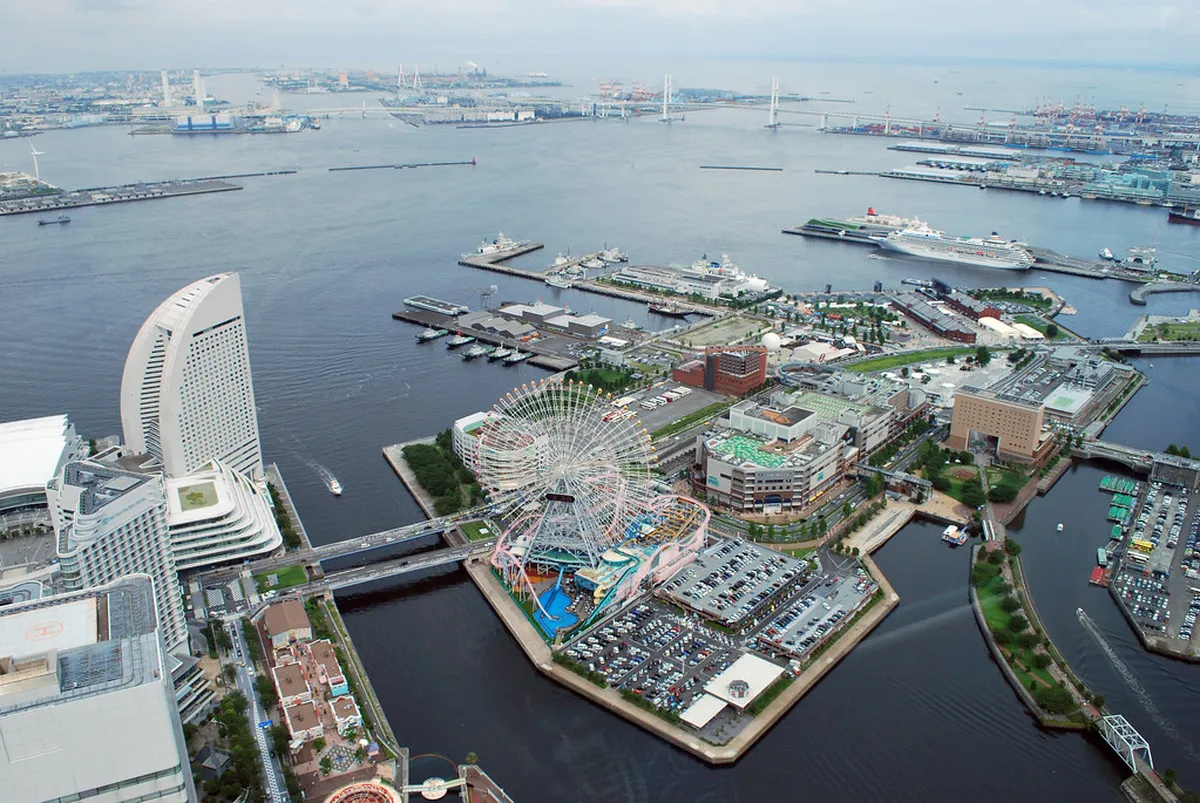
Looking north from the cabin, commercial buildings partially block the view, but the Cosmo Clock 21 Ferris wheel is visible for most of the journey. The canal-like water structures of the Shinko district below are eye-catching. On the return leg toward Sakuragicho, the Landmark Tower and the broader Minato Mirai skyline fill the forward-facing windows.
Photography through the glass cabin walls is the main technical challenge. The tinted, air-conditioned glass reflects strongly in direct midday sun. Press your camera or phone lens directly against the glass to eliminate internal reflections, and shoot perpendicular to the window rather than at an angle. The cabins are illuminated at night, which can actually worsen interior reflections on the glass — sunset (around 17:30–18:30 in summer) offers the best combination of natural light and city-light warmup without the harsh reflection problem.
Best Time to Ride and Crowd Planning
The gondola runs 10:00–21:00 on weekdays and 10:00–22:00 on weekends and public holidays. Hours are subject to change due to weather — strong winds or heavy rain will close the line with little advance notice, so check the official site (yokohama-air-cabin.jp) on the morning of your visit during typhoon season (July–October).
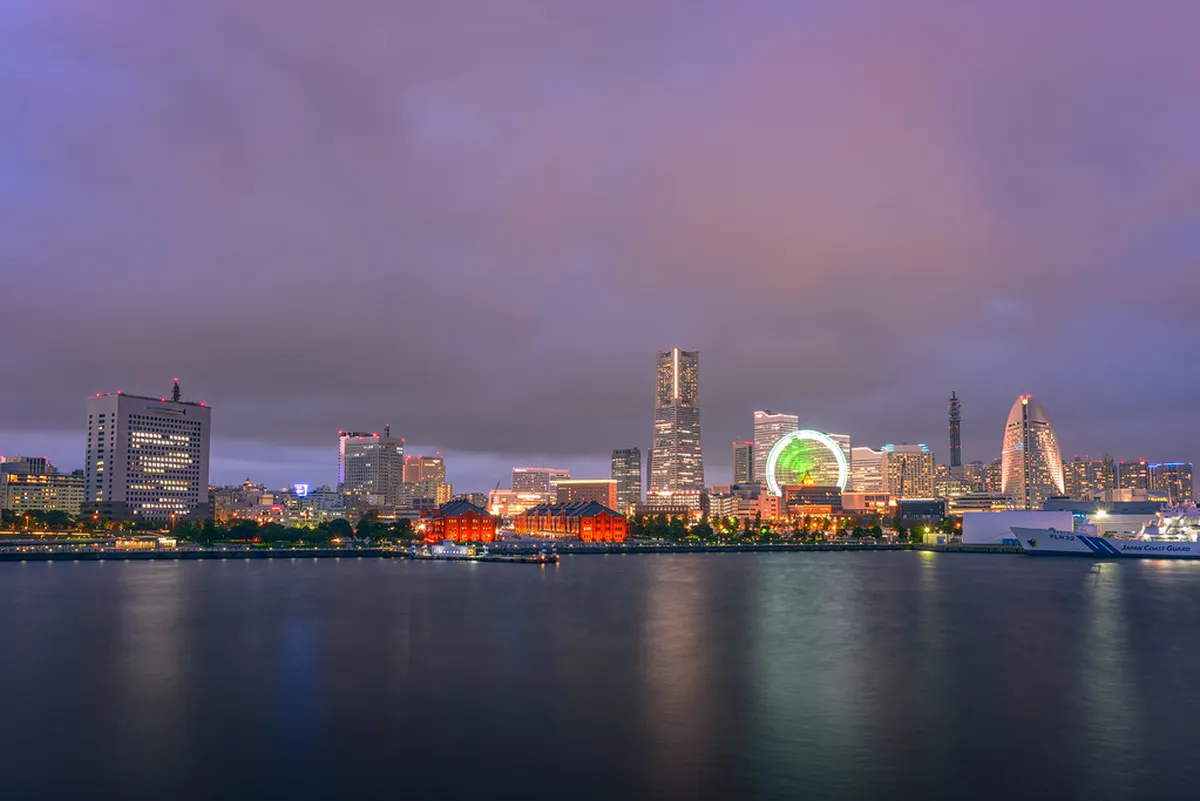
Weekday mornings between 10:00 and 12:00 have the shortest queues. Weekends after 14:00 and during school holidays see the longest waits — sometimes exceeding the five-minute ride itself. If you visit on a weekend, the sunset slot (around 17:30–19:00 depending on season) is busier than midday but delivers the best views: the sky shifts color, Cosmo Clock 21 lights up in sequence, and the harbor surface reflects the illuminated skyline.
The overall experience is rated very highly on atmosphere even though the ride is brief. Budget travelers who balk at ¥1,000 for five minutes should note that the walking promenade alongside the water offers a free and genuinely beautiful alternative — but it misses the 40-meter aerial perspective entirely.
Strong winds or heavy rain will close the gondola with little advance notice. During typhoon season (July–October) check the official site (yokohama-air-cabin.jp) on the morning of your visit before setting out.
Accessibility and Visitor Considerations
Both boarding stations are step-free and the gondola cabins are accessible for wheelchair users. Staff at both ends can assist with boarding, and communication boards and tablets are available for visitors with hearing or speech needs. Certified guide dogs are permitted; other pets are not allowed.
Children under 13 must be accompanied by a paying adult. Passengers with acrophobia, heart conditions, or similar health concerns are advised by the operator not to ride. If you are traveling with a visitor who cannot ride, the Sakuragicho side has benches and a viewing area where non-riders can wait comfortably.
Combining the Air Cabin with Cosmo World and Nearby Attractions
The Unga Park station drops you practically at the entrance of Cosmo World, the waterfront amusement park that houses Cosmo Clock 21 — the giant Ferris wheel you see throughout the gondola ride. Buying the Air Cabin + Cosmo Clock 21 combo ticket (¥1,700 one-way or ¥2,500 round-trip for adults) saves money if you plan both, and combining them takes roughly two to three hours total.
The Cup Noodles Museum is a five-minute walk from the Unga Park station. Entry costs ¥500 for adults and workshops (where you design your own cup noodle) cost an additional ¥500 and require advance reservation. Yamashita Park is reachable in about 15 minutes on foot south of the Unga Park end, making it a natural add-on for a late-afternoon walk along the harbor after your gondola ride.
For visitors planning a full day in the district, a practical sequence is: Sakuragicho arrival → Air Cabin one-way to Unga Park → Cup Noodles Museum → Cosmo World → waterfront walk south to Yamashita Park → return to Sakuragicho on foot or by Minatomirai Line. This loop covers all the Minato Mirai highlights in a single afternoon without backtracking.
Is the Yokohama Air Cabin Worth It?
For first-time visitors to Yokohama, the Air Cabin is worth the ¥1,000 one-way fare purely for the perspective it gives of the Minato Mirai skyline and harbor. There is no other vantage point in the district that puts you 40 meters above the water with a slow, unobstructed view in all directions.
For repeat visitors or budget-focused travelers, the free waterfront promenade covers much of the same ground and is genuinely beautiful. The gondola adds novelty and saves about 10 minutes of walking — not a compelling transportation case on its own, but a worthwhile experience when the weather is right and lines are short.
The short ride length (five minutes) is the most common disappointment. Manage expectations accordingly: this is an experience attraction, not a transport solution. If you frame it that way and time it for sunset, it consistently delivers.
Planning Your 2026 Yokohama Visit
Most travelers reach Yokohama from Tokyo in under 30 minutes via the JR Negishi Line or Tokyu Toyoko Line. The Minato Mirai area is compact enough that a half-day from Tokyo is sufficient for the Air Cabin plus one or two adjacent attractions; a full day covers the broader district including Yokohama Chinatown and the historic Red Brick Warehouse.
Pocket Wi-Fi or a Japan eSIM is useful for navigating station exits and checking real-time weather closures for the gondola. The official Air Cabin website and the Yokohama tourism app both publish same-day suspension notices in English. In 2026, cashless payment (IC cards, credit card) is accepted at ticket machines alongside cash, so you do not need to prepare exact change in advance.
Frequently Asked Questions
How much does the Yokohama Air Cabin cost in 2026?
A one-way adult ticket for the Yokohama Air Cabin currently costs 1,000 yen for a standard ride. Children can ride for 500 yen, and round-trip tickets are available for a small discount. You can often find bundle deals that include entry to the nearby Ferris wheel.
Is the Yokohama Air Cabin worth it for first-time visitors?
The ropeway is worth it if you value unique views and a futuristic experience over pure transportation efficiency. It offers a great perspective of the harbor that you cannot get from the ground. However, budget travelers might prefer the free walking paths nearby.
How long is the ride on the Yokohama Air Cabin?
The entire journey takes approximately five to six minutes from one station to the other across the water. While the ride is short, the slow speed allows plenty of time for taking photos of the skyline. It is a very smooth and quiet experience for passengers.
The Yokohama Air Cabin is a compact but genuinely memorable addition to any Minato Mirai itinerary in 2026. Time it for sunset, buy the combo ticket if you plan to ride Cosmo Clock 21, and take the one-way option if you want to continue exploring on foot from the Unga Park end.
The five-minute ride over the harbor gives a perspective of Yokohama's waterfront that no ground-level path can replicate. For a city that blends modern infrastructure with historic harbor character, it is a fitting way to arrive.