Naruto Whirlpools Travel Guide
Discover the Naruto whirlpools in Tokushima, Japan. Compare boat tours vs the walkway, check tidal timing, and plan a smoother visit with our 2026 travel tips.
On this page
At first glance, the name Naruto might suggest an anime character rather than a natural wonder. The Naruto whirlpools — or uzushio in Japanese — are powerful tidal vortexes that form where the Pacific Ocean and the Seto Inland Sea collide in a narrow strait. At peak spring tides, these vortexes can reach up to 30 metres in diameter, making them among the world's most dramatic tidal phenomena.
Two very different viewing platforms bring visitors face to face with the spectacle. A sightseeing boat drops you almost to water level, where you can watch vortexes form just metres from the hull. An enclosed glass-floored walkway 45 metres above the strait offers a calmer, aerial perspective through the underside of the Onaruto Bridge. Knowing which option suits your travel style — and when the tides peak — makes all the difference.
Where Are the Naruto Whirlpools?
Good to know
Plan your visit to Tokushima with these useful official and local resources:
The Naruto whirlpools form in the Naruto Strait, a channel barely 1.3 kilometres wide between Naruto City in Tokushima and Awaji Island. This passage connects the Pacific Ocean to the Seto Inland Sea, compressing a massive tidal flow through a short, deep corridor. Naruto City sits on the eastern tip of Shikoku, Japan's smallest main island, while Awaji Island belongs to Hyogo Prefecture and sits much closer to Kobe.
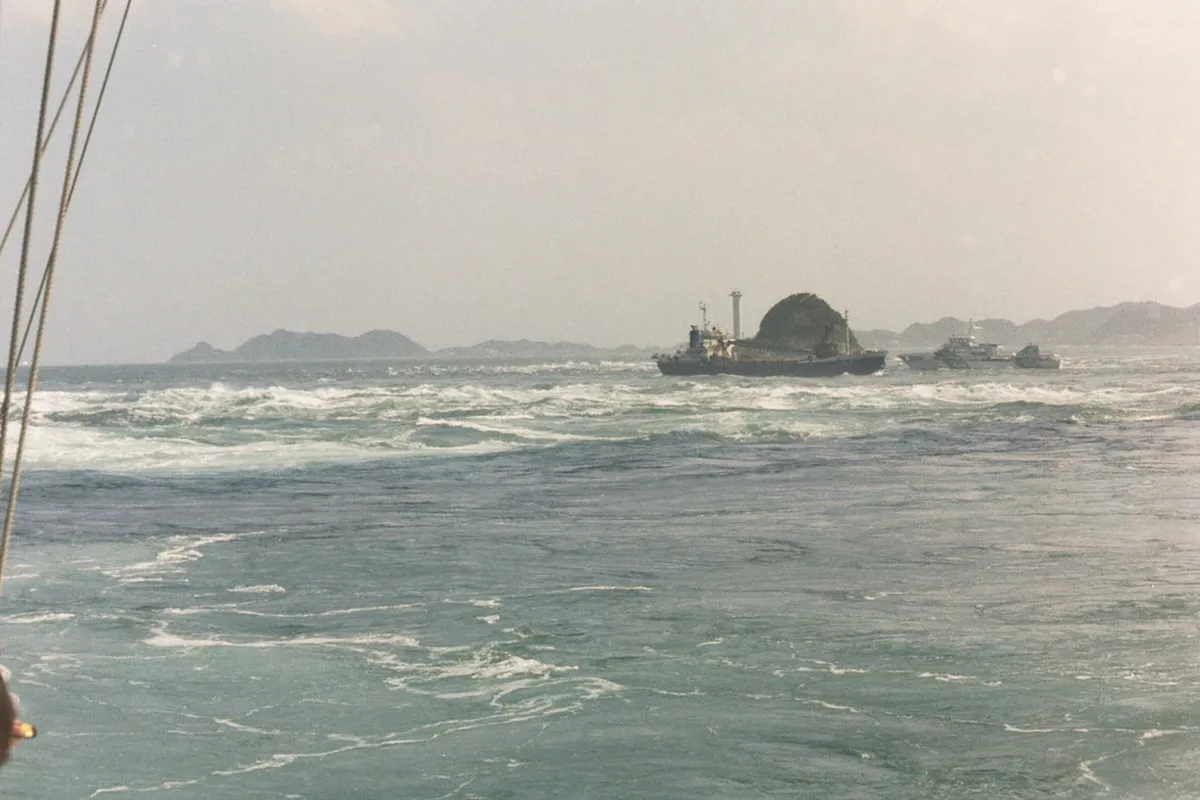
The Onaruto Bridge spans the strait overhead, and its lower deck houses the Uzu-no-Michi walkway. Sightseeing boats depart from Kamegashima Port, a short walk from Naruto Koen park, where several cafes and viewpoints are also clustered. Both the walkway entrance and the boat dock sit within the same compact area, so switching between them on the same day requires minimal effort.
Getting there requires a bus or rental car, as no train line serves the whirlpool viewing area. Highway buses from Tokushima Station take around 40 minutes and drop passengers close to the park entrance. Driving from Tokushima City via the expressway takes a similar time and gives the flexibility to combine the whirlpools with the wider range of things to do in tokushima at your own pace.
What Causes the Naruto Whirlpools?
The whirlpools are driven by tidal force, not by any permanent underwater feature. Twice each day, the gravitational pull of the moon and sun shifts the water level between the Pacific Ocean and the Seto Inland Sea. When that level difference peaks, a vast volume of water races through the narrow strait at considerable speed.
The shape of the seabed amplifies this effect considerably. A central channel roughly 100 metres deep lets water move quickly with little resistance, while the shallower areas on either side flow much more slowly. When the fast central torrent meets these slower coastal waters, the velocity difference causes the flow to spiral into the characteristic vortexes.
At spring tides — occurring around new and full moons — this speed difference is at its greatest, producing whirlpools up to 30 metres across. Neap tides, which occur around the quarter-moon phases, generate noticeably smaller formations that are still impressive but lack the scale of spring-tide peaks. The interplay of lunar cycle, tidal height, and strait geometry means no two visits produce identical whirlpools.
Boat Tour vs Uzu-no-Michi Walkway
Two main options let visitors observe the whirlpools, and the experiences they deliver are genuinely different. The Naruto Bridge and Uzu-no-Michi guide covers ticketing, opening hours, and practical access in detail. At a high level, the choice comes down to proximity versus comfort.
A sightseeing boat places you almost at water level, where the noise and motion of the current are immediately felt. When a vortex forms close to the hull, the vessel pitches noticeably — an effect most visitors find thrilling rather than alarming. Two operators depart from Kamegashima Port: Uzu-shio runs the larger ferry, while Nihon Maru operates a smaller aqua-eddy boat. Nihon Maru's vessel includes an underwater viewing cabin for a more intimate look at the churning water below the surface.
Uzu-no-Michi takes the opposite approach, placing visitors 45 metres above the water in an enclosed 450-metre walkway on the underside of the Onaruto Bridge. The corridor is filled with natural light and sea air, and the space never feels claustrophobic despite the bridge traffic rumbling overhead. At the far end, thick glass panels set into the floor allow a direct top-down view of the vortexes spinning below. An adult ticket costs approximately 510 yen, making it one of the most affordable nature-viewing experiences in the region.
- Sightseeing Boat (Uzu-shio or Nihon Maru)
- Boats depart from Kamegashima Port near Naruto Koen roughly every 20 to 40 minutes.
- Adult fares run approximately 1,600 to 2,200 yen depending on the operator and vessel type.
- Water-level viewing means you feel the current's pull and see vortexes form metres away.
- Best suited for visitors wanting the most immersive and physically engaging whirlpool experience.
- Uzu-no-Michi Glass Walkway
- The enclosed 450-metre walkway runs along the underside of the Onaruto Bridge above the strait.
- Adult admission is approximately 510 yen, making it the more affordable of the two viewing options.
- Glass floor panels at the observation end give a striking aerial top-down view of the whirlpools.
- Well suited for families, mobility-conscious visitors, or anyone who prefers a dry overhead vantage point.
When to See the Biggest Vortexes
Tidal timing is the single most important factor in catching an impressive display. Whirlpool size peaks around high tide and low tide, when the water-level difference between the two seas is at its maximum. The official Uzu-no-Michi website publishes a monthly tidal calendar showing the precise daily viewing windows; for broader seasonal advice, our Best Time To Visit Tokushima Travel Guide guide covers the whole prefecture.
Spring tides — occurring around new and full moons — produce the largest vortexes of the month. Late March through mid-May offers the most frequent spring-tide opportunities alongside mild weather, making it the most popular season for whirlpool viewing. Autumn, roughly September through November, delivers a second strong window with similar tidal conditions and generally fewer visitors than spring.
The daily tidal peak shifts by around 50 minutes each successive day, so a morning peak one week may fall in the afternoon the following week. Arriving within one hour of that peak gives you the best chance of seeing large formations. Morning visits on spring-tide days tend to combine strong vortexes with softer light — a combination that photographers and casual visitors alike appreciate.
Planning Your Visit to Naruto
Most travellers visit Naruto as a day trip from Tokushima City, Osaka, or Kobe. From Tokushima Station, highway buses reach Naruto Koen in around 40 minutes. From Osaka or Kobe, the cross-island route via Awaji takes approximately 90 minutes by bus or car, making Naruto a viable stop on a wider Kansai-to-Shikoku journey.
The Otsuka Museum of Art is a short drive from the whirlpool viewing area and deserves a half-day on its own. The museum houses full-scale ceramic reproductions of hundreds of world masterpieces set into a dramatic clifftop building. Pairing a morning boat tour with an afternoon at the museum makes for a well-rounded day without rushed logistics.
On popular spring-tide mornings, boat departures can fill up quickly, so booking in advance is a sensible precaution. A full breakdown of routes, fares, and transit options appears in our How to Get to Tokushima: Travel Guide 2026 article. Naruto City also has several seafood restaurants near the harbour where fresh tai (sea bream) is a local speciality worth trying before or after your visit.
Frequently Asked Questions
What are the Naruto whirlpools?
The Naruto whirlpools, called uzushio in Japanese, are tidal vortexes that form in the Naruto Strait between Tokushima and Awaji Island. They have no connection to the anime character — these are a natural ocean phenomenon driven by tidal forces, capable of reaching up to 30 metres in diameter at peak spring tides.
Is Naruto City named after the whirlpools?
Yes. The name Naruto derives from an old Japanese word meaning roaring inlet, referencing the sound of powerful tidal currents surging through the strait. The manga and anime character Naruto Uzumaki was also named with whirlpool imagery in mind, since uzumaki means spiral or whirlpool in Japanese.
What is the best time to see the Naruto whirlpools?
The largest whirlpools form during spring tides around new and full moons, especially from late March through mid-May and again in autumn. Arriving within one hour of the daily tidal peak is essential. See our Tokushima itinerary guide for help building a full day around the whirlpools and nearby sights.
Which is better — the sightseeing boat or the Uzu-no-Michi walkway?
The sightseeing boat (approximately 1,600–2,200 yen) places you at water level for a close-up, immersive view and can gently rock when a vortex forms nearby. Uzu-no-Michi (approximately 510 yen) offers a calmer overhead perspective through a glass floor 45 metres above the strait. Many visitors choose to do both on the same day.
Are the Naruto whirlpools safe to visit?
Both the sightseeing boat and the Uzu-no-Michi walkway are entirely safe for visitors. The walkway's glass floor panels are built for foot traffic, though jumping on them is not permitted. Swimming in the Naruto Strait is dangerous due to the powerful currents, but neither viewing option puts visitors at any risk.
The Naruto whirlpools reward visitors who plan around the tides rather than leaving it to chance. Check the monthly tidal calendar, target a spring-tide window, and arrive within one hour of the daily peak. With that preparation in place, even a half-day visit can feel genuinely spectacular.
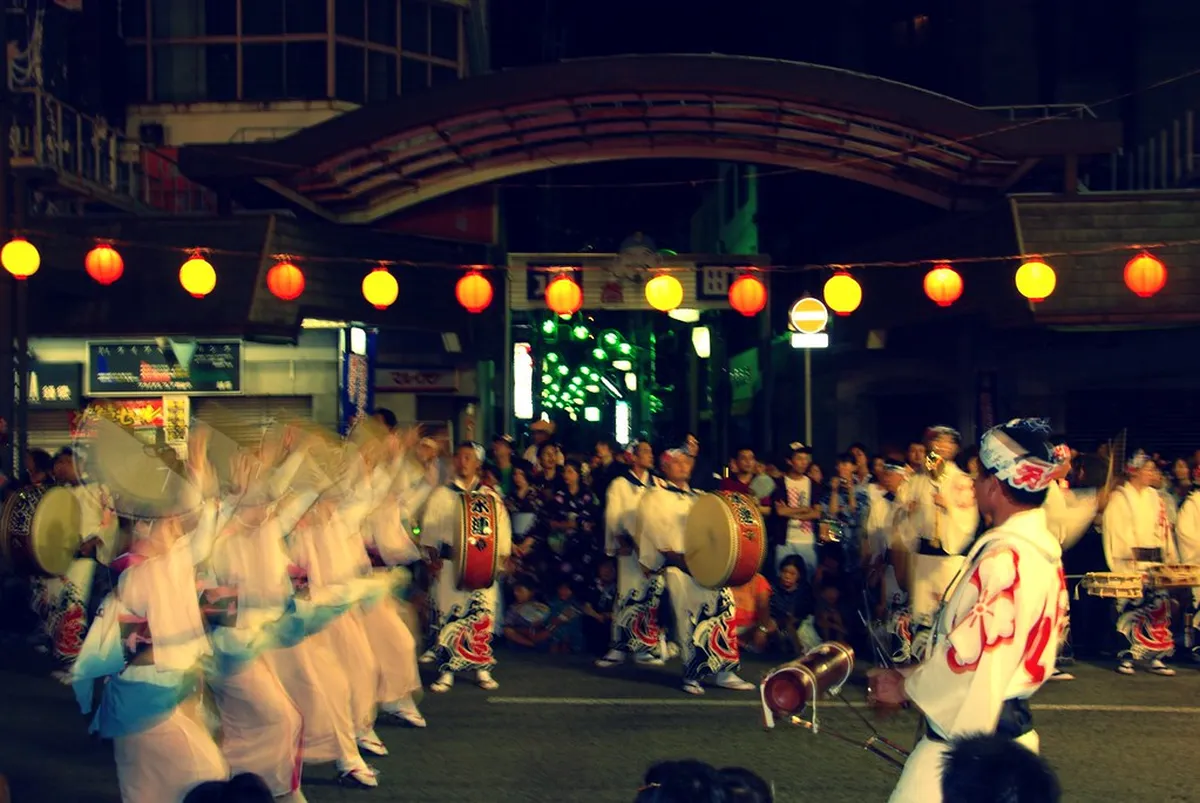
Whether you choose the water-level thrill of the boat or the aerial drama of the glass walkway, both are worth experiencing if time allows. Pair the whirlpools with the Awa Odori festival or other Tokushima highlights for a fuller picture of what this corner of Shikoku offers. Few natural phenomena in Japan are this accessible, this dramatic, and this deeply tied to the rhythms of the sea.
Free guide: Japan's Hidden Gems
12 under-the-radar places beyond Tokyo & Kyoto — with the best season to visit each and a local tip you won't find in the guidebooks.
You might also like


Continue reading
More guides you'll find useful