

Great Naruto Bridge: Your Travel Guide
Plan your visit to the Great Naruto Bridge with our guide to Uzu-no-Michi, whirlpool boat tours, tide timing, and getting there from Tokushima.
On this page
Standing over the churning Naruto Strait, the Great Naruto Bridge is one of Japan's most dramatic coastal landmarks. The 1,629-metre suspension bridge links Awaji Island to the shores of Tokushima Prefecture on Shikoku. Below the road deck, a glass-floored walkway called Uzu-no-Michi lets visitors look straight down 45 metres at the famous whirlpools. Few places in Japan offer this kind of vertigo-inducing, up-close look at a powerful tidal phenomenon.
Most travelers come for the whirlpools—powerful spirals that form when massive tidal currents collide in the narrow strait. The question is not just whether to visit, but how: from the walkway above or a sightseeing boat below. This guide covers both options, along with ticket details, tide timing, and everything needed for a smooth day trip from Tokushima.
What Is the Great Naruto Bridge?
Good to know
Plan your visit to Tokushima with these useful official and local resources:
The Onaruto Bridge, completed in 1985, forms part of the Honshu-Shikoku Bridge network connecting Japan's main island to Shikoku. Its main span stretches 876 metres and carries the Kobe-Awaji-Naruto Expressway across the Naruto Strait. The strait is only 1.3 kilometres wide at this point, squeezing enormous tidal currents into powerful spinning vortices.

These whirlpools—known in Japanese as Naruto no Uzu—can reach up to 20 metres across during the strongest spring tides. They form roughly four times a day as the tide shifts between the Pacific Ocean and the Seto Inland Sea. Tidal currents can exceed 20 kilometres per hour, which explains both the scale and the noise of the vortices below.
The bridge designers originally planned space inside the lower girder box for both a pedestrian walkway and a rail line. Only the Uzu-no-Michi walkway was ever opened to the public; the rail section remains empty and unused. That quirk of engineering history is what makes a visit here so unlike any other bridge crossing in Japan.
Uzu-no-Michi: The Glass-Floor Walkway
Uzu-no-Michi, which translates roughly as 'whirlpool road,' runs 450 metres inside the bridge's lower girder structure. Glass panels set into the walkway floor give unobstructed views straight down to the strait 45 metres below. On a clear day with an active tide, watching the whirlpools spiral directly beneath your feet is genuinely startling.
Adult tickets cost ¥510, with reduced rates for children and free entry for those under six years old. The walkway is generally open from 9:00 to 17:00, extending to 18:00 during summer months. Always confirm current hours and any seasonal closures on the official Uzu-no-Michi website before making the trip.
The walkway stays open regardless of tide conditions, but the whirlpools themselves are not always active. Arriving during a predicted tidal peak means the glass panels actually have something dramatic to show. Tide forecast charts are posted at the entrance and updated on the official website, so a quick check before leaving home pays off.
Photography is allowed throughout the entire walkway, and the facility is fully accessible for wheelchairs and strollers. Plan around 30 to 45 minutes to walk the full 450-metre length and pause at each glass panel.
Boat Tours vs. the Walkway: Which to Choose
Two sightseeing vessels operate from Naruto Koen: the Aqua Eddy and the Nippo Kisen boat. Both pass directly under the bridge and circle the active whirlpool zone at water level. Tickets typically cost between ¥1,500 and ¥2,600 per adult, and tours last around 30 minutes.
A boat puts you close to the whirlpools—sometimes within a few metres of a spinning vortex. The walkway offers the opposite angle: looking straight down at the same phenomenon from high above. Neither option is strictly better; they reveal completely different aspects of the same natural event.
For most first-time visitors on a budget, the walkway alone is an excellent and affordable choice. Those with extra time will find the boat adds a worthwhile second perspective on the strait. For current boat schedules and fares, Japan Travel's Naruto whirlpools page lists both operators with updated details.
- Uzu-no-Michi glass-floor walkway
- Adult entry costs ¥510, making this the most affordable way to see the whirlpools.
- The glass-panel floor looks straight down 45 metres to the spinning vortices below the bridge.
- Booking is not required—just arrive during opening hours and purchase a ticket at the gate.
- The walkway is fully accessible and remains open during operating hours in most weather conditions.
- Sightseeing boat tours
- Tickets range from roughly ¥1,500 to ¥2,600 per adult depending on the vessel and season.
- Boats approach the whirlpools at water level, placing you within metres of the churning current.
- Tours last about 30 minutes and depart roughly every 30 minutes during peak visitor hours.
- Weekend departures can fill quickly, so arriving early or checking availability in advance is wise.
Best Time to See the Naruto Whirlpools
The whirlpools are driven by tidal cycles, not by a schedule set by the attraction itself. The largest vortices form during spring tides, which occur around the new moon and full moon each month. During neap tides—midway between new and full moon—the whirlpools are noticeably smaller and less impressive.
Within any given day, the optimal window falls roughly one to two hours after the tide turns. Checking a tide table before your visit is genuinely worth the two minutes it takes. For a deeper look at how the tidal mechanics work, the naruto whirlpools explains the currents in plain terms. Spring (late March to May) and autumn (September to November) combine comfortable weather with reliable tidal activity.
Mornings often bring calmer conditions and smaller crowds than afternoons, especially during peak summer months. Arriving by 9:30 lets you beat the tour buses that typically roll in after 10:00. If you only have one chance at seeing the whirlpools, plan your arrival around a spring-tide peak day.
More Naruto Attractions Worth Your Time
The Otsuka Museum of Art sits less than ten minutes by bus from the bridge, making it an easy same-day add-on. Its galleries hold full-scale ceramic reproductions of over 1,000 famous Western masterworks across an enormous hillside building. Most visitors spend three to four hours inside, so plan an early bridge visit and save the museum for the afternoon.
Naruto Koen stretches along the coastline around the bridge's Tokushima-side approach and is free to explore. Paved trails through coastal pine forest lead to open viewpoints where the bridge and strait come into frame together. The western lookout delivers one of the best free views of the strait without requiring any entrance ticket.
Naruto-style ramen—built on a bold soy-pork broth with a slick of rendered fat—is a local specialty worth trying near the park. A bowl costs around ¥700 to ¥900 at most local spots and adds just 20 minutes to your schedule. For a broader regional itinerary, the Tokushima attractions guide connects the bridge, museum, and city highlights across one day.
Getting to the Great Naruto Bridge
The bridge sits roughly 40 kilometres northeast of Tokushima City and is most conveniently reached by car. Driving takes about 40 minutes via the national route or 30 minutes via the expressway. Parking is available at Naruto Koen and the Uzu-no-Michi visitor facilities for a modest daily fee.
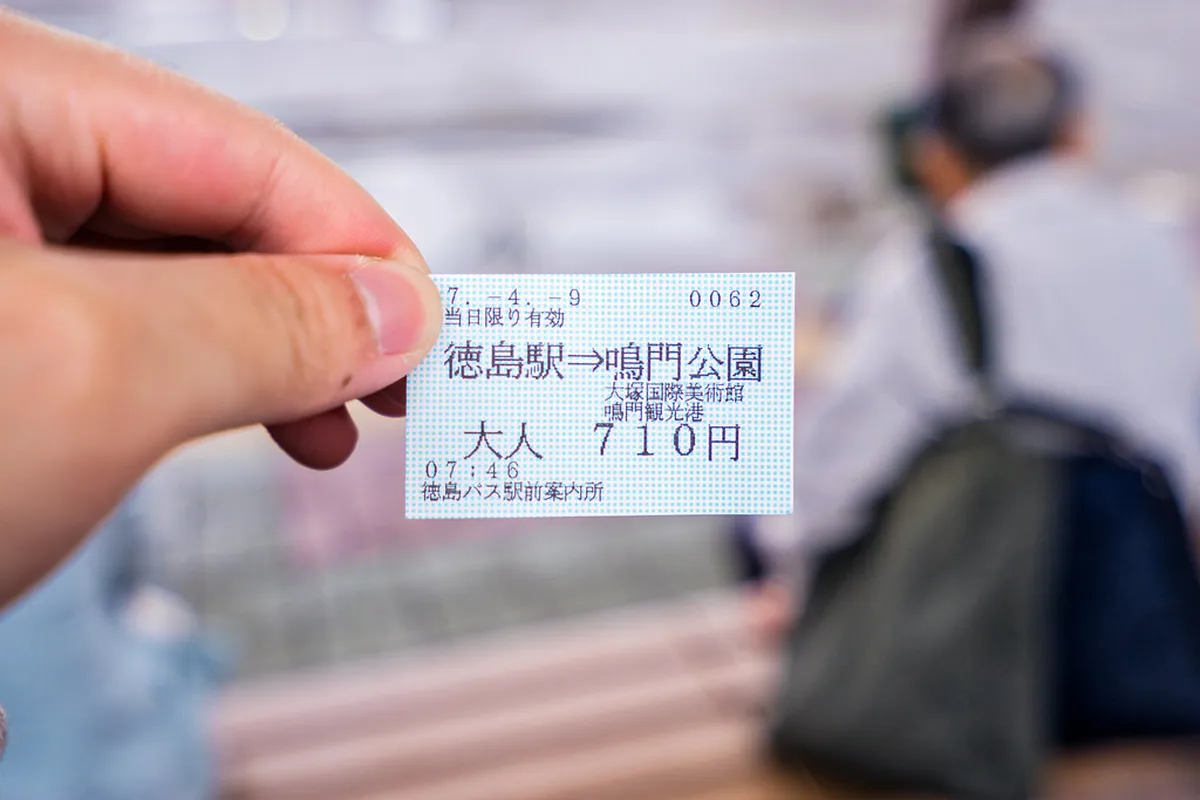
Buses from Tokushima Station reach Naruto Park in roughly 50 minutes on the JR Express service. The JR Mugi Line runs to Naruto Station, and a connecting bus or taxi then adds about 15 more minutes. For full arrival details covering all transport modes, the guide to getting to Tokushima covers planes, shinkansen connections, and highway buses.
Visitors coming from Osaka or Kobe can cross Awaji Island via the Akashi Kaikyo Bridge and drive directly to the Naruto side. That route takes about 90 minutes by car and is a popular option for Kansai-based day trippers.
Frequently Asked Questions
What is the Uzu-no-Michi walkway at the Naruto Bridge?
Uzu-no-Michi is a 450-metre pedestrian walkway built inside the lower girders of the Onaruto Bridge. Glass panels in the floor let visitors look straight down 45 metres to the Naruto Strait. When the tide is active, the famous whirlpools are visible spinning directly beneath your feet.
How much does it cost to visit the Naruto Bridge and walkway?
Entry to the Uzu-no-Michi walkway costs ¥510 for adults and ¥250 for children, with free admission for those under six. The surrounding Naruto Park and bridge viewpoints are free to access at any time. Sightseeing boat tours cost between ¥1,500 and ¥2,600 per adult depending on the operator.
When are the Naruto whirlpools at their strongest?
The whirlpools peak during spring tides, which occur around the new moon and full moon each month. Within any day, the strongest activity appears roughly one to two hours after the tide turns. Checking a tide calendar before your visit—available on the Uzu-no-Michi official site—takes minutes and can dramatically improve what you see.
Is the Great Naruto Bridge the same as the bridge in the Naruto anime?
No—the Great Naruto Bridge in the anime is a fictional structure from the Land of Waves story arc. However, the real Onaruto Bridge shares its name with the anime character, both derived from the Japanese word for whirlpool. The real bridge is an engineering landmark completed in 1985, connecting Shikoku to Awaji Island.
How long should I plan for a visit to the Naruto Bridge area?
Allow at least 1.5 to 2 hours if you plan to walk Uzu-no-Michi and explore Naruto Park. Adding a boat tour extends the visit by around 45 minutes. Combining the bridge with the Otsuka Museum of Art fills a comfortable full day, and our Tokushima itinerary guide helps map the full route.
The Great Naruto Bridge delivers one of Japan's most distinctive natural spectacles, best experienced both from above and below. Uzu-no-Michi remains the most accessible and affordable option, while the sightseeing boats add an immersive second angle. Together, they offer a complete picture of the extraordinary tidal forces at work in the Naruto Strait.
Timing your visit around a spring-tide peak makes the biggest difference to what you actually see. A few minutes checking the tide calendar before you leave home pays off far more than any guided upgrade. Combine the bridge with the Otsuka Museum and Naruto Park for a full, rewarding day on Shikoku's northern coast.
Naruto is an easy day trip from Tokushima City and a natural stop for anyone driving the Awaji-Shikoku route. The views from the glass walkway, in particular, are the kind that stay with you long after the trip ends.
Free guide: Japan's Hidden Gems
12 under-the-radar places beyond Tokyo & Kyoto — with the best season to visit each and a local tip you won't find in the guidebooks.
You might also like

Continue reading
More guides you'll find useful

