Awa Odori 2026: Tokushima Festival Travel Guide
Plan your Awa Odori trip with festival dates, seating options, dance history, the year-round Festival Hall, and first-timer tips for Tokushima.
On this page
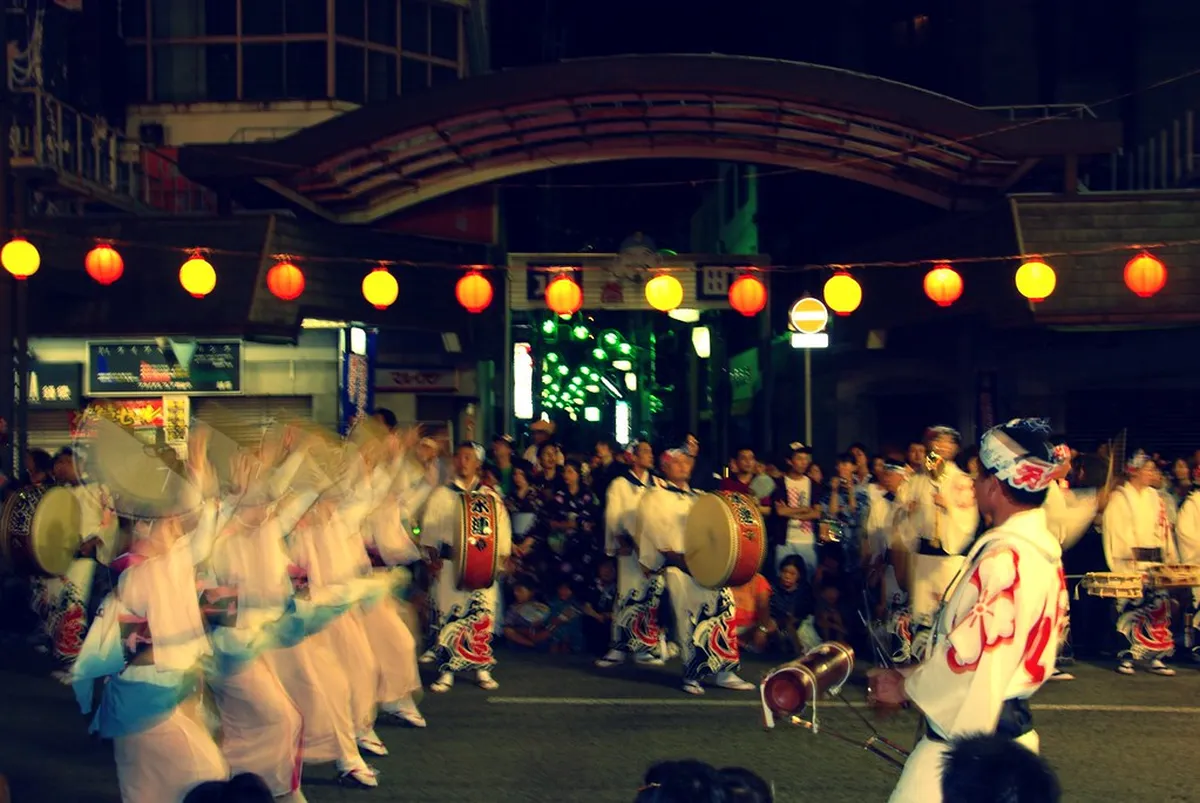
Every mid-August, the city of Tokushima erupts into four nights of drumbeats, shamisen strings, and swirling color. Awa Odori draws over a million visitors during this window, making it one of the largest dance festivals in Japan. Whether you plan to watch from a reserved seat or join a troupe dancing through the streets, the experience rewards every level of involvement.
The dance carries more than 400 years of history, rooted in the Obon season traditions of Tokushima's old Awa Province. Yet the mood is anything but solemn — a famous festival saying translates loosely as 'if we are all fools, might as well dance.' This guide covers what Awa Odori is, how to experience it in August 2026, and how to visit the year-round Festival Hall.
What Exactly Is Awa Odori?
Good to know
Plan your visit to Tokushima with these useful official and local resources:
Awa Odori (阿波踊り) is a regional style of Bon Odori, the folk dances performed across Japan during the Obon season each mid-August. The name reflects the dance's birthplace — Awa was the historical name for Tokushima Prefecture — and the tradition has continued for over 400 years. Obon is the season when ancestors' spirits are said to return to the living, and Bon Odori dances are performed as a communal welcome.
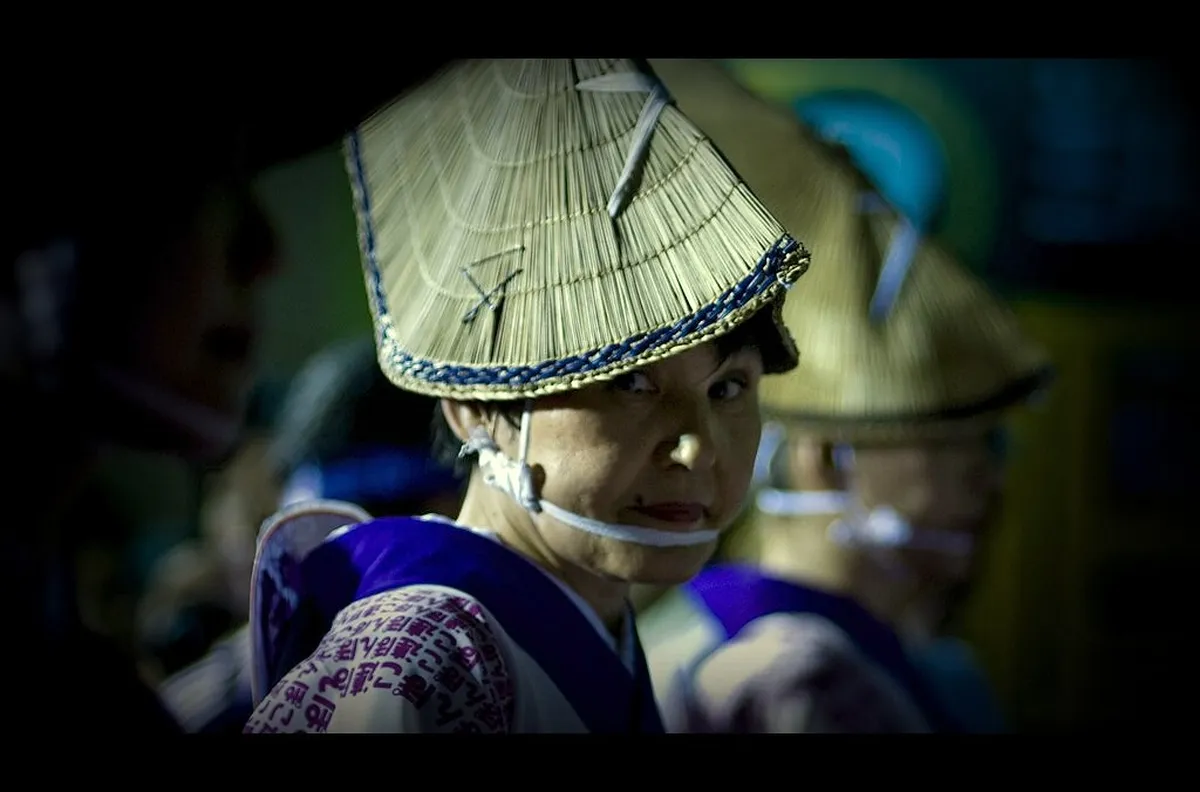
Awa Odori is energetic and distinctly informal for a tradition of its age. Men perform in low, crouching stances with wide stomping footwork, while women move on tiptoe and wear the distinctive half-moon Okesa-gasa hat. Both styles are performed to a live ensemble of shamisen strings, taiko drums, and flutes that drives a hypnotic two-beat rhythm.
Each participating troupe, known as a ren, wears a unified costume in its own color palette. Bright pink, sea blue, and saffron yellow are common choices, and the visual effect when a full ren moves in unison is striking. The dance welcomes spectators of every background, which is part of why it has grown far beyond its local origins.
Tokushima's Awa Odori Festival
Tokushima City is the undisputed center of Awa Odori, hosting the festival's largest and most celebrated edition each year. The main event runs for four nights in mid-August — typically August 12 to 15 — and draws over a million visitors from across Japan and abroad. In 2026, the festival follows the same schedule, so securing accommodation and tickets well before July is strongly advised.
Multiple ren parade simultaneously through designated streets and into purpose-built enbujō (演舞場) performance arenas spread across the city center. Each troupe brings its own live band, costume palette, and choreography, so no two ren look or sound alike. The atmosphere mixes deep local pride with genuine openness to visitors — audience participation is actively encouraged rather than merely tolerated.
Open-group dances called niwaka ren form along the street parade routes throughout each evening. Anyone can join regardless of experience or attire, and troupe leaders guide newcomers through the basic steps. For many visitors, a few minutes dancing in a niwaka ren becomes the most memorable part of the entire trip.
Paid Seats vs Free Street Viewing
Deciding how to watch is the first practical choice every visitor faces. Reserved seats inside covered enbujō venues offer close-up, unobstructed views of each ren and protection from the August heat and rain. Free street-side spots along the open parade routes are available at no cost but fill up quickly after 5 p.m.
Reserved enbujō tickets typically go on sale months before the festival through official Tokushima channels. Demand is high, and allocations for popular sessions can sell out within days of release. Checking official platforms early and setting a reminder for the ticket sales window are both worthwhile steps.
Budget-conscious visitors and groups who prefer a spontaneous atmosphere often find the free street route more rewarding. Families with young children may prefer the guaranteed seat, which removes the pressure of navigating dense crowds after dark.
- Reserved enbujō seating
- Tickets typically cost around ¥2,000 to ¥4,000 per evening session inside a covered venue.
- Seats sell out weeks or months ahead, so booking through official Tokushima channels early is essential.
- The covered arena format gives the best close-up view of each ren's costumes and footwork.
- Free open-air street viewing
- Spots along the main parade route are free and accessible to everyone throughout the evening.
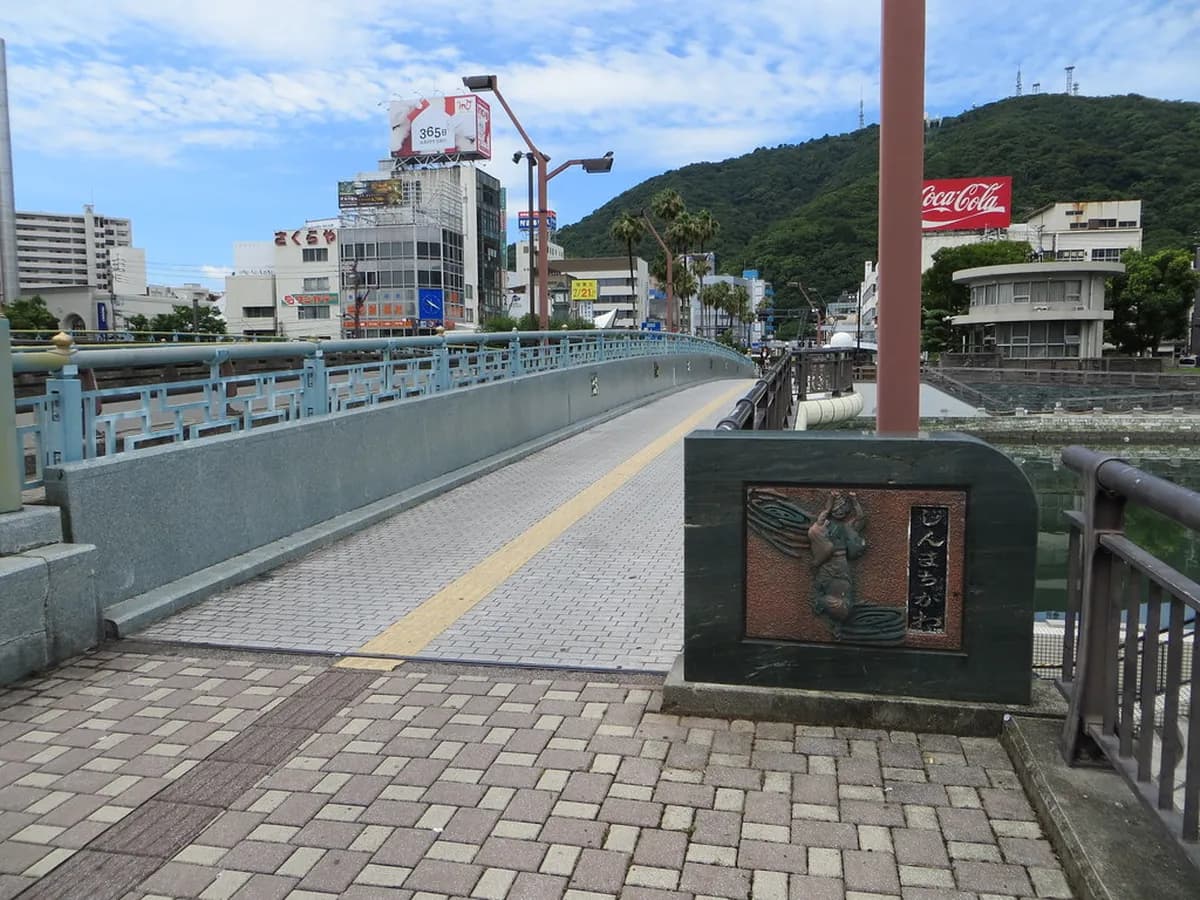
- Arriving by 5 p.m. gives a reasonable chance of a clear view along the Shinmachi riverside stretch.
- Street vendors selling yakitori, takoyaki, and shaved ice make the wait before the 6 p.m. start enjoyable.
- Niwaka ren open dance groups
- Open participation groups form throughout the night for anyone who wants to join the dancing.
- No rehearsal, costume, or prior experience is required to join a niwaka ren group.
- Troupe leaders actively guide newcomers, making this the most hands-on way to experience the festival.
Awa Odori Kaikan: The Year-Round Hall
The Awa Odori Festival Hall stands at the foot of Mount Bizan, about a ten-minute walk from Tokushima Station. It operates every day of the year as a combined museum, live theatre, and gateway to the Mount Bizan ropeway. For travelers who cannot visit in August, the Kaikan is the most reliable way to see Awa Odori at any time.
The hall's small theatre runs several live performances daily, showcasing professional ren in both the men's crouching style and the women's tiptoe technique. A VR lounge plays archive footage of past main festivals, giving a vivid sense of the August event's full scale. Most shows end with a short hands-on segment where audience members are invited onto the stage to try the basic steps.
The Mount Bizan ropeway departs from the same building and carries visitors to a viewpoint above the city in minutes. The platform overlooks the Yoshino River delta and the city grid, with clear-day views extending toward the Seto Inland Sea. Combining the Kaikan performance, the museum exhibit, and the ropeway ride makes a well-paced half-day itinerary on its own.
First-Timer Tips for Awa Odori
Street-side spots along the main parade routes fill up well before the 6 p.m. start. Setting up by 5 p.m. with a small folding stool is a sensible baseline, and food stalls nearby keep the wait enjoyable. Yakitori, takoyaki, and kakigōri vendors line the festival zone and make the pre-show wait part of the experience.
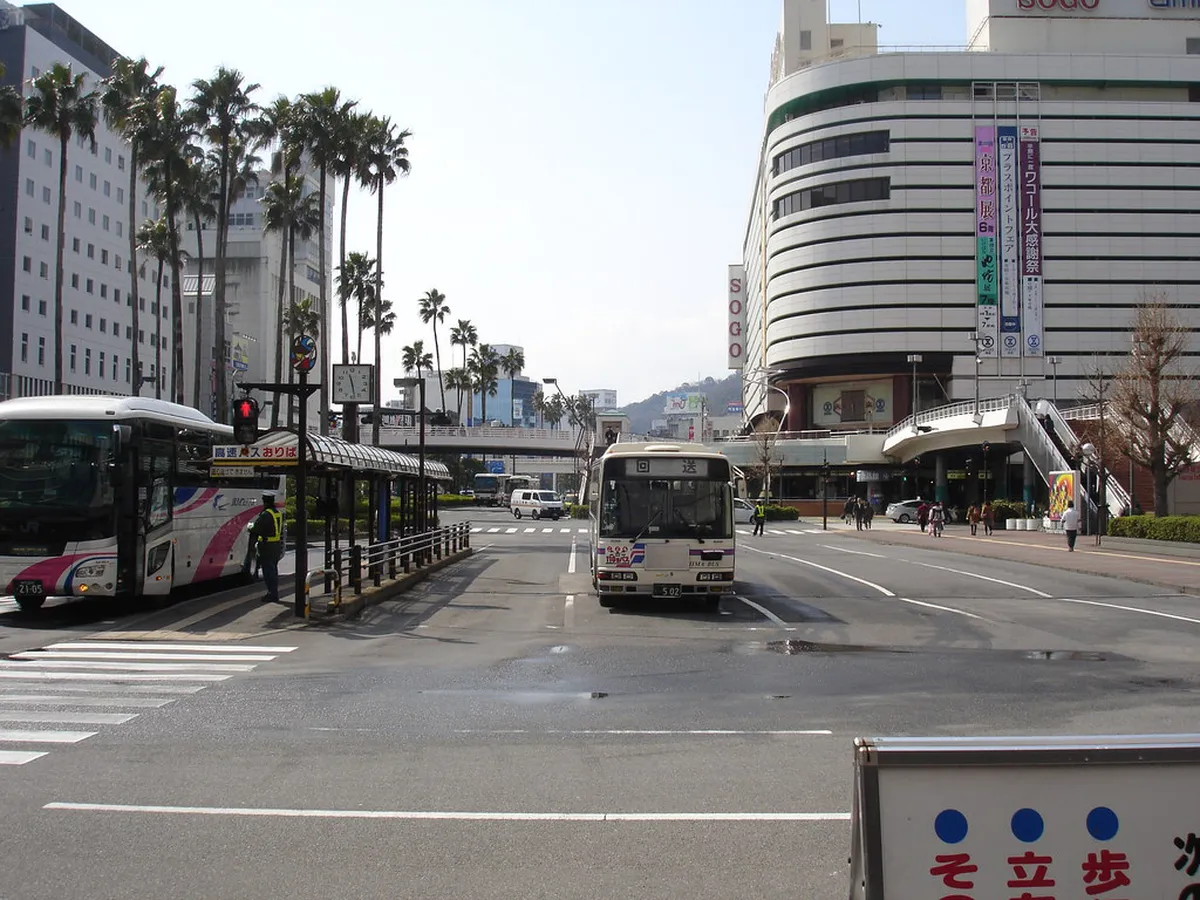
Accommodation in Tokushima during the August festival books out months ahead of time. Neighboring cities such as Kochi and Matsuyama are feasible bases with train access into Tokushima on festival evenings. Review transport options into Tokushima early, as extra express trains and buses operate throughout the festival period.
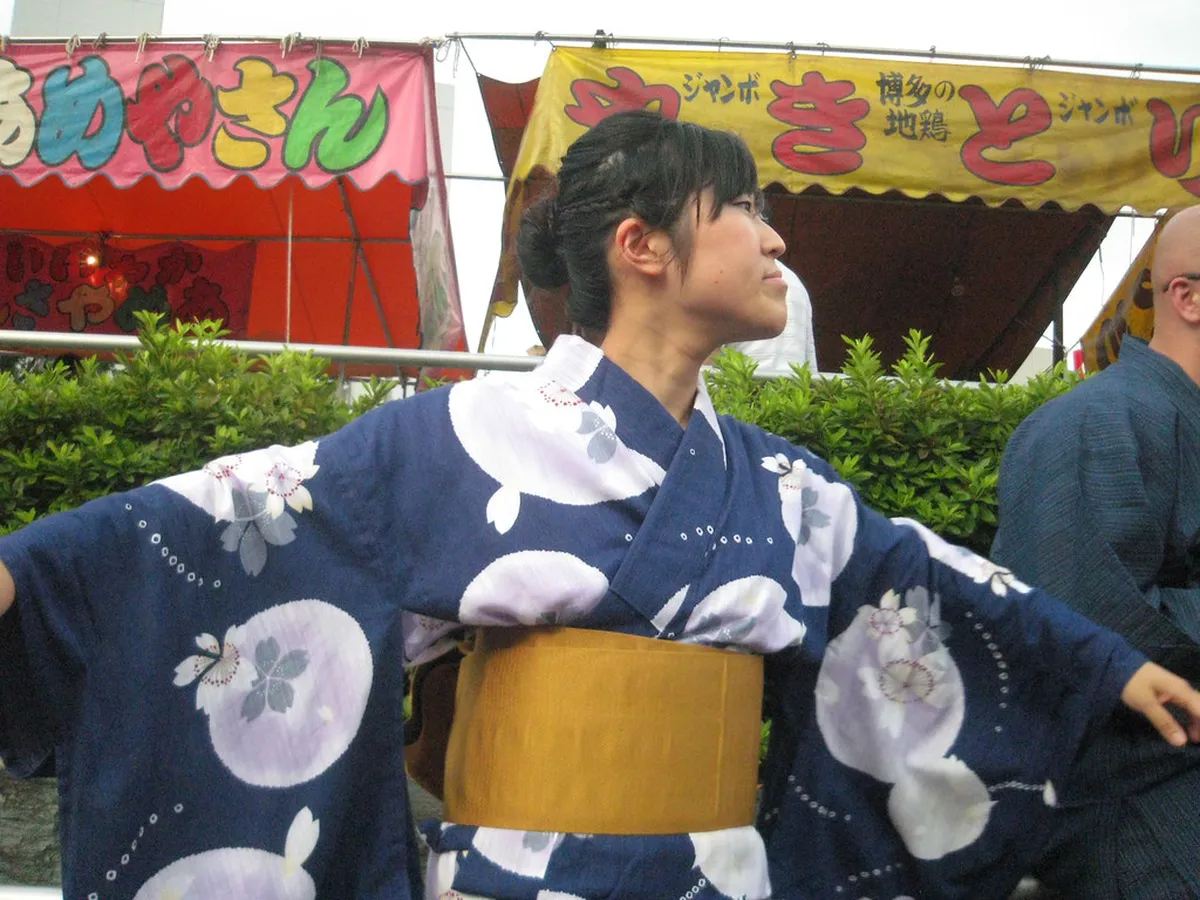
Wearing a yukata is not required but fits the spirit of the event and earns warm reactions from locals. Breathable, comfortable clothing works just as well in the Tokushima August heat, which regularly exceeds 30°C in the evenings. Packing a small fan, a water bottle, and a light rain poncho covers the three most common festival-night discomforts.
Frequently Asked Questions
What is the meaning of Awa Odori?
Awa Odori means 'Awa Dance,' taking its name from Awa, the historical name for Tokushima Prefecture. It is a form of Bon Odori — folk dances performed during Obon, when Japanese tradition holds that the spirits of ancestors return to visit the living. The festival has been practiced for over 400 years.
When is the Awa Odori festival 2026?
The 2026 Awa Odori festival in Tokushima City is expected to run from approximately August 12 to 15, following its traditional mid-August schedule. Check the official Japan tourism page for Awa Odori for confirmed 2026 dates and ticketing details as the event approaches.
Can tourists join in the Awa Odori dancing?
Yes — open groups called niwaka ren form along the street parade routes each festival evening and welcome anyone who wants to join. No costume or rehearsal is required, and troupe leaders guide newcomers through the basic steps. Joining a niwaka ren is widely considered the most memorable way to experience the festival firsthand.
What can I see in Tokushima beyond the festival?
Tokushima offers the Naruto whirlpools, the Otsuka Museum of Art, and the Mount Bizan ropeway within easy reach of the city center. The Tokushima itinerary guide helps you build a multi-day plan that pairs the August festival with the region's other highlights year-round.
Awa Odori is one of the most accessible festival experiences in Japan — big enough to fill a city with energy, yet open enough to welcome any visitor who steps forward to dance. The four-night August event in Tokushima is the main draw, but the Kaikan means the dance tradition is within reach all year. Booking seats and accommodation early is the single most important logistical step for anyone targeting the festival window.
The wider Tokushima region makes the trip even more worthwhile, with attractions like the Naruto whirlpools just a short ride from the city. For a full picture of what Tokushima offers in every season, browse Tokushima's top attractions before finalizing your itinerary.
Free guide: Japan's Hidden Gems
12 under-the-radar places beyond Tokyo & Kyoto — with the best season to visit each and a local tip you won't find in the guidebooks.
You might also like
Continue reading
More guides you'll find useful