
Kurashiki Bikan Historical Quarter
Kurashiki's preserved Edo-era merchant quarter, where white-walled kura storehouses with black tiles line a willow-fringed canal plied by punt boats — about 15 minutes by train from Okayama.
Visitor guide →
Things to do in Kurashiki in 2026: the Bikan Historical Quarter canal, Ohara Museum of Art and Achi Shrine — prices, how to get there from Okayama, and half-day and full-day itineraries.
Kurashiki, in Okayama Prefecture, is one of western Japan's best-preserved canal towns and a favourite day trip for travellers crossing the country in 2026. Its heart is the Bikan Historical Quarter, an Edo-era merchant district where white-walled kura storehouses with black-and-white namako-kabe tiling line a willow-fringed canal stocked with koi. Flat-bottomed punt boats glide beneath the bridges, craft shops and cafes fill the old warehouses, and the whole quarter is small enough to walk in an afternoon.
Two landmarks stand above the rest. The Ohara Museum of Art, opened in 1930, was Japan's first permanent museum of Western art — its galleries hold El Greco, Monet, Matisse and Gauguin a short walk from the canal. On the hill above the quarter sits Achi Shrine, Kurashiki's guardian shrine, reached by a steep stone staircase that rewards the climb with rooftop views over the historical district and, in late spring, a famous wisteria in bloom.
Best of all, Kurashiki is genuinely easy to reach. It is about 15 minutes by JR Sanyo Line from Okayama Station, then a 10-minute walk from Kurashiki Station to the canal — close enough that most visitors fold it into an Okayama itinerary rather than staying overnight. This page is your starting point: the three card links below open full visitor guides with verified prices and hours, and the sections that follow cover how to get there, what each sight costs, when to visit, and how to build a half-day or full-day route.
Planning a wider trip? See our Japan travel guide and getting around Japan.
Kurashiki's preserved Edo-era merchant quarter, where white-walled kura storehouses with black tiles line a willow-fringed canal plied by punt boats — about 15 minutes by train from Okayama.
Visitor guide →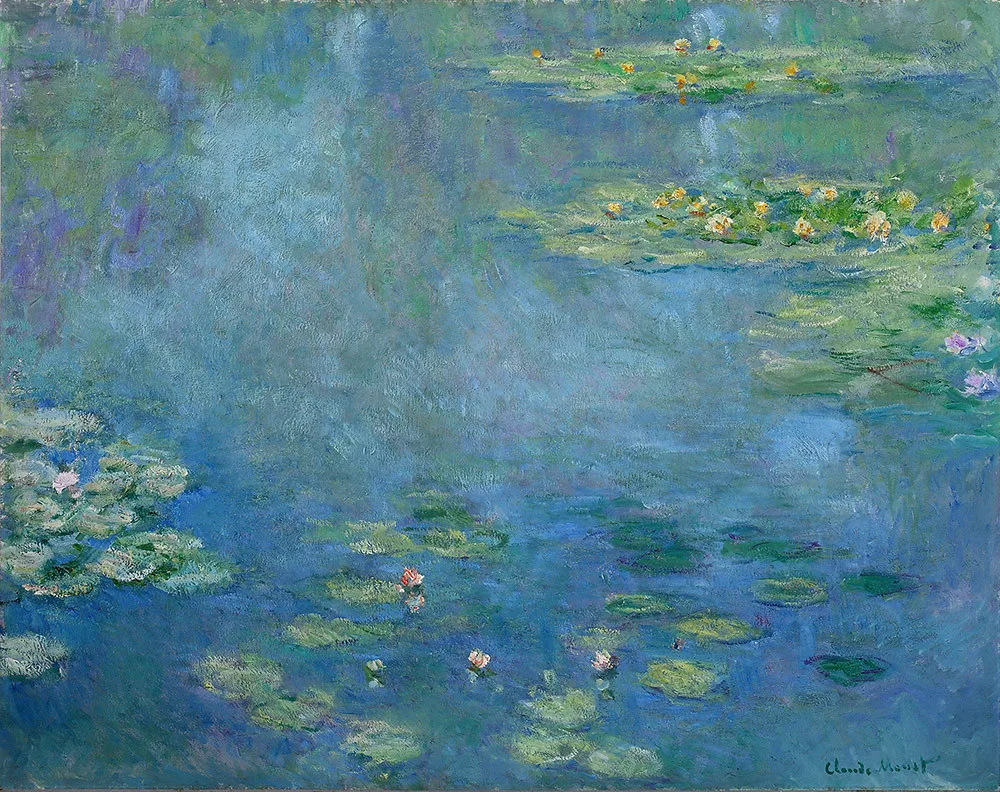
Opened in 1930, the Ohara Museum of Art was Japan's first permanent collection of Western art, with works by El Greco (Annunciation), Monet, Matisse and Gauguin, in the heart of Kurashiki's Bikan quarter.
Visitor guide →
Perched on Mount Tsurugata above the Bikan quarter, Achi Shrine is Kurashiki's guardian shrine — known for sweeping rooftop views, the ancient 'Akebono-fuji' wisteria, and its Munakata maritime deities.
Visitor guide →Kurashiki's three headline sights sit within a 10-minute walk of one another in and around the Bikan quarter, so you rarely need transport once you arrive. Here is what to expect — and what to budget — for each in 2026:
Two of the three cost nothing, which makes Kurashiki an unusually affordable stop. If you only have the budget or time for one paid attraction, make it the Ohara Museum — it is the reason many art lovers come to the city at all.
The Bikan Historical Quarter (美観地区, literally "beautiful-sight district") is the postcard image of Kurashiki and the main thing to do in town. During the Edo period the city was a tenryō — territory governed directly by the shogunate — and rice from across the region was barged along the canal and stored in the white-walled kura warehouses that still line the water. Those storehouses survived the 20th century intact, and today they hold craft shops, galleries, cafes and small museums rather than rice.
Spend your time here on foot. Willows trail over the canal, koi drift in the green water, and arched stone bridges frame the classic photo. From spring through autumn you can board a flat-bottomed punt boat (around ¥500) for a slow loop along the water — book at the canal-side ticket booth, as places are limited and sell out on busy afternoons. Within a short walk you will also find Ivy Square, a former Meiji-era cotton mill of red brick smothered in ivy that now houses shops, a hotel and a small museum, plus the Museum of Folkcraft for traditional textiles, ceramics and lacquerware.
Kurashiki is also a shopping destination with a twist: the nearby Kojima district is the birthplace of Japanese denim, and the Bikan quarter's stores sell everything from raw selvedge jeans to indigo-dyed accessories and the locally woven Kurashiki hanpu canvas. Even if you are not buying, the denim and craft shops are part of what makes the quarter feel lived-in rather than staged.
The quarter also rewards slowing down. Many storehouses have been converted into stylish cafes serving coffee and local sweets, and you will find restaurants offering Okayama specialities such as mamakari (a small local fish) and Setouchi seafood. Free English-language walking tours are run by volunteer guides from outside the tourist information centre on weekday afternoons, and rickshaw rides can be arranged in the canal area for those who want a narrated loop without the climb. Because everything is within a few minutes' stroll, the Bikan quarter is comfortable for families, older travellers and anyone who would rather wander than schedule.
Kurashiki is one of the easiest day trips in western Japan. From Okayama Station, a local JR Sanyo Line train reaches Kurashiki Station in about 15 minutes, with frequent departures throughout the day. From the station's south exit it is a flat 10-minute walk to the entrance of the Bikan Historical Quarter, signposted in English along the way.
If you are coming from further afield, route via Okayama. Okayama is a stop on the Sanyo Shinkansen, so it connects directly to Osaka (roughly 45–60 minutes by bullet train) and Hiroshima (around 35–40 minutes), and onward to Kyoto, Shin-Osaka and Hakata. Take the Shinkansen to Okayama, then change to the local JR Sanyo Line for the short hop to Kurashiki. A Japan Rail Pass covers both the Shinkansen leg and the local train, which makes Kurashiki an almost free add-on for pass holders.
Because the sights cluster so tightly, you can see the best of Kurashiki in a few hours — or stretch it into a relaxed full day.
Half-day route (about 3–4 hours): Walk from Kurashiki Station to the Bikan quarter, stroll the canal and cross the bridges, take the punt-boat ride, then visit the Ohara Museum of Art before browsing the denim and craft shops. This is the ideal plan if you are pairing Kurashiki with sights in Okayama on the same day.
Full-day route (about 6–7 hours): Do everything above at a slower pace, add the climb to Achi Shrine for the rooftop view, explore Ivy Square and the Museum of Folkcraft, and linger over lunch in a converted townhouse cafe. With a full day you can also push on to the Kojima denim district. Most travellers combine Kurashiki with Okayama — its castle and the celebrated Korakuen garden are 15 minutes back up the line — to fill out a single, satisfying day in the prefecture.
Kurashiki is rewarding year-round, but a few windows stand out. Spring (late April to May) is the showpiece season: the wisteria above Achi Shrine — locally known as the Akebono-fuji — bursts into bloom, and the canal-side willows turn bright green. Autumn (October to November) brings crisp, clear light that is kind to the white-walled storehouses and comfortable walking weather.
Whatever the season, try to stay into the evening. After dusk the Bikan quarter is lit by lanterns and gentle uplighting, the day-trip crowds thin out, and the reflections of the storehouses on the still canal are the most photogenic sight in town. Summer is hot and humid but rewards visitors with the daily punt-boat rides at their most reliable; winter is quiet and atmospheric, though some outdoor activities scale back.
One of Kurashiki's quiet advantages is how much of it costs nothing. Free to enjoy: walking the entire Bikan Historical Quarter and its canal, crossing the bridges, browsing the craft and denim shops, exploring Ivy Square's grounds, and climbing to Achi Shrine for the view. You can spend a genuinely good half-day here without paying for a single ticket.
The two things worth paying for are the Ohara Museum of Art (¥2,000 adult / ¥500 student 18 and under / free for under-elementary children) and the punt-boat ride (around ¥500). For most visitors the museum is the must-buy and the boat is the nice-to-have — and if the boat is sold out, the canal walk delivers the same scenery for free.
Kurashiki is about 15 minutes by local JR Sanyo Line train from Okayama Station, with frequent departures. From Kurashiki Station it is a 10-minute walk to the Bikan Historical Quarter, which makes Kurashiki one of the simplest half-day trips from Okayama.
Yes. Walking the Bikan Historical Quarter — the canal, the willow-lined banks, the bridges and the storehouse-lined streets — is completely free at any time of day. You only pay if you choose to take the punt-boat ride (around ¥500) or enter one of the paid museums such as the Ohara Museum of Art.
Admission to the Ohara Museum of Art is ¥2,000 for adults, ¥500 for students aged 18 and under, and free for children below elementary-school age. It is open 09:00–17:00 and closed on Mondays, except when a Monday falls on a public holiday.
Most visitors find half a day (3–4 hours) is enough to walk the Bikan quarter, take the boat ride and visit the Ohara Museum. Allow a full day (6–7 hours) if you want to add the climb to Achi Shrine, Ivy Square, the Museum of Folkcraft and the Kojima denim district at a relaxed pace.
Yes — Kurashiki is widely rated one of the prettiest canal towns in western Japan, and its preserved Edo-era quarter plus the Ohara Museum make it a standout stop. Because it is only 15 minutes from Okayama and most of its sights are free, it is also an easy, low-cost addition to any Sanyo-region itinerary in 2026.
Spring (late April to May) for the Achi Shrine wisteria and fresh canal-side willows, and autumn (October to November) for clear light and comfortable walking weather, are the best seasons. Whenever you go, stay into the evening, when the lantern-lit canal is at its most atmospheric.
Kurashiki is best experienced as a day trip. Its tight cluster of sights means few travellers stay overnight; instead, most visit for a half-day and combine it with Okayama's castle and Korakuen garden, or break the journey here while travelling between Osaka and Hiroshima on the Sanyo Shinkansen.
Ready to build the wider trip? Our Kurashiki Bikan day-trip guide walks through a full canal-quarter itinerary, while the Ohara Museum of Art guide covers the collection highlights and ticketing in detail. To slot Kurashiki into a bigger plan, see the best day trips from Okayama, the top things to do in Okayama, and our full Okayama itinerary for pairing both cities over one or two days.