

10 Best Things to Do on a Kurashiki Bikan Historical Quarter Day Trip (2026 Guide)
Plan a Kurashiki Bikan Historical Quarter day trip with 10 top stops, a practical itinerary, and verified 2026 train, museum, and canal boat advice.
On this page
A day trip to the Kurashiki Bikan Historical Quarter combines a preserved merchant town, a willow-lined canal, historic homes, and one of Japan's most important private art museums. The district is compact enough to explore on foot yet varied enough to fill a full day without rushing.
Kurashiki is 10–20 minutes by local train from Okayama Station, followed by a 10–15 minute walk from JR Kurashiki Station to the historical quarter. Plan four to six hours for the core sights, or a full day if you want the Ohara Museum of Art, a canal boat ride, lunch, and time for shopping.
Is Kurashiki Bikan Historical Quarter Worth Visiting?
Absolutely, Kurashiki Bikan Historical Quarter is undeniably worth visiting, especially for those interested in Japan's rich history and aesthetic beauty. Its unique blend of traditional architecture, serene waterways, and vibrant cultural institutions creates a truly immersive experience. Many visitors find it to be one of the most charming and well-preserved historical districts in all of Japan.
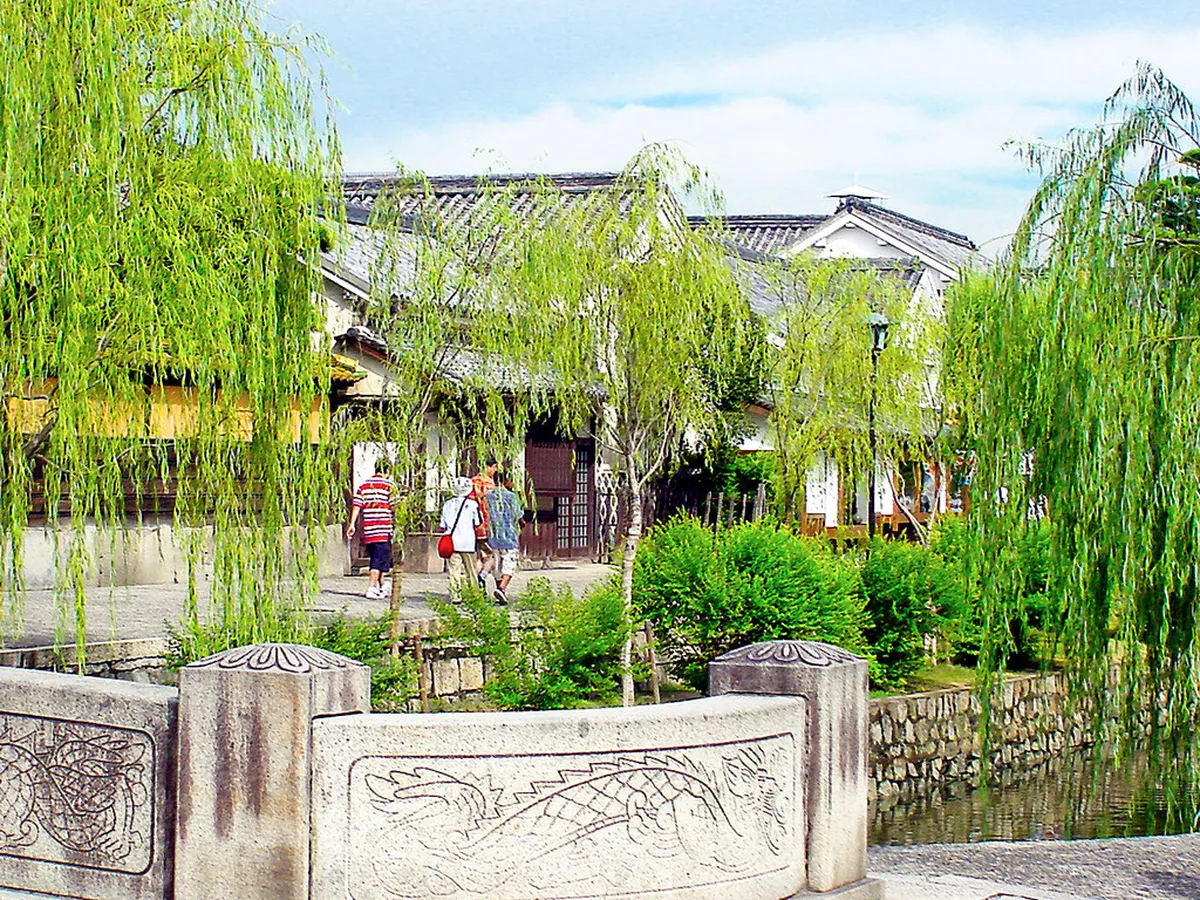
The quarter offers a peaceful atmosphere that stands apart from the bustling energy of larger cities. You can easily spend a full day exploring its winding streets, museums, and artisan shops. The area's compact size makes it perfect for walking, allowing you to discover hidden gems at your own pace.
For first-time visitors to the Okayama region, Kurashiki Bikan is a top recommendation. It provides a diverse range of activities, from boat rides on the canal to exploring an internationally renowned art museum. This makes it an excellent addition to any Japan itinerary, whether you have a few days or just an afternoon.
How to Plan Your Kurashiki Bikan Historical Quarter Day Trip
Planning your Kurashiki Bikan Historical Quarter day trip from Okayama is straightforward. JR local and rapid trains normally cover Okayama Station to Kurashiki Station in about 10–20 minutes, and the Bikan area is another 10–15 minutes away on foot. From Shin-Osaka, the Sanyo Shinkansen reaches Okayama in roughly 45 minutes before the local-train transfer. Check the current timetable for your travel date rather than relying on a fixed departure interval.
Spring and autumn bring mild walking weather, but the preserved streets are attractive year-round. Weekday mornings are generally quieter than weekends. Arrive around 09:00 if the canal boat matters: all tickets are sold on the day at the Kurashiki-kan Tourist Information Center, and popular departures can fill early.
A practical route is the canal and boat-ticket office first, followed by the Ohara Museum of Art, lunch, the merchant houses, Achi Shrine, Ivy Square, and Honmachi shopping streets. Allow four to six hours for the highlights. In July and August the last boat leaves at 15:00, so do not save it for late afternoon.
10 Must-See Attractions in Kurashiki Bikan Historical Quarter
The Kurashiki Bikan Historical Quarter boasts a remarkable collection of attractions, each offering a unique window into its past and present. From iconic art institutions to preserved merchant homes, this area provides a rich tapestry of experiences. Many of these spots are within easy walking distance, making exploration a delight.
As you wander through the willow-lined streets, you'll discover why this district is a favorite among travelers. The serene canal forms the heart of the area, but the surrounding alleys hold countless treasures. Here are ten essential stops for your Kurashiki Bikan historical quarter day trip.
Remember that some attractions have specific operating hours and may close on certain days, so it's always wise to check ahead. Many smaller shops and cafes open around 10 AM and close by 5 PM or 6 PM. Embrace the slower pace of Kurashiki to fully absorb its charm.
- Ohara Museum of Art: Japan's first private museum devoted to Western art was established in 1930. Its collection includes El Greco, Monet, modern Japanese art, crafts, and Asian antiquities. In 2026, adult admission is ¥2,000; opening is 09:00–17:00 from March through November and 09:00–15:00 from December through February, with last entry 30 minutes before closing. Mondays are normally closed, except specified holidays and August.
- Kurashiki Riverboat ride: The roughly 20-minute trip gives a low, unobstructed view of the canal's white-walled buildings. Boats leave about every 30 minutes from 09:30. Adult tickets cost ¥700 and child tickets ¥350; they are sold only on the day and cannot be reserved. Summer service ends at 15:00, and rain, wind, low water, or events can suspend operations.
- Inoue House: This roughly 300-year-old nationally designated Important Cultural Property is the oldest surviving townhouse in the Bikan area. It opens 10:00–17:00, with last entry at 16:30, and adult admission is ¥500. It normally closes Monday or the following day when Monday is a public holiday.
- Ohashi House: Built in 1796 by a prosperous rice-field developer, this Important Cultural Property preserves the scale and street-facing design of a leading merchant residence. Adult admission is ¥550, and opening hours are 09:00–17:00. Winter Friday and New Year closures apply.
- Kurashiki Ivy Square: The red-brick former spinning-mill complex now contains a hotel, restaurants, shops, a pottery studio, and the Kurabo Memorial Hall. The outdoor complex is free to enter. The memorial hall opens 10:00–16:00, with last admission at 15:45, and costs ¥300 for adults.
- Kurashiki Museum of Folkcraft: Traditional storehouses hold a focused collection of useful, beautifully made folk objects. The current reference price is ¥1,200 for adults, not the lower fee shown in older guides. Opening is generally 09:00–17:00 with last entry at 16:30; Mondays and year-end dates are normally closed.
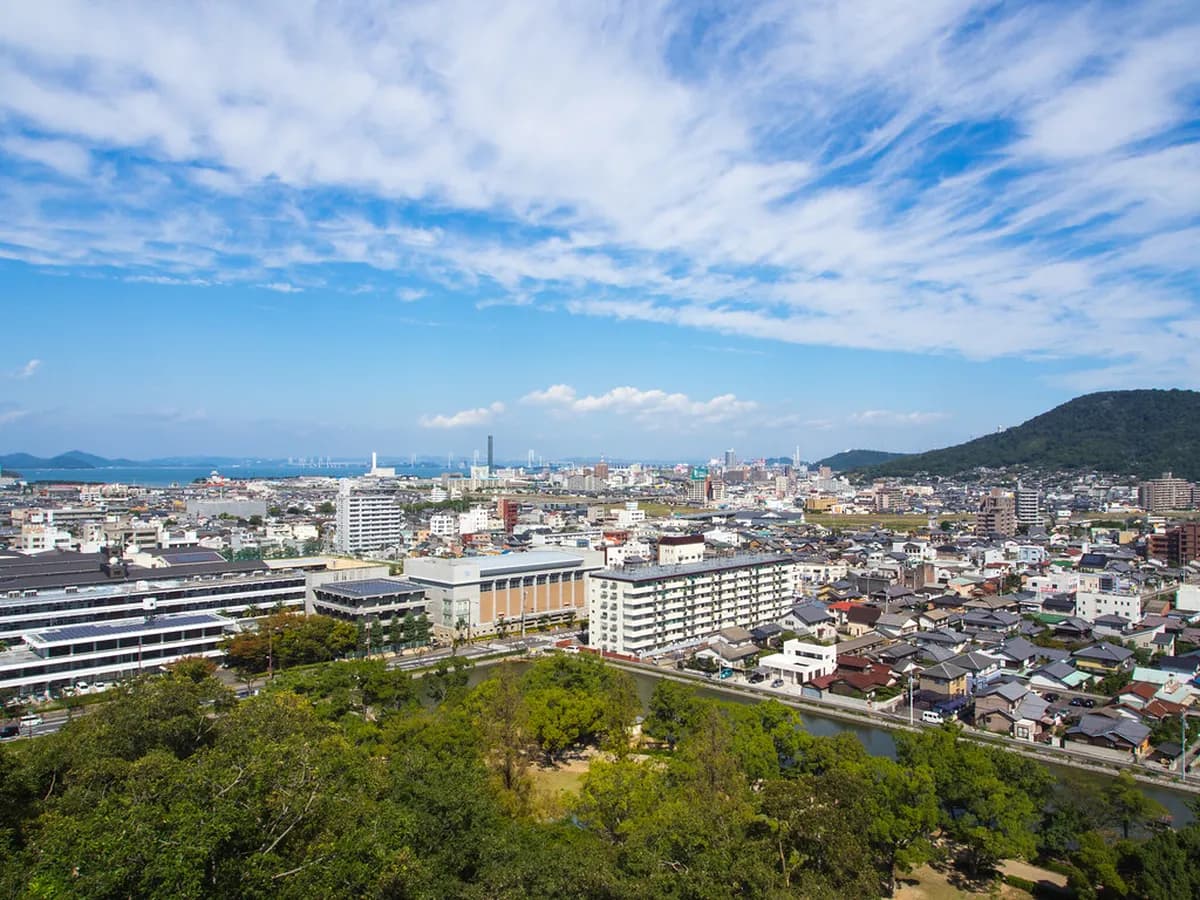
- Achi Shrine: Climb through Tsurugatayama Park for a different perspective over the tiled roofs of the Bikan quarter. The shrine grounds are free, but the route includes stairs and is less suitable for travelers with limited mobility.
- Kanryu-ji Temple and Honmachi: This quieter hillside temple pairs naturally with a walk along Honmachi's traditional townhouses, small galleries, cafés, and craft shops. Observe posted signs because parts of the temple grounds may be reserved for worship.
- Kurashiki Denim Street: This compact shopping spot is inside the Bikan Historical Quarter at 1-10-11 Chuo and features Kojima-made denim and indigo-colored snacks. Do not confuse it with Kojima Jeans Street, a separate destination near Kojima Station that requires additional travel.
- Momotaro Karakuri Museum: Optical illusions, mechanical displays, and a small haunted-house-style section interpret Okayama's Momotaro legend. It is a light, family-friendly alternative to another historical house; confirm the day's hours and admission at the entrance before committing time.
Explore the Kurashiki Canal: Boats, Views, and History
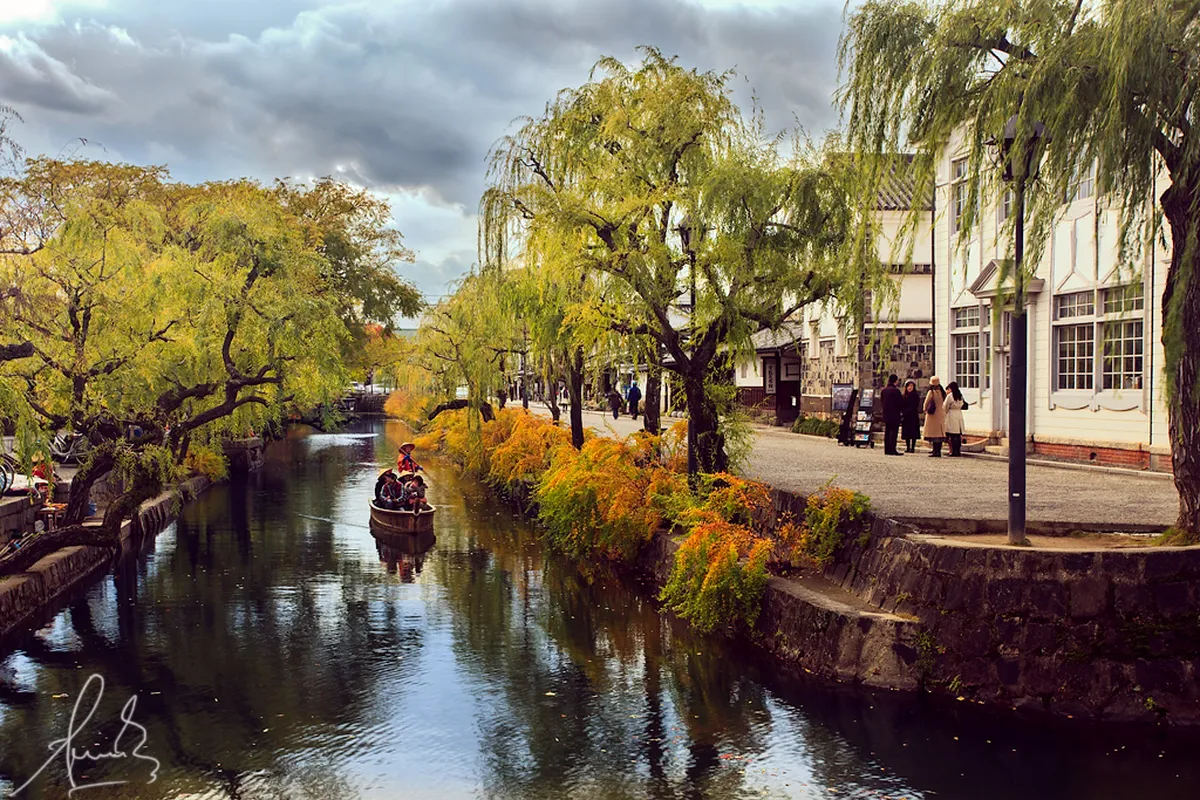
The Kurashiki Canal is the heart of the Bikan Historical Quarter. Once used to transport rice and other goods, it now anchors the district's walking route and traditional riverboat service. Willow trees, stone bridges, and white-plastered former storehouses create the view for which Kurashiki is known.
The sightseeing boat takes about 20 minutes and leaves approximately every 30 minutes from 09:30. According to the Okayama Prefecture tourism guide, adult tickets are ¥700, reservations are not accepted, and the six-seat boats can be suspended by bad weather or low water. From July through August, the last departure is 15:00 rather than 17:00.
Buy a timed ticket at Kurashiki-kan Tourist Information Center from 09:00, then return for the departure. If boats are canceled or sold out, the canal loop is still rewarding on foot. Visit before 10:00 for lighter crowds or near sunset for softer photography light, when most day-trip groups have left.
Discover Art and Culture at Ohara Museum of Art
The Ohara Museum of Art houses an exceptional collection of Western, modern Japanese, craft, and Asian art in the middle of the historic district. Founded in 1930 by local industrialist Magosaburo Ohara, it was Japan's first private museum dedicated to Western art. Its best-known works include El Greco's Annunciation and paintings by Claude Monet.
Allow 90 minutes to two hours for the Main Building and the Craft Art and Asian Art galleries. The annex remains closed, but the museum's ¥2,000 adult ticket also covers the Kojima Torajiro Memorial Hall. Keep the ticket: the museum states that an unstamped building can be visited on another day, although same-building re-entry is generally not allowed.
The official visitor information lists 09:00–17:00 hours from March through November and 09:00–15:00 from December through February, with last admission 30 minutes before closing. Mondays are normally closed, but public-holiday and August exceptions appear on the museum's 2026 calendar.
Step Back in Time: Inoue House and Ohashi House
Inoue House and Ohashi House show two sides of Kurashiki's prosperous merchant past. Inoue House is the Bikan area's oldest surviving townhouse, around 300 years old, while Ohashi House was built in 1796 by a family that prospered through rice-field development. Both are nationally designated Important Cultural Properties.
Inoue House opens 10:00–17:00, with last admission at 16:30, and costs ¥500 for adults. It normally closes Monday, or the following day when Monday is a public holiday. Ohashi House opens 09:00–17:00 and costs ¥550 for adults; it closes Fridays from December through February and December 28–January 3. The official Kurashiki Bikan guide publishes the current schedules for both.
If time is limited, choose Inoue House for the older structure or Ohashi House for a larger merchant residence. Allocate 30–45 minutes per house and remember that opening patterns differ—there is no single district-wide museum closure day.
Experience Ivy Square: History, Shops, and Relaxation
Kurashiki Ivy Square contrasts with the district's white walls through its red-brick buildings and seasonal ivy. The complex reuses Kurashiki Spinning Works' former factory and now contains a hotel, restaurants, shops, a pottery studio, and cultural facilities.
The courtyards and common areas are free to enter. The most relevant museum is the Kurabo Memorial Hall, which traces the spinning company's history through photographs, models, documents, and machinery. It opens 10:00–16:00, with last entry at 15:45, and costs ¥300 for adults according to the official Ivy Square listing.
Shop hours vary rather than following one complex-wide timetable. Ivy Square works best as a lunch, coffee, or shopping stop between the canal and the eastern end of the Bikan quarter.
Unique Shopping Experiences in Kurashiki Bikan
Kurashiki Bikan offers shopping that is closely tied to local craft traditions rather than generic souvenirs. Small stores and workshops occupy restored townhouses along Honmachi and the canal-side lanes.
Kurashiki Denim Street inside the Bikan quarter sells Kojima-made jeans, bags, accessories, and playful indigo-colored snacks. It is not the same place as Kojima Jeans Street near Kojima Station, which needs a separate train journey and more time than this walking itinerary allows.
Beyond denim, look for Kurashiki canvas, Bizen pottery, glassware, locally brewed sake, and murasuzume sweets. The JNTO district guide also highlights the area's indigo textiles and handcrafted goods.
Getting Around: Walking Tours and Rickshaw Rides
Exploring the Kurashiki Bikan Historical Quarter is best done on foot. A self-guided loop from Kurashiki Station through Ebisu-dori, the canal, Honmachi, Achi Shrine, and Ivy Square keeps the principal sights within a compact area. The canal-side streets are mostly level, but Achi Shrine requires a stair climb.
Traditional rickshaw rides offer a seated introduction to the district, with routes and durations chosen at the stand. Confirm the current posted price, route, and finish point before boarding rather than relying on older guidebook estimates.
The pedestrian area is easiest with a small bag and comfortable shoes. Coin lockers and a free water station are available at Kurashiki-kan Tourist Information Center, which opens 09:00–18:00 except for limited New Year closures.
Frequently Asked Questions
Is Kurashiki worth visiting for a day trip?
Yes, Kurashiki is highly recommended for a day trip, offering a perfect blend of history, culture, and scenic beauty. Its compact size makes it easy to explore major attractions like the Ohara Museum and the canal within a few hours. It provides a distinct historical experience compared to larger Japanese cities.
How much time should you plan for a Kurashiki Bikan historical quarter day trip?
For a comprehensive Kurashiki Bikan historical quarter day trip, plan for at least 4 to 6 hours. This allows ample time to enjoy a canal boat ride, visit the Ohara Museum of Art, explore merchant houses, and browse the unique shops. A full day provides a more relaxed pace and time for meals.
What should travelers avoid when planning a Kurashiki Bikan historical quarter day trip?
Do not assume every attraction follows the same closure day. Ohara Museum and Inoue House normally close Mondays, while Ohashi House has different winter closures and outdoor streets remain accessible. Also avoid leaving the canal boat until late afternoon in summer, when the final departure is 15:00.
What are the must-see attractions in Kurashiki Bikan Historical Quarter?
Must-see attractions include the Ohara Museum of Art, a traditional Kurashiki Canal boat ride, and exploring the preserved Inoue House and Ohashi House. Ivy Square also offers a unique historical and commercial experience. Don't miss the Achi Shrine for panoramic views of the district.
Can you reserve the Kurashiki canal boat?
No. Kurashiki riverboat tickets are sold only for the same day at Kurashiki-kan Tourist Information Center from 09:00. Adult tickets cost ¥700, departures begin at 09:30, and each boat holds six people. Weather, water level, and local events can suspend service.
A day trip to the Kurashiki Bikan Historical Quarter offers an unforgettable journey into Japan's past, blending serene beauty with rich cultural experiences. From the iconic canal boat rides to world-class art at the Ohara Museum, every corner of this district tells a story. It’s a destination that truly captures the essence of traditional Japan, making it a perfect escape from the modern hustle.
Whether you're an art enthusiast, a history buff, or simply seeking a picturesque stroll, Kurashiki Bikan delivers. Remember to plan your visit around operating hours and consider traveling during the shoulder seasons for fewer crowds. This charming historical quarter is a highlight of the Okayama region, promising a memorable addition to your Japan travels.
Free: The Okayama Essentials guide
Top things to do, where to stay, a perfect day plan, getting around, and the best time to go — a Okayama mini-guide you can take offline.
You might also like


Continue reading
More guides you'll find useful


