Korakuen Garden Okayama Guide: History, Highlights & Visitor Info
Explore Korakuen Garden in Okayama with our complete guide. Discover its history, top highlights, seasonal beauty, and essential visitor information for a perfect trip.
On this page
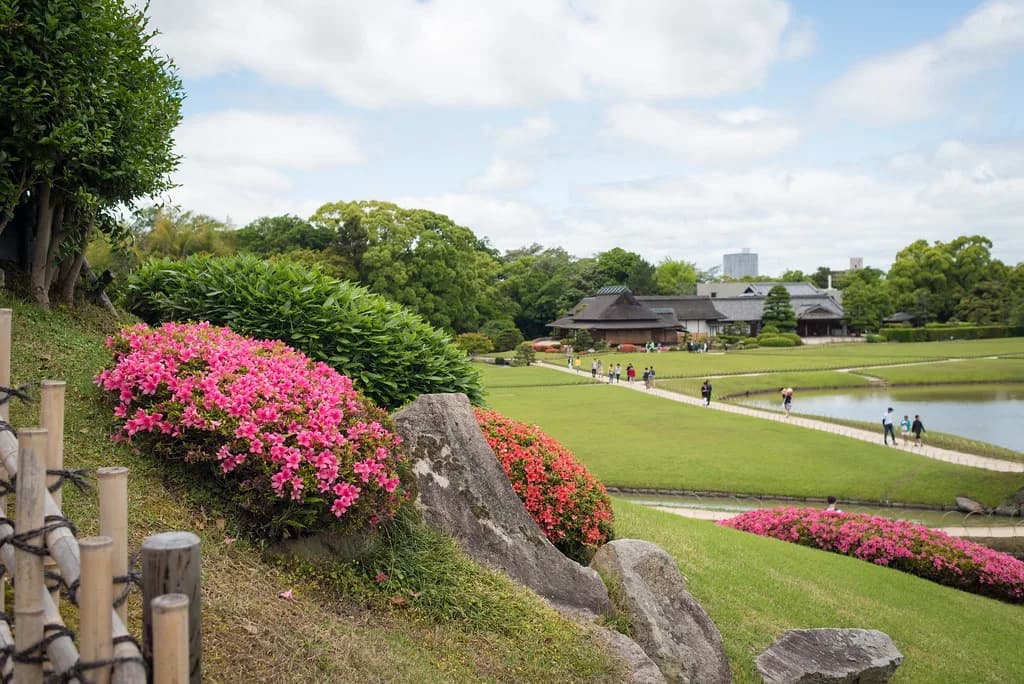
Korakuen Garden in Okayama stands as a masterpiece of Japanese landscape design. This historic garden is revered as one of Japan's Three Great Gardens. It offers visitors a serene escape into natural beauty and cultural heritage. Our Korakuen Garden Okayama guide helps you plan an unforgettable visit.
The garden blends vast lawns, tranquil ponds, and scenic tea houses. It provides a picturesque setting for relaxation and exploration. Discover its rich history, seasonal highlights, and practical visitor information. You can truly experience this iconic Okayama attraction.
This guide covers everything from its Edo period origins to essential tips for your trip. We highlight the must-see spots and seasonal changes. Prepare to immerse yourself in the timeless elegance of Korakuen Garden.
What is Korakuen Garden? Japan's Historic Landscape
Korakuen Garden is a celebrated example of a daimyō garden, created for a feudal lord. It was built in the early 18th century by Ikeda Tsunamasa, the local lord. The garden's design reflects traditional Japanese aesthetics and principles. It offers a harmonious blend of natural and cultivated elements.
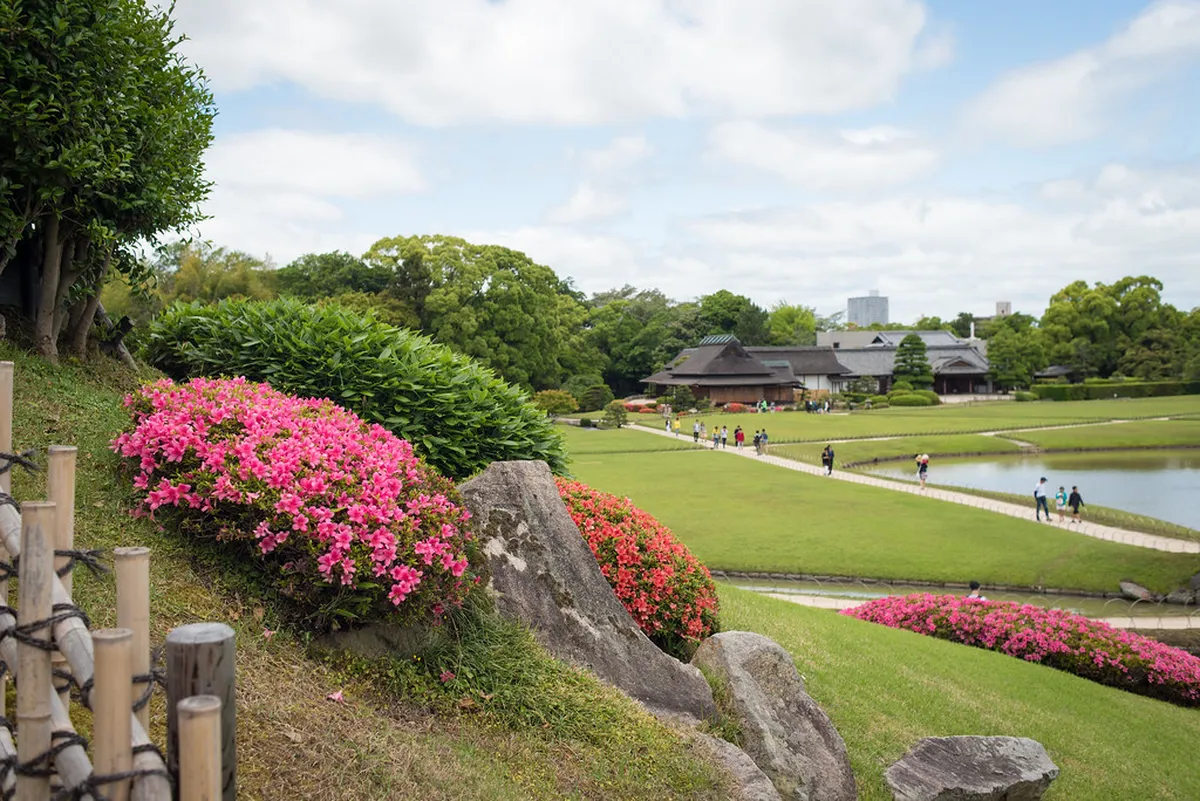
It is consistently ranked among Japan's Three Great Gardens, alongside Kenrokuen in Kanazawa and Kairakuen in Mito. This distinction highlights its exceptional beauty and historical significance. The garden's expansive lawns are particularly rare for a Japanese garden. Most Japanese gardens feature more intricate, compact designs.
Visitors can stroll along winding paths, cross charming bridges, and admire meticulously maintained landscapes. The garden incorporates the surrounding scenery, including Okayama Castle and the Asahi River. This 'borrowed scenery' technique enhances its depth and beauty. Korakuen provides a tranquil experience for all who visit.
The Rich History of Korakuen Garden
The construction of Korakuen Garden began in 1687 and finished in 1700. Ikeda Tsunamasa, the second lord of Okayama, commissioned its creation. He aimed to build a private retreat for his guests and himself. The garden also served as a place for important ceremonies.
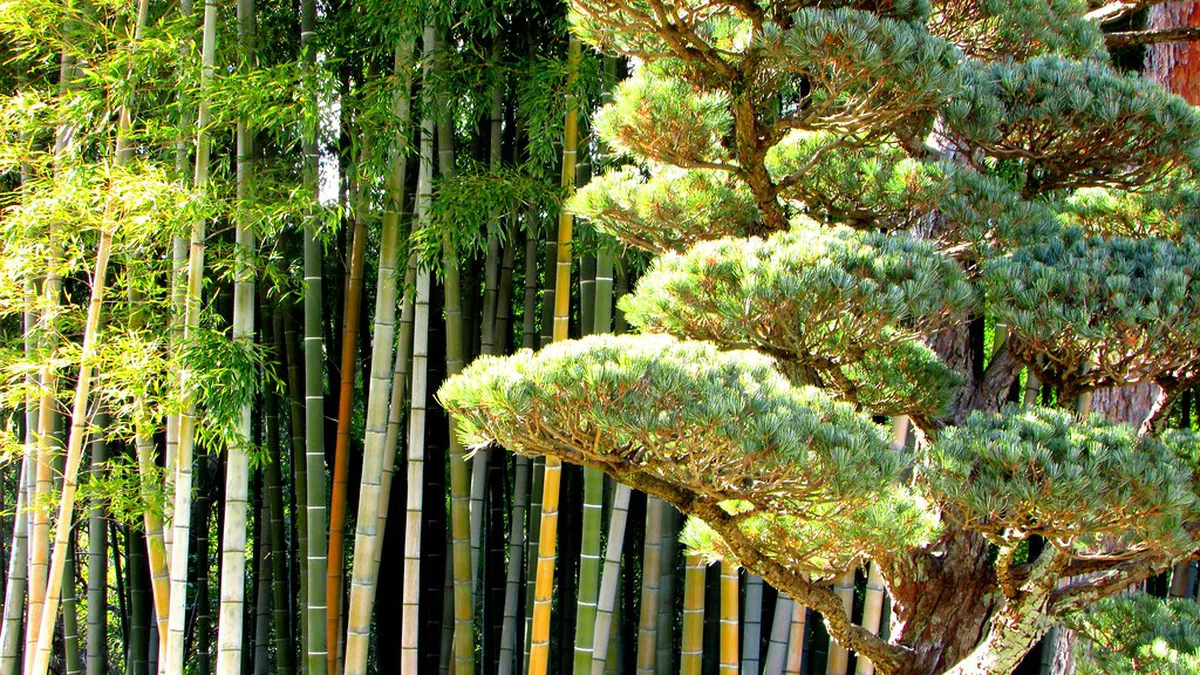
It exemplifies the Edo period's garden design, emphasizing natural beauty and functionality. The garden underwent various changes and expansions over the centuries. It always maintained its core aesthetic and purpose. The Ikeda family continued to oversee its development.
Despite suffering damage during floods and World War II, Korakuen Garden was meticulously restored. Its resilience showcases the dedication to preserving Japan's cultural heritage. Today, it stands as a testament to its original grandeur. The garden remains a cherished historical landmark in Okayama.
Top Things to See: Korakuen Garden Highlights
Korakuen Garden offers many captivating sights for visitors to explore. Allow at least two hours to fully appreciate its beauty. The garden's design encourages a leisurely stroll. You will discover new perspectives around every corner.
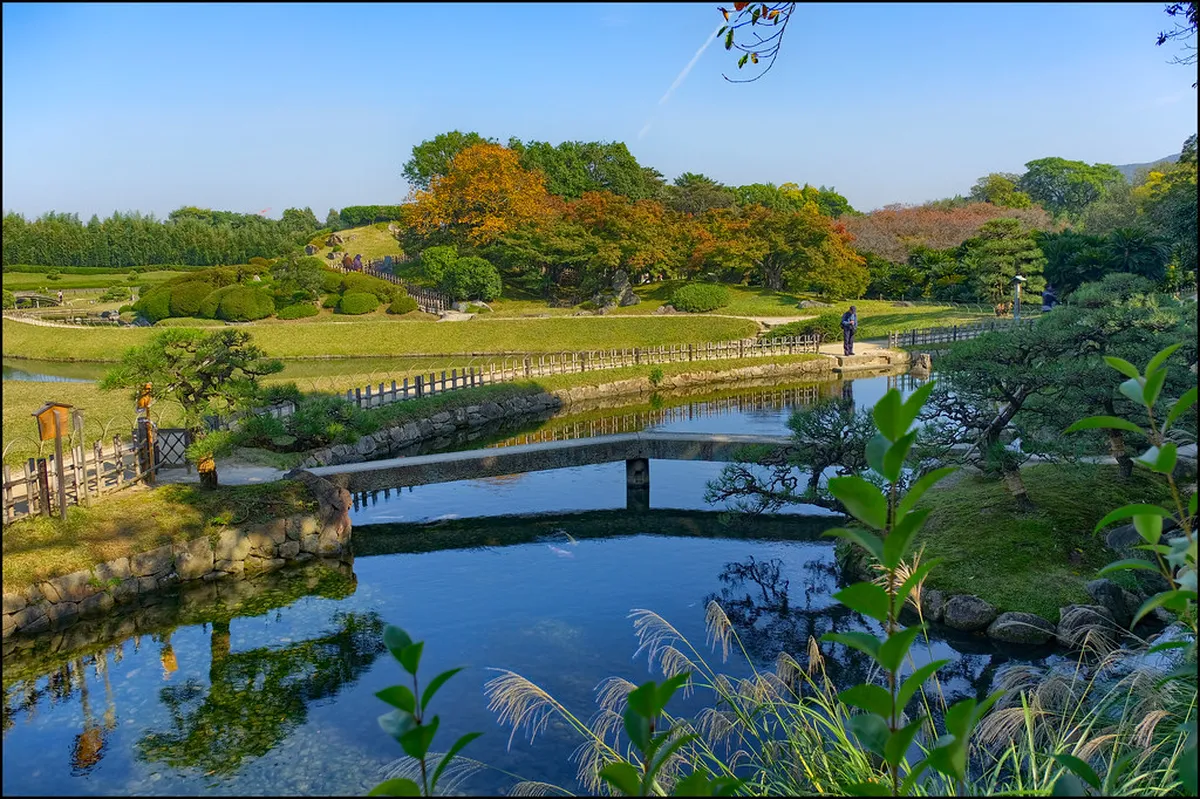
The central pond, Sawa-no-ike, features three islands, each with unique character. Enyōtei House, once the lord's retreat, provides panoramic views of the garden. This vantage point reveals the thoughtful layout and borrowed scenery. You can truly appreciate the garden's scale from here.
Yūshinzan Hill offers another excellent viewpoint over the entire garden. The Ryūten tea ceremony house provides a glimpse into traditional Japanese culture. Don't miss the picturesque Kyokusui Stream, where poetry gatherings once took place. The stream's gentle flow adds to the garden's peaceful ambiance.
Meander through the various groves, including plum, cherry, and maple trees. The garden also features rice paddies and a tea plantation. These elements remind visitors of its agricultural history. Each section offers a different visual experience.
Seasonal Beauty: Flowers and Scenery Year-Round
Korakuen Garden transforms with each passing season, offering unique beauty throughout the year. Planning your visit around specific blooms can enhance your experience. Check the Korakuen official website for current bloom forecasts. This helps ensure you see your favorite flowers.
Spring (March-May) brings vibrant cherry blossoms, especially in late March and early April. The garden's plum grove also blooms beautifully in February and March. Azaleas add splashes of color in May. This season often attracts more visitors, so plan for crowds.
Summer (June-August) showcases irises in June and lotus flowers in July and August. The lush greenery offers a refreshing contrast to the warm weather. Consider an early morning visit to avoid the summer heat. The garden feels particularly tranquil at dawn.
Autumn (September-November) is famous for its stunning maple leaves, which turn brilliant reds and golds. Late November typically offers the most spectacular autumn colors. The cooler temperatures make for pleasant walking conditions. This is a popular time for photography.
Winter (December-February) provides a serene, often snow-dusted landscape. Although fewer flowers bloom, the garden's stark beauty is captivating. You can enjoy fewer crowds and a peaceful atmosphere. Special illuminations sometimes occur during winter evenings.
Planning Your Visit: Korakuen Garden Visitor Information
Korakuen Garden is easily accessible from Okayama Station, making it a convenient destination. Knowing the operating hours and admission fees helps streamline your trip. These details are important for a smooth visit.
The garden is open daily from 7:30 AM to 6:00 PM between March 20 and September 30. From October 1 to March 19, hours are 8:00 AM to 5:00 PM. Last entry is always 30 minutes before closing. Verify current hours on the Korakuen official website before your visit.
Admission costs ¥410 for adults. Children aged 6-14 pay ¥140. There are discounts for groups and combined tickets with Okayama Castle. A combined ticket offers good value if you plan to visit both. This saves you money on entry fees.
From Okayama Station, take a local bus to the Korakuen-mae stop (about 12 minutes). Alternatively, a pleasant 25-minute walk takes you directly to the garden entrance. Taxis are also readily available from the station. Consider walking if the weather is nice.
Free guided tours in English are often available on weekends and holidays. These tours offer deeper insights into the garden's history and design. Check the garden's official website for tour schedules. These guides enhance your understanding of the garden.
Nearby Attractions: Combining Korakuen with Okayama Castle & More
Korakuen Garden's proximity to Okayama Castle makes visiting both attractions simple. A short walk across the Tsukimi Bridge connects the garden directly to the castle grounds. This convenient link allows for a combined cultural experience. You can easily spend a full day exploring both.
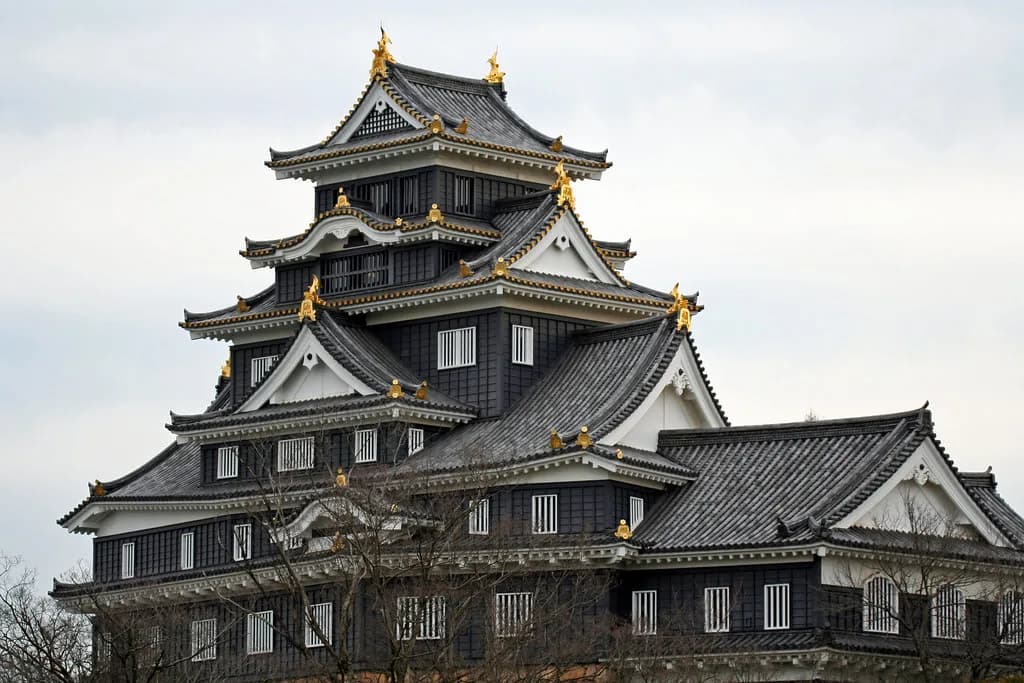
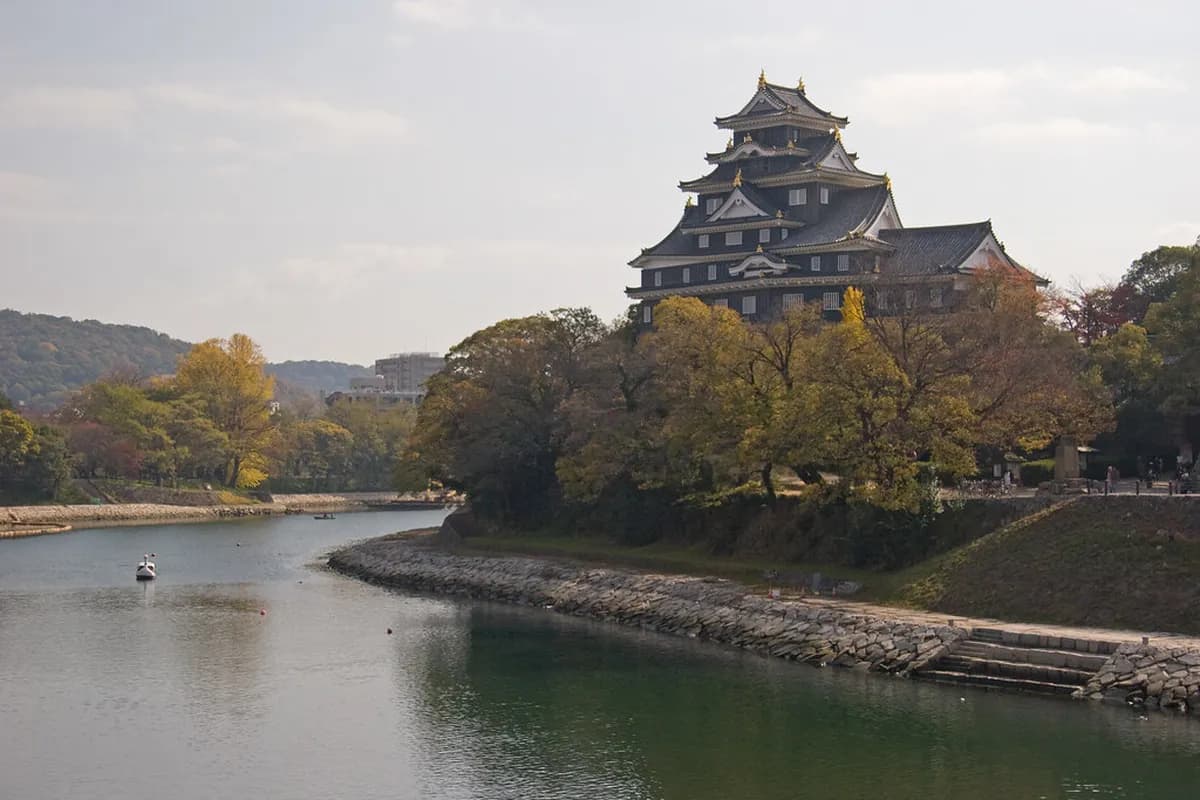
Okayama Castle, known as 'Crow Castle' for its black exterior, offers a fascinating historical perspective. Explore its reconstructed interior, which houses a museum detailing its history. Climb to the top for panoramic views of Okayama City and Korakuen Garden. Learn more about its history in our Okayama Castle.
Beyond the castle, consider a visit to the Okayama Prefectural Museum of Art. It features local and national artworks. The museum is a short walk from the garden. It provides another cultural dimension to your visit.
For those with more time, a day trip to Kurashiki Bikan Historical Quarter is highly recommended. This charming area boasts picturesque canals and traditional merchant houses. Our 10 Best Things to Do on a Kurashiki Bikan Historical Quarter Day Trip guide offers details. It is easily accessible by train from Okayama Station.
Exploring other Okayama attractions can round out your trip. Kibitsu Shrine, with its unique architectural style, offers a different spiritual experience. Consider visiting it for a deeper dive into local culture. Bizen Pottery Village is another excellent option for art lovers.
Practical Tips for Travelers to Korakuen Garden
To fully enjoy Korakuen Garden, consider these practical tips for your visit. These suggestions can help you make the most of your time. Planning ahead ensures a smooth and pleasant experience.
The best time to visit often depends on your preferences for crowds and scenery. Early mornings or late afternoons generally have fewer visitors. Weekdays are usually less crowded than weekends. This allows for a more peaceful experience.
Wear comfortable shoes, as you will be doing a fair amount of walking. The paths are well-maintained, but some areas involve gentle slopes. Bring water, especially during warmer months. There are vending machines and small cafes within the garden.
Photography is permitted, but please be respectful of other visitors and the garden itself. Avoid stepping off designated paths or disturbing plants. Tripods might be restricted in certain areas or during peak times. Always be mindful of your surroundings.
Allow at least 2-3 hours to explore the garden thoroughly. If you plan to visit Okayama Castle as well, budget a full half-day. This gives you ample time to appreciate both sites. You won't feel rushed and can savor each moment.
Consider visiting during one of the garden's special evening illuminations. These events offer a magical and different perspective. Check the Korakuen official website for event schedules. These special events are truly memorable.
Frequently Asked Questions About Korakuen Garden
Frequently Asked Questions
What is Okayama Korakuen Garden?
Okayama Korakuen Garden is one of Japan's Three Great Gardens, a traditional landscape garden built for a feudal lord during the Edo period. It features expansive lawns, ponds, tea houses, and streams. The garden is known for its harmonious design and borrowed scenery. It offers a tranquil escape for visitors.
How much time should you plan for Korakuen Garden Okayama?
Plan to spend at least 2-3 hours exploring Korakuen Garden. This allows for a leisurely stroll through its various sections. If you combine your visit with Okayama Castle, budget a full half-day. This ensures you can fully appreciate both historical sites.
What are the must-see attractions at Korakuen Garden?
Must-see attractions include the Enyōtei House for panoramic views, the central Sawa-no-ike Pond with its islands, and Yūshinzan Hill. Don't miss the Ryūten tea house and the picturesque Kyokusui Stream. Each spot offers unique beauty and historical significance.
Is Korakuen Garden Okayama worth visiting in winter?
Yes, Korakuen Garden is worth visiting in winter, especially if you prefer fewer crowds. While fewer flowers bloom, the garden's serene, often snow-dusted landscape offers a unique charm. Special winter illuminations can also provide a magical experience. Check the garden's schedule for details.
Are there guided tours available at Korakuen Garden?
Yes, free guided tours in English are often available at Korakuen Garden on weekends and national holidays. These tours provide valuable insights into the garden's history and design. It is advisable to check the Korakuen official website for the most current tour schedules and availability.
Korakuen Garden in Okayama offers a profound journey into Japan's rich cultural and natural heritage. Its timeless beauty and meticulous design provide a peaceful retreat for every visitor. From its Edo period origins to its vibrant seasonal displays, the garden truly captivates.
Whether you seek historical insights, stunning photography opportunities, or simply a moment of tranquility, Korakuen Garden delivers. Plan your visit carefully to experience its highlights and seasonal charm. Combine it with nearby Okayama Castle for a comprehensive cultural day. This will create lasting memories of your trip.
This Korakuen Garden Okayama guide aims to equip you with all the information needed for an unforgettable experience. Embrace the serenity and beauty that await you. Discover why this garden remains one of Japan's most treasured landscapes.
Free: The Okayama Essentials guide
Top things to do, where to stay, a perfect day plan, getting around, and the best time to go — a Okayama mini-guide you can take offline.
You might also like


Continue reading
More guides you'll find useful