Is the Japan Rail Pass Worth It? A Comprehensive 2026 Guide
Deciding if the Japan Rail Pass is worth it for your trip? Get a detailed breakdown of costs, coverage, and alternatives to make an informed decision for your Japan travel.
On this page
The Japan Rail Pass can still be worth it in 2026 — but only for specific, intensive itineraries after the October 2023 price hike raised the 7-day pass by roughly 70%. If your trip is shorter than 10 days, stays in one region, or keeps returning to the same city, individual tickets or regional passes will almost certainly cost you less. For ambitious multi-city routes — Tokyo, Kyoto, Hiroshima, and beyond — the math can still tip in the pass's favour, especially once you factor in the convenience of not queuing for tickets at every station.
The Japan Rail Pass (JR Pass) is a flat-fee travel card available exclusively to foreign tourists. It covers unlimited rides on most Japan Railways (JR) lines — Shinkansen bullet trains, JR local trains, select JR buses, and some ferries — for a consecutive block of 7, 14, or 21 days. It was designed for exactly the kind of wide-ranging journey Japan rewards: criss-crossing between coastline, mountain town, and ancient capital in the span of two weeks.
Before 2023 the pass was a near-automatic buy for anyone planning more than four or five shinkansen legs. Now you have to run the numbers. This guide gives you those numbers, real itinerary examples, and a clear framework for deciding — whether you end up buying the pass or not.
Booking soon? Prices rise again on 1 October 2026 — the 7-day Ordinary Pass goes from ¥50,000 to ¥53,000. The rise is tied to your purchase date rather than your travel dates, and it does not hit every sales channel at once. The full price table and what it means for buying is below.
What is the Japan Rail Pass?
The Japan Rail Pass is a physical (or digital) ticket sold only to tourists entering Japan on a Temporary Visitor visa. It provides unlimited rides on the JR network — the national rail operator — for a fixed consecutive period. Passes come in 7, 14, or 21-day durations and in two classes: Ordinary (standard) and Green Car (first class). The Green Car has wider seats, more legroom, and quieter carriages, but standard class is already comfortable on long journeys and most travellers skip the upgrade.
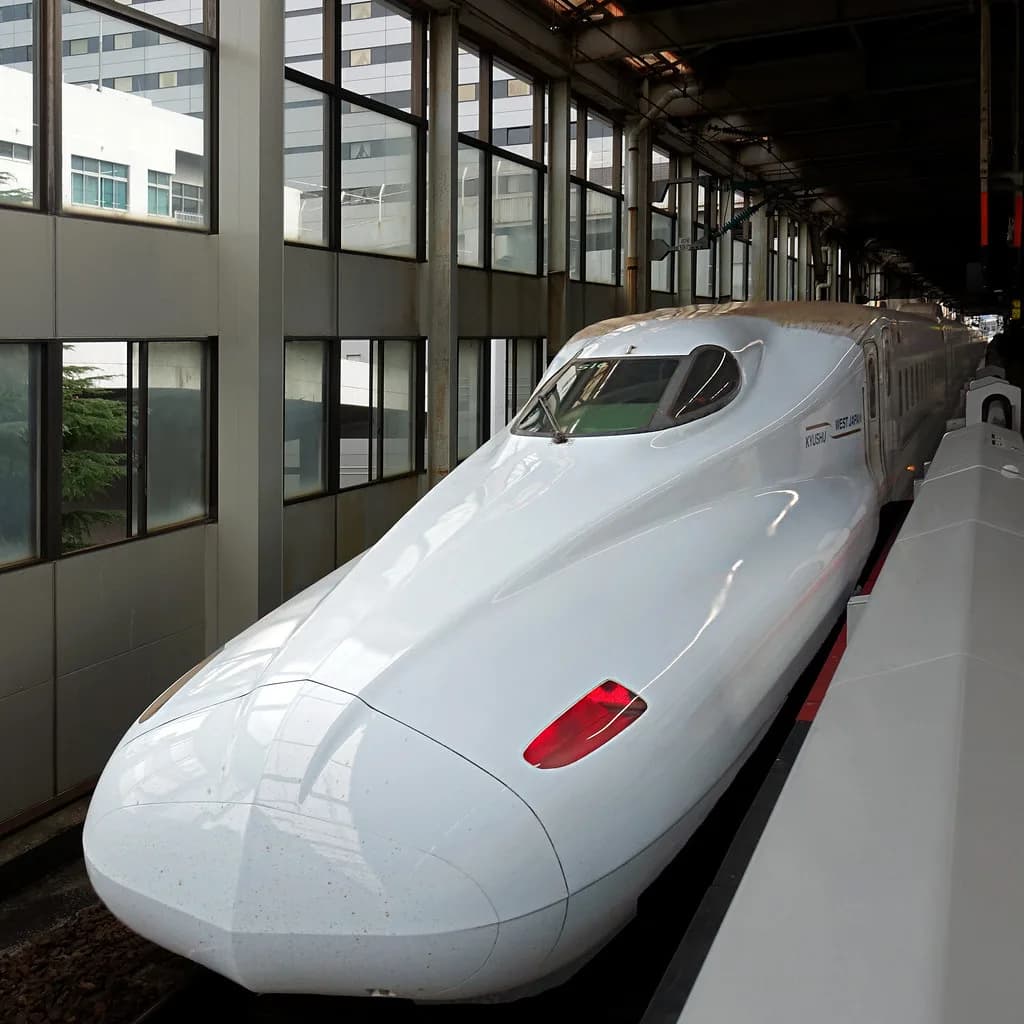
The network covered is extensive. It runs from Hokkaido in the north to Kyushu in the south, connecting every major city including Tokyo, Osaka, Kyoto, Hiroshima, Nagoya, and Fukuoka. On the Shinkansen lines, JR Pass holders use Hikari and Kodama services rather than the faster Nozomi and Mizuho trains. The time difference is typically 20–30 minutes on the Tokyo–Kyoto route, which rarely matters in practice.
Beyond the bullet trains, the pass covers JR local and limited express trains — invaluable for reaching smaller towns and regional highlights. Some JR bus routes and the JR ferry to Miyajima Island (the site of the famous floating torii gate) are also included. What it does not cover is private railway lines, which operate many city subway systems and some popular tourist routes. You will need a separate IC card for those.
Since October 2023, a new scannable card format has replaced the older paper pass on most routes. The card fits in a wallet and works at automatic ticket gates — you tap or insert it rather than queuing at the staffed "JR Pass lane." This is a genuine improvement over the old system, especially at busy stations during peak hours.
Japan Rail Pass Price: Current Costs and the October 2026 Increase
In October 2023, JR raised pass prices by approximately 70% across all durations. A 7-day Ordinary Pass jumped from ¥29,650 to ¥50,000. The 14-day pass moved from ¥47,250 to ¥80,000. The 21-day pass climbed from ¥60,450 to ¥100,000. Those prices held for three years — and they are now changing again.
On 9 April 2026 the JR Group announced a further increase taking effect on 1 October 2026, the first adjustment since the 2023 hike. It is far smaller than the last one: roughly 5–6% rather than 70%. The 7-day Ordinary Pass goes from ¥50,000 to ¥53,000, the 14-day from ¥80,000 to ¥84,000, and the 21-day from ¥100,000 to ¥105,000.
- 7-day Ordinary Pass: ¥50,000 (approximately $330 / €305)
- 14-day Ordinary Pass: ¥80,000 (approximately $530 / €490)
- 21-day Ordinary Pass: ¥100,000 (approximately $660 / €610)
- 7-day Green Car Pass: ¥70,000
- 14-day Green Car Pass: ¥110,000
- 21-day Green Car Pass: ¥140,000
From 1 October 2026 those become:
- 7-day Ordinary Pass: ¥53,000 (child 6–11: ¥27,000)
- 14-day Ordinary Pass: ¥84,000 (child: ¥42,000)
- 21-day Ordinary Pass: ¥105,000 (child: ¥53,000)
- 7-day Green Car Pass: ¥74,000 (child: ¥37,000)
- 14-day Green Car Pass: ¥116,000 (child: ¥58,000)
- 21-day Green Car Pass: ¥147,000 (child: ¥74,000)
The price that applies depends on when you buy, not when you travel — the increase lands at 1 October local time at the place of purchase. An Exchange Order stays valid for three months from issue, so buying by 30 September 2026 locks in the current rate for a trip running into late December, and in practice into early 2027 depending on your exchange date. JR has also said the official Japan Rail Pass website will hold pre-October prices for a limited period after the date, while overseas sales agents move on 1 October. If your trip is anywhere near the deadline, price both channels before buying — for a while they will not be charging the same amount.
For most itineraries a 5–6% rise does not change the answer: if the pass was clearly worth it at ¥50,000 it is still worth it at ¥53,000, and if it clearly was not, it still is not. The cases that matter are the ones sitting close to break-even, where the extra ¥3,000 is enough to tip the recommendation to a regional pass or to paying per ride. Our JR Pass Calculator now prices every itinerary at both the current and the October prices and tells you explicitly when your answer changes — for example, a Tokyo–Hokkaido–Nikko trip that the national pass wins today flips to the JR East–South Hokkaido pass once the rise lands.
Don’t estimate — calculate. Our free JR Pass Calculator prices your exact itinerary against the national pass and the regional JR passes using hand-verified 2026 fares, and finds the cheapest option — including the best activation window when your trip is longer than the pass.
Children aged 6–11 pay half the adult rate. Children under 6 travel free. Passes bought in Japan at major stations are slightly more expensive than those purchased in advance online — typically around 10% higher — so buying before you travel is the standard recommendation.
The single most useful free tool for calculating whether the pass pays off is Japan Guide's Japan Rail Calculator. Enter each leg of your planned route and compare the total against the pass price. For a more precise fare check, use Navitime — select the "Tourist Pass" dropdown and tick Japan Rail Pass to filter for covered routes only.
Is the Japan Rail Pass Worth It? Key Factors to Consider
The core question is whether your total shinkansen and JR-train spend exceeds the pass cost. A Tokyo–Kyoto reserved-seat shinkansen (one way) costs ¥13,850. The return costs ¥27,700. A 7-day pass is ¥50,000. That means a simple Tokyo–Kyoto–Tokyo trip alone does not justify the pass — you would need at least ¥22,300 more in JR travel to break even on the 7-day option.
Add Hiroshima — a return from Kyoto on the Hikari shinkansen is approximately ¥18,000 — and the total already reaches ¥45,700. Add one more long leg (say, Osaka to Hiroshima one way at ¥8,750) and you are past the break-even point with days to spare. The pass rewards breadth: more cities, more inter-city legs, more spontaneous day trips.
Duration matters as much as distance. If you spend four consecutive days in Tokyo before activating the pass, those days are wasted. The pass clock starts the moment you activate it, not when you buy it, so you control when it begins. Planning to activate on the day you first board a shinkansen is always smarter than activating at the airport. A short Narita Express ride (~¥3,070 from Narita to Tokyo) is cheap enough to pay out of pocket rather than burn a full pass day on it.
Also factor in exclusions honestly. Private railway lines — including Tokyo Metro, Kyoto Municipal Subway, and the Kintetsu line to Nara — require a separate IC card regardless of whether you hold a JR Pass. If your itinerary leans heavily on city subways and private routes, a larger portion of your transport cost falls outside the pass. The pass is strongest on intercity shinkansen legs, not urban transit.
Sample Itinerary: Tokyo to Kyoto and Beyond (JR Pass vs. Individual Tickets)
The most common Japan itinerary is roughly 10 days: arrive in Tokyo, travel to Kyoto, make day trips to Nara and Hiroshima, then return to Tokyo. Here is how the maths work for that specific route in 2026, using reserved-seat Hikari shinkansen fares.
- Tokyo → Kyoto (Hikari, one way): ¥13,850
- Kyoto → Hiroshima (Hikari, one way): ¥10,480
- Hiroshima → Kyoto (Hikari, one way): ¥10,480
- Kyoto → Nara (JR Nara Line, one way): ¥720
- Nara → Kyoto (JR Nara Line, one way): ¥720
- Kyoto → Tokyo (Hikari, one way): ¥13,850
- Individual tickets total: ¥50,100
The 7-day JR Pass costs ¥50,000. On this itinerary the pass essentially breaks even — saving just ¥100 — but you still need to cover the Narita Express (¥3,070) and local transport separately either way. In this scenario, buying individual tickets comes out marginally cheaper unless you value the freedom to hop on extra trains without worrying about cost.
Now extend the same trip to include Osaka (add a one-way Kyoto–Osaka shinkansen or rapid train at around ¥570) or add a day trip from Hiroshima to Miyajima (ferry covered by the pass). Each addition shifts the balance toward the pass. For a two-week Japan itinerary that includes Kyoto, Hiroshima, Osaka, Kanazawa, and Kyushu, the 14-day pass at ¥80,000 typically comes out ahead by ¥15,000–¥25,000 depending on the specific route.
The scenario where individual tickets clearly win: flying into Tokyo and out from Osaka (or vice versa), spending most of the trip in the Kansai region. A one-way Tokyo–Kyoto shinkansen at ¥13,850 costs far less than a 7-day pass, and you avoid burning pass days while exploring a single city.
| Route Segment | Individual Fare (Hikari Reserved) | Cumulative Cost | 7-Day Pass Verdict |
|---|---|---|---|
| Tokyo → Kyoto | ¥13,850 | ¥13,850 | Pass not yet worth it |
| Kyoto → Hiroshima | ¥10,480 | ¥24,330 | Still need ~¥25,700 more |
| Hiroshima → Kyoto | ¥10,480 | ¥34,810 | ~¥15,190 short of ¥50,000 |
| Kyoto → Tokyo (return) | ¥13,850 | ¥48,660 | Nearly breaks even (–¥1,340) |
| Kyoto → Nara (round-trip, 2 legs) | ¥1,440 | ¥50,100 | 7-day pass breaks even |
Who Should (and Shouldn't) Buy a Japan Rail Pass?
The pass makes sense if you are travelling fast across multiple regions in a short window. Entering Tokyo and exiting from Fukuoka or Osaka after 14 days of shinkansen travel is the archetypal pass-friendly trip. So is any itinerary that combines Honshu highlights (Kyoto, Hiroshima, Osaka) with either Tohoku in the north or Kyushu in the south. The more long-distance bullet train legs, the stronger the case.
The pass does not make sense if your trip is regionally concentrated. Spending 10 days in Osaka and Kyoto with a couple of day trips costs far less with individual tickets and an IC card. Equally, if your stay runs longer than 21 days and you plan to move slowly, the pass will expire long before your trip ends — individual tickets or a regional pass for the busy leg makes more sense.
First-time visitors often do benefit from the pass even when the price is borderline. The convenience of walking through gates without buying a ticket, making free seat reservations whenever you want, and taking spontaneous detours has a real value — especially when you are still getting used to an unfamiliar rail system. Experienced Japan travellers who know the network well tend to be better at squeezing value from individual tickets.
Families should note the child pricing (half-price for ages 6–11, free under 6). A family of four with two young children brings the effective 7-day pass cost down considerably, which can tip a borderline case firmly in favour of buying. Travelling as a group also means you can batch seat reservations in one visit to the ticket office, saving time across multiple trips.
Japan Rail Pass Coverage: Shinkansen, Local Trains, and What's Excluded
The pass covers all Shinkansen services except Nozomi and Mizuho. On the Tokaido line (Tokyo–Osaka–Hiroshima corridor), that means taking Hikari or Kodama instead. Hikari takes 158 minutes from Tokyo to Kyoto versus 138 minutes on Nozomi — a 20-minute difference that matters little for most travellers. On the Sanyo Shinkansen onward to Hiroshima, the gap is similar. Nozomi and Mizuho can be used with the pass but require a steep supplement fee (around ¥4,960 from Tokyo to Kyoto), which is not worth paying.
Beyond the Shinkansen, the pass covers all JR limited express, express, and local trains. This includes the Narita Express airport train, the JR Yamanote loop line and JR Chuo line in Tokyo, and the JR Sagano line in Kyoto (useful for Arashiyama). It also covers the Limited Express Haruka from Kansai International Airport to Osaka and Kyoto, making it a useful airport-transfer option if you fly into KIX.
Included extras worth knowing: the JR ferry to Miyajima Island (the free alternative to the private Matsuden ferry), the Tokyo Monorail to/from Haneda Airport, and most of Japan's Joyful Trains — character-themed scenic trains that run on JR tracks across the country. If you spot the Hello Kitty Shinkansen in Okayama station and want to ride it, the pass covers it.
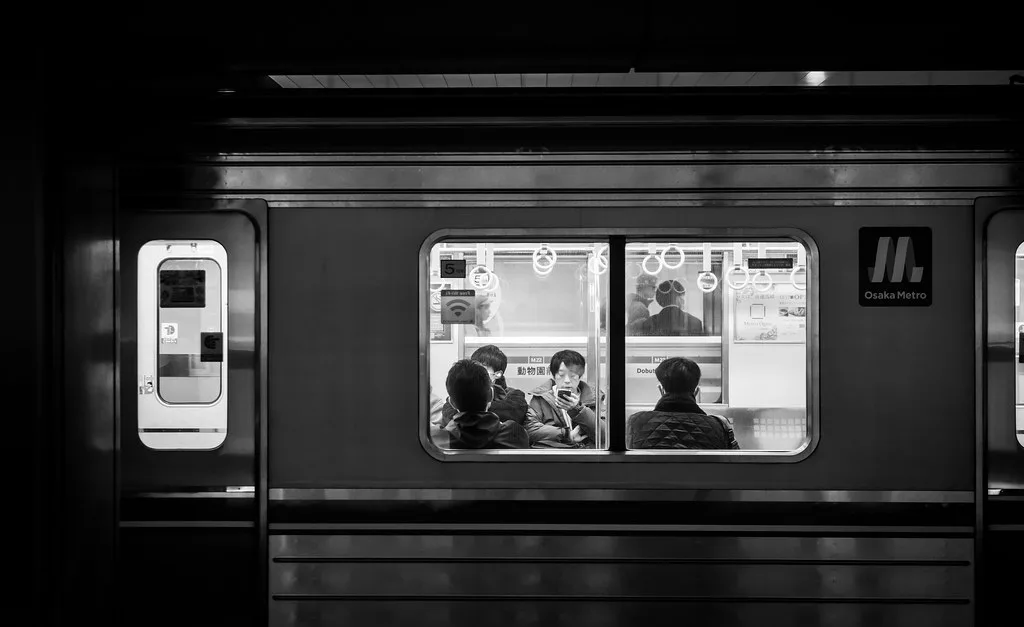
Key exclusions: Tokyo Metro and Toei Subway lines, Kyoto Municipal Subway, Osaka Metro, the Nankai Railways line to Koya-san, the Hakone Tozan Railway, the Fuji Excursion train from Shinjuku to Kawaguchiko (Mt Fuji), and all other private operators. For these, load money onto a Suica or ICOCA card. Both work across all major cities and remove the need for multiple regional IC cards. You can add Suica directly to an Apple Wallet or Google Wallet — tap your phone at the gate.
The JR Pass does not cover Nozomi and Mizuho shinkansen — you'll ride Hikari or Kodama instead, adding 20–30 minutes to long routes like Tokyo–Kyoto (158 min vs 138 min). Paying a ¥4,960 supplement to use Nozomi defeats the purpose; the time saving rarely justifies the cost. Plan your route around Hikari and you'll stay well under the pass break-even point.
Do You Need Seat Reservations with the JR Pass?
Seat reservations are free for JR Pass holders and strongly recommended for Shinkansen travel. You are not required to reserve — every Shinkansen has unreserved cars — but reserved cars are calmer, guarantee you a seat even on busy holiday trains, and let you sit with your travel companion rather than splitting up. The Narita Express is fully reserved-seat; you must book before boarding.
To reserve, visit any JR ticket office (Midori no Madoguchi) or use the JR ticket machines at major stations — both have English options. Show your pass, name the route, date, and train time, and the attendant prints your seat slip in under two minutes. You can batch reservations for multiple legs of your trip in a single visit, which saves time. Smaller stations have shorter queues than Tokyo or Kyoto during peak periods.
Reserving at a station you are not travelling from is perfectly fine. If you are already in Kyoto and know you want a Tokyo–Hiroshima train in three days, make that reservation today at Kyoto Station. Staff may speak limited English — writing down the date, departure city, destination, and approximate time on paper makes the exchange faster and avoids misunderstandings.
During Japanese national holidays — Golden Week (late April to early May), Obon (mid-August), and the New Year period — unreserved cars fill up fast. On some Shinkansen trains heading north (Tohoku and Hokkaido lines), certain trains are reserved-only with no unreserved option at all. Check at the JR office when you activate your pass. It takes a few minutes and prevents an unpleasant surprise on the platform.
One practical note on oversized luggage: since 2020, passengers with bags whose three dimensions total more than 160 cm must reserve the rear-seat storage area on Tokaido, Sanyo, and Kyushu Shinkansen trains. This is free for JR Pass holders but must be booked at a ticket office. Standard carry-on-sized suitcases fall under the limit and do not require this extra step.
How to Buy and Activate Your Japan Rail Pass
The safest and cheapest route is buying online before you leave home from an authorised vendor such as JRailPass.com or direct via the Japan Rail Pass official website. Purchasing in advance typically saves around 10% compared to buying at a Japanese station. You receive an Exchange Order by post or an e-ticket digitally, which you convert to the physical pass upon arrival in Japan.
Exchange the order at any major JR station — the JR Travel Service Centres at Narita Airport, Haneda Airport, Tokyo Station, Shinjuku Station, Kyoto Station, and Osaka Station are the most convenient. You will need your passport with an active Temporary Visitor stamp. Do not use automated immigration gates; your passport must be manually stamped by an immigration officer or your pass cannot be issued. The conversion is quick — typically under 10 minutes if there is no queue.
During the exchange you choose the activation start date, which can be any day within one month of the exchange. This is the most important decision you make: choose the wrong date and you burn pass days while exploring a single city. A common mistake is activating at Narita Airport and then spending three days in Tokyo — the Narita Express costs ¥3,070 out of pocket, which is trivial compared to wasting three days of a ¥50,000 pass. Instead, exchange the order at the airport (get your pass in hand), but set the start date to the morning you first leave Tokyo for Kyoto or your next destination.
If you bought direct via the Japan Rail Pass website, no exchange order is involved. You collect the pass at a JR Office in Japan with your booking reference and passport. This route lets you make seat reservations online before arriving, which is particularly useful if you are travelling during Golden Week or other peak periods.
Using Your JR Pass: A First-Timer's Guide to Train Travel in Japan
The physical pass — now a credit-card-sized scannable ticket — goes into the automatic fare gate like a regular card. At stations with staffed JR lanes (common at smaller stations), show the pass to the attendant and walk through. For the Shinkansen and limited express trains, you need both the pass and a printed seat reservation slip. Present both at the gate; the machine reads the pass while you feed the paper slip into the separate slot.
Finding the right platform is straightforward once you know the system. Shinkansen platforms are usually separate from the standard JR network and require passing through a second set of gates. Car numbers are displayed on platform floor markings in coloured zones — find the zone for your car number and stand in the queue. Trains arrive and depart to the second, so being in position two minutes before departure is sufficient.
For route planning, use the Japan Official Travel App or Navitime. Both let you filter routes by JR Pass coverage. Google Maps also works well for most journeys — tap "transit" and it shows JR routes. None of these apps are perfect for every edge case, but for 90% of standard tourist routes they are accurate. When in doubt, ask at a JR ticket office; staff are helpful and used to working with foreign tourists.
Japanese train etiquette is worth knowing before your first ride. Calls are made in hushed tones or avoided entirely. Phone calls in carriages are frowned upon — step to the vestibule between cars if you must call. Eating on long-distance Shinkansen is perfectly normal and expected; picking up a bento box from the station before boarding is part of the experience. Dispose of packaging in the bins near the Shinkansen doors or at station bins after you alight — street bins are rare in Japan and trains have limited bin provision too.
The Activation Timing Mistake That Costs Most First-Timers Money
None of the major JR Pass guides make this explicit enough: activating your pass at the airport on arrival day is almost always a waste of money. The Narita Express from Narita Airport to Tokyo Station costs ¥3,070. The Tokyo Monorail from Haneda to Hamamatsucho costs ¥500. Both are cheap enough to pay out of pocket with IC card or cash. If you activate a 7-day pass at Narita and then spend three days in Tokyo before your first shinkansen ride, you have lost three of your seven pass days to local train journeys worth a few hundred yen each.
The smarter move: exchange your pass order at the airport (you now have the pass card in your wallet), but select a start date for three days later — the morning you board your first shinkansen out of Tokyo. The pass is valid from 00:00 on the chosen date, so the first train of that day is fully covered. You can even make seat reservations for future journeys the moment the pass is issued, regardless of when the activation date falls.
The same logic applies at the end of your trip. If your last day is entirely in Tokyo before an evening flight, and you have already used your pass on the homeward shinkansen into Tokyo, you probably do not need another pass day just for the final afternoon's local travel. Top up your IC card instead. Mapping your trip day-by-day before choosing pass duration often reveals that a 7-day pass is enough where most people default to 14 — or that no pass at all is the right answer.
Activating your 7-day pass at Narita Airport and then spending 3+ days in Tokyo costs you valuable pass days on cheap local transport. Instead, exchange your order at the airport but set the activation date to the morning you board your first shinkansen — you'll cover the ¥3,070 Narita Express out of pocket, but save three days worth ¥150–300 in local fares. Make seat reservations for future legs when you exchange the pass, even if activation is days away.
Alternatives to the Japan Rail Pass: Regional Passes and Individual Tickets
Comparing regional passes by hand is where most travelers give up — the JR Pass Calculator checks Kansai Wide, Tohoku, Kyushu and more against your exact route in one click.
Regional passes are often better value for focused itineraries. The JR Kansai Area Pass covers unlimited travel around Osaka, Kyoto, Nara, and Kobe for 1–4 days. The JR Kyushu Rail Pass covers Kyushu island for 3 or 5 days at around ¥10,000–¥15,000 — a fraction of the national pass price. The JR East Pass covers Tokyo and the Tohoku and Nagano regions. These regional options have also seen price increases but remain competitive for single-region trips.
For the Kansai region specifically, the Kansai-Hiroshima Area Pass covers the Osaka–Kyoto–Hiroshima corridor including the Shinkansen between them, for 3 to 7 days. If your Japan trip centres on this corridor — which describes most first visits — this pass is often cheaper and better suited than the national JR Pass.
Buying individual tickets works best for slow travel: a trip where you stay 4–5 nights in each city, make few long-distance moves, and use city public transport heavily. Use a Suica or ICOCA card loaded with cash for all local travel, and buy shinkansen tickets at the station or online through the JR-WEST or JR-EAST booking sites. Unreserved shinkansen seats are slightly cheaper than reserved, though availability can be tight on busy holiday trains. Budget bus operators like Willer Express offer overnight routes (Tokyo–Kyoto from around ¥3,000–¥5,000) if you want to save on both the fare and a night's accommodation simultaneously — acceptable for the young and limber, less so for long-haul legs with heavy luggage.
IC cards (Suica, Pasmo, ICOCA) are non-negotiable regardless of which ticketing strategy you choose. They work on every metro, bus, and local train in Japan and can even be used at convenience stores and vending machines. Load ¥5,000–¥10,000 at the outset and top up at any station. As of 2026, Suica and Pasmo are both available as digital cards in Apple Wallet and Google Wallet — no physical card required if you have a compatible phone.
Tips for Getting the Most from Your JR Pass (or Travelling Without One)
If you have the pass, use it aggressively for day trips. Even if a destination is only 30–40 minutes away by local JR train, those ¥500–¥1,000 fares add up over a week. Day trips from Kyoto to Nara, from Hiroshima to Iwakuni, from Tokyo to Kamakura — all covered by the pass, all worth taking without worrying about fare cost.
Plan your seat reservations in batches. On the day you activate and exchange your pass, book reservations for your first three or four shinkansen legs. You know the rough dates in advance; locking them in eliminates uncertainty. If plans change, reservations can be cancelled and rebooked at any JR ticket office.
If you are travelling without a pass, the Bullet Train Japan: Ultimate Guide to Shinkansen Routes & Tickets covers the full ticketing process for non-pass holders. Key tip: buying "EX-IC" advance tickets online via the Smart-EX app saves up to ¥200 per sector and lets you pick seats. It is only available to holders of certain credit cards but covers the Tokaido, Sanyo, and Kyushu Shinkansen lines — the routes most tourists use.
Whichever ticketing strategy you use, build a buffer of at least 30 minutes before any Shinkansen departure when navigating a large station for the first time. Tokyo Station and Osaka Station are vast — finding the right Shinkansen gate from an unfamiliar entrance can take longer than expected. On return visits the stations become intuitive, but your first time through merits the extra margin.
Frequently Asked Questions
Can I use the JR Pass for local transport in Tokyo and Kyoto?
The JR Pass covers JR lines within Tokyo (like the Yamanote Line) and Kyoto. However, it does not cover the extensive subway systems in these cities. You will need a separate IC card (Suica/Pasmo) for non-JR subways and buses.
Do I need to make seat reservations with the JR Pass?
Seat reservations are not strictly mandatory for all trains, but they are highly recommended for Shinkansen and limited express services. Reservations are free with your JR Pass. Non-reserved cars can fill up, especially during peak travel times or holidays.
What is the best time to visit Japan to maximize JR Pass value?
The JR Pass value isn't tied to a specific season, but consider avoiding peak crowd periods. June–August are saturated with tourists. Shoulder seasons (April–May and October–November) offer pleasant weather and slightly fewer crowds. Check Japan holiday dates to avoid extra busy travel times.
Is it better to do a day trip or stay overnight in places like Kyoto with the JR Pass?
For destinations like Kyoto or Hiroshima, an overnight stay is highly recommended. Day trips mean rushing and missing the quieter early mornings or evenings. Staying overnight allows you to experience these popular spots without the massive day-tripper crowds, maximizing your visit.
The Japan Rail Pass is still a valid purchase in 2026 for the right itinerary — specifically, one that covers multiple regions with several shinkansen legs in a short window. The 2023 price hike changed the calculus significantly, but it did not eliminate the pass's value for ambitious multi-city travel. What it did do is make the calculation necessary. Run the numbers on your specific route before you buy. The 20 Best Places to Visit in Japan (2026): Ultimate Travel Guide span a lot of geography, and connecting them fast by shinkansen remains one of the great travel experiences anywhere in the world — whether you pay per ticket or cover the lot with a pass.
The pass pays off fastest on long shinkansen runs to Hakodate, Sendai, Himeji, Okayama and Kurashiki.
Free: The Tokyo Essentials guide
Top things to do, where to stay, a perfect day plan, getting around, and the best time to go — a Tokyo mini-guide you can take offline.
You might also like


Continue reading
More guides you'll find useful