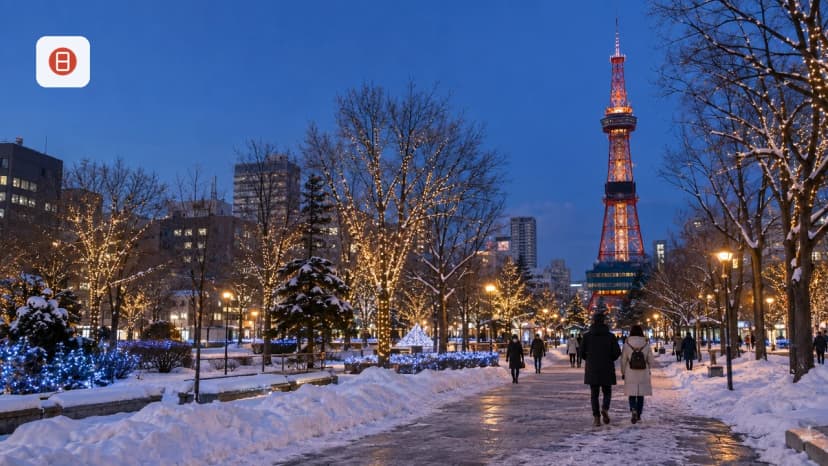
Niseko Village stands as one of the most iconic winter destinations in all of Asia. Operated by YTL Resorts and positioned on the flanks of Mount Niseko Annupuri, it occupies the quieter, more refined corner of the four-resort Niseko United network.
This niseko village visitor guide covers resort layout, skiing, dining, après-ski, practical transport, and everything you need to plan a smooth 2026 trip.The resort is known for a calm, sophisticated atmosphere that sets it apart from the busier Grand Hirafu village. Travelers arrive expecting powder snow and stay for the onsen culture, the Hilton and Ritz-Carlton properties, and the seamless ski-in/ski-out access. Planning ahead — especially for gear rental and lift passes — saves both time and money during peak December and January weeks.
Niseko Village Resort Overview
Niseko Village forms one of four ski areas within Niseko United, alongside Grand Hirafu, Hanazono, and Annupuri. The combined network covers roughly 100 km of pisted terrain and shares a lift-pass system. Niseko Village itself is mid-sized with a mix of groomed pistes, tree runs, and access to legendary powder bowls above the gondola top station. For a detailed comparison of the two largest areas, see our guide on 9 Key Differences: Niseko Hirafu vs Niseko Village.
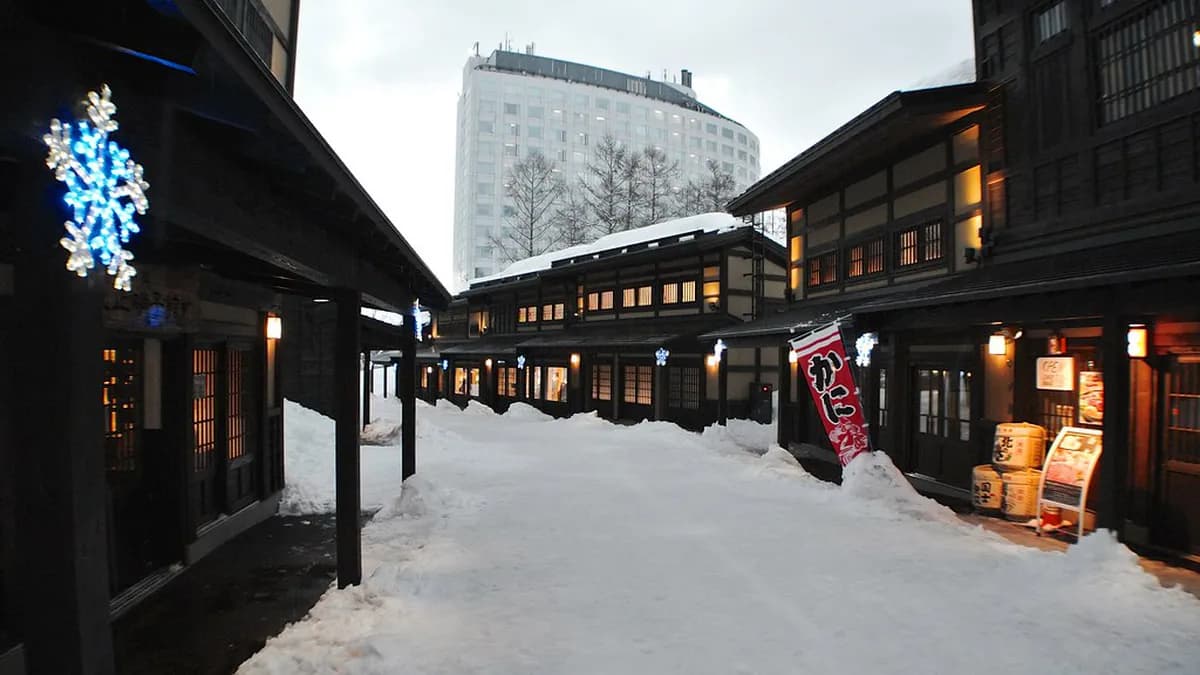
The base village clusters around the Hilton Niseko Village, which connects directly to the main gondola. Ski-in/ski-out access is genuinely convenient here — you can step out of the Hilton lobby onto the snow in under two minutes. The atmosphere is noticeably quieter than Grand Hirafu, with lantern-lit walkways, boutique shops, and a smaller crowd of predominantly international guests seeking a more relaxed pace.
Accommodation tiers at the resort span a wide range. The Hilton Niseko Village and The Green Leaf Niseko Village (Tapestry Collection by Hilton) sit at the base of the slopes. The Higashiyama Niseko Village, a Ritz-Carlton Reserve, offers ultra-luxury with private outdoor onsen and ryokan-style service. Families, couples, and solo powder hunters all find suitable options within walking distance of the lifts.
Skiing in Niseko Village
The terrain at Niseko Village suits beginners to advanced skiers. Wide, gentle runs like Village and Namara at the base are ideal for learning, while intermediate pistes like Banzai and Milk Run offer long descents with consistently excellent snow. Advanced skiers head to the Superstition area and the Mizuno no Sawa zone — an avalanche-controlled sector with steep, deep terrain. For broader mountain strategy across the region, consult our Niseko Skiing Guide: 9 Essential Tips for Your Trip.
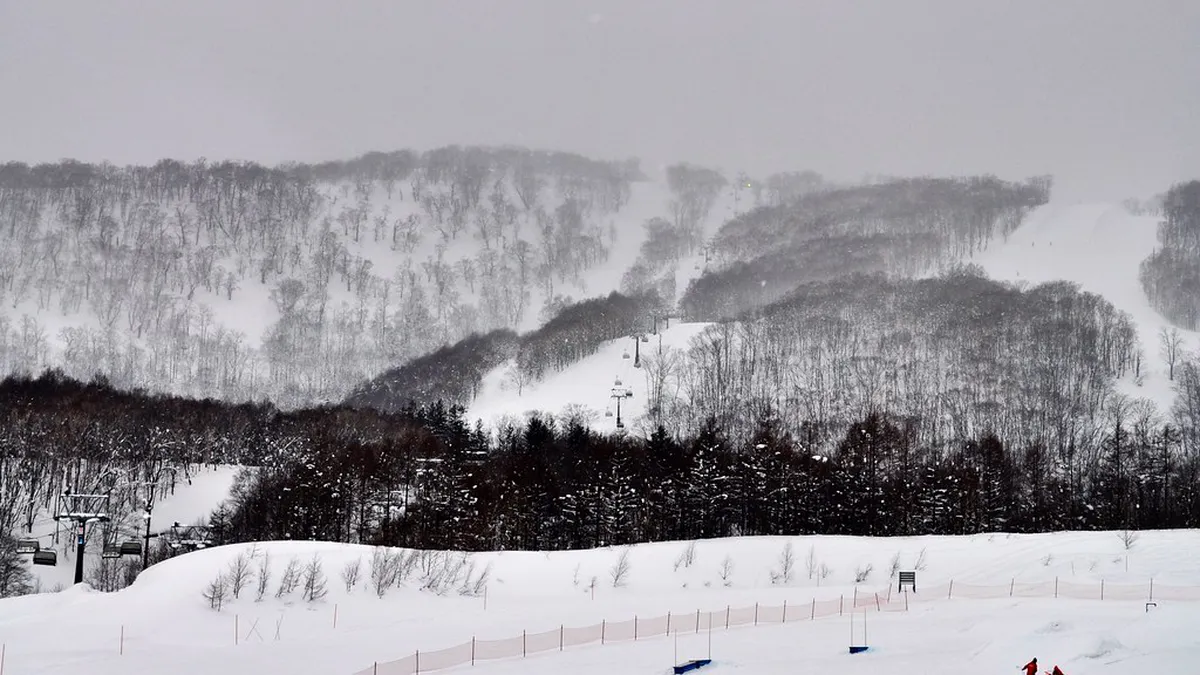
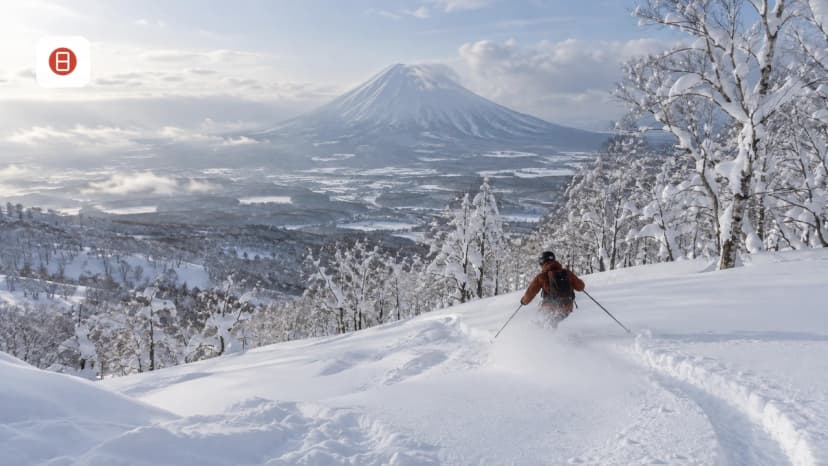
Powder access is the resort's defining feature. The top of the Wonderland Chair opens routes into the Annupuri bowls, where open terrain and sparse trees hold fresh snow for days after a storm. Siberian pressure systems deliver some of the lightest, driest powder on the planet, averaging over 10 metres of snowfall per winter. Early morning laps on the gondola before 09:00 often reveal untracked lines even during busy weeks.
The Niseko United all-mountain pass lets you move freely between all four resorts in a single day. On days when wind closes the upper Niseko Village chairs, this flexibility lets you shift to Hirafu or Hanazono without losing your morning. Checking the lift status app before leaving your hotel takes 30 seconds and can save a frustrating trip across the mountain.
Best Time to Visit Niseko Village
January is widely considered the peak powder month — often called "Japanuary" by regulars — and the resort is busiest from Christmas through late January.
Late March offers quieter slopes, bluebird days, and lower accommodation rates — a strong choice for families and intermediate skiers who prefer space over quantity of snow. Powder typically continues into April.
March deserves more credit than it gets. Temperatures warm, days grow longer, Mount Yotei appears in clear skies, and the slopes are substantially less crowded. Spring skiing here is genuinely enjoyable — the snow stays light by European spring standards because Hokkaido's cold baseline temperature. Some years powder continues falling through April.
For families and first-timers, mid-January through early February strikes a reasonable balance: snow quality is excellent and the initial Christmas rush has cleared. Avoid the Chinese New Year holiday period in late January or early February if crowd avoidance matters, as visitor numbers spike again during that window.
Lift Passes and Pricing for 2026
A single-resort 1-day adult pass for Niseko Village costs roughly ¥6,800–7,500 for the 2025/26 season. The Niseko United all-mountain 1-day adult pass covering all four resorts runs around ¥9,800. Peak holiday periods push prices toward the upper end; early and spring season (before late December and after mid-March) are noticeably cheaper. Buying online in advance typically saves about 5%.
Most intermediate and advanced visitors choose the All Mountain Pass, since wind or fog on one side of the mountain often makes the other side far more appealing. Beginners who are genuinely staying in one area for their first two or three days may find the single-resort pass sufficient. You can upgrade at any ticket window mid-trip if your skills progress faster than expected.
One angle competitors rarely mention: if you already hold a Mountain Collective or IKON pass, Niseko United participates in both programs, giving passholders discounted access or blackout-period tickets. Check the current season's terms before you arrive — the discount structure changes slightly each year, but it can meaningfully cut the cost for North American and European visitors who plan their ski seasons around those passes.
Après-Ski and Dining in Niseko Village
Après-ski here runs quieter and more refined than in European resorts. The after-slope ritual starts with onsen — natural volcanic hot springs in every major hotel, with outdoor baths surrounded by snow-laden trees. Soaking after a hard day on the mountain is genuinely therapeutic and deeply embedded in Hokkaido culture. Most hotels have both communal and private onsen options; guests staying at the Ritz-Carlton Reserve get exclusive access to highly private open-air baths.
For drinks, the Fireworks Bar at The Green Leaf has an intimate atmosphere suited to Japanese whisky and craft cocktails. The Hilton's Ezo Pub offers a more social scene with views over the slopes and a wider beer selection. If you want a livelier evening, the free resort shuttle connects Niseko Village to Grand Hirafu in about 15 minutes, where the bar and club scene runs later.
The dining line-up covers most tastes. Ramen Nisetto serves rich Hokkaido miso broth with handmade noodles — exactly what you want after cold mountain air. Yang Shu Ten at The Green Leaf offers kaiseki-style seasonal dishes for a refined evening. The Crab Shack specialises in Hokkaido king crab, which is a genuinely different experience from the farmed crab available elsewhere in Japan. Booking ahead for any sit-down restaurant during January is non-negotiable; walk-ins at popular spots routinely face 45-minute waits.
Is Niseko Village Family Friendly?
Niseko Village is exceptionally family-friendly, with a calm base area that keeps young children away from the faster traffic of the main gondola exit. Multilingual ski schools run group and private lessons for children, with instructors experienced in teaching beginners on Hokkaido's deeper-than-expected powder. The learning zones are separated from expert runs, so parents can watch from the base area without anxiety.
Non-skiing days offer reindeer sleigh rides, snowshoe walks through the lit forest paths, and tobogganing. Families staying at the Hilton benefit from family suites and in-house childcare, which lets parents take a powder lap while younger kids are safely entertained. The village's evening lantern-lit walkways are a highlight for children, making the resort feel genuinely magical after dark.
Budget travelers can reduce food costs by taking the free shuttle to the town of Kutchan, a short ride away. Local supermarkets and family-run eateries there cost a fraction of resort pricing. Many families combine resort breakfasts and lunches with Kutchan dinners to keep the overall trip budget manageable without sacrificing ski time.
Ski Hire in Niseko
High-quality gear is essential for enjoying the deep, light powder of Hokkaido. Standard rental skis from home do not perform well here — the low-density snow rewards wider, rockered shapes that most rental shops in other countries do not carry. Renting locally from a specialist is both convenient and technically the right call. You can find expert fitting services at Rhythm in the main village areas, with premium powder-specific options for all skill levels.
Standard packages are fine for beginners staying on groomed runs. Advanced skiers should look at the demo or premium tiers, which include fat skis and specialist snowboards suited to off-piste terrain. Most shops will swap your gear if weather conditions change — a real advantage when a wind event turns one day's powder into breakable crust. Booking online before arrival saves 10–15% and guarantees your size during the busy holiday weeks when stock can run thin.
Pick up your gear the evening before your first ski day. This avoids the morning rush at rental counters and lets the boot fitter take extra time with your fit — a detail that makes a significant difference over a 6–7 day trip. The Rhythm store inside Setsu Niseko (Hirafu area) lets you swap equipment daily at no extra charge, which is worth considering if you plan to mix days between Niseko Village and Hirafu terrain.
- Rhythm Japan Niseko — Premium and powder-specific ski rentals, professional boot fitting, locations at Hirafu and Village, online reservations available with advance discounts.
- Niseko Village Rental — Standard and demo gear at the base of the gondola, on-mountain swaps available, walk-ins welcome but expect queues during peak weeks.
Summer Activities at Niseko Village
Niseko Village runs a full green-season program from roughly June through October. The gondola operates for sightseeing, and the mountain transforms into an adventure park. Pure at Niseko Village offers zip-lining, tree trekking, and rail sliding through the forest canopy — a popular option for families visiting outside the ski season. You can book Niseko summer activities to experience the green side of the mountain.
Mountain biking trails use the lift network for uplift, with routes ranging from gentle gravel paths to technical descents. Rafting on local rivers, hot-air balloon rides at dawn over the Annupuri foothills, and golf on courses with Mount Yotei as a backdrop fill out the activity calendar. The onsen hotels remain open year-round, and soaking after a summer hike is every bit as worthwhile as after a powder day.
Mount Yotei is the region's dominant landmark — its near-perfect cone earns it the nickname "Hokkaido's Fuji." The full summit hike (roughly 6–7 hours return from the Hirafu trailhead) rewards fit hikers with panoramic views over both the Niseko range and Uchiura Bay. Start before 05:00 to avoid afternoon cloud and return before heat builds on the exposed upper ridge.
Getting to Niseko Village
Most international visitors fly into New Chitose Airport before heading to the resort. You can find detailed bus and train schedules for the journey here. The bus is often the most convenient option as it drops you directly at your hotel. The Hokkaido Resort Liner runs directly from New Chitose to Niseko Village in approximately 2.5–3 hours and requires advance booking during peak season. For comprehensive trip planning from arrival to departure, review our Niseko Itinerary for First-Timers.
Train travel runs from New Chitose or Sapporo to Kutchan Station via JR Hokkaido, followed by a short taxi or bus into the village. The train takes longer overall but offers scenic views of Hokkaido's snowy countryside and suits travelers who enjoy the journey. Private transfers provide the most comfort for families with heavy ski luggage — book a private van that meets you at arrivals. This option is more expensive but eliminates the stress of managing large bags on public transport.
Winter driving in Hokkaido is challenging. Heavy snowfall, reduced visibility, and icy highways catch out drivers unfamiliar with subarctic conditions. If you rent a car, confirm it has four-wheel drive and high-quality winter tires before leaving the rental lot. Most visitors find the resort shuttles and direct buses the safer and easier choice for the airport–resort leg.
- Hokkaido Resort Liner Bus — direct from New Chitose to Niseko Village, approximately 2.5–3 hours, fixed adult fares, advance reservation required in peak season.
- JR Hokkaido Train — airport or Sapporo to Kutchan Station, then short transfer, variable journey time, standard JR rates, tickets available at station or via JR Pass.
Niseko Village Insider Tips
Check wind reports before each morning on the mountain. High winds close the upper Niseko Village lifts — including the gondola top section — more frequently than the resort's marketing suggests.
High winds regularly close the upper Niseko Village gondola section. On those days, switch to Hirafu or Hanazono (covered by the All Mountain Pass) rather than waiting for a reopening that may not come. Download the official Niseko app for real-time lift status.
Download the official Niseko app before you arrive. It shows real-time lift status across all four resorts, fresh grooming reports, and shuttle bus locations. Offline maps — downloaded via Google Maps while on strong Wi-Fi — are a smart backup for the mountain's patchy cellular coverage. Keep your phone warm and charged; cold temperatures drain lithium batteries faster than expected.
Visit in January for peak powder conditions, or March for quieter slopes and longer daylight hours. Book all dining reservations before arrival for January visits — the most popular restaurants in Niseko Village fill weeks in advance. Try at least one onsen session and one meal featuring Hokkaido-specific ingredients: the dairy, the king crab, and the miso-based ramen are all genuinely superior to their mainland Japanese counterparts.
Frequently Asked Questions
Is Niseko Village Family Friendly?
Yes, Niseko Village is exceptionally family-friendly with dedicated kids' programs and gentle learning slopes. The resort offers specialized snow schools and child-care services for international visitors. You can find many Niseko activities specifically designed for younger travelers to enjoy safely.
All Mountain Pass or Grand Hirafu Pass?
The All Mountain Pass is best for intermediate and advanced skiers who want to explore all four resorts. Beginners may prefer the Grand Hirafu Pass to save money while staying on easier terrain. Consider your skill level and how much ground you plan to cover each day.
Do I need a ski lesson?
Lessons are highly recommended for beginners to ensure safety and proper technique on the deep powder. Even experienced skiers can benefit from a mountain guide to find the best hidden runs. Professional instructors help you navigate the unique Hokkaido snow conditions with much more confidence.
How much time should you plan for niseko village visitor guide?
A typical visit should last between five to seven days to fully experience the mountain and village culture. This timeframe allows for a mix of skiing, local sightseeing, and relaxation in the thermal onsens. Shorter trips are possible but may feel rushed given the travel time involved.
Niseko Village offers a world-class winter experience that is hard to match anywhere else in Asia. From the incredible powder snow and the relaxing onsens to the luxury hotels and the refined après-ski scene, there is something here for every type of traveler. Following this niseko village visitor guide will help you make the most of every moment in 2026.
Preparation is the key to a smooth and enjoyable trip. Book your gear, lessons, and restaurant reservations early — especially for January visits. The memories you make on these slopes and in these onsens will stay with you for years. Enjoy the unique beauty and hospitality of Niseko Village on your upcoming adventure.
To verify current details, consult the Niseko Village official site and Niseko Village on Wikipedia.
Other essential Niseko stops nearby: our Niseko Hanazono Visitor Guide and Mount Yotei Visitor Guide guides cover what to expect.