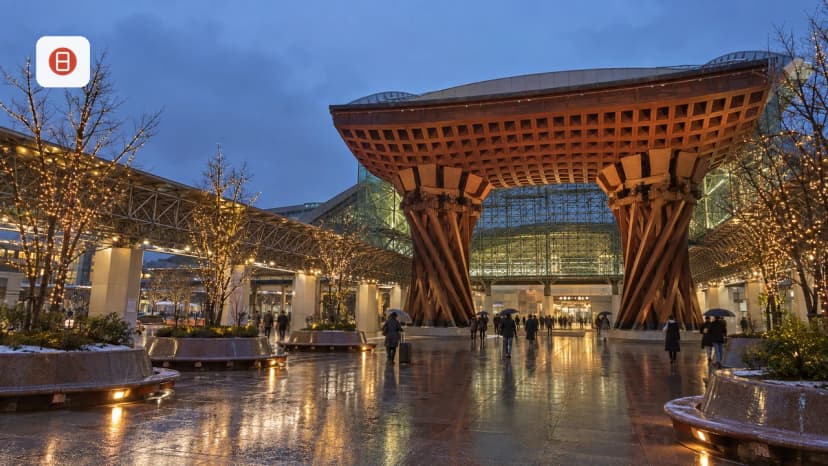
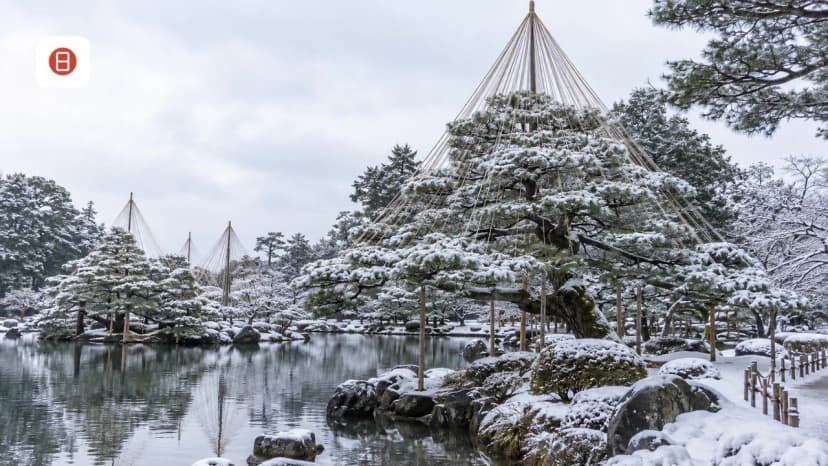
Kanazawa packs more concentrated history into a walkable old town than almost anywhere in Japan, which is exactly why first-time visitors struggle to prioritize. The former capital of the wealthy Maeda clan grew rich on rice and gold leaf — Kanazawa still produces over 99% of Japan's gold leaf — and that wealth bought gardens, samurai estates, and geisha teahouses that survived World War II almost untouched. The result is a compact city where you can walk from one of Japan's Three Great Gardens to a preserved samurai quarter to a Sea-of-Japan seafood market in a single afternoon.
The Kanazawa attractions below cover the full spread of what makes the city special in 2026: the celebrated Kenrokuen Garden and reconstructed Kanazawa Castle at the historic center; the Higashi Chaya geisha district and Nagamachi samurai district where Edo-period streetscapes are intact; world-class contemporary art at the SANAA-designed 21st Century Museum; the quiet Zen of the D.T. Suzuki Museum; and the free, sprawling Omicho Market where locals shop for crab and sweet shrimp. A reservation-only ninja temple rounds out the list.
Getting here is easier than ever — the Hokuriku Shinkansen puts Kanazawa about 2.5 hours from Tokyo, and the 2024 extension to Tsuruga connects it more tightly to the Kansai region. Each of the 10 sights below links to a full visitor guide with verified 2026 opening hours, current ticket prices, and practical tips. Below the card grid you'll find these attractions grouped by neighborhood and category, plus free-vs-paid breakdowns, suggested 1–3 day routes, transport advice, and answers to the questions travelers ask most.
Planning a wider trip? See our Japan travel guide, the things to do in Kanazawa guide, and getting around Japan.
Top 10 attractions in Kanazawa
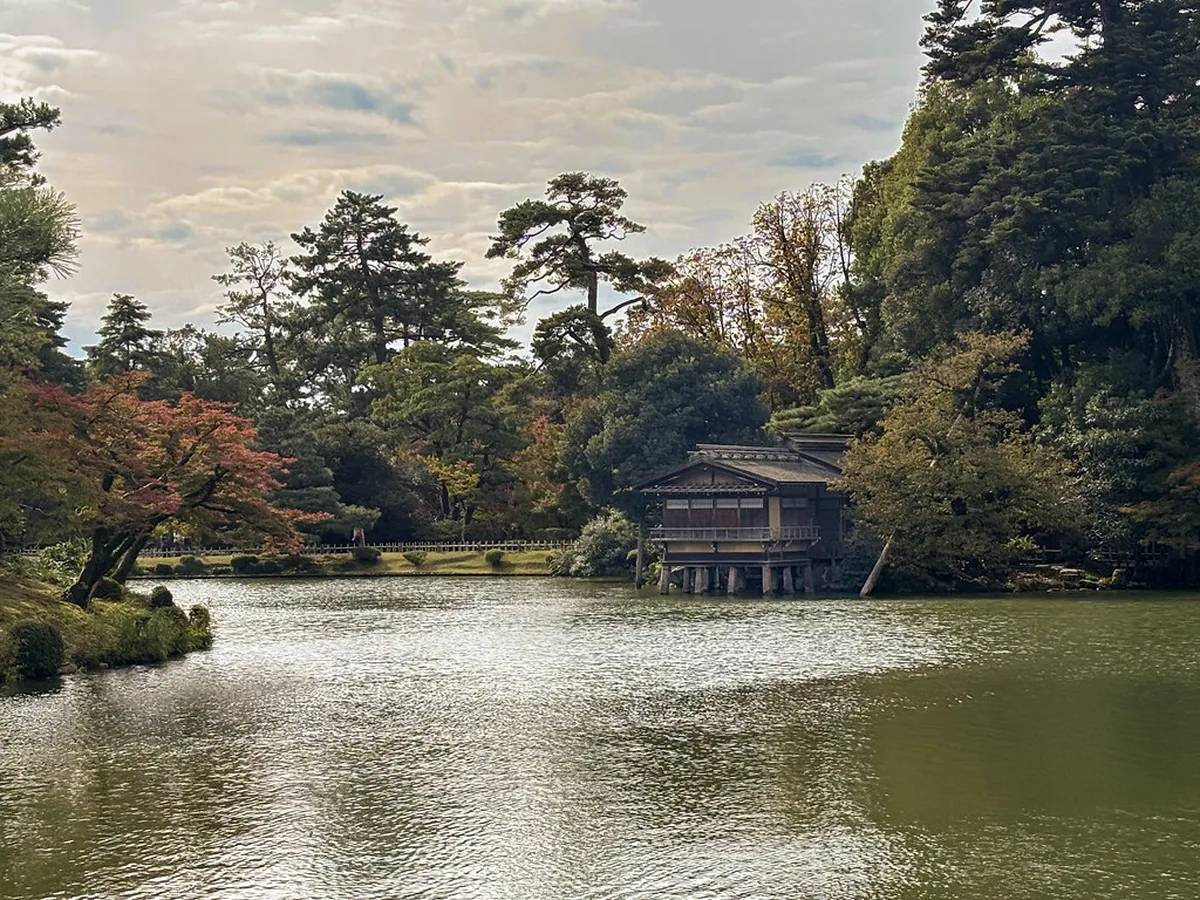
Kenrokuen Garden
Kenrokuen Garden, one of Japan's Three Great Gardens, is a celebrated Edo-period strolling garden in central Kanazawa built by the Maeda clan. Standard admission is ¥320 for adults and ¥100 for children, with free early-morning entry.
Visitor guide →
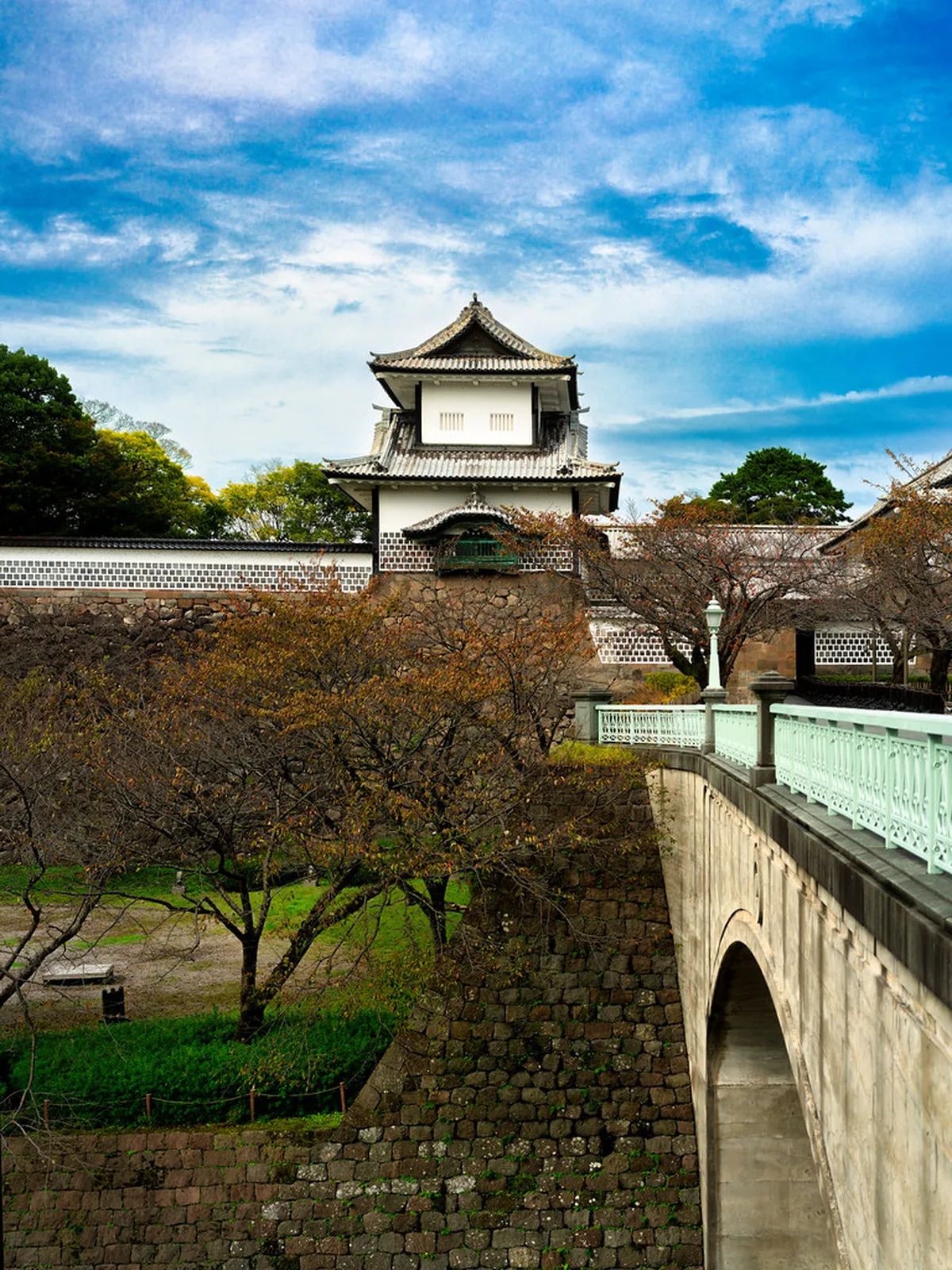
Kanazawa Castle
Kanazawa Castle is a large, partially reconstructed castle that was the seat of the powerful Maeda clan's Kaga Domain. Its park, gates, and Gyokusen-inmaru Garden are free, while the restored Gojukken Nagaya storehouse and turrets cost ¥320.
Visitor guide →
Oyama Shrine
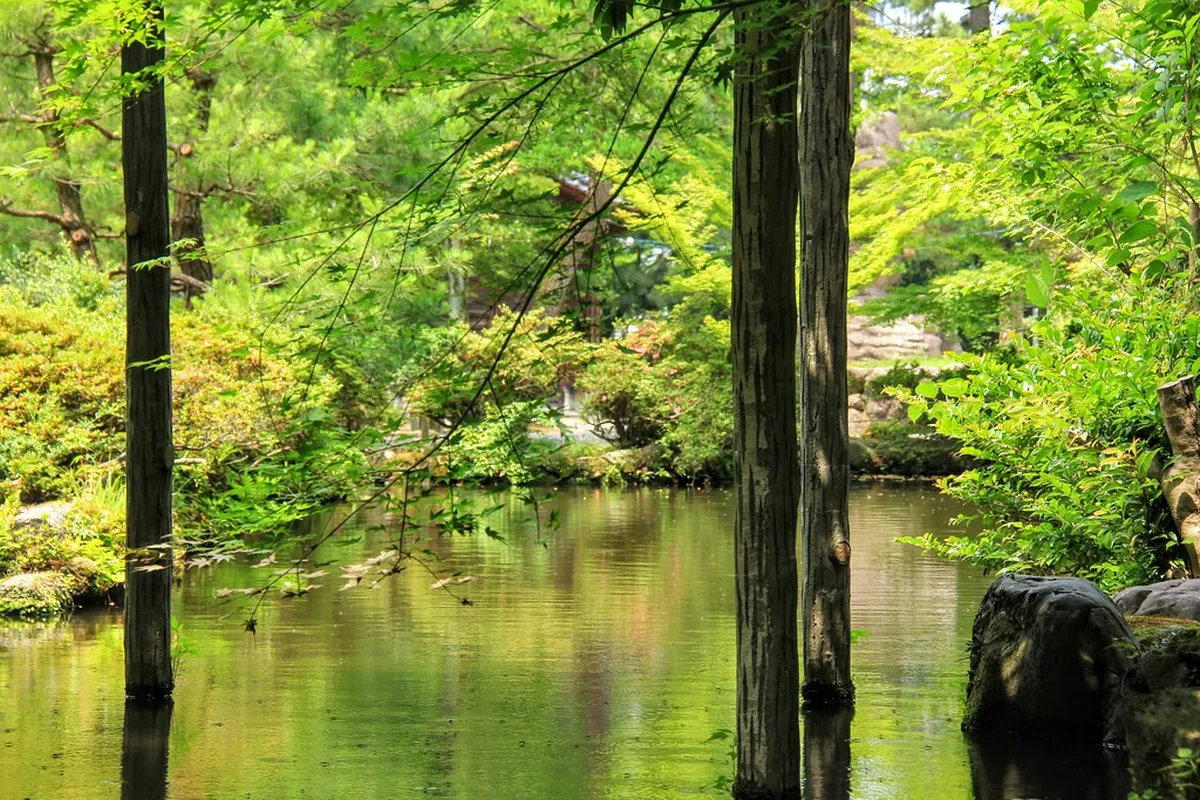
Oyama Shrine is a historic Shinto shrine in central Kanazawa dedicated to Maeda Toshiie, the first lord of the Kaga Domain, founded in 1599. It is free to visit and famous for its eclectic 1875 Shinmon gate mixing Japanese, Chinese, and European elements.
Visitor guide →
Higashi Chaya District
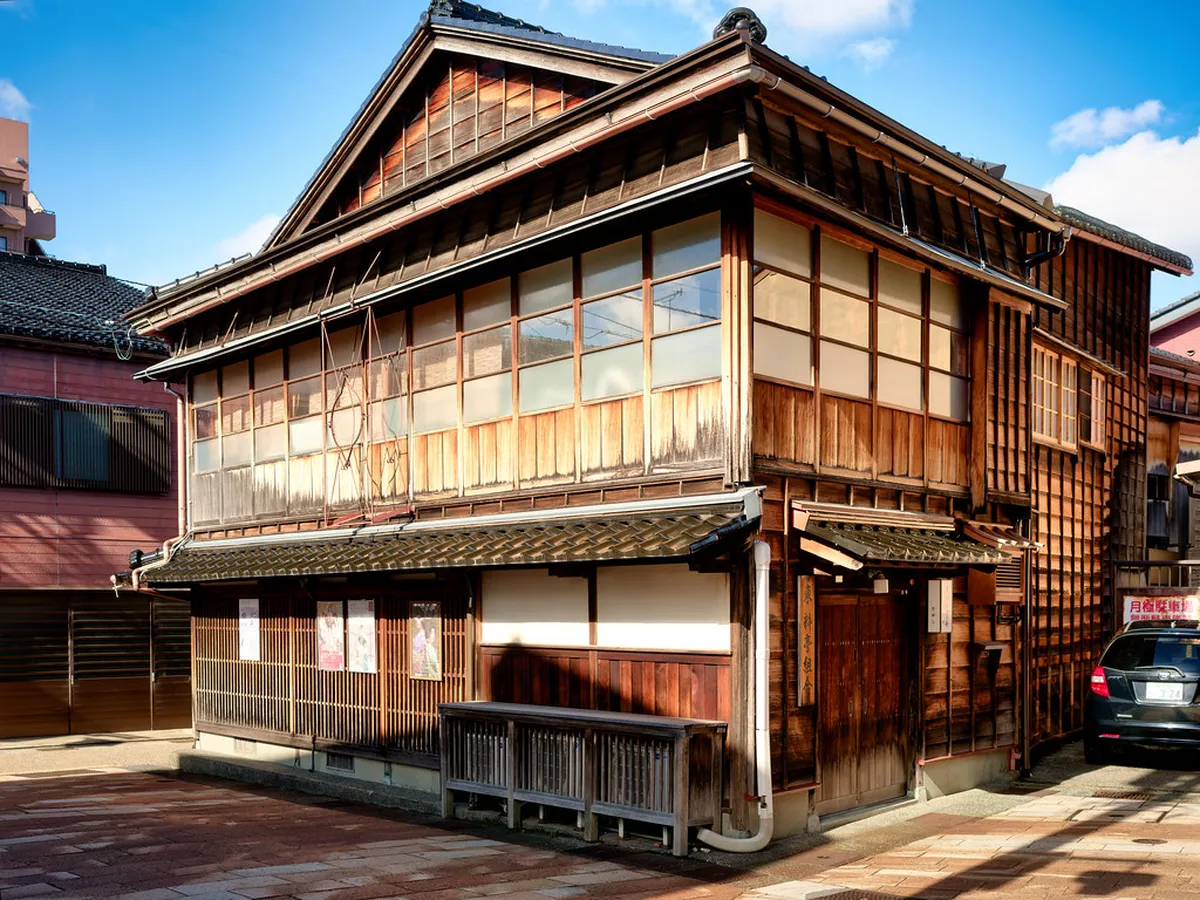
The Higashi Chaya District is Kanazawa's largest and best-known preserved geisha entertainment quarter, where Edo-period wooden teahouses line atmospheric streets. Walking the district is free; the museum teahouses Shima (500 JPY) and Kaikaro (750 JPY) charge entry, and the area is also famous for gold-leaf crafts and traditional cafes.
Visitor guide →
Nagamachi Samurai District
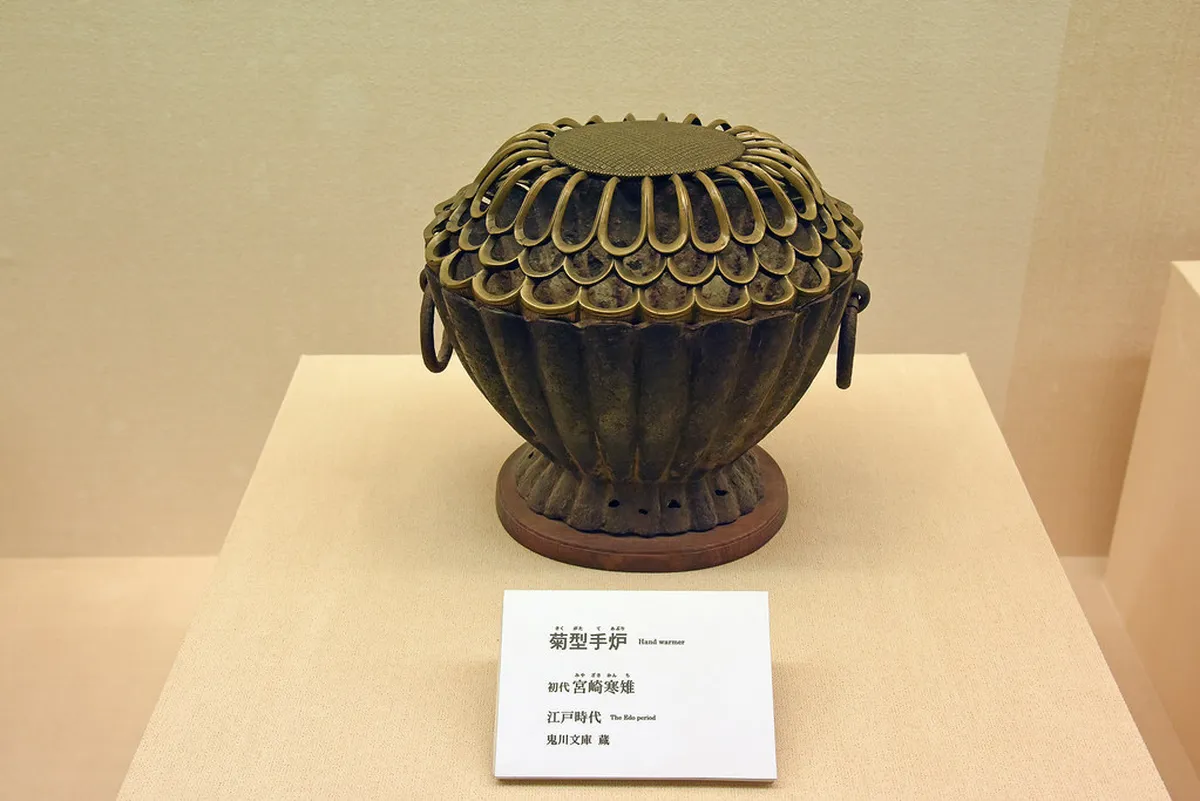
Nagamachi is a remarkably well-preserved former samurai district at the foot of the old Kanazawa Castle, with earthen walls, gated residences, narrow lanes, and water canals evoking the Edo period. Walking the district is free; paid sites within it include the Nomura Family Samurai House (550 JPY) and the Nagamachi Yuzenkan silk-dyeing workshop (350 JPY).
Visitor guide →
Nomura Family Samurai House
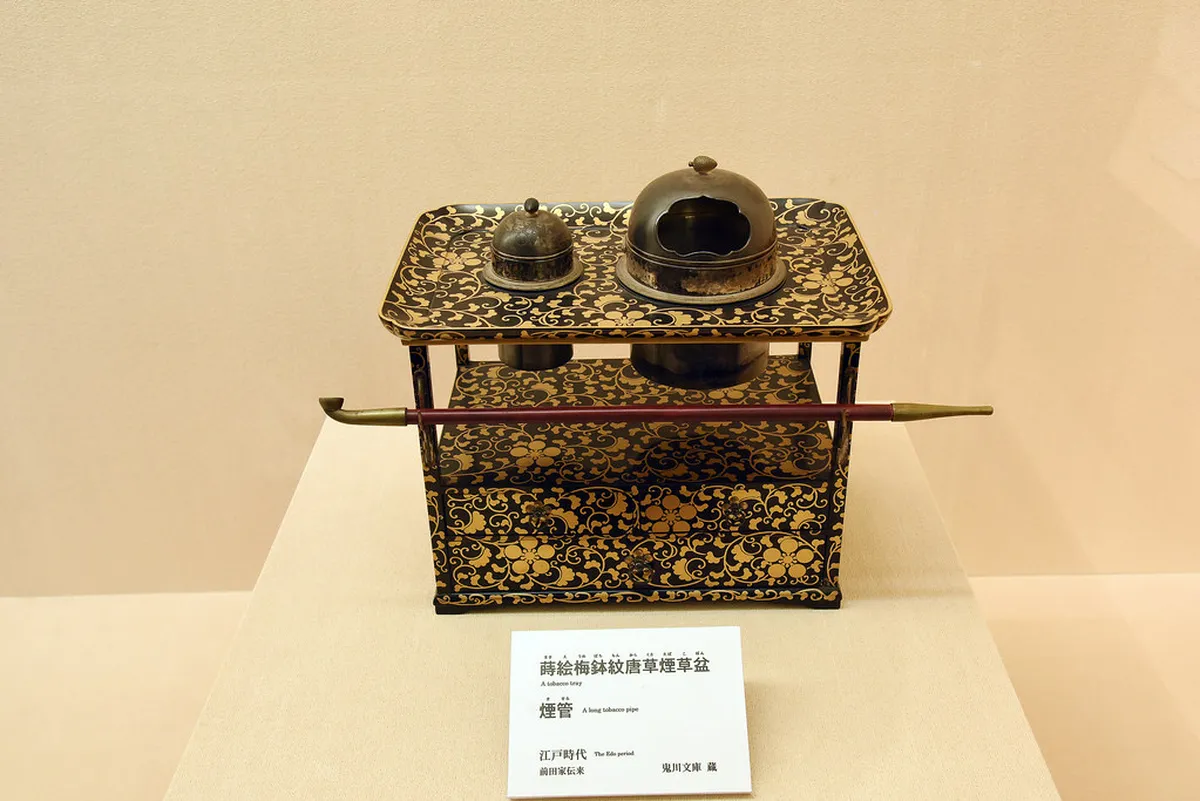
The Nomura Family Samurai House (Nomura-ke) is a restored residence of a high-ranking samurai family that served the Maeda lords of the Kaga domain, located in Kanazawa's Nagamachi district. Adult admission is 550 JPY, and the house is celebrated for its preserved interiors and an award-winning inner garden with a stream, koi pond, and historic stonework.
Visitor guide →

21st Century Museum of Contemporary Art
The 21st Century Museum of Contemporary Art is one of Japan's most popular art museums, a circular glass building in downtown Kanazawa designed by SANAA (Kazuyo Sejima and Ryue Nishizawa) and opened in 2004. It blends a free public zone with a paid exhibition zone home to landmark installations including Leandro Erlich's Swimming Pool and James Turrell's Blue Planet Sky.
Visitor guide →
D.T. Suzuki Museum
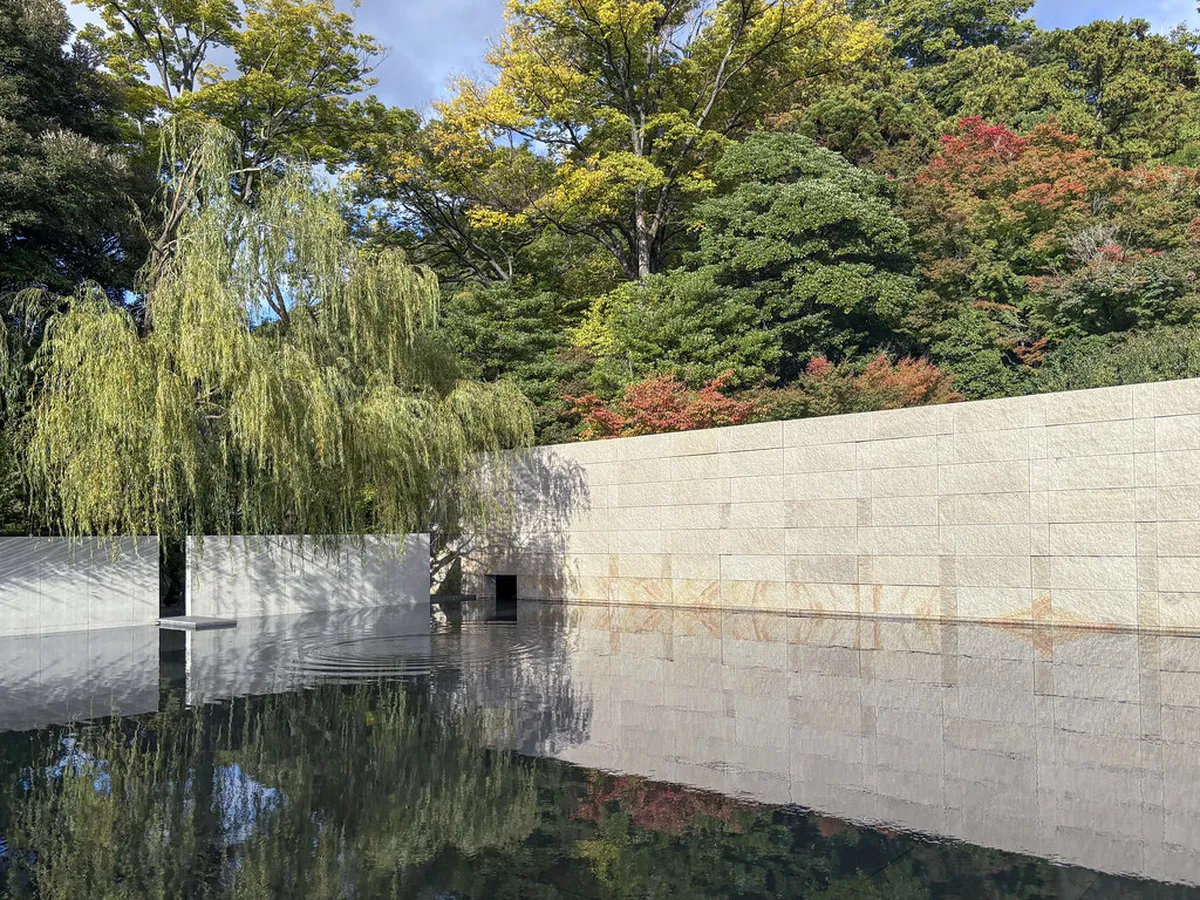
The D.T. Suzuki Museum, opened in 2011 in the Honda-machi district where the philosopher was born, is a serene Kanazawa museum dedicated to the life, writings and Zen philosophy of Daisetz Teitaro Suzuki. Designed by architect Yoshio Taniguchi, it centers on a tranquil Water Mirror Garden and Contemplative Space, with adult admission of 310 JPY.
Visitor guide →
Omicho Market
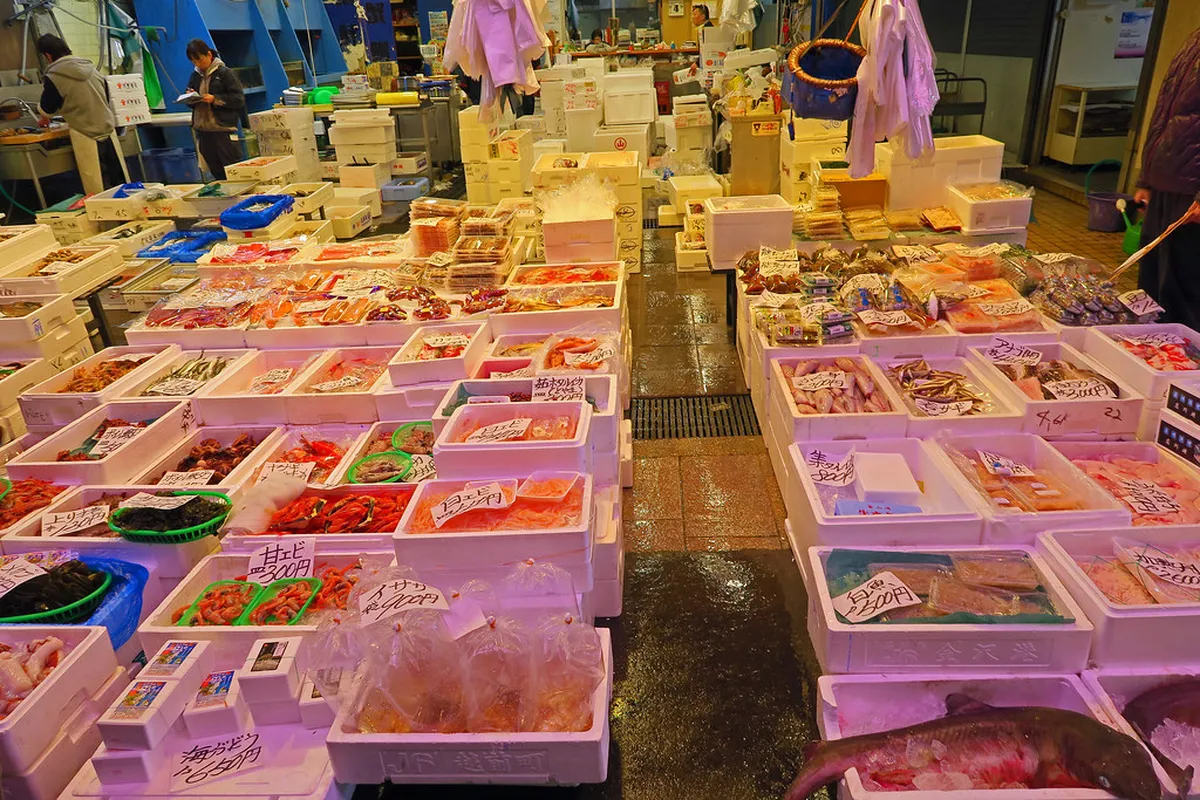
Omicho Market is Kanazawa's largest and most historic fresh-food market, free to enter, where around 170 shops sell seafood, produce, and local specialties daily.
Visitor guide →
Myoryu-ji (Ninja Temple)
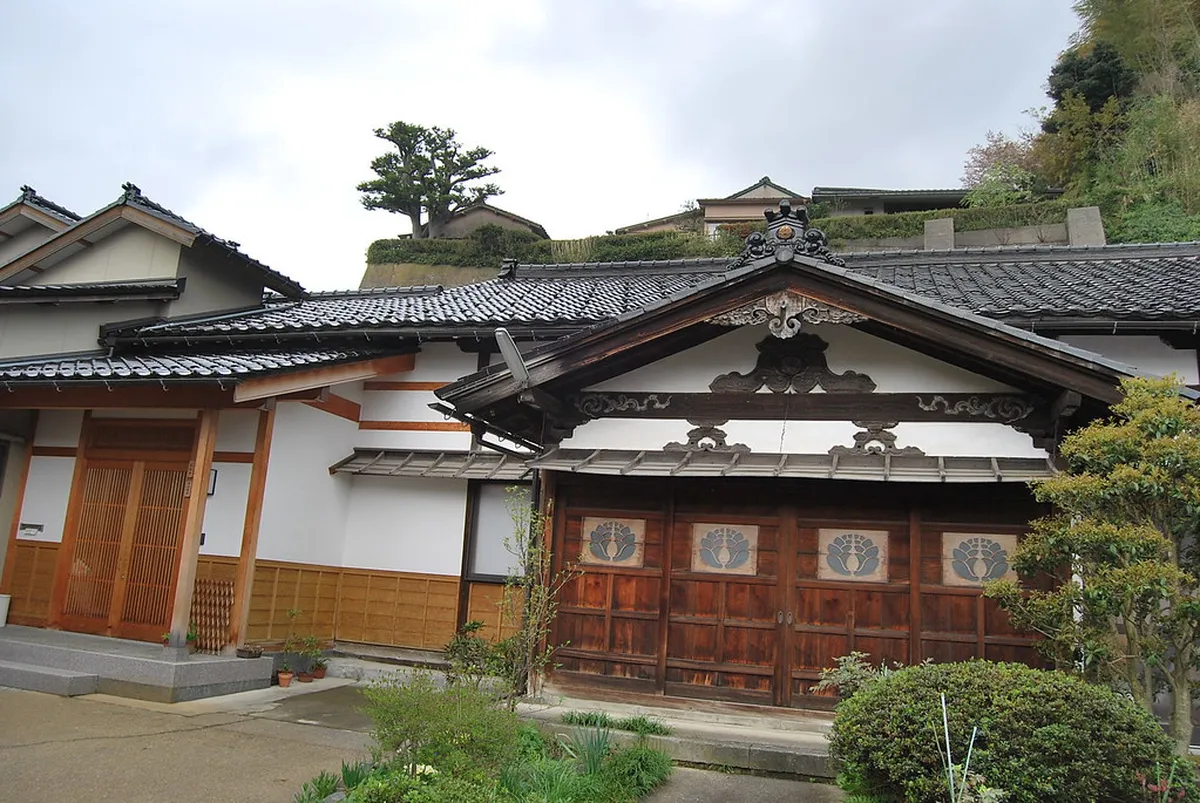
Myoryu-ji, the famous Ninja Temple of Kanazawa, is a 1643 Nichiren temple full of hidden passages and trapdoors; visits are by reservation-only guided tour costing ¥1,200 for adults.
Visitor guide →
Kanazawa attractions by neighborhood
Kanazawa's sights cluster into a handful of compact, walkable districts. Grouping them geographically is the single best way to avoid backtracking — most travelers cover one or two districts per half-day on foot.
Kanazawa attractions by category
If you're traveling around a theme rather than a map, here's how the 10 sights break down by type:
- Gardens & castle: Kenrokuen Garden — one of Japan's Three Great Gardens — and the reconstructed Kanazawa Castle, with its free Gyokusen-inmaru Garden, anchor any Kanazawa itinerary.
- Samurai & geisha districts: Nagamachi Samurai District and the Nomura Family Samurai House preserve the warrior class's world; the Higashi Chaya District captures the entertainment quarter where geisha still perform.
- Temples & shrines: Oyama Shrine, with its 1875 European-influenced gate, and Myoryu-ji — the trap-filled "Ninja Temple" — show two very different sides of Kanazawa's spiritual heritage.
- Museums: The 21st Century Museum of Contemporary Art (home to Leandro Erlich's Swimming Pool) and the contemplative D.T. Suzuki Museum cover modern art and Zen philosophy respectively.
- Market & food: Omicho Market is the city's 300-year-old fresh-food hall, the best place to eat Kanazawa's famous seafood at street-stall prices.
Free vs paid Kanazawa attractions
One of Kanazawa's quiet advantages is how much you can see without buying a ticket. Several of its headline attractions are completely free, and the paid ones are inexpensive by Japanese standards.
Free to enter:
- Kanazawa Castle grounds, gates, and Gyokusen-inmaru Garden (the restored turrets and storehouse cost ¥320)
- Oyama Shrine
- Walking the Higashi Chaya and Nagamachi streets
- Omicho Market
- The 21st Century Museum's public zone (the art courtyard and free installations)
Paid attractions (adult admission, 2026):
- Kenrokuen Garden — ¥320 (free early-morning admission before opening hours)
- Nomura Family Samurai House — 550 JPY
- D.T. Suzuki Museum — ¥310
- 21st Century Museum paid exhibition zone — around 1,400 JPY (varies by exhibition)
- Myoryu-ji (Ninja Temple) — ¥1,200, reservation required
A full day visiting only the paid sights still typically costs under ¥4,000 in admissions — modest for a city of this caliber. For context, that's less than a single major museum entry in many European capitals, yet it buys access to a UNESCO-calibre garden, a samurai residence, a contemporary-art landmark, and a Zen museum. Children's and senior rates are lower still, and several sites waive fees entirely for visitors with disabilities and a companion. If you're budgeting, plan the free attractions for your busiest sightseeing day and save the ticketed sights for a more relaxed afternoon.
Good to know
The Kanazawa Loop Bus one-day pass (¥600) pays for itself in three rides and covers the Loop Bus, Kenrokuen Shuttle, and Machi-Bus. Most central sights are also 10–20 minutes apart on foot — Kenrokuen to the castle is 5 minutes; the castle to Higashi Chaya is a scenic 25-minute walk across the Asano River.
Suggested itineraries
Because the attractions sit in clusters, pacing them by district keeps walking efficient. Here are three routes scaled to trip length.
One day (the essentials): Start early at Kenrokuen Garden (use the free pre-opening admission if you can), cross to Kanazawa Castle and Oyama Shrine, then walk to the 21st Century Museum. Lunch at Omicho Market, then finish the afternoon strolling the Higashi Chaya District. This covers five of Kanazawa's signature sights in a single full day.
Two days (history plus depth): Day one as above. Day two: explore Nagamachi Samurai District and the Nomura Family Samurai House in the morning, reserve a midday slot at Myoryu-ji (Ninja Temple), then wind down at the D.T. Suzuki Museum's Water Mirror Garden in the afternoon. Two days comfortably covers all 10 attractions on this page.
Three days (add the region): Keep days one and two relaxed — lingering for tea in Higashi Chaya or trying a gold-leaf craft workshop — and use day three for a day trip. The UNESCO thatched-roof villages of Shirakawa-go (about 75 minutes by express bus), the morning-market streets of Takayama, and the wild Noto Peninsula coastline are all popular trips out from Kanazawa. With three days you also have room to slow down: a tea-ceremony experience, a sake tasting, or simply a second unhurried pass through Kenrokuen at a different time of day all reward the extra time.
Getting around Kanazawa's attractions
Kanazawa has no subway, but it doesn't need one — the historic district is compact and the bus network is built for sightseeing.
- Kanazawa Loop Bus: Circles the major attractions in both directions at a flat ¥220 per ride. A one-day pass (around ¥600) pays for itself in three rides and also covers the Kenrokuen Shuttle and Machi-Bus.
- On foot: Most central sights are 10–20 minutes apart. Kenrokuen to the castle is a 5-minute walk; the castle to Nagamachi is about 15 minutes; Higashi Chaya is a scenic 25-minute walk from the center across the Asano River.
- From JR Kanazawa Station: The Hokuriku Shinkansen arrives directly into Kanazawa Station, about 2.5 hours from Tokyo. From the station's east-side bus terminal, the Loop Bus reaches Omicho Market in 5 minutes and Kenrokuen in about 15.
- By bicycle: The Machi-Nori bike-share docks across the city are a flexible way to link districts in good weather.
Best time to visit Kanazawa's attractions
Kanazawa is a year-round destination, but each season changes the character of its gardens and streets.
- Spring (early April): Cherry blossoms fill Kenrokuen and the castle moats. Stunning, but the busiest and priciest window.
- Summer (June–August): Lush greenery and the Hyakumangoku Festival in early June; the rainy season in June can dampen mid-month plans.
- Autumn (November): Many seasoned travelers call this the best time — vivid foliage in Kenrokuen, comfortable temperatures, and slightly thinner crowds than spring.
- Winter (December–February): Kenrokuen's iconic yukitsuri snow-protection ropes go up, evening illuminations run on select dates, and hotel rates fall to their yearly low.
Whatever the season, try to avoid Golden Week (late April to early May) and the Obon period (mid-August), when domestic travel surges and both prices and queues spike. For the gardens specifically, an early start matters year-round: Kenrokuen and the castle grounds are noticeably quieter in the first hour after opening, and the morning light is best for photographs of the moats, ponds, and rooftops. If your schedule allows, anchor each day's plan around being at the most popular sight first thing.
Heads up
Avoid Golden Week (late April to early May) and Obon (mid-August) — domestic travel surges make both prices and queues spike across Kanazawa. Cherry blossom season (early April) is spectacular but the busiest and priciest window; book accommodation 3–4 months ahead or choose autumn foliage (November) for vivid scenery with thinner crowds.
How to save money on Kanazawa attractions
Kanazawa is already gentle on the wallet, and a few simple moves stretch it further:
- Buy the Kanazawa Loop Bus one-day pass if you'll ride three or more times — it covers the Loop Bus, Kenrokuen Shuttle, and Machi-Bus.
- Lean on the free sights: Kanazawa Castle grounds, Oyama Shrine, and the Higashi Chaya and Nagamachi streetscapes cost nothing and deliver most of the atmosphere.
- Visit Kenrokuen during free early-morning admission — the garden opens its gates without charge for a window before standard hours, year-round.
- Eat at Omicho Market: fresh seafood bowls and street snacks here cost a fraction of a sit-down restaurant.
- Look for a Cultural Attraction Passport or combination ticket if you plan to enter several paid museums and gardens — bundled passes can undercut individual admissions.
Frequently asked questions about Kanazawa attractions
How many days do you need in Kanazawa?
Two days is the sweet spot for most visitors — enough to cover all 10 attractions on this page without rushing. One day works if you stick to the central essentials, while three or more days let you add a day trip to Shirakawa-go, Takayama, or the Noto Peninsula.
What is the number one must-see attraction in Kanazawa?
Kenrokuen Garden. Ranked among Japan's Three Great Gardens, this Edo-period strolling garden built by the Maeda clan is Kanazawa's signature sight, and adult admission is just ¥320 (with free early-morning entry).
Are Kanazawa's attractions free?
Many are. Kanazawa Castle grounds, Oyama Shrine, the Higashi Chaya and Nagamachi districts, and Omicho Market are all free to enter. Paid sights like Kenrokuen (¥320), the Nomura Samurai House (550 JPY), and the Ninja Temple (¥1,200) are inexpensive by Japanese standards.
Do you need to book the Ninja Temple in advance?
Yes. Myoryu-ji (the Ninja Temple) admits visitors only on reservation-only guided tours, and you must book by phone in advance — walk-ins are not accepted. Tours run in Japanese, so request English support materials when you reserve.
What is the best time of year to visit Kanazawa?
Autumn (November) and spring (early April) are the most scenic, with foliage and cherry blossoms respectively. Autumn is often preferred for its slightly thinner crowds, while winter offers the lowest hotel rates and Kenrokuen's famous snow-rope display.
Is Kanazawa expensive?
Not particularly. Attraction admissions are cheap — a full day of paid sights usually totals under ¥4,000 — and several headline attractions are free. Accommodation is the main variable: hotel rates rise 30–50% during cherry-blossom season and peak autumn, but drop to their lowest in January and February.
Can you see Kanazawa in one day?
Yes, if you focus on the central cluster. A single full day comfortably covers Kenrokuen Garden, Kanazawa Castle, Oyama Shrine, the 21st Century Museum, Omicho Market, and the Higashi Chaya District, all within walking or short Loop Bus distance.
What's the best way to get between Kanazawa's attractions?
The Kanazawa Loop Bus, with a flat ¥220 fare or a one-day pass, circles all the major sights and is the easiest option. The central attractions are also close enough to walk, and Machi-Nori bike-share is a good fair-weather alternative.
Plan your Kanazawa trip
Use this hub as your launchpad, then dig into the details with our companion guides. For day-by-day routes see our Kanazawa itinerary and 2-day cultural itinerary; sort out logistics with the Kanazawa transport guide; and time your trip with our cherry blossom guide. When you're ready to dive into a specific sight, every attraction card above links to a full visitor guide with verified hours and prices.