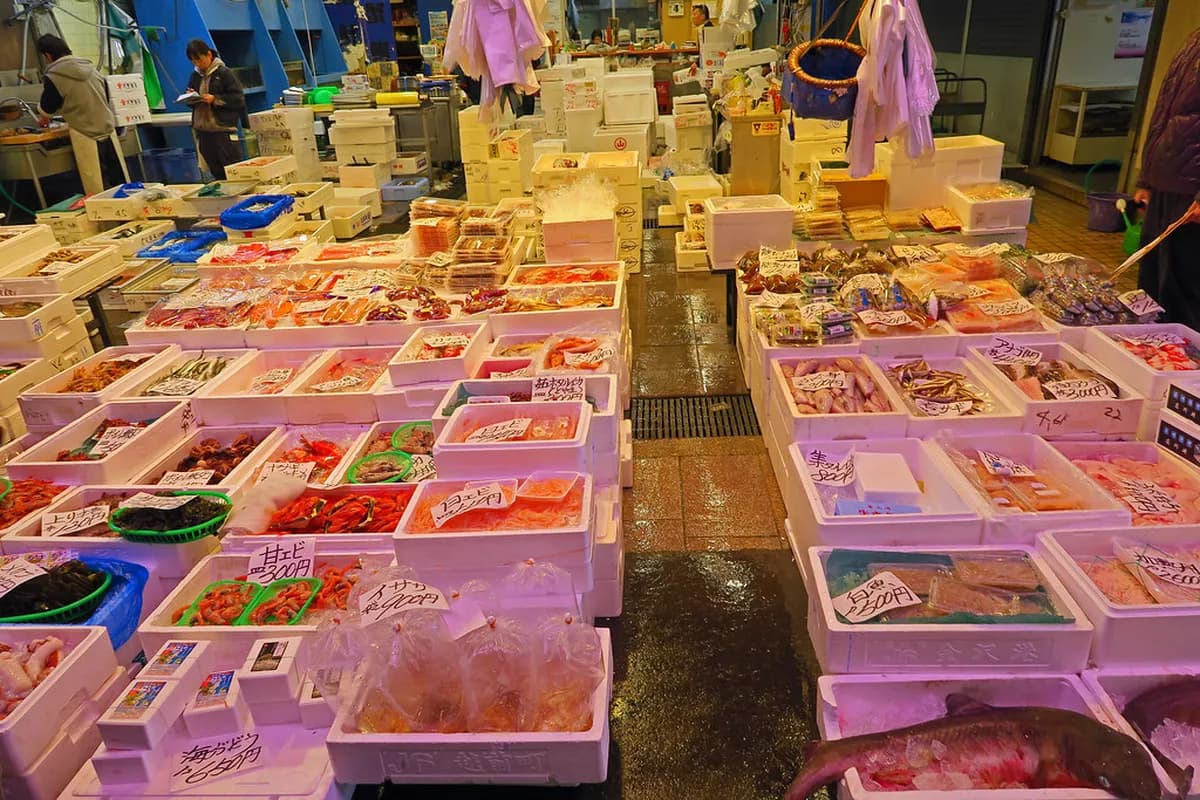
Omicho Market has served as the culinary heart of Kanazawa for more than three hundred years. This bustling marketplace features around 170 shops selling fresh seafood, local produce, and traditional snacks. Travelers visiting the region often make this their first stop to experience the authentic flavors of the Sea of Japan. Our comprehensive Kanazawa guide helps you navigate this historic site like a local expert.
Known fondly as Kanazawa's Kitchen, the market offers a sensory experience unlike any other in Ishikawa Prefecture. You will find everything from giant snow crabs to delicate Kaga vegetables displayed across the narrow, covered alleys. Planning a visit requires knowing the right timing to avoid the heaviest crowds and long restaurant lines. This omicho market visitor guide provides the essential details needed for a perfect morning of exploration.
The 300-Year Legacy of Kanazawa's Kitchen
The history of this marketplace dates back to the Edo Period when the Maeda Family ruled the region. It officially opened in 1721 to provide fresh food for the residents of the castle town. For centuries, it has remained the primary source of high-quality ingredients for local chefs and households alike. Walking through the stalls today feels like a journey through Kanazawa's rich merchant heritage.

The market survived various urban changes while maintaining its traditional atmosphere and community importance. Its location near the former castle grounds made it a central hub for commerce and daily life in the city. Modern renovations have added comforts like roofing and clean walkways without erasing the historical charm. The careful balance of old and new is part of what draws visitors from across Japan and beyond.
Local residents still shop here daily to find the freshest seasonal items from the Hokuriku Coast. The relationship between the sea and the city is evident in every overflowing seafood display. Professional chefs from nearby high-end restaurants often arrive before 09:00 to secure the best catch of the day. This enduring legacy ensures that Omicho Market remains a pillar of Kanazawa's unique food culture in 2026 and beyond.
Timing Your Visit: Market Hours vs. Restaurant Openings
Most seafood stalls begin their day around 09:00 when the fresh catch arrives from the Hokuriku ports. Arriving early allows you to see the market at its most energetic state before large tour groups descend. You can watch fishmongers prepare large tuna or display seasonal crabs with incredible speed and precision. The atmosphere is lively but manageable in that first hour. Many travelers incorporate this market visit into a comprehensive Kanazawa itinerary as a key morning activity.
A key distinction for 2026 visitors: stall shopping and restaurant dining follow different timetables. Kaisendon Yutaka Suisan opens as early as 07:00, making it an excellent option for an early breakfast before the crowds build. Most other restaurants in Kanazawa open between 10:30 and 11:00, and lines at popular spots like Mori Mori Sushi can grow long within minutes. If you want a sit-down lunch, put your name on a waiting list by 10:45 and use the remaining time to browse stalls.
The market starts to wind down in the late afternoon as many stalls close around 15:00-17:00. Many restaurants stop seating around 15:00 as well, so the true prime window is 10:00 to 14:30. Avoid visiting on Sundays or national holidays when about half of the shops may be closed. Wednesdays are also common closing days for several local seafood vendors, including Kaisendon Hirai and Kaisendon Yutaka Suisan.
If you want a sit-down lunch, add your name to a restaurant waiting list by 10:45 and use the remaining time to browse stalls. The prime window for both stall shopping and dining is 10:00 to 14:30 — after 15:00 many stalls and restaurants begin to close.
Seafood Highlights: From Noto Oysters to Snow Crab
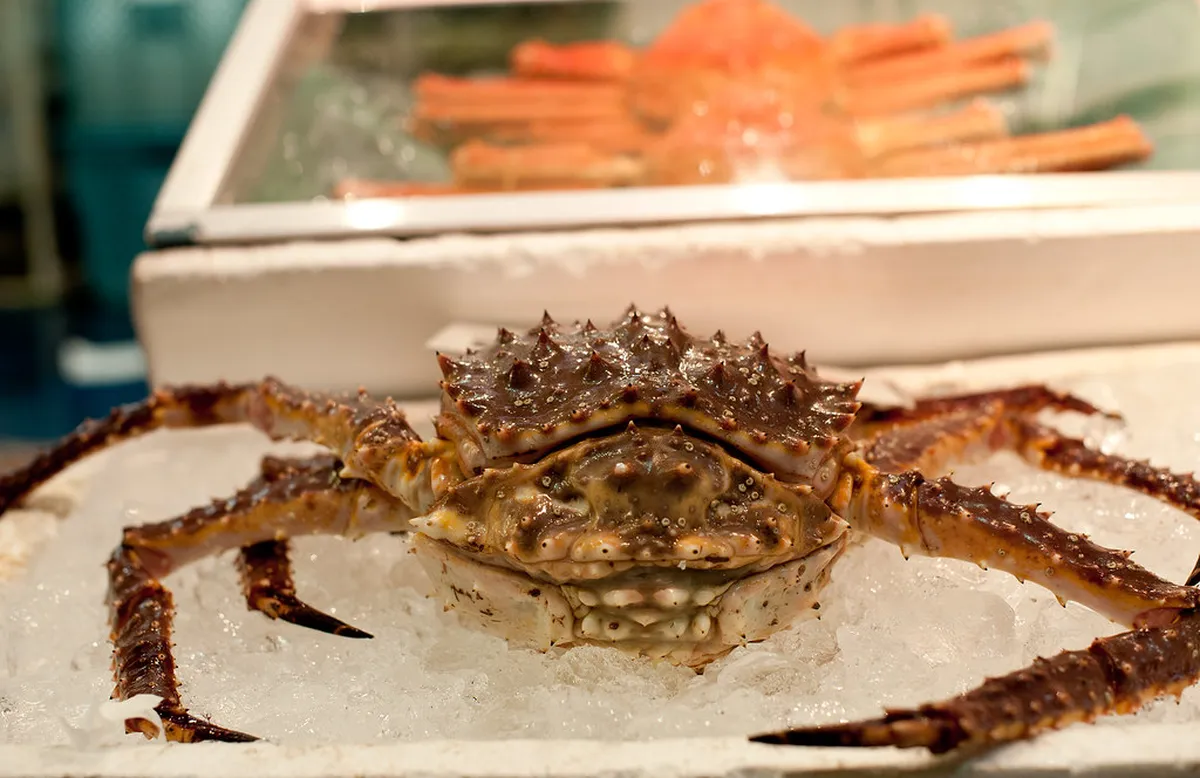
The Sea of Japan provides a bounty of unique seafood that changes with the passing seasons. Winter visitors should look for Kano-gani, the prized male snow crab, which appears in stalls from November through March. The female version, Kobako-gani (literally "little jewel box"), is smaller but celebrated for its rich roe and delicately sweet meat. Locals often serve kobako-gani with a splash of vinegar and soy sauce to enhance the natural flavor.
Noto Peninsula oysters (Iwagaki) are a year-round highlight that many stalls serve fresh on the half-shell. These large, creamy oysters are shucked right in front of you for immediate consumption. Look for summer months when the Iwagaki variety reaches its peak size and richness. Pairing these with a squeeze of lemon or a dash of soy sauce is a market highlight that costs around ¥800-1,000 per portion.
Sweet shrimp, or Ama-ebi, are another local specialty worth seeking out at any time of year. These bright red shrimp are known for their naturally sweet flavor and soft, delicate texture. You can find them served as individual skewers or heaped on top of colorful kaisendon bowls. The fermented version, Ama-ebi no Shiokara, is a more acquired taste but beloved by regular visitors who want an authentic local experience.
Seasonal Seafood Calendar: What's Best and When
Omicho Market follows Japan's "Shun" food philosophy — the idea that ingredients taste best at their seasonal peak. Knowing the calendar before you arrive helps you plan around what will genuinely be at its finest. The displays change noticeably month to month, which is why repeat visitors often say each trip feels like a different market.
- Winter (December–February): Snow crab (Kano-gani and Kobako-gani) at their richest. Yellow tail (Buri) from the Noto Peninsula arrives fat and full of flavor. This is the single best season for seafood quality overall.
- Spring (March–May): Halfbeak (Sayori) and rockfish (Mebaru) appear on stalls. Snow crab season ends in late March. Fresh bamboo shoots from Kaga complement the lighter spring fish selections.
- Summer (June–August): Iwagaki oysters peak in July and August, reaching sizes that dwarf winter varieties. Sweet shrimp (Ama-ebi) are available year-round but reach their sweetest in summer. Sea urchin (Uni) quality is also strong during the warmer months.
- Autumn (September–November): Yellowtail returns as sea temperatures drop. Early crab season begins in November. Kaga vegetables including lotus root (Kaga Renkon) hit their best flavor heading into autumn.
Visiting in winter gives you the widest variety of premium seafood, but summer and autumn visits have their own rewards. Even off-peak months guarantee exceptional quality because the Hokuriku Coast delivers fresh catches daily.
Top 3 Recommended Restaurants for Sushi and Kaisendon
Dining at Omicho Market is a highlight for visitors looking for the freshest possible ingredients at accessible prices. The following three locations are consistently rated as the best for a memorable seafood meal. Each serves a different format, so your choice depends on budget and how much time you want to spend waiting.
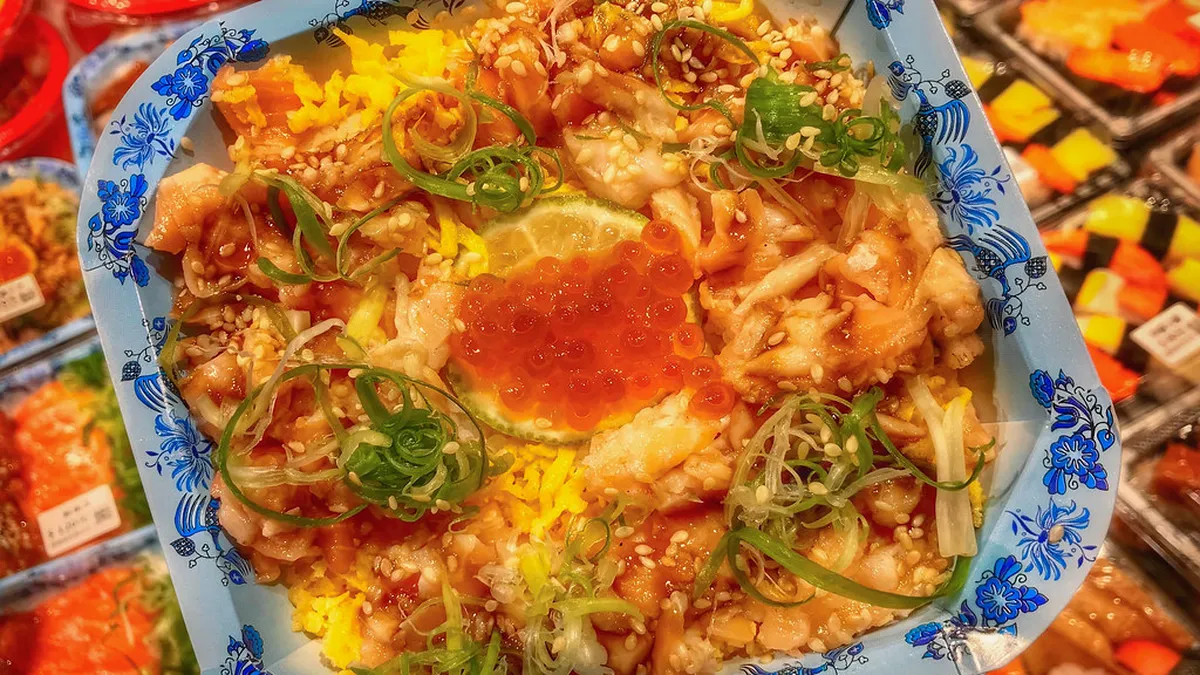
- Kaisendon Yutaka Suisan (海鮮丼 ゆたか水産) — Opens at 07:00, making it the only restaurant suited for breakfast at the market. The signature "Yutaka's BEST Bowl" features 15 varieties of sashimi including crab, uni, and salmon roe. Expect to pay ¥2,500–4,500 and wait 10–20 minutes. Closed Wednesdays. Address: 31 Jukken-machi.
- Kaisendon Hirai (海鮮丼 平井) — A kaisendon specialist inside the market where every bowl comes with green seaweed miso soup. The "Omicho Kaisendon" piles over 10 varieties of fresh seafood on warm rice. Opens at 11:00 weekdays and 10:30 on weekends; closes 15:00. Budget ¥2,500–4,000. Closed Wednesdays. Address: 29 Kami-Omicho.
- Mori Mori Sushi Omicho (もりもり寿し 近江町市場店) — A conveyor-belt sushi spot where you can order via touch panel, making it easy for non-Japanese speakers. Opens at 08:00 and closes at 17:00 with no weekly closing day. The "Omicho Market Seafood Trio" with Nodoguro (Blackthroat Seaperch) and Shiroebi is the must-order set. Budget ¥2,000–5,000; waits of 30–90 minutes are common at peak hours. Address: 88 Aokusa-machi, Omicho Ichiba-kan 1F.
All three restaurants accept major credit cards. If you want the shortest wait and greatest flexibility, arrive before 10:30 or after 13:30 when the lunch rush subsides. For solo travelers, Mori Mori Sushi's counter seating often fills faster than its booth tables.
| Restaurant | Opens | Closes | Price Range | Closed Day |
|---|---|---|---|---|
| Kaisendon Yutaka Suisan | 07:00 | — | ¥2,500–4,500 | Wednesday |
| Kaisendon Hirai | 11:00 (10:30 weekends) | 15:00 | ¥2,500–4,000 | Wednesday |
| Mori Mori Sushi Omicho | 08:00 | 17:00 | ¥2,000–5,000 | No closing day |
Beyond Seafood: Noto Beef, Oden, and Market Snacks
Most visitors focus entirely on seafood at Omicho, but a few non-seafood items deserve equal attention. Noto beef nigiri is arguably the most surprising bite at the market. This premium wagyu comes from Japanese black cattle raised in Ishikawa Prefecture, characterized by a high oleic acid content that gives the meat a tender, aromatic quality. Several stalls prepare it to order — each piece is torched tableside and served two ways: with local soy sauce and ginger, or with bamboo charcoal salt and wasabi. At around ¥1,000 per set, it rivals the best seafood bites for value.
Kanazawa is also famous for its style of oden — a soy sauce and dashi broth hot pot with fish cakes, seafood, and vegetables. Several counters inside the market serve it from mid-morning. Kanazawa Oden Ippukuya is an accessible option with spacious seating; individual ingredients cost ¥200–500 each and you build your own bowl. Arriving before 13:00 gives you the widest selection before popular ingredients sell out.
For a quick snack between stalls, look for croquettes from Omichokorokke. The curry rice croquette costs ¥250 and is a popular comfort pick on colder days. Unlike most stall food, croquettes are designed to eat standing at the counter, which keeps you mobile without violating the no-walking-and-eating etiquette of the market.
Local Flavors: Kaga Vegetables and Regional Sake Pairings
Beyond the seafood, Kanazawa is famous for its Kaga vegetables — 15 certified traditional varieties grown only in Ishikawa Prefecture. Look for Kaga Renkon (lotus root) or the large, purple Kaga Futo-kyuri (thick cucumber) at produce stalls. These vegetables have been cultivated in this region for centuries and offer distinct flavors that differ from commercially grown equivalents. Many vendors sell pre-cut portions or vegetable tempura for a healthy market snack.
A visit to Sake no Osawa (酒の大沢) is essential for those who enjoy regional Japanese spirits. This specialized shop offers a wide selection of sake produced within Ishikawa Prefecture and can pour a small cup for an on-the-spot tasting. The staff are knowledgeable and can recommend the best sake to pair with the specific seafood you have just purchased. Ask specifically about Sogen sake from the Noto Peninsula — it is a robust, full-flavored brew that stands up well against rich crab and roe dishes.
Buying a small bottle from Sake no Osawa early and sipping it while exploring the stalls is what locals call a "sake crawl" through the market. This approach is inexpensive, culturally authentic, and adds another layer to the experience. Just remember that most stall sampling happens while standing at the vendor's counter, not while walking the aisles.
Insider Tips: Navigating Entrances and Avoiding Crowds
Most visitors enter through the main Musashigatsuji entrance near the department store, which becomes extremely crowded during the peak lunch hours between 11:30 and 13:00. Use the Jukken-machi entrance on the south side for a much calmer start to your visit. Starting from the south lets you walk against the main flow of tourist traffic and find stalls that are less picked-over in the morning.
The stalls in the back sections of the market are often quieter and sometimes offer better prices or more personal interactions with vendors. These inner alleys are where local residents do their daily shopping and where you are most likely to encounter items not widely advertised. Take your time in the side passages before moving toward the busier central corridor.
Many stalls offer small samples of dried fish or pickled vegetables to passing customers. It is polite to show genuine interest in the product before accepting a sample, and if you enjoy it, buying a small package is the expected courtesy. Stall operators are generally warm toward respectful visitors, and even a brief attempt at Japanese goes a long way.
Essential Logistics: Access, Payments, and Market Etiquette
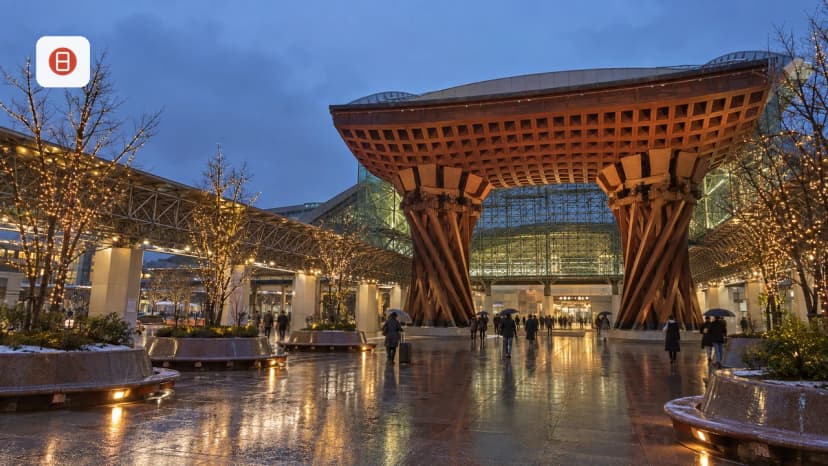
Omicho Market is located about a fifteen-minute walk from the East Exit of Kanazawa Station, heading southeast. You can also take a Hokutetsu bus (routes 6-9) from the station's East Exit and ride about five minutes to the Musashigatsuji stop. The market sits at a major city intersection and is clearly signed. If you are staying near the Nagamachi Samurai District, it is a pleasant ten-minute walk north.
While established restaurants inside the market accept major credit cards, many small stalls still prefer cash payments. Carry enough yen in small denominations for quick stall purchases; ¥5,000 is usually sufficient for a thorough snack tour. Several convenience stores with ATMs are within a two-minute walk of the main entrance if you need to withdraw more. Paying with exact change is always appreciated by busy vendors.
The single most important etiquette rule is to avoid eating while walking through the market. This convention keeps the narrow walkways clean and prevents accidental spills on fellow shoppers. Every stall that sells food provides a small standing area where you can eat immediately. Please dispose of your trash in the bins provided by the stall — do not carry wrappers into the aisles.
Do not eat while walking the aisles — every stall provides a standing space for eating on the spot. Many small vendors are cash only; carry at least ¥5,000 in small denominations for stall purchases. Avoid visiting on Sundays or national holidays when around half the shops may be closed.
Beyond the Market: Nearby Kanazawa Sightseeing
After finishing your lunch, you are well positioned to explore more of the city's top Kanazawa attractions. The impressive Kanazawa Castle is just a short walk from the market's southern exit. You can spend an hour wandering through the restored gates and spacious castle park grounds. The castle provides a beautiful backdrop for photos and a peaceful contrast to the market noise.
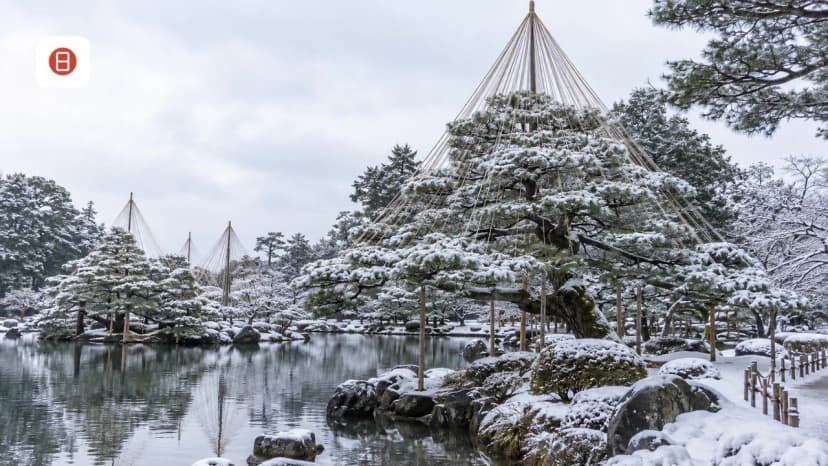
Directly adjacent to the castle is Kenrokuen Garden, considered one of Japan's three best landscape gardens. This stunning space changes beautifully with every season and offers many quiet walking paths. It is a must-see destination for any traveler visiting the Ishikawa region for the first time. The garden is especially famous for its ancient pine trees and traditional tea houses.
For a more traditional atmosphere, head toward the Higashi Chaya District. This area features beautifully preserved wooden buildings where geisha still perform in the evenings. You will find craft shops selling gold leaf products and traditional Japanese sweets that make excellent souvenirs. It is the perfect place to close out your day after a morning spent at Kanazawa's oldest and most beloved marketplace.
Frequently Asked Questions
What is the best time to visit Omicho Market?
The best time to visit Omicho Market is between 9:00 AM and 10:30 AM. This window allows you to see the fresh seafood arrive before the lunch crowds become overwhelming. Most restaurants open at 11:00 AM, so you can put your name on a list early.
Is Omicho Market open on Sundays?
Omicho Market is technically open on Sundays, but many individual stalls and shops choose to close. It is better to visit on a weekday or Saturday for the full experience. Check our Kanazawa travel guide for more holiday schedule tips.
What are the must-eat foods at Omicho Market?
Must-eat foods include fresh Noto oysters, snow crab during the winter months, and sweet shrimp skewers. You should also try a kaisendon (seafood bowl) at one of the specialized restaurants. Don't forget to sample local Kaga vegetables and regional sake.
How do I get to Omicho Market from Kanazawa Station?
You can walk from Kanazawa Station in about fifteen minutes by heading southeast. Alternatively, take any city bus from the East Exit and get off at the Musashigatsuji bus stop. The market entrance is clearly visible from the main road intersection.
Do restaurants in Omicho Market take credit cards?
Most established restaurants in Omicho Market accept major credit cards for lunch and dinner. However, small seafood stalls and produce vendors often require cash for individual snacks or samples. It is always best to carry some Japanese yen for smaller purchases.
Omicho Market is an essential destination for anyone wanting to taste the true flavors of Kanazawa. From historic stalls to modern sushi restaurants, the market offers something for every type of food lover. Following our omicho market visitor guide will help you navigate the crowds and find the best seafood. We hope this information makes your visit to the Kitchen of Kanazawa a highlight of your Japan trip.
Remember to arrive early and explore the side alleys to find the most authentic local experiences. Respect the local etiquette by eating at the stalls rather than walking through the busy aisles. Your journey through this 300-year-old marketplace will provide a deeper understanding of Ishikawa's rich culture. Enjoy your culinary adventure in one of the most vibrant seafood markets in all of Japan.
For official details, visit the Omicho Market official site and Omicho Market on Wikipedia.