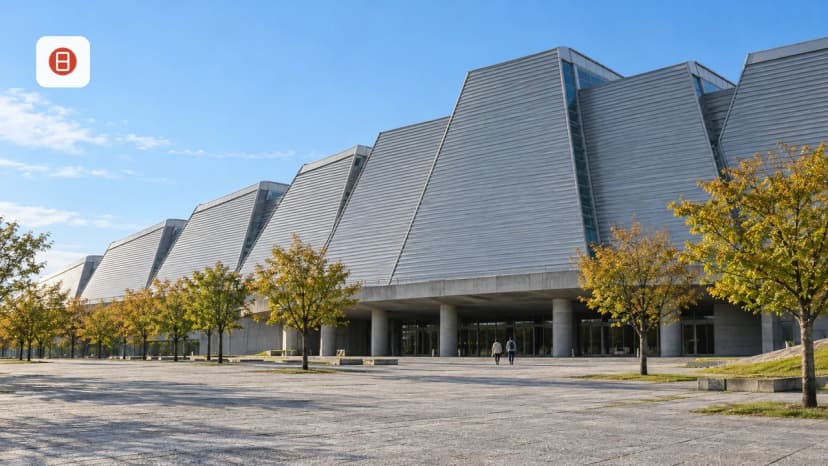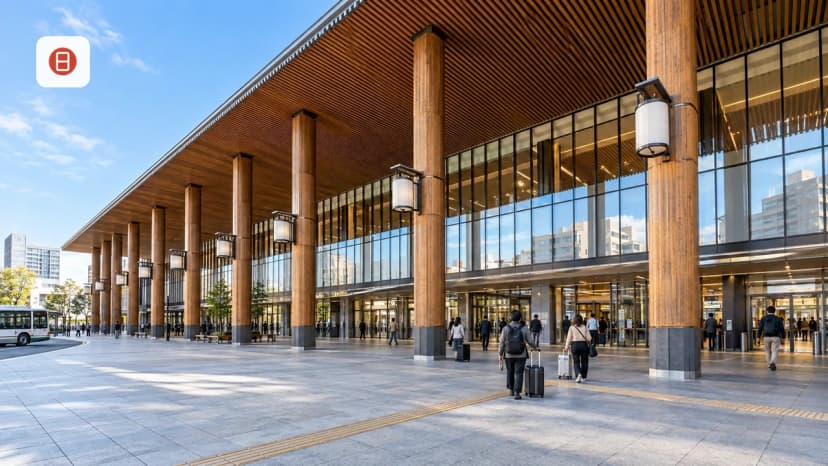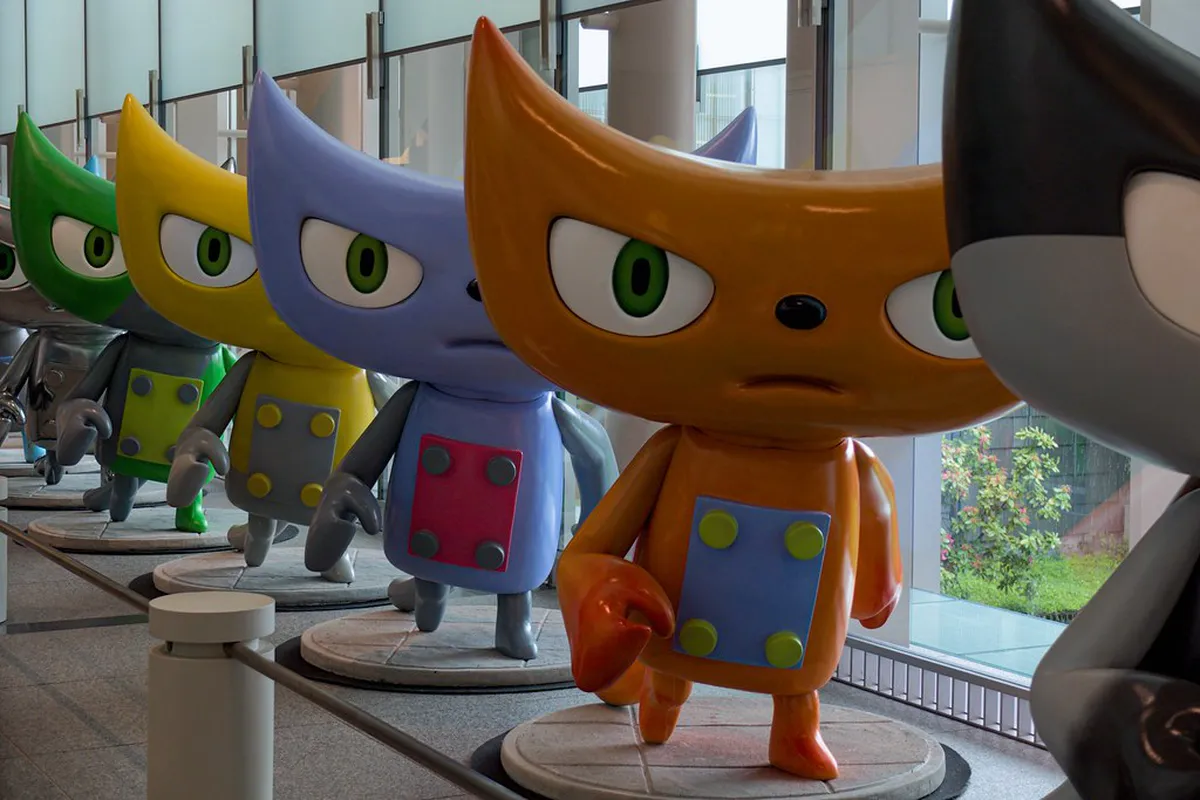
The Matsumoto City Museum of Art is the easiest place in Matsumoto to pair contemporary art with the city's castle-town walking route. It is best known for Matsumoto-born Yayoi Kusama, whose polka-dotted exterior details and outdoor sculpture make the museum recognizable before you buy a ticket.
This matsumoto city museum of art visitor guide is built for a 2026 visit, with practical advice on timing, transit, accessibility, and nearby stops. The museum works well as a focused 1.5 to 2 hour stop between Matsumoto Castle, Nakamachi Street, and Nawate Street.
First-time visitors should avoid treating the museum as a large all-day gallery. Its strength is a compact, memorable collection, a strong local-artist identity, and easy access from the station area. Our Matsumoto travel guide covers broader food, hotel, and neighborhood planning.
Must-See Matsumoto Attractions
The classic short itinerary pairs the museum with Matsumoto Castle. Start at the castle if you want to climb the keep before lines build, then walk toward the art museum through central Matsumoto. The castle-to-museum walk takes roughly fifteen minutes at an unhurried sightseeing pace.
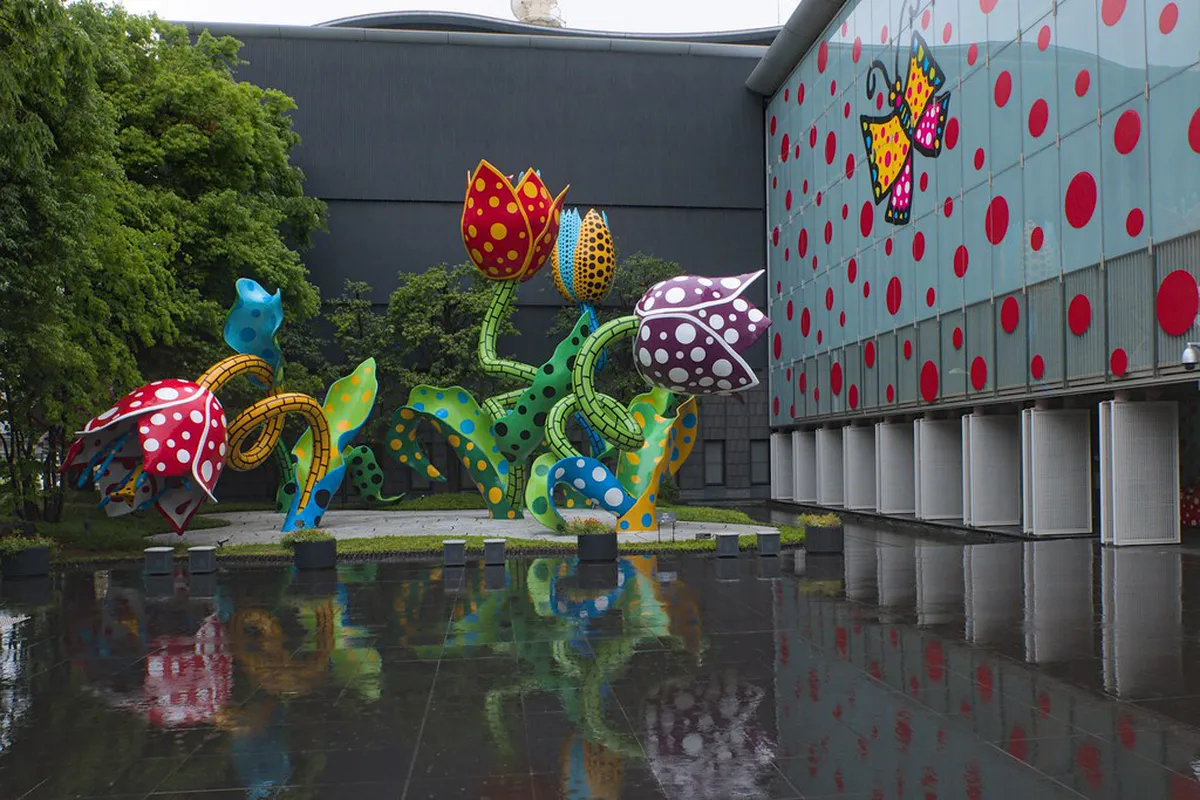
The Matsumoto City Museum of Art is worth including even on a short itinerary because it gives the city a different identity from the castle. Its Kusama connection, outdoor sculptures, and manageable scale make it easier to fit than a distant half-day attraction. Check our full list of Matsumoto attractions when deciding what to keep or cut.
Nakamachi Street and Nawate Street are the best low-friction add-ons because they sit naturally between the castle, station, cafes, and shops. Travelers who only have half a day should prioritize castle, museum, and one historic shopping street rather than spreading the route across far-flung stops.
Museums, Art, and Culture in Matsumoto
The city is famously the birthplace of Yayoi Kusama, and the museum is the main place in Matsumoto to understand that connection. Her visual language appears in the outdoor art, museum approach, shop, and permanent collection, so casual visitors quickly see why the museum anchors Matsumoto itineraries.
The permanent collection focuses on artists tied to Matsumoto and Nagano, while temporary exhibitions rotate through broader contemporary and Japanese art themes. Check the official exhibition schedule because special shows can change the visit, crowd level, and ticket cost.
If you want more culture nearby, add the Matsumoto Timepiece Museum for a smaller specialty museum or the Former Kaichi School for architecture and education history. These pair better with the art museum than distant mountain sights when time is tight.
Parks, Gardens, and Outdoor Spots in Matsumoto
Agata Forest Park is a practical green break after the museum, especially with children or before dinner. It is close enough to use as a flexible pause rather than a separate attraction that reshapes the day.
Matsumoto Alps Park is better when you have extra time and clear weather. It sits away from the central museum-castle circuit, but the elevated views of the city and Northern Alps make it a stronger choice for families and photographers than for travelers rushing between trains.
For a simple outdoor route, walk along the Metoba River and continue toward Nawate Street. Cherry blossom season makes the riverbanks especially appealing, while summer visitors may prefer shaded streets, cafes, and the museum's indoor galleries during the hottest part of the day.
Family-Friendly and Budget-Friendly Options in Matsumoto
The museum exterior, Yayoi Kusama outdoor sculptures, and courtyard are free to view before you buy a ticket — useful for deciding whether to go inside. The permanent collection is your best-value ticket for the Kusama focus; special exhibitions are priced separately. Coin lockers are available on-site.
Budget travelers can still enjoy the museum exterior, outdoor sculpture, and photo-friendly public areas before deciding whether to enter the galleries. The permanent collection is the best-value ticket for visitors focused on Yayoi Kusama and local art, while special exhibitions should be checked separately before you commit.
Families should plan the museum after an active stop rather than after a long lunch. The galleries are compact, clean, and easier to manage than a large metropolitan museum, but younger children may enjoy the exterior art and shop more than a slow reading-heavy exhibition.
For a low-stress family day, keep the route central: castle in the morning, soba or cafe lunch, museum in the afternoon, then Nawate Street for snacks and souvenirs. See our Matsumoto with kids guide for more family-focused options. Avoid adding too many paid museums in one day unless your group specifically enjoys indoor exhibits.
How to Plan a Smooth Matsumoto Attractions Day
Start early at the castle if climbing the keep matters, because stairs and queues can slow the first half of the day. You can Book Now for guided walks that explain the castle-town layout, then continue toward the museum with lunch around Nakamachi or Nawate.
The best museum timing is usually a weekday morning or mid-afternoon. Morning works if the museum is your priority; mid-afternoon works if you want the castle first and need an indoor break. In spring and autumn, allow extra time for photos outside because the weather makes the courtyard and walking route more pleasant.
The museum is closed on Mondays (or the following weekday if Monday is a public holiday) and around New Year. Not all Kusama indoor works allow photography — follow gallery signs carefully. Check the exhibition schedule before you go, as special shows can change crowd levels and ticket costs.
Common mistakes are arriving on a Monday, assuming all indoor Kusama works can be photographed, and carrying bulky luggage through a walking-heavy day. Use coin lockers when available, follow gallery photo signs, and check the official schedule before you build the museum around a special exhibition.
- Short visit: Station, museum, Nakamachi Street, Nawate Street.
- Classic half day: Matsumoto Castle, Nakamachi Street lunch, museum.
- Full day: Castle, central streets, museum, Matsumoto Alps Park or an evening meal near the station.
Matsumoto City Museum of Art Reviews
Matsumoto City Museum of Art reviews consistently emphasize the Yayoi Kusama experience. Visitors mention the polka-dot exterior details, outdoor sculpture, museum shop, and the compact gallery layout as the main reasons the museum feels memorable without requiring a long visit.
The most common caveat is size. Travelers expecting a major Tokyo-scale museum may find the permanent collection limited, while visitors who prefer focused galleries often see that as an advantage. The museum is strongest as a local-identity attraction, not as a replacement for Japan's largest art museums.
Reviewers also point out practical details that matter: some indoor photography is restricted, English support varies by exhibit, and temporary shows can change the experience. Weekdays are the safest choice for a quieter visit, while weekends and holidays can bring more families and Kusama-focused visitors.
Nearby and in or around Matsumoto
Daio Wasabi Farm is a strong half-day add-on if you have transportation time and want a rural contrast to the museum. It is better for travelers staying overnight in Matsumoto than for those trying to see the castle, museum, and leave by early afternoon.
Asama Onsen is the easiest relaxation-focused side trip from central Matsumoto. Choose it when your day has already included castle stairs, museum walking, and shopping streets, and you want a low-key evening rather than another museum or viewpoint.
Utsukushigahara Highland suits travelers who came for mountain scenery and have a full spare day. It is not a casual add-on to the art museum, so check transport timing carefully before choosing it over central Matsumoto sights.
More attractions in Matsumoto
Nawate Street is the easiest post-museum stroll if you want snacks, small shops, and a riverside pedestrian route. It is informal, quick, and works well when the museum took less time than expected.
The Matsumoto Timepiece Museum is a good backup for rainy weather or visitors who like niche collections. It gives your day another compact indoor stop without forcing a bus ride out of the city center.
Finding the right place to stay is easy when you Search all hotels in Matsumoto online. Staying near Matsumoto Station gives the best access to buses and trains, while staying between the station and castle keeps you close to the Matsumoto attractions most visitors use on a first trip.
Practical info
The museum is open from 9:00 to 17:00, with last admission at 16:30. It is closed on Mondays, or the following weekday when Monday is a public holiday, and it also closes around the New Year period. Always check the Matsumoto City Museum of Art website before visiting because exhibition changes can affect the day.
| Ticket Type | Walk-in | Online | Free Entry |
|---|---|---|---|
| Permanent collection — Adult | ¥800 | ¥700 | – |
| Permanent collection — University student | ¥400 | ¥350 | – |
| High school and younger | Free | – | Always free |
| Matsumoto residents 70+ | Free | – | Always free |
| Special exhibitions | Priced separately | – | Usually includes permanent collection |
The permanent collection exhibition costs ¥800 for adults (¥700 online) and ¥400 for university students (¥350 online). Special exhibitions are priced separately and usually include access to the permanent collection. High school students and younger, Matsumoto residents aged 70 and over, and visitors with a disability certificate plus one helper can enter the permanent collection for free.
The museum is at 4-2-22 Chuo, about a 12-minute walk east of JR Matsumoto Station. The Town Sneaker bus is the simplest non-walking option from the station area, and the museum is also reachable by bicycle or car. The facility is wheelchair accessible and offers coin lockers, which are useful if you are combining the museum with shopping streets or the castle.
- Museum Logistics at a Glance
- Entry: ¥800 for adults (¥700 online)
- Closed: Mondays
- Last Entry: 16:30
- Access: Town Sneaker bus or 12-minute walk from Matsumoto Station
- Top Visitor Tips
- Photos: Outdoor areas are easiest; check signs indoors
- Lockers: Available onsite
- Accessibility: Wheelchair-friendly facility
- Best Time: Weekday morning or mid-afternoon
Frequently Asked Questions
Which matsumoto city museum of art visitor guide options fit first-time visitors?
First-time visitors should prioritize the Yayoi Kusama permanent collection and the outdoor sculptures. These iconic works offer the most recognizable experience in the city. You can find more details in our Matsumoto guide to help plan your first trip effectively.
How much time should you plan for the Matsumoto City Museum of Art?
Most travelers find that two hours is sufficient to see both the permanent collection and temporary exhibits. If you plan to visit the cafe or shop, add another thirty minutes. This allows for a relaxed pace without rushing through the galleries.
Is the Matsumoto City Museum of Art worth visiting for non-art fans?
Yes, the museum is worth visiting because the Yayoi Kusama installations are highly visual and interactive. Even those without an art background usually enjoy the vibrant colors and unique shapes. The architecture of the building itself is also quite impressive to see.
What is the best way to get to the museum from the station?
Walking is the most common method as it only takes about twelve minutes from the station. Alternatively, the 'Town Sneaker' bus stops directly in front of the museum entrance. This bus is a convenient and budget-friendly option for those with limited mobility.
The Matsumoto City Museum of Art is a compact but high-impact stop that makes the city's contemporary side easy to understand. For most 2026 visitors, the best plan is simple: verify the exhibition schedule, avoid Monday closures, allow around two hours, and pair the museum with the castle-town streets nearby.
In poor weather, the museum is one of central Matsumoto's strongest indoor anchors. In clear weather, use it as a culture stop between the castle, Nakamachi, Nawate, and dinner near the station.
To verify current details, consult the Matsumoto City Museum of Art on Wikipedia.