Utsukushigahara Highland (美ヶ原) is a vast volcanic plateau sitting at around 2,000 meters above sea level, roughly an hour east of Matsumoto by car or seasonal bus. The Japanese name translates literally as "Beautiful Plain," and the open grassland — grazed by free-roaming cattle and carpeted with wildflowers in summer — earns that description. Unlike the jagged peaks that flank it, the plateau is accessible even for casual walkers and families, yet it carries the prestige of being entry No. 53 in Kyuya Fukada's One Hundred Mountains of Japan (Hyakumeizan).
Its nickname, "the observatory of the Alps," comes from the unobstructed 360-degree views the plateau delivers on a clear day: the Northern Alps to the west, Mount Asama to the northeast, and — when the air is exceptionally clear — the silhouette of Mount Fuji far to the southeast. The highland is also home to the Utsukushigahara Open-Air Museum, one of Japan's finest outdoor sculpture galleries, and it serves as the terminus of a celebrated 73 km cycling climb. This guide covers everything you need to plan a visit in 2026, from the two-bus-per-day logistics to the narrow afternoon onsen window at the summit hotel.
Must-See Attractions at Utsukushigahara Highland
Ougatou (王ヶ頭) stands as the highest point of the plateau at 2,034 meters above sea level and is the centerpiece of any visit. You can reach the summit from the Nature Conservation Center parking lot by following a wide gravel path in under 30 minutes. On clear days the top delivers a 360-degree panorama that takes in the Northern Alps, Mount Asama, and — in exceptional conditions — Mount Fuji to the southeast. It is an ideal spot for early-morning photography when low cloud sits beneath the plateau like a white sea.
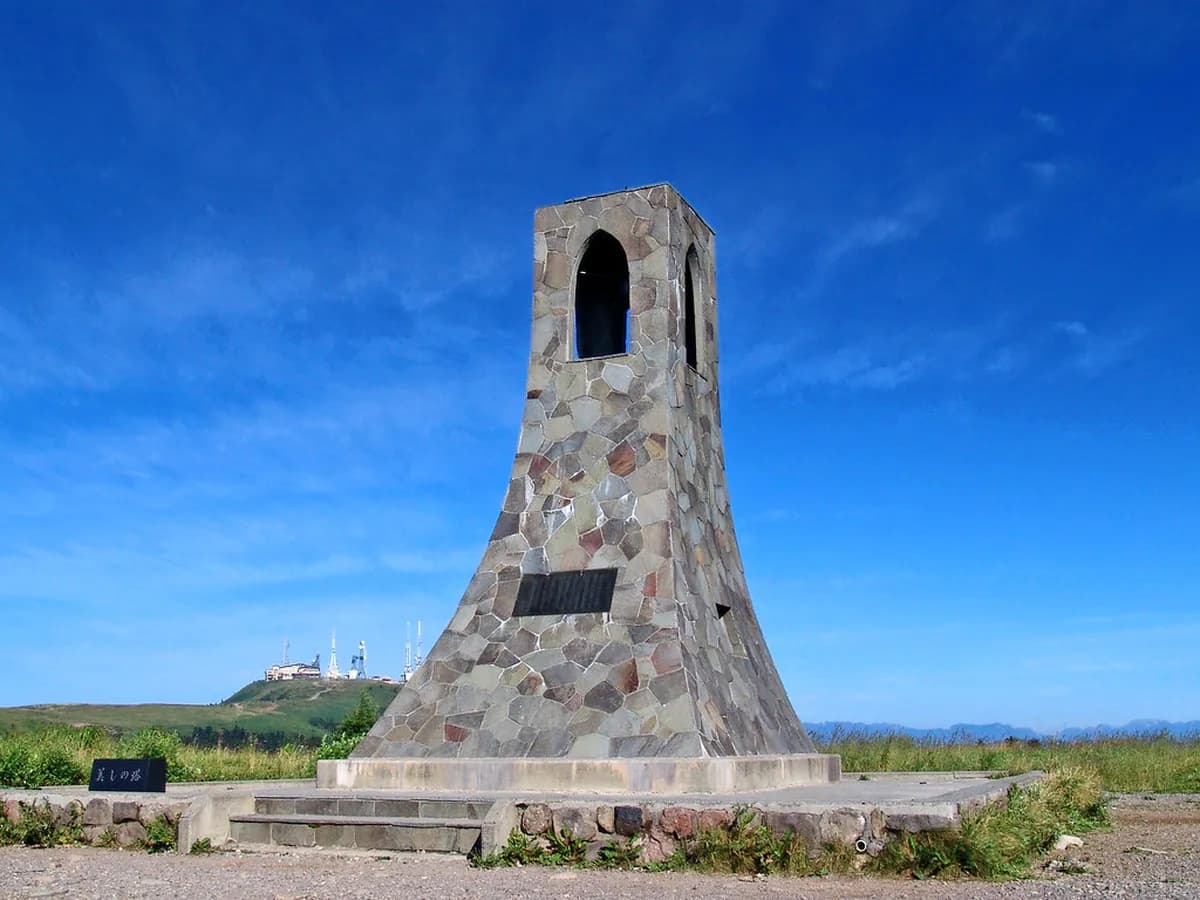
The Utsukushi Tower is a stone pillar set in the middle of the meadow that serves as both a navigation landmark and a photogenic focal point. When fog rolls across the plateau — which happens frequently even in summer — the tower helps hikers keep their bearings on the open grassland. Many groups use it as a natural gathering point before splitting off toward the museum or the summit trail. The surrounding meadow stays green and grazed by local cattle from June through October, giving the landscape a pastoral alpine character unlike anything in the rest of Nagano.
Ougahana (王ヶ鼻) is a rocky promontory roughly 20 minutes west of the Ougatou summit that most day-trippers skip but absolutely should not. The cliff edge provides arguably the best unobstructed view down into the Matsumoto basin and across to the full sweep of the Northern Alps. It is quieter than the main summit, reachable on a signed trail, and takes only an extra 40 minutes return. Visiting both Ougatou and Ougahana together creates a natural loop that covers the plateau's two finest viewpoints without doubling back.
Museums, Art, and Culture in Utsukushigahara
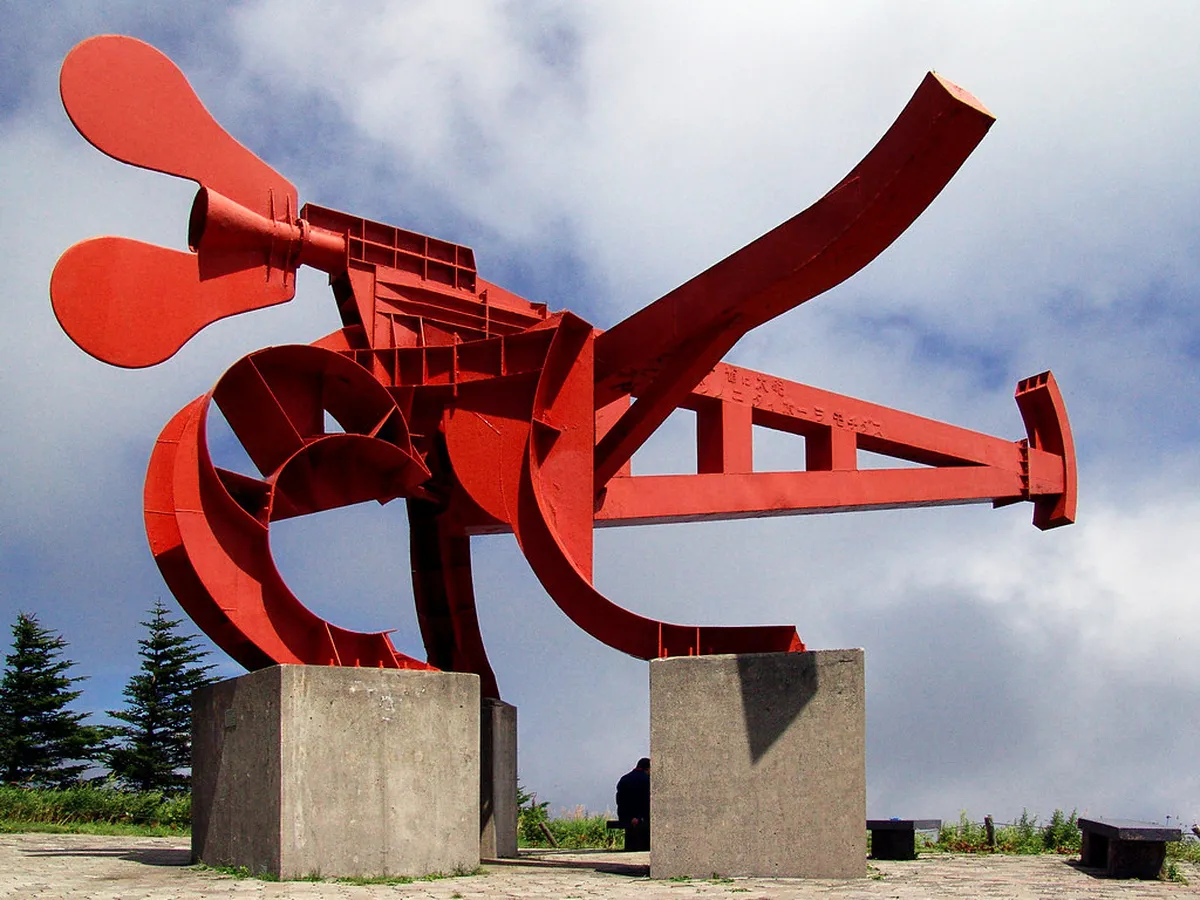
The Utsukushigahara Open-Air Museum (美ヶ原高原美術館) is the cultural anchor of the highland, displaying over 400 sculptures across the high-altitude meadow. Admission costs around 1,000 yen per adult, making it one of the more affordable open-air art experiences in Japan relative to its scale. Many pieces are large-format works intentionally designed to interact with shifting cloud patterns and the broad alpine light. The museum is a sister facility to the Hakone Open-Air Museum and maintains the same curatorial standard on a plateau that few indoor galleries could rival for atmosphere.
Indoor galleries attached to the museum provide a sheltered space for more delicate works and interpretive displays about the plateau's cultural history. These sections are a practical refuge if afternoon mountain weather turns cold or drizzly, which it often does between late July and August. The museum shop carries artist-edition ceramics and photography books that are specific to this location and not widely available elsewhere. Visiting the indoor and outdoor sections together takes two to three hours at a relaxed pace.
The paths through the sculpture garden are mostly paved and relatively flat, which makes the museum accessible for families pushing strollers and for older visitors who may not attempt the summit trail. The museum operates seasonally in line with the road opening, typically from late April through mid-November in 2026. Confirm exact opening and closing dates on the official website before visiting, as heavy snowfall some years causes early closure in October.
Parks, Gardens, and Outdoor Spots in Utsukushigahara
The Plateau Walk (高原散策コース) is the main trekking loop on the highland and is suitable for visitors of all fitness levels. Unlike the steep approaches you encounter at Kamikochi, the trails here remain remarkably flat once you reach the top. You walk through open grazing land where local cattle roam freely from June through October, with the wide meadow framed on all sides by distant peaks. A full circuit of the main plateau, including Ougatou and Ougahana, covers roughly 3–4 km and takes between one and two hours at a comfortable pace.
The longer Utsukushigahara Long Trail extends the experience to approximately 45 km for those who want a serious mountain walk. This multi-day route traverses the full length of the plateau and connects with trailheads on both the Matsumoto and Ueda sides of the highland. Sections of the Long Trail pass through forest bands and alpine bamboo groves before emerging back onto the open grassland. Day hikers can pick a short segment — such as the Nature Center to Ougatou section — without committing to the full distance.
The Utsukushigahara Nature Conservation Center sits near the lower end of the accessible plateau and is where the seasonal bus drops off passengers. Rangers post current trail conditions and update displays on which wildflowers are blooming along each section of the plateau. Maps and light refreshments are available here before you set out. Staying on marked paths is important as the thin alpine soil compacts easily and the grassland ecosystem takes years to recover from off-trail foot traffic.
Family-Friendly and Budget-Friendly Options in Utsukushigahara
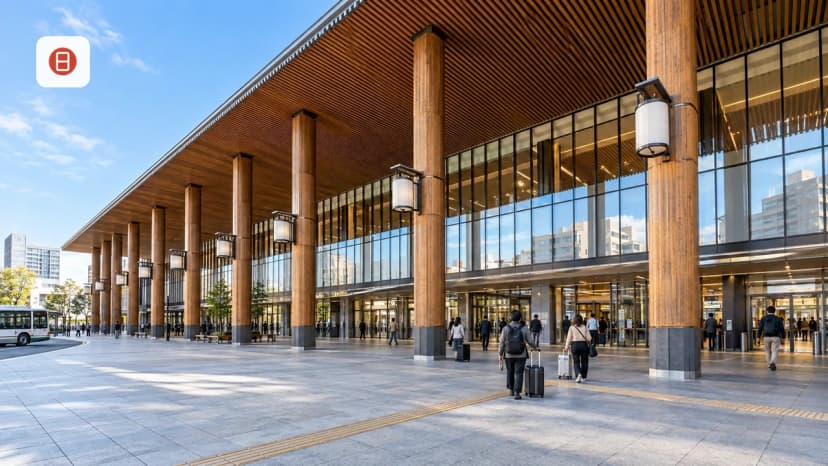
The seasonal shuttle bus from Matsumoto Station costs 1,000 JPY one way (2,000 JPY return) and is the most budget-conscious way to reach the highland without a car. The bus stop is at the West Exit (アルプス口 / 西口) of Matsumoto Station — turn left after descending the exit stairs and look for the dedicated bus bay. Cash only is accepted on board, so have coins and small bills ready before you board. The service runs roughly from early June to mid-September with two departures per day, making early arrival at the stop essential on busy weekends.
The seasonal bus from Matsumoto Station West Exit runs cash only with only two departures per day. Arrive at the stop at least 20 minutes early on weekends in July and August, when it fills quickly.
Access to the grassland, the Plateau Walk, the Utsukushi Tower, and the Ougatou summit is completely free. The main costs are the museum admission (around 1,000 JPY per adult) and the bus fare. For a family of four this means a full day out for under 10,000 JPY including transport and museum entry, with food costs manageable by packing a lunch for the picnic areas near the Nature Conservation Center.
| Item | Cost (JPY) | Notes |
|---|---|---|
| Seasonal bus (one way) | 1,000 | Matsumoto Station West Exit; cash only |
| Seasonal bus (return) | 2,000 | Two departures per day, Jun–Sep |
| Plateau / grassland entry | Free | Ougatou summit, Plateau Walk, Utsukushi Tower |
| Open-Air Museum admission (adult) | ~1,000 | 400+ sculptures; seasonal hours |
| Summit camping (per person/night) | ~1,000 | Budget alternative to Ougatou Hotel |
| Ougatou Hotel (per person/night) | ~20,000+ | Onsen for non-guests: 14:00–15:00 only |
A genuinely budget option that competitors rarely mention: basic camping is available at the summit area at approximately 1,000 JPY per person per night. This lets budget travelers and Hyakumeizan challengers stay overnight without paying Ougatou Hotel rates (which start around 20,000 JPY per person). Hikers using the Seishun 18 ticket from Tokyo can reach Matsumoto on local trains for around 4,070 JPY each way, making a weekend trip to the highland entirely feasible on a modest budget. Always carry enough cash as card readers are uncommon at mountain facilities in 2026.
How to Plan a Smooth Utsukushigahara Attractions Day
There are only two buses per day from Matsumoto Station (West Exit) to the Nature Conservation Center during the June–September season, with an approximate journey time of 75 minutes each way. The first morning departure typically leaves around 08:15, which is the one most day-trippers need. Arrive at the West Exit bus stop at least 20 minutes early; the shuttle fills quickly on weekends in July and August. Check the last return bus time carefully — missing it means an expensive taxi or an unplanned overnight stay on the mountain.
Weather at 2,000 meters changes much faster than Matsumoto city forecasts suggest. Even on clear summer mornings the plateau can drop to 10°C by early afternoon or soak in for several hours. Pack a waterproof layer, warm mid-layer, and sunscreen regardless of the city-level forecast. UV intensity at this altitude is measurably higher than at sea level, and the open meadow provides no shade at all.
A practical day structure: catch the 08:15 bus, walk the plateau and summit (two hours), visit the Open-Air Museum (two hours), eat lunch at the Nature Center, and catch an afternoon return bus. This leaves time for Matsumoto Castle in the evening without any rushed transitions. The two main trail options differ significantly in effort:
Weather at 2,000 meters changes far faster than Matsumoto city forecasts suggest. Even on clear summer mornings the plateau can drop to 10°C by early afternoon. Pack a waterproof layer, warm mid-layer, and sunscreen — the open meadow offers no shade at all.
- Plateau Walk — Very Easy. About 3–4 km round trip from Nature Center to Ougatou and back. Mostly flat gravel path. Good for families and first-timers.
- Yamabefūdo Trail (from lower Matsumoto-side trailhead) — Moderate. Full ascent of roughly 4–5 hours. Significant elevation gain through forest and alpine bamboo before the plateau opens. Best for active hikers who want to earn the summit rather than arrive by bus.
Why Fukada Chose Utsukushigahara: The Hyakumeizan Perspective
Kyuya Fukada placed Utsukushigahara at entry fifty-three in his 1964 book "One Hundred Mountains of Japan," a selection that has guided Japanese hikers ever since. His reasoning was specific: most of the hundred peaks he chose are sharp individual summits, but Utsukushigahara represents something rarer — a high, open meadow plateau that gives an unimpeded view of the Alps rather than being absorbed into them. Fukada wrote that the wide vantage point makes the surrounding mountains appear like a giant folding screen, a quality that no other highland in Japan replicates at this elevation.
For modern Hyakumeizan challengers, Utsukushigahara is often listed among the easiest of the 100 summits to physically reach — the bus drops you within walking distance of the highest point, and no technical equipment is required. This accessibility does not diminish the achievement; Fukada's standard was cultural and scenic significance, not difficulty. Many hikers treat this summit as an early confidence-builder when starting the Hyakumeizan challenge, and it pairs well with neighboring peaks like Kirigamine (霧ヶ峰) on a multi-day Nagano itinerary.
The historical connection between Utsukushigahara and the arts runs deep. The plateau has attracted painters, poets, and photographers for over a century, a tradition that eventually gave rise to the Open-Air Museum. Completing the Ougatou summit and reading Fukada's original passage about the Alps view adds a layer of context that turns what might otherwise be a pleasant walk into one of those genuinely memorable Japanese mountain experiences.
Cycling The Utsukushigahara: Routes and Onsen Tips
The classic loop is 73 km with approximately 1,900 meters of total elevation gain, making this one of the most demanding and celebrated cycling climbs in Japan. The preferred strategy among experienced riders is to ascend via the east side from Ueda (access by shinkansen from Tokyo in about 1h20) and descend the west side back into Matsumoto. The east-side approach follows Route 62 from Ueda, climbs through narrow rindo forest roads largely free of cars, passes through dense cedar forest and alpine bamboo, and then emerges at Takeishi Pass (武石峠) where the final 7 km of exposed plateau road delivers extraordinary views of the Alps and the Matsumoto basin far below.
Non-guests can use the onsen at Ougatou Hotel (王ヶ頭ホテル) between 14:00 and 15:00 only. This one-hour window is the single most important logistical detail for any cyclist planning this route — time your ascent accordingly. The bath faces the cliff edge above Matsumoto and offers what many riders describe as the best post-climb views in Japan. After the soak, pick up a cold glass of fresh milk from the small dairy outlet near the main parking area, which serves high-altitude dairy from local farms and has become an unofficial post-climb tradition.
For those approaching from the Matsumoto side on the west, you can ride directly from Matsumoto Station with minimal junk kilometers before the climb begins in earnest. The west-side road is wider and better surfaced, making it the preferred descent even though it lacks the drama of the east-side forest road. Check road conditions before departing — landslides occasionally close sections of the rindo road on the east side, sometimes for extended periods, and closures are not always posted on standard mapping apps.
Flora and Wildlife: A Seasonal Guide
Wildflower season on the plateau runs from late May through early October, peaking across different species at different points in the summer. Azaleas open first in late May and early June, followed by mountain lilies in July and a succession of aster, gentian, and dwarf bellflower species into September. In 2026 the full season spans roughly late May to early October — early-summer visitors get the azalea bloom while late-summer visitors catch a richer mix of meadow wildflowers contrasting with golden-turning grasses in September.
Hyakkenmado (百閒窓 / "stone flower field") is a lesser-visited section of the plateau where volcanic rock outcroppings create micro-climates supporting specialist alpine plants you won't see in the grassy meadow zones. The name refers to the texture of the landscape — pocked rocky ground dotted with small flowering cushion plants clinging to crevices. It is quieter than the main circuit and particularly rewarding for anyone interested in botany or highland geology. Ask at the Nature Conservation Center for the current condition of the Hyakkenmado path before heading out.
Birdwatchers find the plateau productive in the early morning hours before the tourist buses arrive. Several high-altitude species nest in the shrubs and grassland margins, and the open expanse makes spotting easier than in forested mountain environments. Japanese serow are occasionally seen near the treeline at the edges of the plateau, particularly on weekday mornings when foot traffic is low. Maintain distance from all wildlife and keep to marked paths — the thin alpine soil and fragile plant communities take years to recover from compaction caused by off-trail walking.
Frequently Asked Questions
Which Utsukushigahara Highland options fit first-time visitors?
First-time visitors should focus on the Plateau Walk and the Open-Air Museum for a balanced experience. These spots offer the best views and cultural insights without requiring intense physical effort. You can easily return to Matsumoto after a half-day exploration of these main highlights.
How much time should you plan for the Utsukushigahara Open-Air Museum?
You should allocate at least two to three hours to fully enjoy the outdoor sculptures and indoor galleries. The facility is vast, and walking between the different art installations takes time. This allows for a relaxed pace and plenty of opportunities for photography against the alpine backdrop.
What should travelers avoid when planning a trip to Utsukushigahara?
Avoid visiting without checking the specific bus schedules, as transport is very limited outside of peak summer months. Do not rely solely on credit cards, as many mountain facilities only accept cash payments for small purchases. Also, avoid wearing thin clothing even in summer due to the high altitude.
Is Utsukushigahara Highland worth including on a short Nagano itinerary?
Yes, it is highly recommended if you enjoy a mix of modern art and stunning natural landscapes. It provides a unique contrast to city attractions like the Matsumoto City Museum of Art. The highland offers some of the most accessible 2,000-meter views in the entire country.
Utsukushigahara Highland combines accessible alpine scenery with genuine cultural weight — a Hyakumeizan summit, one of Japan's finest open-air sculpture museums, a celebrated cycling climb, and wildflower meadows all on the same 2,000-meter plateau. The logistics in 2026 remain straightforward if you plan around the two daily buses from Matsumoto Station's West Exit and carry cash. Whether you're ticking off mountain No. 53, cycling the 73 km loop from Ueda, or simply walking among sculptures with the Northern Alps behind them, the "Beautiful Plain" above Matsumoto delivers an experience that most visitors describe as one of the highlights of their entire Japan trip.
For more Matsumoto planning, see our Matsumoto itinerary and things to do in Matsumoto guides.
For the latest official information, see the Utsukushigahara Highland official site and Utsukushigahara Highland on Wikipedia.