
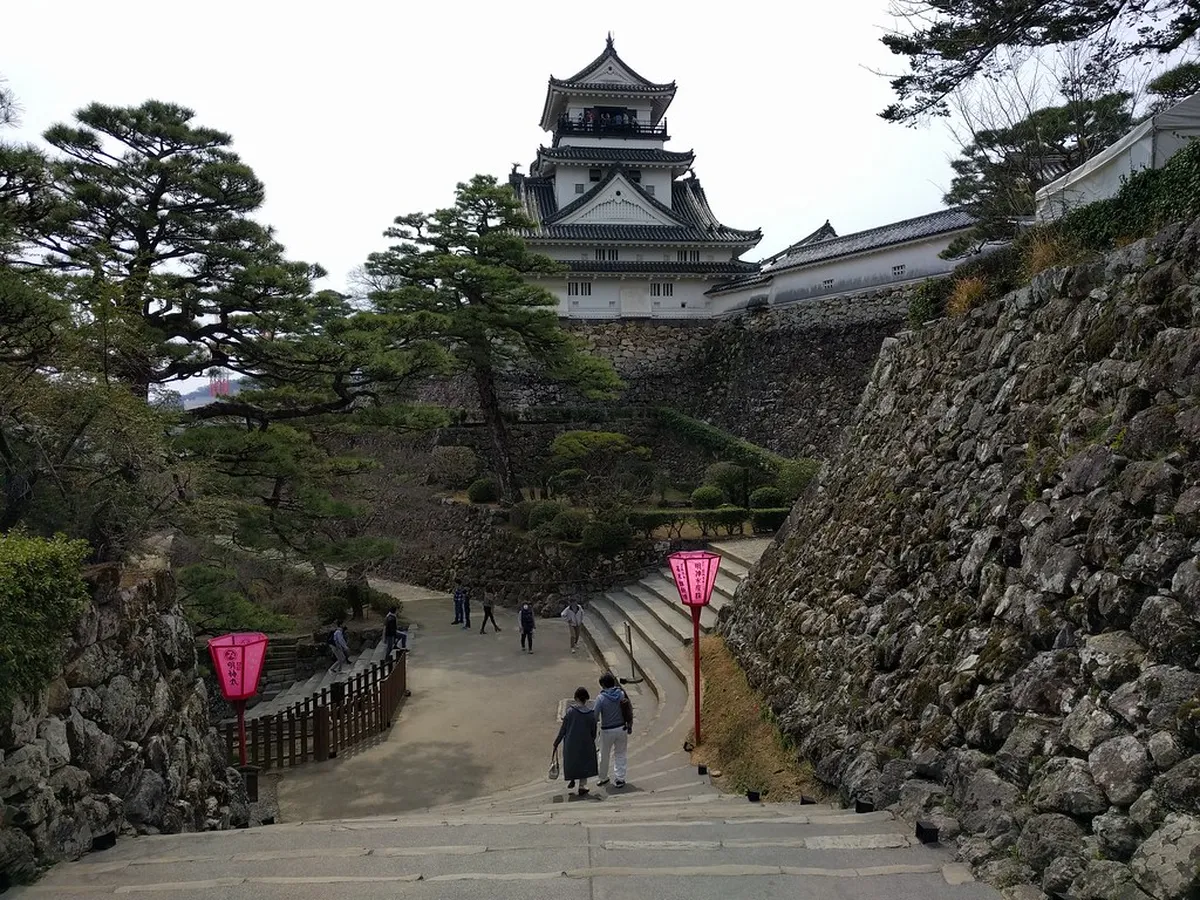
Kochi Castle
One of Japan's twelve original surviving castle keeps, with an intact honmaru palace, overlooking central Kochi City on Shikoku.
Visitor guide →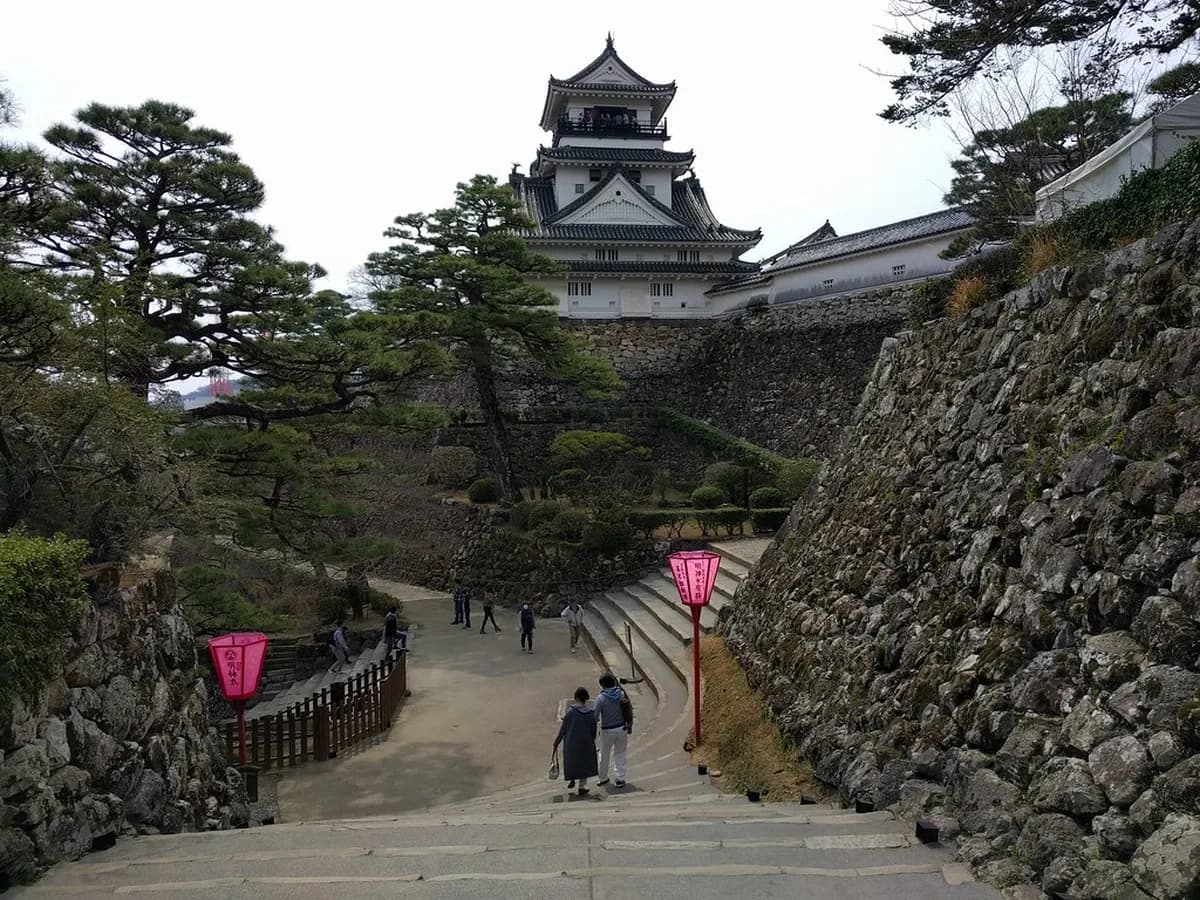
Discover Kochi Japan's top attractions on Shikoku island — Kochi Castle, Katsurahama Beach, Hirome Market, and more. Tickets, hours, transport tips, and a 2026 itinerary for Tosa's castle city.
Kōchi City sits on the Pacific coast of Shikoku — the smallest and least-touristed of Japan's four main islands — yet it packs a remarkable range of sights into a compact and walkable city. This is Tosa Province: the homeland of Sakamoto Ryoma, the 19th-century revolutionary who helped end samurai rule and open Japan to the world, and whose towering bronze statue gazes out from Katsurahama Beach toward the Pacific. The city's feudal soul survives in Kochi Castle, one of only twelve original unreconstructed castle keeps in Japan — a rare survivor of wars, fires, and modernisation. Its food identity centres on katsuo tataki, straw-seared bonito eaten thick-sliced at Hirome Market's communal tables. Pilgrims on the 88-temple Shikoku circuit pause here for Chikurin-ji, Temple 31, set on forested Godaisan hill. On Sundays, a 300-year-old street market stretches a kilometre toward the castle gates. Kochi rewards a two-day stay: unhurried enough to feel genuinely off the tourist trail, yet substantial enough that rushing means missing the point. The six attractions below are the sights that consistently earn their place in 2026 — each links to a full visitor guide with verified opening hours, current pricing, and the practical tips that matter.
One of Japan's twelve original surviving castle keeps, with an intact honmaru palace, overlooking central Kochi City on Shikoku.
Visitor guide →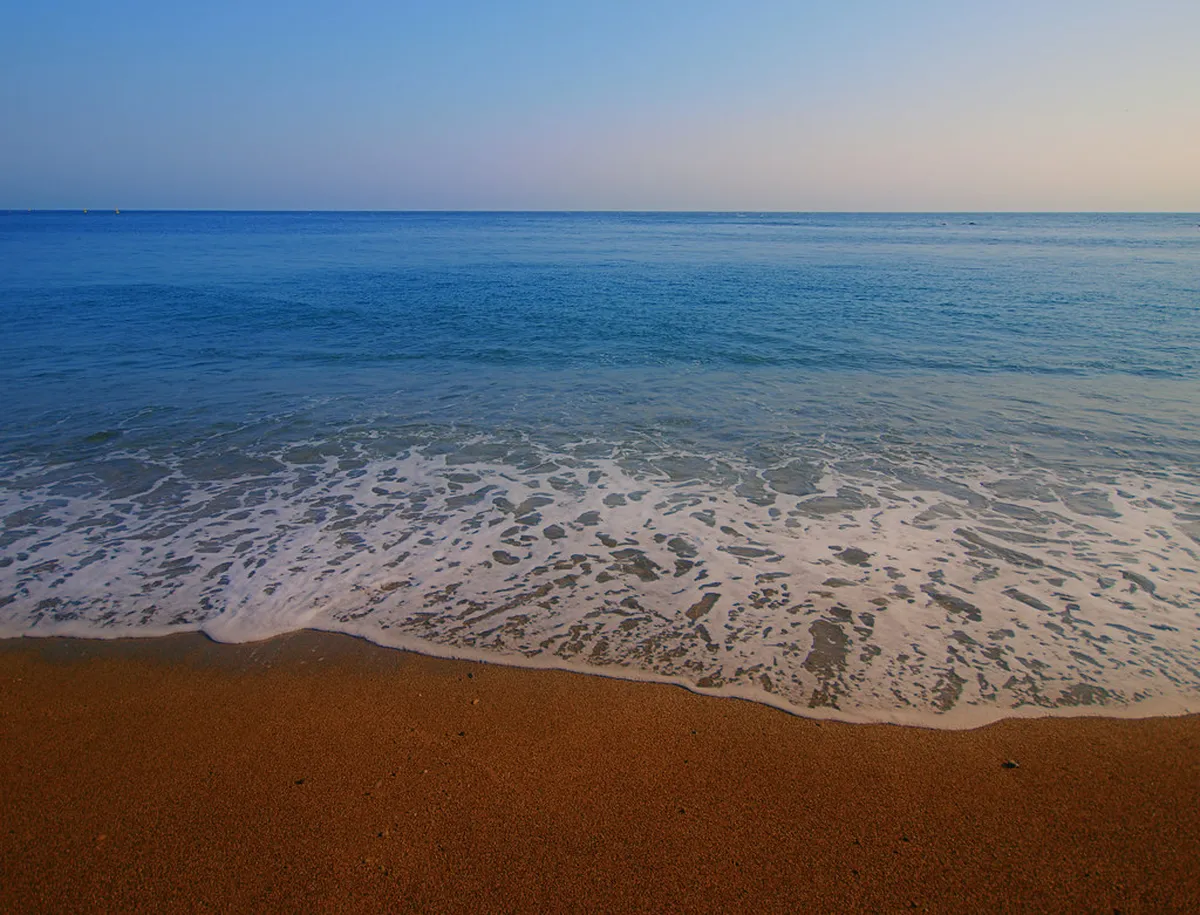
A scenic pine-and-cliff beach south of Kochi City, home to the iconic Sakamoto Ryoma statue facing the Pacific Ocean.
Visitor guide →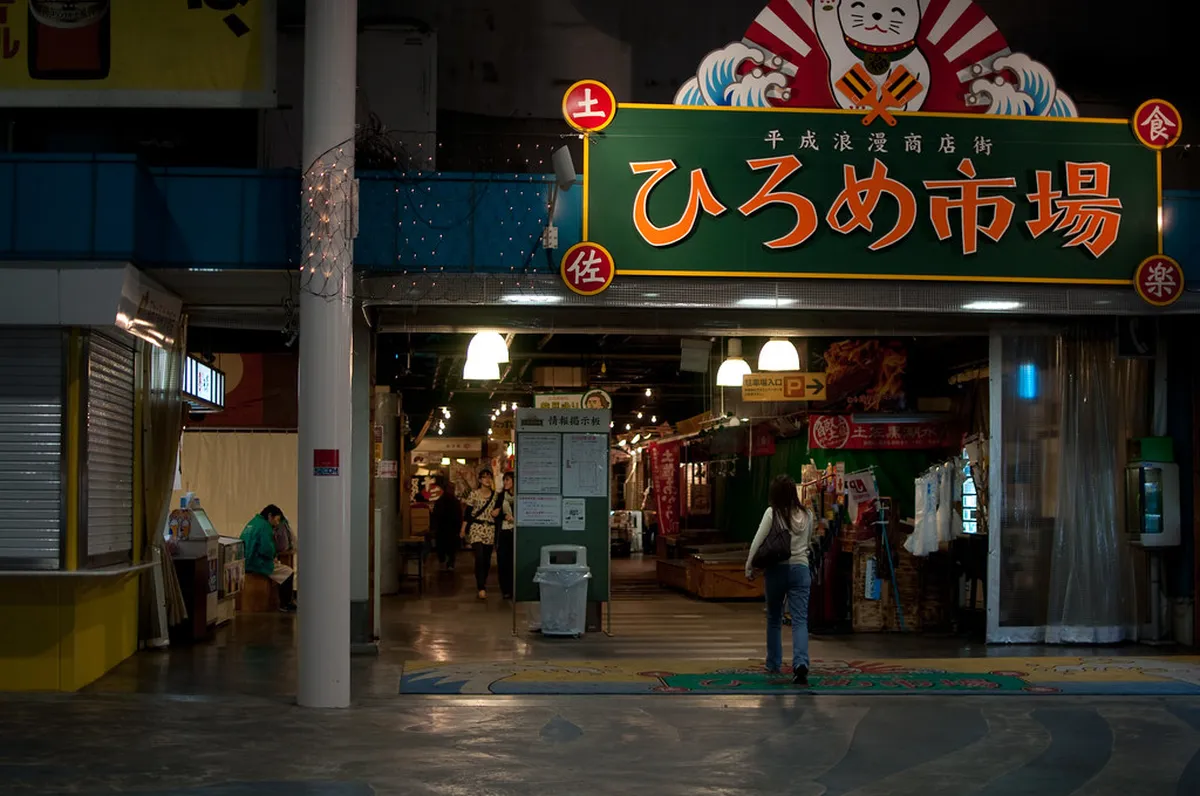
A bustling covered food hall beside Kochi Castle, famous for straw-seared katsuo tataki eaten at communal tables.
Visitor guide →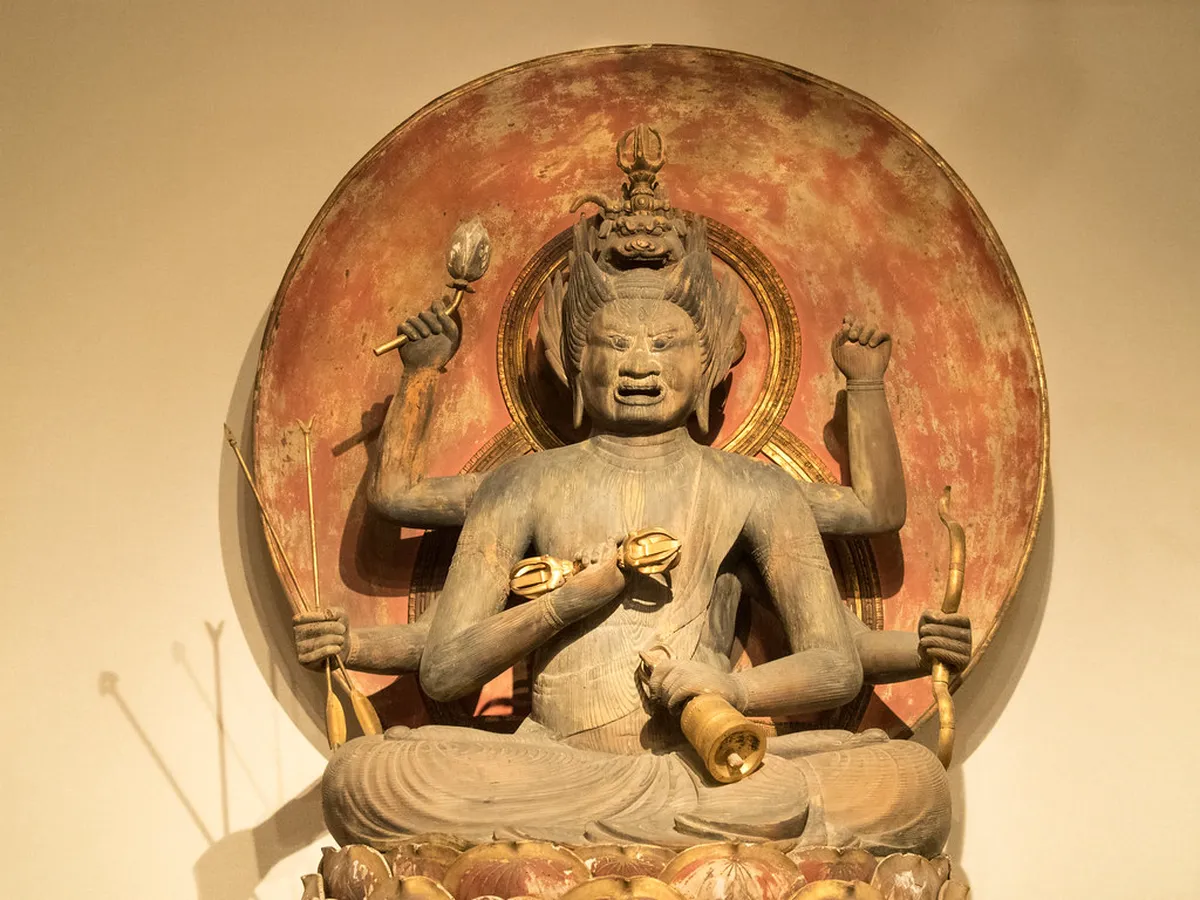
Temple 31 of the Shikoku pilgrimage on Godaisan hill, with a five-storey pagoda and a nationally designated garden.
Visitor guide →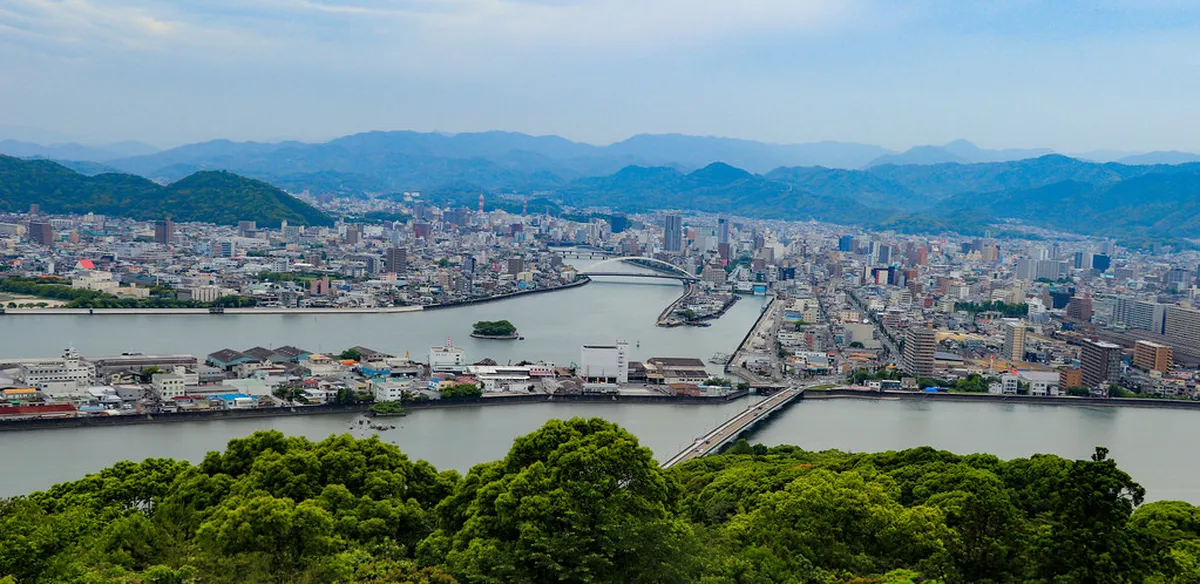
A hilltop viewpoint over Kochi City, home to Chikurin-ji temple and the Makino Botanical Garden.
Visitor guide →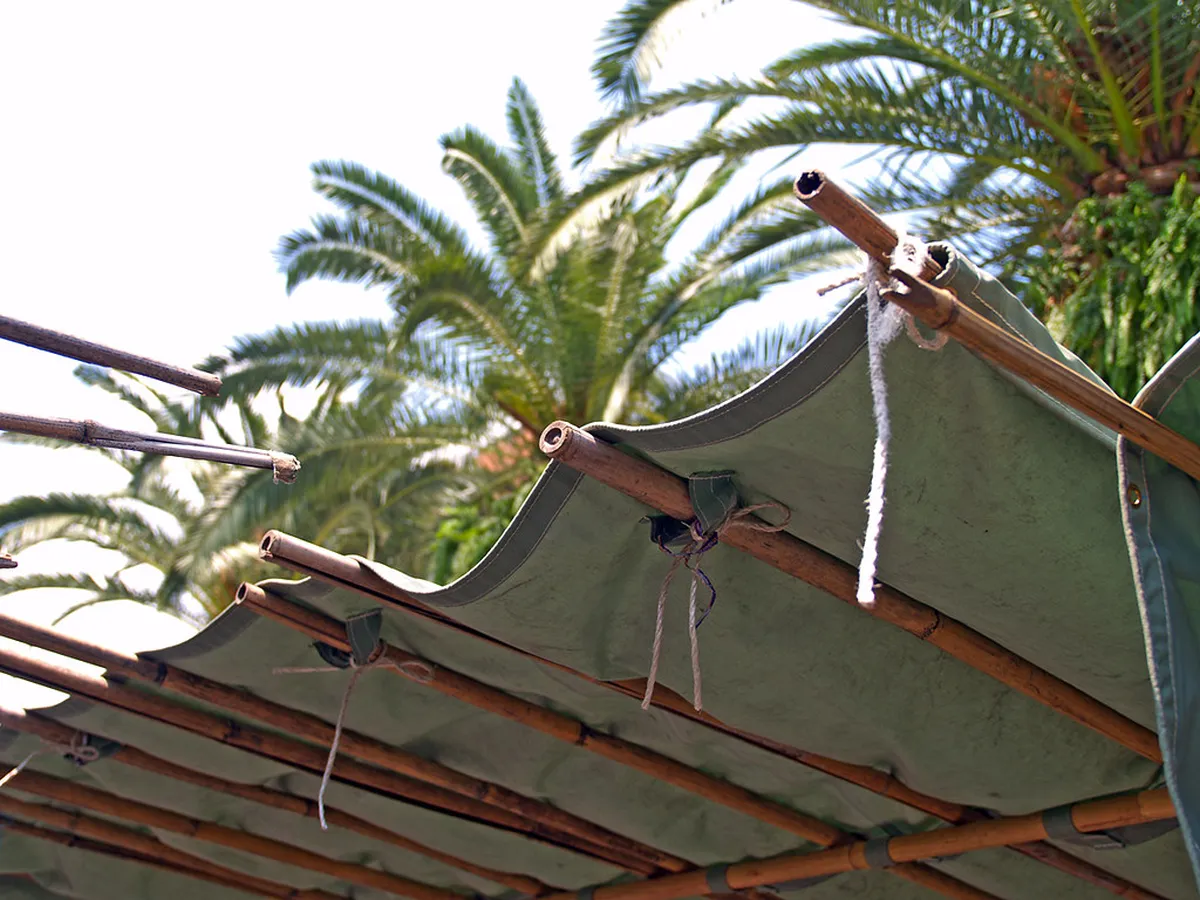
A 300-year-old Sunday street market stretching a kilometre along Otesuji toward Kochi Castle, with around 300 stalls.
Visitor guide →Three loose zones organise the city's main sights, and understanding them saves unnecessary backtracking.
Central castle district — Kochi Castle anchors the city's historic heart, with Hirome Market a five-minute walk west and the Sunday Market stretching east along Otesuji shopping street toward Harimaya Bridge. The Tosaden tram's Main Line connects this district to the wider city and is the easiest way to move between stops within it.
Godaisan hill — East of the castle district, Godaisan (142 m) holds Chikurin-ji Temple and the Makino Botanical Garden on a single forested ridge. The MY-YU sightseeing bus serves this stop; it pairs well with Katsurahama on the same half-day loop.
Katsurahama coast — 12 km south of central Kochi, Katsurahama sits where pine-clad cliffs meet the Pacific. The Sakamoto Ryoma Memorial Museum (¥500 adults) and Katsurahama Aquarium flank the beach. Buses run from Harimaya Bridge; the MY-YU tourist bus is the most convenient option for visitors without a rental car.
Kochi is one of Japan's more wallet-friendly castle cities — the majority of its headline sights cost nothing to enter.
Free attractions:
Paid attractions:
For families, the Katsurahama Aquarium adds ¥1,600 per adult and is worth factoring into the coast half-day.
Most visitors allocate one to two full days in Kochi City before continuing the Shikoku loop. Here is how to pace each option.
One-day plan: Arrive at Kochi Castle when it opens at 09:00 — the honmaru palace is worth a full hour. Walk five minutes west to Hirome Market for a mid-morning katsuo tataki. Catch the MY-YU sightseeing bus to Godaisan: visit Chikurin-ji temple and the hilltop viewpoint, then continue to Katsurahama for the Ryoma statue and cliff walk. Return by bus to the city centre in the late afternoon. This loop covers all six cluster sights in one comfortable day.
Two-day plan: Day 1 — castle district and Hirome Market in the morning; Godaisan and Chikurin-ji in the afternoon. Day 2 — Katsurahama and the Ryoma Memorial Museum in the morning. If it falls on a Sunday, the Sunday Market runs 08:00–17:00 and pairs well with a return stroll through the castle grounds. The afternoon is free for the Makino Botanical Garden or a half-day river excursion along the Niyodo valley.
Kochi's public transport is unusual by Japanese standards. The Tosaden Kochi Electric Railway tram network is the oldest surviving urban tram system in Japan and still the most practical way to cross the city centre. A single ride costs ¥200; a ¥600 day pass covers unlimited journeys and makes sense if you are moving between the castle district, Harimaya Bridge, and the station in one morning.
For sights outside the tram network — Godaisan, Chikurin-ji, and Katsurahama — the MY-YU sightseeing bus is the standard option. It runs a loop from Kochi Station via Harimaya Bridge → Godaisan → Chikurin-ji → Katsurahama and back; a day pass costs ¥1,000. Buses depart roughly every hour. Check current schedules at the tourist information desk inside Kochi Station.
Kochi Ryoma Airport serves direct flights from Tokyo (Haneda and Narita), Osaka Itami, and Nagoya. The airport limousine bus connects to Kochi Station in around 30 minutes. If arriving by rail, the Anpanman Express limited express from Osaka takes approximately 2.5 hours via the JR Dosan Line.
Kochi's climate is warm and rainy, shaped by its Pacific coast exposure. Each season offers a distinct reason to visit.
Spring (March–May): Cherry blossoms peak in Kochi around late March, roughly a week earlier than Honshu equivalents. The grounds of Kochi Castle rank among Shikoku's finest sakura spots, and the Sunday Market has mild, dry weather in its favour. This is also the first katsuo season, when the spring-run bonito arrives from southern waters.
Autumn (September–November): Typhoon season largely clears by October, leaving crisp days ideal for walking between the castle district and Godaisan. The second katsuo run — "modori-katsuo" — returns in autumn with richer, fattier flesh that many locals consider superior to the spring version.
Yosakoi Festival (mid-August): Kochi's biggest annual event fills the city with approximately 20,000 dancers performing to fast-paced yosakoi music across multiple outdoor venues over four days. Accommodation books out months in advance — plan around this date or embrace it fully.
Winter (December–February): Milder than most of Japan at 8–12 °C average, making Kochi a viable cool-season destination. Crowds thin considerably, and the castle and botanical garden run weekend illumination events in December.
Yes — especially for travellers who have already covered Kyoto and Osaka. Kochi offers a genuine castle town atmosphere, the best katsuo tataki in Japan, and the Shikoku pilgrimage context without the heavy tourist crowds of the main island circuit.
Approximately 2.5 hours by the Anpanman Express limited express from Osaka Shin-Osaka via the JR Dosan Line, or around 65 minutes by plane between Kochi Ryoma Airport and Osaka Itami.
The outer grounds and Kochi Jōdai Park surrounding the keep are free to enter at all times. Entering the main keep and honmaru palace requires a ticket: ¥420 for adults, ¥200 for high-school students.
Swimming is prohibited at Katsurahama due to strong Pacific currents. The beach is visited for its scenic pine-fringed cliffs, the 13-metre Sakamoto Ryoma bronze statue, and the coastal walking path — not for swimming.
Kochi is famous for three things: Sakamoto Ryoma (the Meiji Restoration revolutionary), katsuo tataki (straw-seared bonito, the city's signature dish), and the Yosakoi Festival. It is also the gateway to the Pacific-coast leg of the 88-temple Shikoku pilgrimage.
Every Sunday, year-round, from approximately 08:00 to 17:00 along Otesuji shopping street between Harimaya Bridge and Kochi Castle. Around 300 stalls sell seasonal produce, antiques, pottery, dried seafood, and local street food.
For a deeper look at each sight and the practical logistics of a Shikoku itinerary, the Kochi blog guides below cover day-by-day planning, transport, and seasonal tips for 2026:


