

Day Trips From Kochi Travel Guide
Plan the best day trips from Kochi, Japan: explore the Shimanto River, Niyodo Blue gorge, Cape Muroto, and Ryugado Cave with transport tips for 2026.
On this page
Kōchi Prefecture on Shikoku island is one of Japan's least-visited yet most rewarding regions. From the city centre you can reach clear mountain rivers, volcanic capes, and ancient limestone caves within a single day. Explore the full range of top Kochi attractions first, then use the city as a launch pad for the excursions below. The five destinations in this guide each offer something distinctly different from urban Kochi.
Unlike most Japanese cities, Kochi sits surrounded by near-pristine wilderness. The mountains here receive some of the heaviest rainfall in Japan, which keeps the rivers unusually clear and cold. That clarity is the core reason visitors travel specifically to see the Shimanto River and the Niyodo Blue phenomenon up close.
Best Day Trips From Kochi at a Glance
These five destinations represent the best day trips from Kochi for a range of travel styles and interests. All five lie within 100 km of the city and are achievable in a single day with an early start.
Check the dedicated Katsurahama Beach guide for a deeper look at this historic cove just 12 km from the city. The other four destinations require between one and two and a half hours of travel and reward that time with exceptional scenery.
A rental car opens up the full list, while bus access works well for the two closest destinations. The entries below give honest distances, journey times, and practical notes for both driving and public transit.
- Shimanto River — 90 km west
- This pristine 196-km river is famous across Japan for unusually clean, undammed water.
- Its chinkabashi submersible bridges have no railings and are designed to let floodwaters pass over safely.
- Canoe rentals are widely available in Shimanto Town for self-guided paddles through valley scenery.
- Driving takes about two hours from central Kochi via national route 56.
- Niyodo River — Nakatsu Gorge, 65 km northwest
- The Niyodo Blue colour comes from mineral-rich water so clear it appears electric turquoise.
- Nakatsu Gorge is the top viewpoint, with walking paths along emerald pools and small waterfalls.
- A car covers the 65 km in about 90 minutes, while no direct public bus serves the gorge.
- Clear, sunny days produce the most vivid colour, while overcast conditions mute it significantly.
- Ryugado Cave — 30 km east
- One of Japan's largest limestone caves sits just 30 km east of central Kochi City.
- The accessible section stretches roughly one kilometre and stays at a cool 17 degrees year-round.
- Buses from Kochi Station reach the cave entrance in about 60 minutes without needing a car.
- Admission costs around ¥1,100 and the standard tour takes approximately 40 minutes to complete.
- Cape Muroto — 100 km east
- This dramatic Pacific headland is part of UNESCO Muroto Geopark and features striking volcanic rock formations.
- Express buses from Kochi Station take approximately two and a half hours to reach the cape.
- The lighthouse trail offers panoramic ocean views and access to formations shaped by ancient tectonic forces.
- Combining Ryugado Cave and Cape Muroto in one eastward loop works well with a rental car.
- Katsurahama Beach — 12 km south
- This historic beach is just 12 km south of Kochi and reachable by bus in about 30 minutes.
- A bronze statue of Ryoma Sakamoto, Kochi's celebrated samurai hero, stands on the headland above the cove.
- Swimming is not permitted due to strong currents, but the coastal scenery and rocky setting are striking.
- A small aquarium and Tosa dog museum sit steps from the beach, making it a family-friendly stop.
Shimanto River: Japan's Last Clear Stream
The Shimanto River (四万十川) is often called the last great clear stream of Japan. Stretching 196 km through Kochi Prefecture's western mountains, it has no dam across its main channel. That absence of dams keeps the water quality unusually high and gives the river a wild, undisturbed feel. Shimanto Town, formerly called Nakamura, is the main gateway and sits about 90 km west of Kochi City.
The river's most recognised feature is its series of chinkabashi (沈下橋), or submersible low-water bridges. Unlike ordinary bridges, chinkabashi have no guardrails and sit low enough that floodwaters pass directly over them. Around 47 of these bridges survive along the Shimanto, and crossing them on foot or by bicycle is quietly memorable.
Several operators in Shimanto Town offer canoe and kayak rentals for self-guided paddles through the valley. A half-day paddle covers enough of the river to see several chinkabashi bridges from the water level. The surrounding landscape of rice paddies, cedar forests, and small farming hamlets changes slowly, giving the trip a meditative quality.
By public transport, take the Tosa Kuroshio Railway from Kochi Station to Kubokawa, then change for Shimanto Town. The full journey takes roughly two to two and a half hours and costs around ¥2,000 to ¥3,000 one-way. A rental car on route 56 also takes about two hours but gives you freedom to stop at any bridge along the way.
Niyodo River and the Niyodo Blue Gorge
The Niyodo River produces a colour that photographers and travellers simply call Niyodo Blue (仁淡ブルー). On a clear day, the water in Nakatsu Gorge appears an almost supernatural electric turquoise. This intense hue comes from a combination of mineral content, exceptional water clarity, and the gorge's light-reflective geometry. No photograph fully captures it, and the real thing consistently surprises visitors who arrive with high expectations.
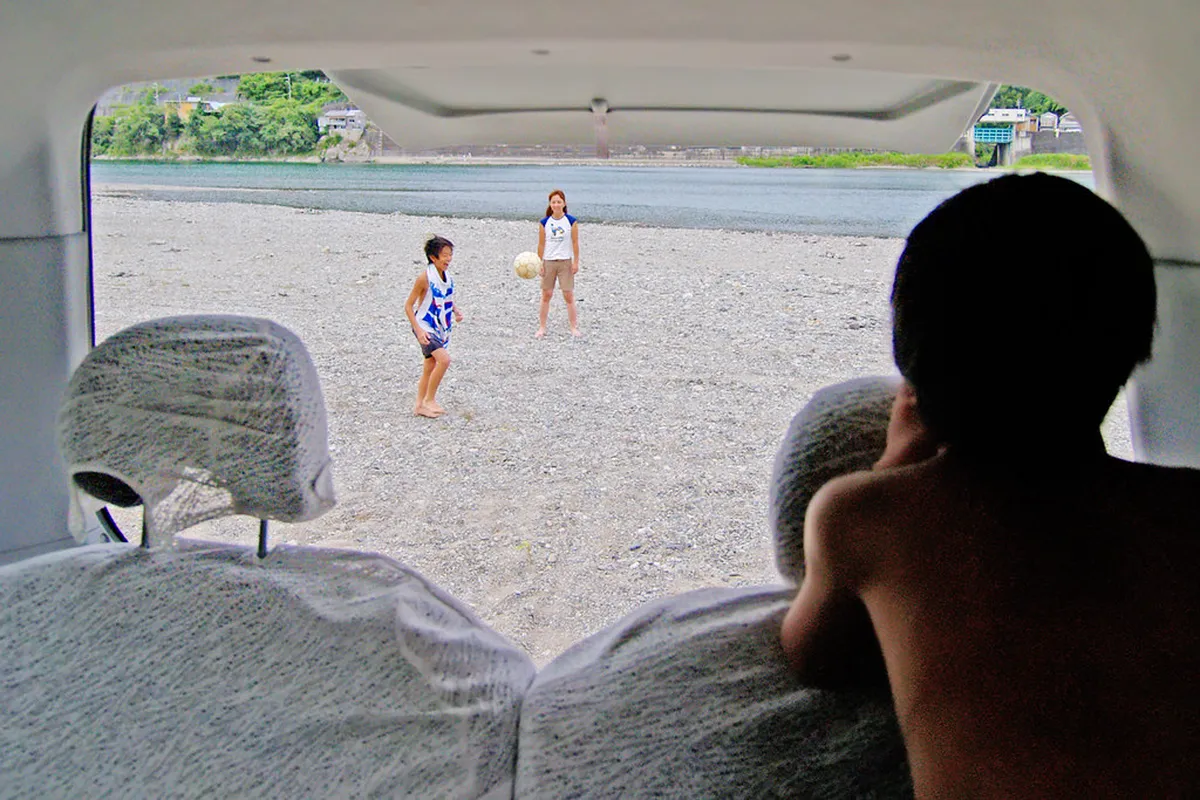
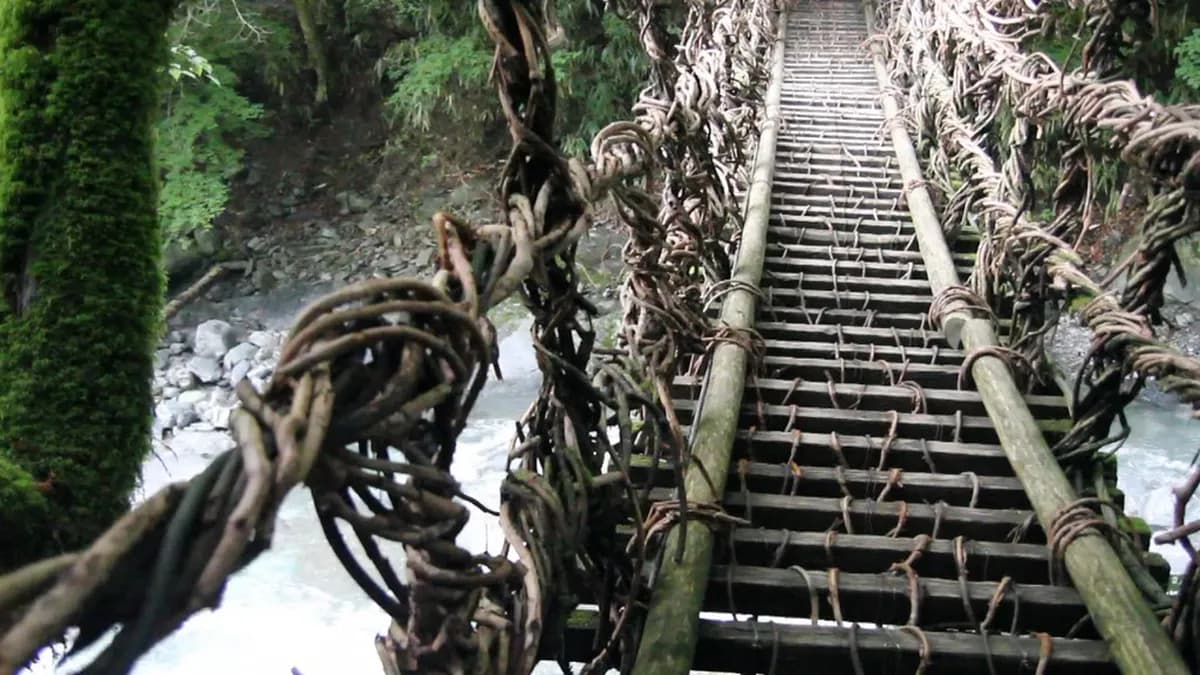
Nakatsu Gorge (中津滟谷), roughly 65 km northwest of Kochi City, is the most accessible gateway to the river. A 2-km walking trail follows the gorge past jade-coloured pools, rope bridges, and small cascading waterfalls. The trail takes 60 to 90 minutes at a relaxed pace and involves some uneven, rocky sections near the water.
Reaching Nakatsu Gorge without a car is genuinely difficult, and this is where many travellers get caught out. No scheduled bus runs directly to the gorge trailhead, and the nearest train station requires a taxi ride to reach it. A rental car from Kochi City is strongly recommended for this trip, as the scenic drive through cedar forests adds to the experience.
Water levels and weather affect the colour dramatically, so timing matters more here than at other Kochi day-trip destinations. Summer rainfall raises water levels and reduces clarity, so late spring or early autumn typically shows the most vivid blue. Arriving before 10 AM keeps you ahead of any tour groups and gives the best light for photographing the gorge pools.
Cape Muroto and Ryugado Cave
East of Kochi City, two very different destinations make a natural pairing for a single day trip. Ryugado Cave sits just 30 km from the city, while Cape Muroto lies 100 km further along the Pacific coast. With a rental car, both destinations fit comfortably into one eastward loop without feeling rushed.
Ryugado (龍河洞) is one of Japan's three celebrated limestone caves, with a visitor section of roughly one kilometre. The cave stays at 17 degrees Celsius year-round, making it a welcome escape on hot summer days. A standard tour costs around ¥1,100 and takes about 40 minutes, with English-language maps available at the entrance. Regular buses from Kochi Station reach Ryugado in roughly 60 minutes, making it the most practical car-free day trip on this list.
Cape Muroto (室戸岸) is the southeasternmost cape of Shikoku, shaped by the collision of the Philippine and Eurasian tectonic plates. The area is a UNESCO Global Geopark, and the trail from the car park to the lighthouse takes about 30 minutes. Express buses from Kochi Station serve Cape Muroto, but the journey takes approximately two and a half hours one-way.
Cape Muroto also carries deep religious significance as the site where the Buddhist monk Kūkai is said to have reached enlightenment. A small coastal cave called Mikurodo marks that spot, and pilgrims on the 88-temple Shikoku circuit stop here regularly. Even for non-religious visitors, this history gives the cape a contemplative atmosphere that sets it apart from ordinary coastal scenery.
Getting There: Car vs Public Transport
A rental car transforms day tripping from Kochi and is the single most practical investment for this prefecture. Shimanto Town and Nakatsu Gorge in particular have limited bus connections that do not reach their key sights. Compact cars typically cost ¥6,000 to ¥8,000 per day from offices near Kochi Station in 2026. Our guide to getting around Kochi covers rental offices, driving routes, and parking at each destination.
For travellers who prefer not to drive, Ryugado Cave and scenic Katsurahama Beach are the two most practical choices. Both are served by regular buses from Kochi Station, with journey times under 60 minutes each way. Cape Muroto is also reachable by express bus, though the two and a half hour journey makes it a long day without a car.
Shimanto Town has train access via the Tosa Kuroshio Railway, but exploring the chinkabashi bridges requires a bicycle rental or taxi. Bicycle rental shops near Shimanto Station charge around ¥1,000 to ¥1,500 per day and open from early morning. Nakatsu Gorge has no direct bus service at all, making a rental car or a guided day tour from Kochi the only realistic options.
Best Season and Planning Tips
Autumn, from mid-October through November, is generally the strongest season for day trips from Kochi. River clarity peaks after summer rains settle and before winter cold limits the range of outdoor activities. Foliage adds deep colour to both the Shimanto and Niyodo river valleys throughout this period. Temperatures stay comfortable for long walks without the intense humidity of the summer months.
Summer is the best season if your priority is active river experiences like canoeing on the Shimanto. Peak heat in July and August regularly reaches 35 degrees Celsius, so plan outdoor activities before noon. Late March brings cherry blossoms to Kochi City, making spring a strong time to pair city sights with day trips.
Winter brings shorter daylight hours that reduce how much ground you can cover on a single day trip. The Shimanto River is the least affected by season for sightseeing, with the chinkabashi bridges looking striking even in grey light. Check the best time to visit Kochi guide for month-by-month weather details and any event clashes to avoid.
Book accommodation in Kochi City well ahead if visiting during Golden Week in late April or early May. The Yosakoi Festival in mid-August is Kochi's biggest annual event and fills hotels across the city rapidly. Staying in well-located Kochi accommodation near the station keeps morning departure times short for early day trips.
Frequently Asked Questions
What is the best day trip from Kochi for first-time visitors?
The Shimanto River is the standout choice for first-time visitors to Kochi Prefecture. No other river in Japan combines this level of water clarity, iconic chinkabashi bridges, and easy canoe access in one place. Plan a full day to give yourself time on the water and a comfortable return to the city.
Can I reach the Niyodo Blue gorge without a rental car?
Reaching Nakatsu Gorge without a car is very difficult. No scheduled bus runs directly to the gorge trailhead, and the nearest train station requires a taxi to close the gap. Joining a guided day tour from Kochi City is the most practical car-free way to experience the Niyodo River gorge in 2026.
How long does Ryugado Cave take to visit from Kochi?
The standard Ryugado Cave tour covers roughly one kilometre and takes about 40 minutes at a normal pace. The cave stays at 17 degrees Celsius year-round, so bring a light layer even in summer. Buses from Kochi Station reach the entrance in around 60 minutes and admission is approximately ¥1,100.
What should I plan to eat in Kochi after returning from a day trip?
Kochi ranks among Japan's finest food cities, and evenings back in the city are a genuine reward after each excursion. Katsuo no tataki, lightly seared bonito served with garlic and citrus ponzu, is the regional dish to prioritise on any visit. Our Kochi Food Guide: Best of Tosa, Japan covers the best dishes and where to find them near Hirome Market.
Kōchi's combination of pristine rivers, volcanic capes, and limestone caves makes it one of Japan's most underrated day-trip bases. Whether you have a rental car or rely on buses, at least two or three of these destinations are within easy reach. The Shimanto River and Niyodo Blue gorge alone justify adding extra nights to any Shikoku itinerary.
Start with the Kochi travel itinerary guide to map out how many nights you need before tackling these excursions. Few regions in Japan offer this range of authentic natural experiences within such a compact travel radius. Plan to stay at least three nights in the city to give the rivers, the cave, and the cape their proper due.
Kochi also makes a natural base for exploring the rest of Shikoku. Limited-express trains and highway buses connect it to the island's other hubs, so it pairs well with our guides to things to do in Takamatsu and things to do in Matsuyama.
Free guide: Japan's Hidden Gems
12 under-the-radar places beyond Tokyo & Kyoto — with the best season to visit each and a local tip you won't find in the guidebooks.
You might also like


Continue reading
More guides you'll find useful


