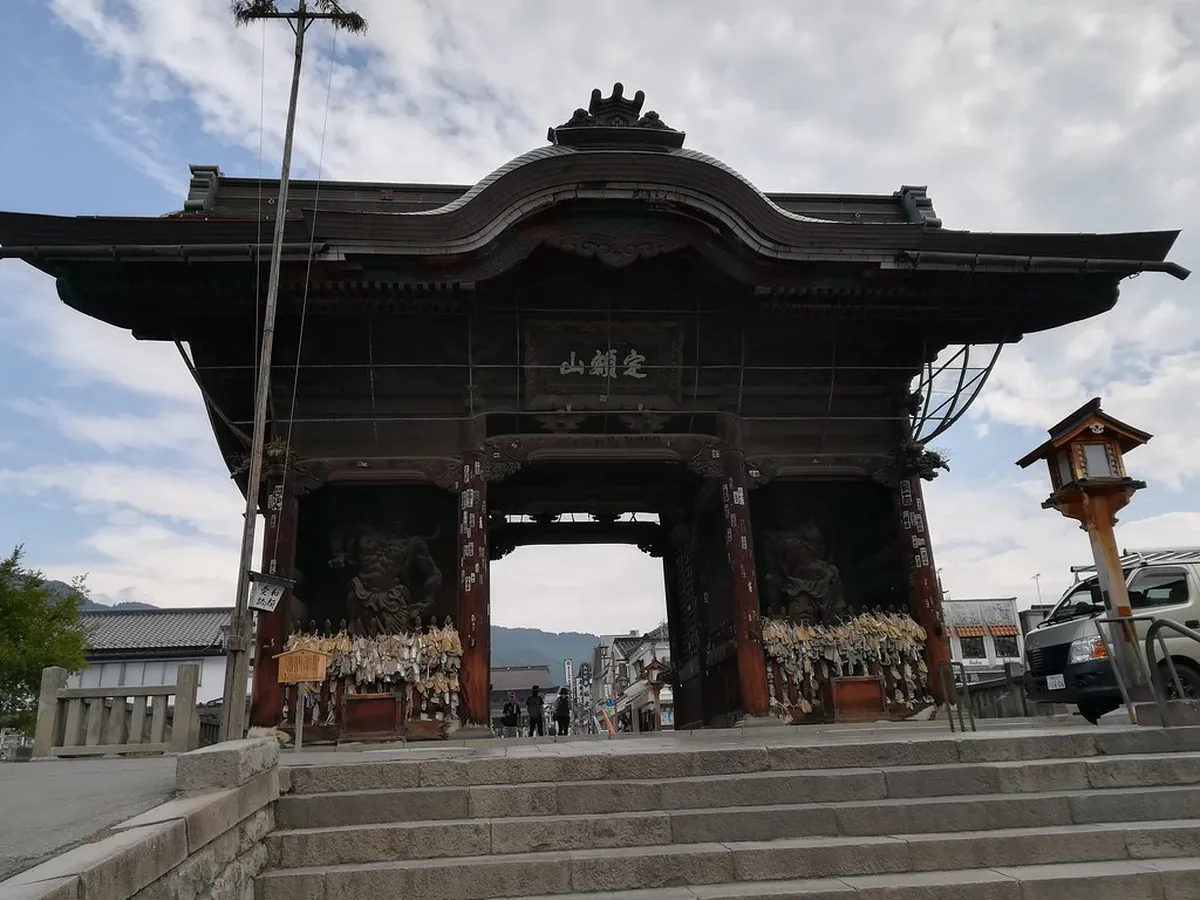
Zenko-ji Temple
Nagano's 1,400-year-old non-sectarian pilgrimage temple, home to Japan's oldest Buddhist statue and the pitch-black okaidan tunnel.
Visitor guide →
Things to do in Nagano in 2026: Zenko-ji temple, the Jigokudani snow monkeys, Togakushi shrines, Obuse and Matsushiro Castle — organised by area, with itineraries, transport and the best time to visit.
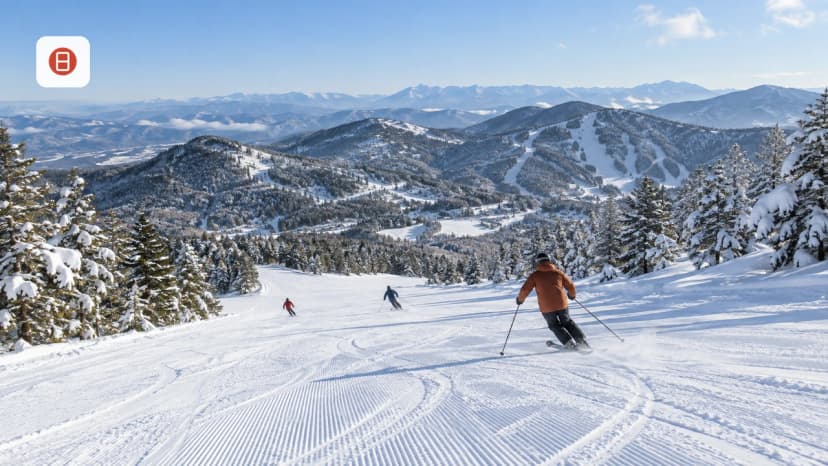
Nagano City grew up as the temple town around Zenko-ji, and most travellers arrive expecting one famous sight and a quick onward train. They are nearly always surprised: within an hour of Nagano Station you can stand in a 1,400-year-old pilgrimage temple, walk an avenue of giant cedars to a mountain shrine, watch wild macaques bathe in a steaming hot spring, and browse a Hokusai museum in a chestnut town — all on local trains and buses. The 1998 Winter Olympics put the city on the map, but the things to do in Nagano reach well beyond the ski slopes.
This guide narrows the field to the 6 attractions that consistently reward the travel time and ticket price, then organises them by area, lays out a 1–2 day plan, and covers the transport, costs and seasons that decide a Nagano trip. Each card below links to a full visitor guide with verified opening hours, current pricing and the practical tips that don't make it into the official FAQ. Bookmark this page as your starting point, then dig into the in-depth blog guides linked throughout.
Nagano's 1,400-year-old non-sectarian pilgrimage temple, home to Japan's oldest Buddhist statue and the pitch-black okaidan tunnel.
Visitor guide →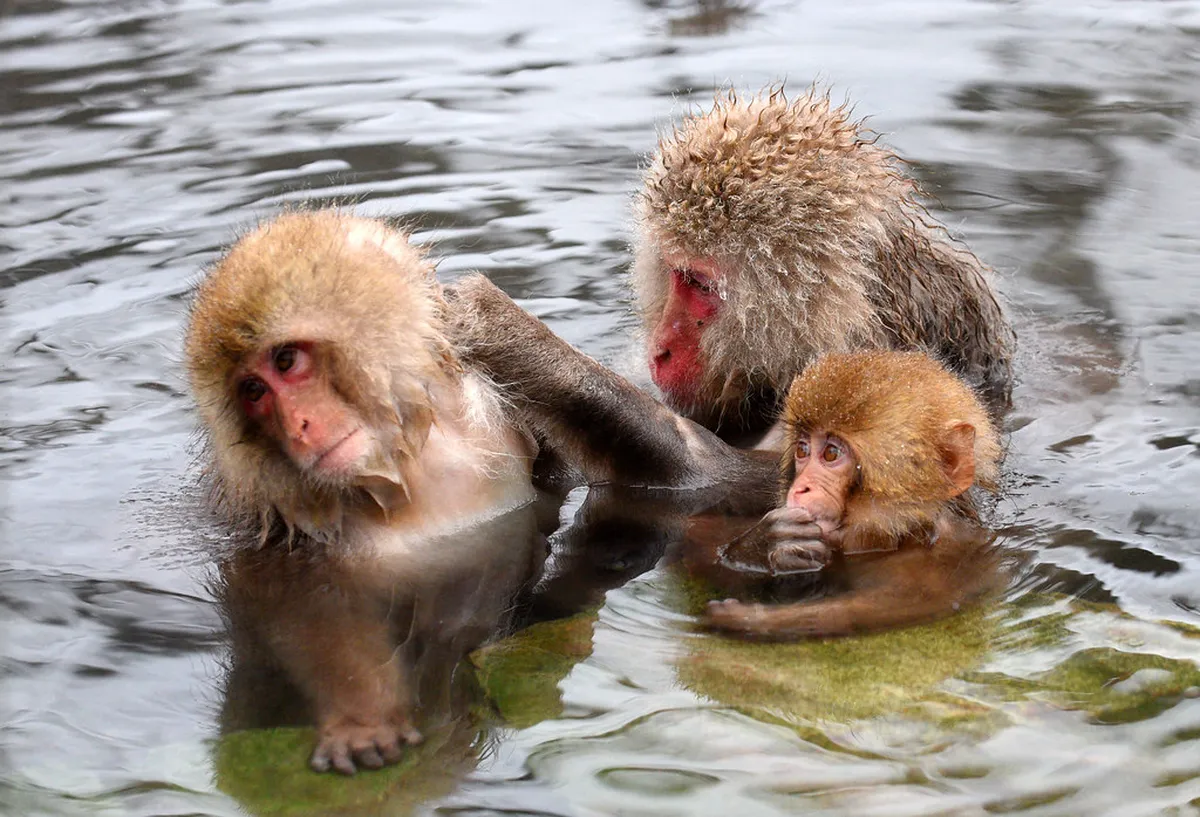
The valley where wild Japanese macaques bathe in a hot-spring pool, a 30-minute forest walk from the trailhead near Yudanaka.
Visitor guide →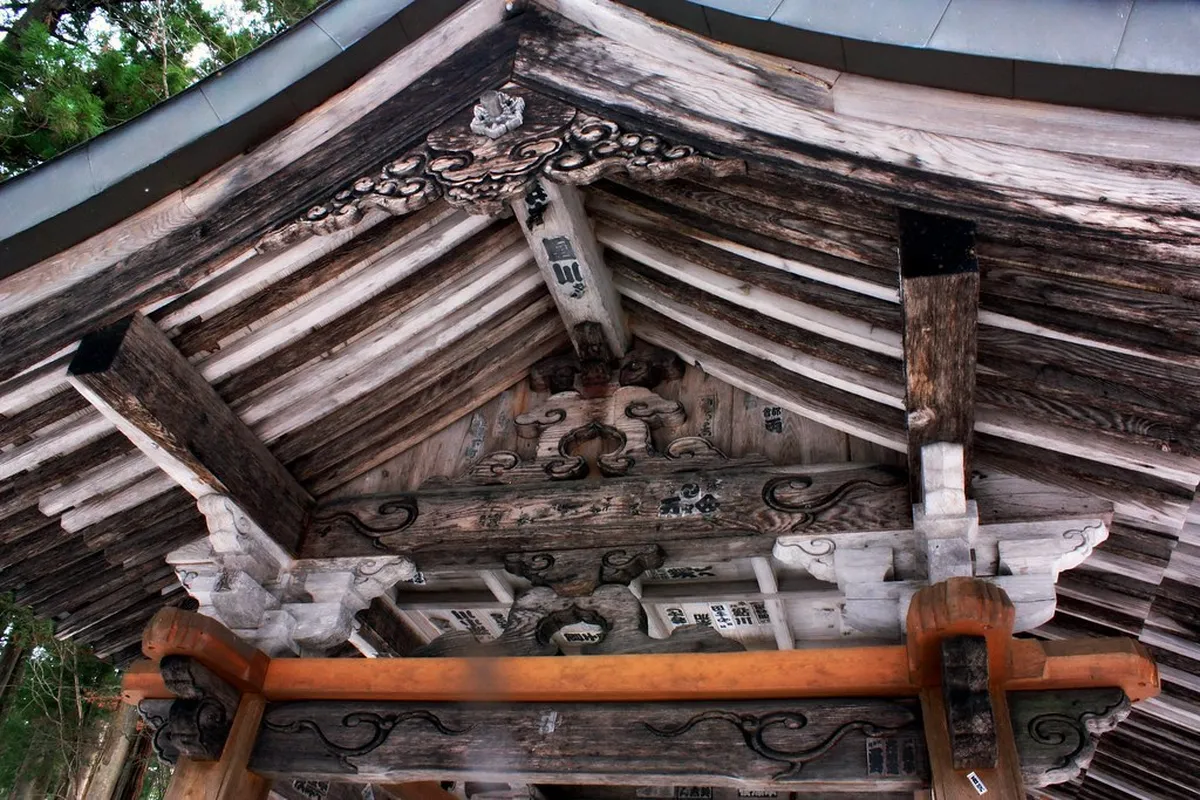
A five-shrine Shinto complex in the mountains northwest of Nagano, famed for its avenue of giant cedars and ninja history.
Visitor guide →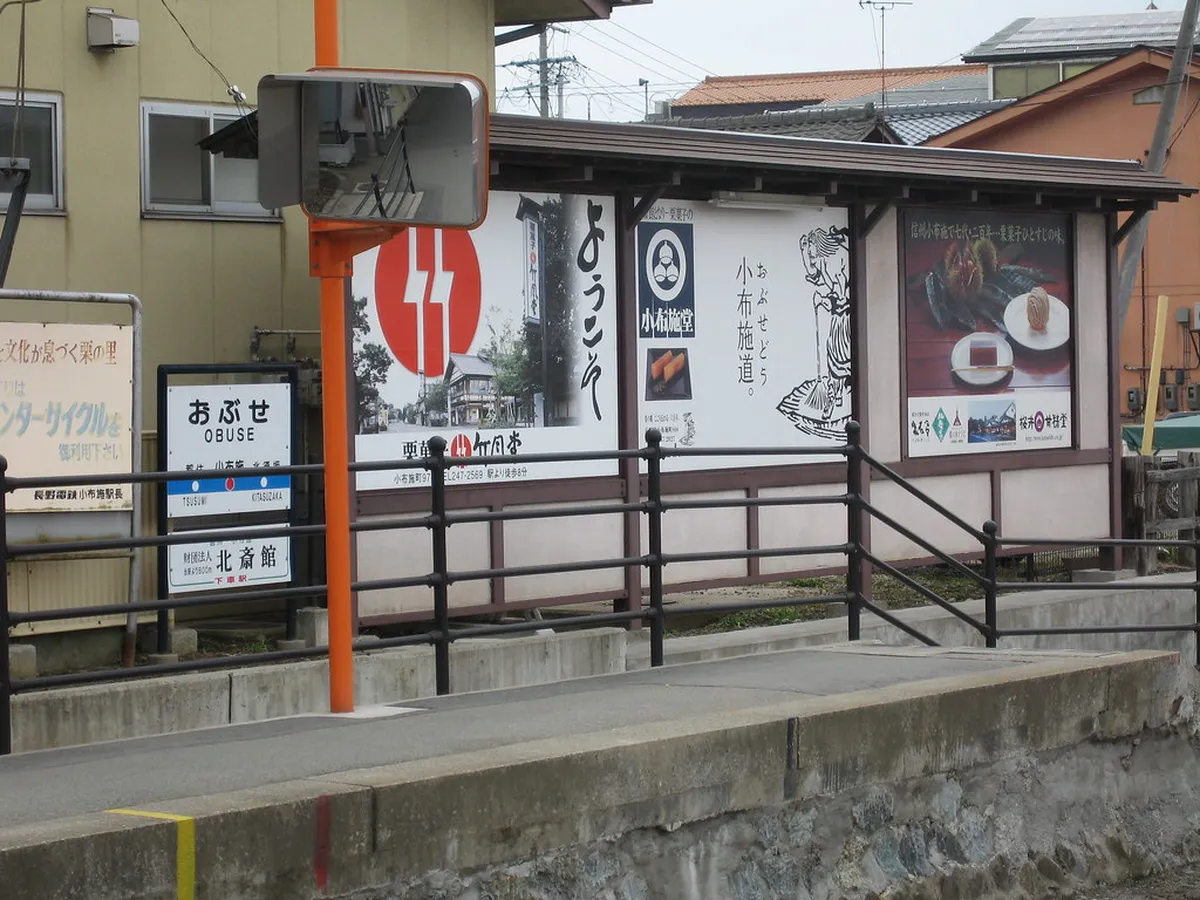
A small chestnut-and-art town 30 minutes from Nagano, home to the Hokusai-kan museum and Edo-era streets.
Visitor guide →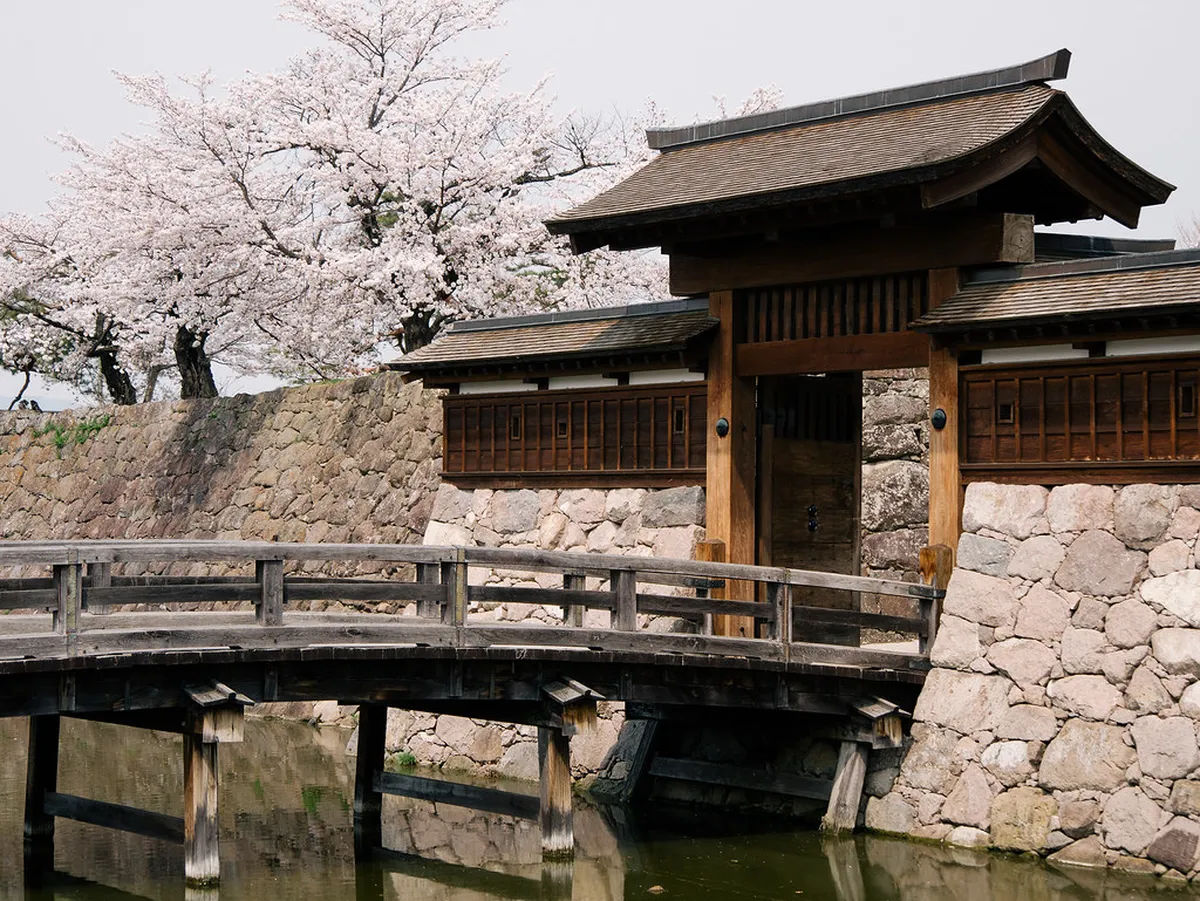
The reconstructed gates and grounds of the Sanada clan's castle in Nagano's southern samurai district.
Visitor guide →
The hilltop park directly behind Zenko-ji, with a small zoo, art museum and cherry blossoms overlooking the city.
Visitor guide →Nagano's sights fan out from the central station in roughly five directions. Knowing which cluster each attraction belongs to is the single best way to plan an efficient day — you want to finish one area before hopping a train or bus to the next, not zig-zag across the prefecture.
Zenko-ji is the reason Nagano City exists. Founded in the 7th century, the non-sectarian temple welcomes pilgrims of every Buddhist school and shelters what is traditionally held to be Japan's oldest Buddhist statue — kept permanently hidden, with a replica shown only once every six or seven years. The highlight for most visitors is the okaidan, a pitch-black tunnel beneath the main altar where you feel along the wall for the "key to enlightenment." The temple sits at the top of a 1.8 km approach lined with pilgrim lodgings, soba shops and souvenir stalls — an easy 25-minute walk or a short bus ride from the station. Pair it with the Joyama Park hill directly behind, which has a small zoo, an art museum and some of the city's best cherry blossoms. For the full visit, read our Zenko-ji Temple guide.
Forty-five minutes northeast by train, the Jigokudani Monkey Park ("Hell Valley") is where a troupe of wild Japanese macaques climbs down from the cliffs to soak in a man-made hot-spring pool. There are no fences — you watch from a few feet away as the monkeys bathe, groom and squabble in the steam. The park sits a 30-minute uphill forest walk from the trailhead near Yudanaka Onsen, a traditional hot-spring town that makes a relaxing overnight base. Come for the monkeys, stay for the ryokan and the deep-winter snow scenery. Our dedicated Jigokudani Snow Monkey Park guide covers timing, tickets and the walk in detail.
Northwest of the city, up a winding mountain road, the five sub-shrines of Togakushi Shrine are scattered through ancient forest. The walk to the upper shrine (Okusha) passes beneath a cathedral-like avenue of 400-year-old cedars — one of the most photographed paths in Nagano. Togakushi is also the legendary home of a historic ninja school, and the area's Ninpo Museum and Kids Ninja Village make it a hit with families. The same highlands grow the prized buckwheat behind Togakushi's famous soba. A bus from Nagano Station takes about an hour.
Thirty minutes from the city on the same line that serves the snow monkeys, Obuse is a compact, walkable town famous for two things: chestnut sweets and the great ukiyo-e artist Katsushika Hokusai, who spent his final years here. The Hokusai-kan museum displays his late paintings and two ornately decorated festival floats, and the Edo-era streets are a pleasure to wander between chestnut-confectionery shops. See our Obuse and Hokusai guide for the best route through town.
South of the centre, Matsushiro was the castle town of the Sanada clan. The reconstructed gates and grounds of Matsushiro Castle anchor a quiet district of samurai residences, the Sanada family museum and the eerie wartime Imperial Headquarters tunnels dug into the surrounding hills. It is the least-visited of the six and all the more rewarding for it — read the Matsushiro castle-town guide before you go.
A surprising amount of Nagano is free. The grounds and approach of Zenko-ji cost nothing to walk; you only pay if you enter the inner sanctum and okaidan tunnel (around ¥600). Joyama Park and its cherry blossoms are free, as are the wandering and shop-browsing in Obuse and the cedar-avenue walk up to Togakushi's upper shrine. The grounds of Matsushiro Castle are also free to enter.
The clearest paid attraction is the Jigokudani Monkey Park (around ¥800 adult), which is worth every yen — there is no comparable free way to see the monkeys. Smaller admissions apply to the Hokusai-kan in Obuse, the Togakushi Ninpo Museum, and Zenko-ji's inner halls. If your budget is tight, our free things to do in nearby Matsumoto guide shows how to combine no-cost sights across the prefecture. Each entity guide above lists current prices and opening hours, verified for 2026.
Most of these sights cannot be rushed, so resist cramming. A sensible rhythm is one or two attractions per half-day.
One day (city focus): Start early at Zenko-ji before the tour buses arrive, walk the okaidan tunnel, then stroll up to Joyama Park. After lunch on the temple approach, take the train out to Obuse for the Hokusai-kan and an afternoon of chestnut sweets. This keeps you on a single rail line and back in the city by evening.
Two days (the full picture): Devote your first morning to the Jigokudani snow monkeys — go at opening time, allow half a day for the round trip and walk, and consider an overnight in Yudanaka Onsen. On day two, take the morning bus up to Togakushi Shrine for the cedar avenue and a bowl of soba, then come down to fit Zenko-ji and, if time allows, Matsushiro in the afternoon. For a fuller plan, see our day-by-day Nagano itinerary and ideas for day trips from Nagano.
From Tokyo: Nagano is the terminus of the Hokuriku Shinkansen, and the fastest Kagayaki services reach the city from Tokyo Station in about 80 minutes — fully covered by the Japan Rail Pass. This makes Nagano one of the easiest mountain regions in Japan to reach.
To the snow monkeys: From Nagano Station take the Nagano Electric Railway (Nagaden) to Yudanaka Station (about 45 minutes), then a short bus to the Snow Monkey Park stop, followed by the 30-minute forest walk to the pools. Alternatively, the Nagaden Express Bus runs from the station's East Exit to Kanbayashi Onsen (about 40 minutes), from where it is a similar walk in.
To Togakushi: A direct bus from Nagano Station climbs to the shrine area in roughly an hour. Obuse sits on the same Nagaden line as the snow monkeys (about 30 minutes), and Matsushiro is reached by local bus south of the centre. Within the city core, Zenko-ji and Joyama Park are an easy walk or short bus from the station. For routes, passes and timing, see our detailed getting around Nagano guide.
Nagano sits in the same prefecture as the castle city of Matsumoto, a 50-minute train ride away and an excellent add-on — see our separate Matsumoto attractions guide to pair the two.
Nagano is a true four-season destination, and the right time depends on what you came for. Winter (mid-December to late March) is the headline season: this is when the snow monkeys are at their most photogenic, soaking in the steaming pool against a backdrop of falling snow — January and February deliver the deepest snow and the classic shot. The same months bring world-class powder to the surrounding ski resorts.
That said, the monkeys are present year-round, and spring trades the winter crowds for cherry blossoms at Joyama Park and the season's first baby macaques (late April–May). Autumn sets the Togakushi forests and the hills around Matsushiro ablaze with colour and offers crisp, clear hiking weather. Summer is cool in the highlands and good for the Nakasendo trails and ropeway viewpoints. For a month-by-month breakdown, read our best time to visit Nagano guide.
A few habits keep a Nagano trip affordable. Reach the city on the Japan Rail Pass, which covers the Hokuriku Shinkansen and pays for itself quickly on a longer Japan trip. For the snow monkeys, the Snow Monkey 1-Day Pass bundles the Nagaden train, the connecting bus and park admission for less than buying each separately. Lean on the free sights — the Zenko-ji approach, Joyama Park, the Togakushi cedar avenue, Obuse's streets and the Matsushiro grounds cost nothing — and pay only for the genuine highlights like the monkey park and the temple's inner halls.
Eat where the locals do: a bowl of Togakushi or Nagano soba is filling and inexpensive, and the temple approach has good-value set meals. For more, browse our Nagano food guide and consider where you base yourself with our where to stay in Nagano guide — staying near the station keeps transport costs and time down.
The six attractions that reward the time and ticket price most are Zenko-ji Temple, the Jigokudani Monkey Park (snow monkeys), Togakushi Shrine, the chestnut-and-Hokusai town of Obuse, Matsushiro Castle, and Joyama Park overlooking the city. Together they cover Nagano's temple, mountain, wildlife and samurai heritage.
One day is enough to see the city core — Zenko-ji, Joyama Park and a quick trip to Obuse. To add the snow monkeys and Togakushi, plan two days, ideally with an overnight in Yudanaka Onsen near the monkey park.
Mid-December to late March, with January and February the peak for monkeys bathing against fresh snow. Go at opening time, when the macaques are most active and the light is best. The monkeys are present year-round, but they only use the hot-spring pool reliably in the cold months (roughly November to March).
Take the Hokuriku Shinkansen from Tokyo Station; the fastest Kagayaki services reach Nagano in about 80 minutes, and the route is covered by the Japan Rail Pass.
Take the Nagano Electric Railway (Nagaden) to Yudanaka Station (about 45 minutes), then a short connecting bus to the Snow Monkey Park stop, followed by a 30-minute forest walk to the pools. The Nagaden Express Bus to Kanbayashi Onsen is an alternative.
Many are. The Zenko-ji approach and grounds, Joyama Park, the Togakushi cedar avenue, the streets of Obuse and the Matsushiro Castle grounds are all free to enter. You pay only for the Jigokudani Monkey Park (around ¥800), Zenko-ji's inner halls and okaidan tunnel (around ¥600), and the small museums.
Yes. Matsumoto, home to one of Japan's finest original castles, is about 50 minutes by train and sits in the same prefecture, making it an easy add-on to a Nagano trip.
Use this hub as your map of the city's headline sights, then go deeper with our in-depth Nagano blog guides:
Heading deeper into the prefecture? Pair Nagano with the castle city next door via our Matsumoto attractions guide. Background reading: Nagano (city) on Wikipedia and the Nagano travel guide on Wikivoyage.