Matsushiro is one of the most complete samurai towns in Japan — and most visitors to Nagano never hear about it. Located just 12 kilometres south of Nagano Station, this former castle town spent over 250 years under the rule of the Sanada clan and still looks the part: reconstructed castle gates, preserved samurai schools, residence gardens, a chestnut dessert shop, and beneath the streets, a sobering network of wartime tunnels that rivals any WWII site in the country. This guide covers everything you need for a well-paced 1-day visit in 2026.
Why Visit Matsushiro? Discover Nagano's Samurai Town
Matsushiro was the seat of Matsushiro-han, the domain governed by the Sanada clan from the early 17th century through to the Meiji Restoration. Unlike many Japanese castle towns where only a single reconstructed tower remains, Matsushiro retains a full layer of Edo-period infrastructure: the castle foundations, samurai school, family residences, shrines, and temples all survive within easy walking distance of each other. The town is compact — you can cover the main sights on foot in half a day, or stretch comfortably into a full day if you include the wartime tunnels and an onsen stop.
What separates Matsushiro from comparable historical towns is its dual historical weight. The Edo-period samurai district is layered over a WWII story that is just as significant: the Japanese military excavated an enormous underground headquarters here in 1944–45, intended as the last redoubt of the emperor and government. That juxtaposition — feudal grandeur and 20th-century wartime trauma — gives Matsushiro a depth that purely "castle town" destinations lack.
The town also remains genuinely off the beaten path for international visitors. Expect warm welcomes from local residents, virtually no queues at the main sites, and a pace that feels worlds apart from Kyoto or Tokyo. Consider adding Matsushiro to your Nagano trip plan as either a morning half-day excursion or a full-day anchor.
How to Get to Matsushiro from Nagano City
The standard route is by local bus from Nagano Station. Head to bus stop No. 3 outside the station's Zenkoji Exit and board a bus on route No. 30 bound for Matsushiro. The journey takes 30–35 minutes and costs approximately ¥660 one-way. Buses run roughly every 30 minutes throughout the day, making spontaneous departures easy. Pay by cash or IC card.
The bus drops you at the Matsushiro Station bus stop — named after the old railway station, which no longer exists. From the bus stop it is a 5-minute walk into the centre of town. Your first stop should be the Matsushiro Tourist Information Center, located next to the Sanada Treasures Museum. Staff speak some English, can provide a free town map, and rent bicycles (¥500 per person, 09:00–16:00) — the fastest way to reach the Zozan Underground Vault, which is a 20-minute walk from the centre.
If you are driving, Matsushiro is about one hour from the Nagano-Joetsu IC. Parking is available near the castle park. A taxi from Nagano Station costs roughly ¥2,500–3,000 and takes about 20 minutes, making it a reasonable option for groups of three or four splitting the fare.
Your Perfect 1-Day Matsushiro Itinerary: A Self-Guided Walk
Arrive in Matsushiro by 09:00 to catch the Tourist Information Center when it opens. Pick up bicycles if you plan to visit the underground tunnels, then walk five minutes to Matsushiro Castle Park for a relaxed start before the day heats up. The castle grounds, reconstructed gates, and surrounding moat take about an hour to explore properly.
From the castle, walk three minutes to the Sanada Treasures Museum (approximately ¥300 entry). Spend 45 minutes on the armour, swords, and yokai manuscripts before crossing the courtyard to the Former Sanada Residence. Allow another 30–40 minutes for the residence and its Zakanshiki-style garden, which frames the distant Nagano mountains as borrowed scenery. By noon you have covered the core of the samurai district.
Take lunch near the bus stop — small soba restaurants and set-meal cafes cluster here, with meals typically ¥800–1,500. Many close by 14:00, so do not leave this too late. After lunch, visit the Old School for the Literary and Military Arts (approximately ¥300 entry) and optionally the Former Yokota Family Residence. Then ride or walk to the Zozan Underground Vault — free entry, allow 45–60 minutes. End the afternoon at Chikufudo for chestnut sweets, a 15-minute walk from the tunnel entrance back toward the bus stop. Buses back to Nagano run until evening; the last return is well after 17:00.
Matsushiro Castle Ruins: History and Highlights
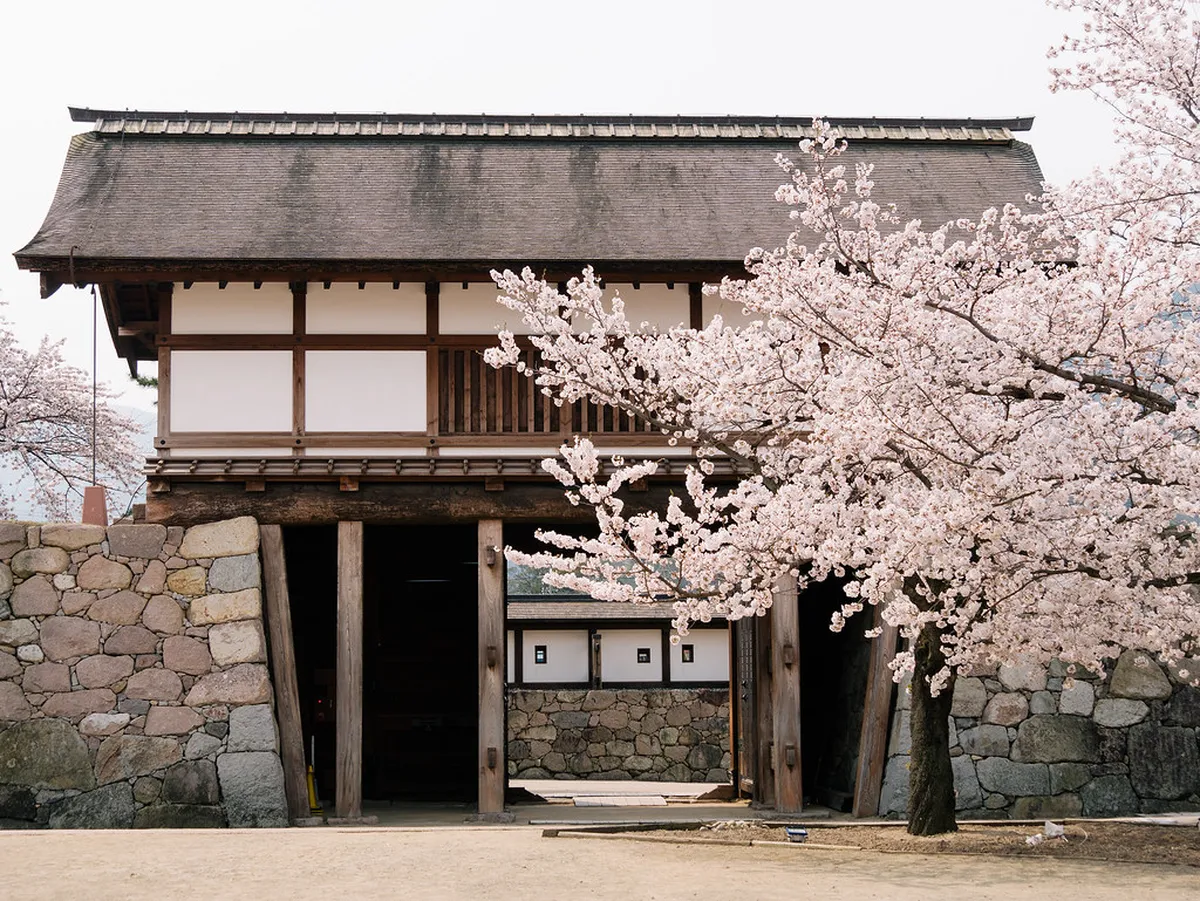
Matsushiro Castle (Kaizu-jo) served as the Sanada clan's seat of power from 1622 until the abolition of the domain system in 1871. The castle itself was demolished during the Meiji era, but the stone foundation walls, moat, and two reconstructed gates — the Taiko-mon and Higashi-gomon — have been carefully restored. Admission to the park is free. Opening hours are 09:00–17:00, with last entry at 16:30.
The castle's greatest seasonal draw is cherry blossoms. Dozens of mature sakura trees line the inner grounds and the surrounding moat, typically blooming in early April. The Matsushiro Spring Cherry Blossom Festival takes place on the second Saturday in April, with food vendors, hanami gatherings, and evening illumination from around 500 paper lanterns hung beneath the trees. Even outside the festival weekend, petals drifting into the moat make for some of the most photogenic scenery in Nagano City.
In October, the Sanada Jumangoku Festival brings the castle grounds to life over the second weekend of the month. Participants in full samurai armour march from the castle through the town in a ceremonial procession. The festival is unusual in that living descendants of the Sanada clan take part — in recent years, Mr Sanada Yukitoshi, a professor at Keio University, has participated as a direct heir to the clan. This living connection to the ruling family gives the event a weight that most historical re-enactment festivals cannot match.
Old School for the Literary and Military Arts: Step Back in Time
The Matsushiro Bunbu Gakko (Old School for the Literary and Military Arts) opened in 1855 as an institution for the sons of higher-ranking Matsushiro samurai. Students studied martial disciplines — archery, kendo, judo — alongside classical literature, Western medicine, and military science. The nine original buildings, including the main school and several dojo, have been beautifully restored and remain almost exactly as they were in 1855. Entry is approximately ¥300; hours are 09:00–17:00, closed Tuesdays.
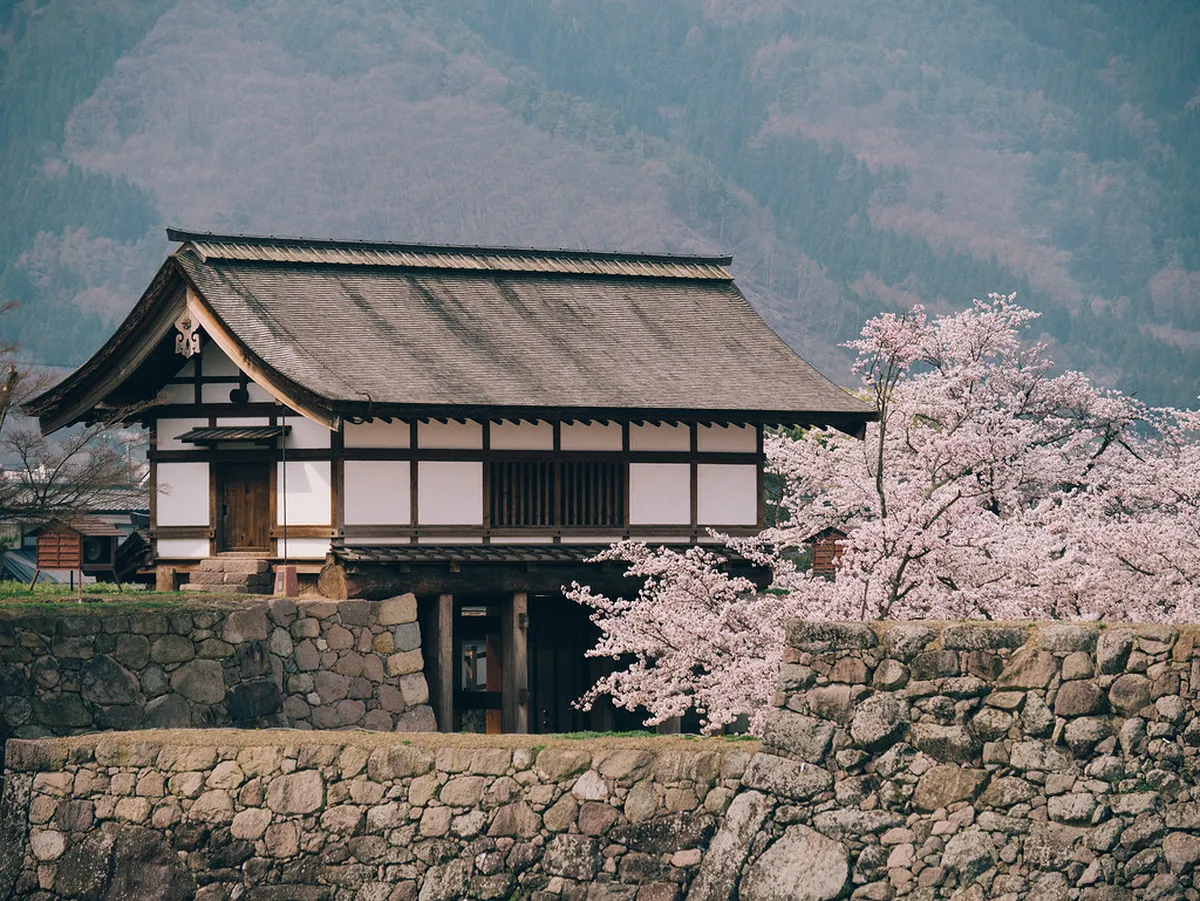
The school has become a location used by Japanese television production companies filming period dramas precisely because its interiors require almost no set dressing. Walking through the main hall and into the practice dojo, it is easy to understand why: the wooden floorboards, paper screens, and open-beam ceilings carry an authenticity that purpose-built replicas cannot replicate. You may recognise the building if you have watched NHK Taiga dramas set in the Edo period.
Visitors can also book hands-on experiences at the school, including archery, martial arts, tea ceremony, and flower arrangement. These activities are available Monday to Friday and must be reserved in advance through the Matsushiro Tourism Association. An interactive replica firearm exhibit — handling the matchlock rifles that students were also trained with — has recently been added to the site, reflecting the school's dual literary and military curriculum.
Exploring Matsushiro's Hidden Gems: Museums and Underground Vaults
The Sanada Treasures Museum stands in front of the Former Sanada Residence and houses the clan's donated collection: suits of armour, swords, lacquerware, furniture, and elaborately illustrated yokai manuscripts that are worth slowing down for. Admission is approximately ¥300, with combination tickets available for the residence and museum together. The museum shares a courtyard with the Tourist Information Center, making it a natural starting hub. The Former Sanada Residence itself — built in 1864 as a retirement palace for Sanada Yukinori — was donated to Nagano City in 1966 and declared a National Historic Site in 1981. Its 53-room complex includes a landscape garden using the surrounding mountains as borrowed scenery.
The Former Yokota Family Residence, a 13-minute walk from the bus stop, is one of several preserved samurai homes open to visitors. Nearby are the Former Higuchi Residence, notable for its large thatched roof and gardens over 2,000 square metres, and the Former Maejima Family Residence — reputedly the oldest surviving samurai dwelling in Matsushiro. Entry fees are small or free; combined they take about an hour to walk through at a comfortable pace.
The Zozan Underground Vault (Zozan Chikago) is the site's most sobering and least-discussed attraction. In 1944–45, the Japanese military ordered the excavation of an extensive tunnel network beneath Matsushiro intended to house the Emperor, the Imperial Family, government ministries, and the NHK broadcasting headquarters in the event of an Allied invasion of the Japanese mainland. The network was approximately 75% complete — covering roughly 10 kilometres of tunnels in total — when the war ended in August 1945. It was never used. The construction was carried out by an estimated 10,000 labourers, the majority of them Korean forced workers and prisoners of war; estimates put the death toll at around 1,500. A 500-metre section is open to the public, free of charge, 09:00–17:00. The interior temperature holds steady at 14–15°C year-round, making it a genuinely cool refuge on a hot summer day and a pleasantly warm shelter in winter. Allow 45–60 minutes and wear a light jacket regardless of the season.
Where to Eat in Matsushiro: Local Flavors and Snacks
The cluster of small restaurants near Matsushiro Station bus stop is the practical choice for lunch. Family-run spots serve soba noodles and traditional set meals (teishoku) featuring seasonal Nagano ingredients. Expect to pay ¥800–1,500 for a filling lunch. Most of these places close by 14:00, so time your midday break before you head to the afternoon sites.
For sweets, the essential stop is Chikufudo, a confectionery chain originally from Obuse — the chestnut town north of Nagano City. The Matsushiro branch is a 3-minute walk from the bus stop. Their signature items are chestnut dorayaki (a filled pancake sandwich with chestnut paste rather than the standard red bean filling, chewier and sweeter than the conventional version) and oshiruko, a warm rice-cake soup made with chestnut paste instead of the traditional azuki base. Both are available for eat-in; dorayaki travels well as a takeaway souvenir. If you arrive after a morning of walking, the sit-down oshiruko is worth the detour.
Practical Travel Tips for Your Matsushiro Visit
The best seasons to visit are spring (late March to mid-April for cherry blossoms) and autumn (late October to mid-November for foliage at Zozan Shrine and the Yokota Family Residence). The Sanada Jumangoku Festival on the second weekend of October is the single best event reason to time a trip specifically. Winter visits are quiet and uncrowded, and the underground vault's 14–15°C interior is particularly appealing when it is cold outside. Summer is fine but the midday heat on the castle grounds can be tiring; start early.
Bicycle hire from the Tourist Information Center (¥500 per person, available 09:00–16:00, adult and children's sizes) is highly recommended if you plan to visit the Zozan Underground Vault, which is a 20-minute walk from the castle but only a 7–8 minute ride. The entire main sightseeing circuit — castle, museum, residence, school, vault — is walkable in a full day, but the bike makes the afternoon tunnels feel less like an afterthought.
Bring cash. Smaller sites, the bicycle rental, and most eateries do not accept credit cards. An IC card covers the bus fare from Nagano Station. Most main sites are closed on Tuesdays; if you visit on a Tuesday, the castle grounds and underground vault remain accessible but the museum, school, and residence interiors are shut. Combination tickets for the Sanada Treasures Museum and Former Sanada Residence offer a modest saving over paying separately. Always verify current hours on the Matsushiro Tourism Association website before visiting, as seasonal closures apply.
Combining Matsushiro with other Nagano attractions is straightforward. A morning in Matsushiro pairs well with an afternoon at Zenko-ji Temple back in Nagano City. The Kawanakajima Old Battlefield, site of the famous 1561 battle between Uesugi Kenshin and Takeda Shingen, is a 20-minute bus ride from Nagano Station in the opposite direction and works as a half-day add-on for serious history enthusiasts.
Where to Stay Near Matsushiro
Most visitors base themselves in Nagano City and day-trip to Matsushiro. The area around Nagano Station offers the widest range of accommodation — large business hotels with English-speaking staff, modern Western-style rooms, and easy bus access to Matsushiro in the morning. The 15–20 minute walk toward Zenkoji Temple yields smaller guesthouses and traditional shukubo (temple lodgings) for a more atmospheric stay.
For an immersive local experience, Matsushiro Guesthouse Hoteiya is the standout option within the town itself — a traditional machiya guesthouse in the historic district, steps from the main sights. Booking well in advance is essential as it is a small property with limited rooms. For onsen lovers, Matsushiro Spa Matsushiro-so is a ryokan about 10 minutes by bus from the town centre. Its hot spring water turns a striking golden colour when exposed to air due to its high iron mineral content — unusual even by onsen standards — and day-trip bathing is available for ¥500. The onsen is only served by two buses a day between Matsushiro Station and Matsushiro Onsen stop, so check the schedule before committing to a soak at the end of your day.
For a flexible, well-priced Nagano City base, the Sotetsu Fresa Inn Nagano-Zenkojiguchi near the station offers modern rooms at reasonable rates. It is a convenient hub for exploring broader Nagano City attractions including Togakushi Shrine and Jigokudani beyond Matsushiro.
Frequently Asked Questions
Which Matsushiro attractions fit a half-day itinerary?
For a half-day, focus on Matsushiro Castle Ruins, the Old School for Literary and Military Arts, and the Sanada Treasures Museum. These are centrally located and offer a comprehensive historical overview. You can complete this circuit in about three hours, allowing time for travel.
How much time should you plan for Matsushiro Castle?
We recommend planning 1 to 1.5 hours to explore the Matsushiro Castle Ruins. This allows time to walk the grounds, view the reconstructed gates, and appreciate the historical significance. Admission to the park is free, making it an accessible first stop.
Is Matsushiro worth including on a short Nagano itinerary?
Absolutely. Matsushiro is a worthwhile addition to any short Nagano itinerary, especially for history enthusiasts. Its proximity to Nagano City makes it an easy day trip. It offers a unique glimpse into samurai history, contrasting with Nagano's spiritual sites like Zenko-ji Temple.
What local food should I try in Matsushiro?
You must try Chikufudo's exquisite chestnut desserts, a Nagano specialty. Also, look for local soba noodle shops for a traditional Japanese lunch. Many small eateries offer set meals featuring fresh, seasonal ingredients. These provide a true taste of the region.
Matsushiro rewards the curious visitor in a way that more famous Japanese destinations rarely can — it is still small enough that a morning's walk feels genuinely exploratory. The castle ruins, samurai school, and clan residences tell the Edo-period story clearly. The Zozan Underground Vault forces an honest reckoning with a different, darker chapter of Japanese history. And Chikufudo's chestnut oshiruko is, frankly, reason enough to make the bus journey on its own.
Plan for a full day if you want to include the underground vault and an onsen stop at Matsushiro-so. A half-day works for the castle, museum, and school circuit. Either way, Matsushiro is the kind of place you leave wishing you had arrived earlier.
For official details, visit the Matsushiro Castle on Wikipedia and Matsushiro Castle official site.