

Matsushiro Itinerary: A Half-Day to 2-Day Samurai Town Guide
Plan your Matsushiro trip with our detailed itinerary, covering samurai history, top attractions, local food, and practical travel tips for a memorable visit.
On this page
Matsushiro is a compact historic district sitting 12 km south of Nagano Station. Once the stronghold of the Sanada clan during the Edo period, it preserves an unusually intact collection of samurai residences, a feudal-era school, castle ruins, and a sobering WWII underground complex — all within easy walking distance of each other. This guide covers how to get there, what to see, and how to plan your time whether you have a few hours or two full days.
Why Visit Matsushiro? Discover Nagano's Samurai Heritage
Matsushiro is one of the best-preserved castle towns in central Japan, yet it sees a fraction of the tourist traffic of Kyoto or Kanazawa. The Sanada clan ruled the domain for roughly 250 years after relocating from Ueda in the early 17th century, and the buildings they left behind are still standing. Most major sites cluster within a 15-minute walk of the bus stop, making the town manageable even on a tight schedule.
What sets Matsushiro apart from other samurai towns is the contrast between its feudal landmarks and the Zozan Underground Vault — a vast tunnel network that was dug in the final months of World War II to serve as a relocation headquarters for the Japanese government and Imperial Family. That collision of eras, from Edo-period dojo to wartime bunker, gives Matsushiro a depth that few comparable sites can match.
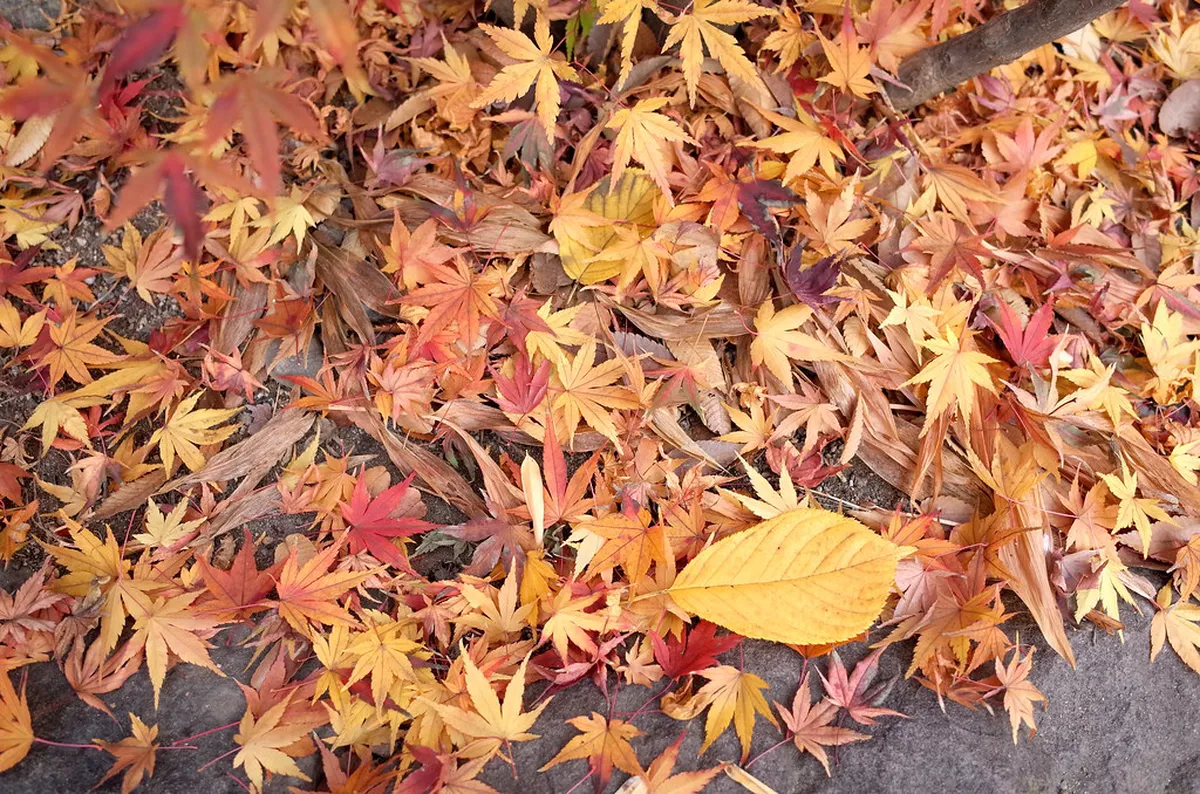
Spring and autumn are the best seasons to visit. Cherry blossoms fill the castle park in early to mid-April, and the annual Sanada Jumangoku Festival (second weekend of October) brings the town to life with samurai parades and taiko performances. Outside these peaks, the town is quiet, uncrowded, and genuinely welcoming to visitors who seek it out.
Getting to Matsushiro: Transportation Guide
The easiest way to reach Matsushiro from central Nagano is by Alpico Bus. Catch bus No. 30 from platform No. 3 at Nagano Station's Zenkoji Exit (善光寺口). The ride takes around 30–35 minutes and costs approximately ¥660 one-way. Buses run every 30 minutes during daytime hours. Get off at the Matsushiro Station (松代駅) bus stop — note that the old train station itself was demolished long ago, so only the bus stop name remains.
From the bus stop, the town centre and most major sights are within a 5–20 minute walk. The Matsushiro Tourist Information Center, located next to the Sanada Treasures Museum, is worth your first stop. Staff can supply maps, and bicycle rentals are available here from 09:00 to 16:00 for ¥500 per person — a practical option if you plan to cover the full spread of sights including the Zozan vault (about 20 minutes on foot from the bus stop). The information centre is open daily 09:00–17:00.
Drivers can reach Matsushiro in roughly one hour from the Nagano-Joetsu IC Exit. Parking is available near the castle park. From Tokyo, the Hokuriku Shinkansen reaches Nagano Station in around 1.5 hours, after which you transfer to the local bus.
Top Attractions in Matsushiro
Matsushiro Castle Ruins Park (松代城跡) is the natural starting point. Only the stone foundation walls and surrounding moat remain original, but several gates have been reconstructed on the original footprints. Entry to the park is free, open 09:00–17:00 (last entry 16:30). During cherry blossom season, the inner grounds are covered by mature sakura trees, and the Matsushiro Spring Cherry Blossom Festival takes place on the second Saturday of April — food stalls, hanami gatherings, and around 500 paper lanterns at dusk.
A three-minute walk from the castle leads to the Sanada Treasures Museum (真田宝物館), which holds armour, swords, ceramics, manuscripts, and furniture donated by the Sanada family. Look for the two notable samurai suits of armour and the illustrated yokai manuscripts. Admission is ¥300. Next door, the Former Sanada Residence (新御殿) was built in 1864 as a retirement home for the last Sanada lord. Its 53 rooms are modest in scale compared with great castle palaces, but the Zakanshiki garden — designed to be viewed from a seated position while using the distant mountains as borrowed scenery — is exceptional. Admission is around ¥400.
The Old School for Literary and Military Arts (松代藩文武学校, Matsushiro-han Bunbu Gakko) opened in 1855 to educate the sons of higher-status samurai in archery, judo, swordsmanship, Western medicine, and academic subjects. Nine buildings survive in near-original condition, making this one of the most complete samurai educational complexes in Japan. Kendo practice still takes place in the dojo on certain days. Admission is ¥300. Beyond these headline sites, the Former Yokota Family Residence (¥200), Former Higuchi Residence, Yamadera Jyozan Residence, and Zozan Shrine are all within easy walking distance and add historical texture without requiring significant extra time.
The Zozan Underground Vault (象山地下壕) is Matsushiro's most historically charged attraction and the one that surprises visitors most. Around 20 minutes on foot from the bus stop (or 10 minutes by bicycle), the site preserves 500 metres of tunnel open to public access from a total network that was roughly 75% complete when Japan surrendered. An estimated 10,000 workers — many Korean prisoners of war or indentured labourers — excavated the tunnels over nine months. Entry is free, open 09:00–17:00.
The Sanada Clan's Six Coins: What the Rokumonsen Tells You
Almost every Sanada site in Matsushiro displays the clan's family crest: six copper coins arranged in two rows of three. This is the Rokumonsen (六文銭), and understanding it changes how you read the town. The six coins represent the ferry fare for crossing the Sanzu River — the Buddhist equivalent of the River Styx — into the afterlife. By choosing it as their mon, the Sanada were declaring publicly that they were warriors always prepared to die in battle. The crest is carved into gate pillars, printed on museum displays, and embroidered onto festival costumes throughout Matsushiro.
The Sanada were not simply regional administrators. They fought at Sekigahara in 1600, backing the losing western coalition and somehow negotiating their survival. Yukimura Sanada, who features in the 2016 NHK taiga drama, became one of the most romanticised figures in Japanese military history for his final stand at the Siege of Osaka in 1615. The descendants of the Sanada clan still participate in the annual Jumangoku Festival each October. The current family representative is Sanada Yukitoshi, a professor at Keio University. Spotting the Rokumonsen throughout Matsushiro, and knowing what it signifies, makes the walk between sites feel continuous rather than a disconnected list of old buildings.
Matsushiro Itinerary: A Half-Day Walk Through History
A half-day (roughly 09:00–13:00) covers the four core sites on a comfortable loop. Take the 08:30 or 09:00 bus from Nagano Station's Zenkoji Exit and arrive at Matsushiro Station bus stop by 09:30–10:00. Walk five minutes directly to Matsushiro Castle Ruins Park. Spend 30 minutes here: circle the moat, walk through the reconstructed gate, and take in the foundations. In spring, budget an extra 20–30 minutes for cherry blossoms.
From the castle, walk three minutes to the Sanada Treasures Museum (09:00–17:00, ¥300). Allow 30–40 minutes for the collection — the armour and the yokai manuscripts are the highlights. Immediately next door, the Former Sanada Residence (09:00–17:00, ¥400) takes another 30–40 minutes; the garden deserves unhurried attention. Finish at the Old School for Literary and Military Arts, a five-minute walk away (09:00–17:00, ¥300). Spend 30 minutes in the school buildings and dojo. By 12:30 you are back near the bus stop with time for lunch or a stop at Chikufudo for chestnut sweets before catching the return bus. Total cost for this half-day: around ¥1,000 in admissions plus ¥1,320 round-trip bus fare.
Matsushiro Itinerary: A Full Day Exploring Samurai Culture
A full day adds the Zozan Underground Vault, the secondary samurai residences, and an evening onsen. Arrive early — the 08:30 bus from Nagano Station puts you in Matsushiro by 09:05. Rent a bicycle at the Tourist Information Center (¥500, available from 09:00) to cover the longer distances more efficiently. Follow the half-day route through the castle, Sanada Treasures Museum, Former Sanada Residence, and Old School (09:00–12:00). Have lunch at a local soba restaurant near the town centre — expect ¥1,000–¥1,800 for a lunch set.
After lunch (13:00–15:00), cycle south toward the Zozan Underground Vault. On the way, pass the Yamadera Jyozan Residence and the Zozan Shrine (dedicated to the scholar Zozan Sakuma, a deity of study popular with exam-sitting students). The vault itself is free to enter. Inside, the air temperature stays at 14–15°C year-round — genuinely cool in summer and comfortable in winter. Allow 45–60 minutes to walk the 500-metre open section and read the interpretive materials. Return toward the bus stop via the Former Yokota Family Residence (¥200) and the Former Higuchi Residence (free).
From 17:00 onwards, consider finishing at Matsushiro Spa Matsushiro-so for a day-use onsen soak (¥500, last entry around 19:00). The hot spring water is rich in iron minerals and turns a distinctive golden-brown on contact with air — unusual in Japan. Access the onsen by catching a bus from Matsushiro Station to the Matsushiro Onsen stop (around 10 minutes; note that only two buses per direction serve this route). Return to Nagano City from the onsen bus stop, or cycle back to Matsushiro Station for the main Nagano bus. Total full-day admission and transport: roughly ¥3,000–¥4,000 per person including bicycle rental.
Matsushiro Itinerary: Two Days Immersed in History and Nature
Two days give you time to pace yourself, attend a festival if timing aligns, and explore beyond the core samurai circuit. Use Day 1 as a full-day itinerary described above. Stay overnight at Matsushiro Guesthouse Hoteiya (traditional guesthouse, approximately ¥4,000–¥8,000 per night) or Matsushiro Spa Matsushiro-so (onsen ryokan with dinner and breakfast, ¥10,000–¥20,000 per night). Staying in Matsushiro itself means you can visit the castle park at dawn before day-trippers arrive — and in April, the pre-crowd sakura light at the castle moat is exceptional.
On Day 2, head to the Kawanakajima Old Battlefield, roughly 5 km north of Matsushiro (accessible by bus from Nagano Station on your way back). This is the site of the famous series of battles between Takeda Shingen and Uesugi Kenshin during the Sengoku period — context that directly relates to the Sanada clan's own complex loyalties. The Kawanakajima Battlefield Museum (Hachimanpara) is open 09:00–17:00, admission ¥300.
Alternatively, Day 2 can focus on nearby Obuse (30 minutes by Nagano Electric Railway from Nagano Station), the chestnut town where Chikufudo originates and where the Hokusai Museum holds an impressive collection of woodblock print ceiling panels. If you are visiting in October, confirm whether the Sanada Jumangoku Festival falls on your weekend — the samurai procession on the second Sunday is the main draw, and it fills the castle park with participants in full Edo-period regalia.
Local Delights: Must-Try Matsushiro Food and Drink
Chikufudo (竹風堂) is the one culinary stop that every visitor mentions. Originally from Obuse — the chestnut capital of Nagano Prefecture — the Matsushiro branch is three minutes on foot from the bus stop. Their signature items are chestnut dorayaki (a pancake sandwich with chestnut filling, heavier and chewier than the standard azuki version) and oshiruko (a warm sweet soup that replaces the traditional red-bean base with chestnut paste). Both are available for dine-in; dorayaki is also sold as takeaway. Individual sweets run ¥300–¥600; gift boxes are available. The shop typically opens 09:00–17:00 and is closed Tuesdays.
Beyond Chikufudo, Matsushiro sits squarely in Nagano's soba belt. Several restaurants around the town centre serve handmade buckwheat soba — look for the lunch sets (¥1,000–¥1,800), which typically run 11:30–14:00 and sell out early on weekends. Oyaki (おやき) — thick steamed dumplings filled with nozawana pickled greens, mushrooms, or anko — are widely sold for ¥200–¥350 each and serve well as a mid-morning snack before the soba lunch crowd arrives.
Where to Stay: Matsushiro Accommodation Options
Most visitors base themselves in Nagano City and do Matsushiro as a day trip, which is entirely practical. The bus ride is 30–35 minutes, and staying near Nagano Station gives you a much wider range of dining, onward rail connections, and hotels at competitive prices. That said, spending the night inside Matsushiro itself changes the experience considerably — the town empties after 17:00 and the early mornings are remarkably still.
Matsushiro Guesthouse Hoteiya is the main in-town budget option. Expect a traditional Japanese guesthouse atmosphere, shared bathrooms, and rates around ¥4,000–¥8,000 per night. Book ahead during cherry blossom season and the Jumangoku Festival weekend. Matsushiro Spa Matsushiro-so is the onsen ryokan option at the higher end, ¥10,000–¥20,000 per night including dinner and breakfast. Its iron-mineral hot spring is the town's best and accessible even without overnight stay (day-use ¥500). For more details on accommodation in the wider Nagano area, see our Where To Stay In Nagano: 9 Best Areas & Accommodations guide.
For those staying in Nagano City, the area around the station has a wide range of hotels at all price points. The 30-minute bus connection to Matsushiro runs frequently enough that there is no logistical reason you cannot do a full-day Matsushiro visit and still be back in Nagano City for dinner. This is also the better strategy if you plan to combine Matsushiro with Zenkoji Temple, Jigokudani Snow Monkey Park, or other Things to Do in Nagano, Japan on the same trip.
Essential Travel Tips for Matsushiro
Nearly all major sites open at 09:00 and close at 17:00 (last entry 16:30). There is no advantage to arriving much earlier. The Zozan Underground Vault is the most temperature-sensitive attraction: at 14–15°C year-round, a light jacket or layer is worth carrying even in July and August. The vault entrance requires the short walk or bike ride out of the town centre, so plan it as a deliberate second half of the day rather than a last-minute addition.
A combined ticket covering the Sanada Treasures Museum, Former Sanada Residence, and Old School for Literary and Military Arts is available at the museum and represents better value than paying individually — confirm current pricing at the Tourist Information Center when you arrive. Bicycle rental (¥500/day, available 09:00–16:00 from the Tourist Information Center) is worthwhile for a full-day visit but unnecessary for the half-day core loop, which is walkable in under 15 minutes end to end.
English signage is present at most main sites but limited in depth. QR codes at the Sanada Residence link to mobile-translated content. The Matsushiro Tourism Association website (matsushiro-kankou.com) carries current event listings, hours, and English-language guided tour options. For the Jumangoku Festival (second weekend of October) and cherry blossom season (early to mid-April), the town gets noticeably busier and accommodation books out — reserve at least four to six weeks in advance for those windows. Outside peak periods, Matsushiro requires no advance planning beyond checking the bus schedule.
Nearby Attractions Worth Combining
Zenkoji Temple in central Nagano City is the obvious companion to a Matsushiro trip. One of Japan's most important Buddhist pilgrimage sites, it sits 15 minutes' walk from Nagano Station and can fill a morning or afternoon before or after your Matsushiro visit. See our guide to Zenkoji Temple for access details and visiting tips.
Jigokudani Snow Monkey Park requires a full day from Nagano but is unmatched for winter visitors. The wild macaques bathing in the outdoor hot spring are most active from November through March. For visitors arriving from Tokyo on the Shinkansen, it pairs well with a Matsushiro visit on separate days. For detailed logistics, see our guide to Jigokudani Snow Monkey Park Travel Guide.
Obuse (30 minutes from Nagano Station on the Nagano Electric Railway) is a natural half-day addition for chestnut enthusiasts or art lovers — the Hokusai Museum there holds ceiling panel paintings commissioned from Katsushika Hokusai in his final years. And for travellers with a broader Nagano itinerary, the region offers enough depth to justify four to five days.
Frequently Asked Questions
Why Visit Matsushiro?
Matsushiro offers a unique glimpse into Japan's samurai past. It was the stronghold of the Sanada clan during the Edo period. Visitors can explore historical residences, a castle, and even a WWII underground vault. This town provides a tranquil and immersive historical experience.
How much time should you plan for Matsushiro?
A half-day allows you to see the main samurai sites. A full day provides a deeper dive into its history and culture. For a more relaxed pace or to include local experiences, consider planning two days. This also allows for nearby day trips.
Are there any unique local foods in Matsushiro?
Yes, Matsushiro is famous for its delicious chestnut desserts, especially from Chikufudo. You should also try local soba noodles and oyaki dumplings. These savory buns come with various fillings and are a regional specialty. They offer a true taste of Nagano.
How to get to Matsushiro from Nagano Station?
You can take a local bus from platform No. 3 at Nagano Station's Zenkoji Exit. The ride takes about 30-40 minutes and costs around ¥660 one-way. Buses are frequent, running every 30 minutes during peak times. This makes for easy access.
Matsushiro rewards visitors who seek it out. The combination of intact Edo-period architecture, the Sanada clan's vivid history, and the sobering Zozan tunnels makes for a genuinely layered day trip from Nagano. Whether you have a half-day or a full two days, the town's compact scale means you can cover the essentials without rushing. Plan around the Sanada Jumangoku Festival in October or cherry blossom season in April for the most atmospheric visit. For a complete picture of what Nagano has to offer, see our full Nagano Itinerary: Your 3-Day Alpine & Cultural Guide guide.
For tickets, hours and visitor details, see our Matsushiro Castle Visitor Guide: Your 1-Day Itinerary & Travel Tips and Nagano attractions hub.
Free guide: Japan's Hidden Gems
12 under-the-radar places beyond Tokyo & Kyoto — with the best season to visit each and a local tip you won't find in the guidebooks.
You might also like


Continue reading
More guides you'll find useful


