Chofu Shimonoseki: Samurai District Guide (2026)
Explore the Chofu Shimonoseki samurai district: a complete 2026 guide to the Mori Clan manor, Kozan-ji Temple, and the birthplace of the Meiji Restoration.
On this page
Last updated July 2026, this guide breaks down the Chofu Shimonoseki samurai district, the former castle town of the Mori clan tucked a short bus ride from central Shimonoseki. Well-preserved earthen walls, samurai gatehouses, and the temple where the Meiji Restoration effectively began still line its backstreets, with none of the crowds that now define better-known castle towns like Kanazawa. Use this guide to prioritize the district's top sites, understand the Meiji-era history behind them, and plan a half-day or full-day visit around current 2026 hours and access.
Chofu Shimonoseki Samurai District: What Makes This Castle Town Special
According to the Nihon Shoki, the government of Nagato Province was based here after the Taika Reforms, which is where the name Chofu comes from. The town prospered during the Edo period as a 50,000-koku castle town under the Chofu Mori clan, a branch of the ruling Choshu domain. By the final years of the shogunate, it had become a staging ground for the Meiji Restoration. Stone-walled lanes, samurai gatehouses, and a temple precinct survive today. For broader context, start with the Shimonoseki things-to-do guide.
Top Things to Do in the Chofu Samurai District
Chofu's sights fall into three natural groups: the National Treasure temple, the Mori-clan manors, and the atmospheric streets around the Dangu River. Prioritizing this way makes a half-day visit manageable even if you can't see everything.
- Kozan-ji Temple: home to Japan's oldest surviving Zen-style Buddha Hall, a National Treasure built in 1327, along with a niju-yagura-style gate, notable cherry blossoms and fall foliage, and a bronze statue of Takasugi Shinsaku on horseback marking the spot where he took up arms in revolt.
- Chofu Mori House: the manor of the 14th head of the Chofu Mori clan, completed in 1903 and once used as temporary lodging for the Meiji Emperor; visitors can sit with tea while looking out over its shoin-style, pond-centered garden.
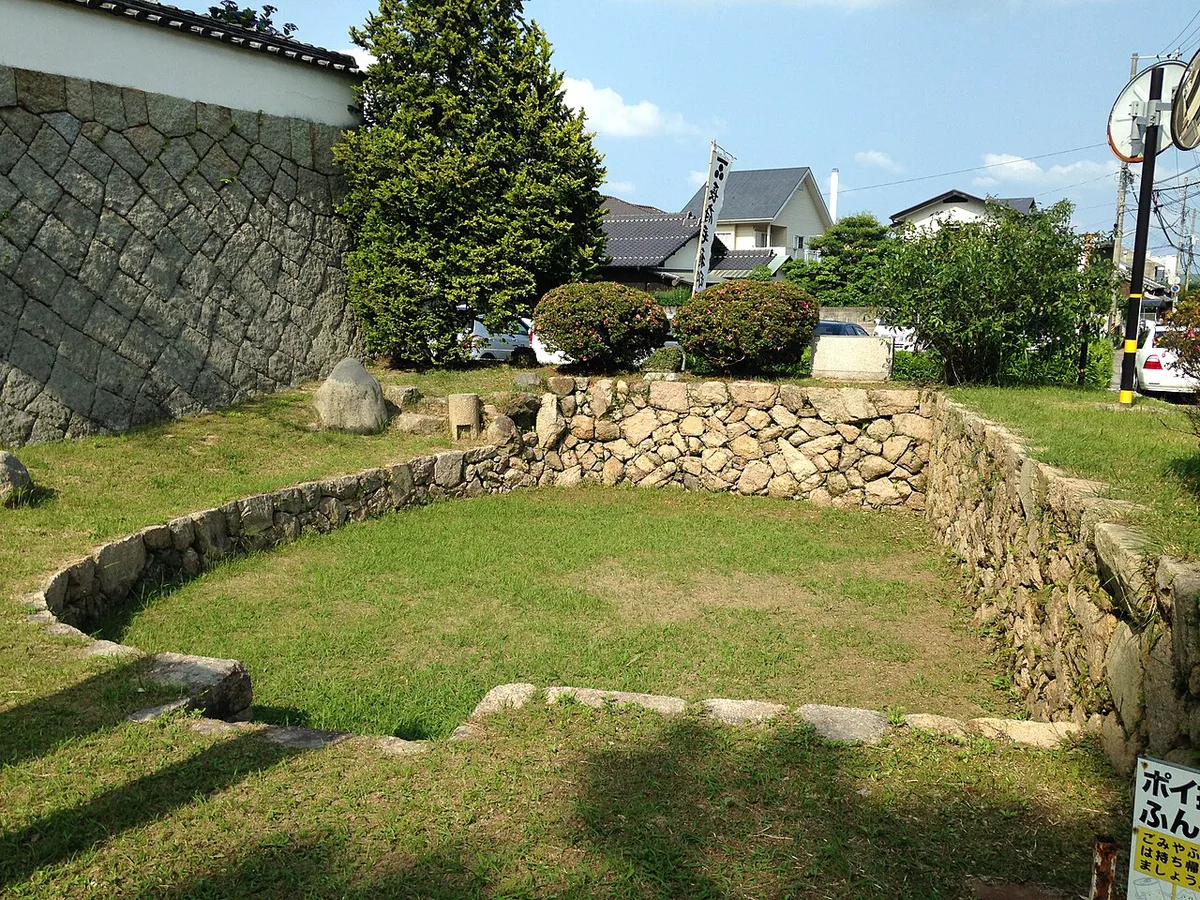
- Dangu River and the Nagaya gatehouses: the district's most photographed corner, where relocated samurai residences with lattice-window facades line both riverbanks, backed by cherry trees along the water and fireflies in early summer.
- Chofu Garden: a roughly 31,000 square meter kaiyu-style garden built on the former manor grounds of senior retainer Nishi Yukinaga, with a pond, reception room, tea room, waterfall, and a gallery of exhibits inside a converted storehouse.
- Iminomiya Shrine: the second-most important shrine in the historic province, linked to Emperor Chuai and Empress Jingu, and host to the Suhotei Festival, held for one week starting August 7 each year and practiced in some form for around 1,800 years.
The Meiji Restoration Connection: Takasugi Shinsaku and Nogi Maresuke
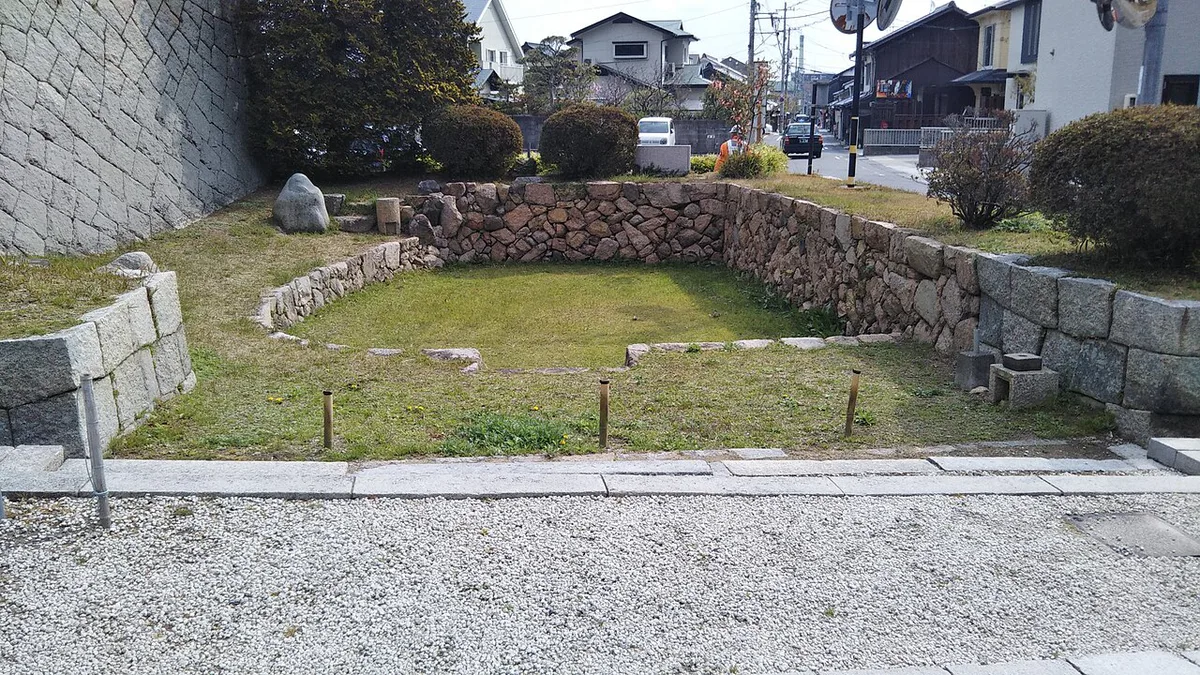
Most castle-town guides stop at the Edo period, but Chofu's real significance is what happened at its end. Kozan-ji Temple is where Takasugi Shinsaku launched his uprising against the shogunate-aligned conservative faction within the Choshu domain. The revolt reshaped the domain's leadership and helped set the stage for the Meiji Restoration. His statue still stands within the temple precincts. Nogi Shrine, elsewhere in the district, venerates General Nogi Maresuke, who took his own life following the death of the Meiji Emperor. Includes a reconstruction of the house where he grew up along with a treasure hall of related artifacts. The Shimonoseki City Museum, also inside Chofu, holds collections tied specifically to the Chofu Mori clan and to the period spanning the fall of the shogunate through the Meiji Restoration. This makes it a useful stop for anyone who wants the historical throughline rather than just the buildings. For the deeper Mori-clan and Genpei War backstory that predates Chofu's castle-town era, the Akama Shrine and Dannoura guide covers the wider regional history.
Chofu's draw centers on specific Meiji-era history—Takasugi's uprising at Kozan-ji, Nogi Shrine's significance—rather than broad samurai fame. This explains its lower visitor numbers compared to Kanazawa; the specificity attracts history-focused travelers over general castle-town seekers.
Planning Your Visit: Time, Access, and Getting Around Chofu
Chofu sits apart from central Shimonoseki, so budget it as its own stop rather than a quick detour. A half-day of roughly 3 to 4 hours covers the core sights around Kozan-ji, the Mori House, and the Dangu River. A full day lets you add the Shimonoseki City Museum, the Museum of Art, and Chofu Garden without rushing. Regular local bus services connect Shimonoseki Station and Karato with the Chofu stop. It is a short bus ride from central Shimonoseki that makes it easy to pair with a morning at the Karato Market before heading over. Once in Chofu, the district is compact enough to explore on foot. However, the distance between the Chofu Tourism Hall and Kozan-ji is enough that a rental bicycle from the Tourism Hall is worth considering if your schedule is tight. Travelers building a longer Shimonoseki stay often combine Chofu with a stop at Hinoyama Park on the same day, since both sit on the central Shimonoseki side rather than requiring a separate excursion.
Costs, Tickets, and Opening Hours in 2026
Several of Chofu's biggest draws, including the Dangu River lanes and Iminomiya Shrine, are free to walk through at any time, which keeps costs down even for a full-day visit. Paid sites such as the Chofu Mori House, Chofu Garden, and the two museums charge modest admission that is worth confirming on the day. This is because rates and hours are periodically updated. The Chofu Tourism Association's official channels are the most reliable current source. As with many municipal museums and historic manors in Japan, expect closures on Mondays, so check ahead before building a visit around any single indoor site in 2026.
| Site | Type | Notable Detail | Admission |
|---|---|---|---|
| Kozan-ji Temple | Temple | National Treasure Buddha Hall, built 1327 | Paid entry; confirm current rate on-site |
| Chofu Mori House | Manor | Completed 1903; tea service with garden views | Paid entry; confirm current rate on-site |
| Chofu Garden | Garden | Approx. 31,000 sqm kaiyu-style grounds | Paid entry; confirm current rate on-site |
| Shimonoseki City Museum | Museum | Mori clan and Meiji Restoration artifacts | Paid entry; closed some Mondays |
| Dangu River & Nagaya lanes | Streetscape | Preserved samurai gatehouses, fireflies in early summer | Free |
| Iminomiya Shrine | Shrine | Suhotei Festival, Aug 7 to 13 | Free |
| Chofu Tourism Hall | Visitor center | Audio guide rental around 400 yen; bicycle rental available | Free to enter |
Where to Eat and Shop in Chofu
The Chofu Tourism Hall is the easiest first stop for a light meal, souvenirs, and gear like an audio guide or a rental bicycle before setting out. Along the Dangu River, restaurants and dessert shops now occupy several of the old samurai-house buildings, adding a practical reason to linger in that stretch beyond the photo opportunities. Izumoya, a long-running confectioner in the district, is especially known for kuridora-yaki and kuri-monaka, both built around a whole chestnut inside the filling. Kogushiya, a restaurant with ties to the Mori clan dating back to its founding as a meat-skewer shop in 1871, was historically frequented by both Takasugi Shinsaku and General Nogi. It remains a way to connect a meal to the district's history rather than eating on the move. Save a proper seafood meal for back in central Shimonoseki, where the Shimonoseki fugu dining guide covers the city's signature dish in more depth than Chofu's small-town food scene can offer.
Mistakes to Avoid and Local Tips
The most common misstep is treating Chofu as a quick add-on rather than giving it its own block of time. The district rewards a slower pace, and rushing through means missing the backstreets where the real stone walls and samurai gatehouses survive. This is because the main thoroughfare has been modernized. Checking opening days matters too, since museums and the Mori House commonly close on Mondays, which can derail a tightly planned itinerary if not confirmed in advance for 2026. Pair the visit strategically. A morning at Karato Market followed by an afternoon in Chofu makes a well-balanced Shimonoseki day. Travelers extending the trip across the Kanmon Strait sometimes fold in the Hakata old town attractions as a separate day. This is because Chofu's unhurried atmosphere doesn't mix well with a rushed multi-city itinerary.
The most photographed sites—Dangu River lanes and Iminomiya Shrine—cost nothing to explore, and sparse crowds mean no pressure to rush. A leisurely half-day visit (3–4 hours) delivers full experience without delays or high spending.
Karato vs. Chofu: How to Split One Shimonoseki Day
Karato and Chofu suit different parts of a Shimonoseki itinerary, so treat them as complementary rather than interchangeable. Karato Market, the Kanmon Strait waterfront, and nearby Akama Shrine work best in the morning, when seafood stalls and the harbor area have the most energy. Chofu is slower and more spread out, with the best experience coming from walking the lanes between Kozan-ji Temple, the Chofu Mori House, the Dangu River, and Iminomiya Shrine.
If you have only half a day total, choose Karato for food, ferry views, and easy sightseeing, or choose Chofu for samurai-town streets and Meiji Restoration history. With a full day, a practical sequence is Karato Market first, Akama Shrine if you want more history, then a local bus toward Chofu for an afternoon walk through the old castle-town district. Avoid cramming Chofu between short central-city stops; its appeal is the backstreets, garden views, and quiet temple grounds rather than one single photo stop.
Frequently Asked Questions
Is the Chofu Shimonoseki samurai district worth visiting from central Shimonoseki?
Yes, for travelers interested in Edo-period architecture and the Meiji Restoration specifically. Chofu preserves samurai gatehouses, stone walls, and a National Treasure temple with far less foot traffic than famous castle towns like Kanazawa. However, it does require a dedicated block of time rather than a passing detour.
How do you get to Chofu from Shimonoseki Station or Karato?
Regular local buses connect both Shimonoseki Station and Karato to the Chofu stop, a short bus ride from central Shimonoseki. Once there, the district is small enough to explore on foot, or by rental bicycle from the Chofu Tourism Hall for covering more ground quickly.
How much time should you plan for Chofu?
A half-day of about 3 to 4 hours is enough to cover Kozan-ji Temple, the Chofu Mori House, and the Dangu River lanes. Add extra time, closer to a full day, if you also want to visit Chofu Garden, the Shimonoseki City Museum, and the Museum of Art.
What is Chofu famous for in Japanese history?
Chofu was a 50,000-koku castle town of the Chofu Mori clan. It is best known as the site where Takasugi Shinsaku launched his uprising at Kozan-ji Temple, a turning point that helped lead to the Meiji Restoration. The district is also linked to General Nogi Maresuke, honored at Nogi Shrine.
When is the best time to visit Chofu for festivals or seasonal sights?
Early summer brings fireflies along the Dangu River. Early August brings the Suhotei Festival at Iminomiya Shrine, held for one week starting August 7 and featuring taiko drums and 20-meter banners in a tradition practiced for roughly 1,800 years. Cherry blossom and fall foliage seasons are also strong times to see Kozan-ji Temple.
Free guide: Japan's Hidden Gems
12 under-the-radar places beyond Tokyo & Kyoto — with the best season to visit each and a local tip you won't find in the guidebooks.
You might also like
Continue reading
More guides you'll find useful