Shimonoseki Fugu Guide: Eating Pufferfish Safely (2026)
Plan a Shimonoseki fugu pufferfish guide trip with details on Karato Market, licensed fugu chefs, Shunpanro, Kanmon Straits dining, and 2026 travel logistics.
On this page
Last updated July 2026, this Shimonoseki fugu pufferfish guide explains why this Yamaguchi Prefecture port city handles the largest share of Japan's blowfish trade. It also shows how travelers can taste it without guesswork. Locals call the fish fuku, a nod to the word for luck, and the entire experience revolves around the licensed chefs and wholesale halls that made this reputation possible. The sections below cover options from the weekend stalls of Karato Market to formal kaiseki at historic ryotei. They also explain what to eat and how to reach Shimonoseki without mixing up its two train stations.
Shimonoseki Fugu Pufferfish Guide: Why This City Owns Japan's Trade
Shimonoseki's identity as Japan's fugu capital is built on infrastructure, not just tradition. The city handles the largest share of the nation's blowfish processing, and it is home to Haedomari Market, the only market in Japan dedicated exclusively to fugu. Fish processed through this system can carry the Shimonoseki Fugu brand designation, a marker of quality and safety that distinguishes it from fugu sold elsewhere in the country. For a first look at the fish before it reaches a plate. The public wholesale hall at Karato Market's seafood stalls is the most accessible entry point for visitors staying in the city center. The local dialect adds a cultural layer worth knowing before ordering: fugu is often pronounced fuku, the same word used for good fortune. As a result, a fugu dinner in Shimonoseki is regularly framed as a taste of luck rather than a dare.
Is It Safe? The Art of the Licensed Fugu Chef
Fugu carries a genuine reputation for danger because the fish contains a potent neurotoxin, but the modern dining experience in Shimonoseki is tightly controlled. The turning point traces back to 1888. Prime Minister Ito Hirobumi tasted properly prepared fugu at Shunpanro and was reportedly impressed enough to help catalyze the relaxation of Yamaguchi Prefecture's fugu ban. Shunpanro later hosted negotiations for the Treaty of Shimonoseki in 1895, cementing the restaurant's place in the city's culinary and political history. After World War II, Japan's Food Sanitation Act of 1947 gave prefectures and municipalities the legal grounding to formalize licensing. Today only chefs who have completed rigorous training and passed certification exams are legally permitted to clean and serve fugu. That system, paired with Shimonoseki's dedicated processing and distribution network, is what makes ordering fugu at a registered restaurant here a controlled, exceptionally safe experience rather than a gamble.
What to Order: The Full Fugu Course
Fugu can be ordered a la carte, but the traditional way to experience it is a multi-course meal that moves from raw to cooked and finishes with rice. Each course showcases a different texture and preparation, and most kaiseki-style meals build toward the fin-infused sake at the end.
Kaiseki courses move deliberately from paper-thin tessa sashimi through tecchiri hot pot to finishing zosui porridge, each course showcasing texture as much as flavor. This structured progression explains why ryotei meals justify higher pricing than casual market snack bites.
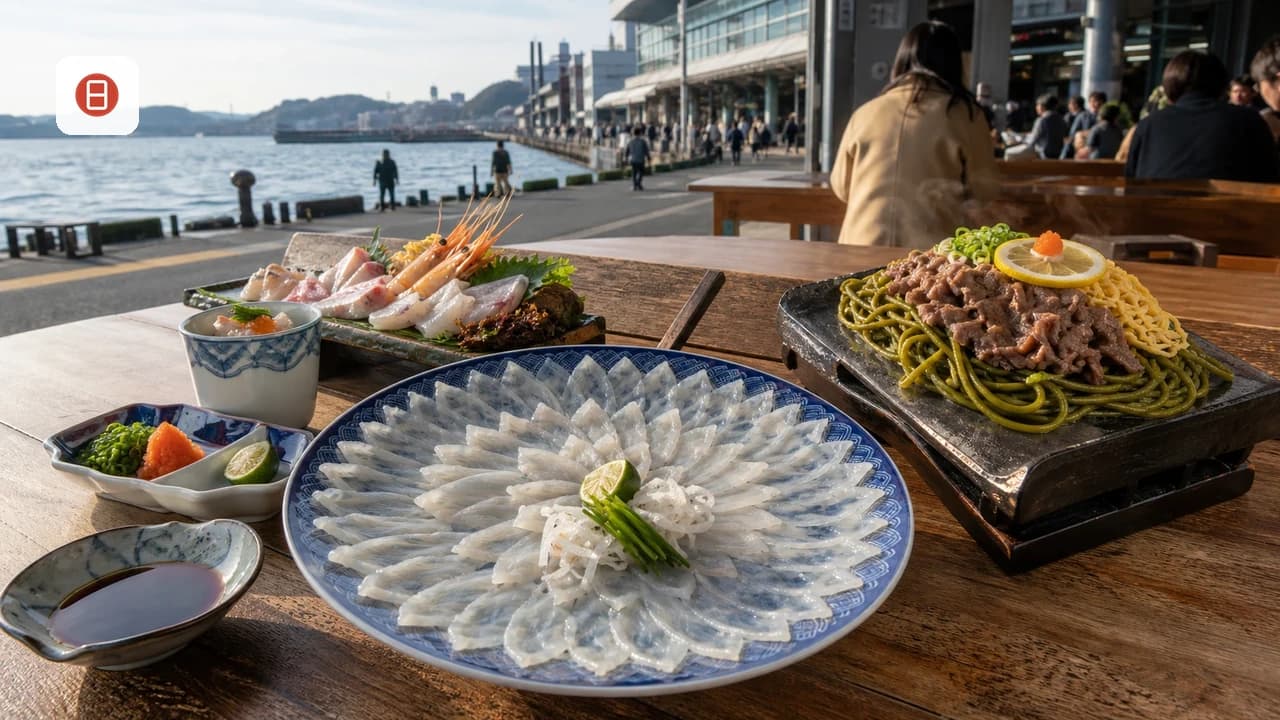
- Tessa (fugu sashimi): the fish is sliced paper-thin and arranged in a chrysanthemum pattern, served with ponzu and green onion rather than soy sauce.
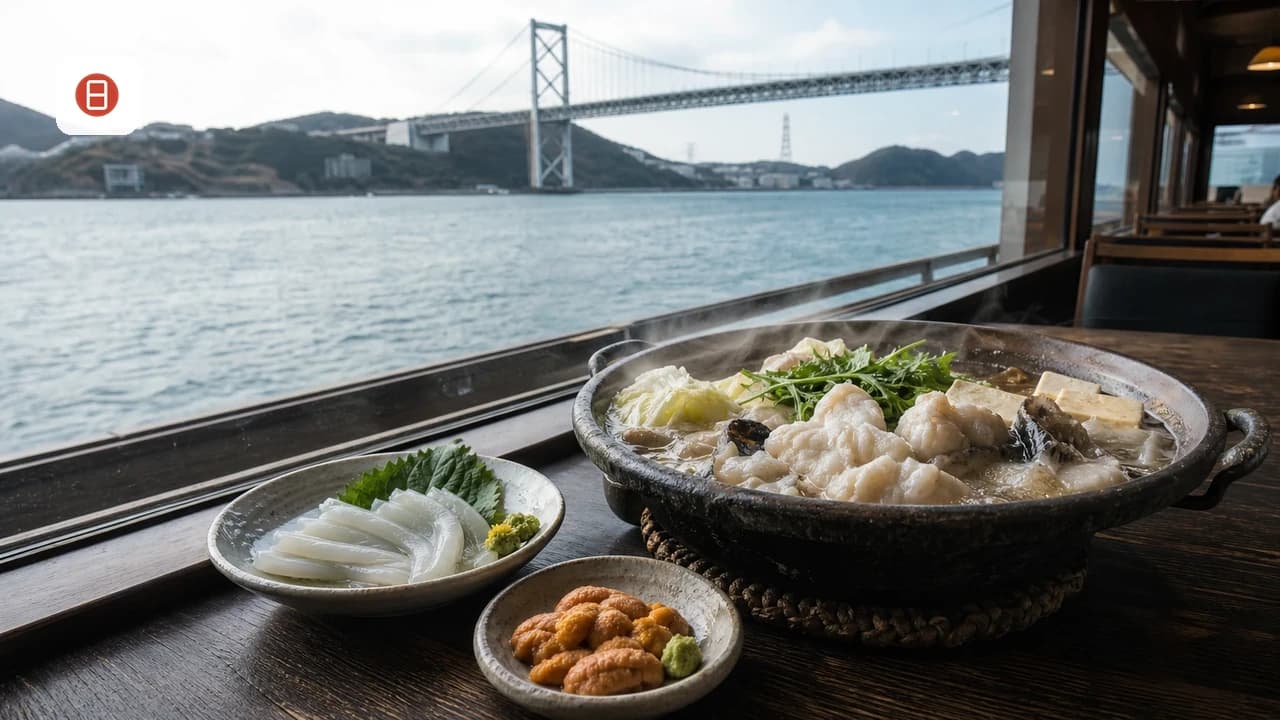
- Tecchiri (fugu hot pot): fugu pieces simmer with vegetables in a shared pot, a especially popular choice during the cooler months.
- Fugu karaage: deep-fried fugu with a crisp exterior, often described as an easy entry point for diners nervous about the raw preparations.
- Hire-zake: hot sake served with a toasted fugu fin, which infuses the drink with a smoky, savory aroma.
- Zosui: a finishing rice porridge cooked in the leftover hot pot broth, meant to absorb the umami from the fish and vegetables.
Where to Eat: Karato Market Stalls vs. Traditional Ryotei
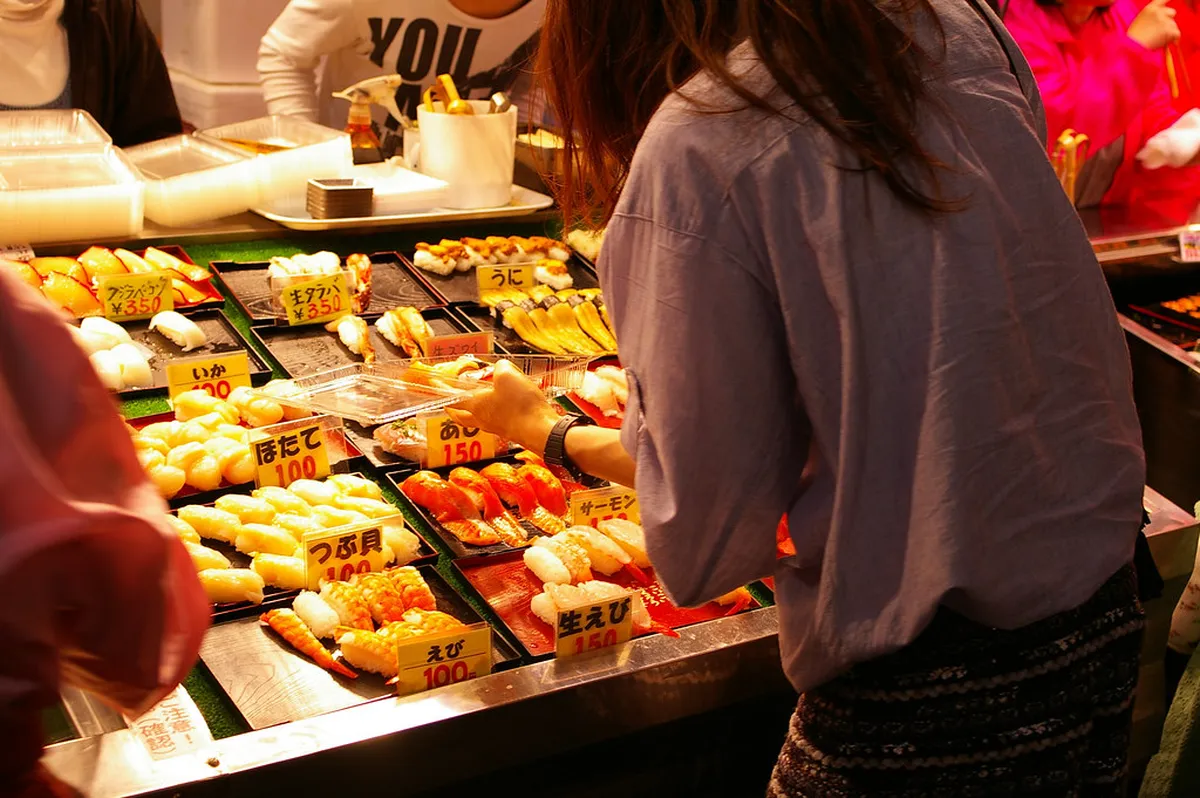
The two ends of the Shimonoseki fugu experience sit close together geographically but far apart in tone. Karato Market's weekend food stalls, known locally as the Iki-iki Bakkan-gai, open Friday through Sunday and on public holidays. They draw a mixed crowd of residents and visitors for casual fugu sushi and soup. Reservation-based ryotei such as Shunpanro represent the other extreme: quiet private rooms, a full seasonal kaiseki course, and pricing that reflects the formality of the setting. Kamon Wharf sits between the two, offering sit-down restaurants with views across the Kanmon Straits for travelers who want a proper meal without a ryotei-level commitment. Deciding between them mostly comes down to budget, schedule, and whether the goal is a quick, social bite or a slow, ceremonial dinner.
The price gap is wide, so it helps to know roughly what each experience costs before you choose:
| Where | What it costs (approximate) |
|---|---|
| Karato Market weekend stalls (Iki-iki Bakkan-gai) | Fugu nigiri ¥400–800 per plate and fugu karaage ¥200–400; a fugu-focused meal runs about ¥2,000–3,500. Cash only, open Friday–Sunday and holidays, 9:30–13:00 or until sold out. |
| Ryotei such as Shunpanro | Fugu set courses from around ¥8,800; a full multi-course kaiseki from about ¥22,000 (tax included, service charge extra). Reservations required. |
Prices are seasonal — wild torafugu peaks in winter — so treat these as planning ranges and confirm the current menu when you reserve.
| Feature | Karato Market Stalls | Traditional Ryotei (e.g. Shunpanro) |
|---|---|---|
| Vibe | High-energy, casual, crowded | Quiet, formal, private rooms |
| Best for | Budget travelers, quick bites | Special occasions, full courses |
| Price range | Low to medium | High |
| Availability | Weekends and holidays only | Daily, reservations recommended |
| Must-try | Fugu sushi and fugu soup | Full kaiseki from sashimi to zosui |
Beyond Fugu: Shimonoseki's Other Culinary Specialties
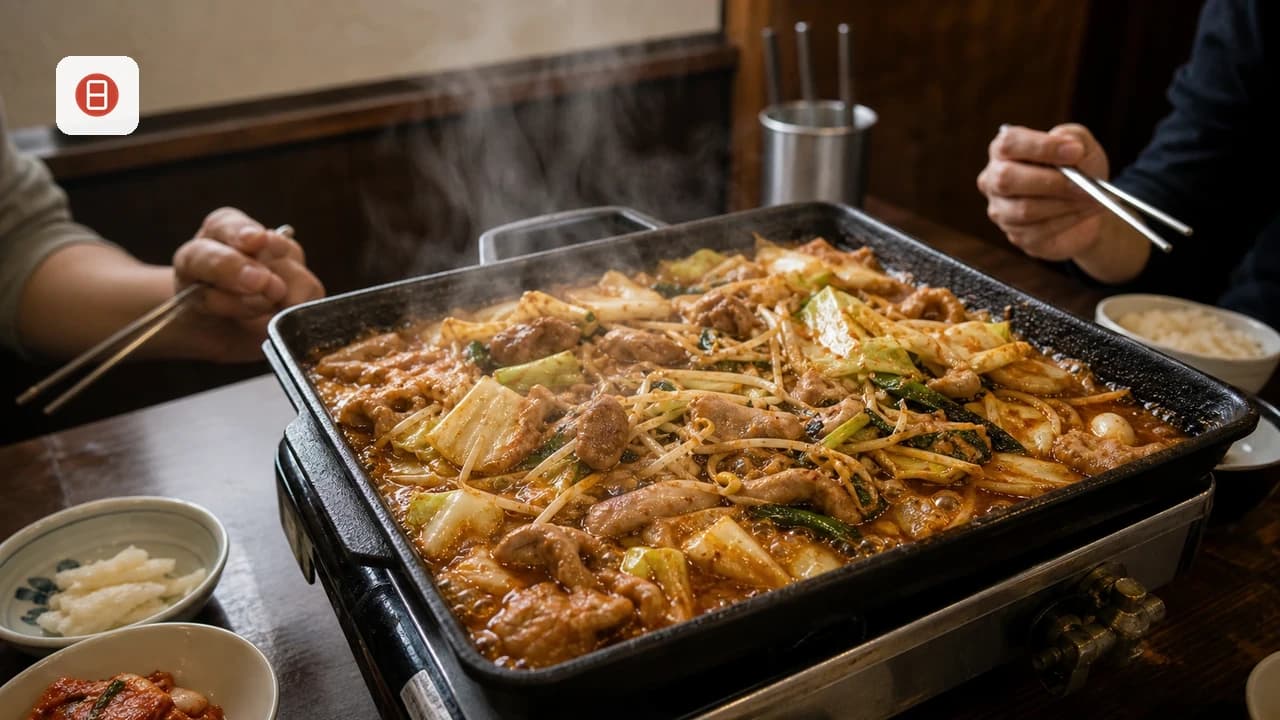
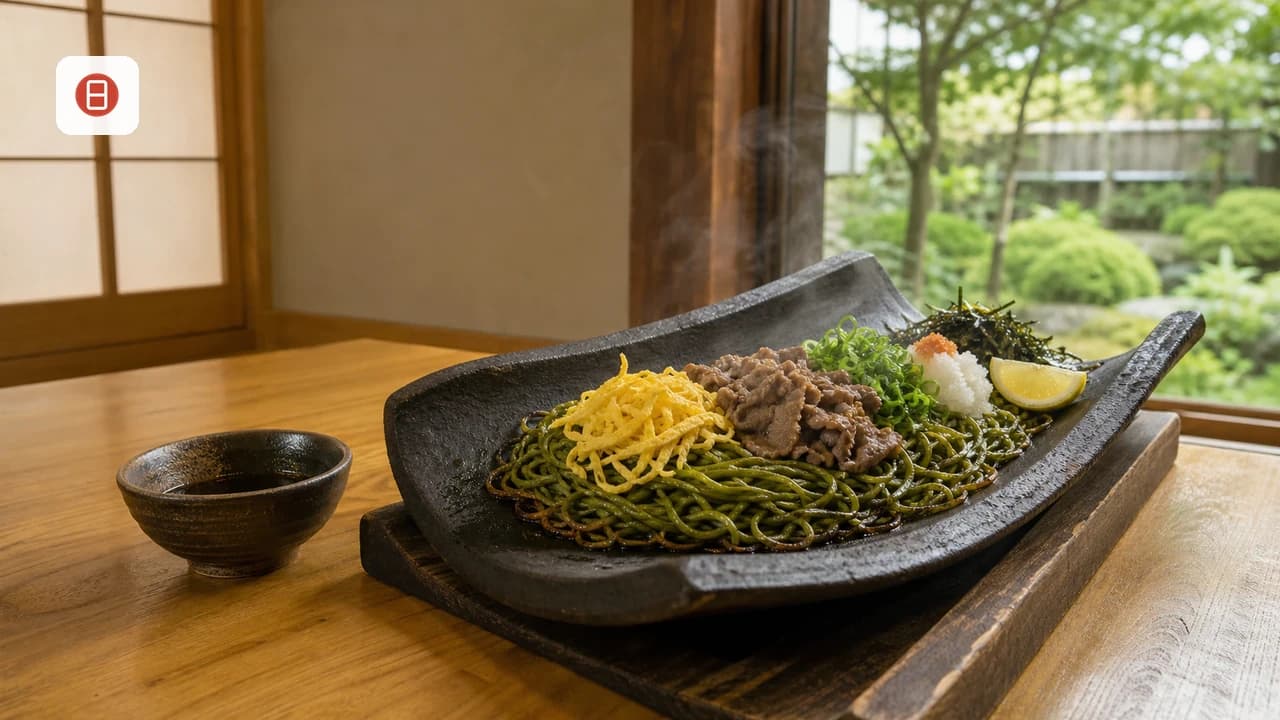
A trip built around fugu is a good excuse to sample the rest of Shimonoseki's food scene, much of which is just as regionally specific. Kawara soba, a signature dish of the Kawatana Onsen district, layers matcha-infused green tea noodles onto a searing-hot roof tile with beef, egg ribbons, and green onion, all dipped in hot dashi. Tonchan Nabe is the city's offal hotpot, simmered in a sauce built on Korean-inspired spices and considered local soul food rather than a tourist dish. Surrounded by water on three sides, Shimonoseki also has a broader seafood identity worth exploring beyond fugu, including sea urchin, anglerfish, and squid served across the city's restaurants. Roadside stations and tourist facilities round things out with soft serve ice cream in unusual local flavors, including sea urchin, wakame seaweed, pear, tomato, and strawberry.
Planning Your Visit: Timing and Getting to Shimonoseki
Winter is traditionally peak fugu season, but Shimonoseki restaurants serve it year-round. Shin-Shimonoseki Station is the city's Shinkansen stop and sits outside the downtown waterfront area. The Shinkansen from Hiroshima takes about 30 minutes. Travel from Osaka or Kyoto takes roughly 2 to 2.5 hours, while Tokyo takes about 4.5 to 5 hours.
A standard JR Pass does not cover Nozomi or Mizuho services by itself. Pass holders can use them after buying the separate NOZOMI MIZUHO supplemental ticket; Sakura services remain the simpler pass-included option. Travelers based in Fukuoka can reach Shin-Shimonoseki in about 30 minutes, making a day trip from a Hakata Old Town stay practical.
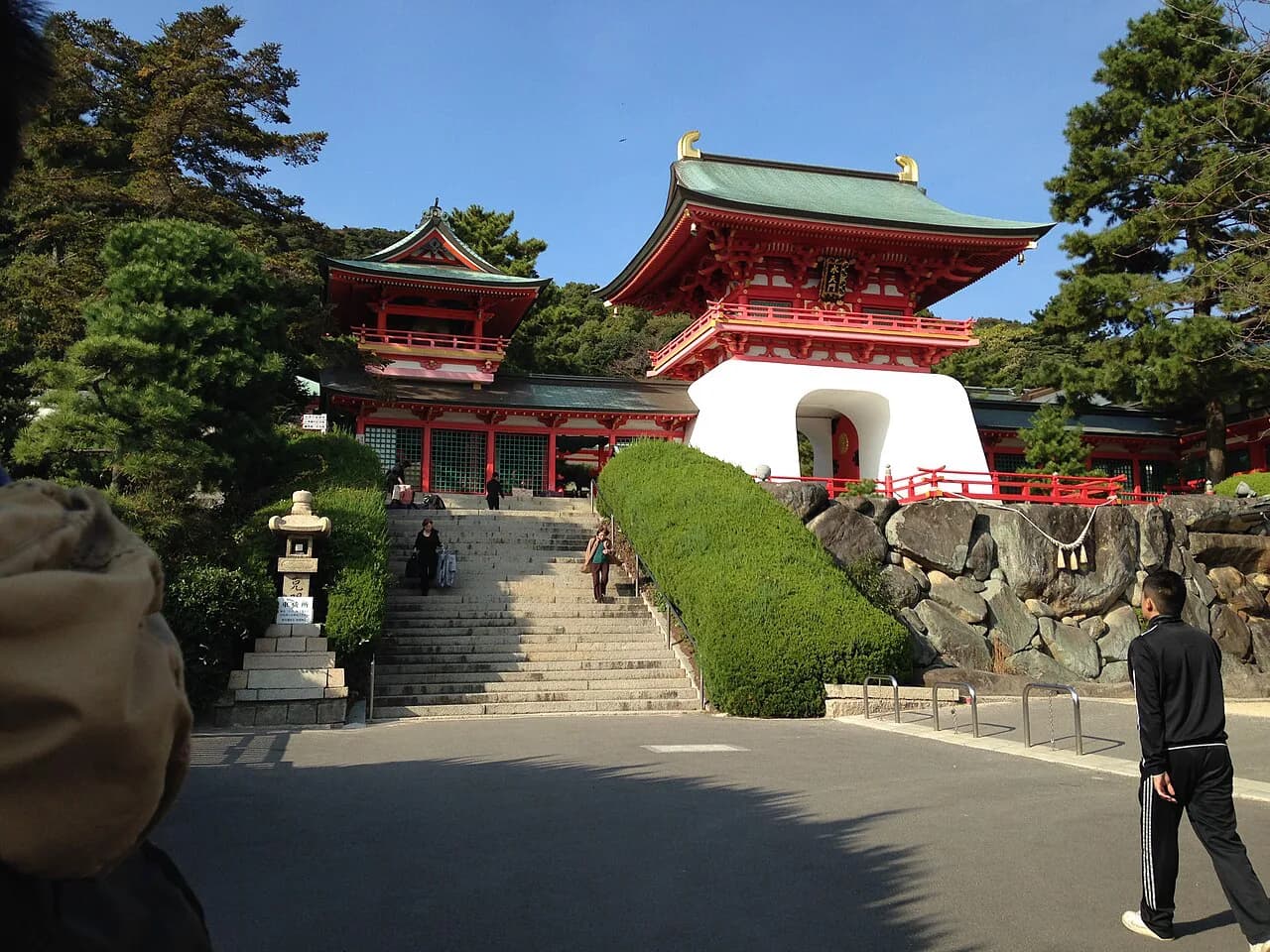
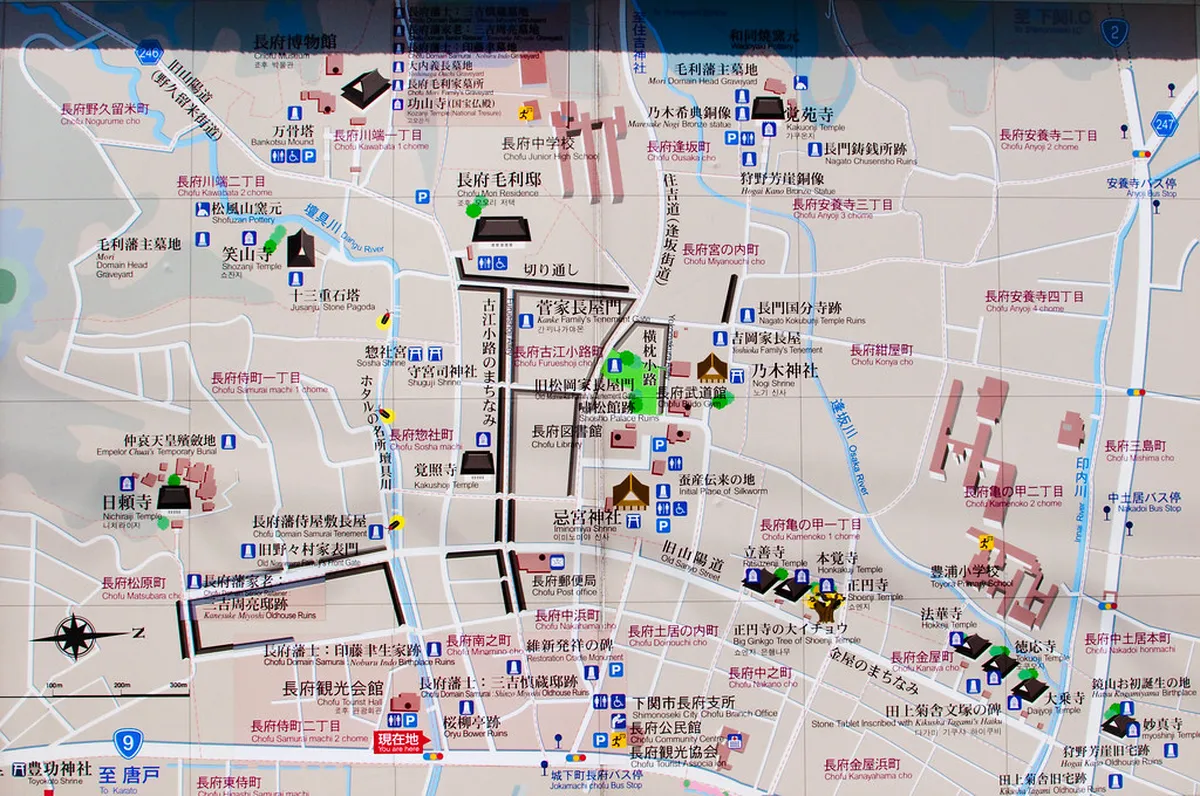
A local JR train connects Shin-Shimonoseki and downtown Shimonoseki in roughly 10 minutes. For an overnight stay, use the Shimonoseki things-to-do guide to plan nearby stops. Options include Akama Shrine, Hinoyama Park, and the Chofu historic district.
Winter remains fugu's traditional peak season, but modern processing infrastructure means licensed restaurants serve it year-round. This flexibility, combined with a 30-minute Shinkansen from Fukuoka, makes a fugu-focused day or overnight trip feasible in any season.
Mistakes to Avoid in Shimonoseki
A few planning missteps come up often enough to flag directly, and avoiding them keeps a fugu trip from going sideways before the meal even starts.
- Confusing Shin-Shimonoseki Station (the Shinkansen stop) with Shimonoseki Station (the downtown stop near Karato Market) — they are separate stations about a 10-minute local train ride apart.
- Showing up on a weekday expecting Karato Market's food stalls to be open — the Iki-iki Bakkan-gai stalls run Friday through Sunday and holidays only.
- Expecting ryotei-level fugu, such as a full course at Shunpanro, to be priced like a market stall snack — set expectations for a higher price bracket and book ahead.
- Assuming fugu is only available in winter — the season is traditionally peak, but licensed restaurants serve it year-round.
Torafugu: The Premium Fugu to Look For
When Shimonoseki restaurants talk about top-grade fugu, the benchmark is usually torafugu, or tiger pufferfish, the species most closely associated with formal fugu courses. It is prized for firm, clean-tasting flesh that works especially well as tessa sashimi and tecchiri hot pot, where texture matters as much as flavor.
For travelers comparing menus, torafugu helps explain why one fugu meal can feel like a casual market snack while another becomes a major dining splurge. Karato Market stalls may offer accessible fugu sushi, soup, or fried pieces. Ryotei and specialist restaurants are more likely to highlight torafugu in full courses that move from sashimi to hot pot and zosui. Some menus distinguish between wild and farmed torafugu, with wild fish generally treated as the more premium seasonal option. If the menu is unclear, ask whether the course uses torafugu and whether the meal includes tessa, tecchiri, and the finishing zosui.
Further reading: Shimonoseki on Wikivoyage · Shimonoseki on Wikipedia
Frequently Asked Questions
Is fugu actually safe to eat in Shimonoseki?
Yes, when eaten at a registered restaurant. Only chefs who have completed rigorous training and passed certification exams are legally permitted to clean and serve fugu in Japan. Shimonoseki's licensing and processing systems, rooted in the 1947 Food Sanitation Act, are built specifically around that safety standard.
What is the difference between Shin-Shimonoseki Station and Shimonoseki Station?
Shin-Shimonoseki Station is the Shinkansen stop used by bullet trains from Hiroshima, Osaka, Kyoto, Tokyo, and Fukuoka. Shimonoseki Station is the downtown stop near Karato Market and the city center, reached from Shin-Shimonoseki by a roughly 10-minute local JR train or by bus.
When is the best time to visit for fugu?
Winter is traditionally considered fugu's peak season, when the fish is said to taste best, but Shimonoseki's fishing and processing infrastructure means restaurants serve fugu year-round. As a result, a trip in any season can still include a proper fugu meal.
Should travelers choose Karato Market or a ryotei like Shunpanro?
Karato Market's weekend stalls suit budget-conscious travelers who want a casual, high-energy setting with fugu sushi and soup, available Friday through Sunday and holidays. A ryotei such as Shunpanro suits travelers wanting a formal, reservation-based full kaiseki course, at a noticeably higher price point.
Can Shimonoseki be visited as a day trip from Fukuoka?
Yes. The Shinkansen from Hakata Station to Shin-Shimonoseki Station takes about 30 minutes. This makes a fugu-focused day trip realistic for travelers based in Fukuoka, with a further local train ride of roughly 10 minutes needed to reach downtown Shimonoseki Station and Karato Market.
Free guide: Japan's Hidden Gems
12 under-the-radar places beyond Tokyo & Kyoto — with the best season to visit each and a local tip you won't find in the guidebooks.
You might also like
Continue reading
More guides you'll find useful