7 Must Visit Attractions In Hakata Old Town Travel Guide
Discover the 7 must-visit attractions in Hakata Old Town, from Kushida Shrine and the giant Buddha at Tochoji Temple to hidden zen gardens and free temples.
On this page
Hakata Old Town serves as the historical soul of Fukuoka, where ancient traditions meet modern urban life. This district preserves the merchant spirit that once made the city a vital gateway to mainland Asia.
Walking through these quiet streets allows you to discover stunning temples and vibrant local crafts tucked away from the skyscrapers. You can easily explore these cultural landmarks on foot due to their close proximity to the main station.
Our guide covers the Fukuoka Highlights found within this historic neighborhood to help you maximize your visit. Discover the spiritual sites and hidden gems that define the unique character of this coastal city.
Must-See 7 Attractions
The core of any visit involves exploring the spiritual landmarks that have stood for centuries in this district. These sites offer a glimpse into the religious evolution and artistic heritage of the Kyushu region. You will find that each location tells a specific story about the city's past trade and faith.
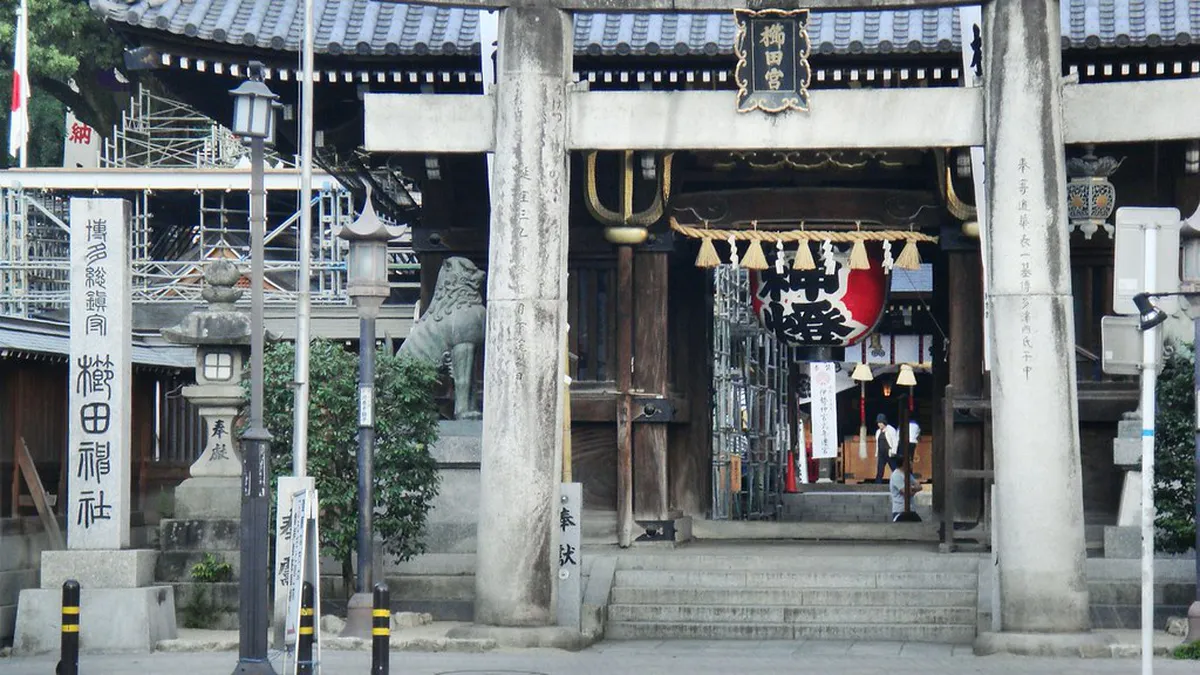
Kushida Shrine serves as the most important Shinto site for locals and hosts the famous summer festival. Visitors can see the massive decorative floats on display throughout the year within the shrine grounds. Check the Hakata Gion Yamakasa Festival 2026: 9 Essential Viewing Tips for timing your trip during this lively event.
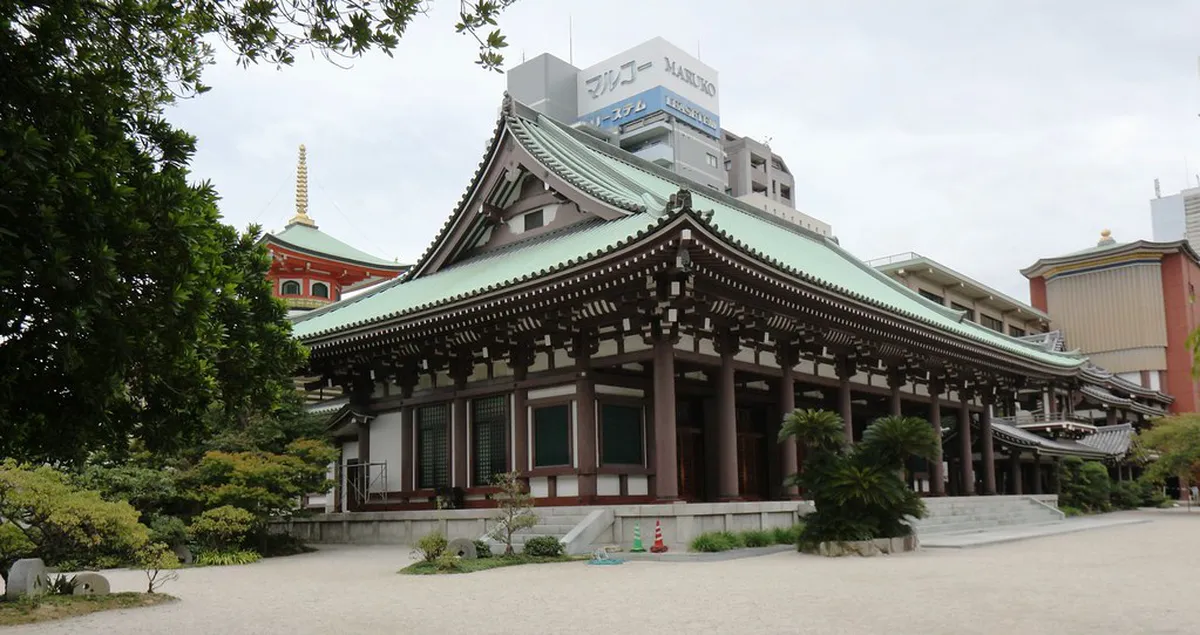
Tochoji Temple houses one of the largest wooden Buddha statues in Japan, which remains a breathtaking sight for travelers. The temple also features a vibrant five-story pagoda that stands out against the city skyline. Guests can experience the 'heaven and hell' walk beneath the Buddha for a unique spiritual journey.
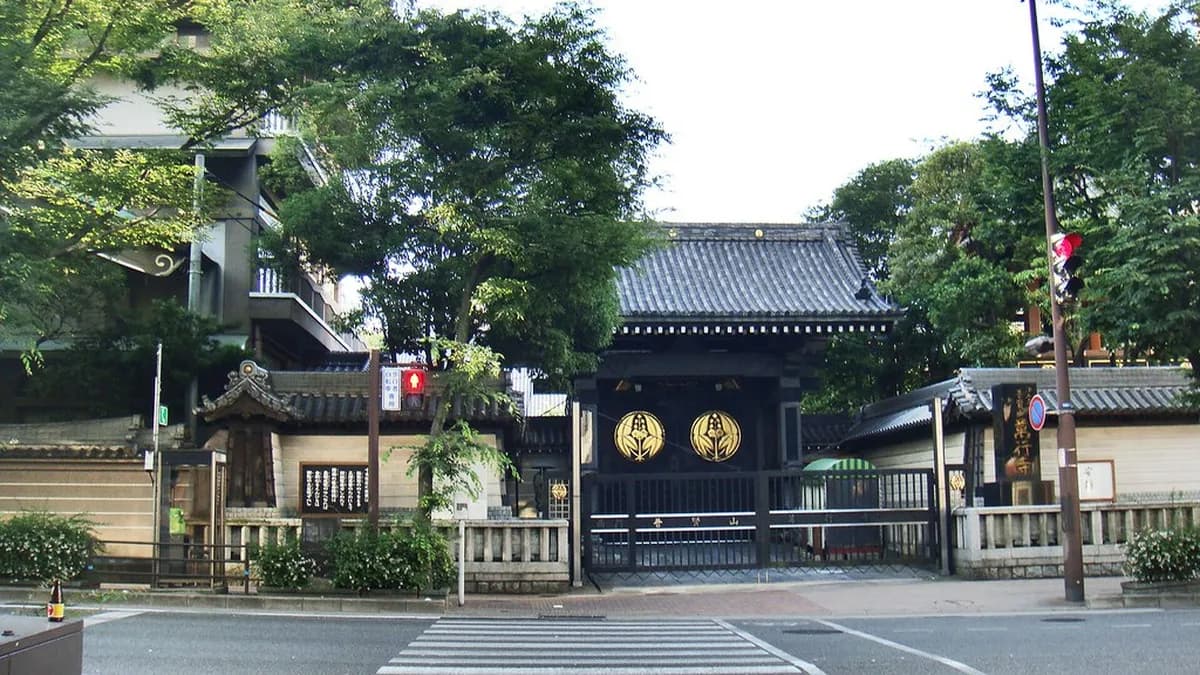
Walking through the Hakata Sennen-no-Mon Gate signals your entry into the sacred atmosphere of the temple district. This wooden gate was reconstructed recently using traditional techniques to welcome visitors to the old town. It serves as a perfect starting point for a self-guided walking tour through the quiet backstreets.
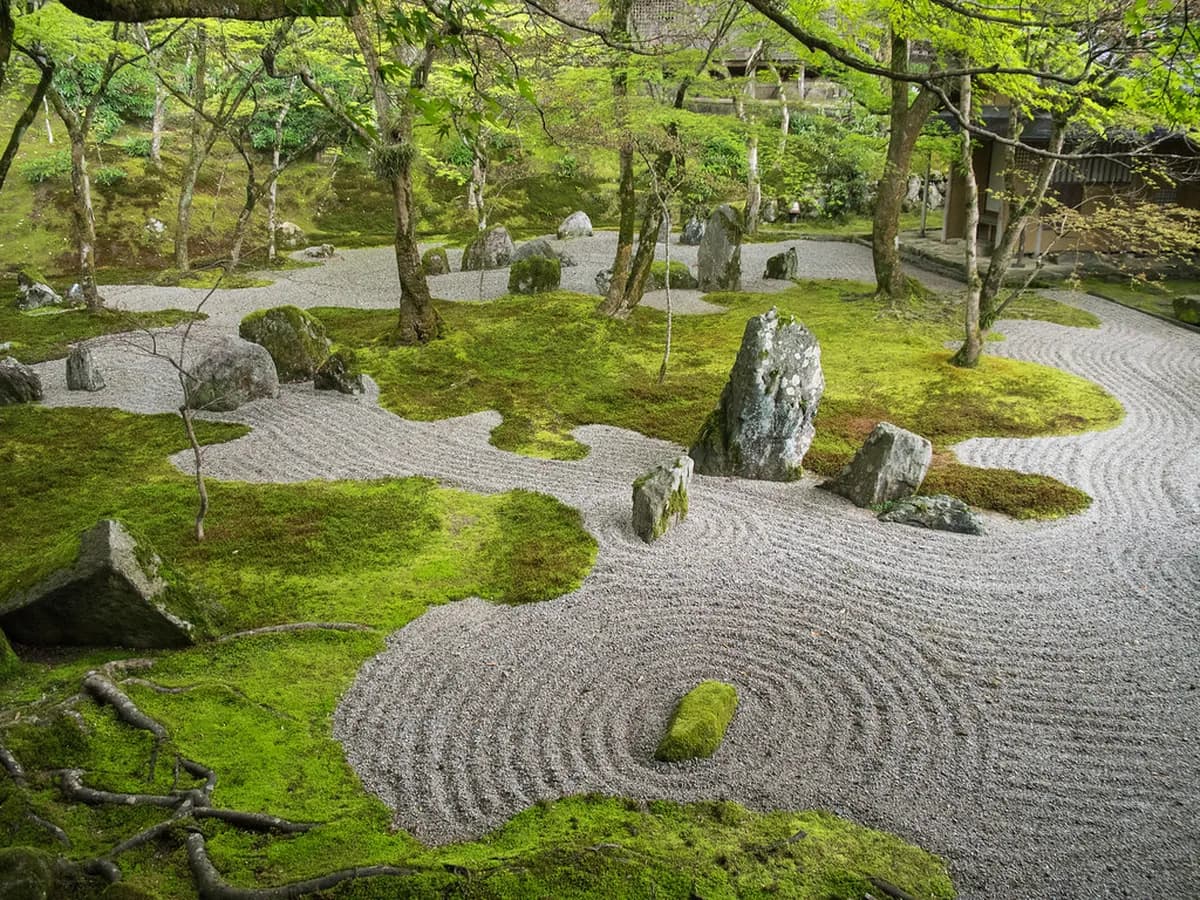
Jotenji Temple is famous as the birthplace of Japanese staple foods like udon, soba, and manjū cakes. Stone monuments on the grounds commemorate these culinary origins, making it a must-visit for food history enthusiasts. The zen garden here offers a peaceful environment for quiet contemplation during your afternoon walk.
| # | Attraction | Type | Best For | Entry Cost |
|---|---|---|---|---|
| 1 | Kushida Shrine | Shinto Shrine | Festival history; Yamakasa floats | Free |
| 2 | Tochoji Temple | Buddhist Temple | Japan's largest wooden Buddha; five-story pagoda | Small fee for Buddha hall |
| 3 | Hakata Sennen-no-Mon | Historic Gate | Photography; walk entry point | Free |
| 4 | Jotenji Temple | Zen Temple | Food history (birthplace of udon & soba); zen garden | Free (grounds) |
| 5 | Shofukuji Temple | Zen Temple | Japan's first Zen site; ancient architecture | Free (grounds) |
| 6 | Myorakuji Temple | Buddhist Temple | Tea culture history | Free |
| 7 | Kaigenji Temple | Buddhist Temple | Unique Enmado Hall statues | Free |
- Kushida Shrine: The Spiritual Heart of Hakata
- Type: Shinto Shrine
- Best for: Festival history
- Where: Near Canal City
- Cost: Free entry
- Tochoji Temple: Home of the Great Buddha
- Type: Buddhist Temple
- Best for: Massive carvings
- Where: Gion Station area
- Cost: Small fee for Buddha
- Hakata Sennen-no-Mon: The Welcome Gate
- Type: Historic Gate
- Best for: Photography
- Where: Entry to Jotenji street
- Cost: Free
- Jotenji Temple: Origin of Japanese Noodles
- Type: Zen Temple
- Best for: Food history
- Where: Near Sennen-no-Mon
- Cost: Free grounds
- Shofukuji Temple: Japan's First Zen Site
- Type: Zen Temple
- Best for: Ancient architecture
- Where: Central Old Town
- Cost: Free grounds
- Myorakuji Temple: The Gateway for Tea
- Type: Buddhist Temple
- Best for: Tea history
- Where: Walking distance from Gion
- Cost: Free
- Kaigenji Temple: Enmado Hall Traditions
- Type: Buddhist Temple
- Best for: Unique statues
- Where: Near Gofukumachi
- Cost: Free
Museums, Art, and Culture in 7
The cultural landscape of Hakata extends beyond its temples into world-class museums and craft centers. These institutions preserve the intricate skills of local artisans who have produced textiles and dolls for generations. You can witness live demonstrations of Hakata-ori weaving at the Machiya Folk Museum.
Art lovers should prioritize a visit to the Fukuoka Asian Art Museum for its unique collection. This gallery focuses exclusively on modern and contemporary works from various Asian countries and regions. It provides a broader perspective on the city's role as a cultural crossroads in the modern era.
The Hakata Traditional Craft and Design Museum showcases the refined beauty of Hakata dolls and lacquerware. Visitors can learn about the complex firing processes used to create these delicate clay figures. Interactive displays help explain how these crafts evolved from simple folk art into highly prized collectibles.
Small private galleries often line the streets near the main temples, offering contemporary takes on traditional themes. Exploring these spaces allows you to meet local artists and perhaps purchase a unique souvenir. These cultural stops provide a necessary balance to the historical focus of the temple district.
Parks, Gardens, and Outdoor Spots in 7
Finding green space in a dense city is essential for a relaxing travel experience. Rakusuien Garden is a hidden gem that features a beautiful pond and a traditional tea house. You can enjoy a bowl of matcha while looking out over the carefully manicured seasonal landscape.
The temple grounds themselves often function as public parks where locals go to enjoy the changing seasons. Cherry blossoms in spring and fiery maples in autumn transform these sacred spaces into colorful retreats. Most temple courtyards remain open to the public during daylight hours for quiet strolls.
Reisen Park serves as a central hub for outdoor events and provides a breath of fresh air near the historic district. It is a popular spot for office workers and families to enjoy lunch under the trees. The park often hosts small festivals or markets that add local flavor to your visit.
Walking along the Mikasa River offers a different perspective on the old town's geography and urban layout. The riverside paths are well-maintained and provide a scenic route between different attraction clusters. This outdoor connection helps you appreciate the maritime history that shaped the development of Hakata.
Family-Friendly and Budget-Friendly Options in 7
Traveling with a family or on a strict budget is easy when exploring the 7 must visit attractions in hakata old town. Most of the primary temples do not charge an entrance fee to wander through their outer grounds. You can find more budget travel fukuoka free things to do to keep your costs low.
The Hakata Machiya Folk Museum offers affordable entry and features interactive exhibits that engage children and adults alike. Kids often enjoy watching the mechanical displays and seeing how people lived in the Meiji era. The museum shop also sells reasonably priced local toys and traditional snacks.
The district is largely flat and pedestrian-friendly, making it easy to navigate with strollers or small children. Wide sidewalks and clear signage ensure that families can move safely between the different historical sites. Plenty of small convenience stores provide quick and cheap refreshment options along the walking route.
Local shrines often have small play areas or open spaces where children can move around freely between temple visits. Engaging with the local culture through simple activities like fortune-drawing is both fun and inexpensive. These small moments create lasting memories without requiring a large financial investment from travelers.
How to Plan a Smooth 7 Attractions Day
Efficiency is key when trying to see multiple sites in a single day without feeling rushed. Start your morning at Kushida Shrine to beat the larger tour groups that typically arrive after ten o'clock. You can use this Itinerary Map (Google Maps) to visualize the best walking path.
Consider purchasing a day pass for the Fukuoka City Subway if you plan to travel beyond the old town. While the historic district is walkable, the subway is perfect for reaching further spots like Ohori Park. Check our Fukuoka 1-Day Itinerary 2026: 9AM–11PM Schedule for Short-Stay Travelers for more logistical tips.
Staying connected is vital for navigating the narrow alleys and finding specific temple entrances. We recommend renting a Pocket Wi-Fi device to ensure you have reliable GPS access throughout the day. This tool helps you find hidden cafes and restaurants that might not be on standard tourist maps.
Learning Fukuoka Airport to City Center 2026: Subway, Bus & Taxi Transfer Guide will save you time on your arrival day. Most visitors can drop their bags at a hotel near Hakata Station and start exploring immediately. This quick transition allows for a full day of sightseeing even on your first day in Kyushu.
Japan Rail Pass
The Japan Rail Pass is a powerful tool for those using Fukuoka as a base to explore the rest of Kyushu. You can exchange your voucher at the Hakata Station JR office upon arrival in the city. This station serves as a major hub for both the Sanyo and Kyushu Shinkansen lines.
Travelers should note that the JR Pass does not cover the local city subway system in Fukuoka. You will need a separate IC card or subway pass for getting around the old town district efficiently. However, the pass is excellent for day trips to nearby historic towns like Dazaifu or Yanagawa.
Reserving seats on the Shinkansen is free with the pass and highly recommended during peak travel seasons in 2026. Use the green machines or visit the ticket office to secure your spots a day in advance. This planning ensures a comfortable journey when you decide to venture further into the Japanese countryside.
Evaluate your total travel distance before purchasing a nationwide pass versus a regional Kyushu Rail Pass. If you are only staying on the southern island, the regional version often provides better value for your money. Both options allow for seamless travel between the major cities and scenic rural areas of Japan.
Planning your stay in Fukuoka
Choosing the right neighborhood for your accommodation can significantly impact your overall experience in the city. Staying near Hakata Station offers the best transport links, while Tenjin provides a more vibrant nightlife and shopping scene. You can find great deals on Booking.com Fukuoka for various budgets.
Evening dining in Fukuoka is incomplete without visiting the iconic open-air food stalls known as Yatai. These small stalls serve delicious ramen, oden, and grilled skewers in a cozy communal atmosphere. Be sure to read our how to eat at fukuoka yatai etiquette guide to understand the local customs.
Spring and autumn are the most pleasant times to visit due to the mild weather and beautiful natural colors. Summer can be quite humid, but it coincides with the major festivals that bring the old town to life. Winter is generally mild and offers a quieter atmosphere for those who prefer avoiding large crowds.
Booking your hotel several months in advance is recommended if your visit overlaps with major Japanese holidays. Use platforms like Agoda Fukuoka Hotels to compare prices and read recent guest reviews. Early planning ensures you secure a convenient location near the 7 must visit attractions in hakata old town.
Frequently Asked Questions
Which 7 must visit attractions in hakata old town options fit first-time visitors?
First-time visitors should prioritize Kushida Shrine and Tochoji Temple for their scale and cultural significance. These sites offer the most visual impact and are easy to navigate. Add the Hakata Machiya Folk Museum for a deeper understanding of local history. You can find more details on our homepage.
How much time should you plan for 7 must visit attractions in hakata old town?
You should set aside approximately four to six hours to see the main sites at a comfortable pace. This allows for walking time between temples and a short break for lunch or tea. If you visit museums, plan for a full eight-hour day to avoid rushing through exhibits.
What should travelers avoid when planning Must-See 7 Attractions?
Avoid visiting the temples during major religious ceremonies unless you intend to participate quietly. Do not forget that many small shops and local museums may close on Mondays or specific public holidays. Always check the official websites for temporary closures before you start your walking tour in the morning.
Is 7 must visit attractions in hakata old town worth including on a short itinerary?
Yes, the district is highly recommended for short stays because the attractions are clustered together. You can experience a significant amount of Japanese history and culture in just a few hours. Its proximity to the main shinkansen station makes it a perfect half-day activity before catching a train.
How much time should you plan for Museums, Art, and Culture in 7?
Plan for about one to two hours per museum depending on your level of interest in the specific subject. The Folk Museum is smaller and can be seen quickly, while the Asian Art Museum requires more time. Grouping these with nearby temples helps create a balanced and efficient daily schedule.
Exploring the 7 must visit attractions in hakata old town provides a profound connection to the historical roots of Fukuoka. From the towering Buddha at Tochoji to the quiet zen gardens of Jotenji, each site offers a unique perspective.
The blend of ancient spiritual sites and modern cultural museums makes this district a highlight for any traveler to Kyushu. You can easily tailor your walking route to match your interests in history, art, or local food traditions.
Visit JapanActivity for more expert advice on planning your next adventure in the Land of the Rising Sun. We hope this guide helps you create an unforgettable itinerary through the charming streets of Hakata.
Free: The Fukuoka Essentials guide
Top things to do, where to stay, a perfect day plan, getting around, and the best time to go — a Fukuoka mini-guide you can take offline.
You might also like


Continue reading
More guides you'll find useful