Fukuoka 1-Day Itinerary 2026: 9AM–11PM Schedule for Short-Stay Travelers
Hakata Station (9AM) → Kushida Shrine → Ohori Park → Tenjin shopping → Nakasu yatai (6PM+). Full 2026 plan with walking times, transit fares & luggage tips.
On this page
Fukuoka offers a perfect mix of modern city life and ancient Japanese history for travelers on a tight schedule. This coastal city serves as the gateway to Kyushu Island and provides some of the best food in Japan. You can explore the most iconic Fukuoka Highlights in just one day with a smart plan. This guide ensures you see the top sights without feeling rushed during your short visit.
The city is uniquely compact, making it one of the easiest Japanese destinations to navigate in 24 hours. Efficient subway lines connect the airport, train stations, and major attractions within minutes. Visitors often find the local hospitality and relaxed atmosphere a refreshing change from larger metropolises. Prepare to experience world-class ramen, historic shrines, and beautiful waterfront views all in a single day.
A Brief History and Facts About Fukuoka
Fukuoka was originally two separate cities known as Hakata and Fukuoka before they merged in 1889. Hakata was a bustling merchant port, while Fukuoka served as the prestigious castle town for the local samurai. This dual identity explains why the main railway hub is called Hakata Station despite being in Fukuoka City. Understanding this distinction helps travelers navigate the different atmospheres found in each district today.
The city has long served as an important link between Japan and mainland Asia due to its location. Ancient trade routes brought diverse cultural influences that shaped the local cuisine and religious traditions. Today, it stands as a modern hub for startups and international business while preserving its deep historical roots. You will notice this blend of old and new as you walk between sleek shopping malls and quiet temple grounds.
Essential Planning Tips for a Short Stay
Hakata Station has coin lockers on the first floor and in the basement that fill up more slowly than the popular second-floor lockers. Store your bags there and start exploring immediately after arrival.
Fukuoka Airport is famous for being incredibly close to the city center and main transit hubs. You can learn Fukuoka Airport to City Center 2026: Subway, Bus & Taxi Transfer Guide to save time. This 15-minute advantage is a major benefit for anyone arriving by air for a quick stopover. Taking the subway is the most reliable way to reach your hotel or Hakata Station immediately.
Managing your bags is critical when you only have one day to explore the city. Hakata Station offers thousands of coin lockers, but the ones on the second floor fill up very quickly. Pro-tip: Head to the lockers on the first floor or the basement levels for better availability during peak hours. Using these storage options allows you to move freely without dragging heavy suitcases through the streets.
Planning your route in advance will help you avoid backtracking and wasting precious daylight. Consult the Itinerary Map (Google Maps) to visualize the walking distances between major landmarks. Most central attractions are grouped into clusters that are easily reachable by the Kuko Subway Line. Setting a loose schedule allows for flexibility if you find a shop or cafe you want to enjoy longer.
Morning: Ohori Park and Fukuoka Castle Ruins
Start your morning at Ohori Park, which features a massive pond that once served as a castle moat. The walking path around the water is exactly two kilometers long and popular with local joggers. You can enjoy a coffee at the lakeside cafe while watching the ducks and turtles in the water. This peaceful setting provides a calm start before the city becomes busy with midday crowds.
Just a short walk from the park, you will find the historic Maizuru Park and Fukuoka Castle Ruins. While few original buildings remain, the massive stone walls and gates offer a glimpse into the samurai era. The observation platform at the top of the ruins provides a great panoramic view of the skyline. This area is especially beautiful during the cherry blossom season when hundreds of trees bloom at once.
Many of these outdoor spaces are among the best budget travel fukuoka free things to do for visitors. Entrance to the main park grounds is free, making it an excellent choice for cost-conscious travelers. Spend about two hours here to fully appreciate the landscaping and historical markers. The nearby Fukuoka Art Museum is also worth a quick look if you enjoy modern exhibits.
Midday: Fukuoka Tower and Seaside Momochi
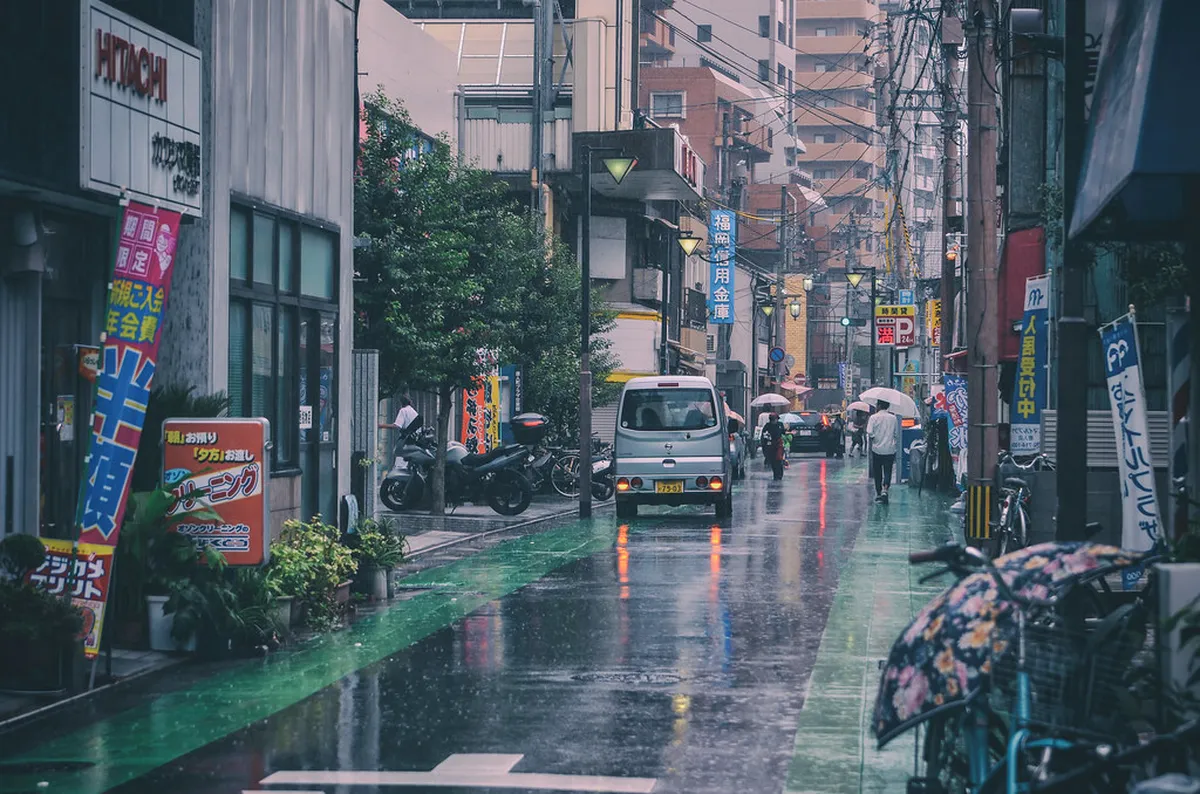
Head toward the coast to visit Seaside Momochi, a modern waterfront district built on reclaimed land. The area features a man-made beach, futuristic buildings, and several interesting museums. It offers a stark contrast to the traditional temples you will see later in the afternoon. Walking along the boardwalk provides a refreshing sea breeze and plenty of photo opportunities.
The centerpiece of this district is the iconic Fukuoka Tower, which stands at 234 meters tall. It is the tallest seaside tower in Japan and features a striking triangular design covered in mirrors. The observation deck offers 360-degree views of the city, Hakata Bay, and the distant mountains. Visiting during the day allows you to see the coastal islands clearly from the high windows.
For lunch, explore the various restaurants located within the nearby Nagahama Fish Market area. You can find incredibly fresh seafood bowls and local specialties at very reasonable prices. The market atmosphere is energetic and provides an authentic look at the local fishing industry. Try the sesame mackerel, a local favorite that showcases the high quality of regional seafood.
Afternoon: Tenjin Shopping and Cultural Temples
Take the subway back toward the center to explore Tenjin, the primary shopping and entertainment hub. The Tenjin Chikagai is a massive underground mall with over 150 shops designed like a European street. It is the perfect place to find unique souvenirs or escape the weather on a rainy day. Above ground, large department stores and trendy boutiques line the busy main intersections.
After shopping, walk toward the Hakata Old Town area to visit some of the city's most sacred sites. Tocho-ji Temple is home to a massive wooden Great Buddha that stands over ten meters tall. You can also explore the 7 must visit attractions in hakata old town within a small walking radius. These temples offer a quiet refuge from the bustling commercial energy of the Tenjin district.
Do not miss Kushida Shrine, which is considered the guardian shrine of the entire city. It hosts the famous Yamakasa festival and displays one of the massive decorative floats year-round. The intricate carvings and traditional architecture make it a highlight for any cultural enthusiast. Check the Kushida Shrine Official Info for details on seasonal ceremonies and visiting hours.
Evening: Canal City and Nakasu Yatai Stalls
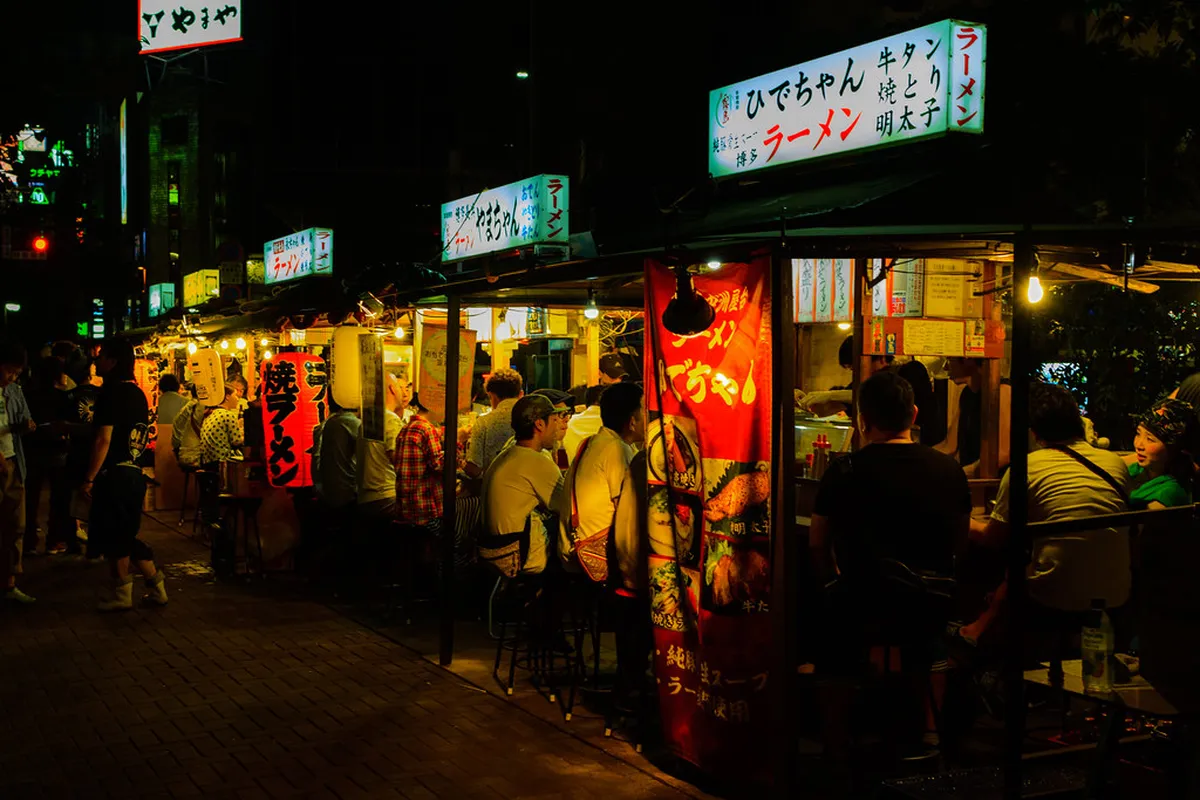
Yatai food stalls close on rainy nights and when winds are strong. Check the evening forecast before planning dinner at Nakasu — have a sit-down ramen shop as a backup option.
As the sun sets, make your way to Canal City Hakata, a large shopping and entertainment complex. The building features a unique curved design with a canal running through the center of the mall. Watch the spectacular fountain shows that happen every half hour with music and light displays. It is a great spot to grab a snack or browse international brands before dinner.
For a truly local experience, walk to the nearby Nakasu Island to find the famous Yatai food stalls. These mobile outdoor kitchens serve everything from grilled skewers to the world-famous Hakata Ramen. Dining at a Yatai allows you to rub elbows with locals in a cozy and social environment. The atmosphere along the riverbank becomes very lively as the city lights reflect off the water.
Eating at these stalls requires following a few simple rules to ensure everyone has a good time. Review the how to eat at fukuoka yatai etiquette guide before you sit down. Expect to pay in cash and keep your visit relatively short if there is a line of people waiting. Ordering at least one drink per person is standard practice at almost every stall in the city.
- Yatai Dining Etiquette Rules
- Order: one drink minimum
- Payment: cash only accepted
- Stay: avoid long lingering
- Groups: small parties only
Where to Stay for a 24-Hour Visit
Choosing the right location is essential when you have limited time for your visit. Hakata is the best choice for those arriving by Shinkansen or flying into the nearby airport. Staying near the station allows you to drop off your bags and start exploring immediately. You can find many business hotels on Booking.com Fukuoka that offer great value.
Tenjin is the ideal neighborhood if you want to be in the heart of the nightlife and shopping scene. This area stays active late into the night and is closer to the Yatai food stalls. It offers a wider variety of trendy boutique hotels and modern hostels for younger travelers. Check Agoda Fukuoka Hotels for the latest availability and guest reviews in this district.
Both areas are connected by a short subway ride, so you cannot go wrong with either choice. Hakata tends to be slightly quieter at night, while Tenjin is more energetic and crowded. Consider your morning departure time when deciding which end of the city to book. Being close to a Kuko Line station will make your trip back to the airport very simple.
Best Time to Visit and Seasonal Events
Spring and autumn are widely considered the best times to visit Fukuoka for pleasant weather. Late March to early April brings the cherry blossoms to parks across the city. October and November offer cool temperatures and vibrant red leaves in the temple gardens. Consult the Japan Travel Climate Data to help pack the right clothing for your trip.
The city hosts several major festivals that can significantly change the atmosphere of your visit. The Hakata Gion Yamakasa in July is a high-energy event featuring massive floats racing through the streets. You can check the Hakata Gion Yamakasa Festival 2026: 9 Essential Viewing Tips for planning. Be aware that hotels book up months in advance during these popular festival weeks.
Winter is often overlooked but can be a great time for foodies to visit the city. Hot pots like Mizutaki and Motsunabe are local specialties that taste best during the colder months. The city also features beautiful holiday light displays around Hakata Station and Canal City. Crowds are generally smaller, making it easier to get a seat at popular ramen shops.
| Day trip | From | Travel time | Fare (one way) | Highlight |
|---|---|---|---|---|
| Dazaifu Tenmangu | Tenjin Station (Nishitetsu) | ~40 min | ¥420 | Shrine + umegae mochi |
| Nanzoin Temple | Hakata Station (JR Sasaguri) | ~25 min | ¥280 | Giant reclining Buddha |
| Itoshima | Hakata (JR Chikuhi) | ~30 min | ¥460 | Wedded rocks, fresh oysters |
| Yanagawa | Tenjin Station (Nishitetsu express) | ~45 min | ¥830 | Canal boat ride |
Japan Rail Pass and Local Transport Logistics
The Japan Rail Pass is excellent for getting to Fukuoka but has limited use within the city. You cannot use the JR Pass on the Fukuoka City Subway lines. Most visitors find that buying a Subway Day Pass is the most cost-effective option for a short stay. This pass allows for unlimited rides and often pays for itself after just three trips.
If you prefer not to use a day pass, any major IC card like Suica or Pasmo will work perfectly. Simply tap your card at the gates of the subway or when boarding local buses. Buses are also a great way to reach the coastal areas that the subway does not cover directly. The city is very walkable, so you may only need public transit a few times throughout the day.
Taxis are readily available and can be a good option for groups of three or four people. They are clean, safe, and use meters to ensure fair pricing for every journey. However, traffic in Tenjin can be heavy during rush hour, so the subway is often faster. Most drivers do not speak fluent English, so having your destination written in Japanese is helpful.
Alternative Routes for Different Traveler Types
The standard 9AM–11PM plan above suits most short-stay visitors, but Fukuoka rewards travelers who tailor their day around a specific theme. Below are three variant routes that swap the order, pacing, and stops to match different priorities. Each variant still uses Hakata Station as the start and finish point, so luggage logistics remain identical.
Route A: Samurai History to Modern Towers (cultural deep-dive)
This themed route traces the city's evolution from feudal castle town to high-tech metropolis in a single arc. Begin at 9AM at Kushida Shrine to see the year-round Yamakasa float, then walk to Tochoji Temple for the ten-meter wooden Great Buddha and the symbolic heaven-and-hell tunnel. Continue through Hakata Old Town past the stone monuments marking the birthplace of udon, then ride the subway to Akasaka for the Fukuoka Castle Ruins inside Maizuru Park. Spend an hour on the elevated stone walls picturing the Kuroda clan's domain, then cross into Ohori Park for lunch at the lakeside cafe. In the afternoon, shift to the modern half: take a bus to Seaside Momochi, ascend Fukuoka Tower (234m, the tallest seaside tower in Japan) for 360-degree bay views, and finish at Robosquare for an interactive look at Japan's robotics future. The history-to-towers contrast is most striking near sunset when the mirrored tower glows above the reclaimed coastline.
Route B: First-Timer Essentials (10 must-see stops)
If this is your first visit to Japan or to Kyushu, prioritize the canonical stops over depth. Anchor stops in order: (1) Hakata Station luggage drop, (2) Kushida Shrine, (3) Tochoji Temple wooden Buddha, (4) Hakata Old Town walk, (5) Tenjin lunch — a kata-firmness tonkotsu ramen with a kaedama noodle refill, (6) Fukuoka Tower observation deck, (7) Momochi Seaside Park boardwalk, (8) Ohori Park afternoon stroll, (9) Canal City Hakata fountain show, (10) Nakasu yatai dinner. This route favors photo-worthy icons over hidden corners and keeps every stop within 10 minutes of a subway exit. First-timers should remember the Hakata-versus-Fukuoka name quirk — the station is Hakata, the city is Fukuoka, and the dialect is Hakata-ben — and lean on English signage which is widespread on the Kuko Line.
Route C: Festival-Season Walking Route (July Yamakasa)
If you arrive between July 1 and 15, swap the standard plan for a walking-only route built around the Hakata Gion Yamakasa festival. Start at 9AM at Kushida Shrine to view the towering Kazariyama decorative floats while crowds are still light. Walk 15 minutes to Jotenji Temple, passing the stone monuments that mark the origin of udon and soba in Japan. Continue through the Kawabata Shotengai covered arcade for festival snacks (yakisoba 500–700 yen, Hakata ramen around 800 yen) and smaller display floats sheltered from the summer sun. End at Tochoji Temple in the early evening, when the five-story pagoda is illuminated and the 200-yen Buddha chamber stays open for quiet visits. Budget roughly 2,000 yen for food and small entry fees; everything else on this route is free. Subways run packed during festival peaks, so walking between sites is genuinely faster — wear supportive sneakers and carry a refillable water bottle for the humidity. The climactic Oiyama race happens at 4:59 AM on July 15, so plan an early-morning return to Kushida Shrine if your dates align.
Recommended Day Trips from Fukuoka
If you have an extra day, Dazaifu Tenmangu Shrine is the most popular excursion from the city. It is dedicated to the deity of education and features a beautiful pond and thousands of plum trees. The approach to the shrine is lined with shops selling Umegae-mochi, a delicious grilled rice cake. You can reach Dazaifu in about 30 minutes using the Nishitetsu Railway from Tenjin Station.
Another fantastic option is the Nanzoin Temple, which houses a massive bronze reclining Buddha. It is one of the largest bronze statues in the world and is located in a scenic forest setting. The train ride from Hakata Station takes about 25 minutes on the JR Sasaguri Line. This site offers a more spiritual and quiet experience compared to the busy city center.
Beach lovers should consider a trip to Itoshima, a coastal peninsula known for its sunset views. It features the famous 'Married Couple Rocks' connected by a heavy straw rope in the ocean. The area is also famous for its fresh oysters and trendy cafes overlooking the water. Renting a car is the best way to explore the various scenic spots along the Itoshima coast.
- Best Nearby Excursions
- Dazaifu: famous for education
- Nanzoin: giant reclining Buddha
- Itoshima: scenic coastal views
- Yanagawa: traditional river canals
With an extra day or two, expand into our 3-day Fukuoka itinerary.
Frequently Asked Questions
How do I get from Fukuoka Airport to the city center quickly?
The fastest way is by taking the Fukuoka City Subway Kuko Line. It takes only 5 minutes to reach Hakata Station and about 11 minutes to reach the Tenjin area. This is one of the most efficient airport connections in the world for travelers.
Is one day enough to see Fukuoka?
Yes, one day is sufficient to see the main urban highlights like Ohori Park, Kushida Shrine, and the Yatai stalls. While you won't have time for distant day trips, the compact city center is very easy to cover in 24 hours.
What is the best area to stay in Fukuoka for a short trip?
Hakata is the best area for convenience, especially if you are using the Shinkansen or have an early flight. Tenjin is better if you want immediate access to the best shopping, nightlife, and street food culture in the city.
Are the Yatai food stalls open every night?
Most Yatai stalls open nightly around 6:00 PM, but many close on Sundays or during heavy rain and high winds. It is best to have a backup restaurant plan if the weather looks poor during your evening visit.
Can I use the Japan Rail Pass on the Fukuoka Subway?
No, the JR Pass is not valid on the municipal subway system. You will need to purchase separate tickets, use a Subway Day Pass, or pay with an IC card like Suica. However, the JR Pass is valid on local JR train lines within the city.
Fukuoka is a vibrant and welcoming city that rewards travelers who plan their time carefully. From the historic ruins of the castle to the modern glow of the Yatai stalls, there is something for everyone. Following this itinerary will help you experience the very best of the city in just one day. Enjoy your short stay and the incredible flavors of this Kyushu gem.
Free: The Fukuoka Essentials guide
Top things to do, where to stay, a perfect day plan, getting around, and the best time to go — a Fukuoka mini-guide you can take offline.
You might also like
Continue reading
More guides you'll find useful