10 Essential Tips: How To Eat At Fukuoka Yatai Etiquette Guide
Master Fukuoka yatai etiquette with our guide on seating, ordering, and unspoken rules. Learn what to eat and how to act like a local at Japan's famous food stalls.
On this page
Fukuoka Yatai Etiquette Guide: 10 Essential Tips for Foodies
Fukuoka's famous street food stalls offer a dining experience you cannot find anywhere else in Japan. These open-air kitchens serve delicious meals under the stars in busy city districts. Learning how to navigate these small spaces is the key to a successful night out.
Visiting these stalls is one of the top Fukuoka highlights for any traveler. You will find a warm atmosphere where locals and tourists sit shoulder to shoulder. Understanding the local customs ensures you respect the hard-working chefs and other diners.
Many visitors feel nervous about the unspoken rules of these unique outdoor eateries. Our guide provides the practical knowledge you need to eat like a local expert. Prepare for a night of incredible food and memorable social connections in Kyushu.
Start Your Fukuoka Food Adventure: Why Rules Matter
The yatai culture in Fukuoka dates back to the post-war era when mobile food carts first appeared. Today, these stalls represent a cherished tradition that defines the nightlife of the city. Most yatai only have space for about eight to ten people at a single time.
Because the physical space is so limited, every seat is incredibly valuable to the owner. Rules exist to ensure that as many people as possible can enjoy the food and atmosphere. Following these guidelines helps maintain the harmony between the chef and the customers.
Locals take pride in their yatai and expect visitors to treat the space with care. Small gestures of respect go a long way in creating a friendly environment for everyone. Learning the basics will make your food adventure much more relaxing and enjoyable.
The Silent Signals: How to Seat, Order, and Pay
When you arrive at a busy stall, do not simply sit down in an empty seat. Wait at the entrance and catch the eye of the chef or a staff member. They will signal to you when a spot is ready or ask you to wait.
Once seated, it is customary to order a drink before looking at the food menu. This signal tells the chef that you are ready to start your dining experience. Most menus are tucked into the counter or hanging from the wooden stall frame.
When you are finished eating, signal for the bill by crossing your index fingers. Most yatai are cash-only establishments, so keep your yen ready for a quick transaction. Paying promptly allows the next person in line to take your seat without delay.
The Unwritten Rules of Yatai: Simple Manners
The most important rule to remember is the 'one drink' requirement for every guest. Stalls have very thin profit margins on food, so drink sales keep them in business. If you do not drink alcohol, ordering an oolong tea or ginger ale is perfectly acceptable.
Space management is another critical part of the yatai etiquette guide for visitors. Keep your bags on your lap or under your stool to avoid blocking the narrow walkway. Avoid spreading out your belongings on the counter where others need to place their plates.
Respect the history of the Hakata Old Town by being a mindful diner. Chefs appreciate customers who eat their food while it is hot and fresh. Talking to your neighbor is encouraged, but keep your voice at a moderate level.
What NOT to Do at Fukuoka’s Yatai
Never take photos of other customers or the chef without asking for permission first. While the stalls are very photogenic, privacy is highly valued in Japanese social settings. A quick nod or a polite question will usually get you a friendly 'yes' for a photo.
Avoid lingering for hours after you have finished your meal and your drink. A good rule of thumb is to limit your stay to about 45 to 60 minutes. Staying too long prevents the stall from serving new customers and earning a living.
Do not try to enter a yatai with a large group of five or more people. Splitting into smaller groups of two or three makes it much easier to find seating. Large groups can overwhelm the small kitchen and disrupt the flow of the evening.
How to Choose the Right Yatai for You
Finding the perfect stall can feel overwhelming with over 100 options across the city. Look for the 'Yatai Support' stickers which indicate the stall is officially licensed. You can find more details on the Go Fukuoka Official Tourism website.
Stalls with menus displayed in English or with pictures are usually very tourist-friendly. Observe the crowd to see if the atmosphere matches your preferred dining style. Some stalls focus on lively conversation while others are quiet spots for a quick bowl.
Check the prices listed on the menu before you sit down to avoid any surprises. Most stalls provide clear pricing for their main dishes and seasonal specials. Trust your instincts and choose a place that smells delicious and looks welcoming.
Yatai Dishes: The Soul of the City Beyond Ramen
While ramen is famous, many yatai offer a wide range of grilled and simmered dishes. Oden is a popular choice during the cooler months and features ingredients simmered in broth. Try the yakitori skewers which are grilled over charcoal for a smoky and savory flavor.
Many chefs specialize in the art of teppanyaki right on the small counter. You might see them tossing bite-sized gyoza or stir-frying local vegetables with pork. These small plates are perfect for sharing if you are dining with a companion.
Motsunabe is another local favorite that you can sometimes find in yatai portions. This offal hot pot is rich in flavor and very popular among Fukuoka residents. Seasonal seafood from the nearby coast often appears on the daily special boards.
Hakata Ramen: Fukuoka’s Most Famous Yatai Dish
No visit to a yatai is complete without trying a bowl of authentic Hakata ramen. The creamy tonkotsu broth is made by boiling pork bones for many hours. Thin, straight noodles are the standard for this style of ramen in Kyushu.
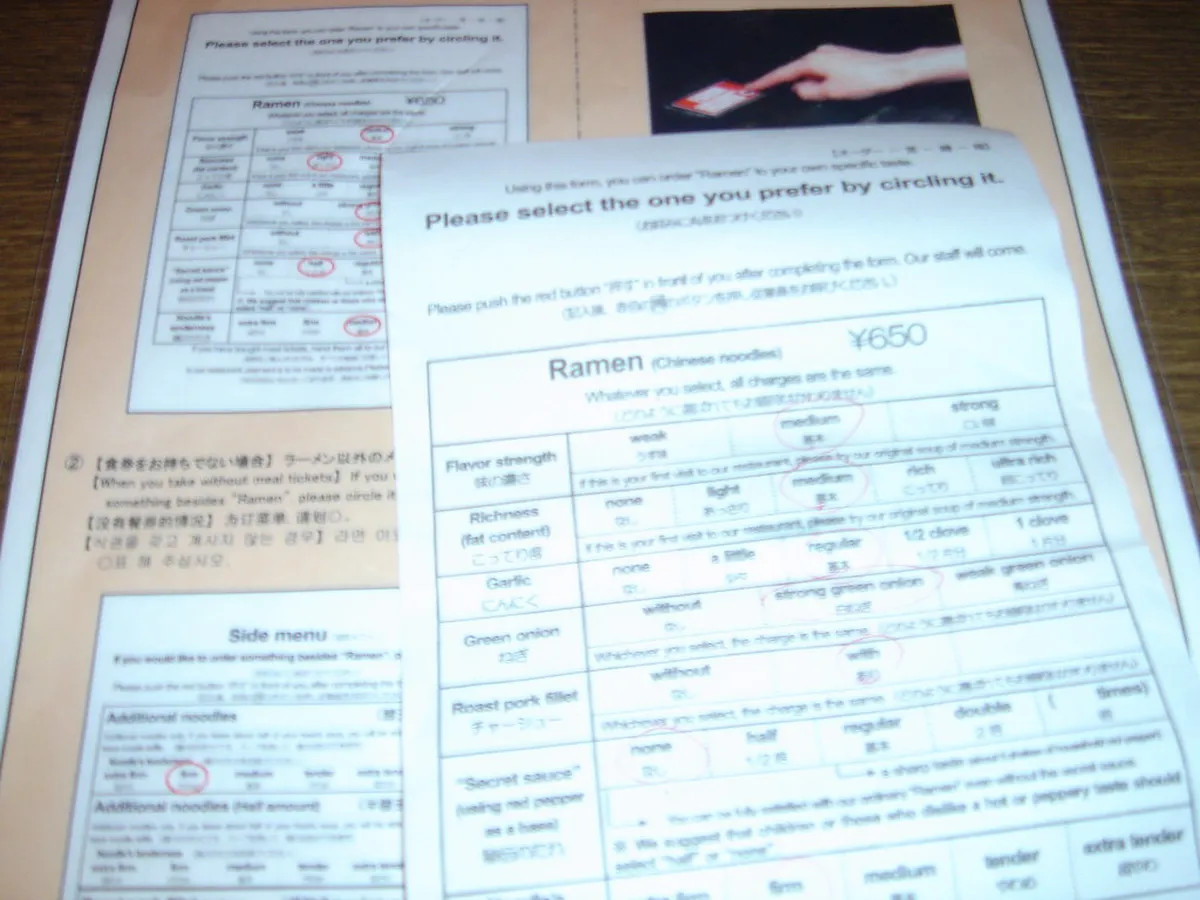
When ordering, you can often choose the firmness of your noodles from soft to very hard. If you finish your noodles but still have broth, you can order a 'kaedama' refill. This allows you to enjoy more noodles without paying for a full second bowl.
Eat your ramen quickly while the noodles are at their best texture. Slurping is not only acceptable but is seen as a compliment to the chef. It helps cool the noodles and enhances the flavor of the rich pork broth.
Top Yatai Districts: Nakasu vs. Tenjin vs. Nagahama
Each district offers a slightly different personality for your evening food crawl. Nakasu is the most photogenic area with stalls lined up along the riverbank. It is a great place to start if you want the classic Fukuoka experience.
Tenjin feels more like a local secret where office workers gather after a long day. The stalls here are spread out along the main sidewalks near the subway exits. You will find a wide variety of innovative dishes in the Tenjin area.
Nagahama is further from the center but offers a very traditional atmosphere. This area is famous for its history with the local fish market workers. It is the perfect spot for those who want to avoid the largest tourist crowds.
- Nakasu Island District
- Vibe: Most scenic and famous
- Location: Along the Naka River
- Best for: Tourists and views
- Crowds: Very busy on weekends
- Tenjin Business District
- Vibe: Local and authentic
- Location: Near major department stores
- Best for: After-work dining
- Price: Often more affordable
- Nagahama Fish Market Area
- Vibe: Quiet and traditional
- Location: Near the waterfront
- Best for: Ramen enthusiasts
- History: Birthplace of Nagahama ramen
Fukuoka Itinerary for Foodies: The Must-Do Route
Start your evening in the Tenjin area around 6:30 PM as the stalls begin to open. This allows you to secure a seat before the late-night crowds arrive. Our Fukuoka 1 day itinerary suggests exploring the downtown shops first.
After a few small plates in Tenjin, walk toward the Nakasu district for dessert or ramen. The walk takes about fifteen minutes and passes through the heart of the city. You can enjoy the neon lights and the bustling energy of the entertainment district.
Finish your night with a final bowl of ramen at a quiet stall in Nagahama. In 2026, many stalls plan to introduce more digital payment options for convenience. Always check the weather forecast as heavy rain can cause many stalls to close.
Fukuoka Food FAQ: Cash, Language, and Logistics
Many first-time visitors worry about the logistics of dining at a street stall. Most yatai operate from 6:00 PM until 2:00 AM, depending on the day. They are typically closed one day a week, often on Sundays or Mondays.
Language barriers are becoming less of an issue as more stalls use picture menus. A few basic Japanese phrases will help you communicate with the friendly staff. The communal seating often leads to helpful translations from fellow diners.
Public transportation is the best way to move between the different yatai districts. The city is very walkable, but the subway is fast and easy to use. Plan your route back to your hotel before the trains stop running around midnight.
Frequently Asked Questions
Where can I find a bathroom when eating at a yatai?
Yatai do not have their own restrooms due to their mobile nature. You should use the public facilities in nearby parks or convenience stores. The Fukuoka City Subway stations also have clean and accessible restrooms for public use.
How much does it typically cost to eat at a Fukuoka yatai?
Most dishes range from 600 to 1,200 yen each. A full meal with a drink usually costs between 2,000 and 3,000 yen per person. Remember that most stalls are cash-only, so bring plenty of small bills for your night out.
What happens if it rains while I am eating?
Stalls are covered with heavy plastic sheeting that keeps diners dry during light rain. If a typhoon or heavy storm is expected, most yatai will not open for the evening. Check local weather apps before heading out to ensure the stalls are operating.
How do I get to the yatai areas from the airport?
You can learn how to get from Fukuoka airport to city center in 15 minutes using the subway. This quick connection makes it easy to start your food tour shortly after landing. Both Tenjin and Nakasu districts are just a few stops away.
Eating at a yatai is a highlight of any trip to Fukuoka and offers deep cultural insights. By following this etiquette guide, you can dine with confidence and respect local traditions. The combination of great food and warm hospitality creates lasting memories for every traveler.
Remember to stay mindful of the small space and the needs of other hungry diners. A simple 'Gochisousama' at the end of your meal shows your appreciation to the chef. This phrase translates to 'thank you for the feast' and is always well-received.
Explore the different districts to find the stall that fits your personal taste. Fukuoka's street food scene is waiting to welcome you with open arms and steaming bowls. Enjoy your adventure through one of the most unique culinary landscapes in all of Japan.