Hinoyama Park Shimonoseki: Ropeway Closure & 2026 Access
Visit Hinoyama Park in 2026 with current access details, the permanent ropeway closure, summit construction updates, and Kanmon Straits viewpoints.
On this page
Last updated July 18, 2026: the old Hinoyama Park Shimonoseki ropeway is permanently closed. It ended service in November 2024 after 66 years and is being replaced by a new pulse gondola. During the redevelopment, only the summit area is open, and the city directs visitors to arrive by car via the free Hinoyama Parkway. The reward is still a wide view over the Kanmon Straits, but visiting now requires different planning from older guides.
The Hinoyama Park Experience
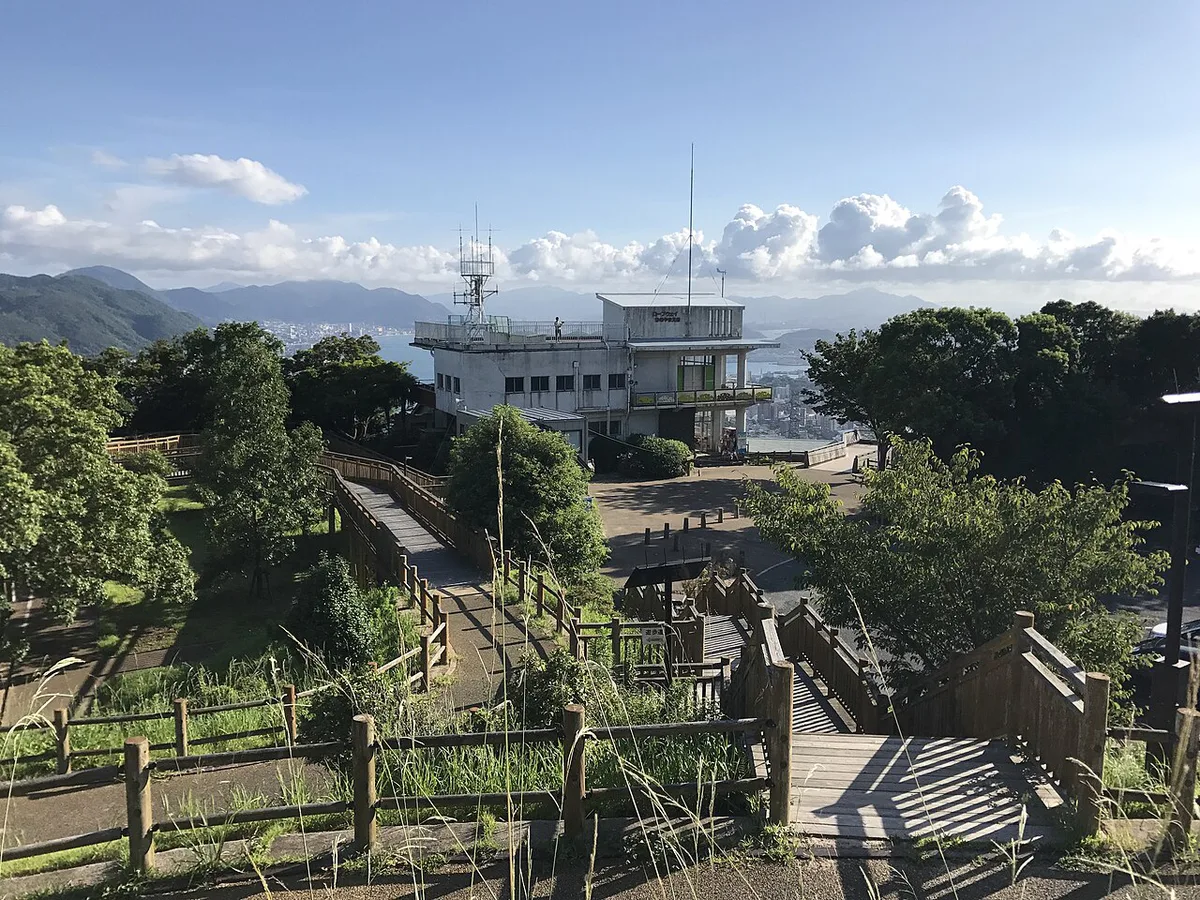
Hinoyama Park sits within Setonaikai National Park and overlooks the narrow channel separating Honshu from Kyushu. From the summit, visitors can see the Kanmon Bridge, passing ships, and the Kitakyushu shoreline in clear weather. The new Hinoyama Ring observation deck and athletic area have reopened, although construction continues elsewhere. Check the official Hinoyama Park page before leaving because access restrictions can change as work advances. The viewpoint fits naturally into a longer itinerary using the Shimonoseki things-to-do guide.
Hinoyama Park Shimonoseki Ropeway Closure
The former ropeway no longer operates, and its old fares and seasonal timetable are obsolete. Shimonoseki City ended the service in November 2024 and later transferred the two retired gondolas for reuse. The redevelopment plan calls for a replacement pulse gondola, indoor observation facility, lawn, and base parking structure by the end of fiscal 2026. That target means no later than March 2027, but it is a construction schedule rather than a confirmed public opening date.
| Visitor question | Current answer |
|---|---|
| Can I ride the old ropeway? | No. It permanently closed in November 2024. |
| Is there a replacement? | A pulse gondola is under construction, with completion planned by the end of fiscal 2026. |
| How do I reach the summit now? | Drive via the free Hinoyama Parkway and use the summit parking structure. |
| What is open? | Only the summit area; construction restrictions remain elsewhere in the park. |
Use the city's Hinoyama redevelopment page for progress updates instead of archived ropeway listings.
The Ten-Million-Dollar View: Day, Night, and Blue Hour Strategy
Locals describe the nighttime panorama from Hinoyama as the ten-million-dollar view. The name refers to how the lights of Shimonoseki and Kitakyushu reflect across the Seto Inland Sea and the Sea of Japan simultaneously from a single vantage point. By day, the draw is geographic: the Kanmon Straits, the Kanmon Bridge, and the layered coastline toward Kyushu are all visible in one sweep. For the strongest version of the night view, aim to be at the summit during blue hour. This window falls just after sunset when the sky still holds color but city and bridge lighting has switched on. This is because arriving after full darkness trades that layered effect for a flatter, all-artificial-light scene.
Seasonal Highlights at Hinoyama Park
Hinoyama changes character through the year, but redevelopment limits the usual seasonal options. The Turkish Tulip Garden on the lower slope is closed for construction and is scheduled to reopen in spring 2028. Do not plan a 2026 or 2027 visit around that garden. Summit foliage and distant seasonal color may still frame the straits view, but construction zones can affect walking routes.
- Spring 2026–2027: the Turkish Tulip Garden remains closed
- Autumn: seasonal foliage color framing the Kanmon Straits view
- Any season: the day-to-night panorama remains the constant draw
Practical Visitor Information
Allow roughly one to 1.5 hours for the summit viewpoint and Hinoyama Ring. The parkway is currently open from 8:00 to 23:30, with its gate locked at 23:30. Pedestrians and cyclists may not use the road. Weather, landslides, fallen trees, or construction can cause temporary closures, so confirm the official parkway status and hours on the day of travel.
If driving near sunset, leave enough time to descend before the 23:30 parkway closure. Blue hour gives the view more depth than full darkness.
Current Summit Access
Shimonoseki City currently directs visitors to the summit by car through the free Hinoyama Parkway. Park in the multistory summit garage; vehicles above 2.2 meters use the bus parking area, and two accessible spaces sit closer to the top. Walking and cycling on the parkway are prohibited. Older advice about taking a bus to the ropeway base or hiking from the lower station does not reflect the current construction restrictions.
| Method | Current status |
|---|---|
| Private car or taxi | Official route via Hinoyama Parkway |
| Old ropeway | Permanently closed |
| Bus to former lower station | Does not provide current access to the open summit area |
| Walking or cycling on parkway | Prohibited |
How to Get There
For the open summit area, use a private car or taxi and enter the free Hinoyama Parkway. The drive pairs easily with the waterfront around Karato Market, but confirm that a taxi can wait or return for collection. Public buses may still serve stops near the former ropeway base, yet the city currently limits park entry to the summit and directs visitors there by car.
Strategic Itinerary: Making the Most of Shimonoseki
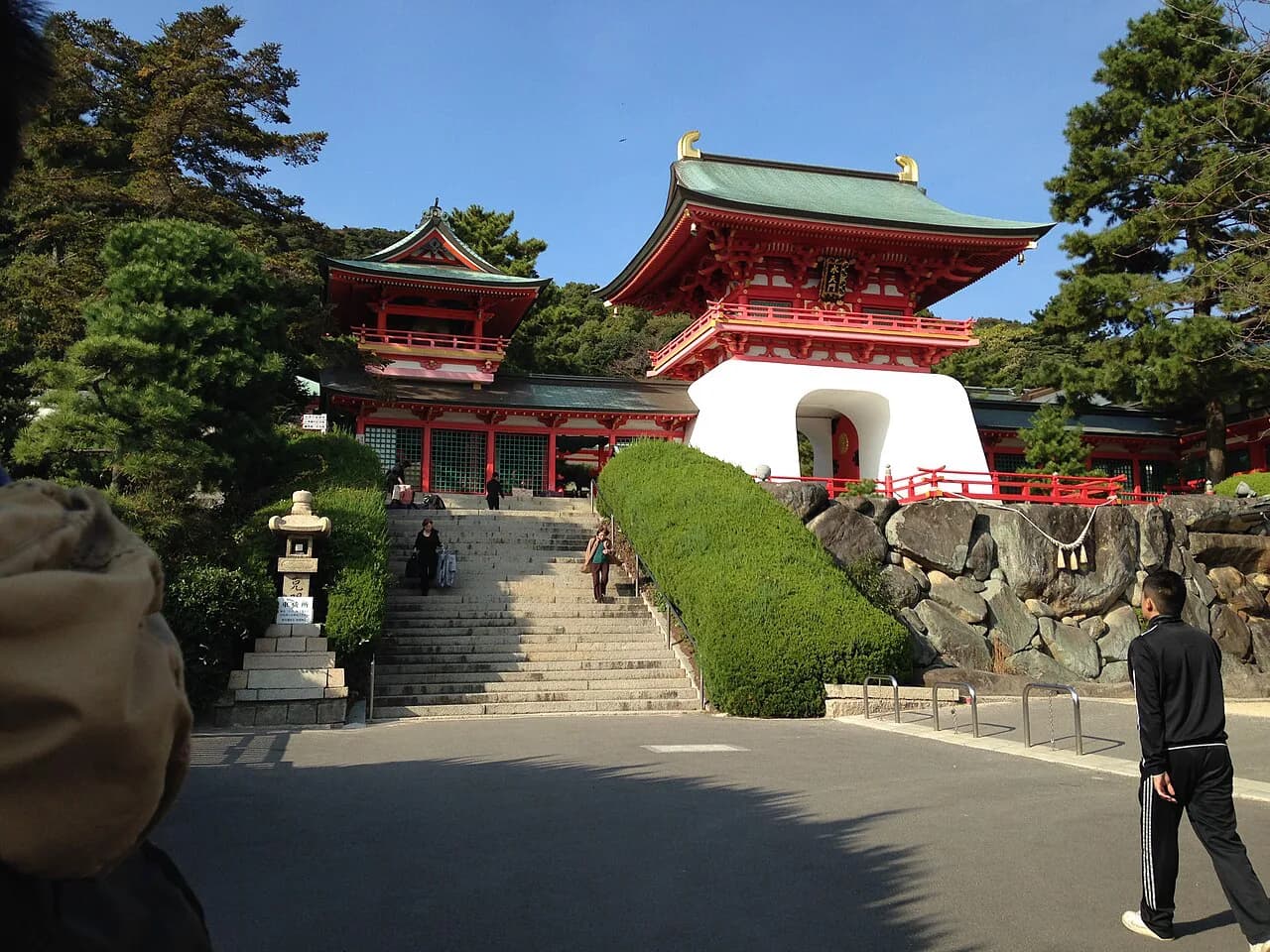
Hinoyama works best as one stop in a broader driving itinerary. Pair the summit with Akama Shrine at Dannoura and a meal from the Shimonoseki fugu guide. With more time, continue to the Chofu historic district. Travelers crossing into Kyushu can follow with the Hakata Old Town attractions.
Ignore old ropeway timetables and fare tables. Check the city park and parkway pages for construction restrictions before setting out.
Mistakes to Avoid
The biggest planning error is following an old ropeway schedule. The cabins no longer run, and buses to the former lower station do not solve the current summit-access problem. Do not plan around the tulip garden either, because it remains closed until spring 2028. Finally, treat the cross-strait view as weather-dependent; haze and low cloud can hide Kyushu even when the parkway is open.
Why the Old Bus Advice No Longer Works
Older guides route travelers from Shimonoseki Station to the former ropeway base by Sanden Kotsu bus. That journey no longer connects to an operating cable car. During the current construction phase, the city says only the summit is open and directs visitors to reach it by car through Hinoyama Parkway.
A bus can still be useful for nearby waterfront sights, but do not rely on it for the summit unless the city announces a new connection. A taxi or rental car is the practical choice while the replacement gondola remains under construction.
Frequently Asked Questions
How much time should visitors plan for Hinoyama Park?
Allow roughly one to 1.5 hours for the open summit viewpoint and Hinoyama Ring. Construction currently limits access to other areas.
Is the Hinoyama ropeway operating in 2026?
No. The old ropeway permanently ended service in November 2024. A replacement pulse gondola is under construction.
How do visitors reach the summit now?
Drive or take a taxi via the free Hinoyama Parkway and use the summit parking area. Walking and cycling on the parkway are prohibited.
What is the best time of day to see the ten-million-dollar view?
Blue hour, the period just after sunset, is the strongest window. The sky retains color while city and bridge lighting has already switched on, giving the layered look the view is known for.
Is the tulip garden open?
No. The Turkish Tulip Garden is closed for construction and is scheduled to reopen in spring 2028.
Free guide: Japan's Hidden Gems
12 under-the-radar places beyond Tokyo & Kyoto — with the best season to visit each and a local tip you won't find in the guidebooks.
You might also like
Continue reading
More guides you'll find useful