Karato Market Shimonoseki Guide: Sushi Market Tips & Logistics
Plan your visit to Karato Market in Shimonoseki with this practical guide, covering weekend sushi market tips, fugu options, and transit trade-offs for 2026.
On this page
Last updated July 2026, this karato market shimonoseki guide breaks down exactly when to show up, what to eat, and how to get there without wasting a morning on the waterfront. Karato Market began life as a humble street market back in 1909 and has since grown into Shimonoseki's working wholesale kitchen. However, most travelers now come for one thing: the weekend sushi free-for-all known as Ikiiki Bakagai. Whether the plan is a quick fugu tasting or a full day working through the 10 Best Things to Do in Shimonoseki: A Local Travel Guide. The logistics below cover the trade-offs competitor guides tend to skip.
What Is Karato Market? A Shimonoseki Guide to Japan's Sushi Kitchen
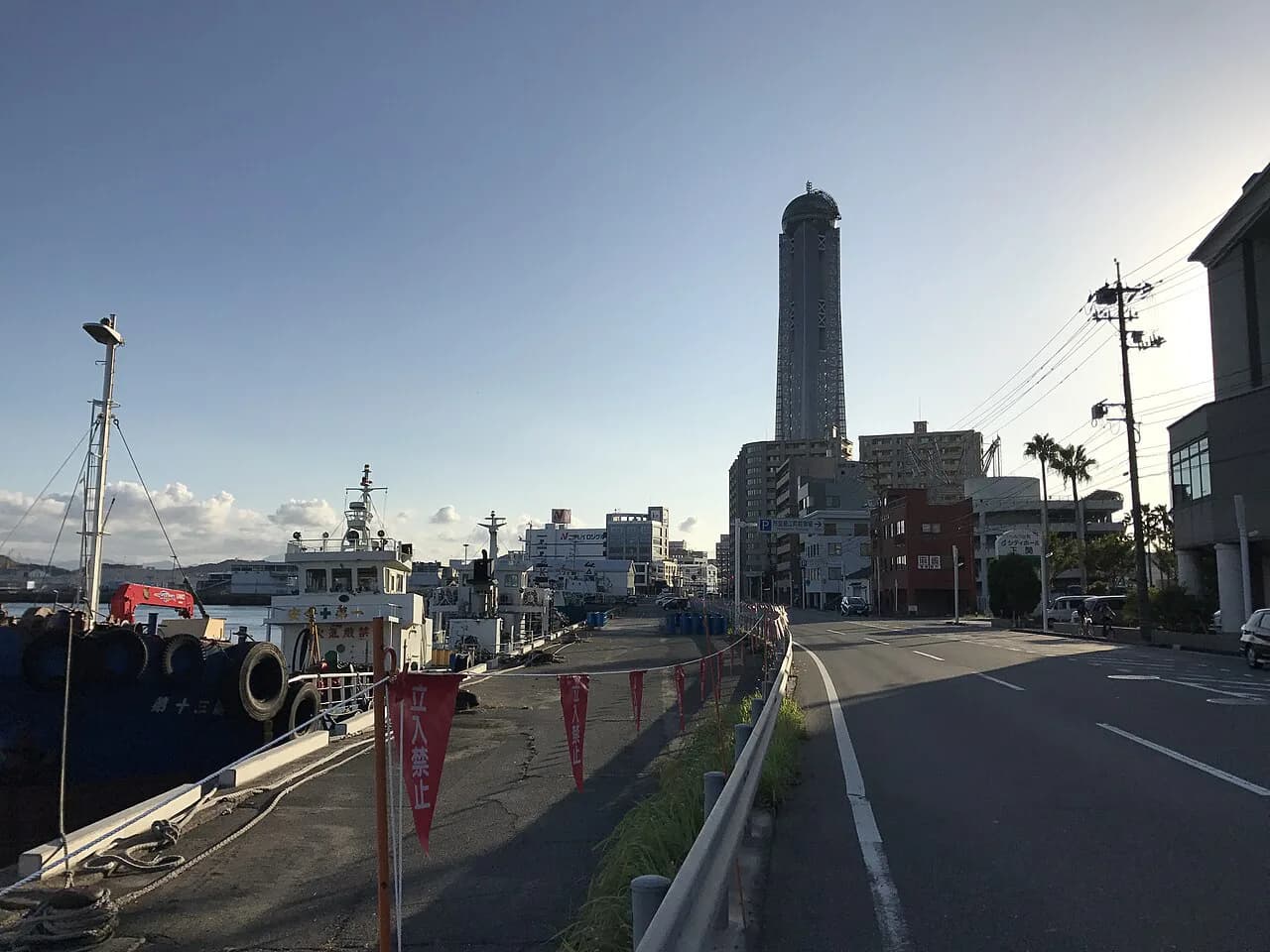
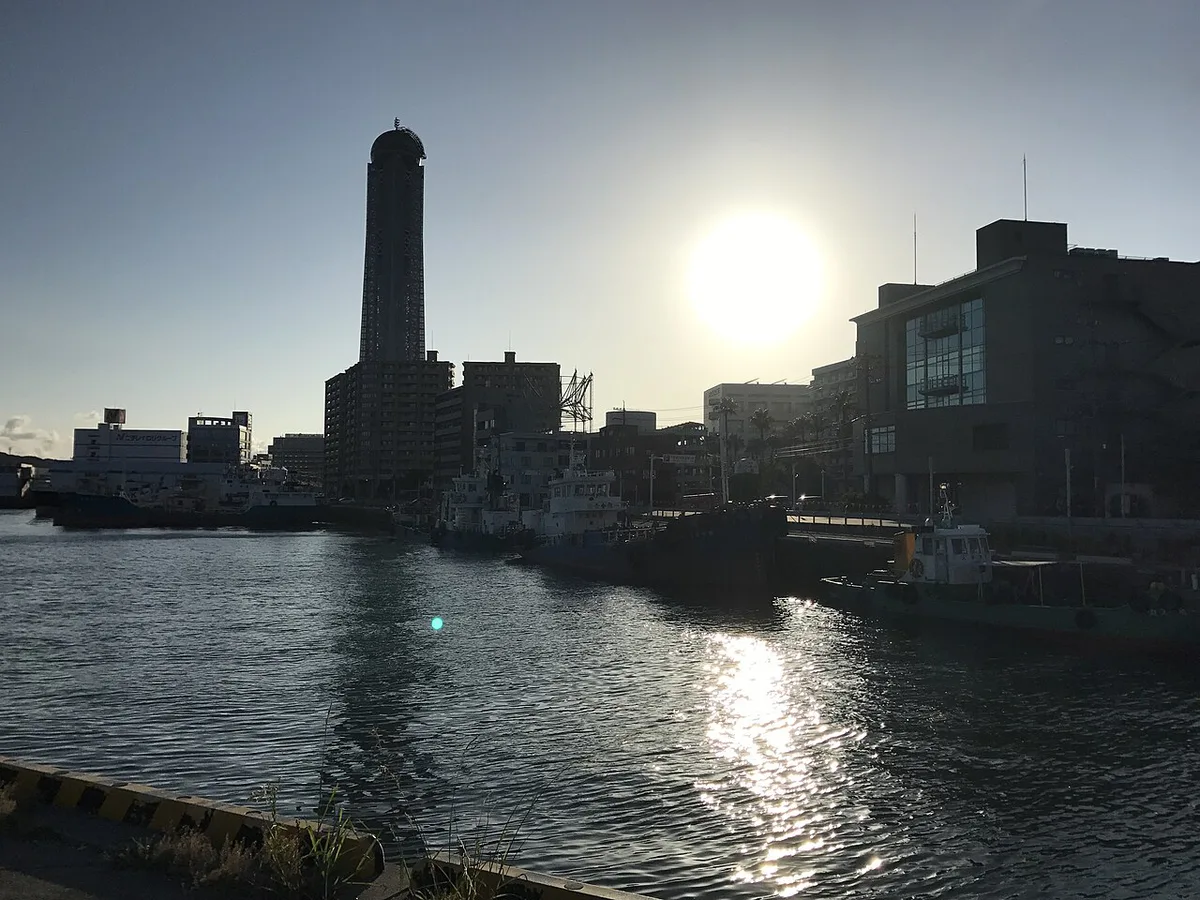
Karato Market, known locally as Karato Ichiba, sits directly on the Kanmon Straits waterfront at 5-50 Karato-cho, Shimonoseki-shi, Yamaguchi-ken, with the water and the Kanmon Bridge visible from the boardwalk outside. What started as a street market in 1909 has grown into a wholesale fish market that supplies seafood across Japan, and stalls inside also sell seasonal produce from farmers around Yamaguchi. As a result, it is not purely a seafood stop even though seafood is the draw. The market has a working wholesale rhythm on weekdays. On weekends and holidays, a public sushi event transforms the same floor into something closer to a hands-on sushi bar crawl. Understanding which mode is running on the day you show up matters. It determines whether the visit feels like a quiet browse or a lively, crowded, genuinely fun food experience.
The Weekend Highlight: Ikiiki Bakagai Sushi Event
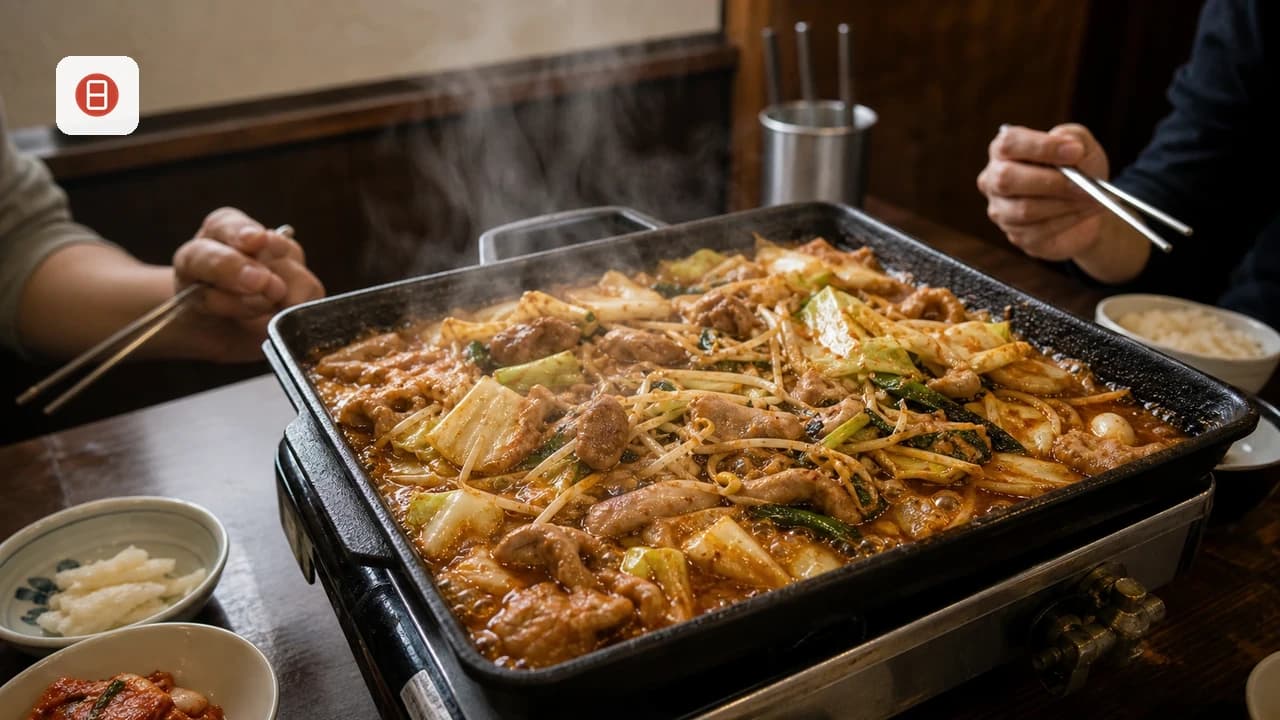
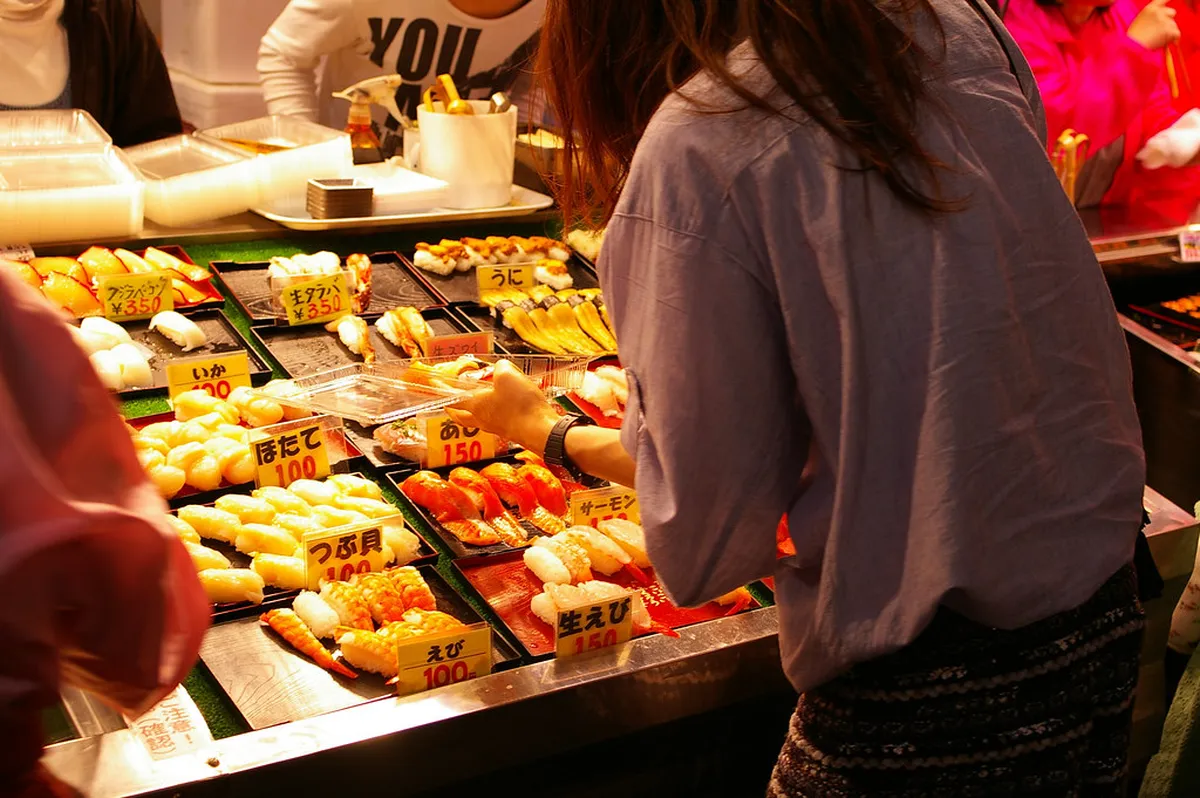
On Saturdays, Sundays, and holidays, individual vendors inside Karato Market run the Ikiiki Bakagai sushi event. They sell nigiri and sashimi packs piece by piece directly from their stalls rather than as a set restaurant menu. The format rewards a bit of strategy. Seating is limited, with a boardwalk area outside the main hall as the primary spot to eat and a smaller set of second-floor tables as the indoor alternative. Most individual stalls run cash-only, so carrying yen in small denominations before entering the market saves time compared to hunting for an ATM once inside.
- Arrive before 11:00 AM on weekends to beat the peak rush
- Carry cash — most individual Ikiiki Bakagai stalls are cash-only
- Expect the best nigiri and sashimi pieces to sell out by around 1:00 PM
- Grab a tray and build a personal plate stall by stall rather than sitting for a set menu
- Have a second-floor table in mind as backup if the boardwalk seating is full
Weekday vs Weekend: Which Karato Market Shimonoseki Visit Is Right for You?
Karato Market changes character completely depending on which day you pick, and neither version is objectively better. It depends on whether you are there to browse a working market or to eat. Weekday visits show the market in its original wholesale form: quieter aisles, working fishmongers, and a chance to see the trade that has supplied Japan with seafood since 1909. Weekend and holiday visits trade that calm for the Ikiiki Bakagai sushi event, denser crowds, and a genuine build-your-own-plate food experience that the market is now best known for.
| Factor | Weekday Visit | Weekend / Holiday Visit |
|---|---|---|
| Atmosphere | Working wholesale market, quieter | Ikiiki Bakagai sushi event, lively |
| Crowd level | Light to moderate | Heavy, especially 11:00 AM–1:00 PM |
| Best for | Browsing stalls, produce, photos | Eating fresh nigiri and sashimi packs |
| Seating | Generally easier to find | Boardwalk fills fast; second-floor is backup |
| Payment | Mixed | Cash recommended for individual stalls |
Must-Try Seafood: Fugu and Beyond
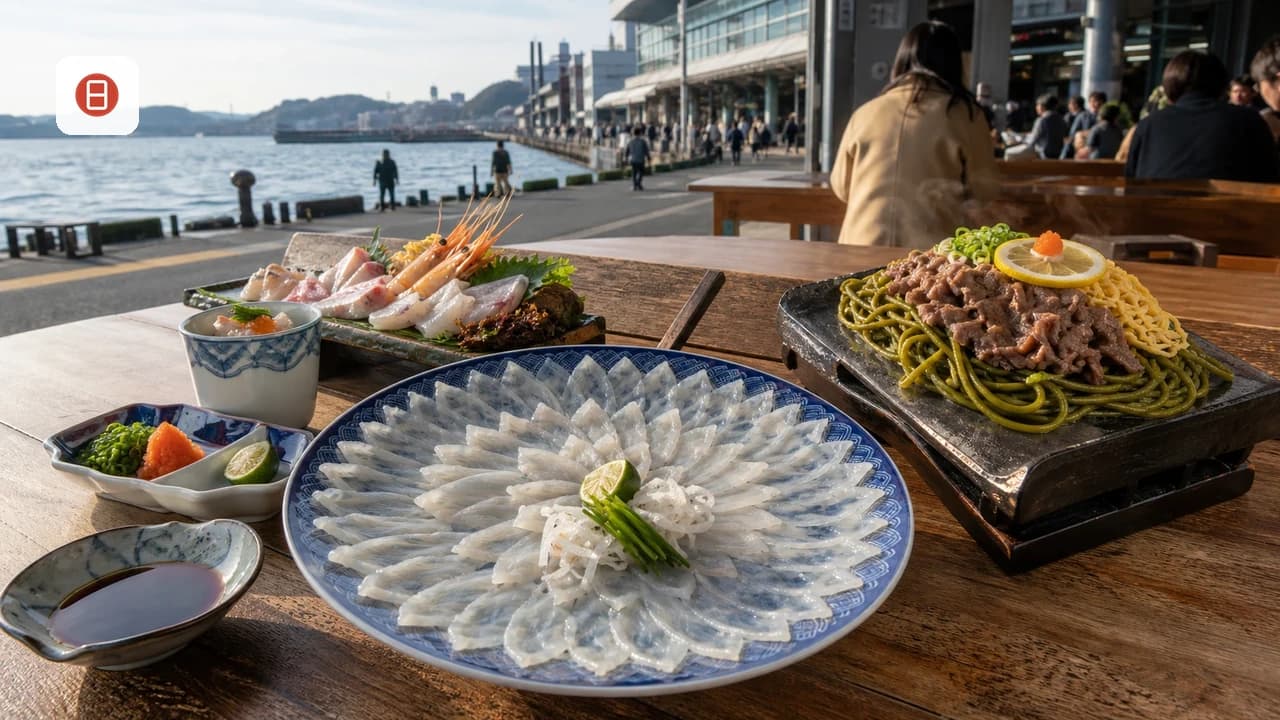
Shimonoseki is widely regarded as Japan's fugu (pufferfish) capital, and Karato Market is where that reputation becomes accessible rather than intimidating. Rather than booking a full formal fugu course at a specialty restaurant, the market sells market-style fugu sashimi packs directly from stalls. This is a more casual, lower-commitment way to try the fish than a sit-down tasting menu. For a deeper breakdown of fugu preparation, safety standards, and where to find a full restaurant course, the dedicated guide to eating fugu safely covers that ground in more detail. Beyond fugu, expect seasonal Yamaguchi catch such as sea bream, uni, and kanpachi rotating through the stalls depending on what came in that morning. This is part of why the wholesale side of the market matters even for weekend visitors — the sushi on offer reflects the same-day catch.
How to Get to Karato Market: Logistics & Transit Trade-offs
Two main routes lead to Karato Market, and which one makes sense depends entirely on where you are coming from. Travelers already based in central Shimonoseki can take a bus directly from Shimonoseki Station. This is the more straightforward option if the market is one stop on a broader day exploring the city's 10 Best Things to Do in Shimonoseki: A Local Travel Guide. Travelers coming from the Kitakyushu or Fukuoka side of the Kanmon Straits have a genuinely different option. The Kanmon Kisen ferry from Moji-ko crosses the straits directly to the market's waterfront location, cutting out a longer land transfer. Because ferry sailings run on a set timetable rather than continuously, check Kanmon Kisen's official schedule before planning the crossing so the ferry option doesn't turn into unplanned wait time. This ferry-versus-bus decision is also worth factoring into a wider Kyushu itinerary — Karato Market works well as a day-trip pairing for travelers based around the Hakata Old Town attractions in Fukuoka.
Ferry from Moji-ko reaches market waterfront directly, cutting longer land transfer, but sailings run on fixed schedule—coordinate timing carefully if catching the ferry to hit the pre-11:00-AM arrival window for best selection.
Essential Planning: Costs, Timing, and Opening Hours
Before heading out, it's worth locking down the basics that shift the whole visit: which days the market runs the Ikiiki Bakagai event, when the crowds peak, and how to actually get there. The official market calendar is the authority to check here, since Karato Market posts occasional Wednesday closures that don't follow a fixed pattern. Confirming the calendar on karatoichiba.com before visiting avoids a wasted trip. Budget-wise, plan on a cash-based, pay-as-you-go sushi lunch rather than a fixed-price set menu, since the Ikiiki Bakagai format is built around picking individual pieces stall by stall.
| Quick Info | Details |
|---|---|
| Days of Operation | Generally daily, with occasional Wednesday closures — confirm on the official calendar |
| Peak Hours | 11:00 AM–1:00 PM on Saturdays, Sundays, and holidays |
| Best Access Route | Bus from Shimonoseki Station, or Kanmon Kisen ferry from Moji-ko |
| Average Budget | Pay-as-you-go, cash-based sushi lunch priced per piece at individual stalls |
Pro-Tips and Common Mistakes to Avoid
Most Karato Market disappointments come down to timing or payment, not the market itself, so a little planning goes a long way. Weather is one factor competitor guides tend to skip: the boardwalk is the primary outdoor seating area. This is a poor plan in rain. As a result, keep the second-floor restaurants in mind as a dry-weather backup from the start rather than scrambling once it starts raining.
Boardwalk seating fills fastest during peak 11:00-AM–1:00-PM hours and provides no shelter from rain or heat. Plan second-floor restaurants as primary backup, especially if visiting midday or during uncertain weather.
- Don't skip checking the official calendar for random Wednesday closures before visiting
- Don't assume every stall takes cards — carry cash for individual Ikiiki Bakagai vendors
- Don't arrive after 1:00 PM expecting the best nigiri selection to still be available
- Don't rely on boardwalk seating in rain — treat the second-floor restaurants as the backup plan
- Don't treat market-style fugu sashimi packs as a substitute for a full restaurant fugu course if that's specifically what you're after
Nearby Attractions: Expanding Your Shimonoseki Itinerary
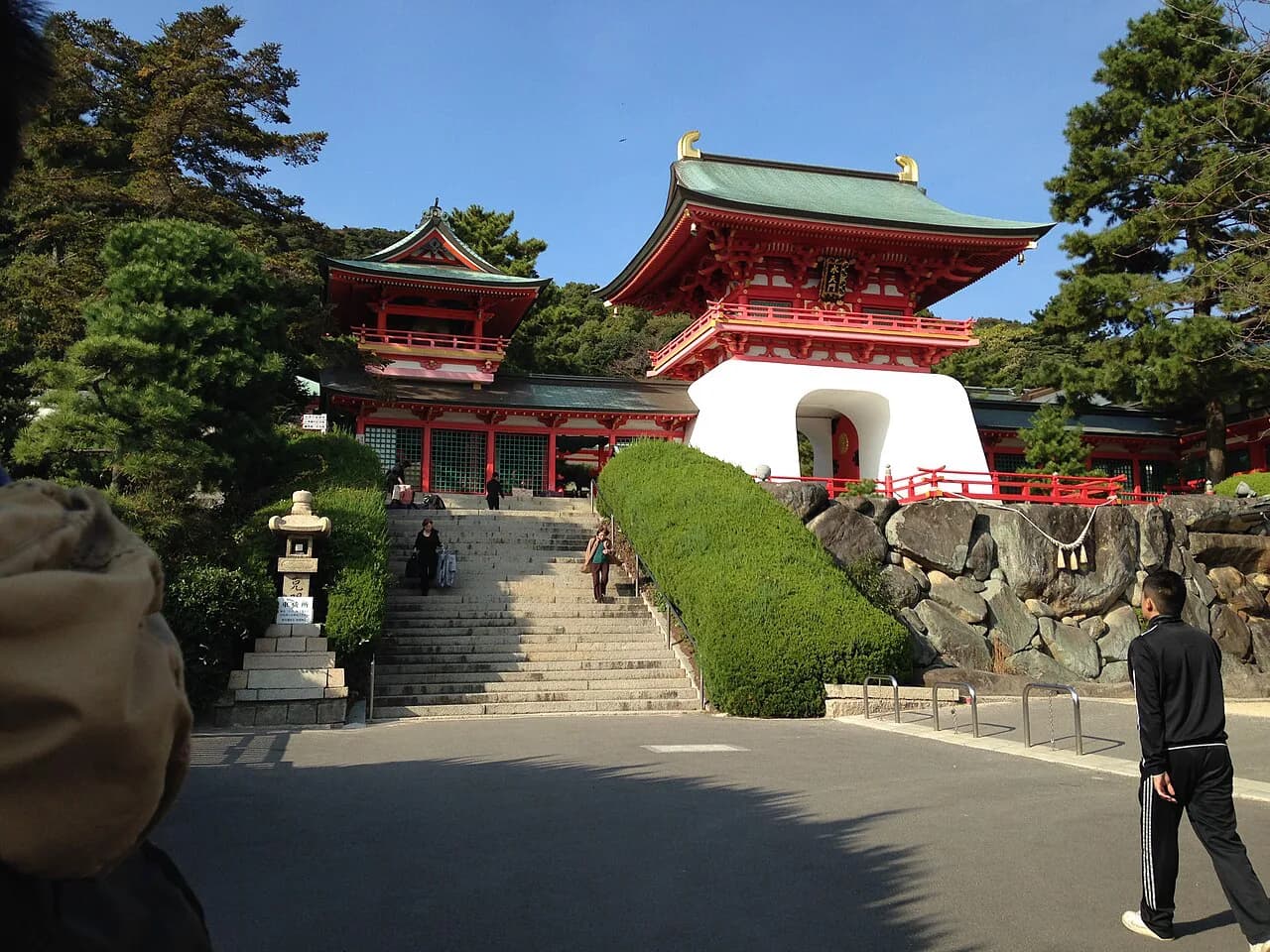
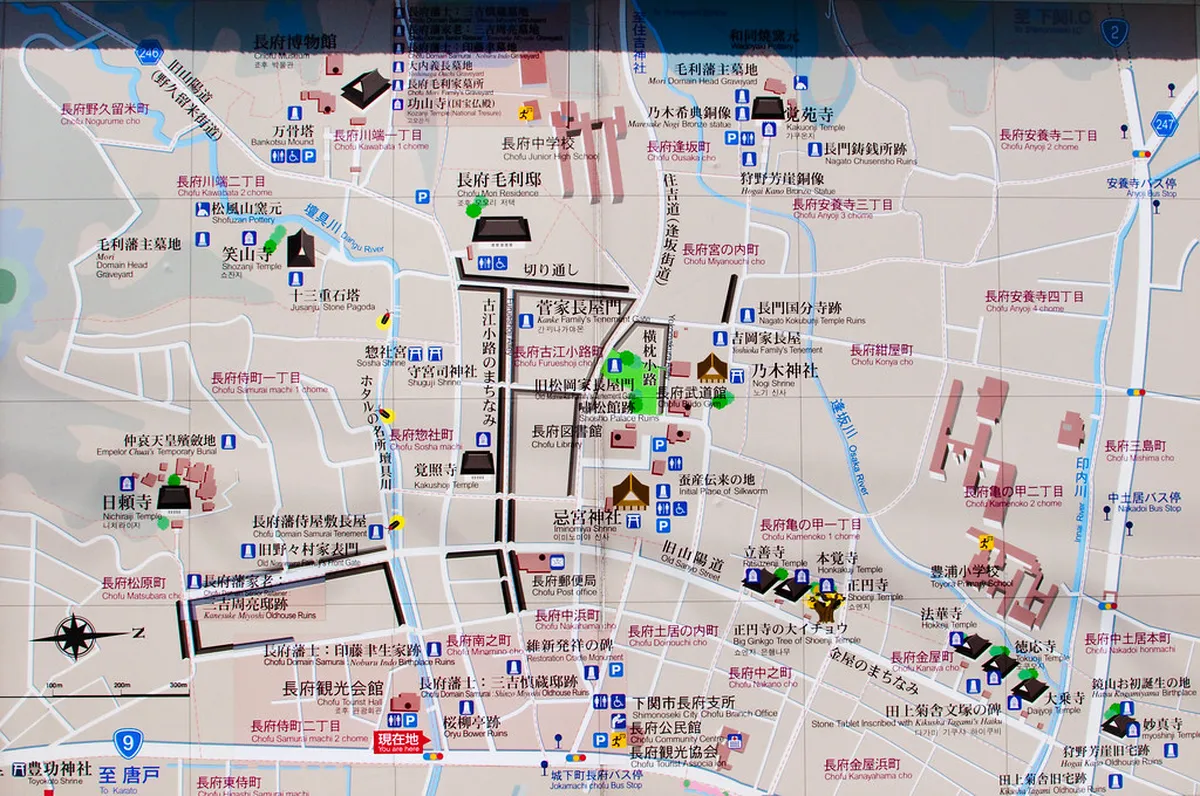
Karato Market's waterfront location on the Kanmon Straits puts several other Shimonoseki highlights within easy reach, making it easy to build a full day around the market rather than a single stop. From the market, it's a natural pairing with straits-view spots like Hinoyama Park's straits views, historic sites such as Akama Shrine and Dannoura, and the older streets of the historic Chofu district. Combining a weekend market visit with these nearby stops turns a single sushi lunch into a full Shimonoseki day. It pairs naturally with the broader city overview in the 10 Best Things to Do in Shimonoseki: A Local Travel Guide guide for anyone still building out the itinerary.
Where to Eat Your Sushi: Boardwalk vs Second-Floor Seating
Seating is the one part of Karato Market that can make or break a weekend lunch, because the Ikiiki Bakagai stalls sell food faster than the market provides places to sit. The easiest plan is to buy a few pieces, step outside toward the Kanmon Straits boardwalk, and eat with views across to Moji-ko and Kitakyushu. This is the most atmospheric option, especially on clear days, but it fills quickly during the late-morning rush and offers little comfort in rain, wind, or midsummer heat.
If the waterfront is crowded or the weather turns, head upstairs before buying more food and check the second-floor seating and restaurant area. It is less scenic than the boardwalk but more practical for families, older travelers, or anyone carrying bags. For a smooth visit, treat the boardwalk as the first choice for quick sushi plates and the second floor as the backup for a slower, sheltered meal.
Frequently Asked Questions
What is Ikiiki Bakagai at Karato Market?
Ikiiki Bakagai is the weekend and holiday sushi event held inside Karato Market. Individual vendors sell nigiri and sashimi packs piece by piece directly from their stalls, rather than through a set restaurant menu. It's the main reason most visitors plan a Saturday, Sunday, or holiday trip to the market.
Is Karato Market cash only?
Not entirely, but most individual stalls inside the Ikiiki Bakagai sushi event are cash-only. As a result, carrying yen in smaller denominations before entering the market is the safer plan rather than counting on card payment at every stall.
How early should I plan to arrive on a weekend?
Aim to arrive before 11:00 AM, since that's when the Saturday and Sunday crowds start building toward the 11:00 AM–1:00 PM peak. The best nigiri and sashimi pieces also tend to sell out by around 1:00 PM, so earlier is generally better for selection.
Is Karato Market open every day?
The market generally runs daily, but it posts occasional Wednesday closures that don't follow a fixed pattern. Checking the official operating calendar on karatoichiba.com before visiting is the most reliable way to confirm hours for a specific date.
What's the best way to get to Karato Market from Fukuoka or Kitakyushu?
Travelers on the Kitakyushu side can take the Kanmon Kisen ferry from Moji-ko directly across the straits to the market. This cuts out a longer land transfer — just check the ferry's timetable in advance since sailings run on a fixed schedule rather than continuously. Those already in central Shimonoseki can instead take a bus directly from Shimonoseki Station.
Free guide: Japan's Hidden Gems
12 under-the-radar places beyond Tokyo & Kyoto — with the best season to visit each and a local tip you won't find in the guidebooks.
You might also like
Continue reading
More guides you'll find useful