
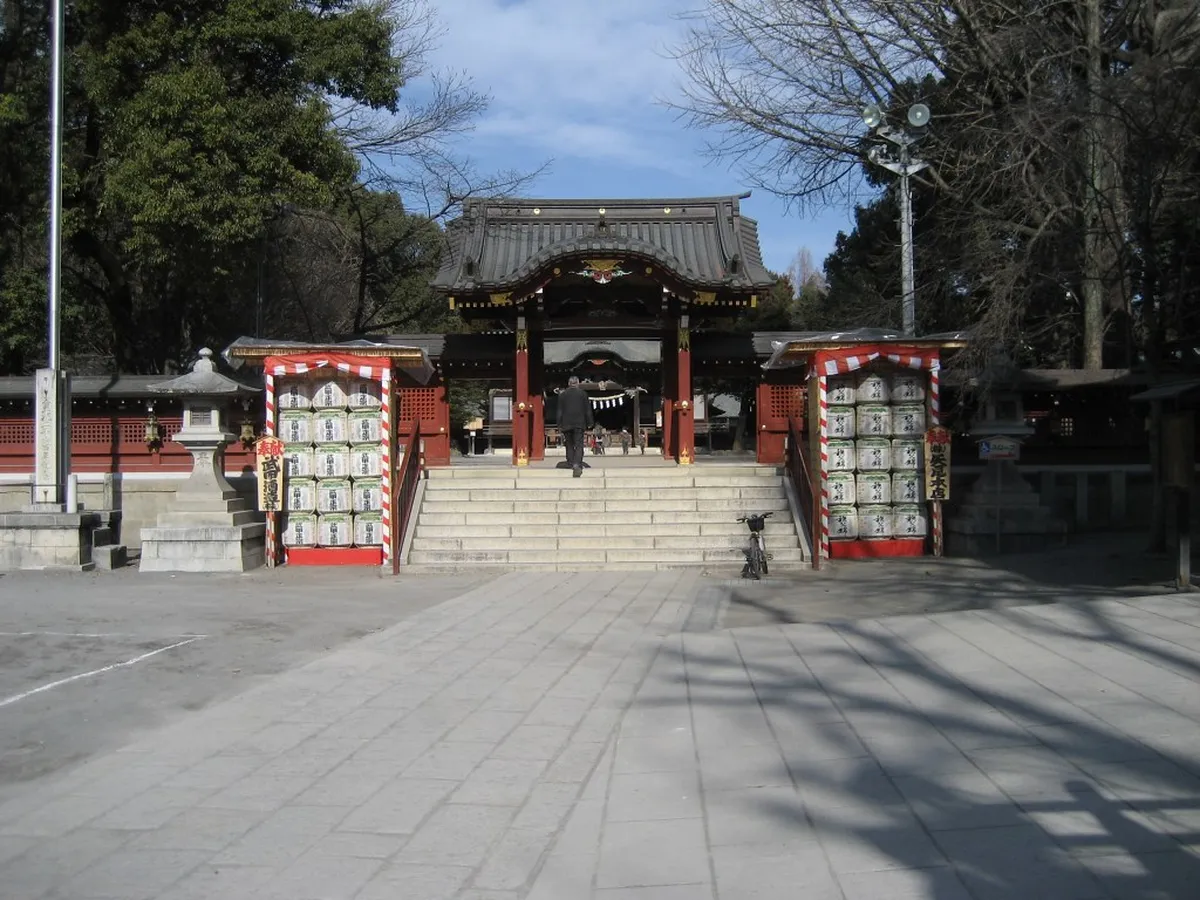
Chichibu Shrine
2,000-year-old shrine famed for Hidari Jingoro carvings and the December night festival.
Visitor guide →
The best things to do in Chichibu, Saitama: ancient shrines, Hitsujiyama Park's shibazakura, Nagatoro Gorge boats and Mitsumine Shrine, plus the Seibu Red Arrow from Ikebukuro. A complete 2026 day-trip guide from Tokyo.
Chichibu sits in the mountains of western Saitama, barely 80 minutes from central Tokyo, yet it feels a world away from the city — a basin ringed by peaks, threaded by the Arakawa River, and dense with shrines that predate most of Japan's famous temples. It is one of the easiest genuine day trips you can make from the capital, and it rewards a return visit across the seasons: pink shibazakura carpets in spring, river boats in summer, fiery maples in autumn, and one of the country's three great float festivals in December.
The trouble for a first-time visitor is that "things to do in Chichibu" covers a wide map — the compact temple town itself, the Mitsumine wolf shrine high in the mountains, and the Nagatoro–Hodosan gorge country to the north. This page is your starting point. Below you'll find the 5 attractions that consistently reward the time and ticket price, each linked to a full visitor guide with verified opening hours and current pricing, followed by how to plan them by area, a suggested itinerary, how to get there from Tokyo, and the best time to come.
2,000-year-old shrine famed for Hidari Jingoro carvings and the December night festival.
Visitor guide →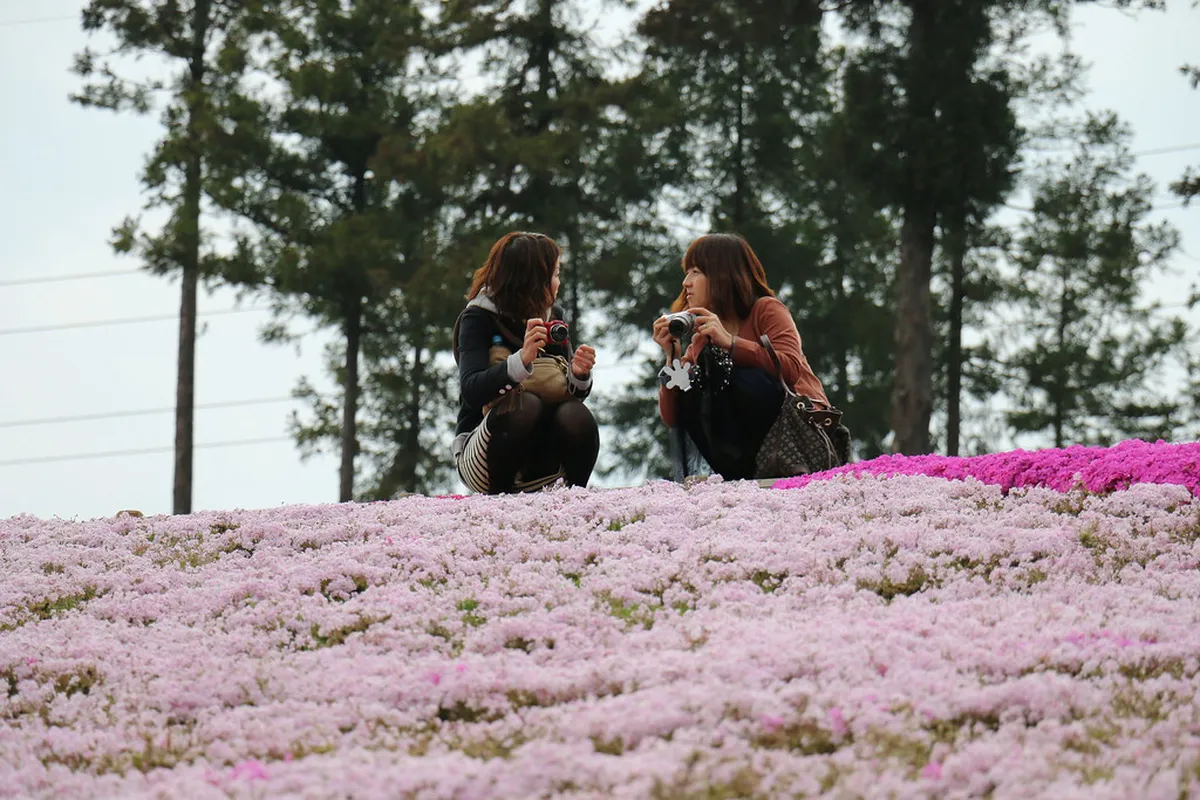
Hillside park whose moss-phlox carpet blooms pink against a Mt Buko backdrop each spring.
Visitor guide →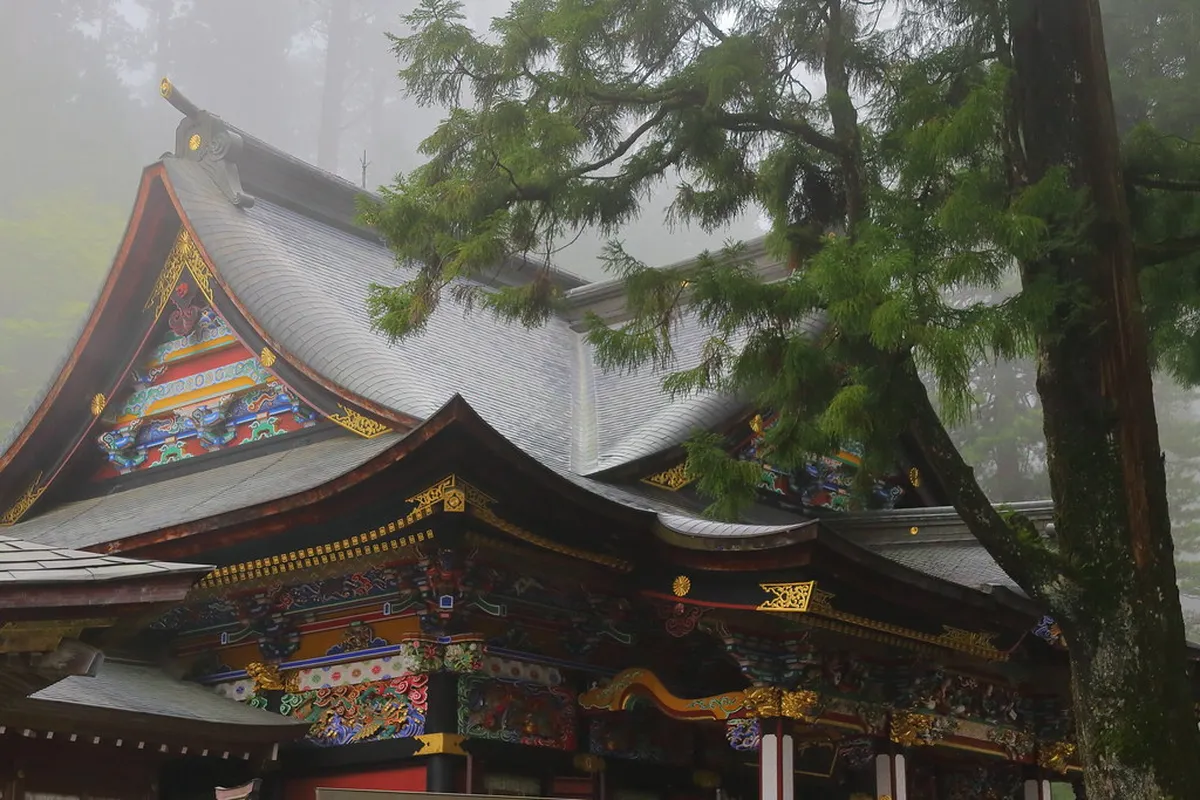
Mountaintop wolf-guardian shrine 1,100m up, often above a sea of clouds.
Visitor guide →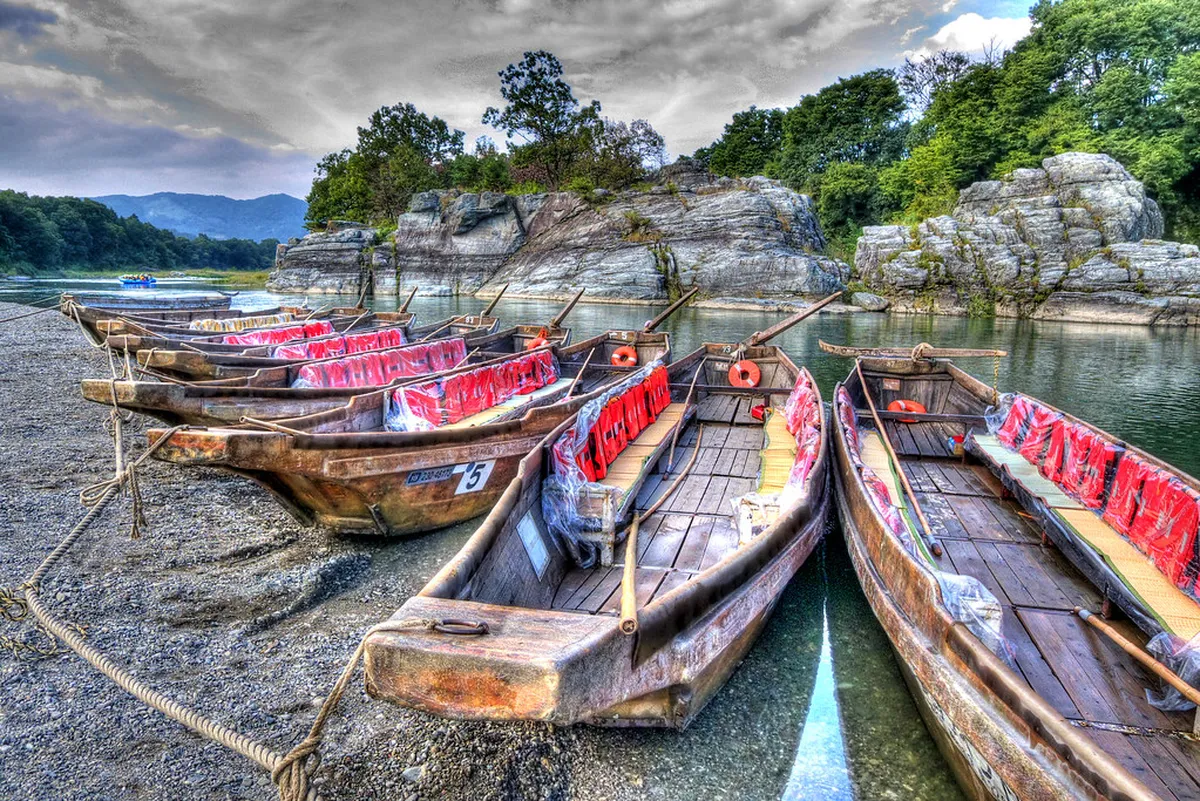
Scenic Arakawa river gorge of iwadatami rock shelves, ridden by traditional wooden line boats.
Visitor guide →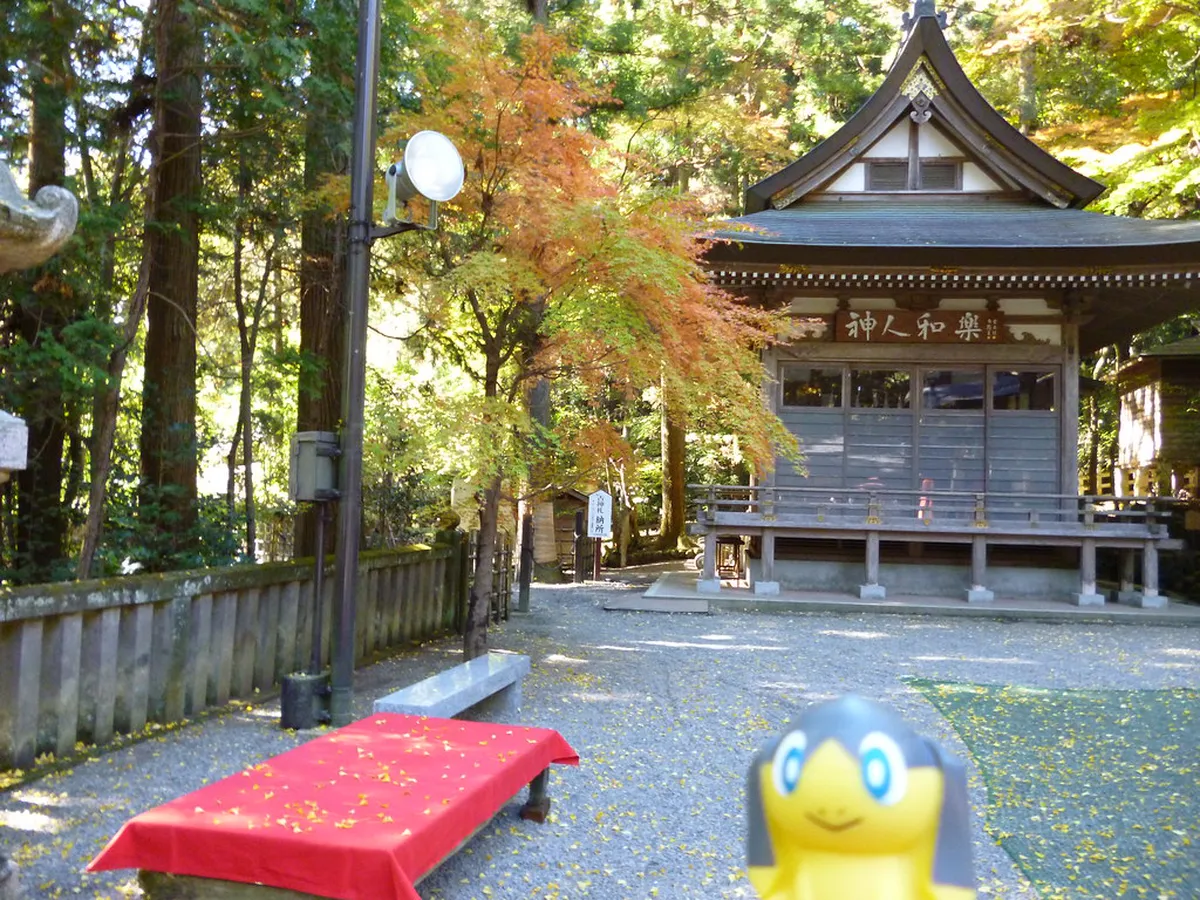
Fire-protection shrine at the foot of Mt Hodo, linked to a summit ropeway and plum garden.
Visitor guide →Chichibu's sights fall into three loose clusters, and grouping them this way is the key to a sane day. The temple town and Hitsujiyama Park sit together near Seibu-Chichibu and Chichibu stations; Mitsumine Shrine is a separate mountain excursion to the southwest; and Nagatoro and Hodosan form a third pocket to the north along the Chichibu Railway. You will rarely do all three in one day without rushing.
The flat, walkable heart of the trip. Chichibu Shrine has stood for more than 2,000 years and is the spiritual centre of the town — its main hall is covered in vivid carvings attributed to the master sculptor Hidari Jingoro, including the "tethered dragon" and a trio of owls. It is also the stage for the December night festival. A short walk south, Hitsujiyama Park climbs a low hill toward Mt Buko; in mid-to-late April its Moss Pink Hill erupts into a striped carpet of white, pink and lavender shibazakura, with more than a thousand cherry trees flowering at the same time, and the rest of the year it is a quiet, free park with one of the area's best mountain views. The two are an easy half-day on foot from the stations. Between them, the old merchant streets of central Chichibu are worth a slow wander — they preserve early-20th-century timber shopfronts, sake breweries and a covered shopping arcade, and you can pick up a goshuin stamp book here to collect at each shrine. This walkable core is the right place to start if it is your first time in the area, and it works in any weather.
Mitsumine Shrine sits at 1,102 metres in the Okuchichibu mountains, often wrapped in cloud, with cedar trees on the grounds said to be over 800 years old. Its guardian is the wolf (okami) rather than the usual fox or lion-dog — a rare and atmospheric distinction. Reaching it takes a bus ride deep into the mountains from Seibu-Chichibu or Mitsumineguchi, so treat it as a dedicated half-day rather than a quick stop, and check the last return bus before you set out. The reward is one of the most atmospheric shrines in the Kanto region: a long approach lined with towering cedars, a triple torii gate flanked by stone wolves rather than the usual lion-dogs, and — on the right morning — a "sea of clouds" filling the valleys below. Pilgrims have come here for centuries to receive wolf talismans believed to ward off misfortune, and there is a small museum and a shrine-run lodge if you want to stay overnight on the mountain. It is the one Chichibu sight that genuinely feels remote, so build in plenty of buffer time.
The Nagatoro–Hodosan pocket is reached by the Chichibu Railway, about 20–30 minutes north of the town. Nagatoro Gorge is the headline: the Arakawa carves through tiers of flat iwadatami rock shelves and the geologically rare "Chichibu Red Cliffs," and traditional wooden line boats run river cruises with a boatman's running commentary (gentle in summer, white-water in season). Five minutes away, Hodosan Shrine is a 2,000-year-old fire-protection shrine at the foot of Mt Hodo, with a summit ropeway and a plum and wax-tree garden. The two pair naturally into one northern outing.
A lot of Chichibu is free. All four shrines — Chichibu, Mitsumine, Hodosan and the others — have free grounds; you only pay if you buy an amulet, a goshuin stamp, or enter a treasure hall. Hitsujiyama Park is free year-round except during the shibazakura festival, when the Moss Pink Hill carries a small admission charge (around ¥300–400 for adults; check the festival page for the current year). The paid experiences are mostly the ones worth the money anyway: the Nagatoro line-boat river cruise, the Hodosan ropeway, and the Seibu Red Arrow seat reservation. Budget travellers can have a full, rewarding day on shrine grounds, the river path and the park for little more than the train fare.
If you only have one day and want a balanced sampler rather than a single deep dive, this town-plus-gorge loop works well and skips the long Mitsumine detour:
To add Mitsumine Shrine you really need a second day or an early start dedicated to the mountain. For a fuller day-by-day plan, see our blog guide to a Chichibu day trip from Tokyo.
Chichibu is one of the most convenient mountain escapes from the capital. The fastest route is the Seibu Ikebukuro Line "Red Arrow" / Laview limited express from Ikebukuro Station direct to Seibu-Chichibu in about 80 minutes. All seats require a reservation, and you pay both a base fare and a limited-express ticket (roughly ¥1,700 one way in total). If you would rather save money, the regular Seibu trains cover the same line for the base fare alone but take about 20 minutes longer and need a transfer at Hanno. The Seibu 1-Day Pass / Chichibu pass can be good value if you plan to ride within the area as well.
For the Nagatoro and Hodosan side, the local Chichibu Railway connects the town to the gorge. Planning more than one stop outside the city? Browse our wider guide to day trips from Tokyo to slot Chichibu into a longer itinerary.
Every season has a draw, but three windows stand out:
For a month-by-month breakdown, see our companion guide on the best time to visit Chichibu. Chichibu sits in Chichibu, Saitama Prefecture; for general orientation see the Chichibu Wikivoyage guide.
A few simple moves keep a Chichibu trip cheap. Take the regular Seibu train rather than the Red Arrow if you don't mind the extra 20 minutes — it saves the limited-express surcharge. Look at the Seibu 1-Day Pass or the area's combined rail passes if you'll use the local lines. Lean into the free attractions: shrine grounds, the Arakawa riverside path at Nagatoro, and Hitsujiyama Park outside festival dates cost nothing. Pack a bento or eat at the station rather than at the tourist spots, and visit on a weekday to dodge both crowds and the busier festival-period surcharges.
The five standout attractions are Chichibu Shrine, Hitsujiyama Park (famous for spring shibazakura), Mitsumine Shrine high in the mountains, Nagatoro Gorge with its traditional line-boat river cruise, and Hodosan Shrine with its Mt Hodo ropeway. Together they cover the town, the mountains and the gorge.
The fastest way is the Seibu Ikebukuro Line "Red Arrow" (Laview) limited express from Ikebukuro Station direct to Seibu-Chichibu, taking about 80 minutes. All seats are reserved and you pay a base fare plus a limited-express ticket (around ¥1,700 one way). Regular Seibu trains are cheaper but take about 20 minutes longer with a transfer at Hanno.
Yes. At roughly 80 minutes from Ikebukuro, Chichibu is one of the easiest genuine mountain day trips from Tokyo. A single day comfortably covers the town shrines, Hitsujiyama Park and the Nagatoro gorge; adding Mitsumine Shrine usually needs a second day or an early dedicated start.
Mid-to-late April for the shibazakura (moss phlox) carpet at Hitsujiyama Park, November for autumn colour at Nagatoro and the mountain shrines, and 2–3 December for the Chichibu Night Festival, one of Japan's three great float festivals.
Most of Chichibu is free: all the shrine grounds and Hitsujiyama Park (outside the shibazakura festival) cost nothing to enter. The main paid experiences are the Nagatoro line-boat river cruise, the Hodosan ropeway, the Hitsujiyama festival admission (around ¥300–400 in season) and the Red Arrow seat reservation.
Chichibu is best known for its 2,000-year-old shrines, the spring shibazakura festival at Hitsujiyama Park, Nagatoro Gorge and its river boats, the wolf-guardian Mitsumine Shrine, and the Chichibu Night Festival (Yomatsuri) in December.
For ordinary line-boat cruises you can usually buy tickets on the day, but on peak autumn weekends and during festivals it is wise to arrive early or check ahead, as boats fill and run on the season's water level. The summer white-water "rapids" runs are especially popular.
It is tight. The town shrines, Hitsujiyama Park and Nagatoro pair well in a single day, but Mitsumine Shrine is a deep mountain detour by bus and realistically needs its own half- or full day, so most visitors leave it for a second trip.
Ready to build the full day out? Start with our blog pillar, the complete guide to Chichibu attractions and things to do, then read up on planning a Chichibu day trip from Tokyo and timing it for the best time to visit Chichibu. From there, each of the five attraction guides above has the verified hours, prices and access details you'll need on the ground.