

Hitsujiyama Park is Chichibu's best-known spring flower spot, set on a hillside south of the city center with Shibazakura Hill, cherry trees, lawns, a small sheep area, and views toward Mt. Buko. This 2026 visitor guide focuses on practical planning: how to get there from Tokyo, when the moss phlox is usually at its best, how long to stay, and what to combine nearby.
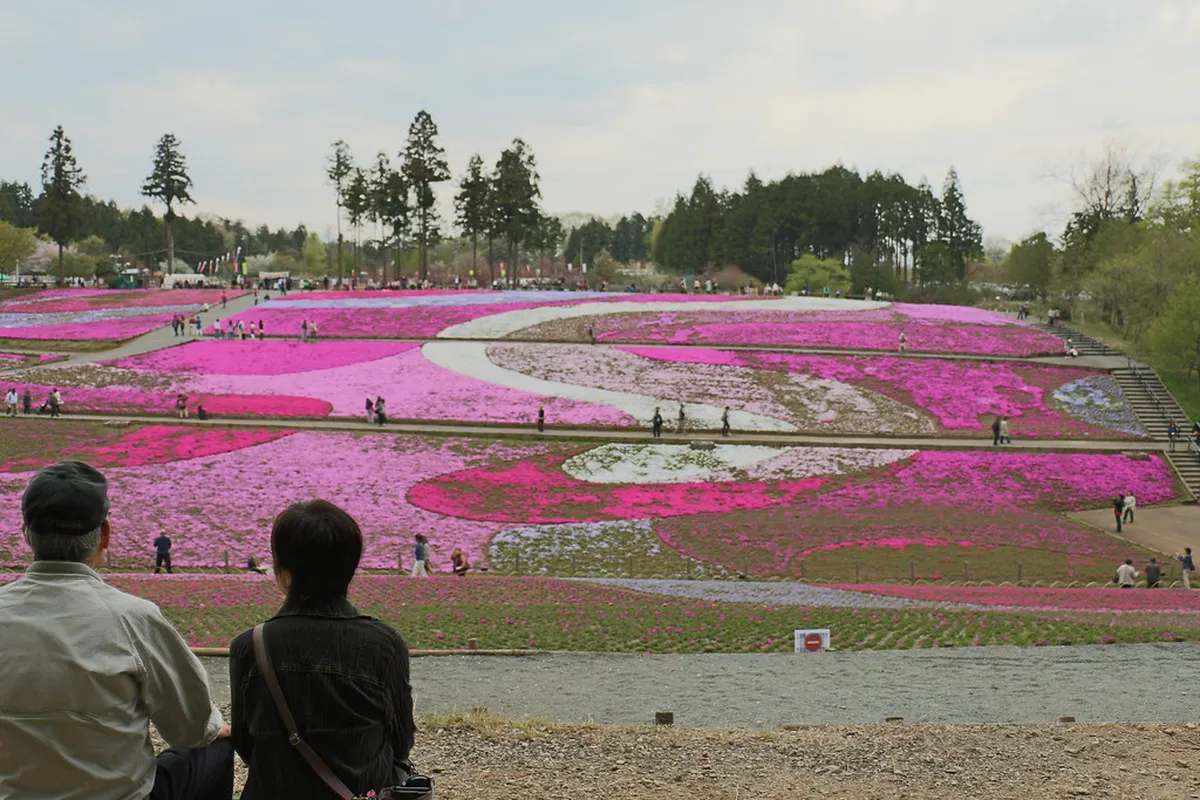
The main reason to visit is Shibazakura Hill, where pink, white, purple, and pale blue moss phlox form patterned flower carpets each spring. A focused visit takes 1.5 to 2 hours, while a full Chichibu day trip gives enough time for the park, lunch, Chichibu Shrine, and one nearby nature or culture stop.
Hitsujiyama Park: An Overview of Chichibu's Shibazakura Paradise
Hitsujiyama Park sits on the east side of central Chichibu and forms part of a larger green area connected with Mt. Buko views. The park's name, "Hitsujiyama," is commonly associated with its sheep-related history, and a small Fureai Farm area keeps that identity visible today.
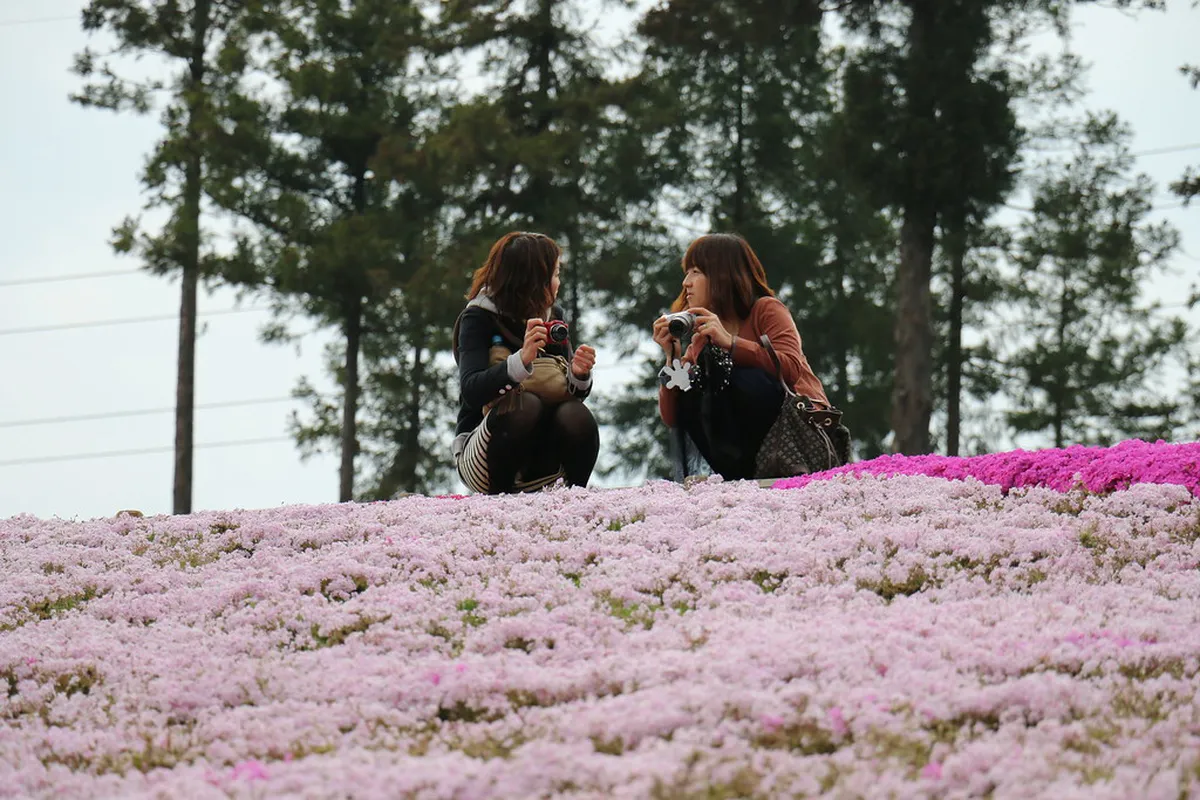
Shibazakura Hill is the signature attraction. The hillside is planted with more than 400,000 moss phlox plants across broad patterned beds, creating the pink-and-white scene most visitors search for as "Hitsujiyama Park photos." The official bloom window is weather-dependent, but the usual peak falls from mid-April into early May.
Outside the flower season, Hitsujiyama Park functions more like a local hillside park than a destination garden. It is still useful for a quiet walk, cherry blossoms in early spring, city views, and a short nature break near Seibu-Chichibu Station.
How to Get to Hitsujiyama Park: Access Guide
From Tokyo, the simplest route is Seibu Railway from Ikebukuro to Seibu-Chichibu Station, then a walk uphill to the park. Limited express services on the Seibu Ikebukuro and Chichibu lines take approximately 70-80 minutes. A one-way ticket costs around ¥1,500 for the express fare plus basic fare. Check the current timetable on the Seibu Railway Chichibu and Nagatoro guide before booking.
Once at Seibu-Chichibu Station, Hitsujiyama Park is about a 20-minute walk. Yokoze Station is also about 20 minutes on foot and can be a good choice if the train schedule fits better. Alternatively, you can walk from Chichibu Station, which adds another 5-10 minutes. During the Shibazakura Festival, temporary shuttle buses often operate from both stations. These buses typically cost ¥100-200 and run frequently from 9:00 AM to 4:00 PM.
Driving is possible, but it is the least predictable option during peak bloom and Golden Week. Parking is available near the park, but spaces fill quickly during peak season. Parking fees generally range from ¥500 to ¥1,000 per day. Public transport is usually easier for a Tokyo day trip because the final approach roads can slow down sharply on sunny weekends.
Best Time to Visit Hitsujiyama Park: Seasonal Tips
The best time to visit Hitsujiyama Park is during the Shibazakura Festival. For 2026 planning, the official festival period is listed as April 3 to May 6, while the classic flower-viewing window remains mid-April to early May. Bloom quality changes with spring temperatures, rain, and sun, so check the official Chichibu Tourism shibazakura page close to your travel date.
Weekends and public holidays, especially Golden Week (late April to early May), see the largest crowds. Visiting on a weekday morning offers a more serene experience. Arriving right at opening time, around 8:00 AM, helps you beat the rush. The park usually opens from 8:00 AM to 5:00 PM during the festival, but verify locally.
Outside of Shibazakura season, Hitsujiyama Park remains a pleasant place for a stroll. In early spring, cherry blossoms add a different kind of beauty. Autumn brings colorful foliage, though less dramatic than the moss phlox. The park is generally free to enter outside the festival period.
For photos, prioritize a clear morning if Mt. Buko views matter. Late afternoon can soften the colors, but it also leaves less buffer if trains, parking, or festival queues take longer than expected.
What to See and Do at Hitsujiyama Park
Start with Shibazakura Hill, then slow down instead of treating the park as a single photo stop. The upper paths are best for seeing the flower patterns, Mt. Buko, and visitor flow in one frame.
- Shibazakura Hill: The main paid flower area during peak season, with patterned moss phlox beds and photo points facing Mt. Buko.
- Fureai Farm: A small sheep area that explains the park's name and gives families a simple non-flower stop.
- Lawns and cherry trees: Useful for a short rest before walking back toward the station or continuing into Chichibu.
- Festival stalls: During the bloom season, look for local snacks near the entrance and around the event area.
The hillside paths are manageable for most visitors, but some slopes and crowd bottlenecks are unavoidable in peak season.
Planning Your Hitsujiyama Park Visit: Practical Tips and Costs
Planning your visit to Hitsujiyama Park involves a few key considerations. Understanding entry fees, estimated time, and available facilities will improve the day, especially if you are pairing the park with other Chichibu attractions. Budget approximately 1.5 to 2 hours to explore Shibazakura Hill thoroughly.
During the Shibazakura Festival, an admission fee is charged. Adult tickets typically cost ¥300-¥500 (prices for 2026 are expected to be in this range). Children often enter for free or at a reduced rate. Outside the festival period, park entry is usually free.
Facilities within the park include restrooms, vending machines, and a few small souvenir shops. During the festival, temporary food stalls offer local snacks and drinks. These stalls provide a good opportunity to try Chichibu's regional specialties. Prices for snacks range from ¥300-¥800.
Wear comfortable walking shoes, as you will be on your feet for a few hours. Bring sun protection, especially on bright spring days. While the park is generally accessible, some paths on Shibazakura Hill are sloped. Consider the terrain if you have mobility concerns, though paved paths are available.
| Plan Type | Best For | Trade-Off |
|---|---|---|
| Park-only visit | Flower photos and a simple Tokyo side trip | Least cultural context, but easiest schedule |
| Park plus Chichibu Shrine | First-time Chichibu visitors | More walking, but better use of the train trip |
| Park plus Nagatoro | Nature-focused travelers | Longer rail transfer and a fuller day |
Suggested Itineraries: Making the Most of Your Chichibu Day Trip
A focused one-day Hitsujiyama Park itinerary works best if you start early from Tokyo and keep the afternoon flexible. Reserve the limited express train for weekends or peak bloom dates.
- Day 1: Floral Beauty & Shrine Serenity
- Morning: 8:00 AM – 10:30 AM, Travel from Tokyo to Seibu-Chichibu.
- Afternoon: 10:30 AM – 2:00 PM, Explore Hitsujiyama Park and Shibazakura Hill.
- Evening: 2:00 PM – 5:00 PM, Visit Chichibu Shrine and enjoy local snacks.
- Time: Approximately 2 hours at the park, 1 hour at the shrine.
- Logistics: Walk ~20 min from Seibu-Chichibu to the park; ~15 min walk to Chichibu Shrine.
- Optional: Swap Chichibu Shrine for a visit to the Chichibu Festival Museum (¥400, open 9am-5pm, closed Tue).
For a half-day version, skip the shrine and return to Seibu-Chichibu Station after the park. For a fuller nature day, continue by rail toward Nagatoro Gorge, but leave extra buffer because flower-season crowds can make station-area movement slower.
Hitsujiyama Park Weather Guide: What to Expect Year-Round
Chichibu sits inland and can feel cooler in the morning than central Tokyo, especially in spring. During the shibazakura season, bring a light layer, sun protection, and shoes that can handle paved paths and compacted soil.
- Spring: Best for cherry blossoms and moss phlox, though rain can make slopes slippery.
- Summer: Green and humid. Visit early if combining the park with city walks.
- Autumn: Good for a quiet stroll and foliage, with fewer visitors than flower season.
- Winter: Calm, but best paired with other Chichibu stops.
If heavy rain or strong wind is forecast during peak bloom, consider shifting the visit by a day.
Interactive Map: Navigating Hitsujiyama Park and Chichibu
Save Hitsujiyama Park on Google Maps, Seibu-Chichibu Station, Yokoze Station, and Chichibu Shrine. This makes it easier to choose the shortest walking route after arrival.
The simplest route is Seibu-Chichibu Station to Shibazakura Hill, then downhill toward central Chichibu for food or shrine stops. If arriving at Yokoze Station, approach the park first and finish closer to Seibu-Chichibu Station for the return train.
Beyond the Park: Exploring Chichibu's Nearby Attractions
Chichibu offers more than just Hitsujiyama Park. Combining the park with one or two nearby attractions creates a more rounded day trip.
A short walk from Seibu-Chichibu Station brings you to Chichibu Shrine. Entry is free, and it is open daily from 9:00 AM to 5:00 PM. The shrine is one of the three major shrines of Chichibu, offering cultural insight.
For nature, the Nagatoro Gorge is about a 30-minute train ride from Chichibu Station on the Chichibu Railway. You can enjoy boat rides (¥1,800-¥3,500, season-dependent) or riverside walks.
Another notable spiritual site is Mitsumine Shrine, located high in the mountains. Reaching it involves a bus ride from Seibu-Chichibu Station (approx. 75 minutes, ¥950 one-way). This is a longer excursion, ideal for those adding an extra half-day.
Consider visiting Hodosan Shrine and taking the ropeway up Mount Hodo. The ropeway (¥830 round trip, operates 9:40 AM – 5:20 PM) offers panoramic views and combines well with Nagatoro Gorge.
Frequently Asked Questions
How long should I spend at Hitsujiyama Park?
Spend 1.5 to 2 hours at Hitsujiyama Park to fully appreciate the Shibazakura Hill. This allows ample time for walking, photography, and enjoying the atmosphere without feeling rushed.
How much does it cost to enter Hitsujiyama Park?
During the Shibazakura Festival (mid-April to early May), the admission fee for adults is typically ¥300-¥500. Outside of this festival period, entry to Hitsujiyama Park is usually free of charge.
When is the best time to visit Hitsujiyama Park?
The best time to visit Hitsujiyama Park is during the Shibazakura Festival, from mid-April to early May, when the moss phlox are in full bloom. Weekday mornings are ideal for avoiding large crowds.
Is Chichibu worth visiting?
Yes, Chichibu is definitely worth visiting for its natural beauty, particularly Hitsujiyama Park, and its rich cultural heritage. It offers a refreshing day trip or weekend escape from Tokyo's urban environment.
How do I get to Hitsujiyama Park from Tokyo?
From Tokyo, take the Seibu Ikebukuro Line limited express to Seibu-Chichibu Station (approx. 70-80 minutes). From there, Hitsujiyama Park is a pleasant 20-minute walk.
Hitsujiyama Park is most rewarding when planned around the shibazakura bloom, an early arrival, and a simple walking route from the station. For the easiest 2026 visit, check the official bloom update, reserve limited express seats for peak dates, arrive before the midday crowd, and keep one nearby attraction in reserve.
For authoritative information, refer to the Hitsujiyama Park on Wikipedia and Hitsujiyama Park official site.