Chichibu Miso Potato and Street Food: A Local Snack Crawl Guide
A guide to Chichibu miso potato and street food, from Matsuri-no-yu at Seibu-Chichibu Station to Banba-dori's stalls, with cash, cost, and timing tips.
On this page
Last updated August 2026, this guide covers Chichibu miso potato and street food from the stalls near Seibu-Chichibu Station to the shopfronts along Banba-dori. Deep-fried potato chunks glazed in sweet miso anchor the local snack circuit, and pickled shakushina greens, grilled dumplings, and soft serve round it out. Use this walking-friendly rundown to plan a short crawl before or after a stop at Chichibu's food scene.
Chichibu Street Food at a Glance
Skim these figures before you start the crawl, then read on for the full route and decision points.
- Typical snack price: ¥200–¥500 per item at most stalls.
- Full crawl budget: roughly ¥1,500–¥2,000 for three to four stops.
- Quietest time to eat: weekday afternoons.
- Payment: cash only at most small stalls.
- Vegetarian base: yes for the core recipe, but confirm egg and dashi per stall.
Chichibu Miso Potato and Street Food: What Makes It B-Grade Gourmet
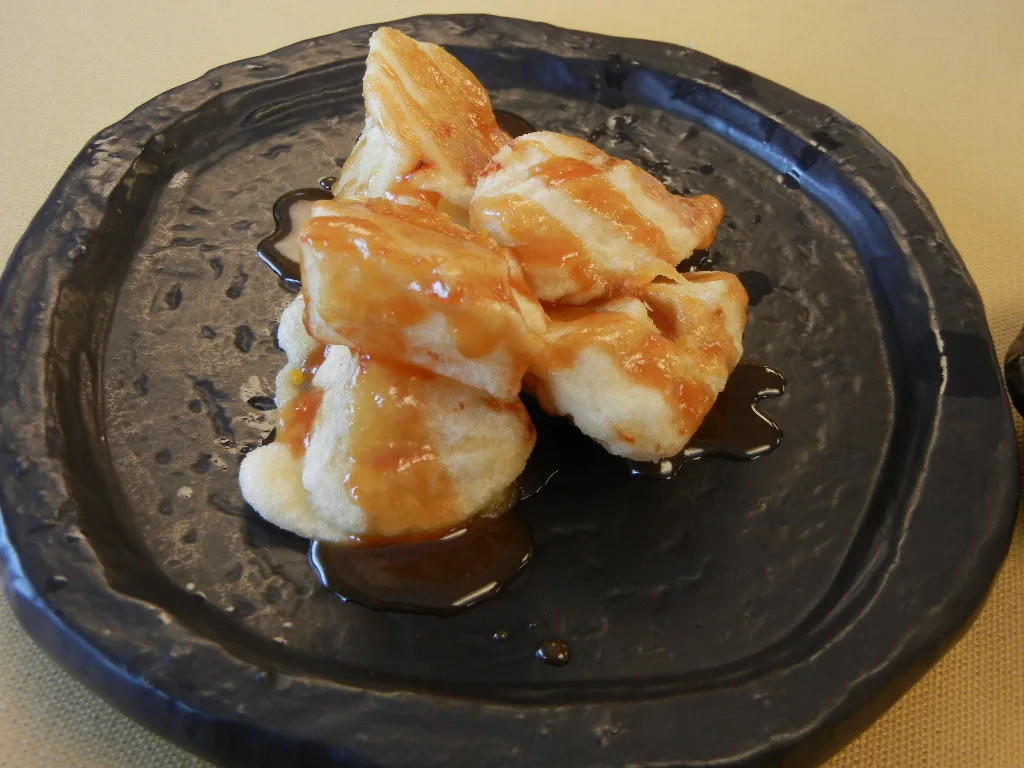
Chichibu miso potato, known locally as miso-pote, started as a home kitchen snack in the mountain villages around Chichibu. Cooks fried leftover potato wedges, then coated them in a glaze built from sweet miso, sugar, and a touch of local sake or mirin. Vendors eventually brought the dish to festival stalls and shopping streets. It became a widely recognized B-grade gourmet item in Saitama, a category valued for low cost and strong local identity rather than elaborate technique. Japan's wider B-grade gourmet movement favors inexpensive, informal local dishes over refined technique, and Chichibu's miso potato fits that category closely. Neighboring towns in the Chichibu area serve their own versions, but the dish is most closely associated with Chichibu City itself. Look for miso potato at festival food stalls throughout the year, not only during major events. That grassroots quality still defines it today. On Banba-dori or near the station, you can watch a vendor fry a fresh batch and brush on the glaze.
Where to Find Miso Potato: Station vs. Shrine Road
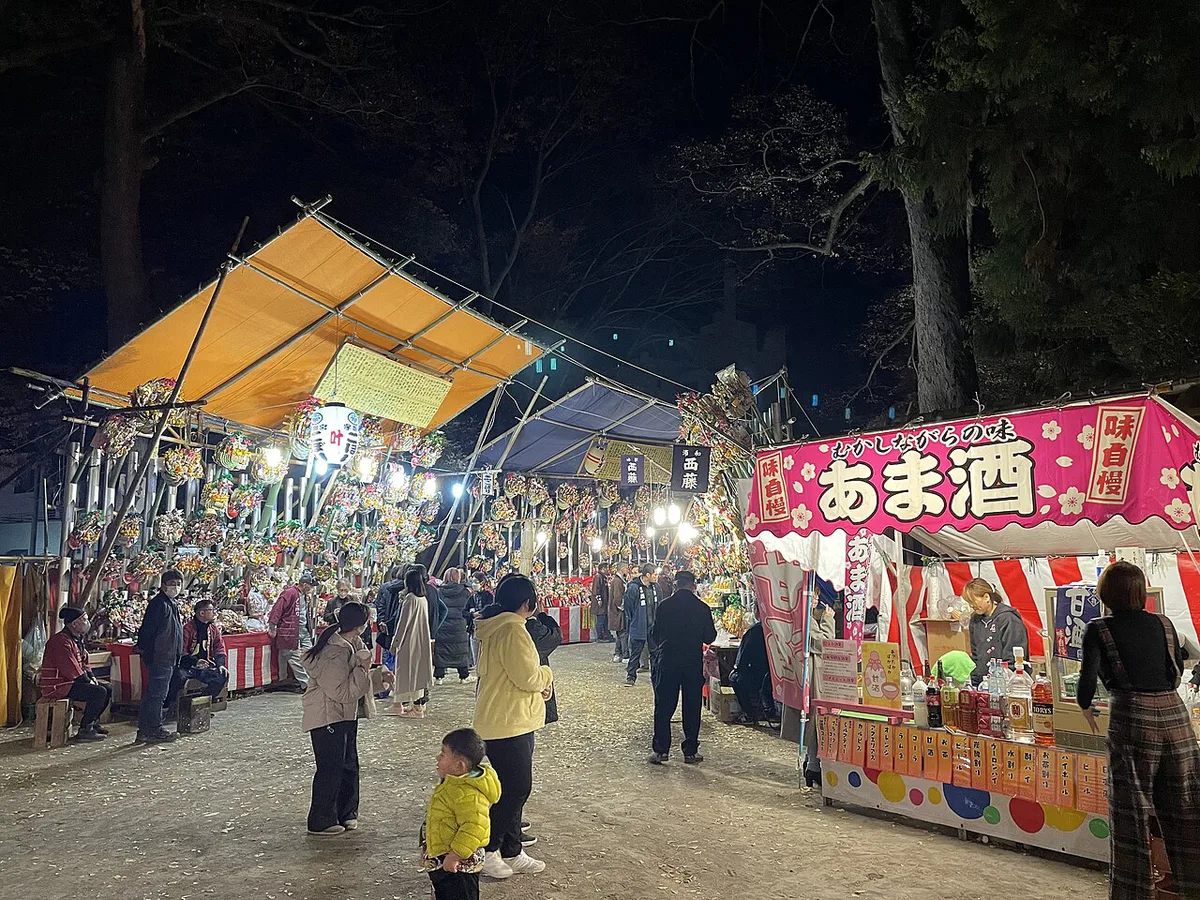
Seibu-Chichibu Station houses Matsuri-no-yu, a food and shopping court built into the station building. Because it sits inside the station, it also works well as a cover option if the weather turns. Grab a skewer of miso potato there within minutes of stepping off the train. That makes it the easiest option for a quick snack right after arrival or just before departure. The trade-off is atmosphere, since you are eating inside a modern station complex rather than on a historic street. Banba-dori runs from the station area toward Chichibu Shrine. Several shopfronts along it sell miso potato for tabearuki, the local term for eating while you walk. Both the station and Banba-dori sell miso potato daily, so the choice comes down to pace and atmosphere rather than availability. Expect a slower pace on Banba-dori, with vendors frying in view of the street rather than behind a station counter. Local supermarkets near your accommodation often stock pre-made miso potato in the prepared foods section. That's a useful, low-cost option for an evening snack without a specific vendor to track down. See the guide to budget and vegetarian Chichibu food for more on this route.
- Matsuri-no-yu works best when you want speed, a roof overhead, and a snack timed to a train.
- Banba-dori works best when you want the tabearuki experience, more stalls to compare, and a slower walk toward the shrine.
Texture and Ingredients: Crispy Batter vs. Soft Potato
Miso potato batter varies by stall, and the difference matters if texture is a priority. Some vendors use a light, tempura-style batter that fries up crisp and shatters slightly when you bite in. Others use a thicker, doughier coating that stays soft and clings closely to the potato underneath. Neither style is officially labeled at most stalls, so ask the vendor directly if you want a specific texture. Most stalls serve it on a skewer or in a small paper tray, sized for eating while you walk. Sweetness generally outweighs saltiness in the glaze, though the exact ratio is down to the individual vendor. Miso potato is one of the few Japanese street snacks built on a naturally vegetarian base of potato, miso, sugar, and oil. That said, some batters include egg, and some miso glazes are thinned with dashi stock made from fish or bonito. If you keep a strict vegetarian diet, ask about egg in the batter. Also ask whether the glaze uses a fish-based dashi. Vendor practices are not standardized, so the same question can get a different answer at each stall.
Beyond the Potato: The Rest of the Street Food Circuit
Miso potato anchors the Chichibu snack scene, but several other items round out a walking crawl. Mixing textures and flavors, rather than eating miso potato at every stop, makes for a more satisfying crawl. Soft serve stands near the shrine tend to rotate seasonal fruit flavors, so exact options change through the year.
Each snack on Chichibu's street-food circuit runs ¥200–¥500, and sampling two or three different items lets you stay within the ¥1,500–¥2,000 budget for a complete crawl covering three or four stops.
- Shakushina-zuke: pickled greens native to the Chichibu area, sold as a bun filling or a side, priced in the same ¥200–¥500 street-snack range.
- O-yaki and grilled dumplings: pan-seared filled buns sold at several Banba-dori storefronts, also in that ¥200–¥500 range.
- Chichibu soft serve: local flavors such as miso or seasonal fruit, generally ¥200–¥500.
- Convenience store finds: Chichibu-area 7-Eleven and FamilyMart branches sometimes carry regional items, like miso-potato-flavored snacks or local pickle packs, not typical in Tokyo branches.
Cash, Portions, and Ordering Tips
Most small street stalls in Chichibu take cash only, and card or mobile payment is not something to count on. Carry a mix of ¥1,000 notes and coins, since a vendor selling ¥200–¥500 snacks may not welcome a large bill. Even at larger shops, treat cash as the safe default for any stall along Banba-dori. Vending machines around the station and shrine take coins and small bills too, useful for a cold drink between stops. A single skewer or tray of miso potato is a starter-sized portion, not a full meal. Portion sizes are not standardized either, so a skewer at one stall may hold noticeably more potato than at another. Plan on two or three different snacks per person to leave the crawl satisfied. If you intend to follow the crawl with a sit-down lunch, keep portions light early on and save your appetite. Ordering is simple at most stalls. Point at what you want and hold up fingers for the quantity. Pay the amount the vendor states, since most stalls do not use registers with visible totals. Basic numbers in Japanese help, but pointing works fine even without them.
Quick Snack or Full Crawl: Choosing Your Pace
Match your route to the time you actually have. With under 30 minutes, stay inside Matsuri-no-yu at Seibu-Chichibu Station and eat while you wait for a train. With an hour or two, walk the length of Banba-dori and sample two or three stalls along the way. With half a day, start at the station and work through Banba-dori. Finish near Chichibu Shrine, then follow the crawl with a sit-down meal. If you are torn between depths, the half-day version gives the most complete picture of the circuit. Each pace still covers the miso potato experience described above, just at different depth.
Time-pressed visitors with under 30 minutes should choose Matsuri-no-yu over Banba-dori because most of that street's vendors close around 5:00 PM and post no fixed hours.
Planning Your Route: Budget and Timing Around the Festival Calendar
Budget roughly ¥1,500–¥2,000 for a full snack crawl covering three or four stops. That covers a skewer of miso potato, a side of shakushina-zuke, and one more snack or a soft serve. A workable route starts at Matsuri-no-yu inside Seibu-Chichibu Station, continues along Banba-dori, and ends near Chichibu Shrine. Along the way, you pass several of the Things To Do In Chichibu Travel Guide worth building a half-day around. Weekday afternoons are quieter, with shorter waits and less risk of a stall selling out early. Weekends bring heavier foot traffic, and popular stalls can sell through their batch before evening. During the Chichibu Night Festival in December, expect more stalls but also far larger crowds pressed into the same streets. Arriving early is worth it on festival days, since the most popular stalls tend to sell out well before the evening crowds peak. If a stall you wanted sells out, most others nearby carry a similar version, so a single sellout rarely ends the crawl. Most small vendors post no fixed hours. Plan to arrive by late afternoon on a normal day, since many close around 5:00 PM or whenever they sell out.
Street Food Comparison at a Glance
Use this table to decide where to spend limited time and stomach space before you commit to a route. Prices and availability shift by season, so treat the figures here as a planning baseline rather than a guarantee.
| Snack | Key Ingredient | Best For | Where to Find It |
|---|---|---|---|
| Miso potato | Potato with sweet miso glaze | Everyone, vegetarian-friendly base | Matsuri-no-yu or Banba-dori |
| Shakushina-zuke | Pickled greens | Savory, tangy flavor fans | Banba-dori shopfronts |
| O-yaki and grilled dumplings | Filled dough, pan-seared | A heartier snack between stops | Banba-dori storefronts |
| Chichibu soft serve | Milk base with local flavor mix-ins | Dessert lovers | Near Chichibu Shrine |
| Convenience store snacks | Regional packaged goods | Grab-and-go budget option | Chichibu-area 7-Eleven or FamilyMart |
Pairing Snacks with Drinks and a Full Meal
Salty, glazed snacks like miso potato pair well with a cold local beer or a pour of Chichibu whisky. Craft beer bars near Banba-dori are another option if whisky is not your preference. Save that pairing for the end of the crawl, once you are seated rather than still walking. The Chichibu sake, wine, and whisky guide covers where to find both. If you want a full sit-down meal after the crawl, follow up with Chichibu's waraji katsudon. The dish takes its name from oversized pork cutlets shaped like straw sandals. For a lighter follow-up, the Chichibu soba and mountain vegetable guide covers noodle options nearby. Either route turns a short snack crawl into a complete afternoon of eating, rather than a rushed stop between trains.
Frequently Asked Questions
Is Chichibu miso potato vegetarian?
The core recipe uses potato, miso, sugar, and oil, which is naturally vegetarian. Some batters include egg, and some glazes are thinned with fish-based dashi. Ask the vendor directly about both if you keep a strict vegetarian diet. For more vegetarian-friendly options around town, see the guide to budget and vegetarian Chichibu food.
Where is the best place to eat miso potato near Seibu-Chichibu Station?
Matsuri-no-yu, the food and shopping court inside Seibu-Chichibu Station, is the most convenient option. You can grab a skewer within minutes of arriving or right before you board a train. For a slower, street-side experience, walk out to Banba-dori instead. Signage at both spots is easy to find, since miso potato is one of the most visible snacks sold in Chichibu.
Can you find these snacks during the Chichibu Night Festival?
Yes, the Night Festival in December brings extra food stalls to the streets around the shrine. Expect far larger crowds and longer waits than on a normal weekday. Arrive early if you want to try a specific stall before it sells out. Outside festival days, weekday afternoons are the quietest time to eat.
How much does a street food crawl in Chichibu cost?
Plan on roughly ¥1,500 to ¥2,000 for three or four stops. It typically covers a skewer of miso potato, one side dish, and a small dessert like soft serve. Prices vary slightly by vendor and season. Bring cash, since most small stalls do not take cards.
What is the difference between the crispy and soft styles of miso potato?
Batter style depends on the vendor. A tempura-style coating fries up light and crisp, while a thicker batter stays soft and clings to the potato. Neither style is labeled, so ask if a specific texture matters to you.
What does B-grade gourmet mean, and why does it matter in Chichibu?
B-grade gourmet, or gotouchi B-kyu gurume, refers to inexpensive, informal local dishes valued for identity and flavor rather than presentation. Miso potato fits that category closely, since it started as a home snack rather than a restaurant dish. Ordering it from a street stall is the most authentic way to try it.
Do you need to book ahead for any of these stalls?
No, street stalls and Matsuri-no-yu operate on a walk-up basis. Reservations are not part of how this scene works. Arrive earlier on weekends or festival days if a specific stall matters to you.
Free guide: Japan's Hidden Gems
12 under-the-radar places beyond Tokyo & Kyoto — with the best season to visit each and a local tip you won't find in the guidebooks.
You might also like


Continue reading
More guides you'll find useful