Chichibu Soba & Mountain Vegetables: A Seasonal Dining Guide
Plan a Chichibu soba and mountain vegetables trip: seasonal timing, a hands-on soba-making experience, valley vs. station shops, and 2026 dining costs.
On this page
Last updated August 2026, this guide breaks down where and when to eat Chichibu soba and mountain vegetables across the basin's station-area shops and valley eateries. Steep terrain and cold mountain water shape both the buckwheat and the wild-harvested sansai that top it, so timing a visit to the season changes what lands on the tray. The sections below cover the santate freshness rule, a hands-on soba-making option, and the trade-offs between quick station meals and scenic valley detours.
Why Chichibu Is Japan's Soba and Mountain Vegetable Country
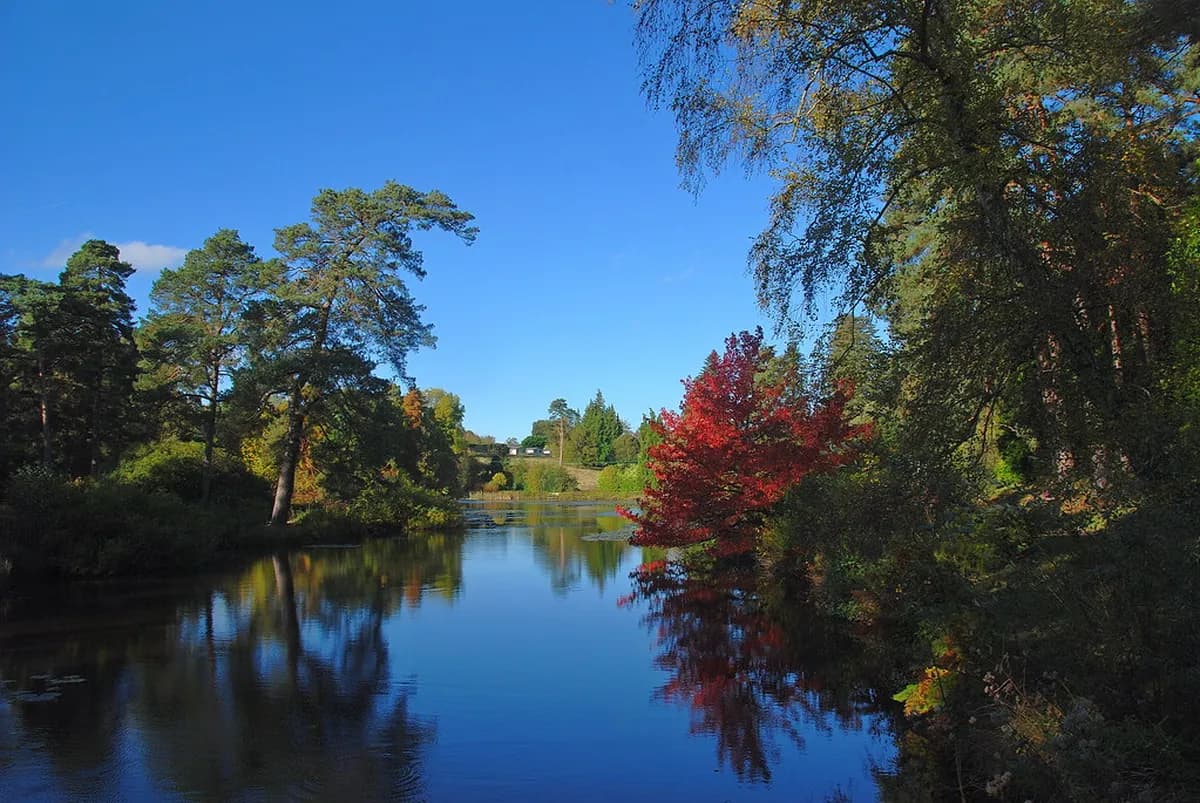
Chichibu sits in a mountain basin within the wider Chichibu-Tama-Kai National Park area of Saitama Prefecture, ringed by peaks too steep and rocky for reliable rice paddies. The basin's sharp swings between day and night temperatures, typical of a valley ringed by mountains, are part of why Chichibu has long been known as a source of good buckwheat. Buckwheat tolerates lean, sloped fields far better than rice, so soba became the region's staple grain generations ago. Local shops describe the ideal bowl through the santate principle: freshly milled flour, freshly kneaded dough, and freshly boiled noodles. Clear water draining from the surrounding mountains feeds both the buckwheat fields and the dough itself. Shops that grind their own stone-milled flour tend to produce noticeably more fragrant bowls, since whole buckwheat carries more aroma than pre-milled flour. Menus therefore change with the harvest more than in flatter regions nearby, since both the buckwheat and the accompanying sansai depend on mountain growing conditions. For the wider spread of what to eat around town, see the Chichibu food guide, which rounds up the basin's other specialties alongside soba.
Seasonal Guide: When to Eat Chichibu Soba and Sansai
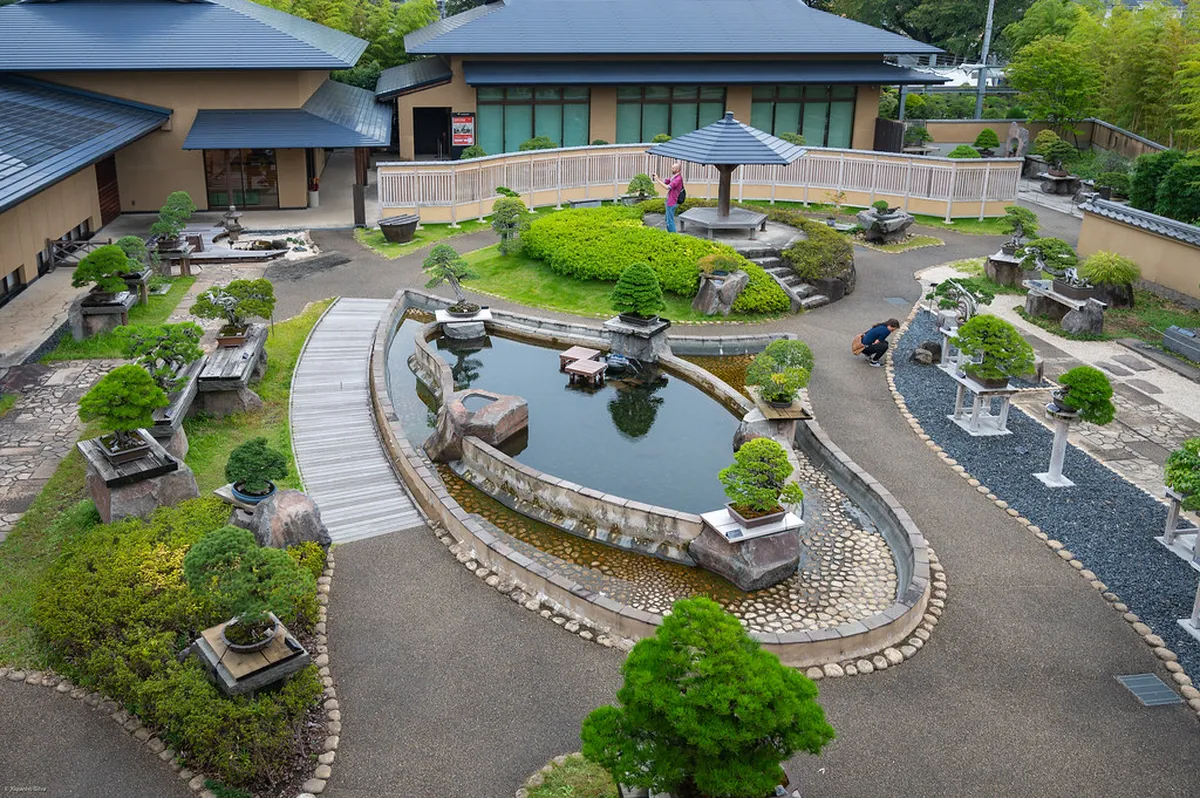
Chichibu's soba and sansai menu shifts with the calendar, and timing a visit to the right season changes what actually lands on the table. Spring brings fuki-no-to (butterbud) and kogomi (ostrich fern), both served as tempura alongside a soba tray for only a few weeks each year. The Chichibu Farmers Market in Terao stocks seasonal edible wild plants and mushrooms directly from local growers, useful for comparing what's actually in season before choosing a topping. Autumn is shin-soba season, when newly harvested buckwheat is milled fresh and its aroma peaks, typically from late October into November. Wild mushrooms and chestnuts round out the autumn menu at many shops, often folded into a warm bowl instead of tempura. Winter favors toji soba or a hot pot built around local venison or wild boar, a heartier switch from the cold trays of summer. Summer diners lean toward chilled zaru soba, often paired with a side of Chichibu miso potatoes for a cooler, lighter meal.
| Season | Order This | Why It's Worth Timing |
|---|---|---|
| Spring (March–May) | Sansai tempura with fuki-no-to and kogomi | These wild greens appear for only a few weeks |
| Autumn (late Oct–Nov) | Shin-soba, the new-harvest buckwheat | Freshly milled flour is at its most fragrant right after harvest |
| Winter (Dec–Feb) | Toji soba or a hot pot with venison or wild boar | Warm bowls and game replace the cold trays of summer |
| Summer (Jun–Sep) | Chilled zaru soba with miso potatoes on the side | Cold noodles suit the basin's humid summer heat |
Three Ways to Eat Soba in Chichibu
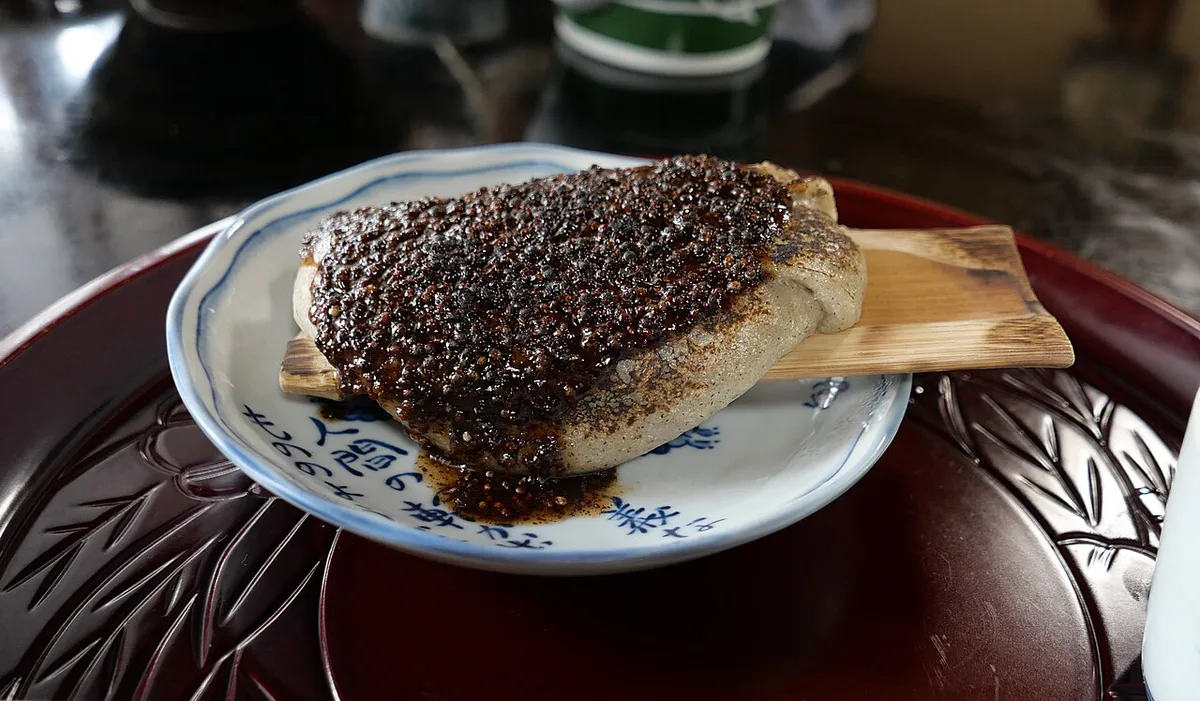
Deciding how to eat matters as much as deciding where, since Chichibu offers three distinct styles of soba experience, from hands-on lessons to quiet valley dining rooms.
Chichibu soba experiences span from ¥5,000 per person at Furusato Village (including hands-on preparation, barbecue, and tastings) down to ¥800 for a basic bowl at a station shop. The price reflects whether you're buying noodles or an afternoon activity.
- Hands-on: Chichibu Furusato Village sits in Ogano, part of Chichibu County in Saitama Prefecture. Guests knead, cut, and cook their own noodles, then move into a barbecue and fruit-wine tasting session on the same visit. The all-inclusive price covers entrance, the soba lesson, the barbecue, fruit-wine making, and animal interaction for ¥5,000 per person. Reservations run by phone from 9am to 4pm or through the facility's online form, and walk-ins are not guaranteed a slot.
- Scenic valley: Inaka-style shops tucked into the mountainsides serve a rustic noodle with minimal binding flour, giving the bite a coarser texture than a town-center tray. Views and quiet come at a cost. Many of these shops require a rental car, and local buses along the valley routes run only a few times a day, so plan the return trip before ordering.
- Farm-to-table: Restaurants such as Cucina Salve build Italian-fusion plates from more than 150 organic vegetable varieties grown in the Chichibu Basin. It's a modern take, but it still centers on the same basin produce that feeds the region's soba shops, with a chef personally growing many of the ingredients used on the menu.
Signature Pairings and Side Dishes
Miso potatoes are the side dish most visitors order alongside a soba tray, skewered and coated in a sweet-savory miso glaze sold at shops and stalls across town. The Chichibu miso potato guide covers where to find them and what to expect to pay. Miso shows up well beyond the potato snack too, worked into pork dishes and other local recipes as a base flavor. Pickled vegetables, known as tsukemono, are a common side that adds a sharp, salty contrast to a mild soba tray. Grilled ayu (sweetfish) or trout often join a seasonal soba set, pulled from the same rivers that feed the region's water supply. Some shops finish a cold tray with a walnut-based dipping sauce instead of the standard soy tsuyu, though it's worth asking ahead since not every shop offers it. Sake pairs naturally with a soba meal, and the Chichibu sake and whisky guide lists which local breweries to visit before or after eating. At the end of the meal, ask for soba-yu, the hot buckwheat cooking water poured into the leftover dipping sauce for a final warm cup.
Getting There and Timing a Soba Day
Seibu Chichibu Station on the Seibu Chichibu Line and Chichibu Station on the Chichibu Railway both serve as practical bases for a soba day. Both stations connect to Tokyo, making a soba-focused day trip feasible without an overnight stay for travelers based in the capital. Most town-center shops sit within walking distance of one station or the other, so a car is optional for a station-focused visit. Combining a meal with nearby Chichibu sightseeing spots makes for an efficient day. Chichibu Shrine sits close to the town center. The Nagatoro gorge, known for its rock terraces, and Mitsumine Shrine both sit further into the mountains and reward extra travel time. Building a soba stop around one of these sights keeps a day trip efficient instead of doubling back across town.
Chichibu's best-known shops close often by around 2pm after milling their daily batch. Planning a soba meal around sightseeing at distant attractions like Mitsumine Shrine requires accounting for this timing constraint to fit both into a single day trip.
Town Center vs. Mountain Valley Shops: Planning Your Visit
Where to eat comes down to a trade-off between convenience and atmosphere. Station-area shops near Seibu-Chichibu Station or Chichibu Station suit a quick meal before or after sightseeing. Mountain valley shops trade that convenience for scenery and a slower pace, but most sit beyond easy walking distance.
| Factor | Town Center Shops | Mountain Valley Shops |
|---|---|---|
| Access | Walkable from Seibu-Chichibu or Chichibu Station | Usually needs a rental car or an infrequent local bus |
| Price | From around ¥800 for a basic zaru tray | Similar base price, more for seasonal sansai sets |
| Wait times | Longest at midday on weekends | Shorter, but hours and closing days vary by shop |
| Best for | A fast bowl before or after sightseeing | A slower meal built around the scenery |
- Cost scales with the season and the extras on the tray.
- A basic tray of zaru soba starts around ¥800.
- A seasonal set with river fish or a mound of sansai tempura can run past ¥2,000.
- Travelers with only a few hours often stick to the town center, while those building a full day around scenery can justify the extra travel to a valley shop.
- Chichibu's best-known shops mill a fixed batch of buckwheat each morning and close once it's gone, often by around 2pm.
- Arriving for a late lunch is the most common way visitors miss a specific shop's noodles entirely.
Mistakes to Avoid When Planning a Chichibu Soba Meal
A few planning slips account for most disappointing soba meals in Chichibu, and each one is easy to avoid with a little advance checking.
- Arriving after 2pm without checking hours first, when the day's noodle supply may already be gone at the most popular shops. A quick phone check or a look at posted hours before heading out avoids a wasted trip.
- Assuming every bowl is teuchi (hand-cut). Some shops serve machine-made noodles, so ask if that distinction matters to you before ordering. Hand-cut and machine-cut noodles differ in both texture and price.
- Skipping the seasonal specials board, where limited-time sansai varieties often outshine the standard menu items. These specials rotate with the harvest, so the same dish rarely appears twice in one year.
- Booking a valley restaurant without confirming bus frequency or driving distance first, since a missed connection can add hours to the day. Confirming the return trip is as important as booking the meal itself.
Vegetarian and Dietary Notes
Standard soba dipping sauce relies on a bonito-based dashi, so a bowl that looks vegetable-forward can still carry fish stock. Vegetarian and vegan travelers should ask directly whether a shop can prepare a kombu-only broth before ordering. The Chichibu vegetarian dining guide covers which shops can accommodate the request and roughly what it costs. Sansai tempura itself is plant-based, but check whether the batter or frying oil is shared with meat or seafood items if that matters to you. Shops that also serve katsudon or other meat dishes may share fryers or grills, so ask about cross-contact if that's a concern. Travelers wanting a heartier, meat-forward alternative to a vegetable-topped bowl can compare notes with the Chichibu katsudon guide.
Frequently Asked Questions
Which Chichibu soba shops are best for first-time visitors?
Station-area shops near Seibu-Chichibu Station suit first-time visitors best, since they're walkable and don't require a car or bus schedule. Soba no Mori at Chichibu Hometown Hall is a reliable pick, built around a miso pork and soba set that runs about ¥1,600.
Is the soba-making experience at Chichibu Furusato Village worth the ¥5,000 price?
The ¥5,000 package covers more than the noodle lesson: entrance, the soba-making session, a barbecue lunch, fruit-wine tasting, and animal interaction. For a hands-on half-day activity rather than a quick bowl of noodles, that bundle offers reasonable value.
What are the best mountain vegetables to try in Chichibu during spring?
Fuki-no-to (butterbud) and kogomi (ostrich fern) are the two sansai most worth ordering each spring, usually served as tempura alongside a soba tray. Both appear on menus for only a few weeks, so spring is the main window to try them.
How do I get to the remote mountain vegetable restaurants without a car?
Some valley shops sit along local bus routes, though schedules can run just a few times a day. Confirm the return bus time before ordering, since missing the last bus back can strand you without a rental car.
Is Chichibu soba made with fish-based dashi?
Standard soba dipping sauce uses a bonito-based dashi, which matters for vegetarian and vegan travelers. Ask a shop directly whether a kombu-only broth is available before you order.
What's the difference between teuchi and machine-made soba in Chichibu?
Teuchi means hand-cut: the dough is kneaded, rolled, and sliced by hand, which usually costs more and takes longer to prepare. Machine-made noodles are faster and typically cheaper, so check a shop's menu or signage if the distinction matters to you.
Free guide: Japan's Hidden Gems
12 under-the-radar places beyond Tokyo & Kyoto — with the best season to visit each and a local tip you won't find in the guidebooks.
You might also like


Continue reading
More guides you'll find useful