Chichibu Waraji Katsudon: Where to Eat It and What to Order
Chichibu waraji katsudon guide: compare Yasuda-ya, Ōshimaya at Mitsumine, and the station food court, with 2026 prices, hours, and ordering tips.
On this page
Last updated August 2026. Chichibu waraji katsudon is a Saitama Prefecture specialty featuring two oversized, thin pork cutlets that drape over a rice bowl like a pair of straw sandals. Three restaurants around Chichibu serve distinct versions, and the right pick depends on the rest of the day's plans. This guide covers the shops, the prices, the ordering, and the timing that keeps a Chichibu day trip from stalling in a queue.
What Is Chichibu Waraji Katsudon?
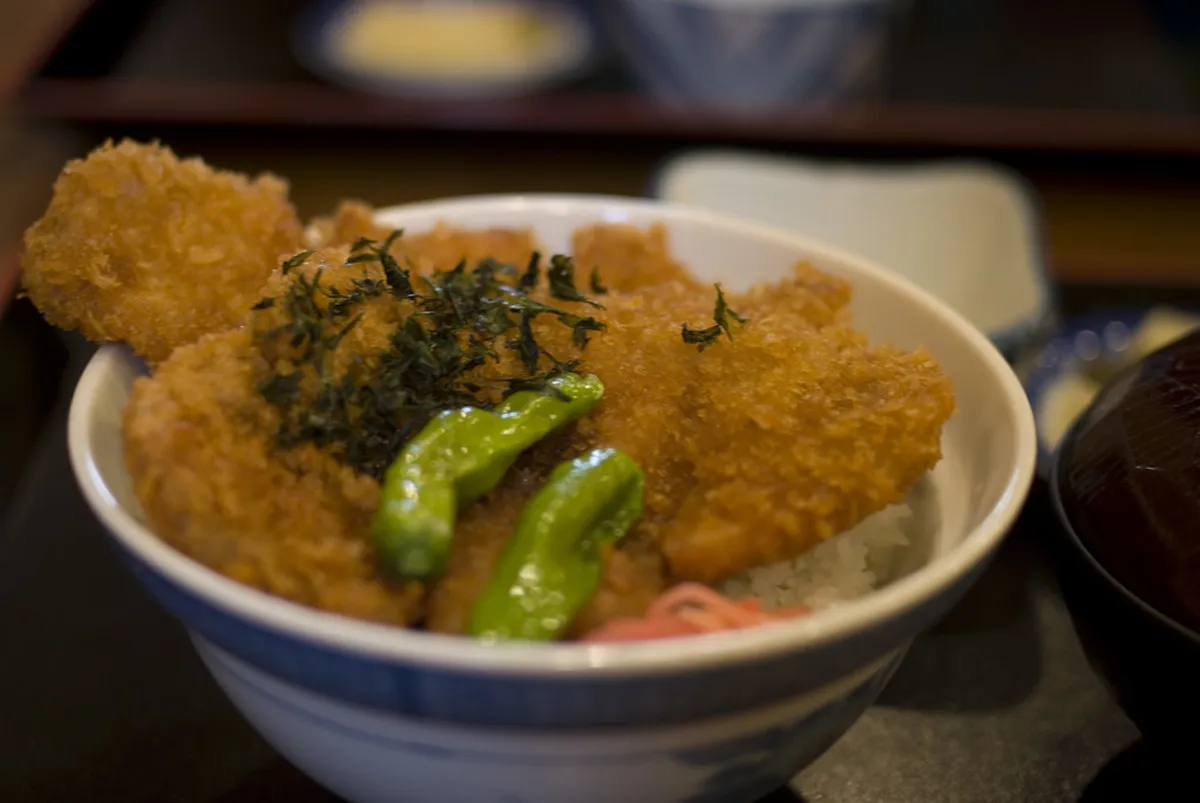
Waraji means straw sandal, the woven footwear once standard across rural Japan and still used today by some monks and shrine offerings. Chichibu's version of katsudon swaps the usual single thick cutlet for two thin, wide slices of pork that overhang the rice bowl's edges, echoing the shape of a sandal sole. Standard tonkatsu skips this step. Chichibu's cutlet marinates in a sweet-savory soy-based sauce before it's breaded and fried, not sauced on afterward. That pre-fry soak makes the meat lean, tender, and slightly soft rather than crisp, which surprises travelers expecting a crunchy cutlet. Most standard katsudon bowls add a layer of egg. Chichibu's version skips it entirely, relying on the sauce instead. Regional hiking coverage frames it as the meal to end a Chichibu hike on, not just another lunch stop. It's one of Saitama Prefecture's defining meibutsu, the Japanese term for a local specialty food, and this Chichibu food guide places it alongside the town's other signature dishes. Most versions arrive with miso soup and a small dish of Shakushi-na, a crunchy, salty pickled leaf that's a Chichibu specialty in its own right.
Three Ways to Eat Waraji Katsudon Around Chichibu
Waraji katsudon shops are scattered across Chichibu City and neighboring Ogano Town. Local food writers note the count has grown as the dish's popularity spread beyond a handful of specialists. Some well-regarded versions sit well outside walking distance from the station or any trailhead, which rules them out for a tight day-trip schedule. Three shops cover the most useful travel patterns instead, each suited to a different kind of visit. Yasuda-ya in Hinodamachi is the original, prized by food pilgrims willing to queue. Ōshimaya sits a two-minute walk from Mitsumine Shrine, feeding hikers on their way back down the mountain. Chichibu Waraji Katsu Tei sits inside the Matsuri no Yu hot spring complex beside Seibu Chichibu Station, built for travelers on a tighter schedule. Wait times, location, and best-for details appear in the table below.
| Shop | Location | Typical Wait | Best For | Price (Standard Bowl) |
|---|---|---|---|---|
| Yasuda-ya | Hinodamachi, near Seibu Chichibu Station | Up to about 90 minutes at peak | Food pilgrims wanting the original | ~¥1,080 for two slices, ~¥860 for one |
| Ōshimaya | Near Mitsumine Shrine, Mount Mitsumine | Moderate | Hikers descending from Mitsumine Shrine | ¥1,000 |
| Chichibu Waraji Katsu Tei | Inside Matsuri no Yu, beside Seibu Chichibu Station | Low to moderate | Travelers on a tight train schedule | ¥1,000-¥1,999 range |
Yasuda-ya: The Original, and the Line to Match
Yasuda-ya's Hinoda branch is the shop most associated with Chichibu's waraji katsudon. Visitor reports describe lines forming a full hour before opening, with total waits stretching close to 90 minutes on busy days. Seating is tight: five bar seats and two low tables on a raised tatami platform hold about 13 people at once. The menu has exactly two options. Ichi-mai means one slice, a single cutlet over rice. Ni-mai means two slices, the full waraji portion. Both come with miso soup and pickles. Recent visitor pricing put ichi-mai at roughly ¥860 and ni-mai at roughly ¥1,080, though menu prices shift year to year and are worth confirming on arrival. Yasuda-ya is listed as cash only, and it's a short walk from Seibu Chichibu Station in the Hinodamachi neighborhood. Posted hours run 11:30 AM to 4:00 PM, and the shop closes on Mondays. Anyone who can't finish the second cutlet gets a take-home box, since the ni-mai portion is large enough that many diners don't clear the bowl.
Ōshimaya at Mount Mitsumine: The Hiker's Reward
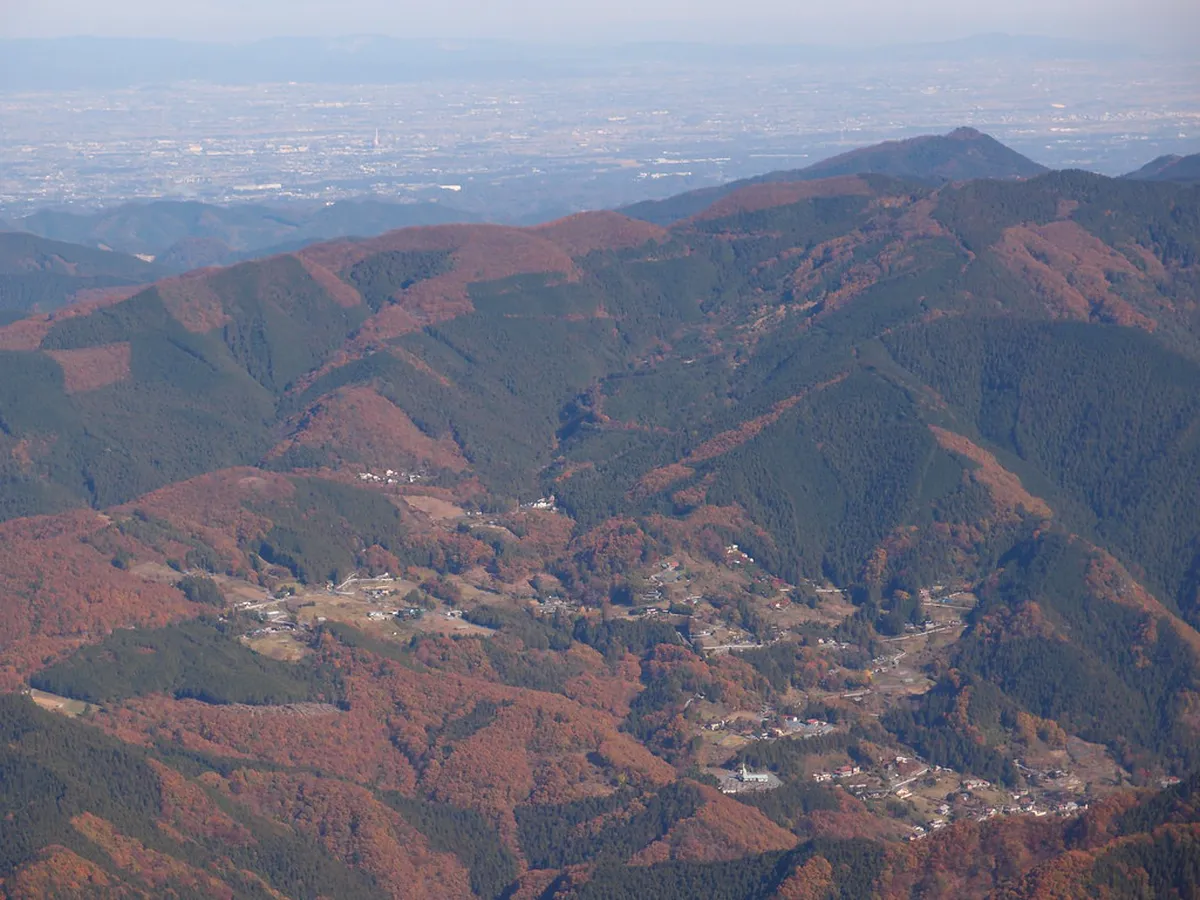
Ōshimaya sits near Mitsumine Shrine, the reward many hikers plan their descent around. The restaurant is open daily from 10:00 AM to 4:00 PM, and a standard waraji katsudon bowl runs ¥1,000. Two large cutlets arrive on the rice, leaner and flatter than typical tonkatsu, with a crisp crust over tender meat. The bowl's lid doubles as a side plate. Rest one cutlet there, then eat down to the rice underneath. Finish both cutlets once the rice is exposed. Terrace seats look out over the Chichibu mountain range, and a wild deer sometimes visits the garden below, fed daily by the restaurant's owner. Getting there takes planning. From Seibu Chichibu Station's main exit, the Mitsumine Shrine Line bus (Mitsumine-jinja Sen) takes about 1.5 hours to the Mitsumine Shrine stop and costs around ¥944 one-way. A two-minute, 200-meter walk from that stop reaches the restaurant. Anyone building a hiking day around Mitsumine Shrine should budget for that bus time. This Chichibu attractions guide has more on the shrine and trail options.
Chichibu Waraji Katsu Tei: Fast, Station-Side, and Good With Beer
Chichibu Waraji Katsu Tei operates inside the Matsuri no Yu hot spring complex, about 90 meters from Seibu Chichibu Station. Eating at Katsu Tei doesn't require a bathing ticket, since walk-in diners are welcome at the food court. Portions here scale from one to four cutlets, with two as the standard order. For a beer pairing, order the Otsumami Waraji version, which comes pre-cut into bite-sized pieces instead of the usual two whole slices. This Chichibu sake, wine, and whisky guide covers what else pairs well with a fried, sauce-heavy meal like this one. Hours run 11:00 AM to 6:30 PM on weekdays and stretch to 7:30 PM on weekends. Electronic money is accepted, but credit cards and QR code payments are not, so bring either cash or an IC card. Tabelog user reviews put the restaurant at 3.44 out of 5 across 220 ratings. That falls within the same ¥1,000-1,999 spending bracket typical of the whole waraji katsudon category. Katsu Tei's location is fairly new. A previous waraji katsudon diner once operated on Nakamise Street near the station, but that street disappeared during a station-front renovation. Tabelog lists Chichibu Waraji Katsu Tei's opening date as April 2017, not long after the old diner's site was redeveloped.
Restaurant Names and Contact Details for Wayfinding
Staff and taxi drivers respond faster to the Japanese restaurant name than an English description, and having the address on hand helps with a map app or a phone call ahead.
- Yasuda-ya (安田屋日野田店): 1-6-9 Hinodamachi, Chichibu City, Saitama 368-0034.
- Ōshimaya (大島屋): a two-minute walk from the Mitsumine Shrine bus stop on Mount Mitsumine.
- Chichibu Waraji Katsu Tei (秩父わらじかつ亭): 1-16-15 Nosaka-cho, Chichibu City, Saitama; phone 0494-22-7111.
How to Order, Eat, and Handle the Portions
Portion sizes vary by shop, so decide before joining a line. Yasuda-ya's menu only offers ichi-mai (one cutlet) or ni-mai (two cutlets). Chichibu Waraji Katsu Tei lets you choose from one to four. Two cutlets is standard nearly everywhere, and a single portion is usually enough for a lighter appetite. Expect the meat to be soft rather than crunchy, since the pre-fry marinade softens the crust more than a dry-breaded tonkatsu would. Use the lid deliberately instead of setting it aside. Set one cutlet on it to reach the rice underneath, then work through both cutlets in turn. Miso soup and pickles, often Shakushi-na, come standard with the set. Travelers who want something smaller don't have to order waraji katsudon at all. The Chichibu Soba & Mountain Vegetables: A Seasonal Dining Guide covers a lighter noodle option nearby. The Chichibu budget and vegetarian guide lists smaller-portion, lower-cost picks around town. For a snack-sized taste before or after a meal, the Chichibu miso potato guide covers street food that won't compete with a full katsudon portion.
Timing Your Visit and Pairing It With the Onsen
Late morning is the easiest time to eat waraji katsudon in Chichibu without a long wait. Arriving close to 11:00 AM, right at opening or shortly after, generally beats the midday rush at all three shops. Yasuda-ya is the riskiest on timing. It closes at 4:00 PM, and arriving around 3:30 PM risks finding cutlets sold out or the doors already closing. Weekend timing works differently at Katsu Tei. It stays open later on Saturdays and Sundays, until 7:30 PM instead of 6:30 PM, giving more flexibility for an evening arrival. Katsu Tei sits inside Matsuri no Yu, so pairing the meal with a soak takes no extra travel. Some visitors eat first and bathe afterward. Others soak first, then finish with the bite-sized Otsumami Waraji version and a beer. Bring cash regardless of which shop is on the plan. Yasuda-ya doesn't take cards at all, and even Katsu Tei skips credit cards in favor of IC-card payment.
Yasuda-ya's waits grow close to 90 minutes on busy days, coupled with a 4:00 PM close time and cutlets selling out by 3:30 PM—so arriving at the 11:30 AM opening provides the clearest path to avoiding queues.
Mistakes to Avoid at Chichibu's Waraji Katsu Shops
A few planning slips account for most disappointing visits. Avoiding them is mostly a matter of timing and expectations.
The Mitsumine bus journey runs about 1.5 hours each way at around ¥944 one-way fare, requiring roughly three hours of transport time alone, which significantly constrains the day's hiking and dining schedule.
- Arriving at Yasuda-ya after 3:30 PM: cutlets can sell out before the posted 4:00 PM close, and the shop is closed entirely on Mondays.
- Expecting a crispy tonkatsu texture: the pre-fry marinade softens the crust, so waraji katsudon eats softer and more tender than a dry-breaded cutlet.
- Skipping cash: Yasuda-ya accepts cash only, and Chichibu Waraji Katsu Tei doesn't take credit cards either, only electronic money.
- Underestimating the Mitsumine bus ride: the trip from Seibu Chichibu Station runs about 1.5 hours each way, which changes the shape of a day trip.
- Treating waraji katsudon as the only stop: pairing it with a broader look at the Chichibu food guide rounds out the day's eating plan.
Frequently Asked Questions
What does "waraji" mean in waraji katsudon?
Waraji is the Japanese word for the straw sandals once worn across rural Japan and still used today by some monks and shrine offerings. The two oversized cutlets draped over the rice bowl echo that sandal shape, which is how the dish got its name.
How much does waraji katsudon cost in Chichibu?
Expect roughly ¥860 to ¥1,080 for a single or double cutlet bowl at Yasuda-ya, based on recent visitor pricing. Ōshimaya's standard bowl runs ¥1,000, and Chichibu Waraji Katsu Tei falls in the ¥1,000-1,999 range typical of the category.
Is Yasuda-ya really cash only?
Yes, Yasuda-ya's Hinoda branch is listed as cash only, with no cards accepted. Chichibu Waraji Katsu Tei is more flexible, taking electronic money though still not credit cards.
How do you get from Seibu Chichibu Station to Ōshimaya at Mitsumine?
Take the Mitsumine Shrine Line bus (Mitsumine-jinja Sen) from the stop outside Seibu Chichibu Station's main exit. The ride runs about 1.5 hours and costs around ¥944 one-way, ending at the Mitsumine Shrine stop, a two-minute walk from Ōshimaya.
Can you eat at the Matsuri no Yu food court without bathing?
Yes, the food court inside Matsuri no Yu, where Chichibu Waraji Katsu Tei operates, is open to anyone without a bathing ticket. Visitors commonly combine a meal with a soak, but the restaurant doesn't require it.
Is there a smaller option if two cutlets is too much?
Yasuda-ya's ichi-mai order is a single cutlet, and Chichibu Waraji Katsu Tei lets you order down from its four-piece maximum. Anyone wanting a lighter meal entirely can also look at soba or other lighter dishes elsewhere in Chichibu's food scene.
Can you reserve a table at these restaurants?
No, reservations aren't available. Chichibu Waraji Katsu Tei's Tabelog listing marks reservations as unavailable, and shops like Yasuda-ya run on a first-come, first-served line instead.
What's a good drink pairing with waraji katsudon?
Beer pairs naturally with the fried, sauce-heavy cutlet. Chichibu Waraji Katsu Tei's Otsumami Waraji version, cut into bite-sized pieces, exists specifically for that pairing.
Free guide: Japan's Hidden Gems
12 under-the-radar places beyond Tokyo & Kyoto — with the best season to visit each and a local tip you won't find in the guidebooks.
You might also like


Continue reading
More guides you'll find useful