
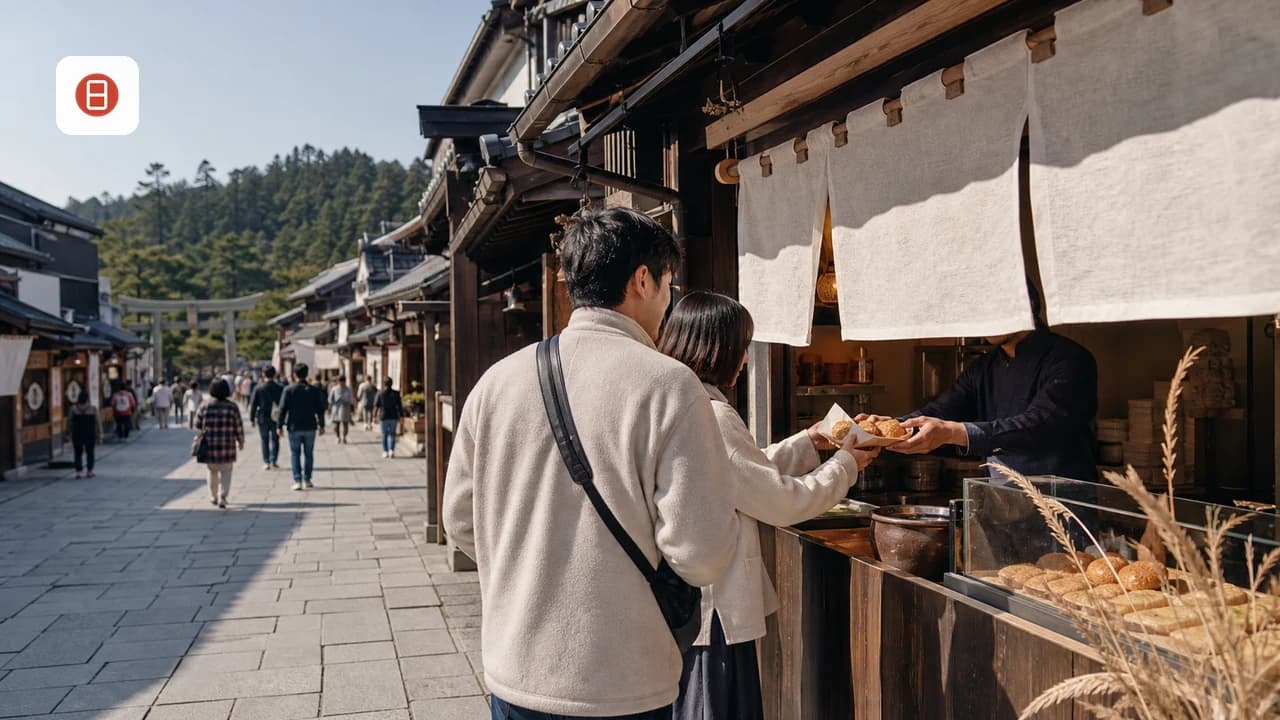
Izumo Taisha Food Street and Snack Guide
Plan the Izumo Taisha food street around your shrine visit: Shinmon-dori snacks, Goen Yokocho eats, soba wait times, and transport for 2026.
On this page
Last updated August 2026, this guide maps the Izumo Taisha food street across its two zones: Shinmon-dori and Goen Yokocho. Both sit within a five-minute walk of Izumo Taisha-mae Station and fill up fast around midday. Sequence soba, zenzai, and quick snacks around your shrine visit so a long soba wait never costs you the rabbit statues or the four-clap prayer.
Izumo Taisha Food Street: Shinmon-dori and Goen Yokocho at a Glance
Shinmon-dori runs about 700 meters from the Ukabashi torii, a nationally registered tangible cultural property, to the Seidamari gate, the entrance to the shrine grounds. More than 60 restaurants, cafes, and souvenir shops line this approach, mixing soba counters with sweets stalls under a row of pine trees. Goen Yokocho sits directly across from the Seidamari gate in a cluster of Edo-period-style wooden row buildings, with nine specialty shops selling food, magatama accessories, and local sake. Both areas lean into Izumo Taisha's reputation as a matchmaking shrine, so expect zenzai bowls with red-and-white mochi and fortune-telling corners built around En-musubi, the shrine's word for relationship-binding. The Izumo food guide covers restaurants and cafes across the wider city, beyond just the shrine approach.
The Big Three Izumo Specialties to Try First
Three dishes define food on this stretch: Izumo soba, Izumo zenzai, and uzuni. Izumo soba dates to the early Edo period and ranks among Japan's three great soba varieties, alongside Nagano's Togakushi soba and Iwate's wanko soba. Shops here use the hikigurumi method, stone-milling whole buckwheat seeds with the husk still on, which gives the noodles their dark color and stronger flavor. Order it warigo-style: cold noodles stacked in small lacquered bowls. Or try kamaage-style, served hot in its own cooking broth. Either way, pour the dipping sauce directly over the noodles instead of dunking them. Shop-by-shop broth and noodle differences get fuller treatment in the Izumo Soba Guide: How to Eat, Best Shops & Local Traditions. Izumo zenzai is the sweet counterpart, a red bean soup with red and white mochi that locals trace to jinzai mochi, a rice cake served during the Kamiarisai ritual at Izumo Taisha. The word zenzai is said to have evolved from the Izumo dialect term zunzai. Compared with zenzai elsewhere in Japan, the Izumo version carries more broth and a lighter sweetness, and several shops swap in a chilled or ice-cream version during summer. Mochi style and broth variations across shops appear in the Izumo Zenzai Guide: Best Shops, History and Prices Near Izumo Taisha. Uzuni is the rarest of the three: a pufferfish hospitality dish once reserved for the Fukujin Festival on New Year's Day of the old lunar calendar. Kitchens thicken pufferfish broth with kuzu starch, add pufferfish meat, kanpyo gourd strips, and shiitake, then mix the result rice-porridge-style with rock seaweed and wasabi on top. Fugu, the Japanese word for pufferfish, sounds like fuku, or good fortune, so ordering uzuni doubles as a luck ritual.
- Izumo soba: hikigurumi-milled buckwheat noodles, served warigo-style (cold, stacked bowls) or kamaage-style (hot broth).
- Izumo zenzai: red bean soup with red and white mochi, from the region credited as the dish's birthplace.
- Uzuni: pufferfish broth thickened with kuzu starch, historically a New Year hospitality dish at the shrine.
Best Shinmon-dori Snacks Between Shrine Visits
Shinmon-dori rewards grazing between shrine stops. Most specialty stalls sit within a few minutes' walk of each other, so you can snack in stages instead of committing to one shop.
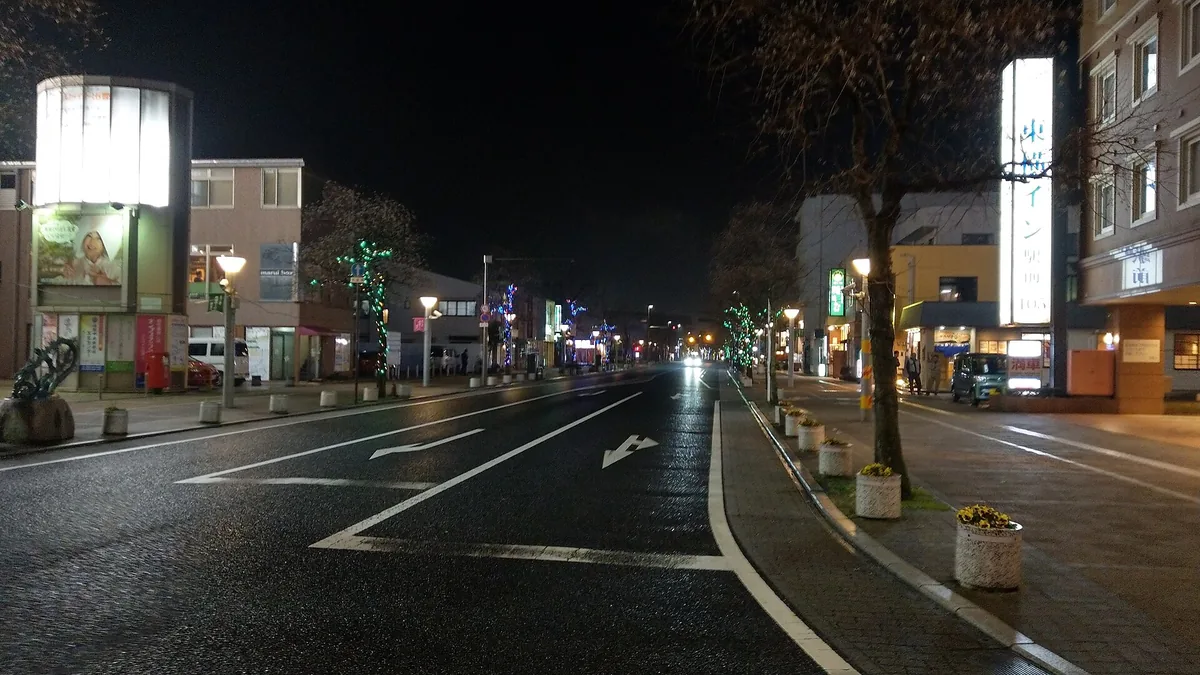
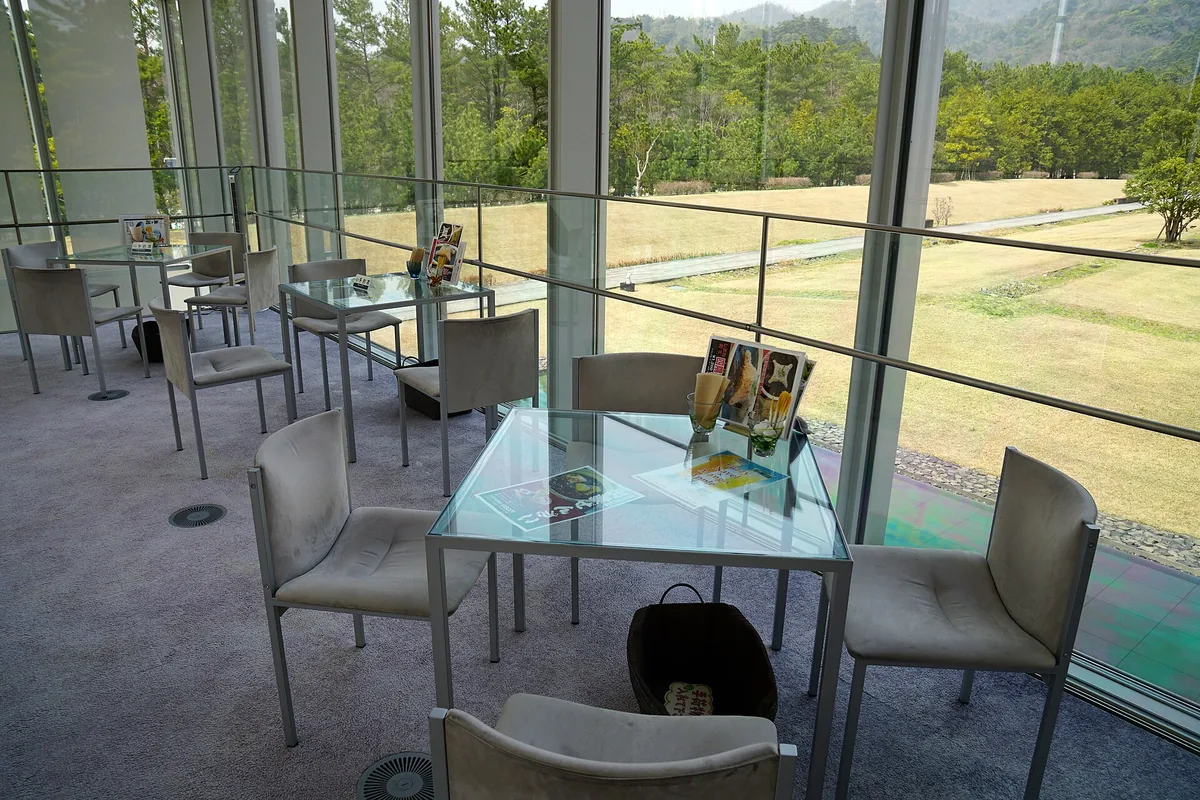
- Taisha Coffee: house-roasted beans and a coffee soft-serve topped with coffee powder, upstairs seating with window views; weekday hours 10:00-17:00, weekend hours 9:00-17:30.
- Fukunowa and Ofuku Cafe: fugu-yaki pufferfish-shaped cakes filled with red bean paste, plus a full uzuni bowl at the attached cafe, which opened in spring 2025 with terrace seating facing the main gate.
- Ichie: candied strawberries made fresh each hour, sold in short (3-piece) or long (5-piece) cups; confirm current availability, since solo sales of the candy were paused as of December 2025.
- 878 (Hachinana Hachi): taiyaki parfait with a choice of two flavors from a rotating lineup of six, plus Izumo Goen Satsuma-age shaped like a five-yen coin for good fortune.
- Izumo Cheesecake Honpo: a drinkable bottled cheesecake enjoyed through a straw, made with milk from Okuizumo and local eggs, alongside a daily-made Basque cheesecake.
- Starbucks Shinmon-dori branch: an exclusive Izumo Magatama agate mug, with each pattern unique and not stocked at other branches.
Goen Yokocho: The Food Court by the Main Gate
Goen Yokocho sits in Edo-period-style row buildings directly across from the Seidamari gate, about a five-minute walk from Izumo Taisha-mae Station. Nine specialty shops mix restaurants, souvenir stores, and magatama accessory sellers under one roof. The complex currently publishes 9:00–17:00 winter hours and 9:00–18:00 summer hours, with irregular closures; individual shop service can differ. Tamaki serves soba, Koumidori specializes in Taisha Karaage, and Izumo Nihonkai's Seimon-mae store carries local seafood. The complex also has coin lockers, a free rest area, restrooms, and nursing facilities, useful if traveling with small children.
Why Rabbit Statues Are Everywhere on the Shrine Grounds
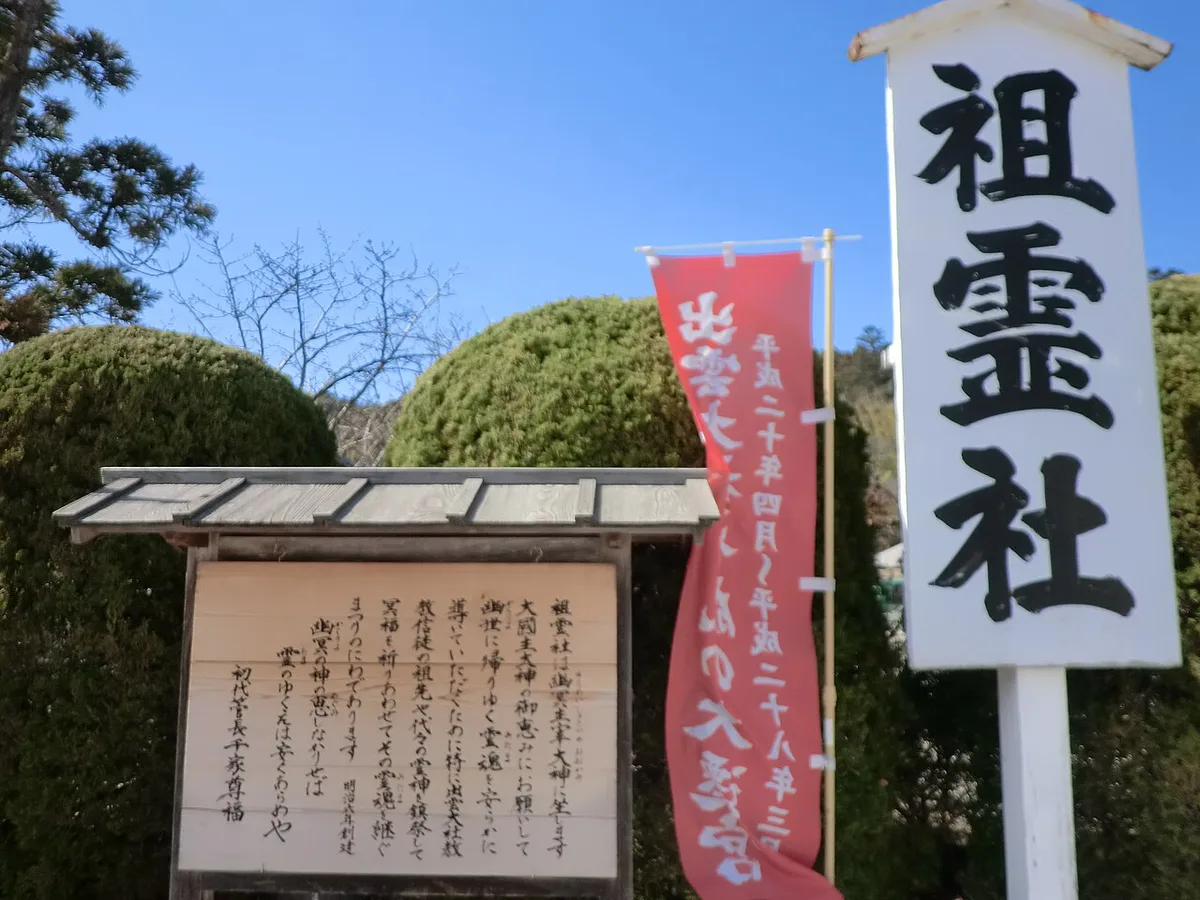
Okuninushi, the deity enshrined at Izumo Taisha, is linked to rabbits through a story in the Kojiki, Japan's oldest chronicle of myths. In it, Okuninushi saves a white rabbit from being eaten by sharks, an act of kindness now tied to his role as the deity of relationships. Dozens of rabbit statues, each posed differently, cluster behind the Honden, the shrine's 24-meter-tall main hall built in 1744. The Kagura Hall nearby carries its own landmark: a shimenawa sacred rope measuring 13 meters long and weighing 5 tons. Plan the rabbit-statue walk after your prayers, since that area sits past the worship hall rather than along Shinmon-dori itself. About 1 kilometer from the shrine, Inasa Beach lets visitors collect sand to exchange for blessed sand kept at Soga-no-yashiro, a smaller shrine behind the main hall. Many food-focused visitors skip this step entirely. Both the beach and the nearby Shimane Museum of Ancient Izumo get fuller coverage in the Izumo attractions guide.
Getting to the Food Street and Timing Your Visit
Two main options connect the shrine to the wider rail network: the Ichibata Railway and the direct bus from Izumoshi Station. The Ichibata Railway is the scenic, retro option, terminating at Izumo Taisha-mae Station, a five-minute walk from Shinmon-dori. Buses leave Izumoshi Station roughly every 30 minutes and drop passengers at three different stops along the approach, so check which one lands closest to your first stop. From farther afield, the JR Tokaido/Sanyo Shinkansen to Okayama, followed by the Yakumo limited express, covers Tokyo to Izumo in around six and a half hours. High-intent travelers can also take the Sunrise Izumo, an overnight sleeper train running directly from Tokyo Station to Izumo, arriving in around 12 hours. By air, Haneda to Izumo Airport takes about 90 minutes, and Osaka's Itami Airport to Izumo Airport takes about 50 minutes. Shrine grounds have no set closing time, while the Treasure Hall keeps separate hours of 8:30 to 16:30, with entry until 16:00, for ¥300 admission. Time the visit by entering the shrine grounds by 8:00 AM, finishing prayers before the 11:00 AM to 2:00 PM lunch peak hits Shinmon-dori. This is the point to execute the soba strategy. Put your name down at a counter before finishing your shrine visit, not after. Tanakaya sits right in front of the main gate. Seating spans 36 across counter, table, and tatami-room formats. Hours run 11:00 to 16:00, and the shop closes once the day's soba sells out. It is also closed on Thursdays. Kaneya, a few minutes' walk away, keeps shorter hours of 10:30 to 14:00 and closes Tuesdays and Thursdays. Most food stalls on Shinmon-dori close by around 5:00 PM, so a mid-afternoon arrival narrows your options fast. Beyond the daily lunch rush, expect longer waits during Golden Week, the Obon holiday period, and Kamiarizuki in late November, when Shinto tradition holds that deities gather at the shrine. Broader regional specialties beyond Izumo appear in the San'in food guide.
| Route | Journey time | One-way fare |
|---|---|---|
| Ichibata Railway from Dentetsu-Izumoshi (transfer at Kawato) | About 20 minutes | ¥550 |
| Ichibata Railway from Matsue Shinjiko Onsen (transfer at Kawato) | About 1 hour | ¥900 |
| Bus from Izumoshi Station to the shrine area | About 30 minutes | Check the current bus fare for the chosen stop |
Common Mistakes on Shinmon-dori and Goen Yokocho
A few timing and etiquette missteps repeat often enough to flag directly.
Expect waits of 30 minutes even outside the 11:00 AM to 2:00 PM lunch peak at popular soba counters; since Tanakaya closes once daily supplies sell out, early queuing is essential.
- Arriving after 4:00 PM expecting a full menu: many stalls sell out or close by around 5:00 PM.
- Clapping only twice: Izumo Taisha uses a four-clap prayer, two claps for yourself and two for a partner, unlike the two-clap standard at most shrines.
- Skipping Inasa Beach: it sits about 1 kilometer from the shrine and holds the sand-exchange ritual at Soga-no-yashiro.
- Underestimating soba wait times: visitor reports cite roughly a 30-minute wait even outside the noon rush, so add your name to a list before finishing your shrine visit.
- Assuming you can reserve a table: Shinmon-dori soba shops typically run on a walk-in name list rather than bookings, based on visitor reports, so plan around the queue instead.
- Waiting until midday for photos at the Ukabashi torii: the approach is quieter earlier, before the 11:00 AM lunch rush builds.
How This Guide Was Verified
Food availability, access details, seasonal rules, and the time-sensitive claims in this guide were checked on August 22, 2026 against the official sources below. Independent restaurant menus, prices, opening days, and sell-outs can change, so confirm the operator's same-day notice before making a special trip.
Frequently Asked Questions
What's the difference between Shinmon-dori and Goen Yokocho?
Shinmon-dori is the roughly 700-meter approach street leading to the shrine's Seidamari gate, lined with more than 60 restaurants and shops. Goen Yokocho is a smaller food court directly across from that same gate, built from nine specialty shops inside Edo-period-style row buildings.
How long is the wait for Izumo soba near the shrine?
Expect waits of around 30 minutes at popular counters like Tanakaya, even outside the noon rush, based on visitor reports. Putting your name on a shop's list before finishing your shrine visit is the standard workaround, and Tanakaya itself closes once the day's soba sells out.
What is Izumo zenzai and how is it different from zenzai elsewhere?
Izumo zenzai is a red bean soup with red and white mochi, tied by name to jinzai mochi served during the Kamiarisai ritual at Izumo Taisha. Compared with zenzai in other regions, the Izumo version usually carries more broth and a lighter sweetness, with some shops swapping in a chilled version for summer.
How do you get from Izumoshi Station to Izumo Taisha?
Take a direct bus after checking the current timetable and fare for the intended stop. Alternatively, Ichibata Railway from Dentetsu-Izumoshi via Kawato currently costs ¥550 one way to Izumo Taisha-mae.
What's the correct prayer ritual at Izumo Taisha?
Clap four times instead of the two-clap pattern used at most Shinto shrines: two claps for yourself, two for a current or future partner. This ritual reflects Okuninushi's role as the deity of relationships and marriage, the theme behind most of the food and souvenirs on Shinmon-dori.
Is the food street solo-traveler friendly?
Yes. Many soba counters, including Tanakaya, offer counter seating suited to solo diners, and its 36 seats split across counter, table, and tatami-room formats. Goen Yokocho also has a free rest area and restrooms if you need a break between stops.
How much does a meal cost on Shinmon-dori or in Goen Yokocho?
Prices vary by shop, set, and seasonal menu. Check the operator's current menu rather than relying on old third-party averages, especially if a specific soba set or course matters to the budget.
Are there baby or nursing facilities near the food street?
Goen Yokocho includes nursing rooms and a baby lounge alongside its coin lockers and free rest area. Shinmon-dori itself is a mix of independent shops, so facilities vary by cafe rather than being centralized.
Free guide: Japan's Hidden Gems
12 under-the-radar places beyond Tokyo & Kyoto — with the best season to visit each and a local tip you won't find in the guidebooks.
You might also like


Continue reading
More guides you'll find useful


