

8 Best Foods to Eat in Izumo, Japan
Discover what to eat in Izumo: Warigo and Kama-age soba, Izumo Zenzai, Shimane Wagyu, and Shinmon-dori street snacks, with 2026 prices and locations.
On this page
Last updated August 2026, this guide covers what to eat in Izumo, from shrine-side soba stalls to station-area izakayas. Izumo Taisha anchors the city, but its food scene splits into two zones: Shinmon-dori near the shrine, and the streets around Izumoshi Station. Below are the specific dishes, shops, and 2026 prices for each zone, including Hikigurumi-milled soba, Izumo Zenzai, and Shimane Wagyu.
8 Best Foods to Eat in Izumo, Japan
These eight dishes define what to eat in Izumo. Each one centers on either Izumo Taisha or the JR station district.
- Izumo Soba (Warigo and Kama-age)
- Hikigurumi milling grinds the whole buckwheat kernel, husk included, giving Izumo soba its dark color and strong aroma.
- Order Warigo soba for a cold, two-to-three tier stacked bowl, or Kama-age soba for a hot version served in its own cooking water.
- Well-known shops sit within a 5-10 minute walk of the Izumo Taisha main gate. A lunch set usually runs ¥1,000-¥2,500, and the Izumo Soba Guide: How to Eat, Best Shops & Local Traditions breaks down every shop by style.
- Izumo Zenzai
- Izumo is considered the birthplace of zenzai, the sweet red bean soup served with soft red and white mochi.
- The mochi colors symbolize matchmaking and connection, tying the dessert to Izumo Taisha's reputation as a matchmaking shrine.
- Shops typically add a small side of savory pickles to offset the sweetness. Shinmon-dori is the main hub, and the Izumo Zenzai Guide: Best Shops, History and Prices Near Izumo Taisha covers its full origin story.
- Shimane Wagyu
- Shimane Wagyu is a regional Japanese Black beef known for marbling.
- For dinner, compare current operator menus around the Izumoshi Station area rather than relying on a third-party ranking.
- Check the current cut, course, and price, then use the Shimane Wagyu guide for ordering questions.
- Nodoguro (Blackthroat Seaperch)
- Nodoguro is prized for its rich, fatty texture.
- Japan's national tourism board notes it is typically grilled over charcoal to bring out its natural oils.
- Check the current operator menu for the day's preparation, origin, and price rather than relying on an old listing.
- Shijimi Clams from Lake Shinji
- Lake Shinji, Japan's seventh largest lake, is a major source of the shijimi clams used across the region.
- Look for shijimi-don or clam soup on a current menu and confirm the price directly.
- Shijimi are available through the year, while preparation and menu format vary by venue.
- Bobe-meshi Near Hinomisaki
- Bobe-meshi is rice cooked with bobe clams, a shellfish specialty associated with the Hinomisaki coastline.
- Check the current menu and transport before making a separate Hinomisaki trip for it.
- This dish requires leaving the shrine area, so budget extra travel time.
- Shinmon-dori Street Snacks
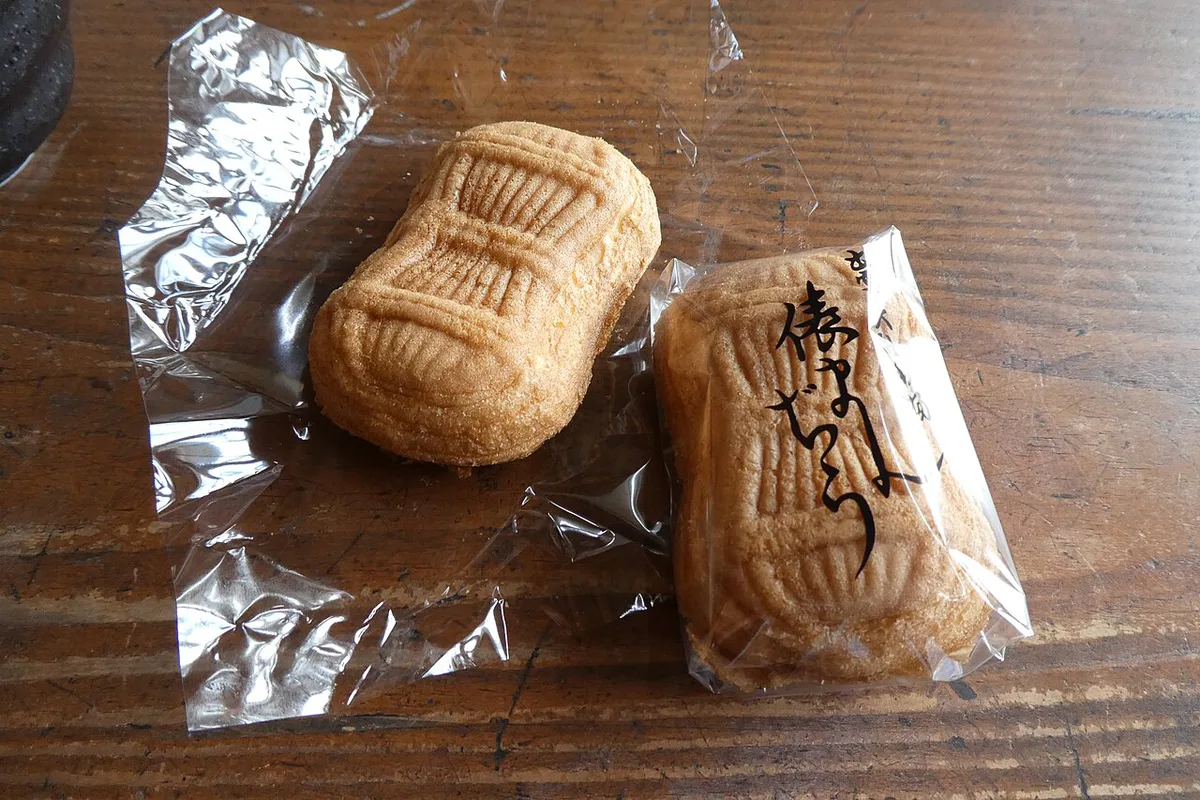
- Fukunowa's pufferfish-shaped Fugu-yaki cakes play on the word fuku, meaning fortune, and come filled with lightly sweetened red bean paste.
- Candied Strawberry Specialty Shop Ichie coats fresh strawberries in a hard sugar shell for one of the street's most photographed snacks.
- Taisha Coffee roasts its own beans in-house, and the nearby Starbucks Izumo Taisha sells an exclusive Izumo agate mug as a souvenir. The Izumo Taisha food street guide maps every stall shop by shop.
- Taisha Yakisoba
- Taisha Yakisoba is a salted, thin-noodle yakisoba commonly stir-fried with kamaboko and pork.
- Check a current local diner menu for availability, ingredients, location, and price.
- Ask about pork or fish-cake ingredients if dietary restrictions matter.
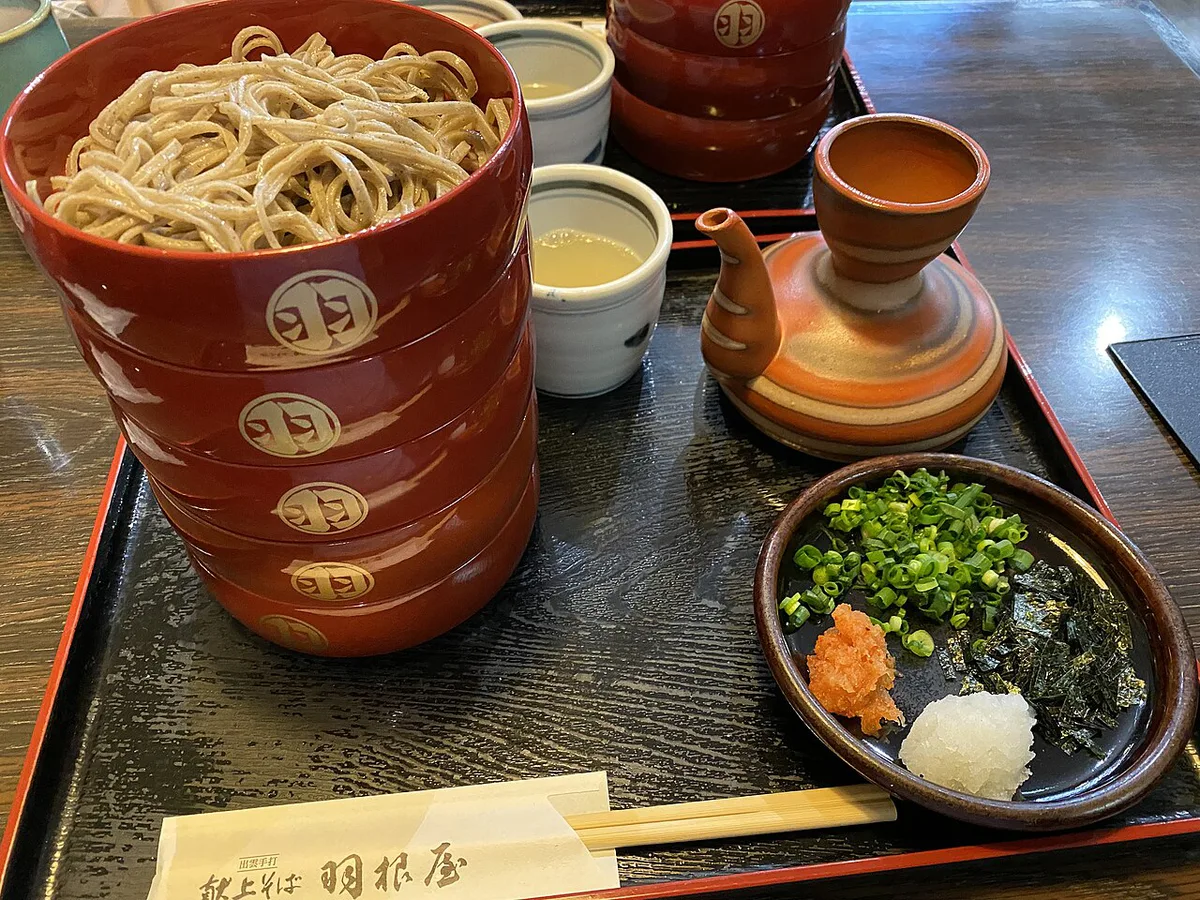
Warigo vs. Kama-age: The Izumo Soba Decision
Izumo soba splits into two serving styles, and the difference matters more than the noodle itself. Warigo soba actually originated in Matsue's castle town, not Izumo, according to Japan's agriculture ministry. Kama-age soba is the shrine-town version, believed to have started near shrines such as Izumo Taisha. Izumo soba also ranks alongside Iwate's wanko soba and Nagano's Togakushi soba as one of Japan's three most famous soba styles, per the same source. Shimane marks the specialty every February 11 with Izumo Soba Day. Skip a dedicated soba trip to Matsue while based in Izumo. Both styles are already available within a few minutes of Izumo Taisha.
Warigo soba originated in Matsue, roughly 30-45 minutes away, yet both soba styles are available locally at the shrine, making a special trip to Matsue unnecessary.
| Style | Serving | Best For |
|---|---|---|
| Warigo (cold) | Cold noodles in 2-3 stacked round boxes, dipping sauce poured layer by layer | A traditional, hands-on order |
| Kama-age (hot) | Hot noodles served in their own cooking water (sobayu) with condiments on top | Cold-weather visits and shrine-town authenticity |
Shrine Area vs. Station Area: Where and When to Eat
Shinmon-dori and the Izumo Taisha shrine area lean toward daytime dining, but individual shops set their own hours. Goen Yokocho currently publishes 9:00–17:00 winter hours and 9:00–18:00 summer hours, with irregular closures. For dinner, compare current operator menus around Izumoshi Station instead of using third-party ratings as evidence of quality or opening status.
Shrine-area businesses often finish earlier than station-area dinner venues, but closing times vary by shop and season. Confirm both the meal stop and the transport connection.
Getting Between the Shrine and the Station
Walking covers the shrine area on its own. Shinmon-dori and Izumo Taisha's grounds are compact enough to cover on foot. Moving between the shrine and Izumoshi Station is a different matter, since the two areas sit apart. The Ichibata Railway connects them, alongside local bus routes, in about 15 minutes. Plan the crossing once, in either direction, rather than shuttling back and forth for separate meals.
Budgeting an Izumo Food Day: 2026 Prices
Izumo food costs vary by dish, portion, and neighborhood. Use the intended restaurant's current menu for soba, zenzai, wagyu, or seafood rather than assuming a citywide lunch or dinner band. Individual snacks and rice bowls may cost less than full courses, but compare the complete order. For a wider regional comparison, see the San'in food guide.
| Dish | Where | Price |
|---|---|---|
| Shijimi-don | Current local menu | Check current price |
| Taisha Yakisoba | Current local menu | Check current price |
| Bobe-meshi set meal | Hinomisaki-area menu | Check current price |
| Nodoguro | Current seafood menu | Check current price |
| Wagyu dinner course | Izumoshi Station area | Check current menu |
Mistakes to Avoid When Eating in Izumo
A few planning slips can derail an otherwise well-timed food day around Izumo Taisha.
- Assuming every shrine-area shop keeps the same hours
- Individual businesses set their own schedules; Goen Yokocho currently lists 17:00 winter and 18:00 summer closing for the complex.
- Traditional soba shops may also close once the day's noodles sell out.
- Detouring to Matsue just for soba
- Matsue sits roughly 30-45 minutes away and has its own specialties, like Mushi Sushi.
- Kama-age soba, the shrine-town style, is already available within a few minutes of Izumo Taisha, so a special trip isn't necessary.
- Overlooking the station area entirely
- Assuming all the good food sits at the shrine skips the best izakayas and wagyu near JR Izumo City Station.
- The station district is also where dinner service actually happens, since the shrine area empties out early.
Pairing a Food Crawl with Izumo Taisha and Inasa Beach
Most visitors treat Izumo Taisha as a half-day stop, which leaves room for a food crawl before or after. Start at the shrine's main gate and walk down Shinmon-dori for Fugu-yaki and zenzai. Continue toward Inasa Beach for the sacred sand exchange ritual detailed in the Izumo attractions guide. Loop back to Kingu for Taisha Yakisoba, then catch the Ichibata Railway toward Izumoshi Station for dinner.
How This Guide Was Verified
Food availability, access details, seasonal rules, and the time-sensitive claims in this guide were checked on August 22, 2026 against the official sources below. Independent restaurant menus, prices, opening days, and sell-outs can change, so confirm the operator's same-day notice before making a special trip.
Explore food in other cities
Frequently Asked Questions
What's the difference between Izumo soba and Matsue soba?
Both use the same Hikigurumi-milled buckwheat, but the serving style differs by town. Warigo soba, the cold stacked-box version, actually originated in Matsue's castle town. Kama-age soba, served hot in its own cooking water, is linked to shrine towns like Izumo Taisha. If staying in Izumo, Kama-age is the more locally rooted order, though most shops nearby serve both styles.
What is Izumo Zenzai, and why is it linked to matchmaking?
Izumo Zenzai is a sweet red bean soup associated with local shrine tradition. Shops often use auspicious red-and-white mochi or dango, but recipes and garnishes vary. Shinmon-dori is a main area to look for it near Izumo Taisha.
How much should you budget for meals in Izumo?
Use current operator menus because prices vary by dish, portion, course, and drinks. Avoid building a budget from old third-party prices for individual restaurants.
What time do restaurants near Izumo Taisha close?
Hours vary by business. Goen Yokocho currently lists 9:00–17:00 in winter and 9:00–18:00 in summer, with irregular closures, while soba shops may close when noodles sell out. Confirm the intended venue directly.
Is a side trip to Matsue worth it for food while based in Izumo?
Not specifically for soba. Kama-age soba, the style linked to shrine towns, is already available within a few minutes of Izumo Taisha. Matsue sits roughly 30-45 minutes away and has its own specialties, such as Mushi Sushi, but it isn't required for a complete Izumo food itinerary.
Where can you eat Shimane Wagyu in Izumo?
Head to the Izumoshi Station area rather than the shrine district for wagyu dinners. Yakiniku spots such as Wahei's Izumo Tenjin location serve Shimane Wagyu in private rooms suited to groups. Expect to pay ¥4,000-¥8,000 per person for a full dinner course.
Explore Izumo Food and Dining
Use these guides to compare local dishes, dining areas and practical food experiences in Izumo.
Food and Dining Guides
Free guide: Japan's Hidden Gems
12 under-the-radar places beyond Tokyo & Kyoto — with the best season to visit each and a local tip you won't find in the guidebooks.
You might also like


Continue reading
More guides you'll find useful


